
The Dec 25, 2026 – 5 Day Christmas Tanzania Group Joining Safari is a specialized itinerary designed for travelers who want to experience the peak of the Northern Circuit during the festive season while sharing costs and camaraderie with a small, pre-arranged group. By joining an established departure, you bypass the logistical hurdles of private bookings and benefit from the efficiency of a shared 4×4 vehicle, professional guide, and pre-vetted park logistics. This departure date is highly sought after; because it falls during the peak holiday travel window, we strongly recommend securing your spot well in advance. Our team at Climb 4 Africa handles all permits, park fees, and accommodation arrangements, ensuring your Christmas day is spent tracking wildlife rather than managing travel logistics.
Spending Christmas in Tanzania is a departure from the traditional snowy holiday. Instead of cold weather, you are met with the vibrancy of the short rains (the ‘vuli’), which transform the savanna into a lush, green landscape, creating a dramatic backdrop for wildlife photography. The 5-day duration is carefully curated to hit the major highlights of the Northern Circuit—Tarangire, Serengeti, and the Ngorongoro Crater—without rushing the experience.
Why Choose a Group Joining Safari for Your Christmas Trip?
Traveling during the holiday season often presents challenges: accommodation availability is tight, park entrances can get crowded, and organizing private logistics can be prohibitively expensive. A group joining safari is our most popular solution for solo travelers, couples, and small groups who want a high-quality experience without the premium price tag of a private vehicle.
When you join our Dec 25, 2026 departure, you are not just booking a seat; you are entering a shared adventure. You will travel in a custom-built, 4×4 safari land cruiser, equipped with a pop-up roof for optimal wildlife viewing. The group size is kept small to ensure that everyone has a window seat and sufficient space for camera gear. Beyond the economics, there is a unique social element to spending Christmas dinner in a tented camp or lodge in the middle of the Serengeti, sharing stories with fellow travelers from around the world.
What to Expect from the Itinerary Structure
A 5-day safari is an intensive, high-impact trip. It is designed for those who want to see the ‘Big Five’ and the iconic landscapes of Northern Tanzania but have limited time. Because we have years of experience operating these specific routes, our itinerary is built for maximum wildlife exposure while accounting for the realities of Tanzanian road conditions and park distances.
For those looking at other options, you can also explore our 7-day complete Northern Circuit group safari if you prefer a slower pace, or check out our December 10 group joining departures for different timing options.
The 5-Day Christmas Safari Itinerary Breakdown
This itinerary assumes a start and end point in Arusha, the gateway to Tanzania’s Northern Circuit. Please note that exact lodging is subject to availability and will be confirmed upon your booking inquiry.
Day 1: Arusha to Tarangire National Park
We depart Arusha early, heading south toward Tarangire. This park is famous for its massive baobab trees and its dense elephant population. In December, the elephants are often found near the Tarangire River, making for spectacular sightings. After a full day of game driving, we head to our accommodation near the park or in the Karatu area, depending on the group’s pace.
Day 2: The Journey to Central Serengeti
We leave the highlands and enter the Ngorongoro Conservation Area, transiting through to the Serengeti. This is a day of transition—the landscape shifts from lush forest to the endless plains of the Serengeti. We aim to arrive in the central Serengeti (Seronera) area by late afternoon for an evening game drive. This region is the best place to spot big cats—lions, leopards, and cheetahs—which are often active near the granite kopjes.
Day 3: Full Day in Serengeti National Park
This is your quintessential safari day. We spend the entire day exploring the Seronera valley and surrounding plains. With a full day, we can venture further afield, following the tracks of the migration or searching for elusive predators. A picnic lunch is packed, allowing us to stay out in the bush and maximize time away from the lodge.
Day 4: Ngorongoro Crater Descent
We depart the Serengeti early, heading back toward the Ngorongoro Conservation Area. The highlight of this day is the descent into the crater floor. The Ngorongoro Crater is a self-contained ecosystem, a UNESCO World Heritage site, and the best place in East Africa to see the rare black rhino. The sheer density of wildlife here is unparalleled.
Day 5: Return to Arusha
After a final morning game drive or a cultural visit to a Maasai village (optional), we begin the drive back to Arusha. We typically arrive by late afternoon, giving you time to connect to evening flights or relax at your hotel. If you are extending your trip, you might consider our 9-day wildlife and cultural group safari.
Practical Planning for Your December Safari
December is a dynamic time in Tanzania. The weather is generally warm, but you should expect intermittent rain. The ‘short rains’ usually peak in November and taper off by late December, but the landscape remains lush and green. This is actually a fantastic time for bird watching, as migratory birds arrive in their thousands.
Packing Tips:
- Layers: Early mornings in the Ngorongoro highlands can be chilly, even in December. Bring a fleece or light jacket.
- Rain Gear: A light, breathable rain poncho is better than a heavy raincoat, which can be uncomfortable in the humidity.
- Footwear: Comfortable walking shoes for the lodge/camp, but you will spend most of your time in the vehicle, so heavy hiking boots are not necessary.
- Power: Bring a universal adapter and a power bank. While our vehicles have charging points, having your own backup is always wise.
Booking and Logistics:
When you inquire about the Dec 25, 2026 group joining safari, please provide the number of travelers and any specific dietary requirements. Our team needs to coordinate the logistics well in advance, especially for the Christmas period, as accommodation in the parks fills up months ahead of time.
You can reach out to us directly via WhatsApp at +255 747 477 898 or email us at climb4africa@gmail.com. If you don’t receive a prompt reply, please use our backup email: info@climb-4-africa.com.
Understanding Group Joining Dynamics
Many travelers ask about the ‘group’ aspect. Our group joining safaris are built on the principle of shared resources. You are joining a pre-scheduled trip that has already confirmed its itinerary and vehicle. This is not a ‘tour’ where you are herded; it is a small, flexible group of like-minded travelers.
The benefits are clear:
- Cost-Sharing: By splitting the cost of the vehicle, fuel, and guide fees, you save significantly compared to a private safari.
- Companionship: Safaris are social experiences. Sharing the ‘wow’ moments of a lion kill or a massive elephant herd with others often enhances the experience.
- Expert Guidance: You get the same high-quality driver-guide that private clients get. Our guides are local experts who know the parks, the wildlife, and the best spots to avoid the crowds.
If you have specific preferences—such as wanting a private vehicle, a different standard of accommodation (budget camping vs. luxury lodges), or a customized route—we can certainly arrange that as a private tour. However, for those seeking the best value and a ready-made social environment, our group joining departures are the standard-bearer.
Frequently Asked Questions
Is the Christmas departure fully booked?
We update our availability regularly, but the Christmas period is our busiest time of year. Please contact us as soon as you have your travel dates to confirm if there are remaining seats on the Dec 25 departure.
What if I am a solo traveler?
Solo travelers are perfectly suited for group joining safaris. We can pair you with other solo travelers in a tent or room to save on single supplement costs, or you can opt to pay a supplement for a private room.
Are park fees included in the group safari price?
Yes, all standard park entry fees, transit fees, and conservation levies are included in the quote we provide for our group joining packages. We believe in transparency, so we will provide a clear breakdown of what is included and what is excluded.
Can we customize the itinerary on a group joining safari?
The itinerary for a group joining safari is fixed to ensure the logistics work for everyone. If you need a fully customized route, we recommend booking a private safari instead.
Start Your Tanzania Adventure
The Dec 25, 2026 – 5 Day Christmas Tanzania Group Joining Safari offers a unique opportunity to witness the wild beauty of Tanzania during the festive season. Whether you are coming from Europe, the US, or elsewhere, the experience of watching the sunrise over the Serengeti or descending into the Ngorongoro Crater is unmatched.
At Climb 4 Africa, we pride ourselves on providing authentic, locally-supported travel experiences. We don’t just sell tours; we share our home. Our drivers, cooks, and support staff are the backbone of your trip, and their local knowledge is what makes a good safari great.
To secure your place on this departure or to ask about other available dates in December 2026, please get in touch today. Send us your inquiry via email at climb4africa@gmail.com or message us on WhatsApp at +255 747 477 898. Let us help you plan a Christmas you will never forget.
For more inspiration on your next Tanzanian adventure, explore our full list of group safari departures or browse our safari blog for more planning tips.
Navigating the Shared Safari Experience: Etiquette and Practical Tips
Joining a group safari is an inherently social experience, and the success of your five-day journey often depends as much on the group dynamic as it does on the wildlife sightings. Because you will be sharing a 4×4 vehicle for several hours each day, understanding the unwritten rules of the road is essential for maintaining harmony and ensuring everyone has a memorable trip.
Mastering the 4×4 Environment
Space in a safari land cruiser is premium. While these vehicles are rugged and purpose-built for the terrain, they are not designed for large suitcases. We strongly advise using soft-sided duffel bags rather than rigid, hard-shell suitcases. These are significantly easier to stack in the limited luggage compartments or under seats. By packing light, you not only make the vehicle more comfortable for your fellow travelers but also speed up the loading and unloading process at each lodge or campsite.
Additionally, remember that dust is an inevitable part of the Tanzanian safari experience. Even with the windows closed, fine dust will find its way inside. Keep your camera gear and personal items in dust-proof bags or dedicated camera cases. Bringing a small hand towel or a pack of wet wipes is a pro-tip that will prove invaluable for cleaning your hands, face, or camera lenses after a dusty game drive.
The Unwritten Code of Safari Etiquette
The most common point of friction on group safaris involves window access and photography. To ensure fairness, most group joining safaris adopt a seat rotation policy. If you find yourself in a middle seat or a less-than-ideal viewing position, rotate with your group members at designated intervals—usually after lunch or at the start of each new day. This ensures everyone gets a turn with the best vantage points.
Regarding wildlife viewing, silence is your greatest asset. When the vehicle approaches a pride of lions or a leopard in a tree, the engine will be cut. At this moment, lower your voices to a whisper. Sudden movements and loud talking can spook wildlife, potentially ending the sighting prematurely. Furthermore, be mindful of your fellow photographers; try to avoid blocking their view when the vehicle is positioned for a shot. If you are using a long lens, be aware of the space your equipment takes up and try to keep your gear within your own seating footprint.
Managing Power and Connectivity
While many modern safari vehicles are equipped with charging ports or power inverters, relying solely on the vehicle for power can be risky. You may be sharing a single inverter with several other people who all need to charge phones, cameras, and power banks simultaneously. We highly recommend bringing a high-capacity portable power bank. This allows you to charge your devices during the game drive without needing to unplug someone else’s equipment. It is also a good practice to charge all your batteries at your lodge or camp every evening, as you cannot always guarantee that the vehicle’s power system will be operational or available throughout the entire day.
Embracing the Group Dynamic
You will be traveling with people from different backgrounds, nationalities, and travel styles. Some may be avid birdwatchers who want to stop for every raptor, while others may be focused solely on the ‘Big Five.’ The most successful group travelers are those who arrive with flexibility and a spirit of compromise. If the group has a specific interest, communicate openly with your guide and your fellow travelers. A safari is a team effort; when the group communicates well, the guide can better tailor the day to everyone’s preferences, creating a far more enjoyable experience for the entire vehicle.
Navigating Tipping Culture on Your Group Safari
Tipping is an integral part of the service culture in Tanzania and often serves as a significant portion of income for the hardworking staff who make your safari possible. On a group joining safari, the question of how to tip can be slightly more complex than on a private trip. It is customary to tip your safari guide separately from the lodge staff. Because you are traveling with a group, you may choose to pool your tips for the guide at the end of the five-day journey, or you may prefer to handle your tipping individually. Both methods are perfectly acceptable, but discussing this with your fellow travelers on the first day can prevent awkwardness later.
For the safari guide, the industry standard generally ranges between $15 and $25 per guest, per day. This amount covers the guide’s driving, spotting, and educational expertise throughout the duration of your trip. If your group feels the guide provided exceptional service—perhaps by tracking a leopard for an extra hour or navigating difficult terrain during the short rains—it is common to tip toward the higher end of that range. For lodge and camp staff, most facilities have a communal ‘tip box’ at the reception desk. This ensures that the behind-the-scenes staff, such as housekeepers, kitchen crew, and groundskeepers, are also rewarded for their efforts. A contribution of $5 to $10 per person, per night, for the general staff is considered generous and helpful.
When preparing your budget, carry your tip money in small denominations of US dollars (printed after 2009) or Tanzanian Shillings. It is rarely possible to add tips to a credit card payment at the lodge, and your guide will certainly appreciate cash. Having these envelopes ready before the final day of your safari will save you from scrambling for change during your return to Arusha.
Celebrating Christmas in the Tanzanian Wilderness
Spending December 25th in the Serengeti or Tarangire is a unique experience that bears little resemblance to the traditional holiday season in the Northern Hemisphere. There will be no snow, no fireplaces, and no frantic shopping centers. Instead, you will wake up to the sounds of the African savanna—perhaps the distant roar of a lion or the chirping of birds as the sun rises over the plains. While your group will be ‘on safari’ just as you would be on any other day, many lodges and tented camps acknowledge the holiday with small, thoughtful touches.
Do not be surprised if your dinner on Christmas Eve or Christmas Day is slightly more festive than usual. Many lodges go to great lengths to create a celebratory atmosphere, often featuring special menus, traditional Tanzanian music, or a bonfire where guests can share stories of the day’s wildlife sightings. However, it is vital to manage your expectations: you are in a remote wilderness area. The ‘festivities’ are subtle and respectful of the environment. The focus remains, as it should, on the wildlife and the landscape.
Because Christmas is a peak travel period, the lodges may be fully occupied. This contributes to a vibrant, communal atmosphere where travelers from all over the world connect over their shared experiences. It is a time for reflection and appreciation of the natural world. If you are someone who finds comfort in the traditional trappings of the holidays, consider packing a small, lightweight token—perhaps a box of chocolates to share with your group or a festive accessory—to bring a touch of the season to your safari vehicle. Ultimately, the best gift you will receive this Christmas is the sight of a migration herd or a predator hunt, experiences that far outweigh any conventional holiday celebration.
Navigating the ‘Vuli’ Season: Preparation for December Wildlife Viewing
While the prospect of ‘rainy season’ travel can deter some, experienced safari-goers recognize that the vuli (short rains) in December are what make the Northern Circuit truly spectacular. Rather than constant downpours, you are more likely to experience short, refreshing afternoon thundershowers that clear the dust from the air and transform the Serengeti plains into a vibrant, emerald landscape. This lush environment is not merely for aesthetics; it draws grazing herds into the open, providing excellent visibility, and often coincides with the arrival of migratory birds, making it a prime time for birdwatchers.
Essential Gear for the Short Rains
Preparation for a December safari requires a shift in packing strategy compared to the dry season. While temperatures remain warm during the day, the humidity levels can fluctuate, and early morning game drives can feel surprisingly brisk after a nocturnal shower. The golden rule is layering. Lightweight, breathable fabrics that dry quickly are superior to heavy cottons, which hold moisture and become uncomfortable in the humidity.
Pack a high-quality, lightweight rain shell or a breathable poncho. You do not need heavy-duty mountaineering gear, but a windproof and water-resistant layer is essential for those moments when the vehicle is moving through a sudden shower. Because your group will be using a 4×4 with a pop-up roof, you will often be exposed to the elements while game viewing. A brimmed hat and polarized sunglasses are just as important during the rainy season as they are during the dry season, as the sun remains intense even when obscured by cloud cover.
Protecting Your Optics and Electronics
The combination of dust and moisture is the primary challenge for photographers in December. During the dry spells between showers, the roads can be dusty, and when the rain hits, that dust turns into a fine grit. If you are bringing a DSLR or mirrorless camera, bring a dedicated rain cover or a simple, effective DIY solution like a heavy-duty clear plastic bag with an opening for your lens. Ensure you have a dry bag or a high-quality, weather-sealed camera backpack to store your equipment while the vehicle is in transit or when you are not actively shooting.
Microfiber cloths are your most valuable accessory. You will be cleaning your lenses and viewfinders constantly. Avoid using paper towels or tissues, as these can be abrasive and leave lint on your glass. Additionally, keep a few silica gel packets in your camera bag to help absorb moisture while your gear is stored overnight at the lodge or camp.
The Reality of Road Conditions
The vuli season can make the black-cotton soil of the Serengeti and Ngorongoro regions particularly challenging. It is important to approach your safari with the understanding that road conditions can change rapidly. A path that was firm in the morning can become slick by the afternoon. This is where the expertise of your driver-guide becomes critical. Trust their judgment implicitly; if they decide to avoid a specific track or take a longer route to reach a destination, it is because they are prioritizing the safety of the vehicle and the group.
Embrace the unpredictability. Getting stuck in the mud, while rare with professional operators, is sometimes part of the authentic safari experience. It offers a chance to step out of the routine, observe the landscape from a different perspective, and often leads to unexpected wildlife encounters while waiting for assistance. Patience and a good sense of humor are, arguably, the most important items you can pack for a December trip.
Navigating Pre-Safari Arrival and the Briefing Process
For a group joining safari that departs on December 25th, the logistics of your arrival are as critical as the safari itself. Because this is a shared trip, the group cannot wait for delayed flights or missing travelers. To ensure a smooth start, we strongly advise that all participants arrive in the Arusha area no later than the evening of December 24th. This “buffer day” is not merely a suggestion; it is a vital component of your trip’s success. Arriving a day early allows you to recover from international travel, navigate potential flight delays, and complete the mandatory pre-safari briefing.
The Importance of the Pre-Safari Briefing
The pre-safari briefing typically takes place on the evening of December 24th at your designated hotel in Arusha. This is an essential, face-to-face meeting with your assigned guide. During this session, the guide will review the entire five-day route, confirm the passenger list, and conduct a final check of your gear. This is your opportunity to ask questions about the terrain, the expected wildlife, or the specific daily pace. More importantly, it is when the guide verifies that all participants have the necessary park permits and that any outstanding logistics—such as dietary requirements or specific photographic needs—are noted.
For many travelers, this briefing is also the first point of contact with your fellow group members. Since you will be spending five days in a confined 4×4 vehicle, this meeting sets the tone for the journey. It is a time to establish a rapport, discuss shared expectations for the pace of game drives, and align on simple social norms, such as camera space and departure times for the following morning. Establishing this camaraderie before the engines start on the 25th minimizes friction during the trip.
Arrival Logistics: JRO vs. Arusha Airport
Understanding your entry point is crucial. Most international flights arrive at Kilimanjaro International Airport (JRO), which is approximately 50 to 60 minutes from Arusha town. Some domestic flights or regional connections may arrive at Arusha Airport (ARK), which is closer to the city center. When arranging your transfers, ensure you have communicated your flight details clearly to your operator. If you are booking your own transfers, be aware that traffic in Arusha can be unpredictable, especially during the holiday season. Always allow for a generous window of time when coordinating your meeting point.
Upon arrival at the airport, you will likely need to process your visa. While many travelers can obtain a visa on arrival, we recommend applying for an e-visa well in advance to expedite your entry through customs. Once you have cleared immigration and collected your luggage, your pre-booked transfer should be waiting. Having this transfer pre-arranged is the most stress-free way to reach your hotel, as it eliminates the need to negotiate with taxi services after a long-haul flight.
The Final Gear and Document Check
Use your evening in Arusha to perform a final audit of your kit. By the time you reach the briefing, your main luggage should be packed into the soft-sided bags recommended for the safari vehicle. Check that your passport is easily accessible, as you will need it for park registration and check-in at various lodges. Ensure that you have sufficient cash in US Dollars or Tanzanian Shillings for incidentals, as well as the specific funds you have allocated for tipping. While ATMs are available in Arusha, they can occasionally run out of cash or experience technical issues; relying on them for your entire trip budget is a risk you should avoid.
Finally, confirm that you have all your necessary electronics, including spare batteries and memory cards. If you realize you have forgotten a specific cable or a basic supply like sunscreen or insect repellent, Arusha has several well-stocked pharmacies and shops where you can pick up these items before heading into the bush. Once you leave Arusha on the morning of the 25th, your access to retail amenities will be effectively zero until your return. Using the 24th to secure these final items ensures that when the safari begins, your focus is entirely on the wildlife and the landscape, not on logistical errands.
The Evening Ritual: Navigating Lodge Life and Downtime
While much of your focus on a group joining safari is placed on the hours spent inside the 4×4, the evening hours at your lodge or tented camp are where the true rhythm of the safari is established. After a long day of tracking wildlife, the transition from the vehicle to the lodge environment offers a different type of group dynamic. Understanding how to navigate this time is essential for maintaining your energy levels and ensuring a positive experience for everyone.
Most safari lodges and camps operate on a ‘safari clock,’ which is dictated by the sun and the wildlife. Dinner is typically served relatively early, often between 7:00 PM and 8:30 PM, to accommodate the mandatory early wake-up calls for the following morning’s game drive. In a group joining context, you will often find that your group naturally gravitates toward a shared table. This is the prime time to debrief on the day’s sightings, share camera memory cards, and compare notes on the wildlife spotted. It is common for the group to collectively review the map to see what territory was covered and what remains to be explored.
However, it is equally important to recognize that you are not obligated to be ‘on’ for the entire evening. The physical exhaustion of a day in the bush—combined with the dust, the wind, and the constant sensory input—is significant. Most lodges are designed with quiet nooks, bar areas, or fire pits where you can retreat if you need solitude. If you are an introvert or simply need to recharge, it is perfectly acceptable to excuse yourself early to your room or tent. The most successful group travelers are those who balance the camaraderie of the group meal with the necessity of personal decompression. By the time the campfire dies down, most guests are usually ready to retire, ensuring they are well-rested for the 6:00 AM or 6:30 AM departure the next day.
Finally, be mindful of the ‘connectivity’ reality in the bush. While many lodges have Wi-Fi in the main reception or lounge areas, it is rarely high-speed or available in the rooms. This limited connectivity is actually a hidden benefit of the safari experience, as it forces you to disconnect from your digital life and engage with your fellow travelers. Use these evening hours to foster connections with your group members; you will likely find that the stories exchanged over a post-dinner drink are just as memorable as the sightings you witnessed during the day.
Health and Safety Protocols for Your December Safari
While the focus of your Christmas safari is inevitably on the wildlife, the logistical reality of traveling to Tanzania during the vuli (short rains) season requires a proactive approach to health and safety. Because you are participating in a group joining safari, your personal health decisions impact not just your own comfort, but potentially the itinerary of the entire vehicle. Being prepared allows you to enjoy the experience with peace of mind, knowing you have mitigated the risks inherent in remote travel.
Managing Health Risks in the ‘Vuli’ Season
December is characterized by intermittent rainfall, which creates a lush, green landscape but also increases the prevalence of mosquitoes. While malaria is a risk throughout Tanzania, the short rains can create temporary breeding grounds for insects in areas that were previously dry. It is essential to consult a travel medicine specialist or your primary care physician at least six weeks before your departure to discuss malaria prophylaxis. Options like Malarone or Doxycycline are common, but your doctor will advise based on your medical history and current resistance patterns in East Africa.
Beyond medication, physical prevention is your primary line of defense. During the early morning and late evening—the hours when you are most likely to be in the lodge or camp—mosquito activity is at its peak. Pack high-quality repellent containing DEET or Picaridin and apply it liberally. When choosing your safari wardrobe, prioritize long sleeves and long trousers in neutral, light-colored fabrics (avoid dark blue or black, which are known to attract tsetse flies). Most reputable lodges and tented camps in the Serengeti and Tarangire provide mosquito nets over the beds; ensure you check these for tears upon arrival and tuck them securely under the mattress before sunset.
The Non-Negotiable: Travel Insurance and Emergency Evacuation
On a group joining safari, you are venturing into some of the most remote wilderness areas on the planet. While the vehicle is rugged, it is not an ambulance, and local infrastructure is limited. Therefore, comprehensive travel insurance that includes emergency medical evacuation is not merely a recommendation; it is an absolute requirement for any responsible traveler. When reviewing your policy, verify that it covers ‘adventure travel’ or ‘safari activities’ and explicitly includes air ambulance services.
In East Africa, the primary provider for emergency medical evacuation is the AMREF Flying Doctors service. Many reputable safari operators include a basic membership to this service in their packages, but you must confirm this with your provider during the booking process. If it is not included, purchasing a short-term ‘Maisha’ tourist cover is highly advisable. This service coordinates with local ground transport and international medical facilities, ensuring that in the unlikely event of a serious injury or illness, you can be transported from the bush to a high-quality medical facility in Arusha or Nairobi without delay.
Dietary Requirements within a Shared Group Context
One of the logistical challenges of a group joining safari is the shared dining experience. Because your group will likely eat at the same lodges or utilize the same bush lunch spots, clear communication regarding dietary restrictions is vital. If you have severe allergies (such as to peanuts, shellfish, or gluten) or specific dietary needs (vegan, vegetarian, or halal), you must communicate these to your safari operator at the time of booking—not upon arrival.
Safari lodges are accustomed to catering to international guests and are generally excellent at accommodating special diets, provided they receive notice. However, in a group setting, the lodge staff will often prepare a set menu to ensure efficiency. If you are a vegetarian, for example, the kitchen needs to prepare your portion separately from the main menu. By providing this information weeks in advance, you ensure that your meals are safe and that you are not left with limited options during the busy Christmas period when lodges are operating at full capacity.
Altitude Awareness: The Ngorongoro Factor
While the Serengeti and Tarangire are situated at relatively moderate altitudes, the Ngorongoro Conservation Area presents a different environment. The crater rim sits at an elevation of approximately 2,300 meters (about 7,500 feet) above sea level. While this is not ‘high altitude’ in the mountaineering sense, it is significant enough that some travelers may experience mild symptoms such as headaches, fatigue, or shortness of breath upon arrival, especially if they have flown in from sea level just days prior.
The best way to mitigate altitude discomfort is through aggressive hydration. The dry, thin air at the crater rim can dehydrate you faster than you realize, and it is easy to forget to drink water when you are distracted by the scenery. Carry a reusable water bottle and ensure you are drinking consistently throughout the day. Additionally, limit your alcohol intake on the evening before your crater descent. A heavy night at the lodge bar can exacerbate altitude symptoms, leaving you feeling sluggish when you need to be alert for the early morning descent into the crater floor.
The Ecological and Photographic Shift: Why December Wildlife Viewing is Unique
While many travelers prioritize the dry season for the ease of spotting wildlife against sparse, brown vegetation, the December vuli (short rains) offers a distinct, often superior experience for those who appreciate the savanna’s transformation. Understanding this shift is key to managing expectations and maximizing your time in the field. When the rains arrive, the Serengeti ecosystem undergoes a dramatic metamorphosis; the dust settles, and the landscape turns into a vibrant, lush mix of green. This is not merely an aesthetic change—it dictates animal movement and behavior.
For the wildlife, the rains signal a time of abundance. The arrival of fresh, nutrient-rich grasses on the southern and central plains draws the herds of the Great Migration back from the north. While your specific itinerary focuses on the Central Serengeti, you will likely observe the ripple effects of this movement. The abundance of water means that animals are no longer tethered to permanent waterholes, allowing them to disperse more widely across the plains. While this can make tracking more challenging compared to the dry season, it also offers the reward of seeing animals in pristine, natural surroundings rather than clustered around shrinking mud pits.
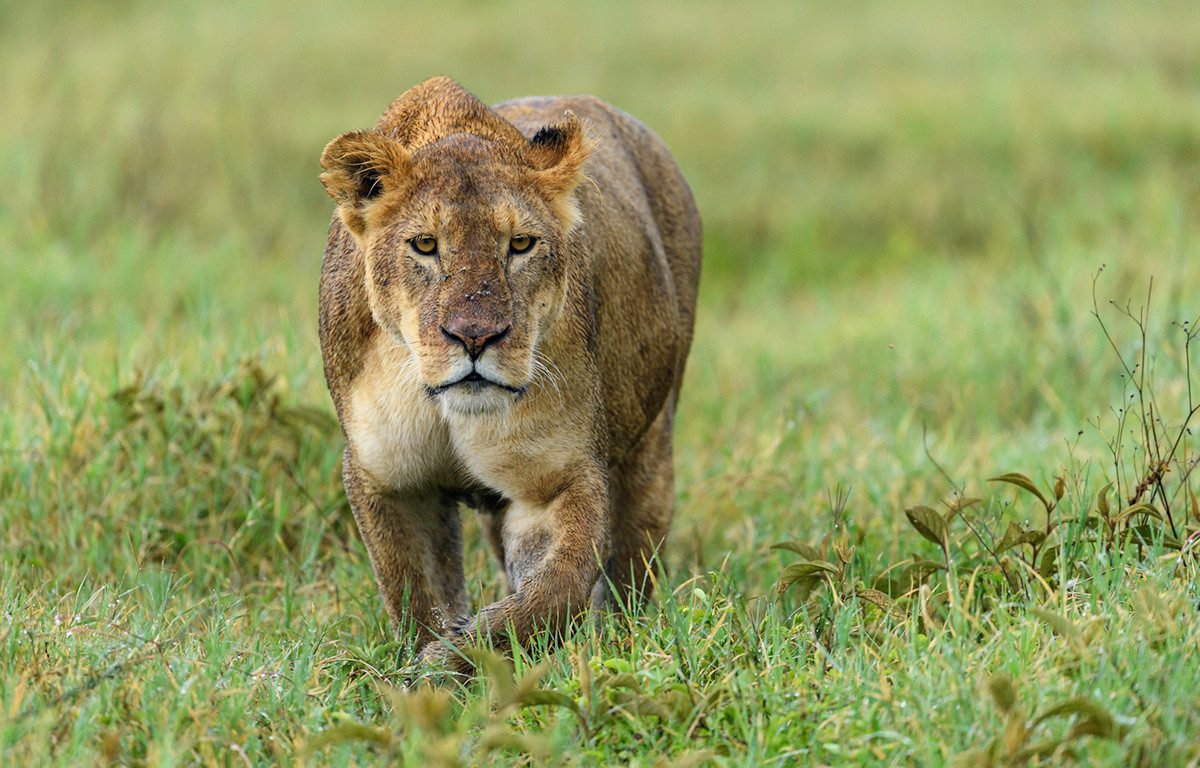
From a birdwatching perspective, December is arguably the finest time to visit. The arrival of Palearctic migrants—birds traveling from Europe and Asia to escape the northern winter—adds a layer of biodiversity that is absent for much of the rest of the year. You will frequently encounter raptors, storks, and colorful bee-eaters that are only present during this window. For photographers, the ‘green season’ provides a high-contrast environment. The deep, saturated greens of the grass provide a stunning backdrop for the tawny coats of lions and the spotted patterns of leopards, creating images with a color palette that is impossible to replicate in the dry months. The ‘soft light’—often diffused by passing clouds—reduces the harsh shadows that can plague mid-day photography, allowing for more forgiving shooting conditions throughout the day.
Navigating the Post-Safari Transition
The conclusion of your five-day journey on December 29th (assuming a December 25th start) brings its own logistical requirements. The drive from the Ngorongoro Conservation Area or the Serengeti back to Arusha is significant, often taking five to seven hours depending on traffic and road conditions, which can be affected by the rains. It is a common mistake to book a flight departing too early on the evening of your final day. We strongly recommend that your outbound flight from Kilimanjaro International Airport (JRO) departs no earlier than 9:00 PM. This provides a necessary buffer for the drive, potential stops for lunch, and the inevitable traffic as you approach the Arusha and Moshi urban centers.
If your flight schedule necessitates a stay in Arusha before flying out the following day, use this time to finalize your post-safari logistics. Most lodges in Arusha are well-equipped to store luggage if you have a long gap between your afternoon arrival and a late-night flight. Furthermore, if you are planning to transition from your safari directly to a beach holiday in Zanzibar, ensure that your domestic flight booking allows for at least a three-hour window between your arrival at JRO and your departure to the coast. The transition from the rugged, high-altitude environment of the safari circuit to the humid, sea-level climate of the coast can be taxing; staying hydrated and maintaining your malaria prophylaxis through the final day of your trip is essential, as mosquitoes remain active in the coastal regions.
The Psychology of the Shared Safari Experience
While the logistics of a group joining safari—such as vehicle rotation and park entry—are governed by clear, established rules, the psychological success of your five-day journey depends on the unspoken social contract between you and your fellow travelers. Transitioning from a private travel mindset to a shared-group environment requires a conscious shift in how you engage with your surroundings and your companions. You are not merely sharing a vehicle; you are building a temporary, mobile community with a singular, shared goal: to witness the best of the Tanzanian wilderness.
Cultivating a Collaborative Spotting Network
The most successful group safaris are those where passengers function as a collaborative spotting network rather than isolated observers. In a standard 4×4, your field of vision is limited by your specific seat and the angle of the windows. When you treat the vehicle as a team effort, the quality of your sightings increases dramatically. This means adopting a ‘scan and signal’ approach. If you spot movement in the brush, avoid the instinct to shout, which can startle animals and disrupt the vehicle’s silence. Instead, use a calm, precise directional reference: ‘Two o’clock, mid-level, behind the acacia.’ This allows the guide to slow down and others to locate the subject without frantic movement. By helping others see what you see, you foster a sense of collective achievement that elevates the experience beyond individual photography.
Furthermore, managing your ‘wish list’ is a critical component of the group dynamic. It is rare for every member of a group to have identical interests; one traveler may be obsessed with big cats, while another is a dedicated birder. The group dynamic thrives when there is an implicit agreement to balance these interests. If you have a specific, niche request—such as spending extra time photographing a specific raptor—the most effective strategy is to discuss it with the group during a rest stop or at lunch, rather than demanding it during the middle of a game drive. This collaborative negotiation ensures that no single traveler feels their interests are being ignored, and it helps the guide manage the day’s pace more effectively.
Managing ‘Safari Fatigue’ and Social Energy
A five-day safari is an intense, high-stimulation experience. By the third day, it is common for even the most enthusiastic travelers to experience ‘safari fatigue’—a state where the constant sensory input of the savanna, combined with the humidity and the physical exertion of early mornings, leads to a dip in social energy. Recognizing this cycle is vital for maintaining group harmony. It is perfectly acceptable—and often necessary—to have periods of silence within the vehicle. You are not obligated to maintain constant conversation with your seatmates. In fact, the quietest vehicles often see the most wildlife, as the animals remain undisturbed by human voices.
If you find your energy waning, use the downtime at the lodge or the mid-day break to step away. The group dynamic is strongest when members have the freedom to recharge independently. If you are an extrovert who thrives on social interaction, be mindful of those who may need quiet time to process the day’s events. Conversely, if you are an introvert, communicate your need for space politely; a simple, ‘I’m going to take a quiet walk to process these photos, I’ll see you at dinner,’ is entirely acceptable and respectful of the shared space.
The Unspoken Language of the Vehicle
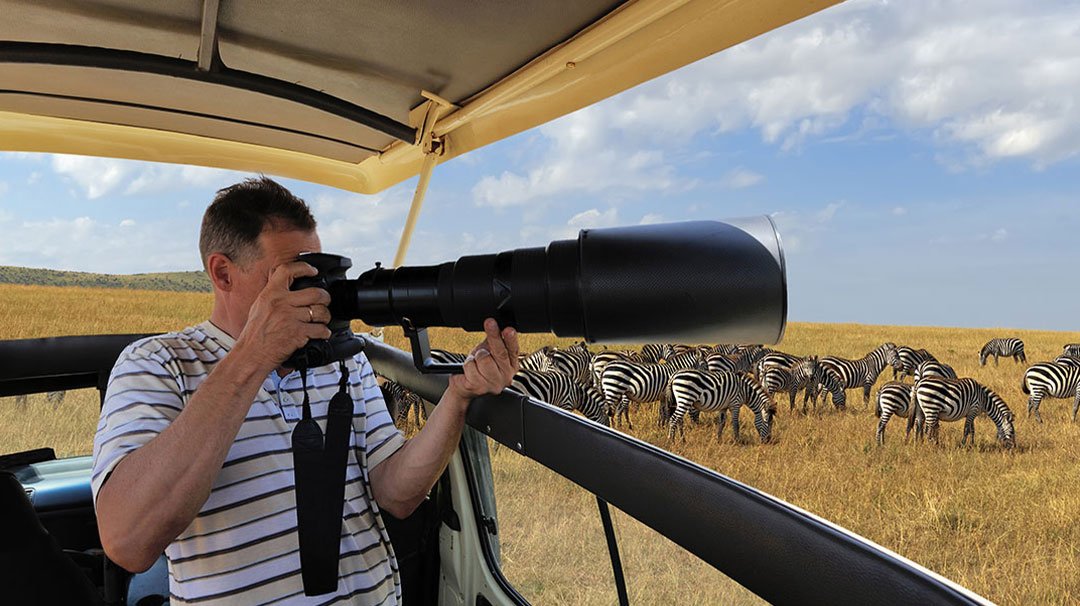
The 4×4 environment has its own non-verbal language. During game drives, the vehicle acts as an extension of the wilderness. Your body language—how you lean, how you shift, and how you manage your camera gear—affects the people around you. If you are using a large telephoto lens, be hyper-aware of your ‘elbow space.’ A common friction point is the ‘lens creep’ where one photographer’s equipment slowly drifts into the viewing space of a neighbor. Periodically checking your physical footprint within the vehicle is a small gesture that goes a long way toward preventing resentment. Additionally, respecting the guide’s communication with other drivers is crucial. When your guide is listening to the radio for reports on wildlife sightings, the vehicle should be silent. This is the most critical time for the group to remain focused and observant, as the information being shared could lead to the highlight of your entire trip.
Finally, remember the context of your trip: you are traveling during the Christmas season. This shared holiday context can be a powerful bonding agent. You are all away from home, likely missing family traditions, and spending the holiday in a remote, extraordinary environment. Leaning into this shared ‘outsider’ status can turn a group of strangers into a cohesive unit. Sharing stories, exchanging travel tips, and acknowledging the unique privilege of being in the Serengeti on December 25th creates a camaraderie that often outlasts the five-day itinerary. By approaching the group dynamic with flexibility, patience, and a sense of shared purpose, you ensure that your Christmas safari is defined not just by the wildlife you see, but by the connections you make.
Mastering the Logistics of Field Comfort and Sanitation
While the focus of your December safari is wildlife, the reality of spending 8 to 10 hours a day in a 4×4 vehicle through the expansive landscapes of Tarangire and the Serengeti introduces a fundamental logistical challenge: field comfort. Unlike a standard road trip where service stations are frequent, the Tanzanian Northern Circuit is a protected wilderness area with strictly regulated infrastructure. Understanding the realities of field sanitation is not just a matter of comfort; it is a critical component of being a prepared and respectful group member.
The Reality of ‘Bush’ Logistics
In the vast majority of the Serengeti and Ngorongoro, you are traveling through protected ecosystems where stopping the vehicle is strictly controlled. You cannot simply pull over whenever you wish. Park regulations mandate that vehicles stay on designated tracks to protect the fragile soil and prevent wildlife disturbance. Consequently, bathroom breaks are usually synchronized with your arrival at designated picnic sites, park entry gates, or your booked lodge. These facilities vary significantly in quality, ranging from well-maintained restrooms with running water at main gates to more rudimentary, long-drop style structures in remote areas. On your five-day itinerary, view these stops as essential checkpoints rather than inconveniences. When your guide announces a stop at a picnic site, use it, even if you do not feel an immediate need; the next opportunity may be several hours of bumpy, unpredictable road away.
The ‘Leave No Trace’ Protocol
Environmental stewardship is paramount in the Tanzanian wilderness. In the remote areas of the Serengeti, there are no public trash receptacles. Everything you bring into the park—including toilet paper, wet wipes, and snack wrappers—must come back out with you. Your safari vehicle will be equipped with a small bin, but it is highly advisable to carry a dedicated, sealable ‘personal waste’ bag (a heavy-duty Ziplock or dry bag) in your daypack. This allows you to manage your personal hygiene waste discreetly without cluttering the shared vehicle space. Never dispose of paper products in the bush; the wind can easily carry them, turning them into litter that is not only unsightly but dangerous if ingested by wildlife.
Essential Hygiene Kits for the 4×4 Environment
Because the ‘vuli’ (short rains) season can make the air humid and the roads dusty, your personal hygiene kit is your most valuable asset for maintaining comfort. Do not rely on lodge facilities to provide everything. A robust kit should include high-quality, biodegradable wet wipes, a reliable hand sanitizer, a small pack of tissues (which often serve as backup toilet paper), and a moisturizing lip balm to combat the dry, high-altitude air of the Ngorongoro region. Additionally, consider packing a small, quick-dry travel towel. If you are participating in a bush lunch, you may find that washing facilities are limited, and a damp towel can be a refreshing way to clean your hands and face before eating. Keep this kit accessible in your daypack—not buried in the bottom of your main luggage—so you can reach it instantly during a quick pit stop.
Navigating the ‘Bush’ Emergency
There are rare, unavoidable circumstances where a ‘bush’ stop becomes necessary between designated facilities. This is a delicate situation that requires absolute discretion and adherence to safety protocols. If you find yourself in an urgent situation, communicate this quietly and immediately to your guide. Do not attempt to exit the vehicle on your own. Your guide is trained to identify a safe, secluded, and legally permissible area to pull over, ensuring you are shielded from the sight of other vehicles and, crucially, away from wildlife. You must remain within the immediate vicinity of the vehicle, as the primary rule of the savanna is that you are never safe on foot. Once the stop is complete, ensure the area is left exactly as you found it. This is not the time for photography or exploration; it is a rapid, respectful, and strictly logistical maneuver.
The Social Aspect of Shared Facilities
In a group joining safari, you will be sharing these facilities with your fellow travelers. Just as you maintain etiquette inside the vehicle, maintain a sense of shared responsibility at rest stops. If you notice the soap dispenser is empty or the paper towel bin is overflowing, a quiet word to your guide can help them coordinate with park staff or prepare for the next stop. Being the traveler who keeps their personal hygiene routine efficient and unobtrusive is a subtle but significant contribution to the overall harmony of the group. When everyone manages their personal needs efficiently, the group spends less time at rest stops and more time on the game drives that you all traveled thousands of miles to experience.
The Reality of Vehicle Maintenance in the ‘Vuli’ Season
While the focus of your 5-day group joining safari is understandably on the wildlife and the changing landscape, the technical reliability of your 4×4 vehicle is the silent engine of your entire experience. During the December vuli (short rains) season, the operational demands on safari vehicles are significantly higher than during the dry months. Navigating the black-cotton soil of the Serengeti and the rutted tracks of the Ngorongoro Conservation Area requires a vehicle that is not just rugged, but meticulously maintained. Understanding this logistical reality will help you manage your expectations during the trip.
The Mid-Safari Check: Ensuring Reliability
Your guide is not merely a driver; they are the primary technician responsible for the vehicle’s health. Throughout your five-day journey, you may notice your guide performing routine inspections that go beyond simple cleaning. In the humid, muddy conditions of December, the 4×4’s air filters can clog rapidly with dust and moisture, and the suspension systems are subjected to constant, uneven stress. It is standard practice for your guide to conduct a thorough check of the tire pressure, engine oil, and undercarriage every evening or during designated lunch stops. This is not a delay tactic; it is a proactive safety measure to prevent mechanical failure in remote areas where recovery services can take hours or even days to reach you.
Why Your Cooperation During Vehicle Checks Matters
On a group joining safari, the vehicle is a shared resource. When a guide identifies a mechanical issue or needs to perform a necessary check—such as clearing mud from the wheel wells or checking the winch system—the efficiency of the group is paramount. If you are asked to step out of the vehicle or wait while the guide performs a quick maintenance task, recognize that this is essential to the group’s continued mobility. Impatience can create unnecessary tension. Instead, use these moments to stretch your legs, observe the immediate flora, or simply appreciate the sounds of the bush. By maintaining a supportive and patient attitude during these necessary pit stops, you contribute to the overall smooth operation of the safari, ensuring that your Christmas adventure remains on track and secure.
Understanding the Financial Mechanics of Group Joining Safaris
While the allure of a Christmas safari in Tanzania is rooted in the wildlife and the unique ‘vuli’ season landscapes, the financial structure of a group joining departure is often misunderstood. Unlike private safaris, where costs are calculated based on the total vehicle hire and private guide fees, a group joining safari operates on a shared-cost model. It is essential to understand how your contribution is allocated to ensure you have realistic expectations regarding value and transparency.
The Breakdown of Shared Costs
When you pay for your seat on a group joining safari, your fee is generally divided into three primary categories: fixed park entry and conservation fees, variable operational costs, and the service component. The largest portion of your payment is almost always directed toward government-mandated fees. These include the Ngorongoro Crater entry fees, Serengeti National Park conservation fees, and Tarangire National Park entrance fees. These are non-negotiable, government-set costs that remain identical whether you are traveling solo or in a group of twenty. Because these are subject to change by the Tanzania National Parks Authority (TANAPA) or the Ngorongoro Conservation Area Authority (NCAA), operators often quote prices that include these fees to shield travelers from mid-season fluctuations. Always confirm if your quoted price is ‘all-inclusive’ of these statutory fees, as a lower advertised price might exclude them, leading to an unpleasant surprise upon arrival.
The Economy of Scale in Group Departures
The primary financial benefit of a group joining safari is the distribution of the ‘fixed’ costs of the vehicle and the guide. On a private safari, one traveler bears the entire cost of the 4×4, the fuel for the five-day journey, and the daily salary of the professional guide. On a group joining departure, these costs are divided among the passengers (typically 4 to 6 people). This is why group joining safaris are the most cost-effective way to access the Northern Circuit. However, this model relies on a minimum number of participants to break even. If a departure fails to meet the minimum threshold, the operator may either cancel the trip, offer a significantly higher price to proceed as a private vehicle, or combine your group with another. Understanding this ‘minimum participant’ clause is vital for your financial planning.
Hidden Costs Beyond the Booking Fee
While the group joining price covers your transport, guide, and accommodation, it rarely covers everything you will encounter on the ground. A common oversight for first-time safari-goers is the budgeting for ‘soft’ costs. These include visa fees (which must be paid in US dollars or via the official e-visa portal before arrival), optional activities (such as a visit to a Maasai village or a hot air balloon safari in the Serengeti), and personal beverages. While lodges typically provide water, soft drinks, beer, and wine are usually charged as extras. In a group setting, keeping track of individual tabs at lodges can become complex. Many travelers find it easier to keep a small amount of local currency (Tanzanian Shillings) or crisp, post-2009 US dollar bills specifically for these incidentals to avoid the logistical headache of splitting small bills among group members.
The Tipping Protocol in a Shared Environment
Tipping is a significant part of the Tanzanian service culture, and on a group safari, it requires a coordinated approach. Unlike a private safari where you tip your guide directly at the end of the trip, a group safari benefits from a collective tipping strategy. It is standard practice to pool tips from all participants to present to the guide and the support staff (such as lodge waiters or camp cooks). This prevents the awkwardness of individual passengers tipping different amounts, which can inadvertently create a perception of favoritism or lead to social friction within the group. Discussing the tipping pool with your fellow travelers on the second or third day allows everyone to agree on a fair amount, ensuring the staff is appropriately rewarded without placing an undue burden on any single participant.
Navigating the Departure Request Process
Because the December 25th departure is a peak holiday date, the availability of seats is not just a logistical detail—it is the primary constraint of your trip. Unlike booking a hotel room where you receive an instant confirmation, group joining safaris often involve a ‘request and confirm’ process. This is because operators need to ensure that the vehicle is fully utilized and that the group composition is balanced.
Why ‘Instant Booking’ Is Rare for Group Safaris
When you see a ‘Book Now’ button for a group joining safari, it often acts as a deposit request rather than an immediate confirmation of a seat. The operator must verify the current passenger count for that specific vehicle. If the vehicle is already full, they may need to open a second vehicle, which requires securing a guide and a vehicle that might be in high demand during the Christmas season. Do not assume your booking is finalized until you receive a formal confirmation voucher that lists your specific departure date, the vehicle number (if assigned), and the contact details for your pre-safari briefing. If you are traveling as a pair or a small group, it is often safer to inquire about ‘guaranteed departure’ dates, which are trips that the operator has committed to running regardless of whether the vehicle is fully booked.
Securing Your Spot: The Importance of the Deposit
In the competitive landscape of Tanzanian tourism, a verbal or email ‘hold’ is rarely sufficient to secure a seat. Most reputable operators require a non-refundable deposit to lock in your place. This deposit is used to secure your accommodation reservations, which are often the first things to sell out during the Christmas period. Be wary of operators who do not ask for a deposit or who offer ‘pay on arrival’ terms for group joining safaris; this often indicates that your booking is not actually secured in the lodge’s reservation system. Always prioritize transparency in the booking process, and ensure you receive a receipt that clearly outlines the cancellation policy and the terms under which your deposit is protected.
Navigating Vehicle Seating and Rotation Policies
One of the most common, yet often overlooked, sources of friction in a shared 4×4 environment is the perception of ‘seat value.’ Because a standard safari land cruiser features different vantage points—some windows are clearer, some seats offer more legroom, and some positions provide better stability or elevation—passengers can inadvertently create a hierarchy of comfort. To mitigate this, professional safari operators implement a structured rotation policy. Understanding and respecting this system before you depart is essential for maintaining group harmony throughout your five-day journey.
Most reputable operators follow a daily rotation schedule. This ensures that every participant spends at least one day in the front passenger seat (next to the driver), one day in the middle row, and one day in the back. This rotation is not merely about fairness; it is about perspective. The front seat provides the best view of the road ahead, direct access to the guide’s expertise, and a lower vantage point that is excellent for spotting smaller mammals or birds near the track. Conversely, the middle and rear rows offer better elevation for wildlife photography through the pop-up roof, allowing you to scan the horizon and capture wider vistas of the Serengeti plains.
If you have specific physical needs—such as motion sickness, which is often exacerbated in the rear seats of a 4×4 on the uneven, ‘washboard’ roads typical of the December vuli season—you must communicate this to your guide during the pre-safari briefing. However, do not assume you can claim a specific seat for the duration of the trip. If you are traveling as a couple or a family, you may be tempted to stick together, but be prepared to split up if the rotation policy demands it. The guide is the final authority on seating; their primary goal is to ensure the weight distribution of the vehicle remains balanced, which is crucial for handling the often muddy or rutted tracks of the Northern Circuit. By accepting the rotation system as a standard part of the ‘safari contract,’ you eliminate the stress of ‘seat negotiation’ and allow yourself to focus on the landscape.
The Logistics of Moving Gear During Rotation
While the rotation policy is straightforward in theory, the physical reality of moving your gear every morning is a logistical challenge. On a five-day trip, you will likely be carrying a daypack, a camera bag, and perhaps a jacket or water bottle. When the rotation occurs, you must be prepared to reorganize your equipment quickly. Avoid the ‘gear creep’ that often happens by the third day, where passengers start leaving items in the seat pockets or footwells of their previous day’s position. Every morning, before the engine starts, perform a ‘sweep’ of your area to ensure nothing is left behind. This is particularly important for small items like sunglasses, memory cards, or charging cables, which are easily lost in the crevices of the vehicle.
Managing the ‘Front Seat’ Responsibility
The passenger who rotates into the front seat takes on an unspoken responsibility that goes beyond simply enjoying the view. In many group joining scenarios, the front-seat passenger acts as a secondary spotter. Because you are sitting next to the guide, you are in the best position to communicate what you see without shouting across the vehicle. If you notice a raptor in a tree or a leopard in the tall grass, alert the guide quietly. This helps the guide maintain focus on the road while you serve as an extra set of eyes. Additionally, the front-seat passenger often becomes the ‘logistics assistant’—helping to manage the door for others during stops, passing water bottles, or keeping an eye on the side mirrors for dust clouds from other vehicles. Embracing this role turns the front seat from a ‘perk’ into an active, engaging part of the safari experience.
Handling Exceptions and Special Requests
There are rare instances where the rotation policy may be suspended or adjusted. If a passenger has a documented medical condition—such as severe back pain or chronic vertigo—the guide will usually allow them to occupy a more stable seat for the duration of the trip. If you find yourself in a position where you are unable to rotate due to a physical limitation, notify your fellow travelers politely and early. Transparency is key; if the group understands the ‘why’ behind a seating exception, they are almost always accommodating. Conversely, do not attempt to bypass the rotation system for personal comfort or convenience without the guide’s explicit approval. Creating a sense of entitlement regarding ‘the best seat’ can quickly degrade the group dynamic, turning a shared adventure into a source of unnecessary social tension.
The Dynamics of ‘Solo’ Integration in Small Group Safaris
While the term ‘group joining safari’ implies a pre-existing group, the reality is that most participants are solo travelers or couples who have booked individually. This creates a unique social dynamic where the first few hours of the December 25th departure are critical for group cohesion. Unlike a private safari where you already know your companions, a group joining safari requires a period of ‘social calibration.’ Understanding this process can help you manage your expectations and contribute to a more harmonious five-day journey.
Upon meeting your group at the designated Arusha rendezvous point, there is often a brief, slightly reserved period as passengers assess their new companions. This is entirely normal. The most effective way to break the ice is to shift the focus from personal background to the shared goal of the safari. Discussing photography gear, wildlife interests, or expectations for the Serengeti helps establish common ground quickly. Because you will be spending significant time in close quarters, acknowledging your fellow travelers’ presence early—by offering a simple greeting or sharing a small space in the vehicle—sets a positive tone for the rest of the trip.
It is also important to recognize that different travelers arrive with different levels of ‘safari experience.’ You may be traveling with a veteran who has visited the Northern Circuit multiple times, alongside a first-time visitor. The group dynamic thrives when these different perspectives are blended. If you are an experienced traveler, resist the urge to dominate the conversation or dictate the pace of the game drives. Conversely, if you are new to the experience, feel free to ask questions, but be mindful of the guide’s need to manage the vehicle’s schedule. The most successful groups are those where the ‘social energy’ is distributed evenly, ensuring that no single individual feels isolated or overwhelmed by the collective presence of the others.
Related Guides and Packages
Check Availability for Dec 25, – 5 Day Christmas Tanzania Group Joining Safari 2026
Ready to compare dates, prices, and the best option for your group? Send the package name and travel month so the team can reply with a clear quote, availability, and what is included.

Dec 10, – 5 Day Northern Tanzania Group Joining Safari 2026
A detailed guide to our 5-day Northern Tanzania group joining safari scheduled for December 10, 2026. Learn about the route, group logistics, and how to book your spot.
View package detailsNov 14, – 5 Day Tanzania Lodge Group Joining Safari 2026
Join our November 14, 2026, 5-day Tanzania lodge safari. This group-joining itinerary offers a balanced, cost-effective way to explore the Northern Circuit.
View package details
Nov 12, – 5 Day Tanzania Budget Camping Group Joining Safari 2026
A detailed guide to the November 12, 2026, 5-day budget camping group joining safari in Tanzania, covering route logistics, group dynamics, and planning essentials.
View package detailsOct 30, – 5 Day Tanzania Northern Circuit Group Joining Safari 2026
Oct 30, 2026 – 5 Day Tanzania Northern Circuit Group Joining Safari.
View package detailsNov 26, – 4 Day Nyerere And Mikumi Group Joining Safari 2026
A detailed guide to the November 26, 2026, 4-day group joining safari covering Nyerere National Park and Mikumi National Park, including logistics, wildlife expectations, and booking steps.
View package details
Dec 30, – 7 Day New Year Tanzania Group Joining Safari 2026
A complete guide to our 7-day group joining safari for the 2026/2027 New Year season, covering the Northern Circuit, wildlife expectations, and how to secure your spot.
View package detailsDecember Tanzania Group Joining Safari Dates And Prices: Best Guide 2026
A detailed guide on planning your December 2026 Tanzania safari, covering group joining logistics, cost considerations, and how to prepare for this peak travel window.
View package details24–31 October Tanzania Group Joining Safari Departures: 2026
A detailed guide to navigating group-joining safari departures in Tanzania for late October 2026, focusing on wildlife patterns, logistical planning, and booking best practices.
View package detailsNov 16, – 6 Day Tanzania Northern Circuit Group Safari 2026
Planning for November 2026? Join our 6-day group safari covering Tanzania's premier Northern Circuit parks. Expert-led, social, and cost-effective wildlife viewing.
View package details
Dec 8, – 4 Day Tarangire, Serengeti And Ngorongoro Group Safari 2026
A detailed guide to our December 8, 2026 group joining safari, covering the itinerary, logistics, and what to expect during this 4-day wildlife adventure in Tanzania.
View package details
Dec 22, – 3 Day Nyerere Group Joining Safari
Dec 22, 2026 – 3 Day Nyerere Group Joining Safari.
View package detailsDec 2, – 2 Day Tarangire And Ngorongoro Group Joining Safari 2026
Planning a trip for December 2, 2026? Join our 2-day shared safari to Tarangire and Ngorongoro. Perfect for travelers seeking an efficient, cost-effective wildlife experience.
View package detailsNo related package matches those filters. Clear one or more filters to see the other topic-matched options.



