
Choosing End of October 2026 Tanzania group joining safaris allows you to access the Northern Circuit—including Serengeti, Ngorongoro, and Tarangire—at a more accessible price point by sharing vehicle and guide costs with other travelers. Late October marks the transition period before the “short rains,” offering unique wildlife viewing opportunities with fewer crowds than the peak summer months, making it an ideal time for budget-conscious travelers to secure their 2026 travel dates early.
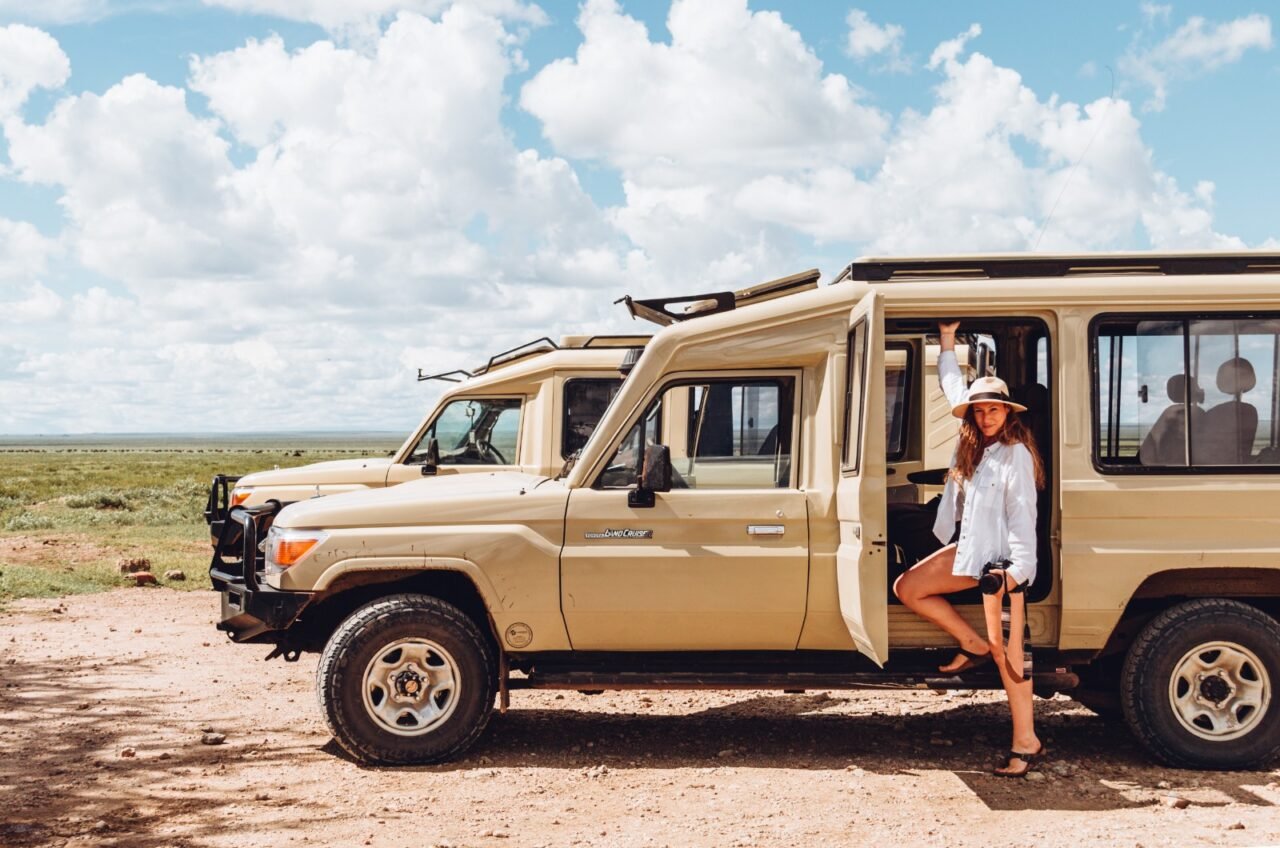

The decision to book a group joining safari for late October 2026 is often driven by a desire to balance cost-efficiency with a high-quality wildlife experience. Unlike private safaris, which command a premium due to the sole occupancy of a 4×4 Land Cruiser, group joining tours aggregate individual travelers into a single vehicle, significantly lowering the per-person cost of park fees, vehicle rental, fuel, and guide services.
As a local operator, Climb 4 Africa organizes these departures based on consistent demand patterns. By planning for the end of October, you are positioning yourself in what is known as the “shoulder season.” This is a distinct period in the Tanzanian calendar that separates the long, dry winter months from the arrival of the vuli, or short rains. For the traveler, this means the landscape is beginning to shift from the dry, dusty plains to a fresher, greener hue, and the massive tourist influx of July and August has largely dissipated.
Understanding the October Shoulder Season
When you target the end of October for your Tanzania safari, it is helpful to manage expectations regarding weather and wildlife. This period is not defined by heavy, constant rainfall. Instead, if rain occurs, it is usually in the form of brief, afternoon showers that clear quickly, often leaving the air crisp and the dust settled. This is advantageous for photographers, as the air clarity is often superior to the hazy conditions of August.
From a wildlife perspective, the end of October remains a strong time for game viewing. The animals have spent months congregating around permanent water sources, making them predictable and easier to locate. As the first rains touch the ground, the landscape begins to recover, and migratory bird species start to return, adding a different layer of interest to the safari experience compared to the peak dry season.
What “Group Joining” Means for Your 2026 Trip
A group joining safari is not merely a budget option; it is a social and logistical choice. You will be sharing a vehicle with 4 to 6 other travelers. This requires a certain level of flexibility—you are on a set schedule with defined stops, meal times, and lodge or campsite arrivals. The vehicles are typically custom-modified 4×4 Land Cruisers with pop-up roofs, ensuring everyone has a window seat or easy access to the roof for viewing and photography.
For those planning for 2026, the primary advantage of booking early is securing a spot on a route that fits your specific time constraints. We frequently manage departures like the 6-day Serengeti, Ngorongoro, Tarangire, and Manyara group safari, which is a comprehensive loop. By booking months in advance, you ensure that your travel dates align with available departures, avoiding the disappointment of finding your preferred week fully booked.
Comparing Route Durations
The length of your safari directly dictates how deep you can travel into the Northern Circuit. When browsing our available options for late October, consider the trade-offs:
- Short Duration (2-3 Days): These safaris, such as the 3-day Tarangire, Lake Manyara, and Ngorongoro group safari, are intense. They focus on the parks closest to Arusha. They are excellent for travelers with limited time who want to see the Ngorongoro Crater and Tarangire, but they do not allow enough time to reach the central or northern Serengeti.
- Medium Duration (4-5 Days): This is the “sweet spot” for many. A 4-day trip, such as the 4-day Tarangire, Serengeti, and Ngorongoro group safari, provides enough time to spend a night in the Serengeti, offering a much more complete experience than a 3-day itinerary.
- Extended Duration (6-7+ Days): For those who want to minimize time in the vehicle and maximize time in the parks, these longer itineraries, like the 6-day circuit, allow for slower-paced game drives and more time in the Serengeti, which is critical for seeing the vastness of the plains.
Logistics and Planning for 2026
Successful safari planning requires looking at the “invisible” logistics. Most group safaris start and end in Arusha or Moshi. If you are flying into Kilimanjaro International Airport (JRO), you should aim to arrive at least one day before your safari begins. This allows for a buffer against flight delays and provides time for a briefing with your guide.
At Climb 4 Africa, we emphasize that your safari success relies on the guide. In a group setting, the guide acts as the coordinator for the group’s interests. They handle the park entry permits, manage the vehicle logistics, and ensure that the group reaches the designated campsites or lodges before nightfall. When you book your 2026 trip, confirm whether your chosen itinerary includes lodge accommodation or camping. Budget camping safaris are the most cost-effective way to join a group, while lodge safaris offer more comfort after a day in the sun.
Packing for the “Short Rains”
Because late October can bring the occasional shower, your packing list needs to be adaptable. You do not need heavy winter gear, but you do need layers. Mornings in the Ngorongoro Crater can be surprisingly cold, while the Serengeti plains can be hot by midday. A lightweight, breathable rain jacket is essential. Avoid heavy, non-breathable fabrics. Focus on neutral colors (khaki, olive, tan) to blend in with the environment and reduce the chance of attracting tsetse flies, which can be present in some wooded areas of the Northern Circuit.
Remember to pack a universal power adapter for Tanzania (Type D and G are common), a good pair of binoculars (one pair per person is highly recommended so you don’t have to share during key sightings), and a high-capacity power bank. While most safari vehicles have charging ports, having your own backup ensures you never miss a photo opportunity.
Why Early Planning Matters for 2026
While October might seem far off, the best group joining departures fill up based on vehicle availability. We often see a surge in bookings for the late October period as travelers look to avoid the November peak and the December holiday rush. By committing to your dates 6 to 12 months out, you are not just securing a seat; you are often locking in current rates, which protects you from potential price adjustments as the travel season approaches.
If you are traveling as a couple or a solo traveler, the group joining model is arguably the most sensible choice. It removes the pressure of organizing a private group and provides an immediate community of like-minded travelers. We facilitate the matching process, ensuring that the group dynamic is balanced and that the itinerary meets the expectations of all participants.
How to Book Your 2026 Safari
To start your planning, we recommend a direct conversation. Because we manage a variety of departures, the best approach is to identify your ideal travel window and then reach out to verify current availability for that specific week. You can contact our team at Climb 4 Africa via WhatsApp at +255 747 477 898 or by email at climb4africa@gmail.com or our backup email at info@climb-4-africa.com.
When you contact us, please provide the following details to help us give you the most accurate guidance:
- Your preferred travel dates (or a range, such as “last week of October 2026”).
- The number of people in your party.
- Your preference for accommodation (budget camping vs. mid-range lodge).
- Any specific wildlife or park interests (e.g., “I really want to see the Ngorongoro Crater”).
We are here to help you navigate the logistics of the Northern Circuit. Whether you are looking at a 1-day Ngorongoro Crater excursion or an extended 8-day complete northern safari, our goal is to provide transparent, practical, and expert support for your 2026 adventure.
Frequently Asked Questions
Is the end of October a good time for wildlife viewing?
Yes. October is the end of the dry season, which means animals are concentrated around water holes, making them easier to spot. The landscape is also beginning to green up, offering beautiful scenery.
How many people are in a group joining safari vehicle?
Typically, our group joining safaris use 4×4 Land Cruisers with a maximum of 6 passengers to ensure everyone has a window seat and sufficient space for gear and comfort.
What is the difference between a camping and a lodge safari?
A camping safari involves staying in designated public or private campsites with tents provided by the operator; it is more in-depth and budget-friendly. A lodge safari provides hotel-style accommodation with beds, private bathrooms, and dining facilities.
Should I worry about the “short rains” in late October?
The short rains are generally brief and unpredictable. They rarely disrupt safari itineraries. Most rain occurs in short bursts, often at night or in the afternoon, and does not stop game drives.
Can I join a group if I am a solo traveler?
Absolutely. Group joining safaris are specifically designed for solo travelers and couples who want to share the costs of the vehicle and guide, making them an excellent way to see Tanzania affordably.
The Northern Circuit Experience in Late October
While the logistics of your 2026 safari are crucial, understanding the specific rhythm of the Northern Circuit during the end of October is what truly enhances your experience. This time of year creates a unique intersection between the harsh, dusty conditions of the late dry season and the first, revitalizing breath of the short rains. Each park in the Northern Circuit responds differently to this transition, and knowing what to expect in each location can help you better appreciate the sightings you encounter.
Tarangire National Park: The Dry Season Finale
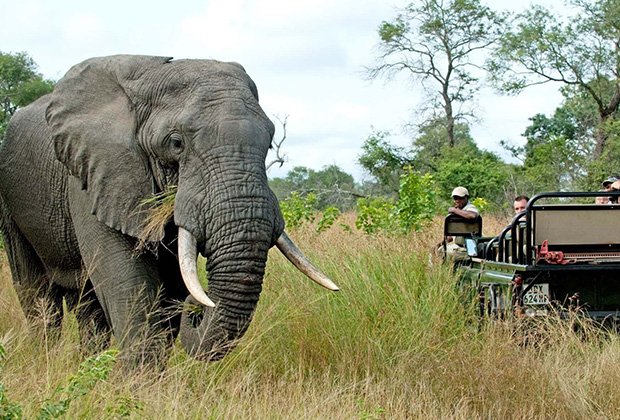
In late October, Tarangire is often the highlight of the circuit for those interested in elephant density. Because the Tarangire River is the primary water source for miles around, the wildlife—particularly massive herds of elephants—concentrates along the riverbanks. As the dry season reaches its conclusion, vegetation is sparse, which works in your favor; with less foliage to hide behind, spotting predators like lions and leopards, which often lounge in the shade of the park’s iconic baobab trees, becomes significantly easier. The landscape here is stark and dramatic, offering a classic ‘wild Africa’ aesthetic that is rarely matched during the wetter months.
Lake Manyara and the Groundwater Forest
Lake Manyara National Park offers a distinct contrast to the arid plains of Tarangire. Even in late October, the park’s groundwater forest remains lush and vibrant. This area is famous for its diverse birdlife, and the end of October is an excellent time to witness flamingos and pelicans gathering in the shallows of the lake. The park is also known for its tree-climbing lions, a behavior that is more frequently observed when the ground is dry and the cats seek refuge from the heat. The steep escarpment of the Great Rift Valley provides a impressive backdrop, and the shorter grass at this time of year makes it easier to spot the park’s healthy population of baboons and blue monkeys.
Ngorongoro Crater: The Wildlife Amphitheater
The Ngorongoro Crater is a self-contained ecosystem, meaning the wildlife here is largely resident and does not migrate out of the caldera. By late October, the crater floor is a golden, sun-drenched bowl, and the animals are highly visible. Because the water sources are limited to the permanent springs and the central lake, you can often find large concentrations of buffalo, wildebeest, and zebra clustered near these points. This is arguably the best time to spot the endangered black rhino, as they are frequently seen on the open plains of the crater floor rather than hidden deep in the bush. The sheer concentration of animals in such a confined space makes the crater an intense, high-density wildlife viewing experience that remains consistent regardless of the impending rains.
Central Serengeti: Anticipating the Migration
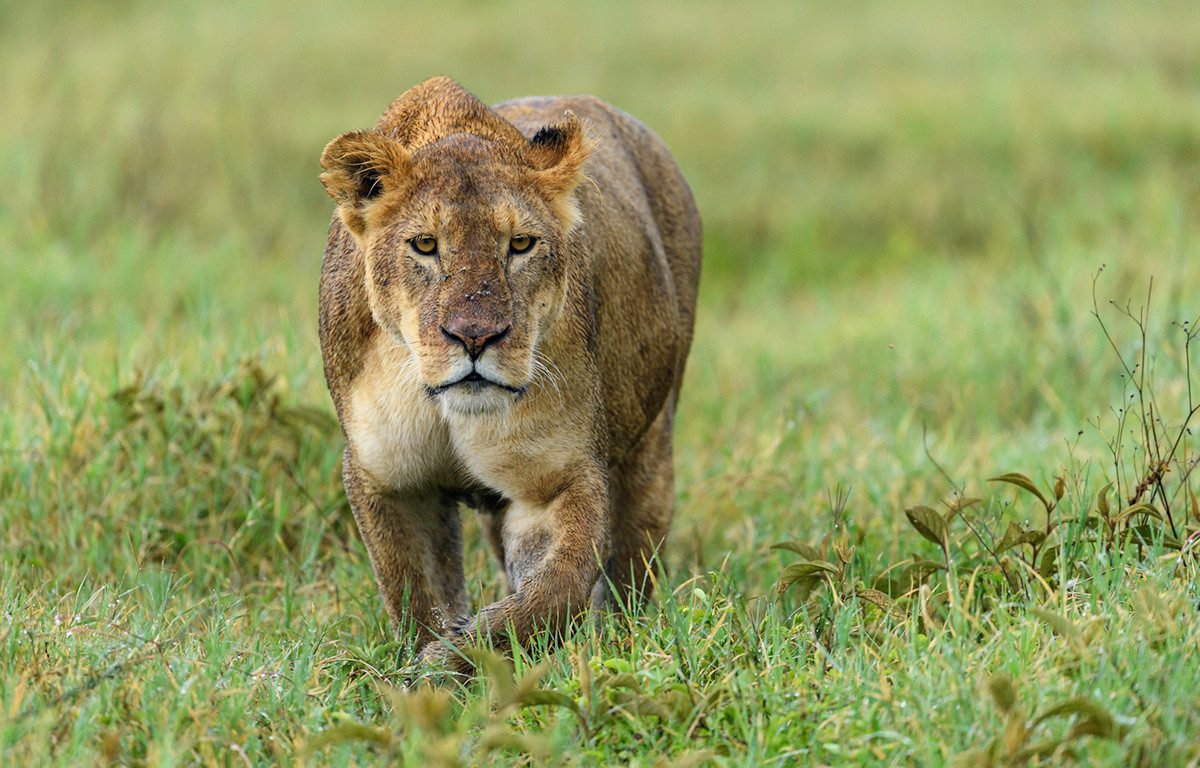
By late October, the Great Migration is typically moving south from the northern regions of the Serengeti, heading back toward the central and southern plains. While the exact location of the herds is always subject to the whims of the weather, the Central Serengeti (the Seronera area) remains a hotspot for big cat activity year-round. Leopards are frequently spotted in the acacia trees along the Seronera River, and lion prides are highly active. The transition period in late October means you might experience the first ‘green’ shoots appearing on the plains, which can draw in smaller herds of gazelles and impalas, subsequently attracting predators. This is a time of anticipation in the Serengeti; the landscape is changing, the air is often clear of the dust that plagues the earlier dry months, and the wildlife is preparing for the influx of new life that typically follows the first rains.
Navigating Shared Safari Dynamics: Tips for a Harmonious Trip
While the logistical benefits of a group joining safari—namely the cost-sharing and the social environment—are clear, the reality of sharing a 4×4 Land Cruiser for several days requires a specific mindset. Unlike a private safari where the itinerary is tailored exclusively to your personal interests, a group joining trip is a collaborative experience. Understanding the unwritten rules of shared travel will ensure your late October 2026 expedition remains enjoyable for everyone on board.
Managing Photographic Priorities
One of the most common friction points in group safaris is the discrepancy between casual observers and dedicated photographers. If you are traveling with a heavy camera setup, be mindful that your vehicle mates may be there primarily to see animals rather than capture the perfect shot. A group joining safari typically operates on a ‘majority rule’ basis for how long the vehicle stays at a specific sighting. If you need 30 minutes to wait for a lion to yawn, but the rest of the group is ready to move on to find elephants, it is standard practice to defer to the group’s collective pace. To mitigate this, communicate your interests early on the first day. Often, group members are happy to accommodate a photographer if they know the intent, but they may grow impatient if stops are prolonged without explanation.
The Rhythm of the Game Drive
The pace of your game drive is dictated by the guide, but the atmosphere is created by the passengers. In late October, when the weather is generally pleasant but the days can be long, maintaining a consistent schedule is essential. This includes respecting departure times for morning game drives. Because the Northern Circuit routes are expansive, arriving at the park gate even 30 minutes late can significantly limit the distance you can cover. A group that is ready to go on time ensures that everyone gets the maximum possible exposure to the wildlife. Similarly, bathroom breaks and snack stops are usually coordinated by the guide. If you have specific needs—such as frequent stops or dietary requirements—it is courteous to inform your guide during the morning briefing rather than mid-drive, allowing them to plan the route accordingly.
Social Etiquette in Camps and Lodges
The social dynamic extends beyond the vehicle and into your accommodation. Whether you are staying in a shared campsite or a lodge, you will be spending your evenings with the same group of people. This is often the highlight of the trip, offering a chance to share stories and photos. However, keep in mind that safari days are physically demanding. The early morning starts, combined with the bumping of the vehicle and the intensity of the sun, can be exhausting. Respecting quiet hours at campsites is vital for group cohesion. If you find yourself in a group with different energy levels, try to find a balance—participate in the communal dinners and conversations, but do not feel pressured to stay up late if you need to recharge for the next day’s game drive.
Respecting the Guide’s Authority
Your guide is the captain of the ship. In a group setting, it is not uncommon for different passengers to have conflicting ideas about where to go or how to handle a wildlife sighting. You might want to get closer to a cheetah, while another passenger might feel uncomfortable with the proximity. The guide is trained to balance these requests against park regulations, vehicle safety, and animal welfare. Trusting their judgment is crucial. Avoid the temptation to ‘over-manage’ the guide by constantly suggesting routes or critiquing their driving choices. A harmonious group is one that allows the guide to do their job, which in turn creates a more relaxed and professional environment for everyone in the vehicle.
Navigating Tipping and Gratuity on Group Safaris
In the context of a Tanzania group joining safari, the topic of tipping is often shrouded in uncertainty, yet it is a fundamental aspect of the local service economy. Because you are traveling with a group of strangers, the dynamics of gratuity can feel complex. Unlike a private safari where you handle your own arrangements, a group environment requires a bit of social coordination to ensure that the appreciation shown to your guide and support staff is both fair and comfortable for all participants.
The primary point of consideration is your safari guide, who acts as your driver, wildlife spotter, and logistical manager throughout your journey. Standard etiquette dictates that you tip your guide at the very end of the safari, rather than on a daily basis. This allows you to evaluate the overall quality of the experience. Regarding the mechanics of this, you have two choices: individual tipping or group pooling. While there is no strict rule, many travelers find that discussing this on the final day of the trip reduces awkwardness. If the group decides to pool their tips, it ensures that the guide receives a substantial, unified gesture of thanks that reflects the collective satisfaction of the vehicle’s passengers.
Separate from your guide, you will encounter various staff members at the lodges or campsites where you stay. These individuals—including chefs, housekeepers, and camp attendants—are often not the same people who drive you between parks. Most lodges and permanent tented camps have a central ‘tip box’ located at the reception area. This is the preferred method for tipping camp staff, as it allows the management to distribute the funds equitably among all back-of-house employees, including those you may never see, such as groundskeepers and kitchen staff. It is advisable to contribute to this box before your final departure from the lodge.
When preparing your budget for an October 2026 trip, it is helpful to carry a supply of smaller denomination bills. While US Dollars are widely accepted and preferred for tips, ensure that the notes are clean, crisp, and printed in the year 2009 or later, as older or damaged currency is often rejected by local banks and businesses. Having these smaller bills ready prevents the logistical headache of trying to find change at the end of a long, dusty game drive. By approaching tipping with transparency and preparation, you not only ensure your guide and the camp staff are fairly compensated for their hard work, but you also contribute to a smoother, more harmonious final day for your travel group.
Health and Safety Protocols for 2026 Group Travel
Participating in a group joining safari in late October 2026 requires more than just logistical preparation; it necessitates a proactive approach to personal health and safety. Because you are sharing a vehicle and, in many cases, shared bathroom facilities or dining areas with strangers, maintaining your well-being is essential to ensuring the trip remains enjoyable for everyone. While Tanzania is generally a safe destination for international travelers, the specific nature of a group safari—where you are often far from urban medical centers—demands that you come prepared with a well-stocked personal medical kit and a clear understanding of regional health requirements.
Managing Common Safari Health Concerns
The most common health issues on a safari are not typically emergencies, but rather minor ailments that can easily derail your experience if not managed quickly. Dehydration and heat exhaustion are risks even in late October, as the transition toward the short rains can still bring high temperatures, particularly in the lower-altitude parks like Tarangire and the Serengeti plains. It is critical to maintain consistent water intake throughout the day. While your operator will provide bottled water, do not hesitate to ask for more if you feel thirsty; waiting until you feel dehydrated is often too late. Furthermore, the dust generated by 4×4 vehicles on unpaved roads can be significant. If you suffer from asthma, allergies, or sensitive eyes, bring a high-quality buff or bandana to cover your nose and mouth during transit, along with lubricating eye drops to combat the dryness.
Digestive health is another primary concern. While safari lodges and camps maintain high standards of hygiene, the change in diet and water can occasionally cause mild stomach upset. Pack a supply of over-the-counter anti-diarrheal medication, rehydration salts (electrolytes), and probiotics to help your system adjust. It is also wise to stick to bottled or treated water for drinking and brushing your teeth, even in well-established lodges, to minimize the risk of bacterial exposure.
Vaccinations and Malaria Prophylaxis
Tanzania is a tropical destination, and specific health requirements must be addressed well before your October 2026 departure. You should consult a travel medicine specialist or your primary care physician at least three to four months before your trip. Malaria is endemic in many parts of Tanzania, including the Northern Circuit. While the risk is generally lower at higher altitudes like the Ngorongoro Crater rim, it remains a factor in the Serengeti and Tarangire. Discuss appropriate malaria prophylaxis—such as Malarone, Doxycycline, or Lariam—with your doctor, and ensure you have a sufficient supply for the duration of your trip, including the days immediately following your return.
Beyond malaria, ensure your routine vaccinations (such as MMR, diphtheria-tetanus-pertussis, and polio) are up to date. The yellow fever vaccination is typically required if you are arriving from a country with a risk of yellow fever transmission, or if you have a long layover in such a country. Always carry your International Certificate of Vaccination or Prophylaxis (the “Yellow Card”) with your passport, as border officials may request proof of vaccination upon entry.
Emergency Preparedness in Remote Areas
The Northern Circuit, while well-traveled, involves significant distances between medical facilities. In a group joining scenario, you are reliant on the guide’s ability to handle emergencies. Before the safari departs, it is standard practice to confirm that your operator has a reliable communication system—typically a satellite phone or a radio—for use in areas without cellular coverage. This is vital for coordinating medical evacuations or mechanical support if necessary.
It is also highly recommended that you secure comprehensive travel insurance that explicitly covers medical evacuation. Standard travel insurance often excludes “adventure activities” or may have low caps on emergency transport. Ensure your policy includes “medevac” to the nearest capable hospital (often in Nairobi or Dar es Salaam) or, if necessary, repatriation to your home country. Keep a printed copy of your policy number, the emergency contact number, and your insurance provider’s details in your daypack, separate from your electronic devices. In the event of a sudden illness or injury, having this information readily available allows your guide to assist you much more efficiently, ensuring that you receive the care you need without delay.
Beyond the Game Drive: Post-Safari Transitions and Local Engagement
Once your final game drive concludes and your group joining vehicle returns to Arusha or Moshi, the experience of your 2026 Tanzanian adventure does not necessarily have to end. Many travelers find that the transition from the isolation of the Northern Circuit back to the bustling urban environment can be abrupt. Understanding how to navigate these final days—and how to engage with the local culture responsibly—can significantly enrich your trip.
Transitioning from the Bush to Urban Centers
After several days of intense wildlife observation and the communal atmosphere of a group safari, you will likely be dropped off at a hotel in Arusha or Moshi. The sudden silence and lack of a structured itinerary can be disorienting. Use this time to decompress. Both Arusha and Moshi are vibrant hubs, but they operate at a pace vastly different from the Serengeti plains. Take a day to simply walk through the local neighborhoods near your accommodation. This is an excellent opportunity to observe the daily rhythms of Tanzanian life, which are often overlooked by travelers who remain strictly within the confines of tour lodges.
Responsible Souvenir Shopping
As you prepare to return home, the temptation to bring back a memento of your 2026 safari is natural. However, being an ethical consumer is vital. When shopping for souvenirs, avoid any products that appear to be made from wildlife parts, such as ivory, bone, or animal skins. These are not only illegal to export in many cases but also contribute to the very poaching activities that threaten the wildlife you traveled so far to see.
Instead, focus on the rich tradition of Tanzanian craftsmanship. Look for high-quality wood carvings, particularly those made by the Makonde people, who are renowned for their intricate ebony sculptures. Textiles are another excellent option; look for vibrant kanga or kitenge fabrics, which are central to Tanzanian culture. If you are interested in gemstones, Tanzania is famous for Tanzanite. If you choose to purchase jewelry, ensure you do so from reputable, established jewelers who provide certification of authenticity, rather than street vendors who may offer synthetic or low-quality stones.
Engaging with the Local Economy
Your visit to Tanzania supports the national economy, but you can deepen that impact through thoughtful engagement. If your flight home is not immediately following your safari, consider spending a day exploring local industries. The Arusha region, in particular, is the heart of Tanzania’s coffee production. Many coffee estates offer tours that explain the journey from bean to cup, providing insight into a significant sector of the local economy. These tours often include a lunch featuring local cuisine, which is a fantastic way to experience Tanzanian flavors—such as ugali, nyama choma (grilled meat), or pilau—outside of the safari lodge buffet.
Additionally, consider visiting community-led projects or cultural heritage centers. These organizations often provide a more nuanced understanding of the history and social fabric of the region. Engaging with these sites provides employment for local guides and artisans and ensures that your travel dollars have a direct, positive impact on the community. By shifting your focus from the wildlife-centric view of the safari to the human-centric view of the urban centers, you gain a more complete picture of Tanzania, transforming your trip from a simple wildlife tour into a comprehensive cultural experience.
Navigating Cultural Interactions: The Maasai Boma Experience
For many travelers on a Northern Circuit group joining safari, the itinerary often includes a scheduled stop at a traditional Maasai Boma—a fortified village structure—located near the Ngorongoro Conservation Area or en route to the Serengeti. While the primary focus of your trip is undoubtedly the wildlife, these cultural interactions offer a vital counterpoint to the game drives, providing context to the landscape you are traversing. In the context of a group safari, however, these visits require a higher degree of coordination and cultural sensitivity than a private tour, as you are navigating the expectations of both the local community and your fellow travelers.
Understanding the Purpose of the Visit
It is important to approach a Boma visit not as a staged performance, but as a structured opportunity for cultural exchange. The Maasai, pastoralist people who have coexisted with the wildlife of the Serengeti and Ngorongoro for centuries, have established these visitor centers as a means of generating income independent of livestock herding, which can be vulnerable to drought and disease. When your group stops at a Boma, the fees paid are typically pooled to support community initiatives, such as building schools, digging boreholes for clean water, or maintaining livestock vaccinations. Recognizing this economic reality shifts the experience from a passive observation to an active contribution to the region’s sustainability.
Etiquette and Respectful Engagement
Because you are traveling in a shared vehicle, the decision to stop—or the duration of the stop—is a group decision. Before arriving, ensure that everyone in your vehicle is comfortable with the visit. Once inside the Boma, the most effective way to engage is to be present and curious rather than observational. Allow your guide to act as the primary translator and facilitator. If you have questions about traditional medicine, livestock management, or the structure of the community, ask them. The Maasai are often proud to explain their customs, and a genuine question is far more respectful than silently walking through the village taking photos of people without interaction.
Avoid the “human zoo” mentality. Remember that you are a guest in someone’s home. Do not wander into private sleeping quarters or touch personal belongings unless explicitly invited to do so. In a group setting, it is easy to get caught up in the excitement of the moment and inadvertently crowd your hosts. Spread out, stay with your group, and follow the lead of your guide, who will understand the specific social protocols of the particular Boma you are visiting.
Photography and Permission
The issue of photography is perhaps the most sensitive aspect of any cultural visit. While you are there to document your trip, the people you meet are living their daily lives. Never point a camera or phone at a person without first asking for permission—a simple nod and a smile often suffice, but verbal confirmation is better. If someone declines, respect that decision immediately and without pressure. In some Bomas, you may find that the community members are very accustomed to photography and may even pose for you; in others, they may prefer to remain in the background. Be mindful of the difference. If you are using a large telephoto lens, it can feel intrusive and intimidating; consider switching to a wider lens or your smartphone for these interactions to make the dynamic feel more personal and less clinical.
Reciprocity and Support
Beyond the entry fee, which is usually handled by your tour operator, you may find opportunities to purchase handicrafts, such as beaded jewelry, wooden carvings, or traditional shuka cloths. This is an excellent way to support the local economy directly. However, be prepared to engage in the process of negotiation with respect. Haggling is a part of the culture, but it should be done with a spirit of friendliness rather than antagonism. If you are unsure about the value of an item, ask your guide for advice beforehand. By engaging in this way, you ensure that your visit leaves a positive, tangible impact on the community, transforming a brief stop into a meaningful connection that enriches your 2026 Tanzanian adventure.
The Mechanical Reality of Shared Vehicles
While the focus of your 2026 safari is often on the wildlife, the 4×4 Land Cruiser is the literal vessel of your experience. In a group joining format, the vehicle is not just a mode of transport; it is the shared space where you will spend the majority of your waking hours. Understanding the operational realities of these vehicles during the late October transition period is crucial for managing expectations. By late October, the Tanzanian Northern Circuit has endured months of the dry season. The roads—particularly the corrugated dirt tracks leading into the Serengeti and the crater floor—are at their most punishing. The dust is pervasive, and the constant vibration of the corrugated roads places immense strain on suspension systems, tires, and cooling units.
Mechanical hiccups are an inherent possibility in remote travel. In a group joining scenario, a breakdown is a collective event. If a tire blows or an alternator fails, the entire group is affected. This is why it is vital to understand that reputable operators do not just “rent” vehicles; they maintain rigorous, in-house mechanical workshops. When you choose a group safari, you are relying on the operator’s ability to perform preventative maintenance between trips. During the shoulder season, when operators are preparing for the transition to the short rains, the pressure on the fleet is high. Acknowledging that minor mechanical delays can occur is part of the safari mindset. Rather than viewing a delay as a failure of the trip, seasoned travelers see it as part of the authentic African adventure. If your vehicle does experience a delay, patience is your best asset. The guide is usually in constant radio contact with other vehicles in the area, and support vehicles can often be dispatched to transfer passengers or equipment if necessary.
Managing Your Final Day Logistics
The conclusion of a group joining safari often presents a logistical challenge that many travelers overlook until it is too late: the timing of the return journey. Most group safaris conclude with a drive back from the Serengeti or Ngorongoro to Arusha or Moshi. While the itinerary might state an arrival time at your hotel, the reality of Tanzanian traffic—especially as you approach the urban centers—is highly unpredictable. In late October, as the landscape begins to change, road conditions can shift, and construction or local transport bottlenecks can easily add two to three hours to a journey that might have been shorter a week prior.
The most critical advice for your final day is to build in a significant buffer zone. Never book a flight that departs on the same evening your safari ends. The stress of potentially missing a flight due to a flat tire, a slow-moving cattle herd, or heavy traffic on the Arusha-Moshi road can completely overshadow the memories of the previous days. Ideally, schedule your departure for the following day. This allows you to return to your hotel, decompress, enjoy a hot shower, and process the immense volume of sights and sounds you have experienced. If a next-day departure is impossible, ensure your flight is scheduled for late at night, ideally after 10:00 PM, to provide a safety margin that accommodates the realities of remote-area travel. By treating the final day as a transition period rather than a transit deadline, you protect the integrity of your safari experience until the very last moment.
Managing Daily Necessities: Power, Connectivity, and Dietary Needs
While the focus of your group joining safari is often on the wildlife, the practicalities of daily life—keeping your devices charged and managing your nutritional needs—require a different level of preparation. In a group environment, these mundane tasks become part of the logistical puzzle that your guide and the camp staff work to solve for everyone simultaneously.
The Power Dynamics of Charging Devices
In a shared 4×4 vehicle, power is a finite resource. Most safari vehicles are equipped with inverters, but these are generally intended for charging camera batteries and phones, not for powering high-drain devices like laptops or professional drone equipment. When traveling with a group of five or six other people, you are effectively sharing limited socket space. It is standard practice to bring a multi-plug adapter or a small power strip, but be aware that the inverter may only be active when the vehicle’s engine is running. If you are a heavy user of photography gear, rely on portable power banks that can be charged overnight at your lodge, rather than assuming you can keep your equipment plugged in during the game drive.
When you reach your accommodation, the power situation shifts. Many tented camps in the Serengeti and Ngorongoro regions operate on solar power or generators that are switched off during the late night and early morning hours to maintain the quiet atmosphere of the bush. Do not expect 24-hour electricity. If you use a CPAP machine or require power for medical devices, this must be communicated to your operator months in advance, as they will need to ensure your accommodation can accommodate a generator or a specific power setup. Otherwise, embrace the “off-grid” reality: charge your devices when the generator is running, usually during the evening hours, and carry a headlamp for moving around camp after dark.
Dietary Management in Shared Settings
One of the most common logistical oversights for travelers on group joining safaris is the assumption that dietary needs can be managed like those in a standard restaurant. In reality, your group will likely be served set menus or buffet-style meals, especially in the more remote campsites. If you have specific dietary restrictions—whether for medical reasons, allergies, or personal preference—these cannot be accommodated on the fly. You must inform your tour operator at the time of booking, not upon arrival in Arusha.
Because the logistics of sourcing fresh produce in remote areas like the Central Serengeti are complex, the kitchen staff plans meal quantities days in advance. If you have a severe nut allergy or celiac disease, ensure that this information is relayed clearly to the safari operator so they can coordinate with the various lodges and camps on your route. While most operators are highly accustomed to handling vegetarian, vegan, and gluten-free requests, they require lead time to procure alternative ingredients. When you are in the vehicle, be mindful that the communal meal is the primary time for the group to bond; if you have specific dietary needs, the guide will typically ensure your plate is prepared separately, but you should still confirm this with the lodge staff upon check-in to avoid any confusion during the service.
Navigating the Final Departure: Coordinating Flight Times and Safari End-Dates
One of the most significant logistical oversights for travelers joining a group safari is the miscalculation of the final day’s transit time. The Northern Circuit, while spectacular, is vast. A return drive from the Central Serengeti to Arusha or Moshi typically covers between 250 and 350 kilometers, depending on the specific route and road conditions. In late October, while the roads are generally dry, the drive is not merely a straight shot; it involves navigating through park gates, potential road construction, and the inevitable traffic as you approach the urban centers of Arusha. Because your safari is a group joining experience, you are bound by the collective schedule. You cannot request an earlier departure from the park simply because you have an earlier flight to catch.
The return drive is often underestimated by international travelers accustomed to high-speed highway travel. Expect the journey from the Serengeti to Arusha to take anywhere from six to eight hours of pure driving time. This does not account for the mandatory stops for lunch, restroom breaks, or the inevitable slow-downs caused by local traffic or livestock crossing the roads. When booking your return flights, it is strongly advised to avoid scheduling any international departure for the evening of your final safari day. The risk of delay—whether due to a mechanical issue with the vehicle, a late-afternoon wildlife sighting that the group chooses to pursue, or unexpected congestion—is simply too high. Always plan to spend your final night in Arusha or Moshi. This provides a buffer, ensuring that even if the vehicle arrives later than anticipated, you are not missing your flight.
The Criticality of Flight Scheduling for Late October
Late October weather can occasionally introduce the first signs of the short rains. While these are rarely prolonged, they can make certain sections of the road—particularly those outside the national parks—slick or prone to localized flooding. This adds an element of unpredictability to the return journey. If you are part of a group joining safari, the guide’s priority is the safety and collective enjoyment of the entire group. They will not rush the drive to accommodate one person’s flight schedule. By booking your flight for the day after your safari concludes, you transform a potentially stressful race to the airport into a relaxed transition. This extra night also allows you to finalize your post-safari logistics, such as arranging airport transfers or engaging in last-minute souvenir shopping, without the pressure of a looming departure time.
Luggage Logistics in Shared Transit
The 4×4 Land Cruiser used for group joining safaris is a marvel of engineering, but it is not a cargo hauler. Space is at a premium. Every seat in the vehicle is occupied, and the limited space behind the rear seats must accommodate the luggage of six to seven passengers. This is why the universal rule for group safaris is the use of soft-sided duffel bags. Hard-shell suitcases are notoriously difficult to pack into the confined rear storage area of a safari vehicle. They do not compress, they slide around, and they often prevent the vehicle from being loaded efficiently, which can lead to delays at the start of each day.
If you arrive at your meeting point with a rigid hard-shell suitcase, you may find that it creates friction with your fellow travelers, who now have less space for their own gear. Furthermore, soft bags are easier for the crew to move between the vehicle and the various lodges or campsites. If you must travel with a hard-shell suitcase for international flights, consider bringing a collapsible duffel bag in which you can transfer your essential safari gear for the duration of the trip, leaving the hard-shell case in secure storage at your hotel in Arusha. Most reputable hotels in the city offer luggage storage services for this exact purpose, allowing you to leave your non-safari items behind and return to them upon your completion of the circuit.
Managing the Split: Hotel vs. Airport
At the end of your safari, the vehicle will likely return to a central point in Arusha, such as the office of the tour operator or a designated hotel. However, passengers in a group joining safari often have disparate post-safari plans. Some may be flying out that evening, others may be heading to a hotel in Moshi, and some may be continuing on to other regions like Zanzibar or the coast. It is vital to communicate your post-safari plan to your operator well before the trip begins. Do not assume that the vehicle will drop you off at a specific hotel or directly at the airport if that is not part of the standard itinerary.
The logistics of the final drop-off are often complex, as the driver is managing the needs of multiple people. Be prepared for a scenario where the vehicle drops the group at a central location, and you are responsible for arranging your final transfer. If you have booked a specific hotel, confirm with your operator whether they provide a shuttle service or if you need to arrange a taxi. By managing these expectations early, you avoid the disorientation that often occurs when the intensity of the safari ends and the reality of urban transit begins. This final coordination is the last step in ensuring that your 2026 Tanzanian adventure concludes as smoothly as it began.
The Psychological Arc of a Group Joining Safari
While logistical planning for your October 2026 safari—such as managing luggage, power, and transit—is vital for a smooth operation, there is an equally important, often overlooked element: the psychological and physical arc of the experience itself. A group joining safari is an in-depth, high-intensity endeavor. Unlike a private tour where you set the pace, a group joining itinerary requires a sustained level of social adaptability and sensory engagement that can, by the final days, lead to a specific type of exhaustion often referred to as ‘safari fatigue.’
Managing the Sensory and Social Fatigue
By the time you reach the final days of your Northern Circuit journey in late October, you will have spent several days in a confined 4×4 vehicle, navigating dusty roads and absorbing an overwhelming amount of visual information. The late October landscape, transitioning from the dry season toward the short rains, can be particularly dusty. This constant exposure to the elements, combined with the ‘search-and-spot’ rhythm of game drives, places a significant demand on your cognitive resources. It is common for travelers to feel a sense of sensory overload by day four or five.
Simultaneously, the social dynamic of a group joining safari demands constant engagement. You are sharing meals, vehicle space, and quiet moments with strangers. While this often leads to lifelong friendships, the social energy required to navigate these interactions—negotiating seating, respecting different photographic priorities, and managing shared dietary needs—can be draining. Acknowledging this ‘social fatigue’ is key to maintaining a positive experience. If you find yourself needing a moment of solitude, it is perfectly acceptable to step away during camp downtime to read, journal, or simply sit quietly. Your fellow travelers are likely feeling the same need for personal space.
The Re-entry Phenomenon: From Bush to Reality
The transition from the wild, where your primary concern is the movement of wildlife, back to the urban environment of Arusha or Moshi can be jarring. This is known as the ‘re-entry’ phenomenon. After days of living by the rhythm of the sun and the guide’s schedule, returning to a world of constant connectivity, traffic noise, and individual decision-making can feel disorienting. Many travelers report a sense of melancholy or lethargy upon their return to civilization. This is a natural reaction to the ‘safari high’—the dopamine release associated with spotting big cats or witnessing the vastness of the Ngorongoro Crater—suddenly dissipating.
To manage this transition effectively, avoid scheduling your international flight for the same evening your safari ends. The logistics of the final drive back to the city are unpredictable, and rushing from the bush to the airport can strip away the lingering benefits of your safari experience. Instead, plan for a ‘buffer day’ in a hotel in Arusha or Moshi. This time serves as a vital period for decompression, allowing you to process your photographs, reflect on the encounters you witnessed, and physically recover from the road conditions before tackling the stress of international air travel.
Processing the Experience: Why the ‘Buffer Day’ Matters
A buffer day is not merely about rest; it is about memory consolidation. In the rush of a group joining safari, events can blur together. By spending an extra 24 hours in Tanzania, you provide yourself the mental space to write, organize your digital files, or simply sit with the quiet of the experience. This time is particularly valuable for those who have traveled across time zones, as it helps recalibrate your internal clock before a long-haul flight. During this time, you can also engage in the local economy in a more relaxed way, perhaps visiting a local coffee plantation or a cultural center in Arusha, which provides a gentle, grounded bridge between the raw wilderness of the Serengeti and the structured life you are returning to.
Ultimately, the success of your 2026 safari is measured not just by the wildlife you saw, but by how you integrated the experience into your life. By planning for the physical and psychological realities of the journey—acknowledging the fatigue, respecting the social dynamics, and allowing for a gentle return to reality—you ensure that the memories of your Tanzanian adventure remain vivid and restorative long after you have returned home.
The Financial and Contractual Mechanics of Group Joining Safaris
While the allure of a Tanzania safari in late October 2026 lies in the wildlife and the transition of the seasons, the practical reality of booking a group joining trip rests on understanding the specific contractual and financial structure of these arrangements. Unlike a private safari, where you hold a direct contract for a vehicle and guide at a fixed price, a group joining safari operates on a shared liability model. Navigating this successfully requires a clear understanding of how operators manage the financial risks of shared travel.
The ‘Minimum Participant’ Clause: A Critical Consideration
The most important element of any group joining contract for October 2026 is the ‘Minimum Participant’ clause. Most tour operators set a minimum number of travelers—typically ranging from two to four—required to confirm a departure. This is necessary because the fixed costs of operating a 4×4 Land Cruiser, including fuel, driver wages, and park entry fees, are substantial. If you are the first or second person to book a specific date, you are essentially entering a tentative agreement. Before you finalize your deposit, it is imperative to ask the operator what their protocol is if the group does not reach the minimum threshold by a certain date (usually 30 to 60 days prior to departure).
Ask specifically: Does the operator offer a ‘guaranteed departure’ even if you are the only one booked, provided you pay a single-supplement fee? Or do they reserve the right to cancel the safari entirely, forcing you to scramble for alternative arrangements? Understanding this at the outset prevents the common, stressful scenario where a traveler’s 2026 safari is canceled just weeks before arrival because the group failed to materialize. Reputable operators will often be transparent about the current ‘status’ of a group—whether it is ‘confirmed,’ ‘tentative,’ or ‘awaiting minimums’—and you should prioritize booking with companies that provide this level of clarity.
Transparency in Quote Inclusions and Exclusions
Group joining quotes can be deceptively simple, and failing to audit the inclusions can lead to unexpected costs once you are on the ground. Because park fees in Tanzania are government-regulated and can be subject to change, some operators separate ‘service fees’ from ‘park/conservation fees’ in their quotes. Ensure your 2026 contract explicitly states whether park fees are ‘locked in’ at the time of your deposit or if they are subject to change based on government policy shifts. Given that Tanzania occasionally updates its park entry fee structures, this is a legitimate concern for bookings made far in advance.
Furthermore, scrutinize the ‘all-inclusive’ language. In the context of a group joining safari, this term is often used loosely. Does it cover the ‘crater service fee’ for the Ngorongoro Conservation Area? Does it include the mandatory ‘camping fees’ if you are on a budget camping safari, or are those collected separately by the guide in cash? For a late October trip, confirm if the equipment provided—such as sleeping bags or tents—is included in the base price, or if there is a daily rental fee. Clarifying these items in your email correspondence and ensuring they are listed on your invoice prevents awkward situations where the group is forced to reconcile unexpected costs while in the field.
Managing Liability and Group Dynamics
When you join a group, you are entering into a social and financial contract with strangers. A recurring issue in group joining safaris is the ‘liability gap’ created when a group member cancels at the last minute. In some operator models, if a group of four is scheduled and one person cancels, the remaining three are expected to absorb the cost of the empty seat to keep the vehicle running. Before you book, request a clear explanation of how the operator handles ‘no-shows’ or late cancellations.
Does the operator guarantee the price regardless of group size fluctuations, or is there a ‘pro-rata’ clause that allows them to increase the price if the group size drops below a certain number? A professional operator will generally absorb the risk of a cancellation themselves, maintaining your original price, but this is not universal. By establishing this in your pre-booking correspondence, you protect yourself from being hit with a ‘surcharge’ invoice just days before your 2026 trip. This is not about distrusting the operator, but about understanding the business model that allows group joining safaris to be as affordable as they are.
Vetting the Operator for Group Joining Integrity
Not all operators are equal when it comes to managing the logistical complexity of group joining. An operator that specializes in private luxury safaris may treat a group joining request as a secondary, lower-priority product, whereas an operator that specializes in group travel will have robust systems for vehicle rotation, guide assignment, and group pairing. When vetting for your October 2026 trip, look for evidence of their ‘group joining’ history. Do they have a dedicated calendar of departures? Do they have a consistent policy on how they pair travelers (e.g., do they try to group people with similar interests or itineraries)?
Ask about the age and maintenance history of their fleet. Because a group joining vehicle is used constantly, it is prone to higher wear and tear than a private vehicle. While you cannot inspect the vehicle yourself, you can ask for the ‘vehicle policy.’ Reputable companies will have a rotation schedule that pulls vehicles out of service for preventative maintenance. An operator who cannot answer questions about their vehicle maintenance schedule is a red flag, as a mechanical failure in the Serengeti is a far greater inconvenience for a group of six than it is for a private party. Your goal is to find an operator who treats the group joining product with the same operational rigor as their premium private tours.
Strategic Wildlife Observation During the Late October Transition
While much of the logistical planning for your October 2026 safari focuses on transport and group dynamics, the actual wildlife viewing experience during this specific transition month requires a nuanced understanding of animal behavior. Late October is the final gasp of the long dry season. The landscape is parched, the grass is short and brittle, and the animals are collectively holding their breath for the arrival of the vuli—the short rains. This creates a specific set of challenges and opportunities for the safari-goer that differs significantly from the lush, post-rain periods.
The ‘Vuli’ Precursor: Reading Animal Behavior
In late October, wildlife behavior is dictated entirely by water scarcity. Unlike the peak dry season (July and August) when animals are still navigating the aftermath of their migration, by late October, the herds have largely settled into predictable patterns centered around permanent water sources. For a group joining safari, this is a distinct advantage: your guide knows exactly where the activity is concentrated. However, it also means that you will likely encounter higher concentrations of vehicles at these specific water holes. Understanding that your guide is prioritizing these locations not out of a lack of creativity, but out of a necessity to ensure sightings, can help you manage your expectations when you find yourself sharing a view of a lion pride with three other safari vehicles.
As the month progresses, the atmospheric pressure changes, and animals often become more restless. Elephants, in particular, may display signs of increased agitation as they travel longer distances between drying water pans and feeding grounds. If you notice your guide spending more time scanning the horizon than driving, it is likely because they are tracking the movement of these herds, which are actively searching for the first scent of rain. Respecting this process is key; rushing to move to a new location often means missing the subtle cues of the bush that indicate a predator may be nearby, waiting for the same thirsty prey to approach.
Balancing the ‘Checklist’ Mentality in a Shared Vehicle
A common friction point in group joining safaris during the shoulder season is the ‘checklist’ mentality. Some travelers arrive with a rigid list of animals they must see, while others are content with the general experience. In late October, the heat is intense, and wildlife activity is highly diurnal—concentrated in the early morning and late afternoon. During the midday hours, the heat haze can make spotting distant animals nearly impossible. When you are in a shared vehicle, you must negotiate how to spend these ‘dead’ hours.
If your group is divided—some wanting to push on to find a leopard in the heat, others wanting to return to camp for a siesta—the best approach is to defer to the guide’s professional judgment regarding the local conditions. A seasoned guide will know, for instance, that in the Central Serengeti, midday sightings of big cats are statistically rare in late October due to the temperature. Instead of pushing for an unproductive drive, propose a compromise: a short, focused drive to a nearby riverine area where shade-seeking leopards are more likely to be found, followed by an earlier return to camp. This acknowledges the group’s varied energy levels while still maximizing the potential for a quality sighting.
The Midday Paradox: Heat, Activity, and Group Fatigue
The late October sun is unforgiving, and the dust levels are at their annual peak. By midday, the combination of heat, glare, and the lack of animal movement can lead to ‘safari fatigue’—a state where the excitement of the morning gives way to lethargy. In a private vehicle, you might choose to take a long, leisurely lunch break. In a group joining format, this is rarely an option, as the schedule is usually fixed to maximize the time spent in the park. Consequently, you may find yourself in the vehicle during the least productive hours of the day.
Use this time strategically. Rather than trying to force wildlife sightings, use the midday period to review your photos, clean your camera lenses of the fine, pervasive October dust, and engage in conversation with your fellow travelers. This is also the time when the ‘mechanical reality’ of the vehicle becomes apparent; if the vehicle is struggling with the heat, your guide may need to drive slower to prevent overheating. Do not view this as a delay; view it as an opportunity to observe the smaller details of the ecosystem—the raptors circling in the thermals, the dung beetles navigating the dry earth, or the distinctive flora of the Serengeti that is only visible when you slow down. By shifting your focus from the ‘Big Five’ to the ‘Little Five’ or the broader landscape during these quiet hours, you mitigate the frustration of the midday slump and remain energized for the late afternoon, when the animals emerge from the shade and the light becomes perfect for photography.
The Role of the Safari Cook and Support Crew in Shared Expeditions
While the safari guide is the face of your October 2026 journey, the safari cook is the operational backbone, particularly in group joining itineraries that utilize mobile camping or budget-tented lodges. In a shared environment, the cook is responsible for balancing the disparate dietary requirements of up to seven strangers, often operating from a mobile kitchen setup that must be packed, transported, and unpacked daily. This requires a level of precision that is frequently invisible to the traveler, yet essential for the group’s physical stamina.
Unlike a fixed lodge, where menus are standardized and storage is ample, your group joining cook must manage a portable inventory of fresh produce, dry goods, and specialized items—such as gluten-free or vegan options—within the limited storage capacity of the support vehicle. By the end of October, as temperatures rise and fine dust permeates every surface, maintaining strict food hygiene standards becomes a significant logistical challenge. The cook’s ability to produce consistent, safe, and nutritious meals in these rugged conditions is a critical factor in the overall success of the trip, as it directly impacts the energy levels of the entire vehicle.
When it comes to social etiquette, recognize that the cook is a distinct entity from the guide. In many group joining models, the guide and the cook are employed independently or hold separate responsibilities within the operator’s structure. If you have specific dietary restrictions, a brief, respectful conversation with the cook on the first day—acknowledging their role in managing your needs—can foster a better rapport and ensure your requirements are clearly understood throughout the duration of the trip. Viewing the cook as a vital member of the team, rather than just a service provider, improves the atmosphere of the camp and ensures that the inevitable logistical hurdles of shared dining are handled with mutual respect.
Related Guides and Packages
Check Availability for End Of October Tanzania Group Joining Safaris: A Practical Planning Guide…
Ready to compare dates, prices, and the best option for your group? Send the package name and travel month so the team can reply with a clear quote, availability, and what is included.

24–31 October Tanzania Group Joining Safari Departures: 2026
A detailed guide to navigating group-joining safari departures in Tanzania for late October 2026, focusing on wildlife patterns, logistical planning, and booking best practices.
View package detailsDec 30, – 7 Day New Year Tanzania Group Joining Safari 2026
A complete guide to our 7-day group joining safari for the 2026/2027 New Year season, covering the Northern Circuit, wildlife expectations, and how to secure your spot.
View package details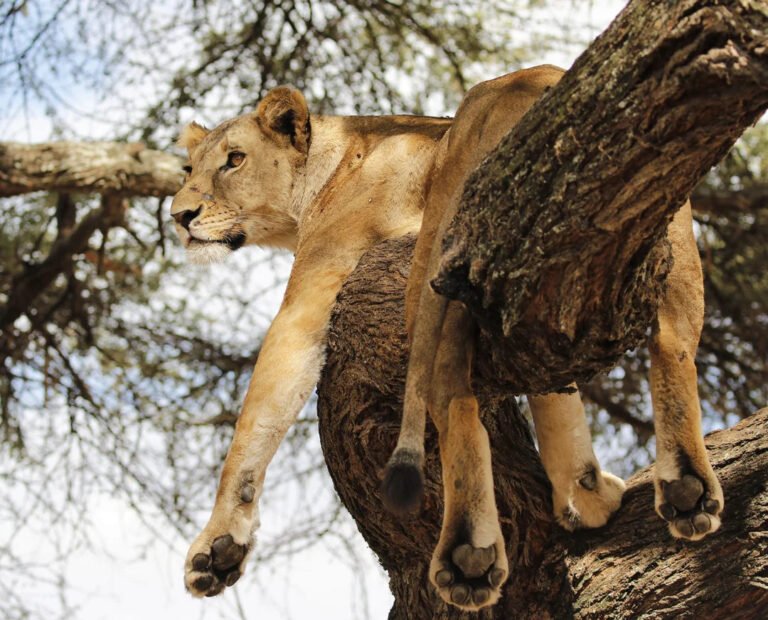
Dec 25, – 5 Day Christmas Tanzania Group Joining Safari 2026
Celebrate Christmas in the heart of the Tanzanian wilderness. Join our 5-day group safari departing December 25, 2026, and experience the iconic Northern Circuit.
View package detailsDec 10, – 5 Day Northern Tanzania Group Joining Safari 2026
A detailed guide to our 5-day Northern Tanzania group joining safari scheduled for December 10, 2026. Learn about the route, group logistics, and how to book your spot.
View package detailsOct 25, – 1 Day Tarangire Group Joining Safari From Arusha 2026
Planning a trip for October 25, 2026? Join our group safari to Tarangire National Park for a day of wildlife viewing, departing from Arusha.
View package detailsNov 14, – 5 Day Tanzania Lodge Group Joining Safari 2026
Join our November 14, 2026, 5-day Tanzania lodge safari. This group-joining itinerary offers a balanced, cost-effective way to explore the Northern Circuit.
View package details
Nov 12, – 5 Day Tanzania Budget Camping Group Joining Safari 2026
A detailed guide to the November 12, 2026, 5-day budget camping group joining safari in Tanzania, covering route logistics, group dynamics, and planning essentials.
View package detailsOct 30, – 5 Day Tanzania Northern Circuit Group Joining Safari 2026
Oct 30, 2026 – 5 Day Tanzania Northern Circuit Group Joining Safari.
View package detailsDecember Tanzania Group Joining Safari Dates And Prices: Best Guide 2026
A detailed guide on planning your December 2026 Tanzania safari, covering group joining logistics, cost considerations, and how to prepare for this peak travel window.
View package details
Dec 22, – 3 Day Nyerere Group Joining Safari
Dec 22, 2026 – 3 Day Nyerere Group Joining Safari.
View package details
Oct 25, – 1 Day Nyerere Fly-In Group Safari From Zanzibar 2026
Secure your spot for the October 25, 2026, group fly-in safari to Nyerere National Park. A professional, time-efficient wildlife experience from Zanzibar.
View package detailsDec 18, – 9 Day Tanzania Wildlife And Cultural Group Safari 2026
A deep look at our 9-day wildlife and cultural group safari departing December 18, 2026. This trip balances classic Northern Circuit game viewing with genuine cultural engagement.
View package detailsNo related package matches those filters. Clear one or more filters to see the other topic-matched options.



