
A 2-day safari covering both Tarangire National Park and the Ngorongoro Crater starting from Zanzibar is an intense, high-speed itinerary that is only possible via light aircraft flights. Because of the limited time, this package relies on early morning departures from Zanzibar and late afternoon returns. The total cost is determined primarily by the price of internal flight tickets, national park entry fees, private vehicle hire, and your chosen level of accommodation. Expect to pay a premium for the convenience of flying, as this saves you approximately 12–14 hours of road travel each way compared to a ferry-and-drive approach.
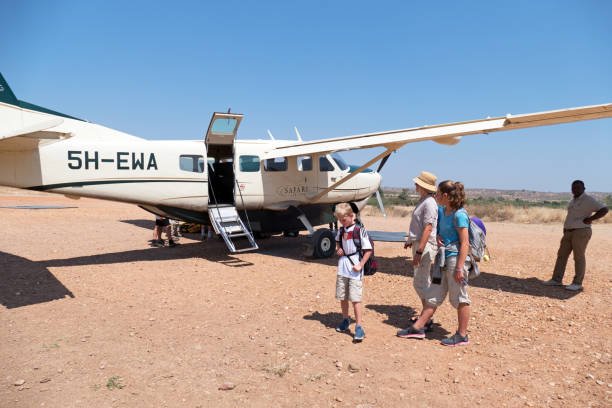

When you are looking at a 2-day safari from Zanzibar to the Northern Circuit, you are essentially looking at a logistics puzzle. Most travelers assume that because these locations are in Tanzania, they are close to each other. In reality, moving from the tropical coast of Zanzibar to the interior plains of Tarangire and the highlands of Ngorongoro requires precise timing. For a 2-day trip, every hour counts.
At Climb 4 Africa, we often advise travelers that a 2-day, 2-park itinerary is the absolute minimum required to see both Tarangire and Ngorongoro without spending the entire time in a vehicle. If you are planning this for 2026 or 2027, you must prioritize booking your internal flights as early as possible, as these small aircraft have limited seating and often sell out during the peak safari months.
Understanding the Logistics of a 2-Day Fly-In Safari
The primary constraint of a 2-day trip is travel time. If you were to take the ferry from Zanzibar to Dar es Salaam and drive to the parks, you would spend more time in transit than in the parks. Therefore, the only viable way to execute this trip is to fly from Zanzibar (ZNZ) to either Arusha Airport (ARK) or Lake Manyara Airstrip (LKY).
The standard flow for this itinerary involves:
- Morning 1: Early flight from Zanzibar to Arusha or Manyara. Your safari vehicle meets you at the airstrip. You head directly to Tarangire National Park for a full afternoon game drive.
- Evening 1: Overnight stay near the park or the Ngorongoro Conservation Area entrance to minimize travel time the next morning.
- Morning 2: Early descent into the Ngorongoro Crater. This is critical because the crater floor is best experienced before the mid-day heat and the arrival of larger tour groups.
- Afternoon 2: Game drive exit and transfer back to the airstrip for your return flight to Zanzibar.
This sequence leaves little room for delays. Weather, minor flight schedule shifts, or unexpected traffic at the park gates can compress your time. When you request a quote, ensure your operator accounts for these variables.
Cost Factors: Why Safari Packages Vary
There is no “flat rate” for a 2-day safari because the cost is a composite of several independent variables. When comparing quotes, you should look for transparency in these specific areas:
Key Cost Drivers
- Flight Prices: Internal flights in Tanzania are dynamic. Booking three months out is significantly cheaper than booking three weeks out.
- Park Entry Fees: These are non-negotiable government fees. Ngorongoro Crater has a high entry fee and a mandatory crater service fee, which significantly impacts the price of any 2-day package.
- Vehicle & Driver: You are paying for a private 4×4 Land Cruiser, fuel, and the salary/per diem of a professional driver-guide for 48 hours.
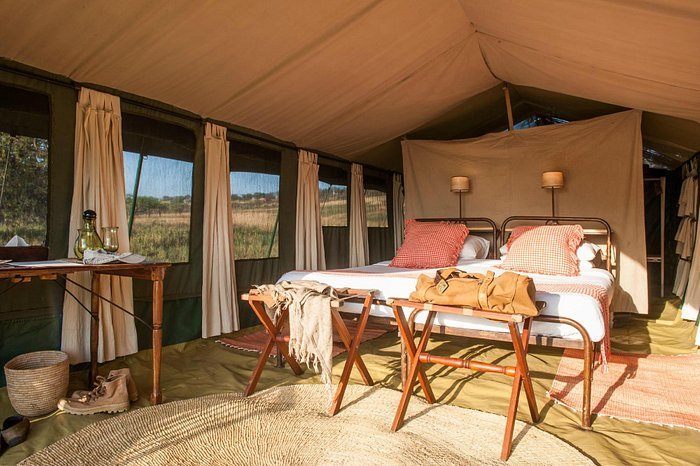
- Accommodation Tier: Whether you choose a mid-range lodge, a luxury tented camp, or a budget-friendly guesthouse will change the package price by hundreds of dollars.
- Group Size: A private safari for two people is more expensive per person than a spot on a shared group departure, though shared departures for specific 2-day itineraries are rare due to the complexity of flight synchronization.
For an accurate estimate for your specific travel dates in 2026 or 2027, please contact us directly. You can reach our team via WhatsApp at +255 747 477 898 or email climb4africa@gmail.com. We will provide a breakdown that clearly separates the flight costs from the land package expenses so you know exactly what you are paying for.
Tarangire vs. Ngorongoro: What You Will See
The reason travelers choose this specific combination is the contrast between the two ecosystems. Tarangire National Park, often referred to as the “Home of Elephants,” offers a completely different experience than the Ngorongoro Crater.
Tarangire National Park
In Tarangire, the landscape is defined by massive baobab trees and the Tarangire River, which acts as a lifeline for wildlife during the dry season. You are likely to see large herds of elephants, which are more concentrated here than in almost any other part of Tanzania. The park has a rugged, wilder feel, and the game drives here are about tracking wildlife through open acacia woodlands.
Ngorongoro Crater
The Ngorongoro Crater is a caldera—a massive, enclosed ecosystem. It is essentially a natural zoo. Because the walls of the crater are steep, the animals here are relatively contained. This makes for high-density wildlife viewing. You are almost guaranteed to see lions, hyenas, wildebeest, and zebras. If you are lucky, you might spot the rare black rhino, which is one of the main attractions of the crater.
By combining these two in 48 hours, you get the vast, open-savannah experience of Tarangire followed by the concentrated, high-density wildlife experience of the Crater.
Comparison: Fly-In vs. Road Transfer
Many travelers ask if they can simply drive from Zanzibar. The short answer is no, not for a 2-day trip. Below is a comparison to help you understand the trade-offs.
| Feature | 2-Day Fly-In Safari | Road-Based Trip (Not Recommended) |
|---|---|---|
| Travel Time | 1.5 – 2 hours flight time | 12+ hours (ferry + drive) |
| Wildlife Time | High; maximizes time in the parks | Very low; most time spent traveling |
| Cost | Higher (due to airfare) | Lower (but exhausting) |
| Best For | Short-term travelers, luxury seekers | Travelers with 5+ days to spare |
| Logistics | Complex; requires strict timing | Simpler, but physically draining |
As noted in our Zanzibar to Ngorongoro Crater Safari by Flight guide, the flight is not just a convenience; it is a necessity for short-duration trips. If you have more time, we often suggest looking at our 3-Day Serengeti & Ngorongoro Safari options, which provide a more relaxed pace.
Planning Your 2026-2027 Safari
If you are planning to visit in 2026 or 2027, the seasonal patterns of Northern Tanzania remain the most critical factor. While wildlife is present year-round, the “best” time depends on what you want to see.
The Dry Season (June to October)
This is peak season. The weather is cooler, and the vegetation is sparse, making it easier to spot wildlife. In Tarangire, the animals congregate around the river. However, this is also when flights and accommodation are most expensive and book up months in advance.
The Wet Season (November to May)
The landscape is lush and green, and birdwatching is exceptional. You will find fewer crowds and generally lower accommodation prices. While rain is possible, it rarely stops game drives completely. If you are looking for value, the shoulder months (November and May) can offer a great balance between cost and wildlife viewing.
Practical Booking Guidance
When you are ready to move from research to booking, here is the professional advice we give all our clients:
- Define Your Budget First: Do you want a luxury lodge with a view, or a comfortable, mid-range tented camp? Knowing this helps us build a package that fits your expectations.
- Check Flight Availability Early: Before you confirm your hotels, we need to ensure there are seats on the small bush planes for your specific dates.
- Ask About Inclusions: Does your quote include the flight, the park fees, the crater service fee, the full-board accommodation, and the private 4×4? At Climb 4 Africa, we provide transparent, all-inclusive quotes so you aren’t surprised by “hidden” costs upon arrival.
- Be Honest About Mobility: If you have specific physical needs or require a specific type of vehicle, tell us. We can customize the pickup and the pace of the game drives to suit you.
For those who prefer a single-park focus, we also assist with Zanzibar to Tarangire Safari packages, which can be slightly less expensive and offer a more focused experience if you prefer not to rush between two different parks.
We are here to help you navigate the complexities of Tanzanian logistics. Whether you are in the very early stages of planning or ready to book your 2026-2027 trip, reach out to us. You can email us at info@climb-4-africa.com or contact our team directly on WhatsApp at +255 747 477 898. Please provide your travel dates, the number of travelers, and your preferred level of accommodation so we can give you the most accurate and helpful information for your safari journey.
Managing Luggage and Packing for Bush Flights
One of the most overlooked aspects of planning a fly-in safari from Zanzibar is the strict nature of luggage logistics. Because you are traveling on light aircraft—typically 12-to-14-seater Cessna Caravans—the physical constraints on what you can carry are significant. Unlike commercial airline flights where you might check large, hard-shell suitcases, bush flights have limited cargo pod space that does not accommodate rigid luggage.
The Soft-Sided Bag Requirement
For any fly-in safari package, you must use soft-sided duffel bags. Hard-shell suitcases, even those within weight limits, are often rejected by pilots because they cannot be shaped to fit into the aircraft’s under-belly cargo pods. If you arrive at the Zanzibar airport with a hard suitcase, you may be forced to leave it behind or pay for an extra seat to store it inside the cabin, which is an unnecessary and avoidable expense. We strongly recommend investing in a high-quality, soft-sided duffel bag that is collapsible.
Weight Restrictions and Storage Solutions
Most bush flight operators enforce a strict weight limit of 15 kilograms (approximately 33 pounds) per passenger. This limit includes your hand luggage. This restriction is not merely a policy; it is a critical safety calculation based on the weight of the aircraft, the fuel required for the flight, and the altitude of the airstrips in the Northern Circuit. When preparing for your 2-day trip, do not attempt to bring your entire travel wardrobe. Most hotels and resorts in Zanzibar are accustomed to hosting safari-goers and will provide secure luggage storage for your larger suitcases while you are away. Leave your heavy beach gear, excessive toiletries, and items you do not need for 48 hours at your hotel, and pack only the essentials for the safari.
Packing for Micro-Climates
Your 2-day itinerary takes you from the humid, tropical heat of Zanzibar to the high-altitude rim of the Ngorongoro Crater, which can be surprisingly cold, especially in the early morning. Your packing strategy should prioritize versatility. A common mistake is packing only light, breathable safari clothes. While these are perfect for the game drives in Tarangire, the Ngorongoro Crater floor and rim are located at a high elevation, where temperatures can drop significantly before sunrise. Bringing a windbreaker, a fleece, or a warm light jacket is essential for the early morning game drive departure. Additionally, prioritize high-quality optics; while many safari vehicles provide binoculars, bringing your own ensures you have a pair that is adjusted to your eyesight, allowing for a much better viewing experience of distant wildlife.
The Safari Vehicle Experience: What to Expect Inside the 4×4
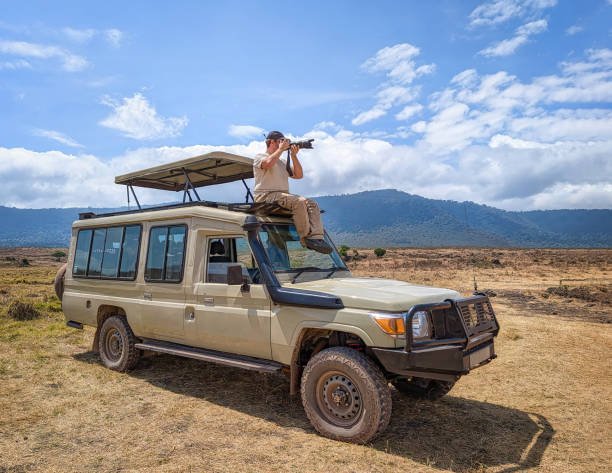
For a 2-day fly-in safari, the vehicle you will spend the majority of your time in is typically a customized 4×4 Toyota Land Cruiser. Understanding the dynamics of this vehicle is essential for managing your expectations during the trip. These vehicles are modified specifically for game viewing, featuring a pop-up roof mechanism that allows passengers to stand up and observe wildlife from a higher vantage point. While this provides excellent visibility, it also means you will be exposed to the elements—specifically the wind and the fine, pervasive dust that characterizes the Northern Circuit, particularly in Tarangire.
Inside the vehicle, seating is generally arranged in rows. On a private 2-day tour, you will have ample space, but it is important to realize that these vehicles are not air-conditioned in the way a modern sedan is. The windows remain open to facilitate wildlife spotting, which is the primary goal of the drive. Regarding charging electronics, while many modern safari vehicles are equipped with charging ports or inverters, these are not guaranteed. Always carry a fully charged power bank in your daypack. Because you are on a tight 48-hour schedule, you will likely be spending several hours each day driving between the airstrip, the park gates, and your accommodation. We recommend keeping your camera gear in a dust-proof bag or a dedicated camera case that can be easily accessed but quickly sealed when the vehicle is in motion on dirt roads.
Navigating Environmental Challenges and Health Safety
When planning your 2-day journey, particularly through Tarangire National Park, it is important to be aware of the tsetse fly. These flies are more common in certain areas of Tarangire than in the Ngorongoro Crater. They are attracted to dark colors, particularly dark blue and black. To minimize your chances of being bitten, avoid wearing dark blue or black clothing during your game drives. Instead, opt for neutral colors like khaki, beige, or light grey. While these bites can be a nuisance, wearing long-sleeved shirts and long trousers provides an effective barrier. If you are sensitive to insect bites, ensure you have a reliable insect repellent with DEET or Picaridin, which should be applied before you head out for your morning game drive.
Regarding health, the transition from the coast of Zanzibar to the high altitude of the Ngorongoro Crater is rapid. Ngorongoro Crater floor sits at approximately 1,700 meters above sea level, and the rim is significantly higher. If you are prone to altitude sickness, stay well-hydrated throughout your flight and the subsequent game drives. Furthermore, because you are moving from a malaria-endemic coastal zone to the interior, you should maintain your malaria prophylaxis regimen exactly as prescribed by your doctor before leaving Zanzibar. Do not assume that because you are only in the bush for two days that the risk is negligible; consistent preventative measures are the standard of care for all safari travelers.
Safari Gratuity and Tipping Standards
Tipping is a standard, though not legally mandatory, practice in the Tanzanian safari industry. For a 2-day, 2-park itinerary, travelers often ask how to handle gratuities fairly. The industry standard generally suggests tipping your driver-guide separately from any lodge staff. For a professional driver-guide who provides expert tracking, vehicle maintenance, and navigational services, a tip of approximately $15 to $20 USD per day per vehicle is common, though this can be adjusted based on your level of satisfaction with their service. It is best to provide this tip in cash at the end of the safari, directly to the driver.
For lodge or tented camp staff, a communal tip box is usually available at the reception. If you choose to use it, a contribution of $5 to $10 USD per guest per night is considered a generous way to acknowledge the support staff—including housekeepers and dining room attendants—who ensure your comfort during your brief stay. Always carry a supply of clean, crisp, relatively new USD bills for this purpose, as older or torn notes are often difficult to exchange in Tanzania. While gratuities are a personal choice, they are highly appreciated by the staff who facilitate the logistics of your high-speed, 2-day adventure.
Operational Realities: The Airstrip-to-Park Transfer
The most critical, yet often overlooked, component of a 2-day safari is the “last mile” transition from the bush airstrip to the interior of the national park. Because your time is compressed, the efficiency of this transfer is the single biggest factor in determining whether you get a full afternoon of game viewing or spend your limited daylight hours waiting for logistics to align. Unlike commercial airports, bush airstrips such as Lake Manyara or Arusha are remote outposts with no public transport infrastructure. You are entirely dependent on your pre-arranged driver-guide being present at the exact moment your aircraft touches down.
The Critical Hand-off
In a well-executed 2-day fly-in package, your driver-guide will be waiting at the airstrip before your plane arrives. This is not merely a courtesy; it is a tactical necessity. The pilot of your light aircraft is required to perform a quick turnaround—often unloading passengers and luggage and taking off again within 15 to 20 minutes to maintain their flight schedule. If your driver is not there to receive you, you risk being stranded at an unmanned airstrip with no means of communication, as cellular reception can be spotty in the bush. Ensure that your tour operator has provided you with the specific name and contact number of your driver-guide, and ideally, a direct line to the ground operations manager, before you depart Zanzibar.
Managing Delays and Gate Access
Weather patterns in the tropics can occasionally cause flight delays, which are the primary “schedule killers” for a 2-day trip. If your flight from Zanzibar is delayed by even two hours, your arrival at the park gate might coincide with the afternoon rush or, worse, nearing the gate’s closing time. It is vital to understand that national parks in Tanzania strictly enforce gate closing times, typically at 6:00 PM. If you arrive at the park entrance after this, you will not be permitted to enter for a game drive, regardless of your itinerary. To mitigate this, your driver-guide should have your park entry permits pre-processed or ready for immediate payment at the gate. Having your passport readily accessible in your day bag—rather than buried in your checked luggage—is essential, as rangers will verify your identity and permit status before the barrier is lifted. If you encounter a delay, your driver-guide is your primary advocate; they are responsible for communicating with the park authorities and potentially adjusting the route to maximize your remaining time once you are inside the park boundaries.
Strategic Accommodation Choices: Inside vs. Outside the Gate
For a 2-day fly-in safari, your choice of accommodation is not merely about comfort or luxury levels; it is a critical logistical decision that dictates the actual amount of time you will spend viewing wildlife versus sitting in a transit vehicle. Many travelers, when comparing quotes, focus exclusively on the nightly rate, often overlooking the massive time penalty associated with staying outside park boundaries. In a 2-day itinerary, where your window for game viewing is already constrained by flight schedules, the location of your lodge is the single most effective tool for maximizing your experience.
When reviewing your safari itinerary, you must distinguish between lodges located inside the park or conservation area boundaries and those located in the surrounding towns, such as Karatu. While town-based lodges are often significantly cheaper, they introduce a “commuter cost” to your safari. If you stay in Karatu, you are typically 45 to 60 minutes away from the Loduare Gate of the Ngorongoro Conservation Area. Once you clear the gate, you still have a significant drive—often another 45 to 60 minutes—just to reach the rim of the crater, and then a descent into the crater floor itself. This creates a two-hour transit period each morning before you see your first animal. On a 2-day trip, this effectively consumes nearly 25% of your available daylight game-viewing time.
The Impact of Lodging on Wildlife Viewing Time
To understand the value proposition of your package, calculate the “transit-to-game” ratio. A lodge located on the Ngorongoro Crater rim allows you to be at the crater floor entrance within 20 to 30 minutes of leaving your room. This early access is vital; it ensures you are among the first vehicles entering the crater, which is when predators like lions and hyenas are most active and before the midday heat drives them into the tall grass. If your itinerary places you in a hotel outside the gate, your driver must contend with the morning queue at the park entrance, which can be substantial during the peak season. By the time you reach the crater floor, you may find the wildlife sightings more crowded and the animals less active.
Similarly, for Tarangire National Park, lodges located inside the park boundaries offer a distinct advantage. Tarangire is a linear park, and the main concentration of wildlife—particularly during the dry season—is near the Tarangire River. If your lodge is outside the park gate, you are essentially starting your game drive from the park boundary, which may be several kilometers away from the prime riverfront sightings. Staying inside the park allows you to start your game drive immediately upon exiting your room, providing a smooth transition from breakfast to wildlife observation. This efficiency is the difference between a high-value 2-day trip and one that feels rushed.
Vetting Your Itinerary for Locational Efficiency
When you receive a quote for your 2-day safari, do not hesitate to ask your tour operator specifically about the location of the proposed accommodation. A professional operator should be able to clarify: “Is this lodge located inside the park/conservation area or in a town outside the gate?” If the lodge is outside, ask them to estimate the drive time from the hotel to the park gate and from the gate to the primary game-viewing area. If the combined transit time exceeds 90 minutes each way, you should strongly consider upgrading to an on-site property. While the upfront cost of an inside-the-park lodge is higher, you are essentially purchasing extra hours of wildlife viewing that cannot be bought once you are on the ground. For a short, 2-day trip, this is almost always the most sound investment you can make.
Choosing Your Arrival Airstrip: Arusha (ARK) vs. Lake Manyara (LKY)
When booking a 2-day fly-in safari, the choice of your arrival airport is one of the most consequential decisions you will make. You are essentially choosing between two distinct logistical profiles: Arusha Airport (ARK) and Lake Manyara Airstrip (LKY). Understanding the trade-offs between these two nodes is critical because, in a 48-hour window, every hour of transit time directly cannibalizes your game-viewing time.
Arusha Airport (ARK) is the primary aviation hub for the Northern Circuit. It serves the highest volume of flights, making it the most cost-effective arrival point. However, Arusha is located outside the national parks. After landing, you must still navigate the traffic of Arusha city and the subsequent transit to the gate of Tarangire National Park, which typically takes between 2.5 to 3.5 hours depending on road conditions and traffic. For a 2-day itinerary, this means that after your morning flight from Zanzibar, you may not reach the park gates until midday, potentially losing the prime morning wildlife viewing window.
Lake Manyara Airstrip (LKY), conversely, is situated significantly closer to the ecosystem boundaries. Flights to this airstrip are generally more expensive due to lower volume and the specific route requirements of bush airlines. However, the operational advantage is substantial: landing at LKY places you within a short drive of the Tarangire or Ngorongoro access points. This choice can save you three to four hours of total driving time over the course of your two days. If your budget permits, prioritize flights into Lake Manyara to maximize your time inside the parks rather than on the tarmac or highway.
The Fixed-Cost Reality of Private Vehicle Hire
A frequent point of confusion for travelers booking a 2-day safari is the pricing structure of the vehicle and guide. Unlike group tours where costs are distributed across a full minibus of travelers, a 2-day fly-in safari is almost exclusively operated as a private vehicle experience. This is a necessity driven by the compressed timeline; you cannot afford the delays associated with group dynamics, hotel pick-ups for other guests, or shared itineraries.
Because the vehicle is dedicated to your party, the operational costs—fuel, the driver-guide’s daily wage, vehicle insurance, and park entry fees for the vehicle itself—are fixed. Whether you are a solo traveler or a party of four, the cost to operate that specific Land Cruiser for two days remains largely the same. This creates a significant disparity in the “per-person” cost. A solo traveler will bear the full burden of these fixed expenses, which is why quotes for single travelers on 2-day trips can appear disproportionately high compared to longer, multi-day road safaris where these costs are amortized over more days and potentially more passengers.
When vetting quotes, look for transparency regarding the “vehicle hire” portion of the invoice. A professional operator will itemize the private vehicle cost separately from the accommodation and flight portions. If you are a solo traveler, ask if there are any “join-in” options for the vehicle portion of the trip, though be aware that this often compromises the time-efficiency that makes the 2-day fly-in model viable in the first place. Accepting the higher per-person cost of a private vehicle is generally the trade-off required for the speed and exclusivity that a 2-day, 2-park itinerary demands.
Navigating the “Single Supplement” and Solo Traveler Dynamics
For many travelers, the dream of a 2-day fly-in safari is a solo endeavor or a romantic getaway for two. However, the economics of a 2-day trip are uniquely unforgiving for solo travelers or small groups due to the high fixed costs of private logistics. When you book a safari that spans such a short duration, you are essentially paying for the “readiness” of a vehicle, a guide, and the administrative coordination of two separate park visits, regardless of how many people are in the car.
The single supplement is not a penalty fee; it is a direct reflection of the unshared operational costs. In a 2-day itinerary, the most expensive components—the private vehicle hire and the guide’s fee—do not scale down for one person. A 4×4 Land Cruiser in the Northern Circuit carries the same daily fuel and maintenance overhead whether it holds one passenger or four. Furthermore, lodge room rates are frequently quoted per person based on double occupancy. When you occupy a room alone, the lodge charges a single supplement to cover the fixed costs of servicing the room, which remains the same regardless of occupancy.
Strategies for Mitigating Single Supplement Costs
If you are traveling solo and wish to maintain the efficiency of a 2-day fly-in itinerary without inflating your budget, consider these tactical approaches:
- Inquire About “Scheduled” Departures: While 2-day fly-in safaris are almost always private, some larger operators maintain a schedule of departures for specific dates. If you can be flexible with your travel days, an operator might be able to pair you with another traveler, allowing you to split the vehicle and guide costs. This is the single most effective way to reduce the per-person price.
- Prioritize Mid-Range Tented Camps: Luxury lodges often have the highest single supplement percentages. Mid-range tented camps, while still offering an authentic experience, often have more flexible pricing structures for solo travelers and lower base rates, which makes the inevitable single supplement easier to absorb.
- Focus on “Value-Add” Inclusions: Rather than fighting the cost of the single supplement, look for packages that include extras that would otherwise cost you money on the ground, such as private airport transfers from your Zanzibar hotel to the airport, or inclusive water and snacks in the vehicle. These inclusions can offset the perceived value gap of paying a higher solo rate.
- Leverage Shoulder Season Dates: During the low or shoulder seasons (November, May, or early June), some lodges waive or significantly reduce the single supplement to attract guests. If your travel dates are flexible, shifting your trip by even two weeks can sometimes result in a more favorable pricing structure.
It is vital to communicate your solo status clearly during the initial inquiry phase. A transparent operator will provide a quote that breaks down the “tour cost” versus the “single supplement cost.” This transparency allows you to see exactly where your money is going and helps you make an informed decision on whether the convenience of the 2-day fly-in model justifies the solo premium.
Managing the Day 2 Exit: The Flight-Departure Deadline
The most common logistical failure in a 2-day fly-in safari is the miscalculation of the Day 2 departure timeline. Travelers often assume that because they have paid for two days, they are entitled to game viewing until the moment their flight leaves. In reality, the return to the airstrip—whether it is Lake Manyara or Arusha—is a rigid deadline that dictates your entire morning schedule. The flight back to Zanzibar is not a flexible shuttle service; it is a scheduled departure that will not wait for a late arrival from the crater floor.
You must account for the “ascent and transit” time. If you are staying on the Ngorongoro Crater rim, you must factor in a 30-to-45-minute drive just to navigate the steep, winding road from the crater floor to the rim. From there, the drive to the Lake Manyara airstrip takes approximately 90 to 120 minutes, depending on road conditions and gate traffic. If your flight is scheduled for 14:00, you are effectively required to be at the airstrip by 13:15 for security and check-in. This means your game viewing must conclude by 11:00 or 11:30 at the absolute latest. Attempting to push this window risks missing your flight, which, given the limited frequency of bush flights, usually results in a missed connection back to Zanzibar and potentially expensive last-minute overnight arrangements.
The 24-Hour Park Fee Validity Trap
A critical, often misunderstood cost component in your 2-day itinerary is the validity period of the National Park and Conservation Area entry fees. Both the Tanzania National Parks Authority (TANAPA) and the Ngorongoro Conservation Area Authority (NCAA) operate on a 24-hour validity cycle, not a calendar-day cycle. This distinction is vital for your planning.
If you enter the Ngorongoro Conservation Area at 10:00 on Day 1, your entry permit is valid until 10:00 on Day 2. If your itinerary requires you to remain inside the park or on the crater floor until 13:00 on Day 2 to maximize your viewing time, you may technically be liable for a second day’s entry fee. While some tour operators include this in their “all-inclusive” package pricing, others may present it as an optional add-on or a surcharge. Always clarify with your operator whether the “2-day” package includes a full 24-hour permit or if it strictly covers the standard operating hours. If you are looking to save on costs, aligning your entry and exit times to stay within a single 24-hour window can sometimes eliminate the need for a second day’s worth of conservation fees, though this is rarely possible with a 2-day fly-in itinerary that requires an overnight stay.
Decoding the “All-Inclusive” Safari Quote Structure
When you receive a quote for a 2-day fly-in safari from Zanzibar, the term “all-inclusive” is often used to describe the package. However, from a financial auditing perspective, you must treat this as a bundle of distinct, third-party costs combined with the operator’s service margin. Understanding how these costs are structured is the only way to avoid “surprise” invoices or hidden markups that often appear after a deposit is paid. For a short, high-intensity 2-day trip, these line items represent a significant portion of your total expenditure.
The Anatomy of a Safari Invoice
A transparent safari quote should clearly separate “hard costs” from “operational costs.” Hard costs are non-negotiable expenses that the operator pays to third parties on your behalf. These include:
- Internal Flight Tickets: These are the most volatile costs. Prices fluctuate based on fuel surcharges and booking lead times. If a quote does not explicitly list the flight cost as a separate line item, it is likely being estimated, which can lead to a “price adjustment” request later.
- National Park Entry Fees: These are set by the Tanzania National Parks Authority (TANAPA) and the Ngorongoro Conservation Area Authority (NCAA). They are strictly per person, per 24-hour period.
- Crater Service Fees: This is a specific, often overlooked charge. When you visit the Ngorongoro Crater, there is a separate “Crater Service Fee” required for every vehicle entering the floor. This is distinct from your personal entry fee.
- Concession or Camping Fees: If your chosen lodge is located inside the park boundaries (rather than in a town like Karatu), the lodge must pay a “concession fee” to the government for every guest night. This is almost always passed directly to you.
Operational costs, by contrast, cover your private vehicle hire, fuel, driver-guide salary, and the operator’s administrative overhead. When auditing your quote, ensure the distinction between these categories is clear. If an operator provides a “lump sum” price without a breakdown, you lose the ability to verify if you are being overcharged for standard government fees.
The Hidden Surcharges You Need to Audit
Beyond the primary costs, there are several tax and regulatory layers that can inflate the final price of your 2-day itinerary. Because the 2-day trip is short, these percentages can have a disproportionate impact on the total budget.
Value Added Tax (VAT): Tanzania applies an 18% VAT on most tourism services, including accommodation and transport. Some operators quote “net” prices (pre-tax) to make their packages look more competitive, only to add the 18% VAT at the final invoicing stage. Always ask if the price provided is “VAT Inclusive” or “Plus VAT.”
The “Crater Floor” Supplement: Some operators advertise a Ngorongoro safari but exclude the specific “Crater Floor” permit in their base price, quoting only the “Conservation Area” fee. These are two different permits. You cannot descend to the crater floor—where the actual wildlife viewing happens—without the specific floor permit. A quote that lacks this is essentially an incomplete itinerary.
Currency Fluctuations and Payment Terms
Most safari operators in Tanzania conduct business in USD, even though the local currency is the Tanzanian Shilling (TZS). This creates a currency risk for the traveler. If you book your safari six months in advance, the operator may be subject to exchange rate fluctuations between the time they quote you and the time they actually pay the park authorities or airlines.
Professional operators usually mitigate this by locking in the price at the time of booking. However, if your contract contains a “currency fluctuation clause,” you could be liable for additional costs if the USD weakens against the TZS by the time of your travel. For a 2-day trip, these amounts are usually small, but for group bookings, they can be significant. Always clarify if the price is guaranteed once your deposit is received, or if it is subject to change based on external market conditions.
Auditing Your Quote for Transparency
Before you finalize your booking, use this checklist to ensure you are not paying for “phantom” services or being blindsided by hidden costs:
- Line Item Verification: Does the quote list “Park Entry Fees” and “Crater Service Fees” as separate items?
- Flight Inclusion: Are the internal Zanzibar-to-Arusha flights booked and ticketed by the operator, or are they an “estimated cost”?
- Tax Status: Is the 18% VAT clearly included in the total, or is it an add-on?
- Vehicle Exclusivity: Does the quote explicitly state “Private Vehicle”? Some budget operators may attempt to combine your 2-day trip with other travelers to save on costs, which changes the dynamics of your itinerary entirely.
By demanding this level of transparency, you not only protect your budget but also ensure that your operator is managing your logistics with the precision required for a 2-day fly-in safari. A professional operator will have no issue providing this breakdown; in fact, they will likely welcome the opportunity to prove the value and legitimacy of their pricing.
Understanding the “Game Package” vs. “Vehicle Hire” Pricing Models
When you are sourcing quotes for a 2-day fly-in safari from Zanzibar, you will quickly notice a divergence in how operators structure their pricing. It is not merely a difference in formatting; it is a fundamental difference in how your trip is managed operationally. Understanding whether you are purchasing a “Game Package” or a “Vehicle Hire” model is the single most important distinction you can make to avoid logistical failure during your short 48-hour window.
The “Vehicle Hire” Model: What You Are Actually Buying
The “Vehicle Hire” model is essentially a logistics-only service. When you pay for this, you are contracting the operator to provide a 4×4 Toyota Land Cruiser, a professional driver-guide, and the fuel required to traverse the parks. In this model, the operator views their role as a transport provider rather than a full-service travel planner. You may be responsible for booking your own accommodation, or the operator may book the lodge for you, but the park entry fees and conservation levies remain your responsibility or are billed as “extras” to be paid upon arrival.
This model is popular among independent travelers who want to retain control over their accommodation choices. However, for a 2-day trip, it introduces significant risks. Because your itinerary is so compressed, you cannot afford the administrative friction of paying park fees at the gate. Each time you stop to process a credit card payment or handle cash transactions at a Tanzania National Parks Authority (TANAPA) or Ngorongoro Conservation Area Authority (NCAA) gate, you are losing 30 to 60 minutes of wildlife viewing time. If the park’s payment system is offline—a common occurrence in remote areas—you could be stuck at the gate for hours, effectively ruining your 2-day schedule.
The “Game Package” Model: The Full-Service Approach
Conversely, the “Game Package” model is a turnkey, all-inclusive approach. Under this structure, the operator bundles the vehicle, the guide, the accommodation, all meals, and all park entry fees into a single, pre-paid cost. The lodge you stay at is often a partner of the safari operator, meaning the operator handles the voucher system and the logistical hand-offs behind the scenes.
For a 2-day itinerary, the Game Package is almost always the superior choice. Because the operator has pre-paid the fees or has a credit account with the park authorities, your driver-guide simply presents a pre-arranged voucher or digital permit. You do not stop at the payment window; you drive straight through. This “skip-the-line” capability is not a luxury; it is a tactical necessity for a trip where you only have two days to see the crater and Tarangire.
Identifying the “Hidden” Gate Fee Liability
The danger zone for most travelers occurs when they assume a quote is a “Game Package” when it is actually a “Vehicle Hire” quote in disguise. This usually happens when an operator provides a low-cost quote that looks attractive but fails to list the park fees as an inclusive item. If you accept such a quote, you are signing up to be the “logistics manager” for your own safari.
Before you commit to a price, ask the operator a specific, clarifying question: “Does this quote include the pre-payment of all TANAPA and NCAA park entry fees, or will I be expected to settle these at the park gates?” If they answer that you will settle them at the gates, you must factor in the potential for delays. Furthermore, realize that in the Ngorongoro Conservation Area, the “Crater Service Fee” is a distinct, high-cost item. If your quote does not explicitly state that this fee is included in the package, you may find yourself with an unexpected bill of hundreds of dollars per person the moment you arrive at the crater rim.
Why the Distinction Matters for Your 2-Day Timeline
The 2-day fly-in safari is a high-pressure environment. You are landing in the bush, heading immediately to game viewing, and then likely heading back to the airstrip the next day. You do not have the “buffer time” that a 5-day or 7-day safari traveler enjoys. If you are stuck at a gate for two hours because of a credit card processing error, you have effectively lost 25% of your total game viewing time for the entire trip. By choosing a “Game Package” model, you transfer the risk of these logistical delays to the operator. They are incentivized to ensure the paperwork is flawless because they are the ones who have pre-paid the fees and are managing the relationship with the gate authorities. When you choose the “Vehicle Hire” model, the risk of those delays sits squarely on your shoulders.
Navigating the Zanzibar (ZNZ) Departure Window
For a 2-day fly-in safari, the success of your itinerary is heavily dependent on the efficiency of your departure from Zanzibar (ZNZ). Unlike a standard commercial flight where the airline manages the check-in flow, a bush flight requires you to navigate the logistical divide between the international and domestic terminals. A common oversight for travelers on a 2-day schedule is assuming that the ZNZ airport operates as a single, smooth hub. In reality, the domestic terminal, where your light aircraft departs, functions with a different operational tempo than the international terminal.
When you are checking in for your bush flight, you are typically dealing with a smaller, specialized aviation operator. These companies enforce strict check-in deadlines—often 45 to 60 minutes before departure—to accommodate weight-and-balance calculations for the small aircraft. If you arrive at the ZNZ domestic terminal with only 30 minutes to spare, you risk being offloaded or having your luggage bumped to a later flight, which effectively destroys your 2-day game viewing schedule. Always confirm with your operator whether your transfer vehicle is dropping you at the main terminal or the specific domestic hangar, as navigating the wrong entrance during the early morning rush can cost you critical minutes.
The ZNZ-to-Safari Connection Risk
The most significant, yet often ignored, risk in a 2-day itinerary is the “Day 2 Return” connection. Travelers often attempt to book their international flight home on the evening of their second safari day. While this is technically possible, it is statistically dangerous for a short, high-speed trip. Afternoon weather patterns in the Ngorongoro and Tarangire regions can cause minor delays in flight departures from the bush airstrips. Because light aircraft are subject to visual flight rules (VFR), even a slight buildup of cloud cover or a late-afternoon rain shower can delay your departure by an hour or more.
If your safari flight lands at ZNZ at 5:00 PM and your international flight departs at 8:00 PM, you are operating within a razor-thin margin. Should your bush flight experience even a one-hour delay, you will likely miss your international check-in window. Because you are arriving on a domestic flight, you will have to exit the domestic terminal, collect your luggage, transport it to the international terminal, and re-check in. This process is time-consuming and prone to congestion. For a 2-day itinerary, the most prudent strategy is to plan your international departure for the following morning or to ensure a minimum of a five-hour buffer between your scheduled safari flight arrival and your international flight departure.
Navigating Conservation Area Fees: Entry vs. Concession Costs
When you are auditing the costs for a 2-day fly-in safari, the most frequent source of confusion lies in the distinction between Tarangire National Park and the Ngorongoro Conservation Area (NCA). While both destinations are often lumped together under the banner of “safari parks,” they operate under different administrative authorities—Tanzania National Parks Authority (TANAPA) for Tarangire and the Ngorongoro Conservation Area Authority (NCAA) for the crater. This administrative difference results in distinct fee structures that can significantly impact the final price of your package.
For a 2-day itinerary, you are paying for two separate permits: one for Tarangire and one for the Ngorongoro Conservation Area. Each permit is governed by a 24-hour validity rule, but the cost components within those permits are not uniform. When reviewing your quote, you must look for three distinct fee categories: the entry fee, the concession fee, and the crater service fee.
The Ngorongoro Crater Service Fee: A Mandatory Vehicle Surcharge
Perhaps the most misunderstood line item in a 2-day safari quote is the “Crater Service Fee.” Unlike standard park entry fees, which are calculated on a per-person basis, the Crater Service Fee is a mandatory charge applied to the vehicle itself for the privilege of descending onto the crater floor. This fee is specific to the Ngorongoro Conservation Area and is non-negotiable.
Because you are on a tight 2-day schedule, you will almost certainly be entering the crater floor on your second day. This fee is often omitted from lower-cost “vehicle hire” quotes to make the price appear more competitive. When auditing your invoice, ensure that this fee is explicitly listed. If your operator has quoted you a “Game Package,” this fee should be included, but it is prudent to confirm this in writing. If you arrive at the Seneto or Lodoare gate and this fee has not been pre-paid or factored into your budget, you will be required to pay it on the spot, usually via credit card or bank transfer, which can delay your entry and cut into your limited wildlife viewing time.
Understanding Concession Fees for Crater-Rim Lodging
If you have selected a lodge located inside the Ngorongoro Conservation Area—specifically those perched on the crater rim—you will encounter a “Concession Fee.” This is a nightly fee charged by the NCAA for the right to stay within the protected conservation zone. This fee is separate from the nightly room rate you pay to the hotel and is almost always passed on to the traveler.
For a 2-day trip, the concession fee adds a significant premium to your accommodation cost. While the view from a rim-based lodge is unparalleled, the financial trade-off is the daily concession fee, which is often higher than the fees charged for lodges located outside the conservation area. If your quote seems unexpectedly high, check if the operator has bundled the concession fee into the “accommodation” line item or if it is listed separately. A transparent quote should clearly break down the lodging cost from the associated government fees. If you are trying to minimize costs, ask your operator for a comparison quote between a lodge located inside the crater rim and one located in Karatu, a town just outside the main gate. While the Karatu option will save you the concession fee, remember that it will add travel time to your morning descent into the crater, potentially forcing you to leave your hotel earlier to reach the gate before the morning rush.
Auditing Your Invoice for Fee Transparency
To ensure you are not being blindsided by these costs, use the following checklist when reviewing your 2-day safari invoice:
- Verify the Park Entry Fee Basis: Confirm that the fees quoted are per person and include the 18% Value Added Tax (VAT), as some operators quote net prices that exclude tax.
- Identify the Crater Service Fee: Look for a specific line item labeled “Crater Service Fee” or “Crater Vehicle Fee.” If it is missing, ask your operator if it is included in the “Vehicle Hire” or “Game Package” fee to avoid surprises at the gate.
- Clarify the Concession Fee Location: If you are staying at a rim lodge, verify that the concession fee is included in your total. Ensure the operator has specified whether this is a per-night or per-stay fee.
- Check for 24-Hour Validity Overlap: Since you are visiting two parks in 48 hours, ensure your operator has not accidentally charged you for two full days of entry for both parks if you are only spending a partial day in one of them. While most authorities enforce the 24-hour rule strictly, there are sometimes efficiencies in how entry is managed if you are transiting through specific zones.
By understanding that the Ngorongoro Conservation Area is not just another national park but a complex, fee-heavy zone, you can effectively audit your safari quote and avoid the logistical and financial pitfalls that often derail 2-day itineraries.
Navigating the “Milk Run” Flight Schedule: Why Your Return Flight Time Matters
A critical, often overlooked variable in the cost and timing of a 2-day fly-in safari is the nature of the bush flight route itself. Many travelers assume that a flight from Lake Manyara (LKY) or Arusha (ARK) back to Zanzibar (ZNZ) is a point-to-point, direct service. In reality, bush aviation in Tanzania frequently operates on a “milk run” or multi-leg schedule. This means your aircraft may be scheduled to stop at multiple airstrips—such as Seronera, Grumeti, or Kilimanjaro—to drop off or pick up other passengers before finally heading to your destination.
The Multi-Leg Reality of Bush Aviation
When you purchase a seat on a bush flight, you are generally paying for a seat on a specific flight number, not necessarily a private charter. Because these aircraft (typically Cessna Grand Caravans or similar turboprops) are the primary mode of public transport for the entire Northern Circuit, the airline prioritizes route optimization. If your 2-day itinerary includes a return flight that is listed as a multi-leg route, your flight time can effectively double or triple. A flight that looks like a 45-minute journey on a map can easily stretch into a 3-hour ordeal once you factor in the descent, landing, taxiing, offloading of other passengers, security checks, and takeoff at each intermediate stop.
How Routing Impacts Your 2-Day Buffer
This reality directly contradicts the tight scheduling required for a 2-day safari. If your return flight is a multi-leg service that departs at 3:00 PM, but you are still in the Ngorongoro Crater until 1:00 PM, you have almost no margin for error. If the flight schedule changes or an intermediate stop experiences a delay, you risk missing your connection to Zanzibar. This is where the “cost” of your safari becomes a matter of risk management. Some operators may offer a lower price by booking you on a multi-leg flight with a longer duration, while others may source flights that are more direct, albeit at a higher price point. When reviewing your quote, ask specifically: “Is this a direct flight, or does it include intermediate stops?”
Auditing Your Flight Itinerary for Stopovers
Before confirming your booking, request the flight itinerary from your operator and check for the following red flags:
- Stopover Codes: Look for intermediate airport codes in the itinerary. If your flight from LKY to ZNZ includes an intermediate stop at ARK, Kilimanjaro (JRO), or another bush airstrip, assume an additional 45 minutes of travel time per stop.
- Departure Buffer: If the flight is multi-leg, ensure your game viewing ends at least 3 hours before the scheduled departure time. This buffer is non-negotiable for 2-day trips where you are already operating on a compressed schedule.
- Flight Number Consistency: If your ticket shows a change of aircraft or flight number mid-route, you are essentially looking at two separate flights being sold as a connection. This increases the risk of baggage handling errors and delays, which can be catastrophic for a 2-day trip where you have no “buffer day” to recover lost items.
By understanding that the “flight” portion of your 2-day package is a dynamic, multi-stop service rather than a private shuttle, you can better audit the value of your quote. A slightly more expensive package that utilizes a more direct flight route is often the superior choice for a 2-day itinerary, as it preserves the limited time you have for actual game viewing rather than spending it on the tarmac at various bush airstrips.
Navigating the Digital Payment Shift: The Government e-Payment Gateway (GePG)
For travelers planning a 2-day fly-in safari, understanding the financial mechanics of park entry is no longer just about checking your invoice; it is about understanding the Tanzanian government’s digital infrastructure. In recent years, both the Tanzania National Parks Authority (TANAPA) and the Ngorongoro Conservation Area Authority (NCAA) have migrated to a strictly cashless system managed through the Government e-Payment Gateway (GePG). This shift has profound implications for your 2-day timeline, as it eliminates the possibility of “fixing” payment issues at the gate.
The End of Cash Transactions at Park Gates
Historically, it was possible to arrive at a park gate and pay entry fees using a credit card or, in some cases, cash. That era has effectively ended. Today, all park fees must be processed electronically in advance. When you arrive at the Tarangire or Ngorongoro gate, the rangers will scan your digital permit—a QR code or a reference number generated by the GePG system. If your operator has not processed this payment before your arrival, you will not be granted entry. There is no “pay-on-arrival” queue. For a 2-day itinerary where you are already fighting a clock, a payment failure at the gate is not a minor inconvenience; it is a critical failure that can cost you half a day of game viewing while the operator scrambles to resolve the digital paperwork.
Why Your Operator Must Be a Registered Agent
The GePG system is not open to the general public for direct payment of safari fees; it is designed for use by licensed tour operators who hold a government-registered account. This is a critical distinction for the DIY traveler or those booking through third-party aggregators who may not have a local Tanzanian presence. If you are booking a “budget” safari, verify that the company has a valid, active TANAPA and NCAA account. An operator who asks you to “pay at the gate” or suggests they will “handle the payment once you arrive” is signaling a lack of institutional access to the GePG system. This should be treated as a major red flag. In a 2-day itinerary, you are entirely dependent on the operator’s ability to navigate this digital bureaucracy seamlessly.
The “Digital Receipt” Audit
To protect your 2-day investment, you should request proof of fee payment as part of your final booking confirmation, ideally 48 hours before your flight from Zanzibar. A legitimate operator will be able to provide a copy of the official “Permit” or “Control Number” generated by the GePG system. This document is not just a confirmation email; it is a government-issued receipt that links your specific itinerary, the dates of travel, and the number of visitors to the paid fees. When you review this document, verify three specific data points:
- The Date Validity: Ensure the dates on the permit exactly match your 2-day safari window. A permit issued for the wrong dates is invalid and will be rejected at the gate.
- The Destination Code: Confirm that the permit lists the correct park (e.g., Tarangire) or conservation area (Ngorongoro). A permit for one park cannot be used for the other.
- The Guest Count: Verify that the number of “pax” (passengers) on the permit matches your party size. If you are a party of two but the permit is for one, you will be denied entry for the second person.
By auditing these digital documents before you even leave Zanzibar, you mitigate the risk of a “gate-side” delay. In the high-speed environment of a 2-day fly-in safari, the GePG permit is essentially your “boarding pass” to the wildlife experience. If the paperwork is not in order, the vehicle does not move, and your limited time in the bush evaporates.
Mastering the Ngorongoro Crater Floor: The 6-Hour Rule and Time Management
On a 2-day itinerary, the Ngorongoro Crater is almost invariably the highlight, but it is also the most operationally complex location to manage. Beyond the financial costs of the Crater Service Fee, travelers must contend with the “6-hour rule.” The Ngorongoro Conservation Area Authority (NCAA) enforces a strict duration limit for vehicles on the crater floor. This is not merely a guideline; it is an operational constraint that dictates your entire Day 2. The 6-hour limit begins the moment your vehicle passes the entry gate—usually the Seneto Gate for most safari operators—and ends when you exit. For a 2-day traveler, this creates a high-pressure environment. You are not simply paying for a day in the crater; you are paying for a strictly timed window. If your guide is inefficient at the gate, or if you spend too much time at the first viewpoint, you are cannibalizing your own game-viewing time later in the morning.
The Descent and Ascent Logistics
The time you spend on the crater floor does not include the drive from your lodge to the crater rim, nor the winding, steep descent down the crater wall. These transit times are often underestimated by travelers planning their own logistics. If you are staying at a lodge on the crater rim, the descent takes approximately 30 to 45 minutes. If you are staying outside the conservation area (e.g., in the town of Karatu), you must add an additional 30 to 60 minutes just to reach the gate. In a 2-day itinerary, this “approach time” is the single biggest thief of your game-viewing hours. To maximize your 6-hour allowance, you must be at the gate at the earliest possible opening time, typically 6:00 AM. A departure from your lodge at 7:00 AM or 8:00 AM effectively wastes one to two hours of your limited crater-floor permit.
The Crater Floor Bottleneck and Traffic Patterns
The Ngorongoro Crater is geographically compact, which leads to a “bottleneck” effect. During peak season, vehicles congregate around wildlife sightings, particularly when lions or rhinos are spotted. For a 2-day visitor, getting stuck in a traffic jam of ten to fifteen vehicles at a single sighting is a critical failure of time management. Because you have a flight to catch, you cannot afford to wait for the crowd to disperse. A professional guide will recognize this and prioritize movement over extended, stationary viewing. When vetting your operator, ask specifically about their “Crater Floor Strategy.” A high-quality operator will avoid the main tourist circuits within the crater floor during the mid-morning rush to ensure you maximize your 6-hour window in quieter, more productive sectors. If your guide is simply following the pack, you will lose precious time in congestion.
The Wildlife Rhythm vs. The Logistics Clock
There is a misconception that spending more time on the crater floor is always better. In reality, the crater floor experiences a significant drop in wildlife activity during the heat of the mid-day sun. By 11:00 AM or 12:00 PM, many of the predators, particularly lions and hyenas, seek shade in the tall grass or under acacia trees, making them significantly harder to spot. This works in your favor as a 2-day traveler. The logistics of needing to exit the crater by 12:30 PM to catch a 3:00 PM flight aligns perfectly with the biological reality of the crater. You are effectively prioritizing the “golden hours” of the morning—the time of maximum activity—and exiting just as the wildlife activity begins to wane. If your itinerary suggests an “all-day” crater visit with a late-afternoon flight, audit that timeline immediately; it is often a sign of poor planning that will result in a rushed, stressful exit.
The Math of the Mid-Day Departure
If your return flight from Lake Manyara (LKY) is scheduled for 3:00 PM, your “hard” exit time from the crater floor is not 3:00 PM—it is closer to 12:30 PM. You must factor in the ascent, the drive from the crater rim to the airstrip (which can take 90 minutes to two hours depending on road conditions), and the mandatory pre-flight check-in time. Many first-time visitors mistakenly believe they can “squeeze in” one last hour of game viewing until 2:00 PM. Attempting this is a recipe for a missed flight. Your operator should be actively managing your departure from the crater floor to ensure you are clear of the conservation area by early afternoon. If you are still on the crater floor at 1:30 PM, you are no longer viewing wildlife; you are gambling with your return flight.
Related Guides and Packages
Check Availability for 2-Day Tarangire & Ngorongoro Safari From Zanzibar: Flight Package Cost ()
Ready to compare dates, prices, and the best option for your group? Send the package name and travel month so the team can reply with a clear quote, availability, and what is included.
3-Day Serengeti & Ngorongoro Safari From Zanzibar By Flight 2027
3-Day Serengeti & Ngorongoro Safari From Zanzibar by Flight is explained with current 2027 planning, price, itinerary and booking information.
View package details
Zanzibar To Tarangire Safari By Flight: Prices & Travel Options 2026-2027
A detailed breakdown of the logistics, flight connections, and road transfers required to travel from Zanzibar to Tarangire National Park for a safari.
View package detailsZanzibar To Ngorongoro Crater Safari By Flight: Price & Travel Options 2027
A deep look at the logistics, costs, and planning decisions required for flying from Zanzibar to start your Ngorongoro Crater Safari, designed for the experienced traveler.
View package details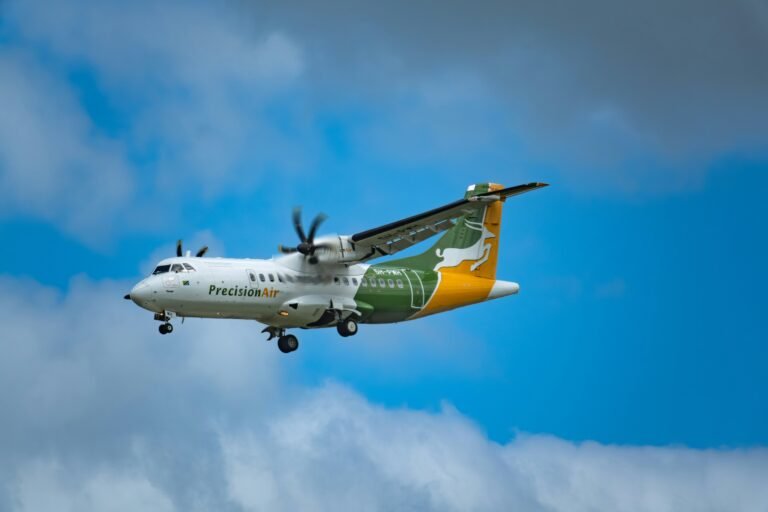
Zanzibar To Ngorongoro Crater: Flight And Road Transfer Costs ( Guide)
A detailed guide on navigating the logistical chain between Zanzibar and the Ngorongoro Crater, covering flight options, airport choices, and the cost variables involved.
View package details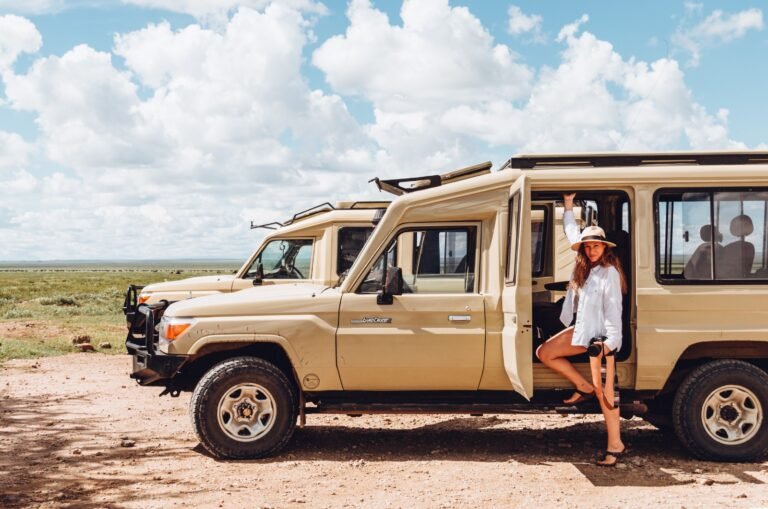
Nov 8, – 3 Day Tarangire, Lake Manyara And Ngorongoro Group Safari 2026
Planning for a 3-day group safari in Tanzania? Our November 8, 2026, departure offers a structured, cost-effective way to explore Tarangire, Lake Manyara, and the Ngorongoro Crater.
View package detailsNov 4, – 2 Day Tarangire And Ngorongoro Group Safari From Arusha 2026
A detailed guide to the November 4, 2026, group joining safari, covering Tarangire National Park and the Ngorongoro Crater, with logistics for travelers starting from Arusha.
View package detailsOct 28, – 3 Day Tarangire, Lake Manyara And Ngorongoro Group Safari 2026
A detailed guide to our 3-day group joining safari departing October 28, 2026. Explore the logistics, wildlife highlights, and why this specific route is ideal for travelers looking to...
View package detailsOct 26, – 2 Day Tarangire And Ngorongoro Group Joining Safari 2026
Oct 26, 2026 – 2 Day Tarangire and Ngorongoro Group Joining Safari.
View package details2-Day Serengeti Safari From Zanzibar By Flight: Price & Booking Guide
A practical guide to booking a 2-day Serengeti safari from Zanzibar by flight, covering itinerary logistics, cost considerations, and how to maximize your short time in the bush.
View package details2-Day Nyerere Safari From Zanzibar: Flight-Inclusive Package Prices 2026-2027
An expert guide to planning a 2-day Nyerere safari from Zanzibar, covering flight-inclusive package structures, cost drivers, and the practical rhythm of a short-stay wildlife adventure.
View package details1-Day Serengeti Safari From Zanzibar By Flight: Cost & Itinerary 2026-2027
Is a 1-day Serengeti safari from Zanzibar feasible? Get the expert breakdown on the flight logistics, cost factors, and how to manage your expectations for this intense, one-day wildlife...
View package details
3-Day Serengeti Fly-In Safari From Zanzibar: All-Inclusive Package Prices 2027
Plan your ultimate Tanzanian adventure, combining Zanzibar's beaches with the Serengeti's wildlife. This guide details all-inclusive package pricing and logistics for a 3-day fly-in safari...
View package detailsNo related package matches those filters. Clear one or more filters to see the other topic-matched options.



