
A Zanzibar to Serengeti safari by flight is an air-transfer travel package designed to connect Tanzania’s primary beach destination with the Serengeti National Park, saving travelers nearly two full days of overland transit. For 2027, these packages typically range from 2 to 4 days, utilizing light aircraft to land directly at airstrips like Seronera, Kogatende, or Lobo, depending on the season and migration patterns. Because these flights operate with strict weight limits (usually 15kg in soft-sided bags), your safari package price will be influenced by the flight route, the specific airstrip chosen, the season of travel, and the level of lodge accommodation selected.
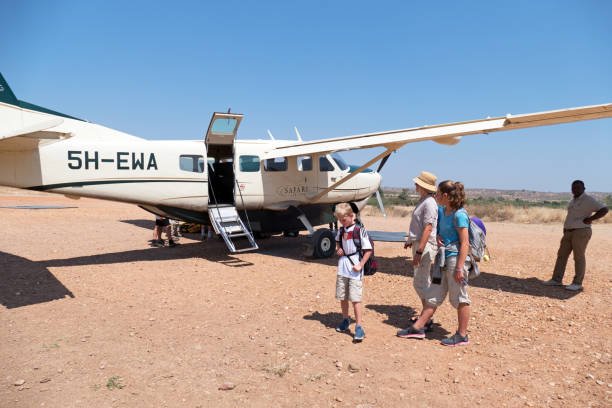

Transitioning from the white sands of Zanzibar to the vast savannah of the Serengeti is the most efficient way to maximize a limited vacation window in Tanzania. By choosing a flight over a multi-day drive, you trade hours of road travel for a 1.5 to 2.5-hour flight that offers an aerial perspective of the Tanzanian landscape. For travelers planning in 2027, this logistical shift is the single most important decision for protecting your time on the ground.
Understanding the Logistics of Your Flight
When you book a safari from Zanzibar to the Serengeti, you are not just buying a game drive; you are coordinating a complex transfer that involves regional aviation. Most flights depart from Zanzibar International Airport (ZNZ) and land at one of the several airstrips scattered across the Serengeti. It is critical to understand that the Serengeti is massive, and your choice of airstrip matters significantly for your game viewing success.
For instance, if you are traveling during the Great Migration season, you might aim for the Northern Serengeti (Kogatende or Lamai airstrips). Conversely, for year-round resident wildlife, the Central Serengeti (Seronera) is the most common hub. Our Zanzibar to Seronera Airstrip flights guide provides more detail on why this specific location remains the most popular connection for short-stay travelers. Always confirm with your operator which airstrip aligns best with the time of year you intend to visit.
Important Baggage Rule: Light aircraft serving the Serengeti have strict weight limits. You are generally restricted to 15kg (33lbs) per person, and this must be packed in soft-sided luggage. Hard-shell suitcases are often rejected at the tarmac because they cannot be squeezed into the small cargo holds of these bush planes. Plan your packing accordingly to avoid last-minute stress at the airport.
Comparing Itinerary Lengths: 2, 3, and 4 Days
Deciding how long to stay is a balancing act between the cost of the flights and the depth of your safari experience. The flight cost remains a fixed expense regardless of how long you stay, so longer itineraries often provide better value per day.
| Itinerary Type | Focus | Suitability | Typical Tempo |
|---|---|---|---|
| 2-Day Safari | Quickest wildlife fix | Travelers with very limited time | High intensity, minimal downtime |
| 3-Day Safari | Balanced experience | Most popular choice for first-timers | Moderate, allows for a full day of game drives |
| 4-Day Safari | Deep wildlife immersion | Photography enthusiasts/families | Relaxed, covers more remote areas |
For those looking for a concise experience, a 3-day Serengeti fly-in safari from Zanzibar is often the recommended starting point. It allows for one full day of game viewing after your arrival day, providing a much higher chance of spotting the Big Five compared to a rushed 2-day trip.
Pricing Factors for 2027
When you request a quote for your 2027 safari, you will notice that prices are rarely flat. Several variables dictate the final cost:
- Seasonality: High season (typically June to October and January to February) sees higher demand for flights and lodges, driving prices up.
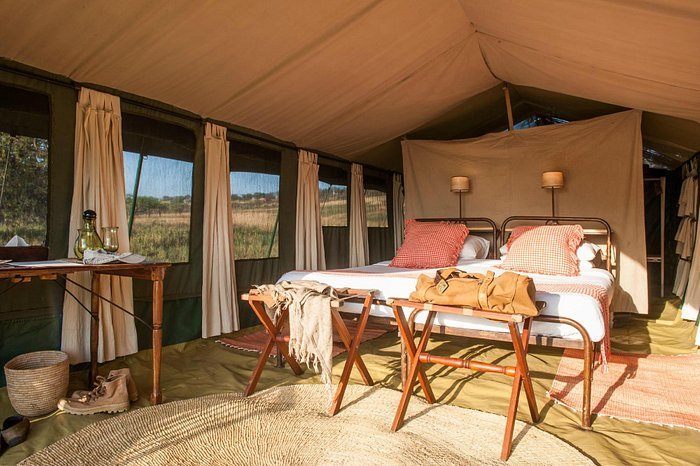
- Accommodation Level: The price difference between a mid-range tented camp and a luxury lodge can be significant. Tented camps offer an authentic “bush” feel while still providing comfort.
- Group Size: Private safaris are more expensive per person than group departures. If you are a solo traveler or a couple, asking about group departures can be a effective way to lower costs.
- Park Fees: Tanzania adjusts park entrance fees periodically. Always ensure your quote includes these, as they are a non-negotiable cost paid to the government.
Rather than looking for a “standard” price, work with us to define your budget. We can tailor the lodge choice and flight timing to match your financial goals without sacrificing the quality of your game viewing.
Why the Serengeti Flight Path Matters
The geography of the Serengeti dictates your entire experience. Flying into the wrong airstrip can add hours of driving time to your day. When we plan your itinerary, we consider the current movement of the herds. If you are interested in specific wildlife events like the river crossings, we will prioritize flights into the Northern Serengeti.
For travelers who want to combine destinations, we often coordinate multi-stop itineraries. You might choose to fly from Zanzibar to Tarangire or Zanzibar to Lake Manyara before connecting to the Serengeti. This “circuit” approach is efficient if you have 5-7 days and want to see more than just one ecosystem.
Practical Planning Steps for 2027
Planning a safari for 2027 requires early coordination, especially for flight availability. Light aircraft operate on fixed schedules, and seats fill up months in advance during peak travel windows. Here is how we recommend approaching your booking:
- Define Your Dates: If your dates are flexible, you can save money by avoiding the absolute peak weeks.
- Share Your Interests: Are you a wildlife photographer needing extra time at specific locations? Or are you a family looking for child-friendly lodges? Telling us this helps us select the right airstrip and accommodation.
- Check Your International Flights: Ensure your arrival in Zanzibar and your departure home allow for the buffer time needed for domestic connections.
- Contact the Team: Use our local expertise to finalize the logistics. You can reach us directly via WhatsApp at +255 747 477 898 or email climb4africa@gmail.com. For general inquiries, you can also write to info@climb-4-africa.com.
We provide ground support from the moment you land in Zanzibar until you are back on the beach or heading to your international departure. This includes managing your flight tickets, booking your park permits, and ensuring your driver-guide is ready at the airstrip the moment you land.
Common Misconceptions About Fly-In Safaris
One common myth is that flying removes the “adventure” of a safari. In reality, the flight itself is often a highlight—viewing the vast plains of the Serengeti from above provides a sense of scale that you cannot get from the ground. Another misconception is that you need to be a high-budget luxury traveler to fly. While flying is more expensive than driving, the time saved is immense. For a 3-day trip, flying is essentially the only way to make the safari viable; driving would consume nearly 24 hours of your 72-hour trip.
Finally, do not worry about the lack of amenities at the airstrips. While they are remote, our team ensures that your safari vehicle is waiting for you immediately upon arrival. You are not left to fend for yourself; you are met by a professional guide who knows the terrain and the current wildlife movements.
Preparing for Your 2027 Safari
As you look toward your 2027 travels, remember that the best experiences come from well-planned logistics. Whether you are aiming for a Zanzibar to Ngorongoro Crater safari or a dedicated Serengeti trip, the key is to lock in your flight connections early.
If you are ready to start planning, reach out to us with your preferred travel month and the number of travelers in your party. We will provide a tailored quote that accounts for current flight costs, seasonal lodge availability, and the most efficient route for your specific interests. Let us handle the complexities of the air transfers and park logistics so you can focus on the wildlife.
Navigating Luggage Constraints on Light Aircraft
One of the most critical logistical components of a Zanzibar to Serengeti fly-in safari that often catches travelers off guard is the strict baggage policy enforced by regional bush airlines. Unlike international carriers that allow generous weight allowances, light aircraft operating within Tanzania—such as the Cessna Grand Caravan or smaller bush planes—operate under very tight payload capacities. For your 2027 trip, understanding these constraints is essential to avoid last-minute complications at the Zanzibar airport.
Standard regulations for these flights typically cap luggage at 15 kilograms (approximately 33 pounds) per person. This weight limit is not merely a suggestion; it is a safety requirement dictated by the aircraft’s take-off performance and balance. Because these planes are smaller and land on bush airstrips that may have shorter runways, the pilot must adhere strictly to weight manifests. If your luggage exceeds this limit, you may be forced to leave items behind in secure storage in Zanzibar or, in some cases, purchase an extra seat on the aircraft to accommodate the additional weight, which significantly inflates your total trip cost.
Beyond the weight limit, the type of bag you bring is equally important. Hard-sided suitcases with frames or rigid wheels are generally prohibited on these flights. These bags are difficult to maneuver into the small, irregularly shaped cargo holds of light aircraft. You must use soft-sided duffel bags that are pliable and can be squeezed into tight spaces. If you arrive at the Zanzibar airstrip with a hard-shell suitcase, you may be asked to transfer your belongings into a soft bag on the spot, which is a stressful and unnecessary complication to start your safari.
To manage this effectively for your 2027 travel:
- Prioritize Modular Packing: Pack your gear in a high-quality, soft-sided duffel bag. These are durable, lightweight, and specifically designed for safari travel.
- Leave Non-Essentials Behind: Most lodges in the Serengeti offer daily laundry services. You do not need to pack a fresh outfit for every day of your trip. Bringing three to four days’ worth of clothing is sufficient, even if your safari lasts longer.
- Consider Camera Gear Weight: If you are a photographer carrying heavy lenses and camera bodies, remember that this equipment counts toward your 15kg limit. If your gear is heavy, wear your heaviest items (like hiking boots and jackets) during the flight to save weight in your bag.
- Check Your Operator’s Policy: While 15kg is the industry standard, some premium charter services may allow for slightly higher limits if you book a private charter. Always confirm the specific baggage policy with your booking agent well before your departure date.
By adhering to these packing guidelines, you ensure a smooth transition from the coast to the bush. Arriving at the Zanzibar departure lounge prepared with the correct luggage type and weight not only saves you money but also ensures that your equipment and clothing arrive at your Serengeti lodge at the same time you do.
Managing Ground-to-Air Connectivity: The Hidden Logistics
While your flight from Zanzibar to the Serengeti is the core of your journey, the success of your safari often hinges on the ground transfers at both ends of the trip. Many travelers underestimate the time required to navigate Zanzibar’s local roads and the coordination needed once you land in the bush. When planning your 2027 itinerary, you must treat your transfers as integral components of your schedule rather than afterthoughts.
On the Zanzibar side, your departure point is a critical factor. The island’s road network can be slow, especially when transiting from the popular northern beaches like Nungwi or Kendwa to Zanzibar International Airport (ZNZ). Depending on traffic and road conditions, this drive can take anywhere from 90 minutes to two hours. If you book an early morning flight to the Serengeti, you may be required to depart your hotel well before dawn. Ensure your ground transfer is pre-booked with a reputable operator who understands the strict check-in times for regional bush flights, which are often 60 minutes prior to departure. Arriving late to the Zanzibar terminal can result in missing your slot, which, unlike major international flights, cannot be easily rectified with a later departure on the same day.
Once you land at a Serengeti airstrip, the logistical focus shifts. It is a common misconception that the airstrip is located at your lodge. In reality, you will land on a gravel or dirt runway in the middle of the park, and you will still have a drive—ranging from 20 minutes to over two hours—to reach your camp or lodge. This is where the “Game Drive Transfer” concept becomes valuable. This drive is not merely a shuttle service; it is your first official game drive. Your guide will meet you at the airstrip, assist with your luggage, and then immediately begin the safari experience as you travel toward your accommodation. When reviewing your package inclusions for 2027, confirm that this transfer is private and dedicated to your party. A shared transfer can sometimes mean waiting for other passengers arriving on different flights, which eats into your precious time in the bush.
Furthermore, consider the “buffer period” if your itinerary involves multiple stops. If you are flying from Zanzibar to a central Serengeti airstrip and then connecting to a different bush plane for a remote camp, do not attempt to book these flights with tight layover windows. Regional aviation schedules are dynamic and subject to change based on weather, pilot duty hours, and aircraft maintenance. Always aim for a minimum of two hours between any connecting flights within the safari circuit. This buffer protects you from the ripple effect of a single delay, ensuring that a minor mechanical issue or a late departure from the coast does not derail your entire multi-day safari plan.
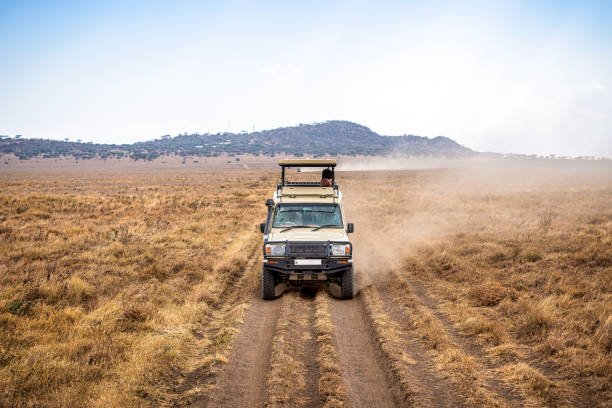
Finally, communication is your best tool for managing these connections. In 2027, ensure that your booking agent provides you with the direct contact details for your camp or lodge manager. If your flight from Zanzibar is delayed, the lodge is the entity that needs to adjust the game drive schedule and the pickup time at the airstrip. A well-organized safari package will have the lodge tracking your flight number in real-time, meaning your guide will be waiting at the airstrip whenever you touch down, regardless of minor scheduling shifts.
Decoding the 2027 Fee Structure: Park Fees vs. Concession Fees
When analyzing the cost of your 2027 Zanzibar to Serengeti safari package, it is essential to distinguish between the base price of the flight and the often-overlooked regulatory fees that comprise a significant portion of your total investment. Safari pricing is not merely a reflection of the aircraft seat and the lodge room; it is heavily dictated by the specific territory you are visiting. In Tanzania, the Serengeti is divided into various zones, each with its own fee structure that directly impacts your final invoice.
Standard Serengeti National Park (TANAPA) fees are the baseline for most mid-range and luxury packages. These fees are collected by the Tanzania National Parks Authority and cover entry, conservation, and road usage. However, if your package includes lodges located within private concessions or Wildlife Management Areas (WMAs), you will encounter a secondary layer of costs known as concession fees. These fees are significantly higher than standard park entry fees but are vital for funding anti-poaching initiatives and community development in the areas surrounding the park boundaries. When comparing two seemingly identical 3-day packages, one might appear cheaper because it utilizes public park land, while the other is priced higher due to the inclusion of private concession access. For 2027, it is critical to ask your operator for a breakdown of these fees. Understanding whether your package includes “all-inclusive” park and concession fees prevents the unpleasant surprise of being asked to pay supplemental conservation levies upon arrival at your lodge.
Furthermore, these fees are subject to annual adjustments by the Tanzanian government. As you plan for 2027, be aware that park fees are often quoted in USD and are subject to change based on government policy shifts. A package booked in early 2027 for a late 2027 travel date should ideally include a price-lock guarantee on these specific government taxes, or at least a transparent disclosure that any legislative fee increases will be passed on to the traveler. This level of financial transparency is the hallmark of a reputable safari operator and ensures your budget remains intact from the moment you depart Zanzibar.
Operational Efficiency: Balancing Airstrip Proximity with Transfer Costs
The efficiency of your Zanzibar to Serengeti fly-in safari is often determined by the relationship between your chosen airstrip and your final accommodation. A common oversight for first-time safari travelers is the “dead mileage” factor—the time and fuel spent driving from a remote airstrip to a lodge that is not optimally positioned. While it may be tempting to choose a flight to a cheaper or more convenient airstrip, the resulting ground transfer can significantly degrade the quality of your experience and increase your total package cost.
In 2027, the most cost-effective packages are those that prioritize proximity. For example, if your lodge is situated in the Seronera Valley, flying into the Seronera Airstrip is the only logical choice. Attempting to fly into a more distant airstrip, such as Grumeti or Lobo, to secure a cheaper flight rate may seem like a clever way to save money, but it forces a 2-to-3-hour ground transfer through the bush just to reach your starting point. This transfer is not a game drive; it is a logistical necessity that consumes hours of your limited time and incurs additional vehicle and guide costs. When evaluating your 2027 itinerary, look for packages that bundle the “airstrip-to-lodge” transfer as a short, smooth connection rather than a long, taxing drive.
Additionally, consider the seasonal accessibility of these airstrips. During the long rains (typically April and May), certain dirt airstrips in the southern or northern sectors can become waterlogged, forcing airlines to divert flights to all-weather hubs like Seronera. If your 2027 package relies on a small, remote airstrip during a wet season, you risk a forced change in plans. A robust package will account for these seasonal variations by selecting “all-weather” hubs for the majority of the year, providing a buffer against the unpredictability of the Tanzanian weather. By prioritizing proximity and operational reliability over the lowest possible flight ticket price, you ensure that your time in the Serengeti is spent observing wildlife rather than navigating the logistics of a long-distance ground transfer.
Navigating the Return Leg: Serengeti to Zanzibar and International Connections
The logistical challenges of your Zanzibar to Serengeti safari do not conclude when you board the plane to return to the coast. In fact, the return leg is often where travelers encounter the most significant scheduling friction. Unlike standard commercial routes that operate as point-to-point express services, regional bush flights often function as ‘milk runs’—a series of short hops between multiple airstrips before reaching the final destination. It is common for a flight departing from the Serengeti to stop at airstrips in the Ngorongoro Conservation Area, Lake Manyara, or Arusha before continuing to Zanzibar. Consequently, a scheduled flight time of 10:00 AM may not result in arrival at Zanzibar International Airport (ZNZ) until 2:00 PM or later, depending on the number of passengers disembarking or boarding at intermediate stops.
For travelers connecting to international flights departing from Zanzibar, this ‘hopping’ schedule creates a high-risk environment. If your safari package for 2027 does not explicitly account for this, you may find yourself with a dangerously tight connection window. A standard rule of thumb for international departures is to allow a minimum of five to six hours between your scheduled bush flight arrival and your international flight departure. If your itinerary forces a tight connection, you are effectively gambling on the operational punctuality of the bush airline, which is susceptible to factors beyond their control, such as wildlife on the runway, passenger delays at remote airstrips, or minor mechanical adjustments.
Furthermore, the return leg is uniquely vulnerable to the realities of Visual Flight Rules (VFR). Unlike large commercial jets that utilize instrument landing systems, light aircraft in the Serengeti operate under VFR, meaning pilots must have clear visibility to take off and land. If the Serengeti experiences low cloud cover, heavy mist, or localized thunderstorms—common occurrences during the shoulder seasons—flights can be grounded for hours. While an outbound delay to the Serengeti is an inconvenience that cuts into game viewing time, a delay on the return leg can result in missing your international flight home. To mitigate this risk, seasoned travelers often opt to include an ‘overnight buffer’ in Zanzibar or Arusha before their international departure, ensuring that a weather-related delay in the bush does not cascade into a missed flight and the associated rebooking costs.
Communication is your most effective tool during the return leg. On the morning of your departure from the Serengeti, ensure your lodge manager or safari guide has confirmed the flight status with the airline’s operations center. Bush airlines frequently adjust departure times by 30 to 60 minutes based on passenger load and weather reports; being unaware of these adjustments can leave you waiting at an airstrip unnecessarily or, worse, missing the aircraft entirely. Your ground transfer from the lodge to the airstrip should be coordinated with this ‘flexible’ departure time in mind. A professional safari package will include a dedicated transfer that is synced with the airline’s real-time flight plan, ensuring you are not sitting at a remote, shade-less airstrip for two hours, nor rushing to the runway as the engines are already turning.
Finally, be aware that the Zanzibar airport itself can be a bottleneck. Even if your bush flight lands on time, the transit from the domestic arrival area to the international terminal can be time-consuming during peak hours. If your 2027 itinerary involves a tight turnaround, verify whether your package includes ‘meet and greet’ services at the airport. This service can expedite your movement through the terminal, which is invaluable when you are carrying specialized camera gear or are navigating the complex layout of the Zanzibar airport transit zones. By treating the return journey with the same level of logistical rigor as the initial flight, you ensure that your transition from the wilderness back to the beach—and eventually to your international flight—is a smooth conclusion to your safari.
Strategic Selection of Serengeti Airstrips: Beyond the Central Hub
While many travelers default to the Seronera Airstrip, assuming it is the universal gateway to the Serengeti, your choice of landing strip in 2027 should be driven by the specific seasonal movement of the wildlife and the location of your chosen lodge. The Serengeti is vast—spanning nearly 15,000 square kilometers—and the time saved by flying into the correct airstrip can be the difference between spending your afternoon on a game drive or spending it in a transfer vehicle on a bumpy, dust-choked road. Understanding the regional airstrip network is essential for maximizing your limited time.
The Northern Circuit: Kogatende and Lamai Airstrips
If your 2027 travel window falls between July and October, the primary objective for most safari-goers is witnessing the Great Migration river crossings. Flying into the central Seronera airstrip during this time is a logistical error; it would require a 4 to 6-hour drive north just to reach the action. Instead, your safari package should prioritize flights into the Kogatende or Lamai airstrips. These northern strips are positioned specifically to provide immediate access to the Mara River, where the dramatic crossings occur. By landing here, you eliminate the need for long-distance transit, allowing you to be in the heart of the migration within 30 minutes of stepping off the aircraft.
The Western Corridor: Grumeti and Sasakwa Airstrips
For those visiting in May and June, the migration is often moving through the Western Corridor. This area is characterized by dense riverine forests and the Grumeti River, which serves as a major bottleneck for the herds. A flight into the Sasakwa or Grumeti airstrips is the strategic choice here. These airstrips are often private or semi-private, serving high-end lodges in the Grumeti Reserve. Because this area is geographically distinct from the central plains, flying here is the only way to avoid the grueling, multi-day overland transit from Arusha or the central Serengeti. If your 2027 package does not specify which airstrip you are using, you risk landing in the center of the park when the wildlife action is concentrated in the west.
The Southern Plains: Ndutu and Kusini Airstrips
Between January and March, the migration settles in the southern Serengeti and the Ndutu area for the calving season. This is the only time of year when the southern airstrips become the most critical infrastructure for your trip. Landing at the Ndutu Airstrip places you within minutes of the short-grass plains where thousands of wildebeest calves are born. Accessing this region from Seronera would involve a significant drive through the central woodlands, which, while scenic, takes you away from the primary wildlife spectacle. When reviewing your 2027 itinerary, ensure that your operator is scheduling flights into these southern strips during the calving season to capitalize on the proximity to the herds.
The Impact of Airstrip Selection on ‘Game Package’ Costs
It is important to recognize that airstrip selection influences your total ‘game package’ price. Flights to more remote airstrips (like Kogatende or Ndutu) are often priced at a premium compared to the high-frequency shuttle routes into Seronera. Furthermore, lodges located near these remote airstrips often require specialized ground transfers, which may be included in your package or quoted as an additional ‘transfer supplement.’ When comparing quotes for 2027, look for line items that specify the airstrip name. If a quote is significantly cheaper, check if they are routing you into a central airstrip and expecting you to pay for a long, private transfer to reach the northern or southern lodges. Transparency in the landing location is a marker of a professional operator; if the airstrip is listed only as ‘Serengeti Airstrip’ without a specific identifier, you should ask for clarification before finalizing your payment.
Understanding Aircraft Categories and Their Impact on Your 2027 Safari Experience
Beyond the selection of the airstrip, the specific aircraft model utilized for your Zanzibar-to-Serengeti transfer is a primary, yet frequently overlooked, variable in your 2027 safari package. Not all bush flights are created equal, and the type of aircraft assigned to your route significantly influences your comfort, your safety margins, and, most importantly, the reliability of your schedule. Understanding these differences allows you to better evaluate whether a quoted package price is truly a value or a potential logistical liability.
The Cessna Caravan Standard
The industry standard for Tanzanian bush aviation is the Cessna Grand Caravan. These high-wing, turbine-powered aircraft are favored by reputable operators for their reliability, payload capacity, and ability to handle the short, unpaved dirt runways typical of the Serengeti. A standard Caravan typically accommodates 12 to 14 passengers. When you book a premium safari package, you are generally paying for a seat on these larger, more stable, and well-maintained aircraft. The benefits include a slightly smoother ride due to the aircraft’s weight and a more professional flight crew who are intimately familiar with the specific micro-climates of the Serengeti airstrips.
The Risk of Smaller Light Aircraft
Conversely, some lower-cost packages may utilize smaller, piston-engine aircraft, such as the Cessna 206 or similar light planes seating 4 to 6 passengers. While these are perfectly safe and certified, they are more susceptible to turbulence and weather conditions. Because they have lower payload capacities, your luggage constraints become significantly more rigid. Furthermore, these smaller aircraft are often used for private charters rather than scheduled shuttle routes. If your 2027 package is priced aggressively low, it is worth inquiring about the aircraft type. If the operator is utilizing smaller, non-standard light aircraft, your flight may be more prone to cancellation during periods of high wind or low visibility, which are not uncommon in the Serengeti’s varied terrain.
The Operational Reality of ‘Puddle-Jumping’ vs. Direct Routes
A major factor in the price disparity between different 2027 safari packages is the nature of the flight route itself. It is a common misconception that a flight from Zanzibar to the Serengeti is a direct, point-to-point service. In reality, regional aviation often operates on a ‘hub-and-spoke’ or ‘milk run’ model. Understanding this is essential for managing your expectations regarding travel time.
The ‘Milk Run’ Flight Model
Many scheduled flights from Zanzibar to the Serengeti stop at intermediate airstrips—most commonly Arusha or Lake Manyara—before proceeding to your final destination in the park. These stops serve to optimize seat capacity for the airline. A ‘milk run’ flight that stops at two or three locations will inevitably be cheaper than a direct charter or a flight with only one stop. However, this model carries a hidden cost: your ‘2-hour flight’ can easily stretch into a 5-hour journey once you account for taxiing, passenger disembarkation, and re-boarding at each intermediate stop. For travelers on a 2-day safari, this can effectively consume half of your valuable game-viewing time.
Direct vs. Multi-Stop Value
When reviewing your 2027 itinerary, check the flight schedule for ‘intermediate stops.’ If your goal is to maximize time in the Serengeti, a direct flight—or one with a single stop in Arusha—is a superior investment, even if it commands a higher price. Operators that offer direct routes are often utilizing larger fleets and more efficient logistical planning. If a package seems remarkably inexpensive, it is highly likely that the itinerary involves multiple stops, which can increase the probability of delays. If one leg of a multi-stop flight is delayed due to weather or technical issues, it creates a cascading effect that can jeopardize your entire day’s schedule.
Weather Resilience and Operational Redundancy
In the Serengeti, the weather is the ultimate arbiter of your flight schedule. The region is prone to sudden, localized storms, particularly during the shoulder seasons. A critical, often invisible component of a high-quality 2027 safari package is the operator’s level of ‘operational redundancy.’ This refers to the airline’s ability to reroute, swap aircraft, or delay flights without leaving you stranded at an remote airstrip.
The Importance of Operator Fleet Size
Large, established bush airlines have multiple aircraft in the air at any given time. If a plane experiences a technical issue at a remote airstrip like Kogatende, a larger operator can often dispatch a replacement aircraft from a nearby hub. Smaller, budget-focused operators with limited fleets may not have this luxury; if their one available aircraft breaks down, you may be waiting for a replacement to be flown in from Arusha, which could result in a 24-hour delay. When evaluating your 2027 package, prioritize operators with a demonstrated, robust fleet presence in the Serengeti. This is a form of ‘logistical insurance’ that is built into the higher price of premium safari packages.
The Role of Travel Insurance in Flight Logistics
Because no operator can control the weather, and because flight schedules in the bush are inherently fluid, your 2027 planning must include comprehensive travel insurance that specifically covers ‘trip interruption’ and ‘flight delay’ due to weather. Even with the best operator, a heavy downpour can render a dirt airstrip temporarily unusable. When this happens, the airline will prioritize safety and cancel or divert the flight. While the operator will typically assist in rebooking, having your own insurance ensures that you are covered for the cost of any additional nights in a lodge or missed connections that result from these unavoidable, force majeure events. Treat this insurance not as an optional add-on, but as a mandatory component of your safari budget.
The ‘Meet and Greet’ Protocol: Navigating Airstrip Transfers
Upon landing at a remote Serengeti airstrip, the logistical responsibility shifts from the regional airline to your accommodation provider. Unlike international travel, where you are responsible for your own ground transportation, a fly-in safari relies on a synchronized “meet and greet.” Because most bush airstrips are essentially clearings in the savannah with minimal infrastructure—often consisting of nothing more than a windsock and a small shelter—your guide must be physically present at the strip to meet the aircraft. This requires precise flight manifest sharing between the airline, the booking agent, and the lodge management.
A frequent point of confusion for travelers is the distinction between a “Game Package” transfer and a “Third-Party” transfer. In a comprehensive Game Package, the lodge includes the airstrip transfer as part of the room rate. The vehicle that meets you is operated by the lodge, and the driver is often the same guide who will lead your game drives. This is the gold standard for efficiency, as it ensures that the moment you step off the plane, your safari begins. Conversely, if you have booked your accommodation separately from your flights, you may be relying on a third-party transfer service. These services often manage multiple pickups for different lodges; if your flight is delayed or if another guest on the same flight is heading to a different camp, your transfer time can increase significantly while the driver navigates multiple airstrips or drop-off points.
To ensure a smooth transition, verify the “transfer responsibility” clause in your 2027 booking documentation. If you are staying at a remote camp, confirm that the lodge has received your flight number and ETA at least 48 hours before departure. In the event that your flight is diverted or delayed, your lodge is your primary point of contact, not the airline. The airline’s responsibility ends when the engines cut at the airstrip; the lodge’s responsibility begins the moment you step onto the tarmac. If your flight arrives early, do not be alarmed if your guide is not immediately visible; they may be finishing a game drive nearby. Remain at the airstrip, as pilots are trained to coordinate with local ground teams to ensure no passenger is left unattended.
Navigating the ‘Bush-to-Beach’ Health and Safety Protocols
Transitioning rapidly from the humid, coastal climate of Zanzibar to the high-altitude, arid, and often dusty environment of the Serengeti requires more than just logistical planning; it demands a proactive approach to health and wellness. Because your 2027 safari package is designed for efficiency, you may find yourself moving between these two distinct ecosystems in under three hours. This rapid shift, while beneficial for maximizing your time, can catch travelers off guard if they are unprepared for the specific health requirements of the Tanzanian interior.
The Malaria Prophylaxis Timeline
While Zanzibar is officially classified as a low-risk zone for malaria, the Serengeti is a high-risk area. A common error for travelers planning a 2027 itinerary is assuming that because their trip begins on the coast, they can delay starting their malaria prophylaxis. This is a significant health risk. You must consult your travel clinic or physician to establish a medication regimen that aligns with the Serengeti portion of your trip. Because some prophylactics require you to start the medication days or even weeks before entering a risk zone, your “flight-in” status does not exempt you from the standard medical preparation required for a land-based safari.
Managing Rapid Altitude and Climate Shifts
The Serengeti sits at an elevation ranging from 1,500 to 1,800 meters (roughly 5,000 to 6,000 feet). While this is not “high altitude” in the extreme mountaineering sense, it is a sharp increase from sea level in Zanzibar. During the flight, the aircraft cabin is pressurized, but you will experience a rapid change in atmospheric pressure upon landing. Travelers with sinus issues or ear sensitivity should be prepared for potential discomfort during the descent into bush airstrips. Furthermore, the air in the Serengeti is significantly drier than on the coast. Staying hydrated is not just a comfort preference; it is a physiological necessity to prevent fatigue during your first afternoon game drive. Many operators now include bottled water as standard in their flight packages, but it is wise to carry a reusable bottle that you can refill at your camp, rather than relying solely on plastic bottles provided in the vehicle.
Dust Mitigation and Respiratory Sensitivity
One of the most overlooked realities of a fly-in safari is the impact of “bush dust.” The airstrips in the Serengeti are unpaved, and the soil is often fine, volcanic dust. When the aircraft lands or takes off, this dust is kicked up in significant quantities. If you have respiratory sensitivities, asthma, or wear contact lenses, you should prepare accordingly. Keep a pair of sunglasses and a buff or light scarf easily accessible in your carry-on bag—not buried in your checked luggage—to protect your eyes and airways during the short walk from the aircraft to the waiting safari vehicle. Your 2027 safari package will likely include an open-sided vehicle for game drives, which further exposes you to this environment. Ensuring your camera gear is dust-protected with sealed bags is equally important, as the fine particulate matter can easily infiltrate sensitive electronic equipment.
The ‘First Day’ Pace Adjustment
Because you are flying directly into the park, you will likely arrive at your lodge by midday, often just in time for lunch. The temptation is to immediately head out for an afternoon game drive. However, seasoned travelers often suggest a “slow start” for the first day. The combination of the early morning flight, the heat of the midday sun, and the sudden change in environment can lead to “safari fatigue” by the second day if you overexert yourself upon arrival. Use your first afternoon to acclimate to the lodge, observe the local wildlife from the camp’s viewing deck, and hydrate. This allows your body to adjust to the elevation and the dry air, ensuring you are energized for the longer, full-day game drives that typically follow on your second and third days.
The Economics of Booking Lead Time: Managing 2027 Price Volatility
For travelers planning a Zanzibar to Serengeti fly-in safari in 2027, understanding the unique pricing dynamics of bush aviation is as important as choosing the right lodge. Unlike commercial international airlines, which operate on a transparent, algorithm-based dynamic pricing model, bush aviation in Tanzania functions on a tier-based allocation system that is highly sensitive to booking lead time. The price you pay for your seat on a Cessna Caravan is rarely a fixed market rate; rather, it is determined by the availability of ‘shuttle seats’ versus the necessity of ‘private charter’ capacity.
Most reputable bush operators release seats in blocks to safari outfitters and lodges months in advance. When you book your safari 6 to 9 months ahead of your 2027 travel date, you are typically accessing these pre-allocated ‘shuttle’ seats, which are the most cost-effective way to travel. These seats are subsidized by the high volume of daily passengers on established routes. However, as the travel date approaches and these shuttle seats are exhausted, the operational cost of moving you changes. If you attempt to book a flight just weeks before your trip, you may find that the scheduled shuttle flights are sold out. At this stage, your only remaining option may be to book a private charter for the aircraft, which can cost several times the price of a standard seat. This is not a ‘last-minute surcharge’ in the traditional sense, but a reflection of the aircraft’s fixed operating cost being distributed across fewer passengers.
Why ‘Wait-and-See’ Strategies Fail in Bush Aviation
A common mistake for 2027 travelers is applying the ‘wait-and-see’ approach—often used to snag deals on commercial flights—to their bush safari logistics. In the context of the Serengeti, this strategy is frequently counterproductive. Because the bush aviation fleet is finite, operators do not lower prices to fill empty seats as the date approaches. Instead, they optimize their fleet by grounding underutilized aircraft or consolidating routes. If you delay booking, you are not just risking a price increase; you are risking the availability of the flight path altogether. Furthermore, if you are traveling as a group of four or more, the ‘private charter’ threshold becomes much easier to hit. Understanding that your booking lead time is a direct lever on your total package cost is essential for maintaining your 2027 budget. When requesting quotes, always ask your operator to clarify whether the flight cost is based on a guaranteed seat in a shared shuttle or if it assumes a private charter arrangement, as this distinction is the single largest variable in your flight-related expenses.
The Zanzibar Departure Experience: Navigating Terminal 3 and Bush Flight Procedures
While the focus of your 2027 safari package is the Serengeti, the departure from Zanzibar International Airport (ZNZ) is a distinct logistical hurdle that often catches first-time visitors off guard. Zanzibar’s airport has undergone significant modernization with the opening of Terminal 3, which handles the bulk of international arrivals and departures. However, your bush flight to the Serengeti does not operate from the same check-in counters or boarding gates as your international carrier. Understanding this separation is vital to ensuring you do not miss your connection.
Most regional bush operators utilize a dedicated domestic apron or a secondary check-in facility separate from the main international terminal building. When you arrive at ZNZ, you must confirm whether your operator requires you to check in at their specific kiosk or if you are to be met by a representative at the general domestic area. Because bush flights are scheduled to optimize daylight hours—typically departing in the morning to ensure arrival in the Serengeti before the afternoon heat—the window for error is minimal. Arriving at the main international terminal and attempting to find your bush flight departure gate can result in a frantic, time-consuming search that may lead to missing your flight entirely.
Furthermore, the ‘Zanzibar pace’—a relaxed approach to time that defines island life—does not apply to bush aviation. While the airport staff and ground crew are efficient, the pilots operate on strict flight plans dictated by air traffic control and the availability of landing slots at remote bush airstrips. If you are staying at a resort on the far north or east coast of Zanzibar, you must factor in a significant road transfer time to the airport, often 60 to 90 minutes. Relying on a ‘just-in-time’ arrival strategy is a major risk. Aim to be at the domestic check-in point at least 90 minutes prior to your scheduled departure. This buffer accounts for the manual processing of luggage and the necessary pre-flight safety briefings that are standard for small-aircraft operations.
The Photographic Equipment Paradox: Managing Weight Limits with Professional Gear
One of the most persistent challenges for travelers planning a 2027 Serengeti safari is the friction between the standard 15kg (33 lbs) luggage limit and the requirements of serious wildlife photography. A standard safari kit—comprising two camera bodies, a 100-400mm or 600mm lens, a tripod, and cleaning gear—can easily consume 10kg to 12kg of your total weight allowance before you have even packed a single set of clothes. This is not a suggestion or a guideline; it is a rigid operational requirement based on the ‘weight and balance’ manifest of the Cessna Caravan and similar light aircraft.
For photographers, the only viable, reliable solution is to book an ‘extra seat’ (often referred to as a ‘freight seat’) for their luggage. This is a common practice in Tanzanian bush aviation, yet it is frequently misunderstood. Purchasing an extra seat does not mean you have a spare chair for a friend; it means you have purchased the weight capacity and the physical space of that seat for your gear. This allows you to carry your camera bag in the cabin, secured with a seatbelt, rather than forcing it into the cargo pod where it might be subjected to the vibrations and temperature fluctuations of the under-floor storage.
When requesting this from your safari operator, it is imperative to do so at the time of booking. Bush airlines operate on tight capacity constraints, and an extra seat cannot simply be ‘added’ on the day of travel if the flight is fully booked. If you arrive at the ZNZ domestic apron with 30kg of gear and no pre-booked extra seat, the pilot is legally and operationally obligated to refuse the excess weight. While some operators may attempt to accommodate excess luggage if the flight is under-capacity, relying on this is a gamble that can result in your gear being left behind in Zanzibar, to be sent on a later, often expensive, charter flight. By securing the extra seat in your 2027 package, you remove the stress of weight compliance and ensure your equipment remains in your control throughout the journey.
The ‘Check-Out to Take-Off’ Transition: Coordinating Your Final Serengeti Morning
While much of the logistical focus for a 2027 safari is placed on the arrival in the Serengeti, the final morning of your trip requires equal, if not more, precision. The transition from the bush environment back to the airstrip is the most common point of failure for travelers attempting to connect with international departures from Zanzibar. Unlike a city hotel where a taxi is summoned at your convenience, the bush transfer is a synchronized operation involving your lodge, the flight operator, and the park’s internal logistics.
Most bush flights from the Serengeti back to the coast are scheduled to depart in the mid-morning, typically between 9:30 AM and 11:00 AM. This timing is designed to allow guests to complete a final early morning game drive before heading to the airstrip. However, this creates a tight window. If your lodge is located in a remote concession, the transfer to the airstrip can take anywhere from 45 minutes to two hours on rough, unpaved tracks. A common oversight is failing to account for the ‘gate-out’ time. If your flight is scheduled for 10:00 AM, you are not merely arriving at the airstrip at 10:00 AM; you are expected to be checked in and ready for boarding, which often requires arrival at the strip by 9:30 AM. If your lodge is a two-hour drive away, your final game drive is not a leisurely morning activity—it is a race against the flight manifest.
To mitigate this, coordinate with your lodge manager the evening before your departure. Explicitly confirm the ‘wheels-up’ time of your flight and ask for a ‘hard’ departure time from the lodge. Do not leave this to chance or assume the lodge staff will automatically prioritize your flight schedule over the morning game drive. If you have a tight connection to an international flight in Zanzibar, it is safer to forego the final morning game drive entirely, opting instead for a relaxed breakfast and a direct, stress-free transfer to the airstrip. This buffer is your best insurance against the unpredictable nature of bush roads, which can be affected by recent rainfall or slow-moving wildlife traffic.
Managing the ‘Tarmac Gap’: Zanzibar International Airport Transfers
Upon landing at Zanzibar International Airport (ZNZ) on your return leg, you will not necessarily arrive at the same terminal you used for your international arrival. Regional bush flights typically land at the domestic apron, which is geographically distinct from the main international Terminal 3. This ‘tarmac gap’ can be a source of confusion for travelers who assume they can simply walk from their arrival point to their international check-in counter.
For 2027 travelers, it is vital to pre-arrange a ground transfer that specifically understands this domestic-to-international transition. Many travelers make the mistake of assuming their hotel transfer will be waiting at the domestic apron. However, unless you have explicitly provided your flight number and arrival time to your hotel or transport provider, they will likely be waiting at the international arrivals hall, leaving you stranded with your luggage on the domestic side. Ensure your safari operator or your Zanzibar hotel has confirmed the specific landing apron and the exact time of arrival for your bush flight. If you are connecting directly to an international flight without an overnight stay in Zanzibar, you must allow for a minimum of four hours between your bush arrival and your international departure. This accounts for the physical transfer between the domestic and international terminals, the potential for minor flight delays, and the re-checking of luggage, which will not be through-checked from the Serengeti bush strip to your final international destination.
The Anatomy of a Serengeti Airstrip: What to Expect Upon Arrival
Many travelers conceptualize the Serengeti airstrips as miniature versions of international hubs, complete with lounges, signage, and structured passenger terminals. This is a significant misconception that can lead to unnecessary anxiety during your 2027 safari. In reality, a Serengeti airstrip is often little more than a hardened dirt or gravel strip carved into the savannah, with no permanent infrastructure beyond a small, often open-sided shelter or a modest ranger hut. Understanding this environment is essential for managing your expectations and ensuring a smooth transition from flight to game drive.
Upon landing, you will not be greeted by jet bridges or baggage carousels. Instead, the aircraft will taxi to a stop on the runway, and the pilot will lower the stairs directly onto the grass or dirt. Passengers are typically instructed to wait near the aircraft until the ground crew—usually your lodge driver-guide—approaches. It is critical to stay within the designated ‘safe zone’ near the plane, as the airstrip remains an active environment where other aircraft may be landing or taking off in quick succession. Do not wander toward the bush or attempt to photograph wildlife near the runway; the noise of the landing engines often draws animals to the perimeter, and safety protocols require you to remain under the supervision of your guide.
Navigating ‘Bush-to-Bush’ Transfers: When Your Safari Requires Multiple Flights
While this article focuses on the Zanzibar-to-Serengeti connection, some 2027 itineraries involve ‘multi-sector’ bush flying—for example, flying from Zanzibar to the Serengeti, and then from the Serengeti to another remote location like the Ngorongoro Crater or Ruaha National Park. If your itinerary involves these internal bush-to-bush transfers, the logistical complexity increases exponentially. Unlike a direct flight, these transfers often involve multiple aircraft changes and complex manifest synchronization.
In a multi-sector safari, your luggage becomes the primary point of failure. Because different bush airlines operate different aircraft types with varying weight capacities, a bag that was compliant on your Zanzibar-to-Serengeti flight might exceed the limits of a smaller aircraft used for a subsequent hop. Always verify that your luggage remains within the strictest limit of any flight on your itinerary. Furthermore, these internal transfers often utilize ‘hub’ airstrips—such as Arusha or Seronera—as clearinghouses for passengers. You may find yourself waiting on a dusty airstrip for 30 to 60 minutes while your pilot coordinates with incoming and outgoing flights. Pack a ‘day bag’ containing your essentials—water, sunscreen, camera gear, and medications—so that you are not reliant on your main soft-sided bag during these inevitable transit windows.
The Role of the ‘Manifest Manager’ in Your Safari Package
Behind every successful flight, there is a ‘manifest manager’—a crucial, though invisible, role often handled by your safari operator or the regional airline’s ground staff. In 2027, the efficiency of your safari is directly tied to how well this manager communicates. The manifest is the list of passengers, weights, and cargo assigned to a specific flight. Because bush aircraft have precise payload limits, even a small error in reporting your weight or luggage size can result in you or your bags being ‘bumped’ to a later flight.
When booking, ensure that your operator has your accurate, up-to-date weights and luggage dimensions. Do not estimate; provide the exact figures requested. If you are traveling as a group, the manifest manager will attempt to keep you on the same aircraft, but this is never guaranteed if weight limits are tight. Being proactive with this information is the best way to prevent the logistical nightmare of having your group split across two different flights, which can lead to hours of separation upon arrival in the Serengeti.
Managing the Psychological Transition: From Coastal Leisure to Savannah Intensity
The transition from the relaxed, predictable pace of a Zanzibar beach resort to the raw, high-intensity environment of the Serengeti is jarring. Many travelers underestimate the psychological shift required. You are moving from a controlled, man-made environment where amenities are readily available, to a remote wilderness where your primary interaction is with nature. The flight itself is the catalyst for this shift, but the preparation begins before you board.
Use the flight time to mentally decompress. The aerial views of the Tanzanian interior are spectacular, but they also serve as a buffer. By the time you land, you should be ready to switch into ‘safari mode.’ This means having your binoculars, camera, and sun protection immediately accessible. Do not arrive at the airstrip expecting to organize your gear; the moment you step off the plane, you are in the wild. Your guide will likely be ready to begin a game drive immediately, and having your equipment prepped and your mindset shifted will allow you to capitalize on those first precious hours in the park, which are often the most memorable of the entire trip.
The ‘Mid-Safari’ Pivot: Adapting Your Itinerary Mid-Flight
While the planning phase of your 2027 safari is typically rigid, the reality of bush aviation often introduces a ‘mid-safari’ pivot that few travelers anticipate. Because the Serengeti is a dynamic ecosystem, your initial flight route might be impacted by seasonal wildlife movements, localized flooding of specific airstrips, or sudden changes in park management policy regarding traffic flow. Understanding how to handle these deviations is a hallmark of an experienced traveler.
When a flight route is altered—for example, if a heavy rainstorm renders the Kogatende airstrip temporarily unusable—your operator will likely divert your flight to a secondary, nearby strip. While this may seem like a minor inconvenience, it creates a cascading effect on your ground logistics. A change of just 30 kilometers in your arrival point can add an hour or more of driving time through difficult terrain. If your package includes a pre-arranged ‘Meet and Greet’ at a specific location, this shift requires immediate, real-time communication between the pilot, the operations center, and your lodge driver. In 2027, ensure that your mobile roaming plan or local SIM card is active the moment you land, as relying solely on the lodge’s radio frequency can sometimes lead to communication gaps during these high-pressure adjustments.
Managing the ‘Silent’ Costs of Flight Diversions
It is a common misconception that flight diversions are fully covered by the initial ticket price. While the airline will always prioritize your safety and get you to the closest operational airstrip, the resulting ground transfer costs—often involving extra fuel, specialized 4×4 vehicles to navigate muddied tracks, or additional guide hours—may not be included in your original ‘all-inclusive’ package. When reviewing your 2027 contract, look specifically for clauses regarding ‘Force Majeure’ or ‘Operational Diversion’ fees. High-end operators often bundle these into a contingency fund, whereas budget packages may leave these as ‘payable on the ground’ expenses. Carrying a small amount of local currency or ensuring your credit card is authorized for international service fees is a prudent, often overlooked, step in managing these unexpected logistical costs.
The Role of Pilot-to-Guide Communication
The most smooth safari experiences are those where the pilot and your ground guide communicate well before the wheels touch the tarmac. In 2027, top-tier safari packages will facilitate this by providing your driver with the aircraft’s ‘tail number’ and estimated time of arrival (ETA) updates. If your flight is delayed due to weather, this communication loop prevents your guide from waiting at the wrong airstrip or, worse, departing the park gates prematurely. As a passenger, you can facilitate this by asking your booking agent if the operator provides ‘live tracking’ or automated SMS updates for your driver. If not, knowing your flight number and the airline’s dispatch phone number is your best insurance against being stranded at a remote, unmanned airstrip during a schedule shift.
The ‘Bush-to-Bush’ Customs Clearance Protocol
A frequently overlooked logistical complexity for travelers booking a Zanzibar-to-Serengeti fly-in safari in 2027 involves the transition between regional and domestic flight zones, particularly if your itinerary includes a stopover or a connection that technically exits the park’s administrative boundaries. While many assume that a flight within Tanzania is purely domestic, the Serengeti National Park operates under specific administrative oversight that differs from the jurisdiction of Zanzibar’s airports. When your flight itinerary involves multiple legs—such as a flight from Zanzibar to the Serengeti, followed by a secondary hop to a remote airstrip like Sasakwa or Kogatende—you may occasionally encounter ‘internal’ manifest checks that mimic international border procedures.
This is not a customs check in the traditional sense, but rather a park authority compliance check. In 2027, park rangers and conservation authorities at major airstrips like Seronera are increasingly rigorous about verifying passenger manifests against the ‘Entry Permit’ system. If your flight operator has not correctly synchronized your electronic park permit with your flight manifest, you may experience delays on the tarmac while the pilot negotiates with ground staff. To mitigate this, ensure that your booking agent provides you with a digital copy of your confirmed park permit before you leave Zanzibar. Having this document readily available on your mobile device can often expedite the ‘manifest reconciliation’ process, preventing your pilot from having to wait for manual verification from the central park office.
Managing the ‘Last Mile’ of Ground Transport
The final, and perhaps most critical, logistical phase of your 2027 safari is the ‘last mile’ transfer between the airstrip and your lodge. It is a common misconception that the airstrip serves as the front door of your accommodation. In reality, Serengeti airstrips are often located 30 to 90 minutes away from the lodges they serve. This distance is not merely a matter of time; it is a vital part of your safari experience, as this transfer is technically your first game drive. However, in 2027, the quality of this ‘last mile’ transfer is highly variable based on your package tier.
High-end packages typically utilize private, lodge-owned vehicles that meet you directly at the aircraft stairs. Mid-range or budget-conscious packages may rely on ‘shared’ transfers, where a single vehicle waits for passengers arriving on different flights. If your flight is delayed, the shared transfer vehicle may have already departed to accommodate other guests, leaving you waiting at the airstrip. When finalizing your 2027 booking, explicitly clarify whether your transfer is ‘private’ or ‘shared.’ If it is shared, ask for the contingency plan: does the lodge have a secondary vehicle on standby, or will you be required to wait for the next scheduled flight arrival? Knowing this distinction allows you to manage your expectations—and your hydration levels—especially during the heat of the midday sun when most of these transfers occur.
The ‘In-Flight’ Communication Gap
While pilot-to-guide communication is essential, there is a secondary, often ignored layer of communication: the ‘in-flight’ update loop. In 2027, many bush pilots operate on a ‘fly-and-forget’ model, where they focus entirely on navigation and safety once the aircraft is airborne. However, weather patterns over the Serengeti can shift rapidly, potentially forcing a diversion to a secondary airstrip. If you are mid-flight and your pilot receives an update that your primary airstrip is closed due to localized rain or wildlife on the runway, you may be diverted to a location 40 minutes away from your intended lodge.
The most sophisticated operators now provide passengers with a brief ‘flight plan update’ before takeoff, outlining the primary airstrip and a ‘contingency’ airstrip. Ask your booking agent if your chosen airline provides this level of transparency. Furthermore, if you have a specific, time-sensitive activity planned upon arrival—such as an afternoon game drive or a sundowner—ensure that your lodge is aware of the ‘contingency’ location. This allows the lodge to re-route their driver to the alternative airstrip before you even land, saving you hours of waiting time. In the unpredictable environment of the Serengeti, this ‘proactive rerouting’ is the hallmark of a high-quality 2027 safari package.
Related Guides and Packages
Check Availability for Zanzibar To Serengeti Safari By Flight: Prices & Packages 2026-2027
Ready to compare dates, prices, and the best option for your group? Send the package name and travel month so the team can reply with a clear quote, availability, and what is included.
2-Day Serengeti Safari From Zanzibar By Flight: Price & Booking Guide
A practical guide to booking a 2-day Serengeti safari from Zanzibar by flight, covering itinerary logistics, cost considerations, and how to maximize your short time in the bush.
View package details4-Day Serengeti Safari From Zanzibar With Return Flights: A Planning Guide
A deep look at planning a 4-day fly-in safari from Zanzibar to the Serengeti, covering flight logistics, itinerary structures, and the critical decisions needed for a successful 2026 or...
View package details1-Day Serengeti Safari From Zanzibar By Flight: Cost & Itinerary 2026-2027
Is a 1-day Serengeti safari from Zanzibar feasible? Get the expert breakdown on the flight logistics, cost factors, and how to manage your expectations for this intense, one-day wildlife...
View package details
3-Day Serengeti & Ngorongoro Safari From Zanzibar By Flight 2027
3-Day Serengeti & Ngorongoro Safari From Zanzibar by Flight is explained with current 2027 planning, price, itinerary and booking information.
View package details
3-Day Serengeti Fly-In Safari From Zanzibar: All-Inclusive Package Prices 2027
Plan your ultimate Tanzanian adventure, combining Zanzibar's beaches with the Serengeti's wildlife. This guide details all-inclusive package pricing and logistics for a 3-day fly-in safari...
View package details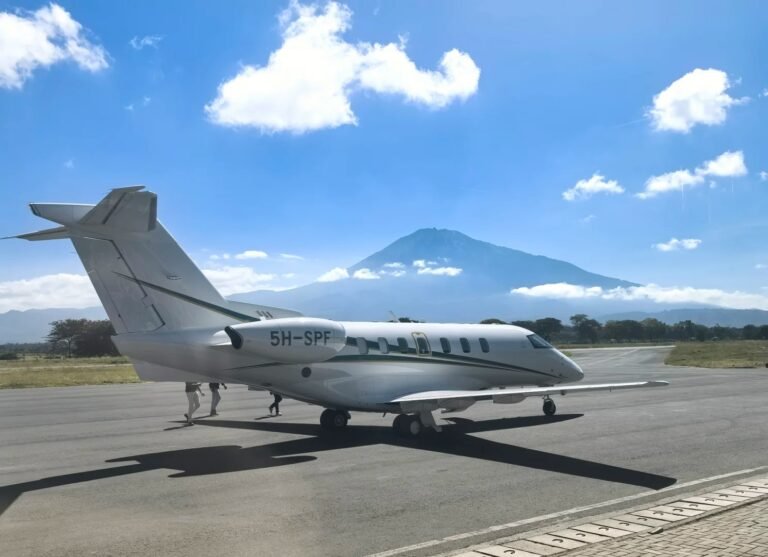
Zanzibar To Serengeti Flight Price –: Planning Your Safari Transfer 2027
Navigate the complex flight and transfer options between Zanzibar and the Serengeti. This deep guide breaks down expected costs, seasonal variables, and optimal routing for 2026 and 2027...
View package detailsSerengeti To Zanzibar Vs Arusha To Which Is Better After Safari? 2027
Choosing the right transfer to Zanzibar after a safari—Serengeti to Zanzibar or Arusha to Zanzibar—depends entirely on your safari route, time constraints, and budget. This guide breaks...
View package details
Direct Flights From Serengeti To Zanzibar: Prices & Schedule 2027
Direct Flights From Serengeti to Zanzibar: Prices & Schedule is explained with current 2027 planning, price, itinerary and booking information.
View package details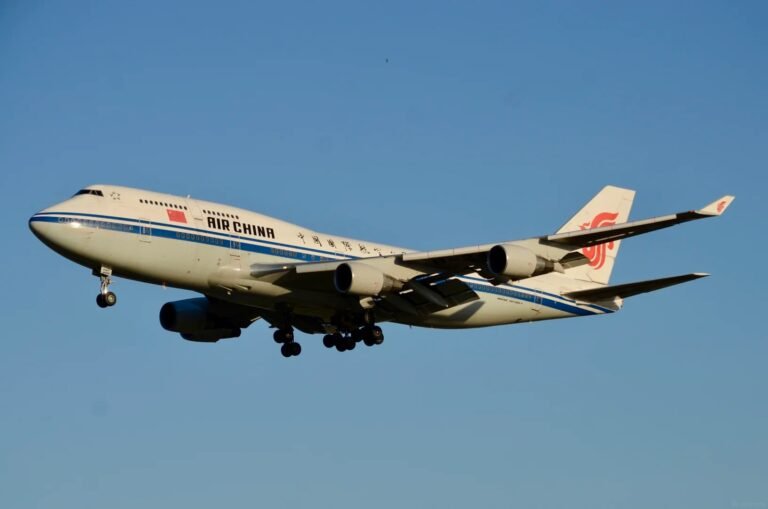
Serengeti To Zanzibar Flight Baggage Limits And Transfer Costs Guide () 2027
This deep-dive guide covers everything you need to know about baggage restrictions and transfer expenses when flying from the Serengeti region to Zanzibar, ensuring smooth travel planning.
View package detailsSerengeti To Zanzibar One-Way Flight Costs: Your Complete Guide 2027
Planning the transition from the Serengeti plains to the beaches of Zanzibar requires careful consideration of flight options and associated costs. This guide provides expert analysis on...
View package detailsHow Much Is A Flight From Serengeti To Zanzibar? 2027
How Much Is a Flight From Serengeti to Zanzibar? is explained with current 2027 planning, price, itinerary and booking information.
View package details
Serengeti To Zanzibar Flight Price : Tickets & Airline Logistics Guide 2027
A comprehensive guide to managing the complex travel logistics and expected flight costs when transitioning from the Serengeti National Park to Zanzibar Island in 2027.
View package detailsNo related package matches those filters. Clear one or more filters to see the other topic-matched options.



