
The Kilimanjaro Machame Route 7 Days, frequently referred to as the ‘Whiskey Route,’ is a high-scenery, high-traffic trail that approaches the summit from the southwest. Choosing the 7-day itinerary over the 6-day version is the single most effective way to improve your acclimatization, as it includes an essential extra day of trekking in the Karanga Valley, which drastically reduces the risk of altitude sickness and increases your statistical probability of reaching Uhuru Peak.
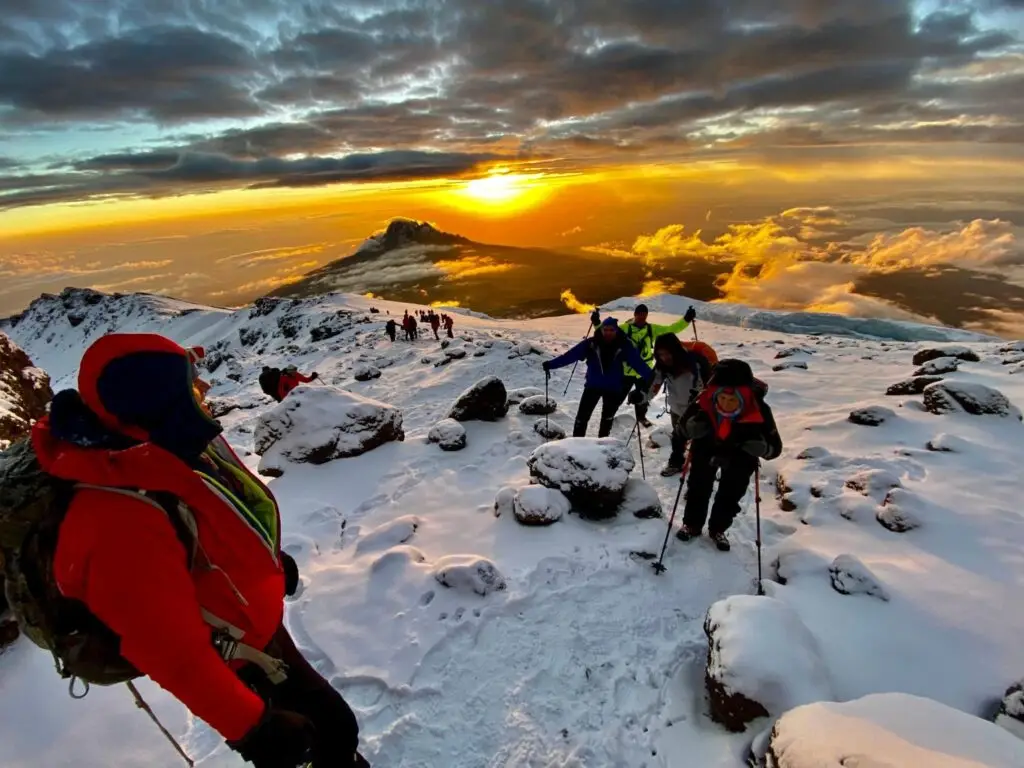
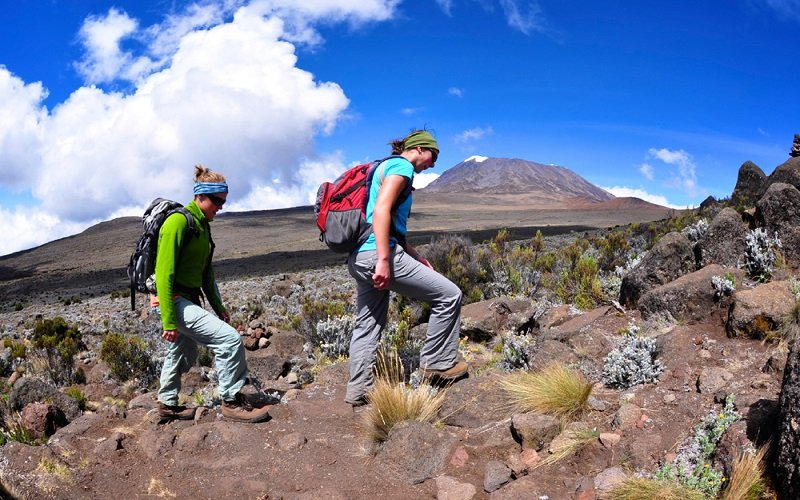
When you start researching your Kilimanjaro climb, you will quickly notice that the Machame Route is often presented in two distinct formats: 6 days and 7 days. While the route itself—the trail, the terrain, and the mountain—remains the same, the pacing is fundamentally different. As a local operator, we see travelers consistently underestimate the impact of that one extra day. On the mountain, time isn’t just about speed; it is about biology. The 7-day Machame Route is designed to allow your body to adjust to the thinning oxygen levels before you make your final push to the crater rim.
Why the 7-Day Machame Route is the Gold Standard
The primary reason most experienced guides and medical professionals recommend the 7-day version is simple: it breaks the ascent into more manageable chunks. The 6-day version is physically demanding, forcing you to cover significant elevation gains in a shorter window. The 7-day itinerary introduces an extra stop at Karanga Valley, which acts as a crucial bridge between the Barranco Wall and the final high camp at Barafu.
This extra day isn’t just for rest. It is a physiological strategy. By staying at a slightly lower altitude for an additional night, you give your body more time to produce the red blood cells needed to transport oxygen efficiently. When you arrive at Barafu Camp (the final base camp) on the 7-day route, you are generally better rested and less fatigued than someone who has rushed the previous stages. If you are serious about summiting, this is the most reliable way to tilt the odds in your favor.
The 7-Day Machame Itinerary: A Breakdown
Every Kilimanjaro climb is subject to park rules and local conditions, but this is the standard flow for a 7-day Machame expedition. It is a journey that takes you through five distinct climate zones, from dense tropical rainforest to the arctic desert of the summit zone.
- Day 1: Machame Gate (1,800m) to Machame Camp (3,000m). You begin in the lush rainforest. It is a steady climb, usually humid, and you will likely see colobus monkeys.
- Day 2: Machame Camp to Shira Camp (3,800m). The forest thins out, and you enter the moorland zone. The views of the Shira Plateau open up, offering your first real look at the mountain’s scale.
- Day 3: Shira Camp to Lava Tower (4,600m) then down to Barranco Camp (3,950m). This is the ‘climb high, sleep low’ principle in action. You hike to the high elevation of the Lava Tower to acclimatize, then descend to Barranco. It is a long day, but essential.
- Day 4: Barranco Camp to Karanga Camp (4,000m). This is the ‘extra’ day that separates the 7-day route from the 6-day version. You cross the famous Barranco Wall—a fun, scrambling section—and then traverse across the valley to Karanga. It is a shorter, flatter day, allowing for excellent recovery.
- Day 5: Karanga Camp to Barafu Camp (4,600m). You are now in the alpine desert. The terrain is rocky and sparse. You arrive at the base camp by early afternoon to prepare for the midnight summit push.
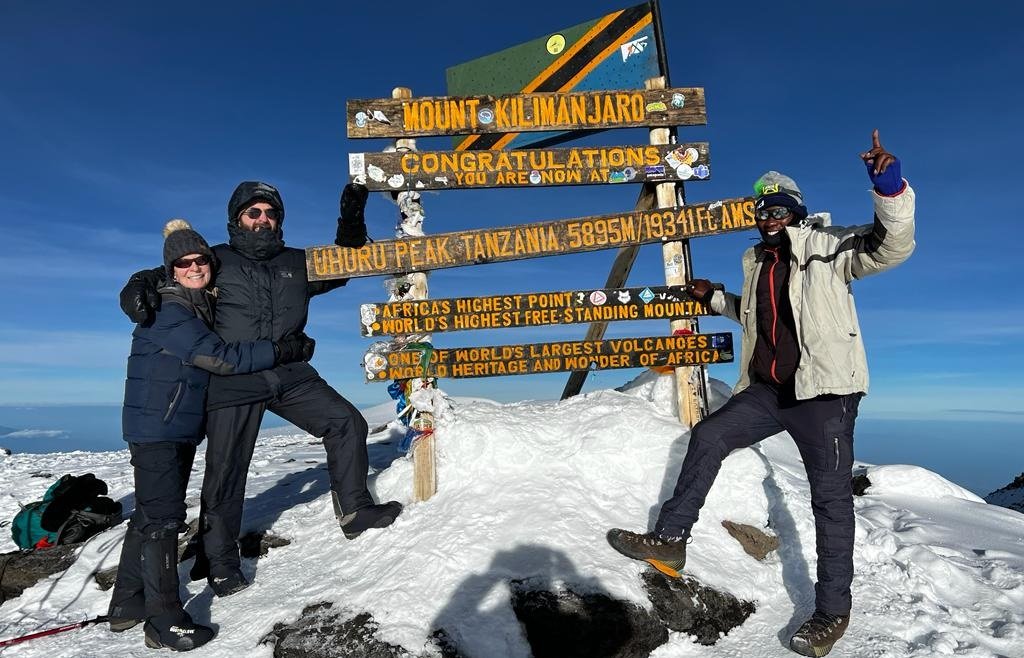
- Day 6: The Summit Day. You start at midnight, climbing through the scree to Stella Point (5,750m) and then onwards to Uhuru Peak (5,895m). After the summit, you descend directly to Mweka Camp (3,100m).
- Day 7: Mweka Camp to Mweka Gate. A relatively short, celebratory descent through the forest to collect your certificates and meet your transport back to the hotel.
Pricing Factors: What Are You Actually Paying For?
When you look for a 7-day Machame package, you will see a wide range of price points. It is tempting to choose the cheapest option, but on Kilimanjaro, price is almost always a proxy for safety and ethics. At Climb 4 Africa, we focus on transparency. Your price should cover more than just a tent and a guide.
Consider these cost drivers before you book:
- Park Fees: A significant portion of your payment goes directly to the Tanzania National Parks Authority (TANAPA). These fees are fixed and non-negotiable. If a quote seems suspiciously low, ask yourself if they are cutting corners on the crew’s wages or safety equipment.
- The Crew Ratio: A safe climb requires a specific ratio of head guides, assistant guides, porters, and cooks. A 7-day climb requires more food, more gas, and more logistics support than a shorter trip.
- Safety Gear: You should expect medical-grade equipment, including pulse oximeters, oxygen cylinders, and comprehensive first-aid kits. These are not ‘extras’; they are standard requirements for a responsible operator.
- Equipment Quality: You are sleeping in a tent for a week. High-quality, waterproof, four-season tents are essential for the harsh conditions on the mountain.
If you are planning for 2026 or 2027, reach out to us at climb4africa@gmail.com or via WhatsApp at +255 747 477 898 for a detailed breakdown of current costs. We can explain exactly where your money goes and what is included in our packages.
| Feature | 6-Day Machame | 7-Day Machame |
|---|---|---|
| Acclimatization | Fast; physically demanding | Optimal; extra day in Karanga |
| Summit Success Rate | Moderate | Higher (due to recovery) |
| Daily Pace | Rigorous | Steady and manageable |
| Best For | Physically fit, experienced hikers | Most trekkers (recommended) |
| Cost | Lower (less time on mountain) | Higher (extra day of fees/food) |
The Reality of the Summit Push
Regardless of whether you choose the 6-day or 7-day route, the summit night remains the same. You will wake up around 11:00 PM or midnight. The cold is intense, and the air is thin. This is where the physical and mental preparation of the previous days pays off. Because the 7-day route gives you that extra rest in the Karanga Valley, you are starting the summit night with slightly more energy reserves. That margin of energy is often the difference between turning back at Stella Point and making it to the true summit at Uhuru Peak.
We always advise our climbers to focus on the ‘pole pole’ (slowly, slowly) mantra. It is not a race. Your guides are trained to monitor your oxygen levels and heart rate. If you are climbing with us, your safety is the priority over the speed of the ascent.
Planning Your 2026-2027 Expedition
Booking a Kilimanjaro climb is not just about picking a date. It involves coordinating flights, potentially adding a safari in the Serengeti, or planning a recovery trip to Zanzibar. We help our guests navigate the entire process. If you are coming from the USA, Canada, or Ireland, we can provide specific advice on travel logistics and gear requirements that suit your home climate.
When you are ready to move forward, contact us to discuss your specific group size and preferences. We manage scheduled group departures if you prefer to join others, or we can arrange a private, tailor-made itinerary. Our team is based locally, meaning we have real-time updates on trail conditions and park regulations. You can reach our support team at info@climb-4-africa.com for any specific questions about your travel dates.
Expert Tip: Why ‘Success Rate’ Can Be Misleading
You will often see operators boasting about 95% or 99% success rates. Be skeptical of these numbers. Success on Kilimanjaro is highly individual and depends on your personal health, fitness, and luck with the weather. A reputable operator will focus on safety protocols—how they handle evacuations, their guide training, and their commitment to porter welfare—rather than inflating statistics. We believe that an honest conversation about the risks and the reality of the mountain is far more valuable than a marketing statistic.
Frequently Asked Questions About the 7-Day Machame Route
Is the 7-day Machame Route suitable for beginners?
Yes, it is widely considered the best route for beginners because of the gradual ascent. However, you should still prepare with cardiovascular training and hiking experience before you arrive in Tanzania.
What is the best time of year to climb?
January, February, and the dry season from June to October are generally the most popular. We have specific January and February climbing tours that offer excellent weather conditions.
Can I add a safari after my climb?
Absolutely. Most of our guests combine their climb with a wildlife safari in the Serengeti or a relaxing holiday on the beaches of Zanzibar. We can organize the logistics to ensure a smooth transition from the mountain to the plains. Read more about choosing the right post-climb experience.
The mountain is waiting, and the 7-day Machame Route remains the most balanced choice for those wanting to experience the best of Kilimanjaro safely. Reach out to our team at Climb 4 Africa today, and let us help you plan the logistics for your 2026 or 2027 adventure.
The Biomechanics of the Machame Ascent: Why ‘Pole Pole’ Is Not Just a Slogan
The Swahili phrase “pole pole” (slowly, slowly) is ubiquitous on Kilimanjaro, often dismissed by newcomers as a charming local aphorism. However, on the 7-day Machame route, this phrase represents a rigorous physiological imperative. The biomechanics of high-altitude trekking differ significantly from standard hiking. As you ascend beyond 3,000 meters, the partial pressure of oxygen decreases, forcing your cardiovascular and respiratory systems to compensate. The 7-day Machame itinerary is specifically engineered to respect these biological limits, allowing for a gradual adaptation that a faster ascent simply cannot provide.
When you walk at a pace that allows you to maintain a conversation—the so-called ‘talk test’—you are keeping your heart rate in an aerobic zone. This is critical. If you push too hard, you enter an anaerobic state, accumulating lactic acid and exhausting your glycogen stores. On a multi-day trek, glycogen depletion is the enemy of summit success. By maintaining a steady, slow pace, you rely primarily on fat oxidation for fuel, which is a more sustainable energy source for the long, multi-hour days required to cross the Shira Plateau or navigate the Barranco Wall.
The Science of Hydration and Altitude
Hydration strategies on the 7-day Machame route go beyond simply drinking water. At high altitudes, the body loses fluid through increased respiratory rates and the dry, cold air. This dehydration thickens the blood, making it harder for your heart to pump oxygen-rich cells to your muscles and brain, thereby exacerbating the symptoms of Acute Mountain Sickness (AMS). On the 7-day route, the extra time spent at the Karanga Valley camp is not just about altitude acclimatization; it is about maintaining a consistent hydration rhythm.
We advise climbers to target a minimum of 3 to 4 liters of water intake per day. However, this must be balanced with electrolyte replacement. Pure water alone can lead to hyponatremia—a dangerous dilution of sodium levels in the blood—which mimics the symptoms of altitude sickness (headache, nausea, confusion). Experienced trekkers utilize oral rehydration salts or electrolyte powders to maintain osmotic balance. During the 7-day Machame climb, your guides will monitor your fluid intake as closely as your oxygen saturation levels, as this balance is the first line of defense against the physiological stressors of the mountain.
Navigating the Micro-Climates of Machame
One of the most profound aspects of the 7-day Machame route is the rapid transition through five distinct ecological zones: cultivated land, montane forest, heath and moorland, alpine desert, and the arctic summit zone. Each zone requires a different physical and mental approach. The transition from the dense rainforest—where humidity is high and the air is thick—to the alpine desert is where most climbers first feel the “thinning” of the air.
In the heath and moorland zone, you will encounter giant groundsels and lobelias, unique flora that have adapted to the daily freeze-thaw cycle. Walking through this landscape is a stark reminder of the mountain’s harshness. The 7-day itinerary allows you to spend more time in these transition zones. Instead of rushing through the moorland to reach camp before nightfall, the extra day enables you to observe the changing terrain and adjust your clothing layers incrementally. Managing body temperature is vital; sweating in the cold mountain air leads to rapid cooling during rest breaks, which can sap your energy reserves. The 7-day pace allows for more frequent, controlled stops to add or remove layers, ensuring you stay in a “thermal comfort zone” throughout the trek.
The Mental Architecture of the Summit Push
The final ascent on the 7-day Machame route, typically starting around midnight from Barafu Camp, is a test of mental endurance as much as physical capability. By the time you reach the summit push, you have already spent six days on the mountain. The mental fatigue of living in a tent, the lack of quality sleep, and the constant, low-level headache of mild altitude acclimatization all accumulate. The 7-day route provides a psychological advantage: you have had an extra 24 hours of rest compared to the 6-day climbers, and you have spent more time bonding with your guide team.
This rapport is crucial. Your guides are trained to read the subtle signs of physical and mental decline long before you notice them yourself. They know when to encourage, when to enforce a rest stop, and when to suggest a change in pace. On the 7-day route, the relationship between the trekker and the guide has more time to mature. This trust is the “invisible gear” that carries many climbers to Uhuru Peak. When you are at 5,000 meters in the dark, knowing your team understands your limits and your strengths provides a sense of security that is invaluable for maintaining the focus required to reach the crater rim.
The Logistics of the 7-Day Flow: Why the Karanga Valley Pivot Matters
The operational flow of the 7-day Machame route is not merely a slower version of the 6-day trek; it is a fundamentally different logistical strategy. The core differentiator in this itinerary is the inclusion of the Karanga Valley camp, located at approximately 3,995 meters. In the 6-day variation, climbers are often pushed directly from the Barranco Wall to the Barafu high camp. This bypass creates a significant physiological deficit: the body is forced to jump from a recovery altitude to a high-exertion summit base in a single, strenuous push, often resulting in severe fatigue before the summit attempt even begins.
By integrating the Karanga Valley into the itinerary, the 7-day flow creates a ‘pivot point.’ This day serves as a buffer. After the technical scramble of the Barranco Wall—a steep, rewarding climb that tests your coordination—the trek to Karanga is relatively short but undulating. This allows the body to settle into the 4,000-meter range without the immediate pressure of the final summit push. You are essentially ‘training’ your physiology at a moderate altitude. This extra day in the valley provides the necessary time for the body to stabilize oxygen saturation levels and, crucially, allows for a more restful night before the final ascent to Barafu.
The Economic and Logistical Anatomy of the 7-Day Itinerary
When analyzing the cost of a 7-day Machame expedition, it is vital to understand that the price difference between a 6-day and a 7-day climb is rarely about operator profit margins. Instead, it is driven by hard, non-negotiable costs that scale linearly with time. A transparent operator will break these costs down into three primary categories:
- Park Fees: Kilimanjaro National Park operates on a per-day fee structure. Every additional day on the mountain incurs a mandatory daily conservation fee, camping fee, and rescue fee, which are paid directly to the park authorities. These fees are significant and represent the largest portion of the price increase for a 7-day trip.
- Porter Wages and Welfare: The human element of the expedition is the backbone of the operation. A 7-day climb requires your support crew—guides, cooks, and porters—to remain on the mountain for an additional 24 hours. Ethical operators strictly adhere to fair wage policies, ensuring that the extra day of labor is compensated at or above the recommended rates. This also includes the additional cost of daily meals and transport for the crew.
- Logistical Sustenance: Maintaining a 7-day supply chain is more complex than a 6-day one. This includes the procurement of additional fresh food, fuel for cooking stoves, and the maintenance of equipment that undergoes an extra day of wear and tear. Because water and fresh produce must be carried up the mountain by the crew, extending the duration adds weight and complexity to the entire logistical chain.
When you see a quote for a 7-day itinerary, you are effectively paying for the ‘insurance’ of a higher success rate. You are funding the extra time required for your body to acclimate and for your support team to provide the high level of care necessary to navigate the mountain’s challenges safely.
The Physiological Rhythm of the 7-Day Progression
The 7-day flow follows a specific rhythm that maximizes the ‘climb high, sleep low’ principle. Understanding this rhythm helps you prepare mentally for the demands of each stage:
- The Forest Phase (Day 1-2): The initial days are about managing energy. The humidity of the rainforest zone is deceptive; while it feels warm, it is draining. The 7-day pace allows for shorter daily distances, ensuring you arrive at camp with enough energy to hydrate properly—a critical, often overlooked factor in preventing early-stage AMS (Acute Mountain Sickness).
- The Acclimatization Spike (Day 3): The trek to Lava Tower (4,630m) is the most intense acclimatization day. You climb to a high altitude and then descend to Barranco Camp (3,960m) to sleep. This ‘spike’ forces the body to produce more hemoglobin. In the 7-day itinerary, the subsequent day (the trek to Karanga) is intentionally kept moderate, allowing the body to process the physiological stress of the Lava Tower climb without further extreme exertion.
- The Pre-Summit Preparation (Day 5-6): By arriving at Barafu Camp (4,673m) on day 6 rather than day 5, you have had an extra night at a moderate altitude (Karanga). This results in a higher baseline of oxygen saturation. When you start the summit push at midnight, you are not starting from a state of cumulative exhaustion, but rather from a state of controlled recovery. This is the single most significant factor in the statistical success rates of the 7-day route versus the 6-day route.
Ultimately, the 7-day Machame route is a masterpiece of logistical planning. It balances the human need for physiological adaptation with the economic realities of mountain operations, providing the most reliable framework for reaching Uhuru Peak.
The Micro-Adjustment of Pacing: Why the 7-Day Rhythm Defies Fatigue
While the broader physiological benefits of the 7-day Machame Route are well-documented, the granular day-to-day pacing differences—often subtle to the untrained eye—are where the true logistical mastery lies. In a 6-day itinerary, the pace is often dictated by the necessity of reaching the next camp before dusk, frequently resulting in a ‘forced march’ mentality. By extending the trek to 7 days, the daily average walking time is not necessarily reduced, but the *intensity* is recalibrated. This shift allows for more frequent ‘micro-breaks’ and a lower heart rate threshold during the ascent, which directly correlates to metabolic conservation.
When you are trekking at altitude, your body is in a constant state of energy triage. It prioritizes essential functions like thermoregulation and basic cardiovascular output over muscle repair and digestion. The 7-day pacing allows you to maintain a lower heart rate, which reduces the production of lactic acid in the muscles. In the 6-day model, the rapid gain in elevation often pushes climbers into an anaerobic zone for longer periods. On the 7-day route, the extra day—specifically the Karanga Valley pivot—acts as an active recovery phase. By keeping the heart rate lower, you minimize the metabolic waste products that contribute to the heavy-legged sensation often felt on the third and fourth days of the climb.
The Role of ‘Active Recovery’ in Alpine Logistics
The concept of ‘active recovery’ on Kilimanjaro is often misunderstood as simply ‘walking slower.’ While that is a component, it is more about the management of glycogen stores. During the first few days of the Machame route, your body burns through readily available glucose. As you ascend, the ability to metabolize fats efficiently becomes paramount. The 7-day itinerary provides the necessary time for the body to transition its primary fuel source to fat oxidation. This is a subtle physiological adaptation that is frequently interrupted or bypassed in shorter, more aggressive itineraries where the body is under constant, high-intensity stress.
Furthermore, the 7-day schedule allows for better nutritional intake. When you are rushing to reach camp, your appetite often suppresses due to the initial onset of altitude-related nausea. A more relaxed pace allows for better digestion and more consistent caloric intake. The porters and guides can also manage the kitchen logistics more effectively, ensuring that warm, energy-dense meals are served at times that align with your body’s need for replenishment, rather than just the logistical need to clear the trail.
Understanding the ‘Summit Push’ as a Cumulative Effort
The summit push is not an isolated event; it is the culmination of the physiological debt you have accrued throughout the previous days. Many climbers fail on the final ascent not because they lack fitness, but because they have reached a state of ‘cumulative systemic exhaustion.’ The 7-day Machame Route is specifically engineered to mitigate this.
In a 7-day setup, the arrival at Barafu Camp (4,673m) on Day 6, after having spent a night at the slightly lower, more stable altitude of Karanga (3,995m), changes the mental and physical landscape. You arrive at the final staging point with a higher degree of cognitive clarity. This is critical for the midnight start. The summit push involves navigating loose scree, extreme cold, and the disorienting effects of high-altitude darkness. Cognitive fatigue, which manifests as indecision or a lack of motivation, is often the first sign of impending failure. By arriving at the high camp with more reserves, you are better equipped to handle the psychological demands of the final 1,200 meters of vertical gain.
The Importance of ‘Sleep Hygiene’ at Altitude
One of the most overlooked aspects of the 7-day itinerary is the improvement in sleep quality. At altitude, the body struggles with ‘periodic breathing’—a phenomenon where your breathing pattern becomes irregular during sleep, often causing you to wake up gasping for air. This is a normal physiological response to low oxygen levels, but it is exacerbated by fatigue and the stress of a rapid ascent. The 7-day route provides an extra night of exposure at altitude, which allows the respiratory center in the brain to adjust its sensitivity to carbon dioxide levels. This leads to more stable breathing patterns at night, allowing for deeper, more restorative sleep compared to the 6-day version, where the body is constantly playing catch-up.
Ultimately, the 7-day Machame Route is not just about ‘taking it easy.’ It is about providing the body with the time required to perform the complex, unseen work of altitude acclimatization. It turns a race against the clock into a managed, sustainable expedition, significantly lowering the physiological cost of reaching the summit.
The Geomorphology of the Machame Approach: Navigating Variable Terrain
The Machame Route is often colloquially termed the ‘Whiskey Route’ to contrast it with the ‘Coca-Cola’ (Marangu) route, but this nickname obscures the geological reality of the trail. The path is not merely a hiking trail; it is a vertical transect through five distinct ecological zones. Understanding the transition between these zones is essential for climbers to make practical decisions regarding gear, hydration, and pacing. The 7-day itinerary allows you to witness these shifts with a granularity that the 6-day version often forces you to rush through, particularly in the critical transition zones between the rainforest and the alpine desert.
The Rainforest-to-Heath Transition: Managing Humidity and Heat
The first two days of the Machame Route involve a rapid ascent through the dense, cloud-forested slopes of the southern flank. This zone is characterized by high humidity, dense vegetation, and, frequently, significant rainfall. Practical decision-making here revolves around moisture management. Many climbers make the mistake of wearing their heavy-duty alpine layers too early. The physical exertion of the initial ascent, combined with the humid environment, leads to rapid overheating and unnecessary perspiration. Once you stop for a break or reach camp, that moisture cools rapidly, leading to hypothermia risks. Savvy climbers on the 7-day itinerary prioritize a ‘layering down’ approach during the day, keeping their core dry even if it means feeling slightly cool initially. Your gaiters are not optional here; the mud-slicked, root-entangled trails of the lower Machame forest can turn a simple misstep into a sprained ankle before you even reach the Shira Plateau.
The Shira Plateau: Navigating the Volcanic High Desert
Upon breaking the treeline, the landscape shifts dramatically into the Shira Plateau, a caldera of a collapsed volcanic cone. This is one of the most high-altitude plateaus in the world. The shift here is not just visual—it is meteorological. The air becomes significantly thinner and, more importantly, much drier. The practical implication is a sharp increase in the rate of insensible water loss. You may not feel yourself sweating, but the dry, thin air is wicking moisture from your skin and respiratory tract at an accelerated rate. The 7-day itinerary provides extra time in this zone, which is vital. The temptation is to push through the plateau quickly, but the terrain here is deceptive. It is relatively flat compared to the previous day’s ascent, but the altitude is already substantial. This is where you must recalibrate your pace to ‘pole pole’ (slowly, slowly). Adjusting your stride length—shortening it to conserve energy—is a mechanical necessity on the uneven, rocky volcanic soil that characterizes the Shira and Lava Tower sections.
The Barranco Wall: Technical Pacing and Traffic Flow
The Barranco Wall is perhaps the most iconic feature of the Machame Route. It is a steep, 250-meter rock face that climbers must scramble up on the morning of the fourth or fifth day, depending on the specific flow. The practical decision-making here is about timing. Because this is a high-traffic route, the Wall can become a bottleneck. The 7-day itinerary often allows for a slightly more flexible departure time from Barranco Camp. If you can time your departure to avoid the ‘rush hour’—the mass exodus of trekking groups leaving at 7:00 AM—you can navigate the scramble with more autonomy. This isn’t just about avoiding crowds; it is about maintaining your own rhythm. Being stuck behind a slow-moving, nervous group on a narrow ledge forces you into a stop-start pattern that is physically taxing and disrupts your breathing rhythm. When you reach the top of the Wall, the ‘Kissing Rock’ section serves as a reminder of the exposure; keeping your center of gravity low and close to the rock face is the standard, safe technique.
The Alpine Desert to Glacial Zone: Managing the Final Staging
As you move from the Karanga Valley toward Barafu Camp, the terrain shifts from sparse alpine desert to high-altitude scree and rocky outcrops. This is the final staging ground. The practical decisions shift from endurance to thermal management. The scree slopes are notorious for causing ‘scree creep,’ where your boots slide backward with every step. Using trekking poles is non-negotiable here, not just for balance, but to distribute the load of your pack and your body weight across four points of contact. Furthermore, the wind exposure increases significantly in this zone. As you approach the final high camp, the wind-chill factor can drop temperatures well below freezing, even if the sun is out. Ensuring your wind-shell and thermal layers are accessible at the top of your daypack is a simple, often-neglected logistical detail that prevents the dangerous ‘cold-soak’ that occurs if you have to stop and unpack your bag in exposed, high-altitude conditions.
Comparing the 6-Day vs. 7-Day Machame Trajectory: A Strategic Analysis
While the Machame Route is fundamentally a single trail, the choice between a 6-day and a 7-day itinerary represents a divergence in philosophy regarding risk management and physiological endurance. The 6-day itinerary is often marketed as the “efficient” or “athletic” choice, compressing the ascent to minimize time on the mountain. However, in the context of high-altitude mountaineering, “efficiency” is a double-edged sword. When evaluating which trajectory suits your specific profile, it is critical to look beyond the total duration and examine the specific physiological demands of each schedule.
The 6-Day Machame Profile: High-Intensity Compression
The 6-day version of the Machame route is technically possible for individuals who are already well-acclimatized or who possess exceptional natural tolerance to altitude. The primary difference lies in the consolidation of the middle section. In a 6-day schedule, climbers typically ascend from the Barranco Camp directly to the Barafu Camp, skipping the intermediate stop in the Karanga Valley. This effectively merges two days of trekking into one intense push through high-altitude terrain.
For the climber, this means sacrificing the crucial “climb high, sleep low” window that the Karanga Valley provides. The physiological cost is immediate: you are pushing your body to higher altitudes with significantly less time for the hormonal and respiratory adjustments—such as increased hemoglobin production and respiratory alkalosis compensation—to take hold. This itinerary is often suited for elite endurance athletes, marathon runners, or those who have recently spent time at altitude, such as in the Andes or the Himalayas. If you choose the 6-day route, your margin for error regarding Acute Mountain Sickness (AMS) is razor-thin. Any sign of lethargy, headache, or nausea at Barranco Camp cannot be “slept off” with an extra day of acclimatization; it often necessitates an immediate evaluation of whether you can proceed to the summit or must descend.
The 7-Day Machame Profile: The Physiological Buffer
The 7-day itinerary, by contrast, introduces the Karanga Valley as a strategic “acclimatization pivot.” By spending a full day moving from the Barranco Camp to the Karanga Valley and then spending an additional night there before moving to Barafu, you are essentially forcing your body to spend 24 additional hours at an altitude where it is still capable of meaningful recovery, rather than just survival.
This itinerary is the recommended standard for the vast majority of trekkers, including those with excellent baseline fitness but no specific high-altitude experience. The 7-day flow allows for the “active recovery” mentioned in previous sections. Because you are not exhausted from a long, vertical day of climbing between Barranco and Barafu, your sleep quality at Karanga Valley is typically superior. Better sleep translates directly to better decision-making during the final summit push. Furthermore, this extra day allows your guides to monitor your vital signs—specifically oxygen saturation and heart rate—over a longer period. If you are struggling, the 7-day schedule provides the necessary time to deploy non-invasive interventions, such as adjusting your hydration strategy or increasing your caloric intake, before the situation escalates into a medical necessity for descent.
Evaluating Your Personal Readiness: Fitness vs. Physiology
A common misconception is that the 6-day route is for “fit” people and the 7-day route is for “slower” people. This is a dangerous oversimplification. Altitude tolerance is not strictly correlated with aerobic capacity or cardiovascular strength. You can be a world-class triathlete and still suffer from debilitating altitude sickness if your body does not adapt to hypoxia. Conversely, a trekker with average fitness but a high natural tolerance for low-oxygen environments might find the 6-day route manageable.
When selecting your itinerary, consider these three diagnostic questions:
- Have you ever slept above 3,000 meters? If the answer is no, the 7-day itinerary is the only responsible choice. You do not know how your body reacts to low oxygen levels until you are in the environment.
- What is your recovery time from high-intensity training? If you find that your muscles remain sore or your energy levels remain depleted for 48 hours after a strenuous workout, the 6-day itinerary will likely result in a cumulative fatigue that ruins your summit experience.
- Is your goal the summit, or the experience? The 6-day route is a singular, focused sprint. The 7-day route allows for more interaction with the unique ecology of the Karanga Valley, which is often bypassed or traversed too quickly in shorter itineraries.
Ultimately, the 7-day Machame Route functions as a form of insurance. It is a hedge against the unpredictability of altitude. While it requires more time and, typically, a higher financial investment due to the additional days of park fees, porter support, and food, it fundamentally changes the nature of the climb from a desperate struggle against hypoxia into a manageable, albeit difficult, high-altitude trekking expedition.
The Human Infrastructure: Understanding the Porter-to-Client Dynamic on the 7-Day Machame
The 7-day Machame Route is not merely a path up a mountain; it is a complex, mobile logistical operation. When you commit to a 7-day itinerary, you are effectively entering into a symbiotic relationship with a support team that is significantly larger than the number of climbers in your group. Understanding the human infrastructure behind your trek is essential for grasping why the 7-day route requires more resources and, consequently, why the pricing structure reflects this intensity. On a standard 7-day expedition, the ratio of support staff to climber is rarely less than 3:1, and often closer to 4:1. This is not a luxury; it is a fundamental requirement for safety, environmental stewardship, and the successful transport of the gear necessary to keep you alive and functioning at high altitude.
The Logistics of Camp Management and Vertical Transport
Unlike trekking in the Alps or the Rockies, where mountain huts provide permanent shelter and food, Kilimanjaro is a tent-based operation. Every single item—from the heavy, specialized four-season tents to the water, food, fuel for stoves, and waste management equipment—must be carried by human power. The 7-day itinerary increases the logistical burden exponentially compared to shorter, more compressed schedules. Each additional day on the mountain requires an additional day of food supplies, which adds weight, and an additional day of fuel consumption for cooking and water boiling.
Porters are the backbone of this system. Their workload is strictly regulated by the Kilimanjaro National Park Authority (KINAPA) and various porter welfare organizations, which dictate maximum weight limits per person (typically 20kg). Because of these weight constraints, a 7-day trek requires a larger porter contingent than a 6-day trek, simply to manage the increased volume of supplies. When you pay for a 7-day trip, you are subsidizing the wages, insurance, and nutritional requirements of a larger team for a longer duration. This is why the price gap between a 6-day and 7-day itinerary is not merely the cost of one extra night of park fees; it is the cost of maintaining a larger, more robust support system for an extended period.
The ‘Invisible’ Costs of High-Altitude Support
Beyond the raw weight of food and gear, there is the unseen element of ‘active support’ that distinguishes a professional 7-day expedition. On the 7-day route, the support team is not just carrying bags; they are managing a dynamic, evolving campsite. On the Machame route, the terrain changes from dense rainforest to heath, to moorland, and finally to alpine desert. Each of these zones presents different challenges for camp setup. In the rainforest, tents must be pitched on ground that is often damp, requiring careful site selection to avoid runoff. In the alpine desert, the ground is hard, rocky, and exposed to extreme wind, necessitating specialized staking techniques and often the construction of windbreaks using volcanic rock.
Furthermore, the 7-day itinerary allows for a more sophisticated approach to nutrition. With the extra time, the kitchen staff can prepare more complex, calorie-dense meals that are crucial for maintaining energy levels as appetite suppression—a common symptom of altitude—sets in. On a 6-day itinerary, the pressure to move quickly often limits the variety and nutritional complexity of meals. On a 7-day schedule, the kitchen team has the logistical “breathing room” to manage fresh food supplies that might be brought up by secondary porter teams at the lower camps, ensuring that your body receives the vital macronutrients needed to stave off the fatigue associated with the final summit push.
Environmental Stewardship and the 7-Day Burden
A critical, often overlooked aspect of the 7-day logistical flow is waste management. Kilimanjaro is a fragile ecosystem. Every piece of trash, every ounce of human waste, and every bit of greywater must be managed responsibly. The 7-day itinerary requires a more rigorous approach to this “leave no trace” protocol. Because you are spending more time on the mountain, the total volume of waste generated by your group increases. Professional operators account for this by employing dedicated personnel to manage waste transport back down the mountain. This is a significant operational expense that is baked into the price of a reputable, ethical 7-day tour. When evaluating providers, ask specifically about their waste management protocols. A operator that offers a suspiciously low price for a 7-day trek may be cutting corners on these essential environmental and logistical support systems, which ultimately impacts the safety and integrity of your climb.
The Role of the Assistant Guide in the 7-Day Strategy
The 7-day Machame route benefits significantly from a higher ratio of assistant guides. While the head guide oversees the overall mission, assistant guides are the tactical operators on the ground. They are responsible for monitoring the pulse of the group, which is vital during the extended acclimatization phase. On the 7-day route, because you are spending more time at altitude, the cumulative physiological stress can manifest in subtle ways—a slight change in gait, a subtle drop in oxygen saturation levels, or a decline in mood. Assistant guides are trained to spot these micro-indicators. They move among the group, checking in with individual climbers, managing the pace, and ensuring that no one is falling behind or struggling silently. The presence of these extra professionals is a key differentiator of the 7-day itinerary, and it is a major component of the increased cost compared to budget or shorter-duration options.
Navigating the Physiological Red Flags: Altitude Awareness and Safety Protocols
While the 7-day Machame trajectory is engineered to maximize acclimatization, altitude remains an unpredictable physiological variable. Even with the best preparation, the human body’s response to rapid ascent is not entirely within the climber’s control. Safety on the mountain is not merely about having a guide; it is about cultivating an acute awareness of your own biological feedback loop. Understanding the spectrum of altitude-related symptoms—from benign discomfort to life-threatening conditions—is a prerequisite for any climber attempting the 7-day route.
The Symptom Spectrum: Distinguishing Normal Adjustment from Acute Mountain Sickness (AMS)
It is crucial for climbers to differentiate between the expected discomforts of high-altitude trekking and the warning signs of Acute Mountain Sickness (AMS). Mild symptoms such as a slight headache, fatigue, mild nausea, or difficulty sleeping are common as the body adjusts to the oxygen-deprived environment. These are generally manageable with the “pole pole” (slowly) pace, increased hydration, and proper nutrition. However, when these symptoms intensify or fail to subside, they transition into the territory of AMS.
The Lake Louise Score is the industry-standard framework used by guides to assess altitude health. It categorizes symptoms into a scoring system based on severity. A climber who experiences a headache that does not respond to standard over-the-counter medication, combined with persistent nausea, vomiting, or significant lassitude, is likely moving beyond mild adjustment. The danger lies in the “denial phase,” where climbers, driven by the sunk-cost fallacy of the 7-day investment, attempt to mask or downplay symptoms. Professional guides are trained to identify this behavior, but they rely on transparent communication from the client. Reporting a persistent, throbbing headache is not a sign of weakness; it is a vital data point that allows the guide to make informed decisions about whether to pause, descend, or administer oxygen.
The Critical Threshold: Identifying HACE and HAPE
The most severe forms of altitude illness are High Altitude Cerebral Edema (HACE) and High Altitude Pulmonary Edema (HAPE). These are medical emergencies that require immediate descent. HACE is characterized by a neurological decline: severe ataxia (loss of coordination, often manifesting as a staggering, drunken-like gait), confusion, hallucinations, or irrational behavior. If a climber is unable to walk in a straight line or exhibits personality changes, the guide must assume HACE until proven otherwise.
HAPE, conversely, is fluid accumulation in the lungs. Early warning signs include persistent coughing (often dry initially, then progressing to frothy or blood-tinged sputum), extreme breathlessness even at rest, and a feeling of tightness or congestion in the chest. Unlike AMS, which can sometimes be managed by resting at the same altitude, HACE and HAPE are absolute indicators for immediate evacuation. The 7-day Machame route provides more logistical flexibility for descent, but the responsibility remains with the climber to be honest about respiratory distress. Professional guides carry pulse oximeters to monitor blood oxygen saturation (SpO2) and heart rate, providing objective data to support the subjective reports of the climber.
When to Seek Professional Medical Intervention
The decision to descend is often the most difficult choice a climber will make, but it is the most critical safety intervention. If a climber’s SpO2 levels drop significantly below the expected range for a given altitude, or if they exhibit signs of neurological or pulmonary impairment, the decision is taken out of their hands. Reputable operators have pre-established evacuation protocols that include coordination with rescue teams, stretcher teams, and, if necessary, helicopter extraction from designated helipads on the mountain.
Climbers should consult with a travel medicine specialist or a doctor experienced in high-altitude physiology months before their trip. This consultation should cover the potential use of prophylactic medications like Acetazolamide (Diamox). While Diamox can aid in acclimatization by forcing the body to breathe more deeply and excrete bicarbonate, it is not a substitute for proper pacing. Furthermore, it is essential to discuss any pre-existing conditions—such as cardiovascular issues or respiratory sensitivities—with a physician. Understanding your own baseline health allows you to identify when the mountain is pushing you beyond your safety margin. Remember, the mountain will always be there; the goal is to reach the summit and return safely to share the experience.
Pre-Expedition Safety Preparation: Beyond Fitness
Physical conditioning is often prioritized over physiological preparation, but safety on the 7-day Machame route requires a dual approach. While cardiovascular endurance training (hiking, cycling, running) prepares your muscles for the sustained exertion, you cannot “train” for altitude in the traditional sense. However, you can prepare your body’s stress response. This includes optimizing your iron levels—as iron is essential for hemoglobin production—and ensuring you are not entering the climb in a state of chronic fatigue or nutritional deficit. Many climbers arrive at the trailhead already “running on empty” due to the stress of travel and work. Arriving in Tanzania a few days early, staying hydrated, and allowing for proper rest before the trek begins can significantly impact your body’s ability to manage the physiological demands of the climb.
Meteorological Variability and Gear Strategy: Adapting to the Machame Micro-Climates
The Machame route, often called the ‘Whiskey Route’ due to its perceived difficulty, is uniquely positioned on the southern slopes of Kilimanjaro. This geography dictates not just the views, but the specific meteorological patterns you will encounter. Unlike routes on the northern side, which can be arid and stark, the Machame approach forces you to traverse a dramatic vertical cross-section of ecosystems. From the lush, humid montane forest to the stark, frozen crater rim, you are effectively traveling from the equator to the Arctic in seven days. Your gear strategy must be modular rather than static; you are not packing for one environment, but for five distinct climate zones that can shift rapidly within a single afternoon.
The common misconception among novice climbers is that there is a ‘guaranteed’ dry season. While historical data suggests drier windows—typically January through March and June through October—Kilimanjaro is a mountain of its own making. It creates its own localized weather systems. The southern slopes, which the Machame route follows, are particularly prone to moisture-laden air rising from the Indian Ocean. This often manifests as afternoon cloud cover and precipitation in the lower zones, regardless of the calendar month. Therefore, your kit must prioritize moisture management. If your base layers become saturated with sweat during the humid trek through the rainforest, they will become your greatest liability once you reach the sub-zero temperatures of the alpine desert and the summit zone.
The Gear-to-Weather Feedback Loop: Active vs. Static Layering
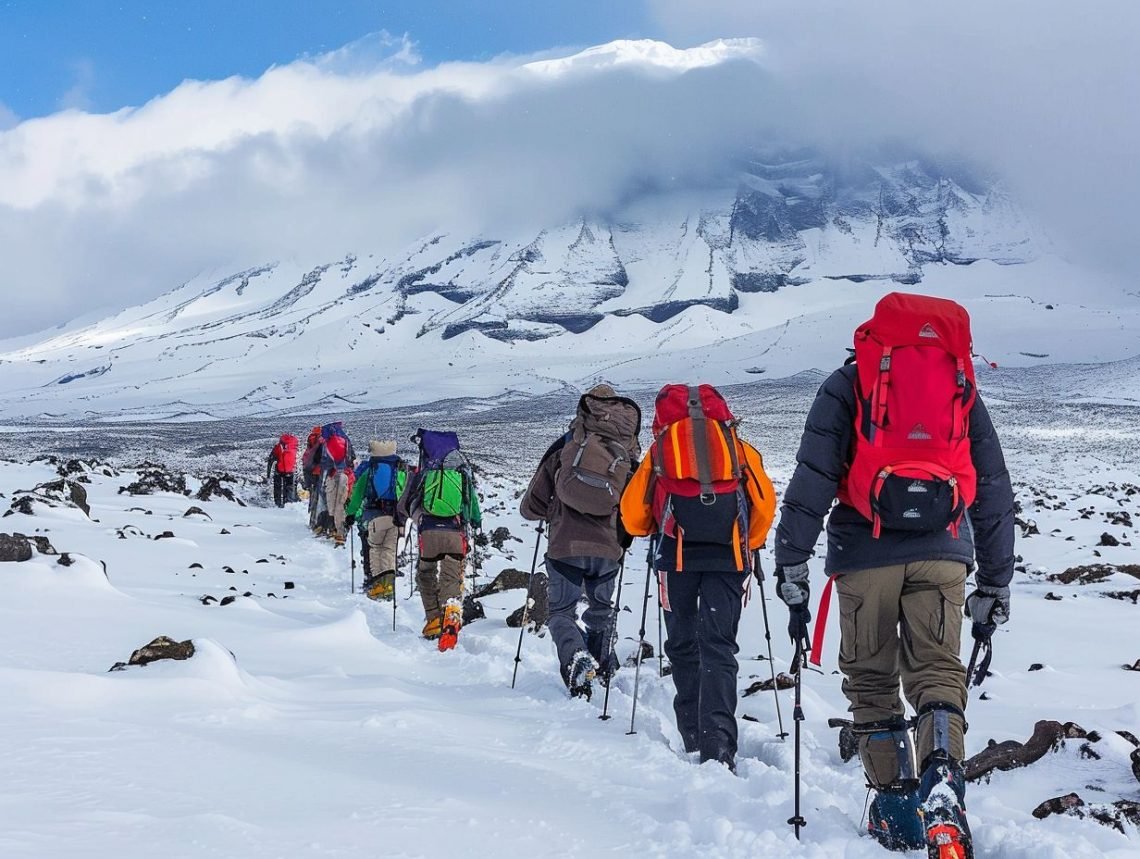
Successful navigation of the 7-day Machame trajectory relies on mastering the ‘Active vs. Static’ layering philosophy. Many climbers make the mistake of wearing their heavy, insulated expedition down jackets while moving. This leads to overheating, excessive perspiration, and rapid cooling during rest stops—a cycle that accelerates fatigue and vulnerability to cold-related injuries. Your clothing system should be divided into two distinct categories: active layers, which are breathable, moisture-wicking, and designed for movement; and static layers, which are strictly for warmth during camps or when the weather turns severe.
On the 7-day Machame itinerary, you have the luxury of time, but this also means more hours spent in the variable micro-climates of the heath and moorland zones. During the ascent to Shira Camp or the trek toward the Barranco Valley, you may experience intense, direct UV exposure followed immediately by cold, damp mist. Your gear must be accessible without having to unpack your entire duffel. A well-organized daypack is a safety tool. Your shell jacket (hard shell) should be at the top of your pack, not buried at the bottom. Similarly, your gloves and hat should be immediately available. The transition from the heat of the rainforest to the cold of the alpine desert is not a linear progression; it is a series of fluctuations. Adapting your gear to these fluctuations before you feel the chill is the hallmark of an experienced climber.
Footwear Logistics in Variable Terrain
The terrain of the Machame route varies from root-tangled forest paths and muddy, steep ascents to loose scree and volcanic rock. Footwear choice is a critical component of your gear strategy. While heavy, stiff-soled mountaineering boots provide excellent support, they are often overkill for the first three days and can lead to blistering if not properly broken in. Conversely, lightweight trail runners may lack the ankle support and waterproofing required for the muddy, uneven sections of the lower forest. Most successful 7-day Machame climbers opt for a mid-weight, waterproof hiking boot that offers a balance of ankle stability and breathability. Regardless of the boot, the use of gaiters is non-negotiable. They are the primary defense against the fine, volcanic dust of the upper slopes and the mud of the lower rainforest, both of which can compromise the integrity of your socks and, by extension, the health of your feet.
The Psychological Impact of Weather Management
It is worth noting that weather is as much a psychological challenge as it is a physical one. When the clouds roll into the Karanga Valley or the wind picks up during the final push to Barafu, it is easy for morale to dip. Understanding that these weather patterns are expected, and having the right gear to neutralize their effects, keeps the focus on the task at hand rather than the discomfort. A high-quality, windproof shell, combined with a positive mental framework, allows you to view a sudden storm not as an obstacle, but as a standard component of the Kilimanjaro experience. By treating your gear and your reaction to the weather as an integrated system, you increase your resilience, ensuring that you arrive at the summit push with your energy reserves intact.
The Thermal Architecture of the Summit Night: A Layering Paradox
The summit push on the 7-day Machame route presents a unique physiological and logistical challenge: you are moving through a high-altitude, sub-zero environment where your activity level fluctuates from intense exertion to periods of static waiting. The primary error climbers make is approaching this final ascent as a static cold-weather problem. Instead, it must be approached as a dynamic thermal management system. You are not simply dressing for the temperature; you are dressing for a physiological feedback loop where moisture management is as critical as insulation.
The Moisture-Management Hierarchy
The cardinal rule of the summit night is the avoidance of moisture. As you climb from Barafu Camp toward Stella Point, your body generates significant internal heat. If your base layer is incapable of wicking perspiration away from your skin, that moisture will saturate your inner garments. Once you pause for a break or your pace slows, that trapped moisture will rapidly cool, leading to a precipitous drop in core temperature—a phenomenon often referred to as the ‘sweat-freeze’ cycle. A high-performance, synthetic or merino wool base layer is non-negotiable. Cotton, which absorbs and retains moisture, acts as a heat sink and must be strictly avoided. The goal is a ‘dry-skin’ equilibrium where your sweat is evaporated into your mid-layers before it can compromise your insulation.
Managing the “Summit Jacket” and Active Insulation
The most common logistical failure during the summit push is the mismanagement of the heavy down parka. Many climbers start the midnight ascent wearing their thickest, heaviest jacket, only to find themselves overheating within thirty minutes. They then remove it, only to be forced to unpack it again when they reach the higher, more exposed ridges where the wind chill intensifies. The solution is a ‘three-tier’ system:
- The Active Layer: A breathable, moisture-wicking mid-layer that you wear for 90% of the ascent. This allows for heat dissipation while you are moving.
- The Shell Layer: A windproof, waterproof hard shell that stays on throughout the night to block convective heat loss from wind.
- The Static Insulation (Summit Jacket): A high-loft down parka that is reserved strictly for breaks and the final, slower-paced slog to the summit.
By keeping your bulky down jacket strapped to the exterior of your pack or easily accessible in the top compartment, you avoid the ‘on-off’ cycle that leads to thermal instability.
The Physiology of Extremity Protection
As you ascend, your body undergoes peripheral vasoconstriction—a protective reflex that shunts blood away from your extremities (fingers, toes, nose) to prioritize your vital organs. This makes your hands and feet particularly vulnerable to frostbite, even if the ambient temperature is not record-breaking. Gloves alone are rarely sufficient for the final push. The industry standard for the summit night is a high-quality mitten system. Mittens allow your fingers to share warmth, significantly reducing the surface area exposed to cold. Furthermore, ensure your boots are not laced too tightly; restricted blood flow in the feet is the primary cause of cold-induced pain. If you feel your toes going numb, do not wait for the summit; stop, wiggle them to encourage circulation, and ensure your gaiters are not compressing your boots.
The Respiratory Interface: Face Protection and Airway Warming
The air at 5,000 meters and above is exceptionally dry and cold. Breathing this air directly can irritate the bronchial tubes and lead to ‘Khumbu cough,’ a persistent, hacking cough that can ruin your summit experience. Using a buff or a balaclava over your mouth and nose is not just for warmth; it creates a micro-climate of humidified, warmer air that you inhale. This simple buffer prevents the rapid cooling of your airways and helps maintain your energy levels by reducing the respiratory effort required to warm the air before it reaches your lungs.
Frequently Asked Questions: Gear and Summit Logistics
- Why do my electronics fail during the summit push?
- Lithium-ion batteries rely on chemical reactions that slow down significantly in sub-zero temperatures. Cold environments increase internal resistance, causing the battery to report ’empty’ even when it has a charge. Keep your phone, camera, and headlamp batteries inside an interior pocket, close to your body heat, and only expose them when absolutely necessary.
- Should I bring chemical hand warmers for the summit night?
- Yes, but they are a supplement, not a solution. They work best when placed inside your mittens, specifically on the back of your hand where the blood vessels are closer to the surface. Never rely on them as your primary source of warmth; if your circulation is compromised by tight boots or gloves, the warmers will be ineffective.
- Is there a specific way to pack my summit daypack?
- Yes. Pack your bag in reverse order of need. Your summit jacket and extra water (in an insulated sleeve) should be at the top. Items you won’t need until you return to camp, such as extra batteries or a spare base layer, should be at the bottom. The goal is to minimize the time you spend with your pack open, exposing your gear to the freezing air.
Navigating the Pre-Climb Logistics: Transfers and Arrival Protocols
While the focus of the 7-day Machame Route is predominantly on the ascent, the logistical “pre-game”—the transition from your arrival in Tanzania to the trailhead—is a critical phase that sets the tone for your expedition. Many climbers underestimate the complexity of coordinating international arrivals with mountain logistics. The Machame Gate, located on the southern slopes, requires a specific approach that differs from the northern or eastern routes. Understanding how these transfers function helps mitigate the anxiety of the 48 hours preceding your trek.
The Gateway Dynamic: Arriving in the Kilimanjaro Region
Most international flights land at Kilimanjaro International Airport (JRO). From this hub, you are typically transferred to a base town, such as Moshi. This journey is more than just a ride; it is your first exposure to the local topography and the immense scale of the mountain you are about to climb. When coordinating your arrival, ensure your logistics plan accounts for the ‘acclimatization buffer.’ Arriving at least 24 to 48 hours before the start date is not merely a suggestion; it is a vital safeguard against flight delays, lost luggage, and the immediate physiological need to rehydrate after long-haul travel.
During these pre-climb days, you will likely undergo a gear check. This is not a casual meeting; it is a rigorous audit. Experienced local teams will inspect your equipment against the specific demands of the 7-day Machame trajectory. They are looking for specific indicators: Are your boots broken in? Do you have the correct thermal layering for the Barranco Wall and the final summit push? This check is your last opportunity to rent or replace critical items. If you are arriving late or rushing this process, you risk starting the climb with suboptimal gear, which can become a critical liability once you pass the Shira Plateau.
The Trailhead Transition: From Hotel to Machame Gate
The morning of your departure from your base hotel is a logistical operation in itself. The drive from the town base to the Machame Gate takes you through changing ecosystems, moving from the dusty, agricultural plains to the dense, lush rainforest belt. This transition is subtle but significant. As you ascend by vehicle, you are already gaining altitude, albeit passively. It is common for climbers to feel a sense of unease or excitement during this drive; managing your energy here is key. Avoid the temptation to over-exert yourself during the final hotel preparations or the drive.
Once you arrive at the Machame Gate, the administrative process begins. Every climber must register with the Kilimanjaro National Park Authority (KINAPA). This is a mandatory, multi-step process involving park permits, guide credentials, and porter weight verification. While your team handles the bulk of this, your role is to remain patient and hydrated. The gate area is a hub of activity—porters are organizing gear, guides are conducting final briefings, and other trekking groups are preparing to depart. Use this time to finalize your daypack organization. Once you leave the gate, you will not have the luxury of rearranging your belongings in a controlled environment.
Managing the ‘Wait’ at the Gate
The registration process can take anywhere from 30 minutes to two hours depending on the volume of climbers. This waiting period is a test of your mental discipline. Many climbers become anxious or restless, pacing around or constantly checking their gear. This is counterproductive. Instead, use this time to practice the ‘pole pole’ (slowly, slowly) mindset. Sit, conserve your energy, drink water, and observe the rainforest environment. The 7-day Machame Route is an endurance event, not a sprint, and your patience at the gate is the first test of that endurance.
Furthermore, ensure you have your essential documentation—passport and park permit copies—easily accessible. Fumbling for paperwork in a crowded, high-traffic gate office adds unnecessary stress. By streamlining your own administrative readiness, you contribute to a smoother departure for your entire team. Remember, your guides are managing a complex logistical puzzle involving dozens of porters and hundreds of kilograms of equipment; your cooperation and calm demeanor are assets that help them execute the strategy efficiently.
Strategic Logistics: The ‘Pivot’ Points of the 7-Day Journey
The 7-day Machame Route is defined by specific ‘pivot’ points—camps or landmarks where the logistical flow of the expedition changes. Understanding these points helps you anticipate the rhythm of the climb. The first pivot is the transition from the rainforest to the moorland, usually occurring after the first day of trekking. The logistical shift here is significant: the terrain changes from soft, damp earth to rocky, volcanic soil. Your footwear and trekking poles must be adjusted accordingly. Do not wait for the camp to make these adjustments; adapt your gear as the trail changes underfoot.
The second major pivot is the Barranco Wall. Logistically, this is a bottleneck. Hundreds of climbers attempt this scramble simultaneously. Your guide’s strategy will likely involve an early start to avoid the congestion. This requires you to be ‘ready’—meaning fed, packed, and hydrated—well before dawn. The logistics of the wall are not just about the climb; they are about timing. Being caught in a traffic jam on the wall is not just frustrating; it is a safety risk, as it forces you to stand still in the cold for extended periods. Trust your guide’s timing; if they suggest a 6:00 AM departure, they are managing the flow of the entire mountain, not just your group.
The Karanga Valley Pivot: The 7-Day Advantage
The inclusion of the Karanga Valley as a distinct stop is what separates the 7-day route from the 6-day version. Logistically, this extra night allows for a ‘reset.’ It is here that you move from the intense, vertical gain of the previous days to a more horizontal, undulating traverse. This is the perfect time to audit your body’s response to the altitude. If you have been ignoring minor symptoms like headaches or nausea, this is the time to report them to your guide. The 7-day itinerary provides this buffer specifically so that issues can be addressed before they escalate into something that prevents you from reaching the summit.
Finally, the approach to Barafu Camp is the ultimate logistical pivot. This is the final staging area. The environment is harsh, desolate, and unforgiving. Your logistical goal here is simple: minimize movement, maximize recovery. Every action—from filling your water bottles to organizing your summit gear—should be deliberate and energy-efficient. You are now in the ‘summit zone.’ The logistics of the 7-day route are designed to get you here in the best possible condition; the rest, ultimately, depends on your ability to maintain that state until you reach Uhuru Peak.
Deciphering the Cost Structure: Fixed Fees vs. Operational Overhead
When analyzing the financial commitment of a 7-day Machame expedition, it is critical to distinguish between non-negotiable park fees and the variable operational costs that dictate the quality of your support. Many prospective climbers conflate the total price of a package with the intrinsic value of the expedition, leading to confusion when comparing operators. The primary driver of any Kilimanjaro quote is the mandatory fee structure imposed by Kilimanjaro National Park (KINAPA), which applies to every climber regardless of the agency. These include conservation fees, camping fees, rescue fees, and vehicle entry fees. Because these are fixed and paid directly to the Tanzanian government, they represent a significant portion of your total outlay. Any operator offering a suspiciously low price is often cutting costs in the areas that are not government-mandated: porter welfare, guide certifications, fresh food supply chains, and safety equipment.
The Hidden Logistics of Personnel and Support
The largest variable in your 7-day Machame budget is the human infrastructure. A 7-day itinerary requires more days of labor than a 6-day climb, which directly correlates to higher costs for crew wages, food rations, and equipment wear-and-tear. On a standard 7-day Machame trek, you are supported by a large team—guides, assistant guides, cooks, and porters. Each additional day on the mountain increases the volume of fresh food that must be carried, which in turn requires more porters to transport the supplies. When you pay for a 7-day trip, you are effectively subsidizing the logistical weight of the extra day of nutrition and support services. This ‘multiplier effect’ is why the jump from 6 to 7 days is not merely a 16% increase in cost; it involves the cumulative expense of an entire team remaining on the mountain for an additional 24-hour cycle.
Equipment Depreciation and Technical Safety Margins
Beyond human labor, high-quality operators invest heavily in the ‘cold chain’ and safety gear that makes a 7-day ascent viable. This includes the maintenance of high-quality, four-season tents capable of withstanding the extreme winds on the Shira Plateau and Barafu Camp, as well as the replenishment of emergency medical kits, including pulse oximeters and portable oxygen cylinders. In a 7-day itinerary, gear is exposed to the mountain environment for longer periods, accelerating the depreciation of sleeping mats, dining tents, and kitchen infrastructure. When evaluating the cost of your expedition, look for transparency regarding these support elements. A professional operator will provide a breakdown that accounts for the maintenance of technical gear, which is often the silent factor that separates a safe, successful climb from a logistical failure.
The Ethical Sourcing of Expedition Resources
Pricing also reflects the ethical standards of the operator. Kilimanjaro trekking is labor-intensive, and the ‘7-day burden’ implies an extra day of physical exertion for your porters. Reputable companies integrate fair wage policies and proper porter welfare programs into their pricing models. This includes providing adequate clothing for porters, ensuring they have sufficient, high-calorie meals, and adhering to strict load-limit regulations. When you see price discrepancies between operators, it is frequently a reflection of these welfare standards. Choosing an operator that prioritizes the health and safety of their crew is not just an ethical decision; it is a logistical one. A well-supported crew is more attentive, more motivated, and better equipped to handle the complex demands of a 7-day trek, which directly impacts your safety and comfort on the trail.
Check Availability for Kilimanjaro Machame Route 7 Days: A Practical Guide To Itinerary And Costs
Ready to compare dates, prices, and the best option for your group? Send the package name and travel month so the team can reply with a clear quote, availability, and what is included.
Kilimandscharo Lemosho Route 8 Tage – Geführte Tour 2026-2027
Kilimandscharo Lemosho Route 8 Tage – Geführte Tour is explained with current 2026-2027 planning, price, itinerary and booking information.
View package details
Climbing Kilimanjaro : Prices, Dates, And Routes 2026-2027
A comprehensive guide to planning your 2027 Kilimanjaro expedition, covering route choices, cost factors, and the essential logistics for a successful summit.
View package details
7 Day Machame Route – 19 June Kilimanjaro Group Departure 2027
Planning to climb Kilimanjaro on the Machame Route in a group setting? This 7-day departure on June 19, 2027, offers a balanced approach to acclimatization and scenery. Learn what to...
View package details
Mount Meru 4-Day Climb: The Complete Guide To Tanzania’s Hidden Peak 2026-2027
A deep look at the 4-day Mount Meru climb, covering the Momella route, altitude considerations, park logistics, and why this peak is the ultimate preparation for Kilimanjaro.
View package details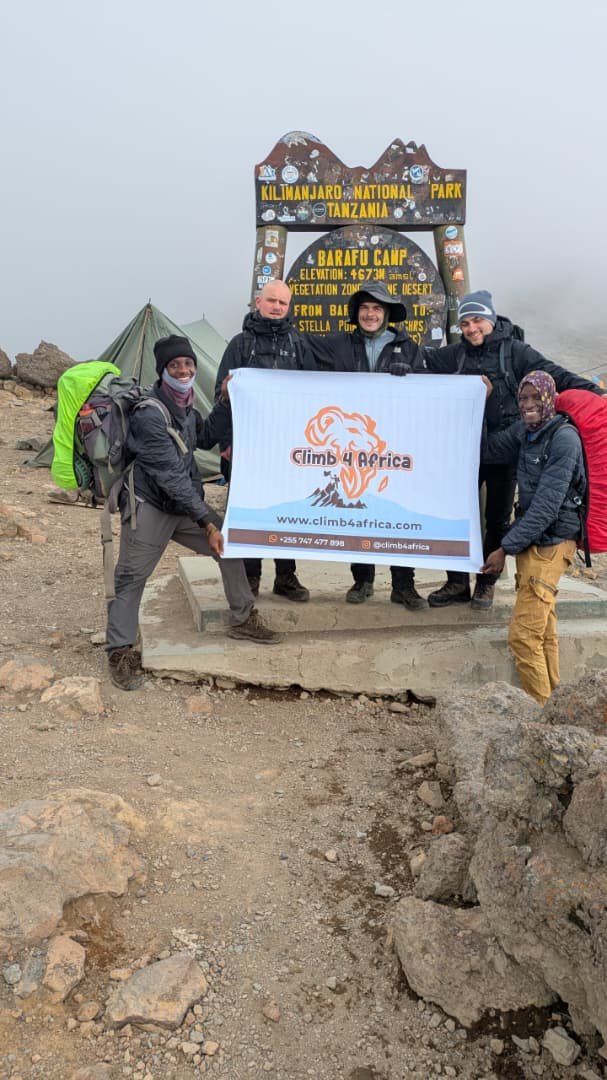
Kilimanjaro Climb August : Dates And Costs Planning Guide 2026-2027
Expert guide to planning a Kilimanjaro expedition in August 2027. We break down the logistics, cost factors, route choices, and seasonal weather patterns for your summit attempt.
View package details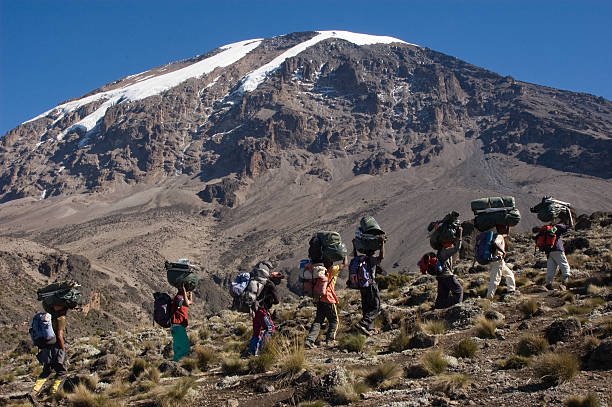
Mount Meru And Kilimanjaro Combo Trip : The Ultimate Acclimatization Strategy
Maximize your Tanzanian trekking success by combining Mount Meru and Kilimanjaro. Get expert planning advice for your 2027 expedition.
View package detailsKilimanjaro Climb : Guided Group Tours & Planning Guide 2026-2027
A deep look at planning your 2027 Kilimanjaro expedition. Learn why guided group tours are the preferred choice for safety, logistics, and shared camaraderie on the roof of Africa.
View package details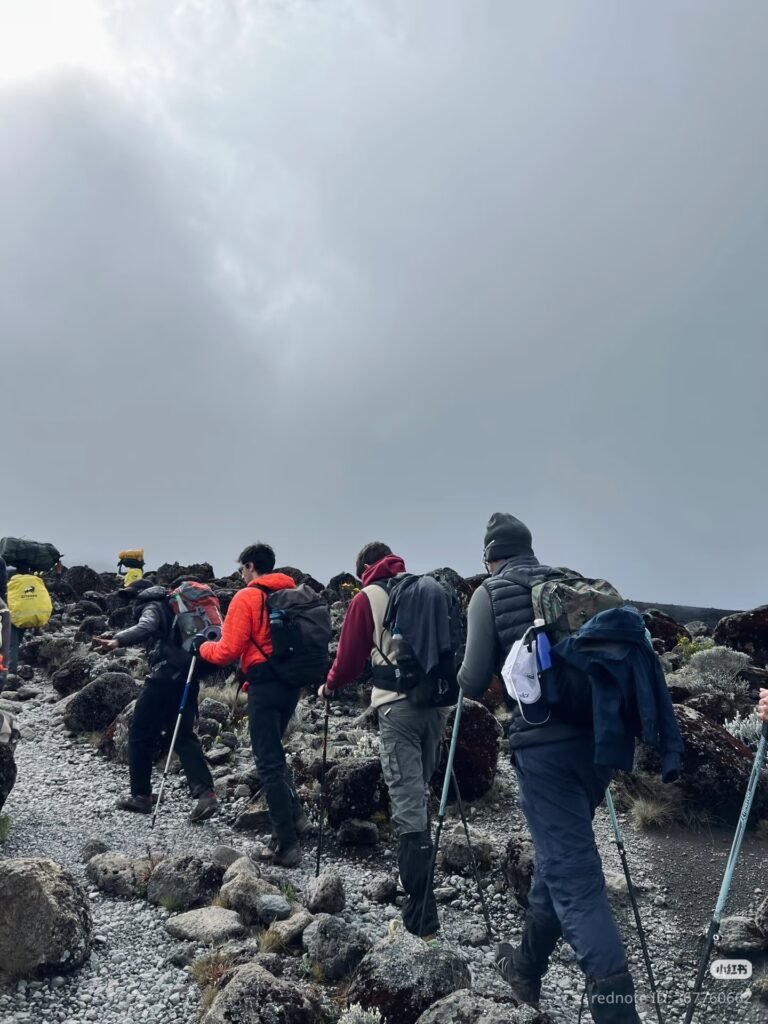
From USA, Best Kilimanjaro Climbing Packages : Routes, Prices & Planning 2027
A practical guide for US travelers planning a Kilimanjaro expedition in 2027, covering route selection, seasonal logistics, and booking transparency.
View package detailsCheap Flights To Tanzania: Best Airlines, Routes & Ticket Deals For 2027
Securing affordable airfare is key to planning a memorable Tanzanian adventure. This guide reveals the best airlines, routes, and strategies for finding cheap flights to Tanzania in 2027...
View package detailsMarangu Route – 26 June Kilimanjaro Group Climb 2027
Marangu Route – 26 June 2027 Kilimanjaro Group Climb is explained with current 2027 planning, price, itinerary and booking information.
View package details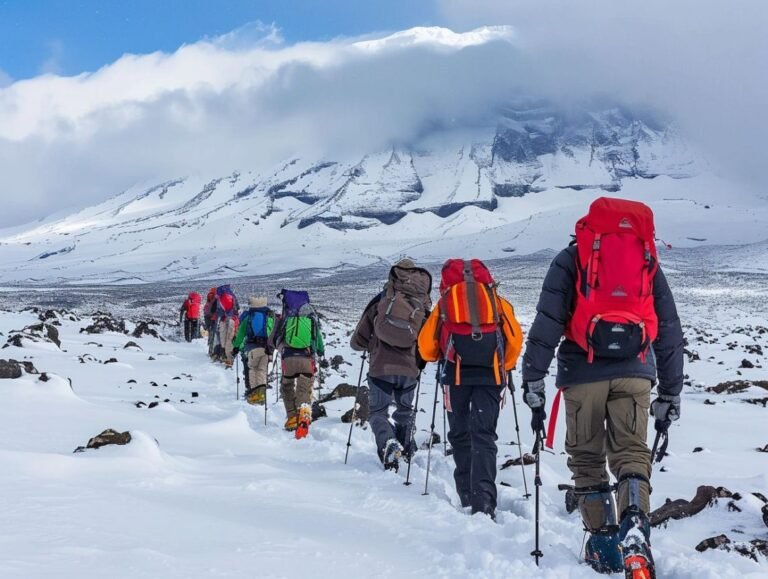
8 Day Lemosho Route – 20 February Kilimanjaro Departure With Climb 4 Africa
This article details the 8-day Lemosho Route Kilimanjaro climb scheduled for February 20, 2027, focusing on planning, itinerary, and what makes this departure a unique opportunity with...
View package detailsLemosho Route – 7 August Summer Group Climb: Your Kilimanjaro Adventure 2027
start a memorable Lemosho Route – 7 August 2027 Summer Group Climb up Mount Kilimanjaro. This guide covers the itinerary, acclimatization, and preparation for your ascent.
View package detailsNo related package matches those filters. Clear one or more filters to see the other topic-matched options.



