
Mount Meru Trekking Tours in Tanzania involve planning a challenging, rewarding climb of an active stratovolcano, distinct from Kilimanjaro, and the pricing and dates are determined by the chosen itinerary duration (e.g., 5-day vs. 7-day), the level of support required, and the specific season you plan to climb in 2027. For a practical starting point, expect mid-range options to require significant planning and coordination, and the most direct answer is to contact a local specialist like Climb 4 Africa with your desired dates to receive a precise, up-to-date quote and itinerary.
Mount Meru vs. Kilimanjaro: Understanding the Difference
Many travelers planning a major Tanzanian climb often conflate Mount Meru with Kilimanjaro, but they are fundamentally different experiences requiring distinct preparation and offering unique rewards. While Kilimanjaro, the iconic behemoth, dominates the global consciousness, Mount Meru offers a more intimate, often less crowded, and technically different ascent.
Kilimanjaro is an immense stratovolcano, known for its sheer scale and high altitude, making acclimatization the single most critical factor. Meru, at a lower elevation (around 4,565 meters or 14,986 feet) than Kilimanjaro’s peak, presents a different set of challenges. It is a rugged, volcanic peak, often traversed through dense, diverse ecosystems—ranging from rainforests and cloud forests to alpine desert. This ecological diversity is one of Meru’s greatest selling points, providing a richer visual mix than the more uniform high-altitude plains of Kilimanjaro.
From a logistical standpoint, the trekking routes on Meru are generally more manageable for intermediate hikers, though the volcanic terrain demands sturdy boots and careful foot placement. The overall commitment is often less intense than the highest sections of Kilimanjaro, but the rewards—a spectacular view of the surrounding landscape, including the giant cone of Kilimanjaro itself, and the experience of traversing varied habitats—are equally profound. It is a climb for those who seek a deeply rewarding, slightly less saturated adventure.
The Practicalities of a Meru Trek: Logistics and Route Selection
Successful trekking hinges on meticulous planning, and Mount Meru is no exception. The logistics involve not just the hike itself, but the ground support, permits, and acclimatization strategy.
Route Options and Ascent Strategy
While the precise routes can be tailored based on the group’s fitness and desired pace, the climb generally involves several key stages. The most common approach is to begin from the base areas, which are carefully selected to ensure a gradual ascent. The strategy is always centered around ‘climb high, sleep low’ where possible, even if the elevation difference isn’t as extreme as on Kilimanjaro.
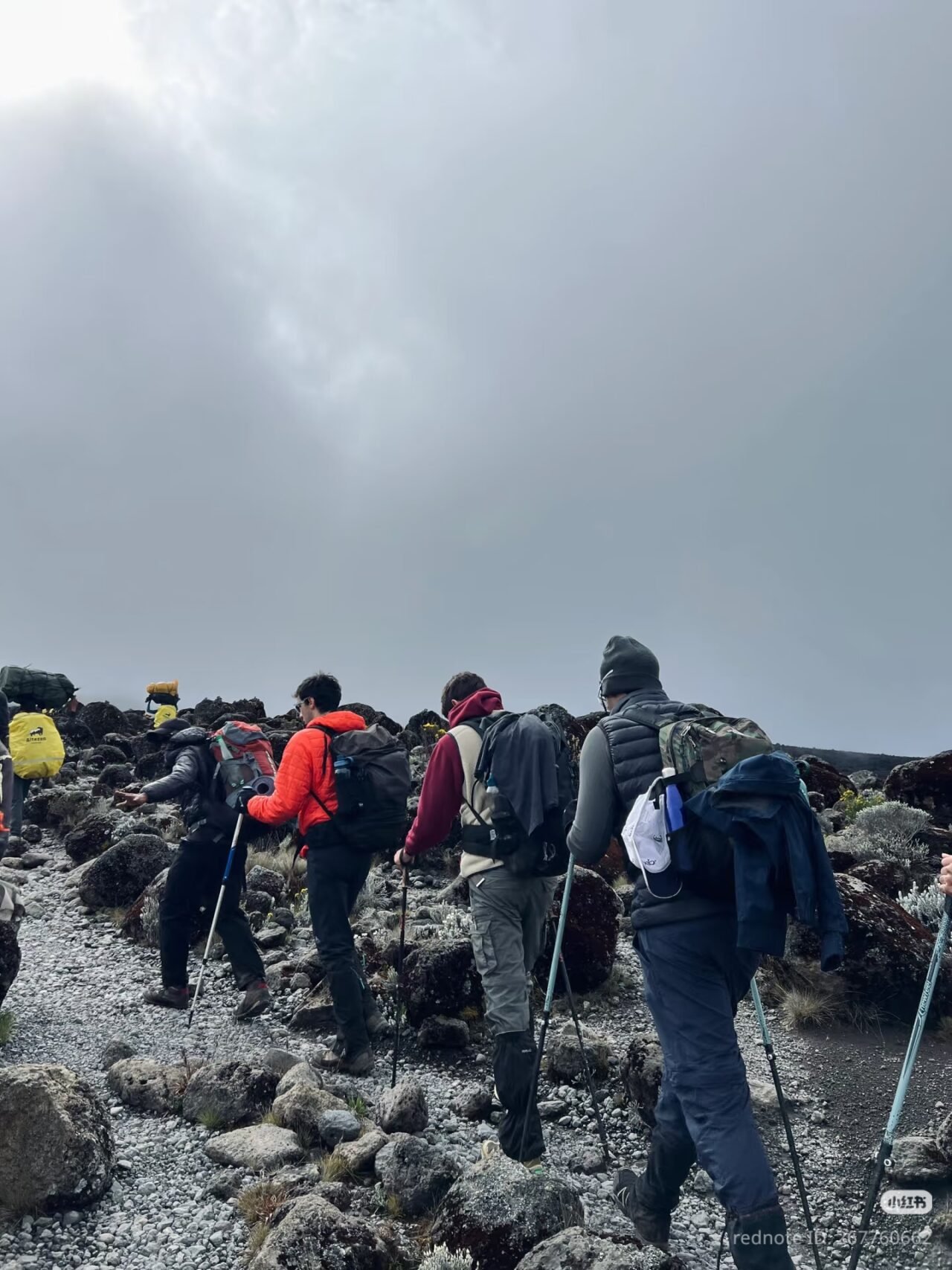
Travellers should be prepared for the terrain to shift dramatically. Early sections might involve humid, heavily vegetated trails, requiring careful navigation. As you ascend, the landscape opens up, transitioning into barren, rocky volcanic slopes. The trail conditions require constant attention; volcanic scree and loose rock are common, meaning proper trekking poles are highly recommended.
Ground Support and Local Expertise
A professional local guide and porter service is not just recommended; it is a necessity for a safe and efficient Mount Meru trek. These local specialists possess invaluable knowledge regarding microclimates, optimal water sources, and the subtle changes in weather patterns that can rapidly affect the mountain. They manage the logistics of the climb, ensuring you are properly provisioned and moving at a sustainable pace.
When coordinating a trip with an operator, the discussion should focus on the intended pace. A slower, more measured ascent (often preferred for acclimatization) will naturally influence the total duration of the tour, which directly impacts the cost and the amount of time spent enjoying the surrounding Tanzanian landscape.
Meru Trekking Pre-Departure Checklist
- Fitness Assessment: Be honest about your current level of fitness; Meru is demanding but manageable for fit hikers.
- Permits & Visas: Ensure all Tanzanian entry requirements and specific park permits are secured well in advance.
- Insurance: Comprehensive travel insurance covering high-altitude trekking and emergency evacuation is non-negotiable.
- Hydration Plan: Plan to consume significantly more water than you might expect, especially when ascending volcanic slopes.
- Packing Strategy: Layering is key. Temperatures can swing wildly from warm, humid forest floors to freezing alpine nights.
Understanding Mount Meru Trekking Costs and Price Factors
When inquiring about Mount Meru Trekking Tours Prices, it is crucial to understand that there is no single fixed price. The cost is a composite of several factors, moving the experience across a spectrum from budget-conscious group treks to fully private, high-end expeditions.
What Drives the Cost?
The primary variables influencing the final price are:
- Duration: Longer treks, while offering a slower ascent and more time to absorb the environment, inherently involve more days of guide services, food, and camping logistics.
- Support Level: A private tour with dedicated support staff for the entire group will carry a significantly higher price tag than a shared group departure.
- Seasonality: Peak season (typically dry periods) often commands higher prices due to increased demand, while shoulder seasons might offer better value.
- Inclusions: Whether the quoted price includes only permits and guides, or if it covers all meals, tents, and transfers, makes a substantial difference.
Cost Structure Guide: Meru Trekking
While specific prices must be confirmed by a local operator for your desired 2027 dates, the following represents the qualitative cost difference between options:
| Tour Style | Key Features | Cost Implication |
|---|---|---|
| Shared Group Trek | Cost-effective, shared logistics, fixed itinerary. | Lowest entry point; ideal for budget travelers. |
| Private Guided Trek | Dedicated staff, customized pace, flexible itinerary. | Highest cost; offers maximum comfort and control. |
| Mid-Range Custom Tour | Mix of shared resources with customized elements (e.g., specific lodge stays). | Balanced approach; good value for experienced trekkers. |
Choosing the Optimal Time to Climb Mount Meru
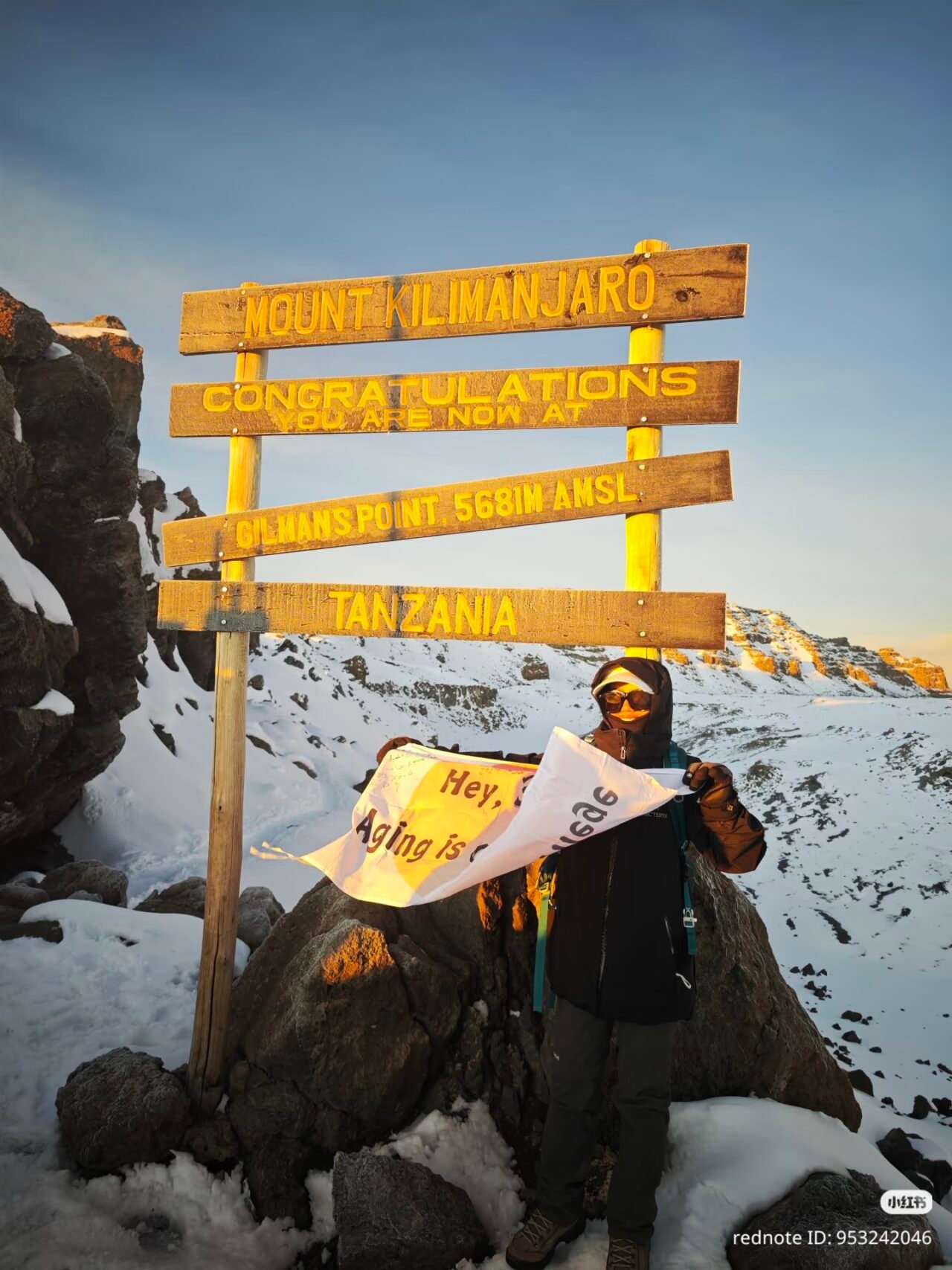
Timing your Mount Meru climb is critical, as the mountain’s climate, accessibility, and the experience of the surrounding wildlife vary significantly throughout the year. The dry season generally offers the most predictable trekking conditions, but each season presents unique trade-offs.
Dry Season (Generally June to October)
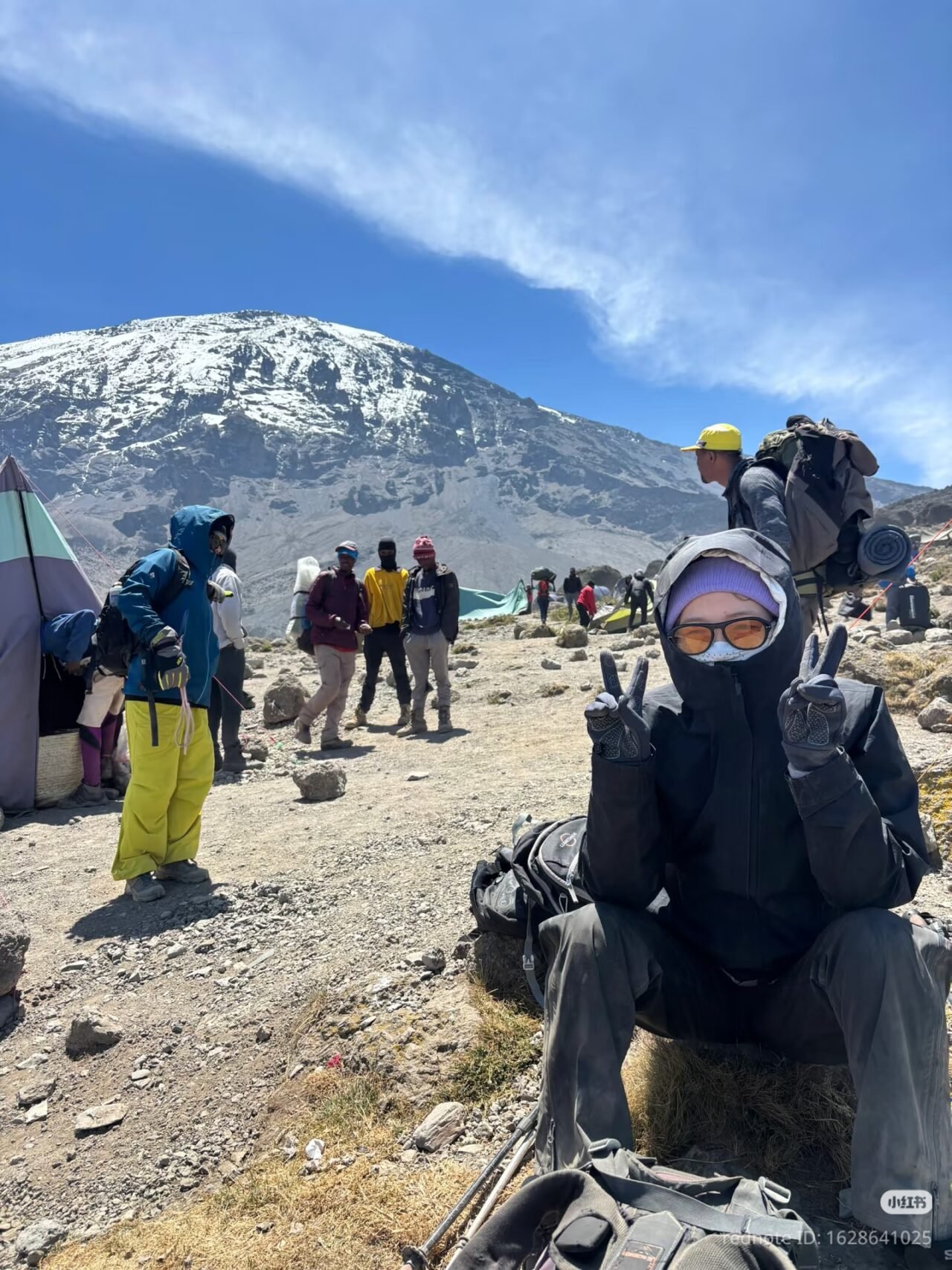
This is often considered the prime trekking window. The weather is typically stable, with fewer sudden downpours, and the visibility is excellent, offering spectacular views of the surrounding plains and Kilimanjaro. The trails are drier, which significantly improves hiking comfort. However, this period is also the busiest, meaning tour availability might be tighter, and prices may reflect higher demand.
Wet Season (Generally November to May)
Climbing during the wet season offers a completely different, lush experience. The rainforest sections are vibrant and teeming with life, and the cloud forests are at their most verdant. While trekking can be more challenging due to mud, increased humidity, and the possibility of heavy rain, the environmental reward is immense. If your goal is to witness the dramatic greenness of Tanzania, the wet season holds its own appeal, provided you are prepared for the associated logistical challenges.
Traveler’s Note on Timing
When planning for 2027, keep in mind that even within the “dry season,” localized weather patterns can change. Always consult with your local operator regarding the specific monthly forecasts. They have the most current, ground-level data on expected trail conditions, which is far more reliable than generalized online forecasts.
Essential Trekking Preparation and Gear Checklist
Meru is a serious mountain, and proper preparation minimizes risk and maximizes enjoyment. This isn’t a casual hike; it requires planning for diverse weather zones and physical exertion.
Physical and Mental Acclimatization
Even though Meru is lower than Kilimanjaro, the altitude still requires respect. It is vital to allow sufficient time for acclimatization. This often means incorporating a rest or shorter hike day into the itinerary. Physically, training should focus on sustained endurance and strength, rather than just high-intensity sprints. Mentally, be prepared for the demands of multi-day, remote trekking—patience, adaptability, and a positive outlook are as important as your fitness level.
The Technical Gear Requirements
Packing for Meru requires versatility. You need gear that can transition from humid jungle warmth to near-freezing alpine temperatures in a single day.
- Footwear: Sturdy, broken-in hiking boots with excellent ankle support are mandatory. Waterproofing is a bonus but not a guarantee of perfect protection.
- Layers: The system must be versatile: moisture-wicking base layers, mid-layers (fleece or light puffy), and a durable, windproof/waterproof outer shell.
- Sleep System: Even in the lower altitudes, nights can be cold. A warm sleeping bag rated for cool mountain temperatures is essential.
- Navigation/Safety: Headlamp, basic first-aid kit, sun protection (hat, high SPF sunscreen, sunglasses), and a reliable water purification method are absolute requirements.
Sample Day-by-Day Progression (Illustrative)
While itineraries vary, a typical, well-paced Meru trek progression might look like this:
- Day 1: Arrival and transfer to base camp area. Short acclimatization walk.
- Day 2: Initial ascent through lower, humid forest sections.
- Day 3: Transitioning through cloud forest and into higher, more exposed terrain.
- Day 4: Crossing major ridges and reaching high camps, focusing on acclimatization.
- Day 5: Summit push (early morning), descent, and return to base camp/departure.
Planning Your Mount Meru Adventure: Booking and Next Steps
Choosing a reputable operator is the single most important decision in planning a Mount Meru Trekking Tour. Given the specialized nature of this climb and the need for local expertise, choosing a company with deep roots in Tanzanian trekking is paramount. They are not just booking agents; they are logistical partners.
The Operator Selection Criteria
When vetting potential tour providers, look beyond the marketing materials. Focus on these practical aspects:
- Local Knowledge: Does the operator demonstrate specific, detailed knowledge of Meru’s terrain, rather than just generic Kilimanjaro expertise?
- Staffing Ratios: What is the guide-to-client ratio? A lower ratio generally translates to better support and safety.
- Sustainability Practices: Does the company adhere to responsible trekking practices, respecting the fragile mountain ecosystem?
- Emergency Protocols: What is their clear, documented plan for emergencies, medical incidents, and rapid descent?
For those planning their adventure for 2027, starting the inquiry process early is crucial. The best operators manage their permit allocations and guide availability far in advance.
Understanding the full scope of what is included is essential for budget management. Typically, a comprehensive Meru tour package will include park entry fees, licensed guides and porters, camping equipment, and all meals during the trek. Exclusions usually cover international flights, travel insurance, and sometimes specific high-end lodge upgrades.
Next Steps for Booking Your Climb
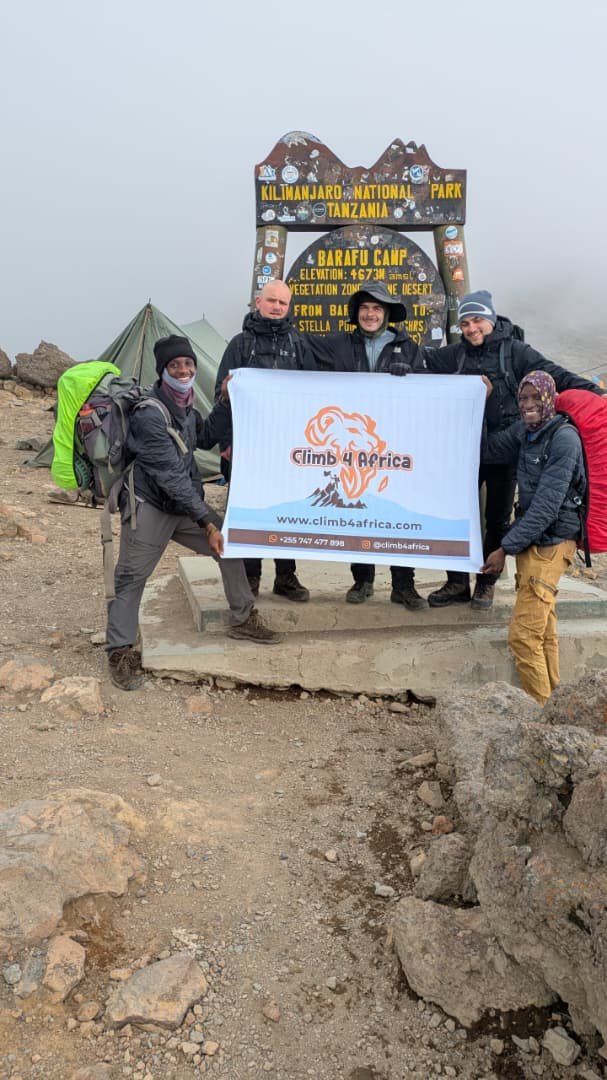
To move from planning to booking, the most effective action is to request a tailored, non-binding quote. When contacting Climb 4 Africa, provide them with:
- Your target travel window in 2027.
- Your preferred tour style (Group/Private/Mid-Range).
- Any specific interests (e.g., focusing on wildlife viewing in the lower forests).
This detailed information allows the operator to provide a precise quote and relevant itinerary options, ensuring the plan perfectly matches your expectations and budget. You can reach out via WhatsApp at +255 747 477 898 or by emailing climb4africa@gmail.com.
Mount Meru offers a distinct and deeply rewarding Tanzanian experience—a rugged, diverse, and profoundly beautiful alternative to the more famous giants. By approaching the planning process with the same rigor you would apply to a major expedition, you set yourself up for a safe, successful, and unforgettable climb.
Related Guides and Packages
Check Availability for Mount Meru Trekking Tours Tanzania – Prices & Dates 2027
Ready to compare dates, prices, and the best option for your group? Send the package name and travel month so the team can reply with a clear quote, availability, and what is included.
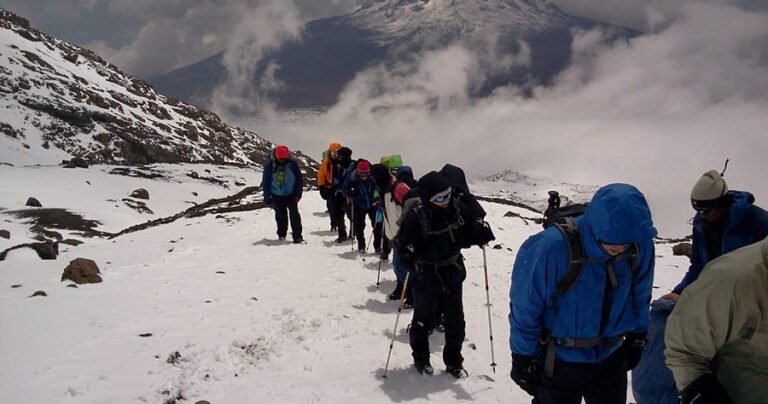
Mount Meru 4-Day Climb: The Complete Guide To Tanzania’s Hidden Peak 2026-2027
A deep look at the 4-day Mount Meru climb, covering the Momella route, altitude considerations, park logistics, and why this peak is the ultimate preparation for Kilimanjaro.
View package details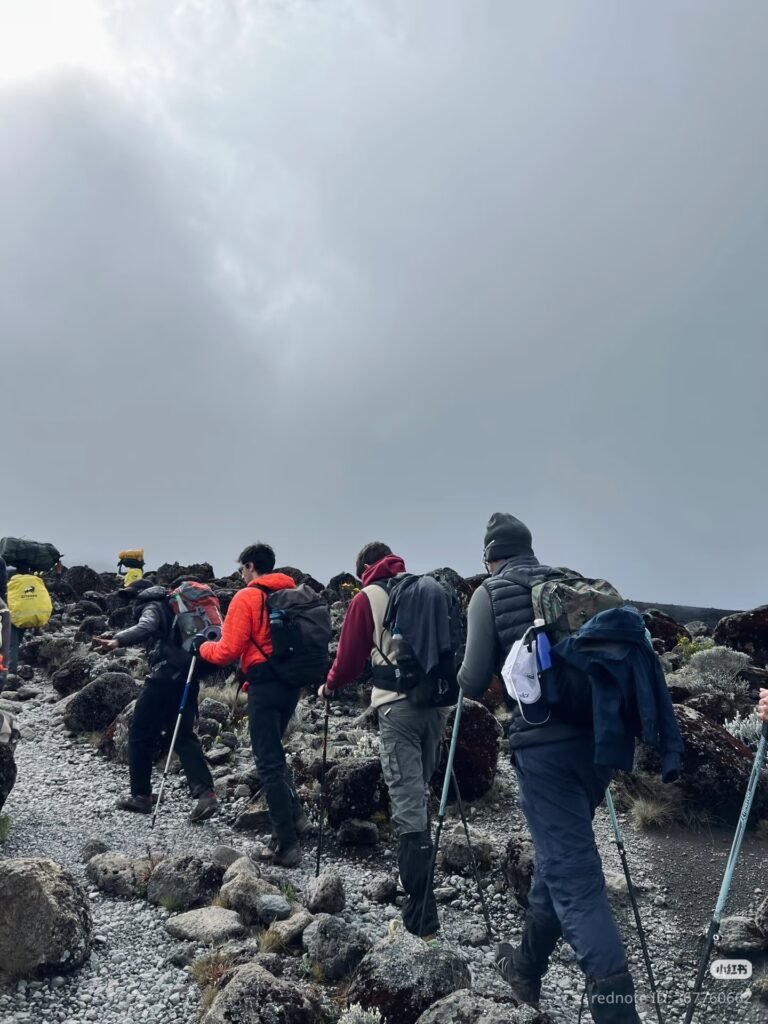
Kilimanjaro And Mount Meru Trekking Packages : Expert Guide 2027
A comprehensive guide for serious trekkers planning Kilimanjaro and Mount Meru climbs in 2027, detailing route choices, logistical considerations, and essential preparation advice.
View package details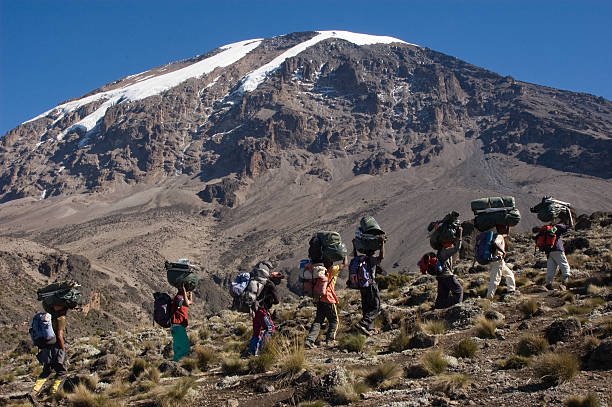
Mount Meru And Kilimanjaro Combo Trip : The Ultimate Acclimatization Strategy
Maximize your Tanzanian trekking success by combining Mount Meru and Kilimanjaro. Get expert planning advice for your 2027 expedition.
View package detailsMount Kilimanjaro Guided Tours : Planning Your Trek From The Usa 2027
A comprehensive guide for US travelers planning a Kilimanjaro expedition in 2027, focusing on route selection, local operator logistics, and travel preparation.
View package details
Direct Flights To Tanzania: Airlines, Airports & Ticket Prices For 2027
Planning a trip to Tanzania in 2027? Discover the most convenient ways to get there with direct flight options, key airports, and insights into ticket prices. Learn which airlines serve...
View package detailsKilimanjaro Climb August : Dates And Costs Planning Guide 2026-2027
Expert guide to planning a Kilimanjaro expedition in August 2027. We break down the logistics, cost factors, route choices, and seasonal weather patterns for your summit attempt.
View package details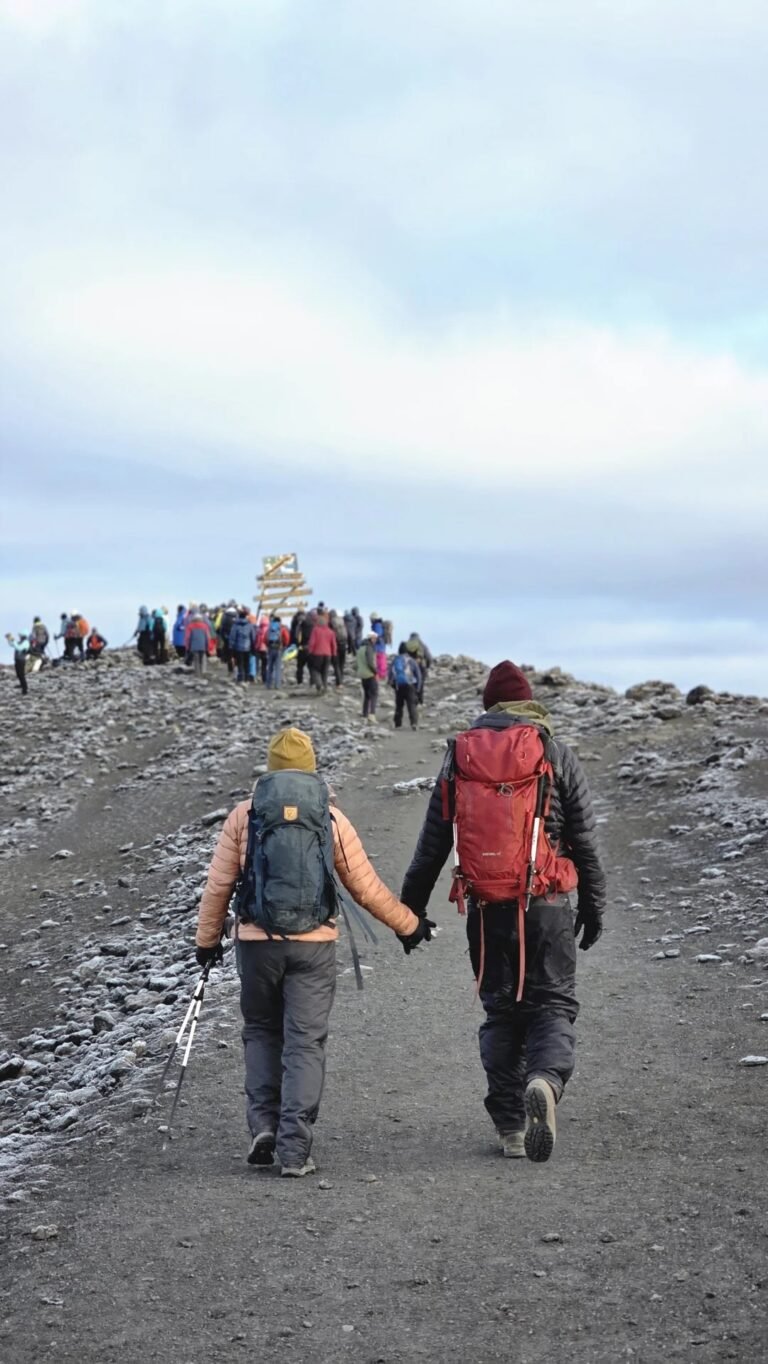
Ireland — Book Kilimanjaro Trekking 2027
A practical, field-guide style guide for Irish travelers planning Kilimanjaro trekking in 2027 with Climb 4 Africa, covering routes, planning, inclusions, and booking steps.
View package details
🇦🇺 Australia & 🇳🇿 New Zealand — Book Kilimanjaro Trekking 2027
🇦🇺 Australia & 🇳🇿 New Zealand — Book Kilimanjaro Trekking 2027 is explained with current 2027 planning, price, itinerary and booking information.
View package details
Canada To Kilimanjaro Trekking : Your Complete Guide To Booking With Climb 4
A practical, expert guide for Canadians planning Kilimanjaro trekking in 2027 with Climb 4 Africa, covering routes, durations, and planning steps without pressure.
View package detailsKilimanjaro Trekking Holidays From Ireland : Expert Planning Guide 2027
A comprehensive guide for Irish travelers planning their Mount Kilimanjaro ascent in 2027, covering route selection, logistics, and essential planning steps.
View package detailsKilimanjaro Group Trekking Holidays 2027
- Kilimanjaro Group Trekking Holidays 2027 is explained with current 2027 planning, price, itinerary and booking information.
View package detailsKilimanjaro Trekking Tours From Australia – Packages 2027
- Kilimanjaro Trekking Tours from Australia – 2027 Packages is explained with current 2027 planning, price, itinerary and booking information.
View package detailsNo related package matches those filters. Clear one or more filters to see the other topic-matched options.



