
The Machame Route – 9 July 2027 Kilimanjaro Group Climb is a specific departure date for climbing Mount Kilimanjaro via the popular and scenic Machame Route, offering a shared experience with fellow trekkers under expert local guidance. This particular departure on July 9, 2027, falls within Kilimanjaro’s main dry season, providing excellent conditions for reaching the summit, and is expertly managed by Climb 4 Africa, ensuring comprehensive support from start to finish.
Machame Route: A Trekker’s Favorite
The Machame Route, often affectionately called the “Whiskey Route” due to its higher success rates compared to the “Beer Route” (Marangu), is a premier choice for climbers aiming for Kilimanjaro’s summit. Its popularity stems from its excellent acclimatization profile, stunning scenery, and diverse landscapes that unfold as you ascend. Unlike the Marangu Route, it utilizes camping accommodation, offering a more in-depth experience in nature.
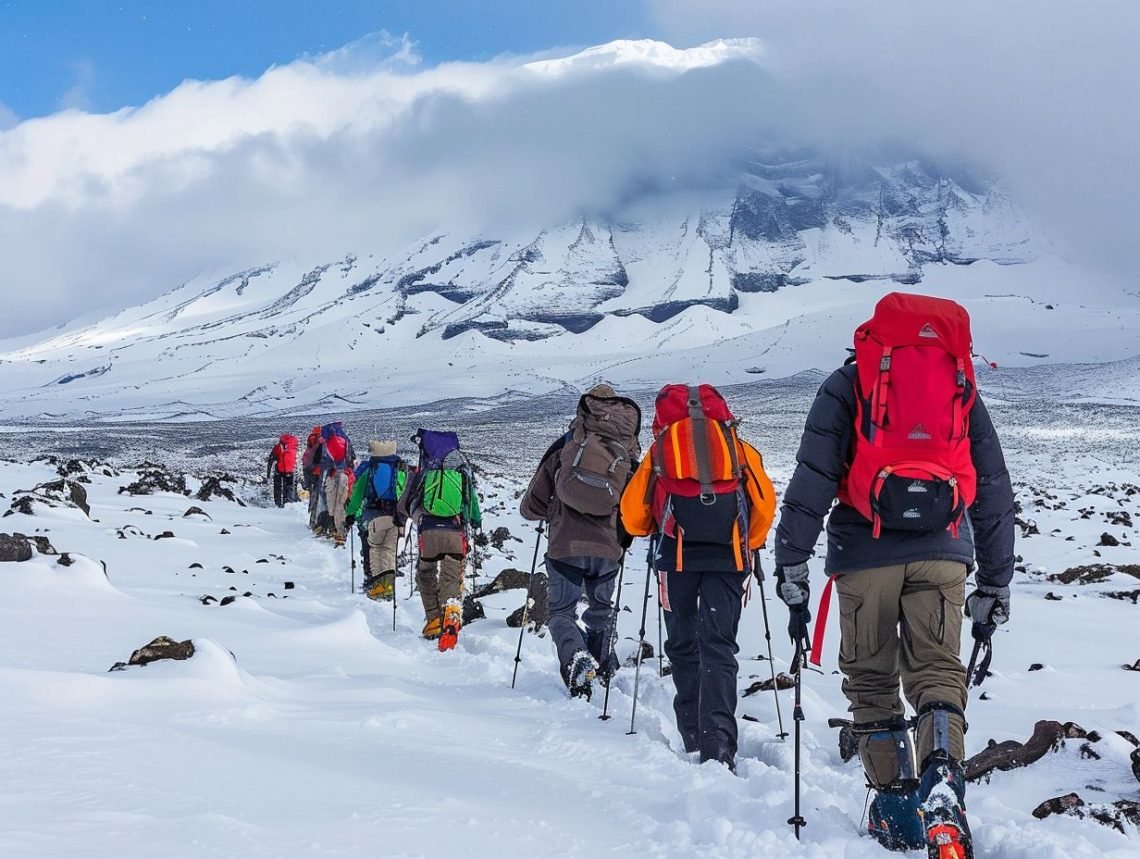
This route typically spans six to seven days, with the seven-day option being the most recommended for optimal acclimatization and success. The Machame Route – 9 July 2027 Kilimanjaro Group Climb leverages this well-established itinerary, ensuring a balanced approach to altitude gain and physical exertion. You’ll traverse lush rainforests, traverse moorlands, ascend to alpine deserts, and finally conquer the arctic zone near the summit. The scenery is consistently impressive, offering panoramic views of the mountain and the surrounding plains.
Why This July 9, 2027 Departure?
Choosing a specific group departure date, like the July 9, 2027 slot, offers distinct advantages. July falls squarely within Kilimanjaro’s main dry season, which typically runs from June to October. This period generally boasts clear skies, lower humidity, and minimal rainfall, creating ideal conditions for trekking and summiting. While Kilimanjaro can be climbed year-round, the dry seasons offer the most comfortable and predictable weather. This means you can anticipate cooler temperatures, especially at higher altitudes, but with a significantly reduced chance of being hampered by rain or heavy mist, particularly on summit night.
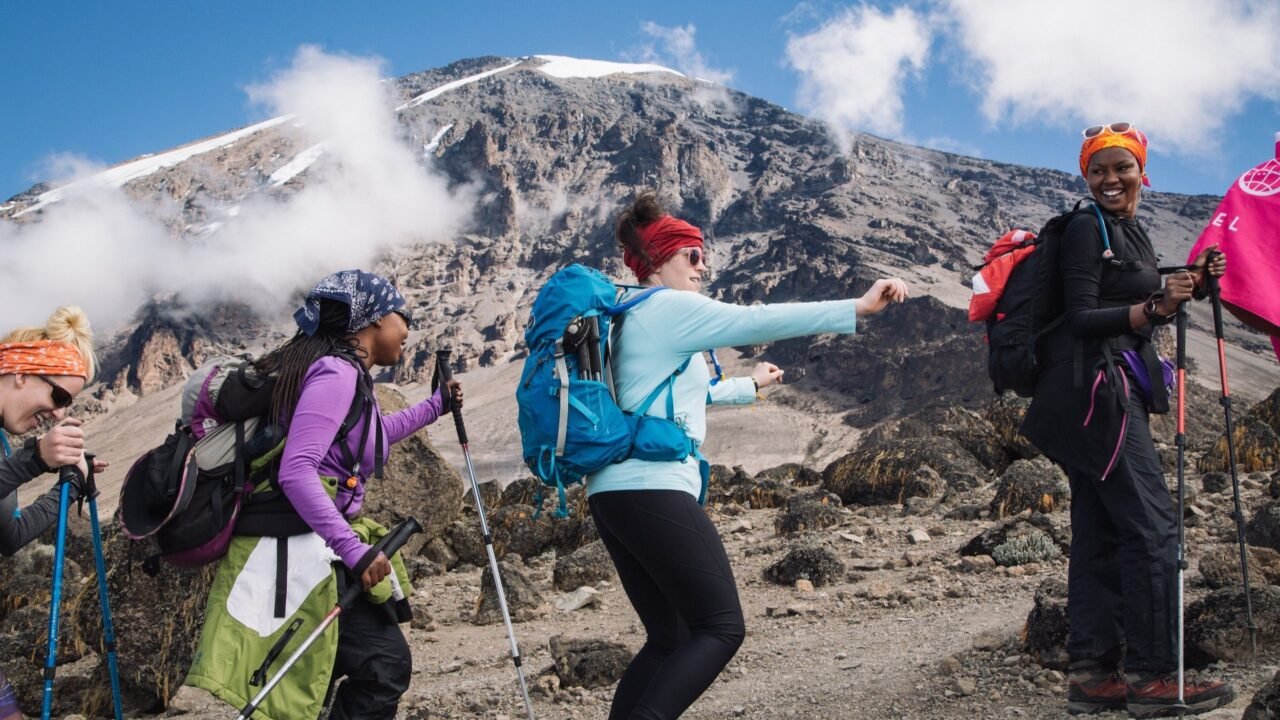
Opting for a group climb on this date means sharing the journey with like-minded individuals. This can be a source of camaraderie, mutual encouragement, and shared memories. For solo travelers, it’s an excellent way to meet new people and split the costs of a guided expedition. Climb 4 Africa curates these group departures to ensure a positive and supportive atmosphere, led by experienced guides who understand the nuances of Kilimanjaro’s environment and the needs of a group.
It’s also worth noting that by planning for 2027 now, you secure your spot on a popular departure well in advance. This allows ample time for physical preparation, gear acquisition, and making necessary travel arrangements. For those looking at other July departures, consider the Machame Route – 3 July 2027 Kilimanjaro Summer Climb as another option within the same optimal window.
The 7-Day Machame Route Itinerary
The 7-day Machame Route is widely regarded as the most effective itinerary for acclimatization and achieving a high success rate. It provides an extra day for gradual ascent and rest, crucial for adapting to the thinning air. Here’s a typical breakdown:
Day 1: Machame Gate to Machame Camp
* Starting Point: Machame Gate (1,800m / 5,905 ft)
* End Point: Machame Camp (3,050m / 10,007 ft)
* Trek Time: 5-7 hours
* Distance: Approximately 11 km / 6.8 miles
* Habitat: Montane forest
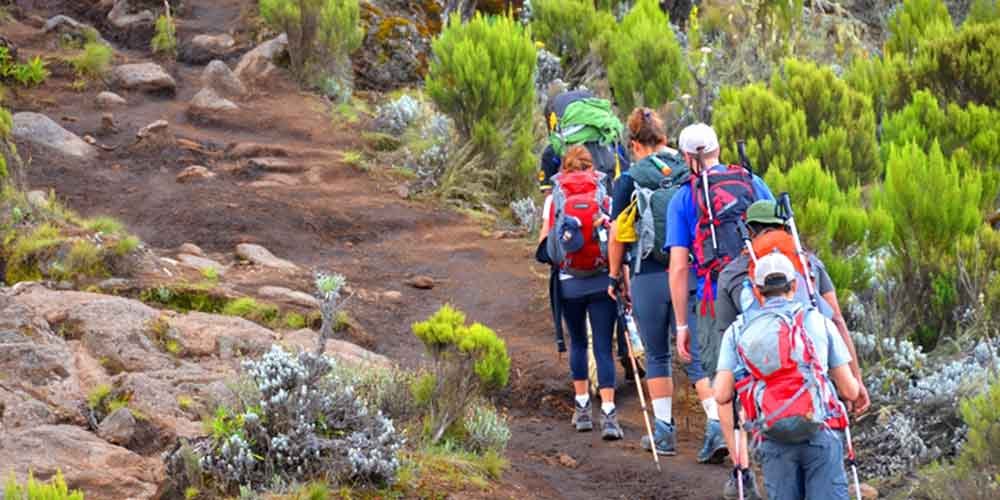
Your journey begins after a scenic drive from Moshi to Machame Gate. After completing park formalities, you’ll start your trek through the dense montane rainforest. The path is well-maintained but can be steep in places. Keep an eye out for colobus monkeys and various bird species. The camp is situated at the edge of the forest, offering a beautiful introduction to Kilimanjaro’s diverse ecosystems.
Day 2: Machame Camp to Shira 1 Camp
* Starting Point: Machame Camp (3,050m / 10,007 ft)
* End Point: Shira 1 Camp (3,850m / 12,631 ft)
* Trek Time: 4-6 hours
* Distance: Approximately 5 km / 3.1 miles
* Habitat: Moorland
Today’s trek takes you out of the forest and into the open moorland. The terrain becomes more rugged, with a steady ascent. You’ll enjoy increasingly expansive views as you gain altitude. Shira 1 Camp is located on the Shira Plateau, a vast, windswept area offering spectacular vistas, particularly towards Mount Meru. This higher altitude camp aids in your acclimatization process.
Day 3: Shira Camp to Barranco Camp
* Starting Point: Shira 1 Camp (3,850m / 12,631 ft)
* End Point: Barranco Camp (3,950m / 12,960 ft)
* Trek Time: 6-8 hours
* Distance: Approximately 10 km / 6.2 miles
* Habitat: Alpine desert
This is a significant day for acclimatization. You’ll trek eastwards across the Shira Plateau, passing by the Shira Needles, before descending slightly towards the Lava Tower (4,600m / 15,092 ft). After a lunch break at Lava Tower, you’ll descend into the stunning Barranco Gorge to reach Barranco Camp. This “climb high, sleep low” strategy is crucial for your body to adapt to the altitude. Barranco Camp is situated beneath the imposing Barranco Wall, a truly dramatic setting.
Day 4: Barranco Camp to Karanga Camp
* Starting Point: Barranco Camp (3,950m / 12,960 ft)
* End Point: Karanga Camp (4,200m / 13,780 ft)
* Trek Time: 3-5 hours
* Distance: Approximately 5 km / 3.1 miles
* Habitat: Alpine desert
The day begins with the exhilarating scramble up the Barranco Wall. It’s a challenging but rewarding climb, often described as a highlight of the trek. The path is steep and requires some hands-on scrambling, but it’s well-trodden and manageable for most trekkers with guide assistance. After conquering the wall, the route continues through alpine desert landscapes to Karanga Camp, offering incredible views of the southern ice fields and Kibo peak.
Day 5: Karanga Camp to Barafu Camp
* Starting Point: Karanga Camp (4,200m / 13,780 ft)
* End Point: Barafu Camp (4,650m / 15,255 ft)
* Trek Time: 3-5 hours
* Distance: Approximately 4 km / 2.5 miles
* Habitat: Alpine desert
This is a shorter trekking day, designed to conserve energy for the summit push. You’ll ascend through increasingly barren alpine desert terrain. The landscape becomes stark and dramatic as you approach Barafu Camp, which is situated on a rocky ridge. Barafu Camp serves as the base camp for the summit attempt. You’ll have an early dinner and try to get some rest before the midnight start for the summit.
Day 6: Summit Day and Descent to Mweka Camp
* Starting Point: Barafu Camp (4,650m / 15,255 ft)
* End Point: Mweka Camp (3,100m / 10,170 ft)
* Trek Time: 10-15 hours (summit and descent)
* Distance: Approximately 14 km / 8.7 miles (5 km ascent, 9 km descent)
* Habitat: Arctic zone, moorland, forest
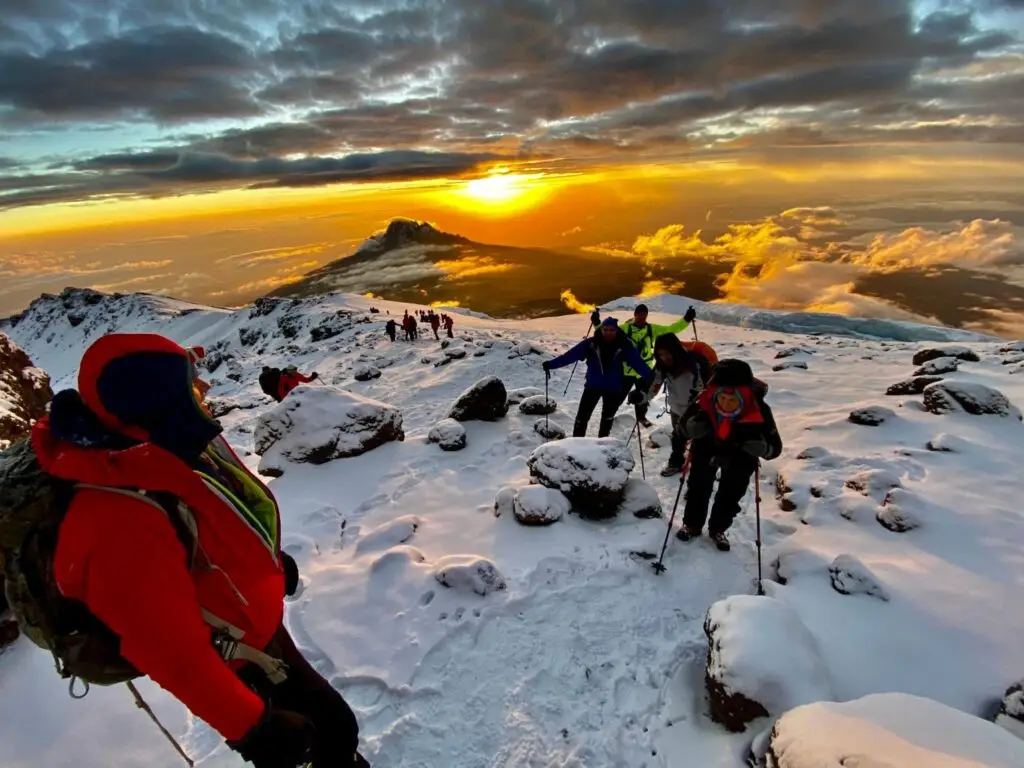
This is the most demanding day. You’ll wake around midnight and begin your ascent towards Stella Point (5,730m / 18,799 ft) via the scree slopes. The climb is slow and steady, often in single file. Reaching Stella Point by sunrise is a truly magical experience. From Stella Point, it’s a further one-hour walk to Uhuru Peak (5,895m / 19,341 ft), the roof of Africa. After celebrating your achievement and taking photos, you’ll begin the long descent back to Barafu Camp for a short rest, and then continue down to Mweka Camp. This descent is steep and can be hard on the knees.
Day 7: Mweka Camp to Mweka Gate
* Starting Point: Mweka Camp (3,100m / 10,170 ft)
* End Point: Mweka Gate (1,640m / 5,380 ft)
* Trek Time: 3-5 hours
* Distance: Approximately 10 km / 6.2 miles
* Habitat: Montane forest
Your final day on the mountain involves a relatively straightforward descent through the montane forest. The air becomes warmer and more humid as you get lower. Upon reaching Mweka Gate, you’ll be greeted by your drivers and transferred back to your hotel in Moshi for a well-deserved hot shower and celebration. This marks the end of your Machame Route – 9 July 2027 Kilimanjaro Group Climb adventure.
Altitude Acclimatization: The Machame Advantage
One of the primary reasons for the Machame Route’s popularity and high success rate is its excellent acclimatization profile. The 7-day itinerary, in particular, is designed to allow your body to gradually adjust to the increasing altitude. This is achieved through a combination of factors:
* Gradual Ascent: The route steadily gains altitude over several days, avoiding rapid increases that can trigger altitude sickness.
* “Climb High, Sleep Low”: The itinerary on Day 3, where you ascend to Lava Tower (4,600m) and then descend to sleep at Barranco Camp (3,950m), is a classic acclimatization technique. This process helps your body produce more red blood cells, enhancing oxygen transport.
* Longer Duration: The 7-day trek provides an additional day compared to shorter Machame itineraries, giving your body more time to adapt and recover.
Proper acclimatization is the single most critical factor for a successful Kilimanjaro climb. Symptoms of altitude sickness, such as headaches, nausea, and dizziness, can range from mild to severe. Our guides are trained to monitor climbers for these symptoms and will make decisions in the best interest of safety, which may include adjusting the pace or recommending descent.
The Benefits of a Group Climb
Joining a group departure like the Machame Route – 9 July 2027 Kilimanjaro Group Climb offers a unique set of advantages, especially for those who might otherwise hesitate to undertake such an expedition alone. Here’s what makes a group climb appealing:
* Shared Experience: Trekking with others creates a strong sense of camaraderie. You’ll share the challenges, the triumphs, and the stunning views with fellow adventurers. This shared journey can lead to lasting friendships.
* Motivation and Support: On tough days, the encouragement from your fellow trekkers and guides can be invaluable. Knowing you’re not alone provides a significant psychological boost.
* Cost-Effectiveness: Group departures typically divide fixed costs (like guide and porter wages, park fees, and vehicle hire) among more people, making the overall per-person cost more affordable than a private climb.
* Expert Guidance: Climb 4 Africa ensures that all group climbs are led by highly experienced, certified guides who are adept at managing group dynamics, ensuring safety protocols are followed, and keeping the pace appropriate for the entire group.
* Logistical Simplicity: All the complex logistics – permits, park fees, food, camping equipment, porters, and cooks – are handled by the tour operator. This allows you to focus entirely on the trek and the incredible experience.
For travelers looking to join an international group, this July 9, 2027 departure offers a perfect opportunity to connect with people from around the world, all united by the goal of conquering Kilimanjaro.
What Your July 9, 2027 Machame Route Climb Includes
When you book the Machame Route – 9 July 2027 Kilimanjaro Group Climb with Climb 4 Africa, you can expect comprehensive support designed for a safe and enjoyable expedition. While specific inclusions can be detailed upon inquiry, typical packages for Kilimanjaro climbs of this nature include:
- Park Fees and Permits: All necessary Kilimanjaro National Park entry fees, camping fees, and rescue fees.
- Experienced Guides: A team of professional, licensed, and experienced guides, including assistant guides, trained in first aid and high-altitude trekking.
- Support Crew: A dedicated team of porters to carry your main camping gear and luggage, and skilled cooks to prepare nutritious meals.
- Accommodation: High-quality camping equipment, including tents, sleeping mats, and mess tents for dining.
- Meals: All meals while on the mountain (breakfast, lunch, dinner), prepared fresh by your expedition cook. This typically includes snacks and purified drinking water.
- Transfers: All necessary transfers, including airport pick-up and drop-off, and transport to and from the mountain gates.
- Safety Equipment: A well-stocked first-aid kit and emergency oxygen.
- Team Briefings: Pre-trek briefings to ensure you are fully prepared.
It is important to clarify what is not included, which typically covers personal gear, sleeping bags, tips for guides and crew, travel insurance, visa fees, personal expenses, and pre/post-trek accommodation and meals. A detailed itinerary and inclusions list will be provided upon request.
Preparing for Your 2027 Kilimanjaro Trek
Success on Kilimanjaro, especially on a challenging route like Machame, relies heavily on preparation. For your Machame Route – 9 July 2027 Kilimanjaro Group Climb, starting your preparations early is key.
Fitness and Training
* Cardiovascular Fitness: Focus on activities that build endurance, such as hiking, running, cycling, and swimming. Aim for at least 3-4 sessions per week for several months leading up to your climb.
* Hiking with Weight: Practice hiking on inclines and declines while wearing a daypack (around 5-10 kg / 10-20 lbs) to simulate mountain conditions.
* Strength Training: Focus on leg strength (squats, lunges) and core stability, which are essential for navigating steep terrain.
* Mental Preparation: Understand that Kilimanjaro is a test of mental fortitude as much as physical strength. Prepare yourself for long days, cold temperatures, and the challenging summit night.
Gear and Packing Essentials
Proper gear is vital for comfort and safety. The Machame Route involves camping, so a comprehensive packing list is necessary. Key items include:
* Layering System: Base layers (moisture-wicking), mid-layers (fleece or down), and an outer layer (waterproof and windproof jacket and trousers).
* Footwear: Sturdy, broken-in hiking boots with ankle support are essential. Bring comfortable camp shoes or sandals.
* Sleeping Bag: A 4-season sleeping bag rated to at least -15°C (0°F) is recommended for cold nights.
* Headlamp: A reliable headlamp with extra batteries is crucial for summit night and around camp.
* Sun Protection: High SPF sunscreen, sunglasses, and a wide-brimmed hat.
* Hydration: Water bottles or a hydration reservoir (at least 3 liters capacity) and water purification tablets or a filter.
* Trekking Poles: Highly recommended for reducing strain on knees during descents and aiding balance.
A detailed packing list will be provided by Climb 4 Africa upon booking.
Visa and Health Considerations
* Visa: Most nationalities require a visa to enter Tanzania. Check the latest requirements for your country well in advance and apply online or on arrival, as per official guidance.
* Vaccinations: Consult your doctor or a travel clinic regarding recommended vaccinations and malaria prophylaxis for Tanzania. Yellow Fever vaccination may be required depending on your travel itinerary.
* Travel Insurance: Comprehensive travel insurance that covers high-altitude trekking (up to 6,000m) and emergency medical evacuation is mandatory.
* Medications: Bring any personal prescription medications. Also, consider a small personal first-aid kit with items like blister treatment, pain relievers, and any personal remedies for altitude sickness (e.g., Diamox, if prescribed by your doctor).
Why Climb with Climb 4 Africa?
Choosing the right tour operator is paramount for a Kilimanjaro expedition. Climb 4 Africa is a local Tanzanian company with deep expertise in Kilimanjaro climbs and safaris. Our commitment is to provide an authentic, safe, and rewarding experience.
* Local Expertise: As a locally-based operator, we have intimate knowledge of the mountain, its routes, and the communities. Our guides and support crew are Tanzanian, ensuring fair wages and working conditions.
* Safety First: Your safety is our highest priority. We adhere to strict safety protocols, carry comprehensive medical kits, and have emergency evacuation plans in place. Our guides are highly trained in altitude management and first aid.
* Quality Service: We pride ourselves on providing excellent customer service, from the initial inquiry to your return from the mountain. We aim to make your journey as smooth and enjoyable as possible.
* Sustainable Tourism: We are committed to responsible tourism practices that respect the environment and benefit local communities.
* Proven Track Record: We have a history of successful climbs and satisfied clients who have achieved their Kilimanjaro dreams with our support.
For your Machame Route – 9 July 2027 Kilimanjaro Group Climb, partnering with Climb 4 Africa means you’re in experienced, caring hands. We can also help arrange pre- or post-climb safaris or beach holidays in Zanzibar, offering tailor-made African travel experiences.
Booking Your July 9, 2027 Machame Departure
The Machame Route – 9 July 2027 Kilimanjaro Group Climb is a popular choice, and booking in advance is strongly recommended, especially for specific dates like July 9, 2027, which falls in the prime dry season. To secure your spot on this expedition or to get more detailed information, please reach out to Climb 4 Africa.
We are ready to answer all your questions regarding the itinerary, inclusions, pricing, and preparation. Whether you’re looking to join this specific group or are interested in other dates in 2027 or beyond, such as the Lemosho Route – 16 January 2027 Group Joining Kilimanjaro Climb or the July 4th Kilimanjaro Climb 2027 – US Independence Holiday Trek, we can assist. Contact us today to begin planning your unforgettable Kilimanjaro adventure.
WhatsApp: +255 747 477 898
Email: climb4africa@gmail.com
Let us help you make your dream of standing on Uhuru Peak a reality in 2027!”,
“faq_schema”: [
{
“question”: “What is the best time of year for the Machame Route climb in 2027?”,
“answer”: “The best time for the Machame Route climb in 2027, including the July 9 departure, is during the dry seasons. The main dry season runs from June to October, offering clear skies and stable weather. The shorter dry season from January to March is also a good option, though it can be colder. The July 9, 2027 departure falls within the prime dry season, making it an excellent choice for optimal climbing conditions.”
},
{
“question”: “How difficult is the Machame Route compared to other Kilimanjaro routes?”,
“answer”: “The Machame Route is considered a moderately difficult trek, but its popularity stems from its excellent acclimatization profile and scenic beauty. It’s often recommended for first-time Kilimanjaro climbers who are in good physical condition and committed to the “pole pole” (slowly, slowly) pace. The 7-day itinerary, like the one for the July 9, 2027 group climb, provides ample time for acclimatization, increasing the chances of success compared to shorter routes.”
},
{
“question”: “What is the typical success rate for the Machame Route?”,
“answer”: “The success rate for the Machame Route, especially on the 7-day itinerary, is generally high, often cited as being around 80-90%. This is largely due to its effective acclimatization schedule. Factors influencing success include physical fitness, proper acclimatization, mental preparedness, and the quality of guiding and support provided by the tour operator, such as Climb 4 Africa.”
},
{
“question”: “What should I pack for a July 2027 Kilimanjaro climb on the Machame Route?”,
“answer”: “Packing for the Machame Route involves layering for varied conditions. Essential items include waterproof and windproof outer layers, warm mid-layers (fleece, down jacket), moisture-wicking base layers, sturdy broken-in hiking boots, a warm sleeping bag (rated to at least –
Related Guides and Packages
Check Availability for Machame Route – 9 July Kilimanjaro Group Climb 2027
Ready to compare dates, prices, and the best option for your group? Send the package name and travel month so the team can reply with a clear quote, availability, and what is included.
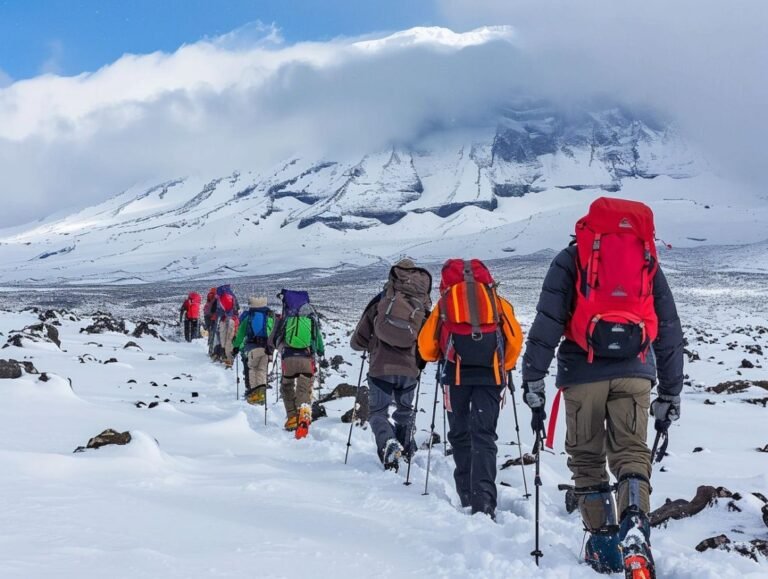
8 Day Lemosho Route – 7 July Group Departure Kilimanjaro Climb 2027
start an incredible 8-day Lemosho Route trek up Mount Kilimanjaro with the Climb 4 Africa group departure on July 7, 2027. This itinerary offers a fantastic balance of acclimatization...
View package details
6 Day Machame Route – 26 October Kilimanjaro Group Climb 2026-2027
Discover the details of the 6-day Machame Route Kilimanjaro group climb scheduled for October 26, 2026. This comprehensive guide covers itinerary, preparation, what to expect, and booking...
View package detailsKilimanjaro Climb July – Peak Dry-Season Group Departures 2027
Kilimanjaro Climb July 2027 – Peak Dry-Season Group Departures is explained with current 2027 planning, price, itinerary and booking information.
View package details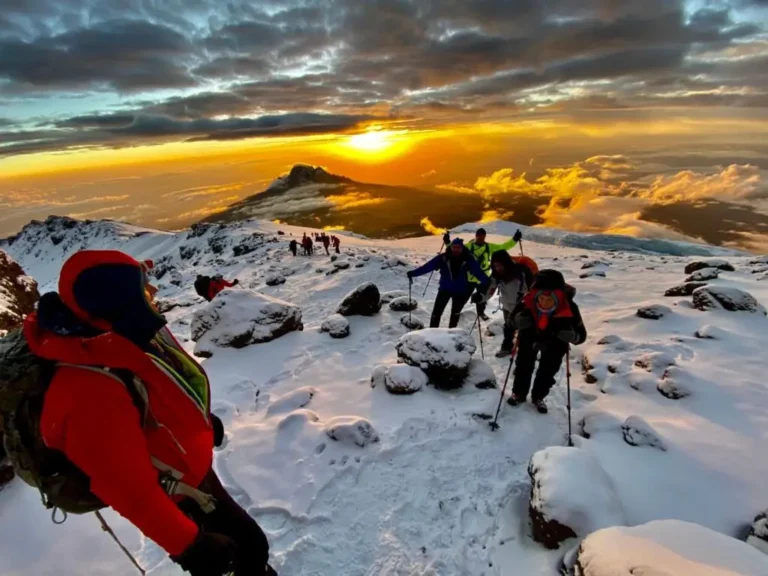
Marangu Route – 26 June Kilimanjaro Group Climb 2027
Marangu Route – 26 June 2027 Kilimanjaro Group Climb is explained with current 2027 planning, price, itinerary and booking information.
View package details7 Day Machame Route – 19 June Kilimanjaro Group Departure 2027
Planning to climb Kilimanjaro on the Machame Route in a group setting? This 7-day departure on June 19, 2027, offers a balanced approach to acclimatization and scenery. Learn what to...
View package detailsLemosho Route – 7 August Summer Group Climb: Your Kilimanjaro Adventure 2027
start a memorable Lemosho Route – 7 August 2027 Summer Group Climb up Mount Kilimanjaro. This guide covers the itinerary, acclimatization, and preparation for your ascent.
View package detailsLemosho Route – 28 August Kilimanjaro Group Climb 2027
Lemosho Route – 28 August 2027 Kilimanjaro Group Climb is explained with current 2027 planning, price, itinerary and booking information.
View package detailsMachame Route – 14 August Peak-Season Group Climb 2027
Discover the details of a Machame Route group climb on Kilimanjaro scheduled for August 14, 2027. This peak season departure offers an excellent opportunity to trek one of Kilimanjaro's...
View package detailsLemosho Route – 12 August Kilimanjaro Group Climb With 4 Africa 2027
A detailed guide to the Lemosho Route Kilimanjaro climb for the 12 August 2027 group departure, covering itinerary, acclimatization, challenges, and what to expect with Climb 4 Africa.
View package details7 Day Machame Route – 3 August Group Departure For Kilimanjaro 2027
Secure your spot on the 7 Day Machame Route Kilimanjaro group trek departing on August 3, 2027. This popular route offers a fantastic balance of scenic beauty and acclimatization for a...
View package detailsLemosho Route 12 June – Kilimanjaro Group Climb 2027
Lemosho Route 12 June 2027 – June Kilimanjaro Group Climb is explained with current 2027 planning, price, itinerary and booking information.
View package details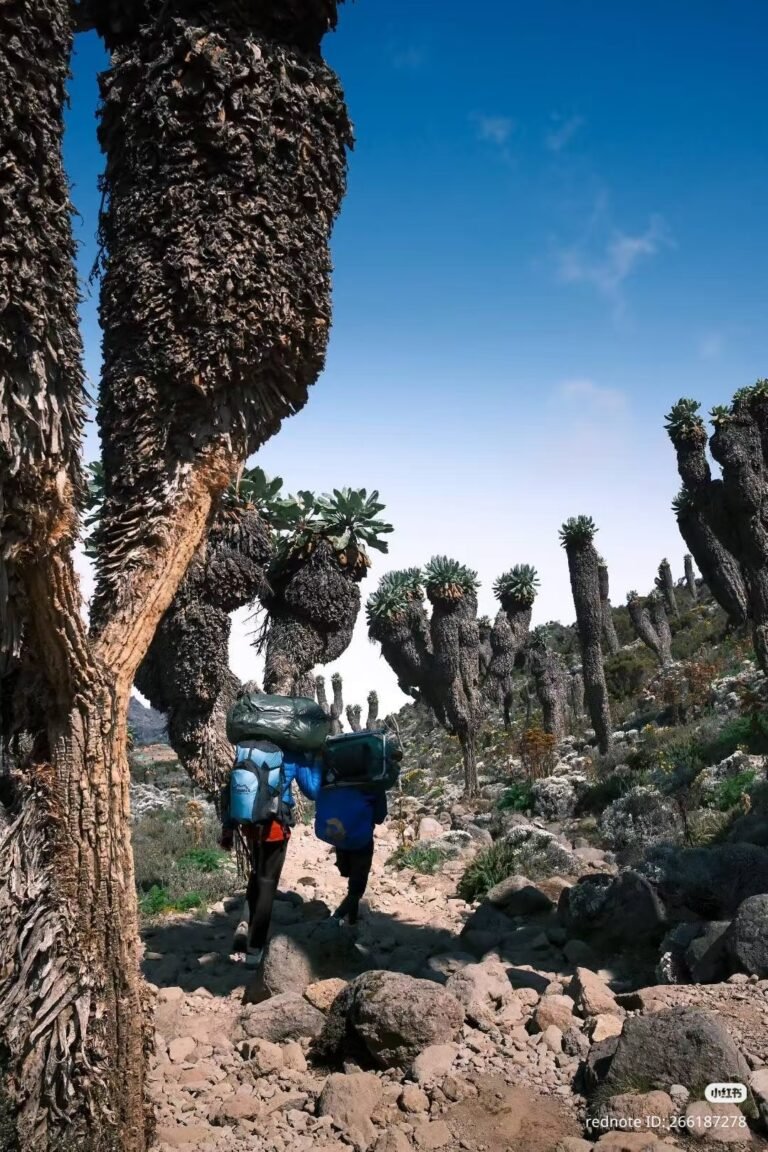
7 Day Machame Route – 7 December Group Departure | Your Kilimanjaro Climb
Plan your Kilimanjaro ascent on the popular 7-day Machame Route with a group departure on December 7, 2026. This guide covers the trek's highlights, challenges, and what to expect when...
View package detailsNo related package matches those filters. Clear one or more filters to see the other topic-matched options.



