
Choosing between a 5-day and a 6-day Marangu Route Kilimanjaro climb in 2026 or 2027 hinges on your priorities: speed versus acclimatization. The 5-day option is quicker and more budget-friendly, but significantly increases the risk of altitude sickness due to rushed ascents. The 6-day itinerary offers a more gradual pace, dedicating an extra day to acclimatization, which substantially improves your chances of reaching Uhuru Peak safely and comfortably. For most trekkers, especially those new to high altitudes, the 6-day Marangu Route is the recommended choice for a more enjoyable and successful summit attempt.
Kilimanjaro’s Marangu Route: The Iconic ‘Coca-Cola’ Trail
The Marangu Route, often affectionately nicknamed the ‘Coca-Cola’ trail due to its popularity and ease of access, is one of Kilimanjaro’s oldest and most established trekking paths. It’s renowned for its unique accommodation in huts rather than tents, offering a more comfortable camping experience. This route is also one of the most direct ways to ascend the mountain, and it’s the only route that allows for a circular descent, meaning you ascend and descend via the same path. When considering a climb in 2026 or 2027, the Marangu Route presents a distinct choice regarding duration: a rapid 5-day trek or a more measured 6-day journey. Understanding the nuances of these two durations is paramount for a successful and memorable Kilimanjaro expedition.
This page is dedicated to dissecting the critical differences between the 5-day and 6-day Marangu Route options. We’ll explore the implications of each duration on acclimatization, success rates, the trekking experience, and overall cost. By the end, you’ll have a clear understanding of which option best aligns with your fitness, budget, and personal goals for your 2026-2027 Kilimanjaro adventure.
The Marangu Route: A Brief Overview
Before diving into the duration debate, it’s essential to grasp what makes the Marangu Route unique. As mentioned, it’s the only route that offers dormitory-style hut accommodation, providing a significant advantage in terms of comfort and protection from the elements. These huts typically consist of basic rooms with bunk beds, a communal dining area, and sometimes basic toilet facilities. This aspect alone makes the Marangu Route appealing to trekkers who prefer not to rough it in tents for a week.
The Marangu Route starts at the Marangu Gate on Kilimanjaro’s southeastern side and follows a relatively gentle ascent profile, especially in the initial stages. It passes through five distinct ecological zones: rainforest, heath, moorland, alpine desert, and arctic summit. The path is well-trodden and often described as more of a ‘walk’ than a ‘climb’ in its lower sections, making it seem accessible. However, the altitude and the final push to the summit remain formidable challenges, regardless of the route’s perceived ease.
The route’s popularity means it can be busier than some of the other Kilimanjaro treks. However, its accessibility and the unique hut accommodation continue to draw a significant number of trekkers each year, including those planning for climbs in 2026 and 2027. The choice of duration, therefore, becomes a critical decision point within this popular framework.
Marangu Route: 5 Days vs. 6 Days – The Core Difference
At its heart, the distinction between the 5-day and 6-day Marangu Route itineraries boils down to a single, crucial extra day. This extra day is not just added randomly; it’s strategically placed to enhance acclimatization. Let’s break down how this plays out:
- 5-Day Marangu Route: This itinerary is designed for speed. It involves longer trekking days and a more rapid ascent profile. The goal is to get you to the summit and back down as quickly as possible, often appealing to those with limited time or a desire for a faster challenge.
- 6-Day Marangu Route: This itinerary incorporates an additional day, typically between Horombo Huts and Kibo Huts, or by extending a day at Horombo Huts. This slower pace allows your body more time to adjust to the decreasing oxygen levels as you gain altitude.
The ‘pole pole’ (slowly, slowly) philosophy is fundamental to Kilimanjaro trekking, and the 6-day itinerary embodies this principle far more effectively than the 5-day version. While the 5-day option might seem attractive for its brevity and potential cost savings, it comes with a significantly higher risk of altitude sickness, which can derail your entire expedition. For trekkers contemplating their climb in 2026 or 2027, understanding this fundamental trade-off between speed and safety is the first step.
The 5-Day Marangu Route Itinerary: Pros and Cons
The 5-day Marangu Route is the most accelerated way to tackle Kilimanjaro via this path. It’s often chosen by trekkers who feel confident in their physical condition and acclimatization ability, or those on a tight schedule. Let’s look at the typical itinerary and its implications:
Typical 5-Day Marangu Route Itinerary:
- Day 1: Marangu Gate (1,860m/6,100ft) to Mandara Huts (2,700m/8,860ft)
- Day 2: Mandara Huts (2,700m/8,860ft) to Horombo Huts (3,700m/12,140ft)
- Day 3: Horombo Huts (3,700m/12,140ft) to Kibo Huts (4,700m/15,400ft)
- Day 4: Kibo Huts (4,700m/15,400ft) – Summit (Uhuru Peak, 5,895m/19,341ft) – Horombo Huts (3,700m/12,140ft)
- Day 5: Horombo Huts (3,700m/12,140ft) to Marangu Gate (1,860m/6,100ft)
Pros of the 5-Day Marangu Route:
- Speed: It’s the quickest way to summit Kilimanjaro via the Marangu Route, ideal if you have limited vacation time for your 2026-2027 travel plans.
- Cost: Generally, shorter treks incur fewer operational costs (park fees, crew wages, food), making it a more budget-friendly option.
- Sense of Accomplishment: Completing the climb in a shorter timeframe can provide a significant psychological boost.
Cons of the 5-Day Marangu Route:
- High Altitude Sickness Risk: This is the most significant drawback. The rapid ascent does not allow the body sufficient time to acclimatize properly. Symptoms can range from mild headaches and nausea to severe, life-threatening conditions like High Altitude Pulmonary Edema (HAPE) or High Altitude Cerebral Edema (HACE).
- Lower Success Rate: Due to the increased risk of altitude sickness and exhaustion from longer daily treks, the summit success rate for the 5-day Marangu Route is considerably lower compared to longer itineraries. Many trekkers are forced to turn back before reaching the summit.
- Less Enjoyable Experience: Pushing too hard too fast can detract from the overall enjoyment of the trek. You might feel constantly fatigued and unwell, missing out on appreciating the stunning scenery and the unique mountain environment.
- Less Time for Scenery: With longer trekking days and less time spent at higher altitudes, you might feel rushed, with less opportunity to stop, rest, and truly absorb the changing landscapes.
For anyone considering the 5-day option for their 2026-2027 Kilimanjaro climb, a thorough self-assessment of your physical condition and prior experience with high altitudes is absolutely essential. It is not a route recommended for beginners or those with any underlying health concerns.
The 6-Day Marangu Route Itinerary: Pros and Cons
The 6-day Marangu Route is the most commonly recommended and statistically more successful option for this path. The added day provides crucial breathing room for your body to adapt to the thinning air, making the ascent more comfortable and significantly increasing your chances of reaching the summit.
Typical 6-Day Marangu Route Itinerary:
There are slight variations, but a common 6-day itinerary includes an extra day at Horombo Huts for acclimatization:
- Day 1: Marangu Gate (1,860m/6,100ft) to Mandara Huts (2,700m/8,860ft)
- Day 2: Mandara Huts (2,700m/8,860ft) to Horombo Huts (3,700m/12,140ft)
- Day 3: Horombo Huts (3,700m/12,140ft) – Acclimatization Day (e.g., day hike to Mawenzi Ridge and back)
- Day 4: Horombo Huts (3,700m/12,140ft) to Kibo Huts (4,700m/15,400ft)
- Day 5: Kibo Huts (4,700m/15,400ft) – Summit (Uhuru Peak, 5,895m/19,341ft) – Horombo Huts (3,700m/12,140ft)
- Day 6: Horombo Huts (3,700m/12,140ft) to Marangu Gate (1,860m/6,100ft)
Alternatively, some 6-day itineraries add a day between Mandara and Horombo, or between Horombo and Kibo, by breaking up the longer stages.
Pros of the 6-Day Marangu Route:
- Improved Acclimatization: The extra day significantly aids the body’s adjustment to high altitude, reducing the likelihood of altitude sickness.
- Higher Summit Success Rate: This is the most compelling reason for choosing the 6-day option. Trekkers are generally healthier, stronger, and more capable of making the summit push.
- More Enjoyable Trek: The slower pace allows for a more relaxed and enjoyable experience. You can take in the scenery, appreciate the journey, and feel less physically strained.
- Better for Beginners: It is highly recommended for first-time high-altitude trekkers or those with less experience in strenuous mountain environments, even for a 2026-2027 climb.
- More Time to Appreciate Scenery: The extended duration allows for more stops, better photo opportunities, and a deeper connection with the mountain’s diverse ecosystems.
Cons of the 6-Day Marangu Route:
- Higher Cost: The additional day means increased costs for park fees, crew salaries, food, and accommodation. This makes it more expensive than the 5-day option.
- Longer Time Commitment: Requires an extra day of your vacation, which might be a consideration for some travelers planning their 2026-2027 trips.
For the vast majority of trekkers aiming for Kilimanjaro in 2026 or 2027, the 6-day Marangu Route offers a superior balance of challenge, comfort, and success probability. The slightly higher cost and time commitment are generally considered worthwhile investments for a safer and more rewarding summit experience.
Acclimatization: The Critical Factor for Summit Success
Altitude sickness, or Acute Mountain Sickness (AMS), is the primary obstacle on any Kilimanjaro climb. It occurs when your body doesn’t have enough time to adjust to the lower atmospheric pressure and reduced oxygen levels at higher elevations. The rate of ascent is the single most critical factor influencing whether you develop AMS.
How Altitude Affects the Body: As you ascend, the air pressure drops, meaning there are fewer oxygen molecules per breath. Your body needs time to produce more red blood cells to carry oxygen more efficiently. This process takes days, not hours. Pushing too high, too fast, without allowing your body to adapt can lead to symptoms like:
- Headaches
- Nausea and vomiting
- Dizziness
- Fatigue
- Loss of appetite
- Difficulty sleeping
In severe cases, AMS can progress to HAPE (fluid in the lungs) or HACE (fluid in the brain), which are life-threatening emergencies. The only definitive treatment for severe AMS is immediate descent.
The 5-Day vs. 6-Day Impact:
- 5-Day Route: This itinerary involves rapid ascents, particularly on Day 3 (Horombo to Kibo) and Day 4 (summit day). The climb from Horombo Huts (3,700m) to Kibo Huts (4,700m) is a significant jump of 1,000 meters in a single day. This is a very aggressive ascent profile that greatly increases AMS risk.
- 6-Day Route: By adding an extra day, typically at Horombo Huts, trekkers gain invaluable time for their bodies to adjust. An acclimatization day often involves a short hike to a higher elevation (e.g., towards Mawenzi Ridge) and then returning to sleep at a lower altitude. This ‘climb high, sleep low’ principle is a cornerstone of effective altitude acclimatization. It allows your body to produce more red blood cells and adapt to the thinner air before making the next major ascent to Kibo Huts.
When planning your 2026 or 2027 climb, prioritize itineraries that emphasize acclimatization. The 6-day Marangu Route is far superior in this regard. While the 5-day option might appeal to some, the gamble with your health and success is simply not worth it for most trekkers.
Summit Success Rates: Duration’s Impact
Success rates on Kilimanjaro are often discussed, and while there’s no single definitive statistic that applies to every operator or every trekker, general trends are clear. The duration of your trek is one of the most significant factors influencing your chances of reaching Uhuru Peak.
Why Duration Matters for Success:
- Acclimatization: As discussed, longer itineraries provide better acclimatization, meaning fewer trekkers suffer from debilitating altitude sickness that forces them to turn back.
- Physical Stamina: Shorter, faster treks often involve longer, more strenuous daily hiking. This can lead to exhaustion, which further compromises your ability to cope with altitude and makes the final summit push even more challenging.
- Mental Preparedness: A slower pace allows for more rest, better hydration and nutrition, and a generally more positive physical and mental state, all crucial for the demanding final ascent.
General Success Rate Comparisons:
- 5-Day Marangu Route: Summit success rates are generally reported to be in the 30-50% range. This is significantly lower than other routes and durations.
- 6-Day Marangu Route: Success rates typically rise to the 60-75% range. This demonstrates the tangible benefit of that extra day for acclimatization and overall well-being.
- Longer Routes (e.g., 7-day Lemosho, 7-day Machame): These routes, which are not Marangu, often boast success rates exceeding 80-90% due to even more gradual acclimatization profiles.
While Climb 4 Africa focuses on the Marangu Route for this discussion, it’s worth noting that for many trekkers, longer routes on other paths offer even higher success rates. However, within the Marangu Route framework, the 6-day itinerary is undeniably the better choice for maximizing your chances of summit success in 2026 or 2027. It’s a strategic investment in your goal.
Important Note: Success rates can vary greatly depending on the tour operator’s quality, the guide’s experience, the fitness of the individual trekker, and adherence to ‘pole pole’ principles. However, the duration’s impact is a consistent trend across the industry.
What to Expect on the Marangu Route Trail
Regardless of whether you choose the 5-day or 6-day option, the Marangu Route offers a unique trekking experience. Understanding the day-to-day progression will help you prepare mentally and physically for your 2026-2027 climb.
Day 1: Marangu Gate to Mandara Huts
The trek begins at the Marangu Gate (1,860m). The initial walk is through a dense, beautiful rainforest. The path is generally well-maintained, though it can be muddy, especially during the rainy seasons. You’ll likely hear the calls of various birds and might even spot colobus monkeys. The ascent to Mandara Huts (2,700m) is a steady climb, taking approximately 3-5 hours. The huts are located in the forest, offering a pleasant first night.
Day 2: Mandara Huts to Horombo Huts
Today, you leave the rainforest behind and enter the heath and moorland zones. The vegetation becomes sparser, with giant heathers, senecios, and lobelias becoming more common. The trail starts to gain altitude more noticeably. You’ll likely get your first dramatic views of Kilimanjaro’s peaks, Kibo and Mawenzi, if the weather is clear. This trek takes about 5-7 hours to reach Horombo Huts (3,700m). Horombo is a busier campsite situated in a valley, offering more expansive views.
Day 3: Acclimatization Day (6-Day Itinerary) or Horombo to Kibo (5-Day Itinerary)
For the 6-Day Itinerary: This is your crucial acclimatization day. You’ll typically take a short hike up towards Mawenzi Ridge (around 4,300m) and then descend back to Horombo Huts to sleep. This ‘climb high, sleep low’ strategy is vital. The day is less strenuous than other trekking days, allowing your body to adapt.
For the 5-Day Itinerary: This is a significant trekking day. You’ll ascend from Horombo Huts (3,700m) to Kibo Huts (4,700m) via the ‘saddle’ – the alpine desert plains between the two peaks. This is a long, exposed trek (around 5-7 hours) that climbs 1,000 meters in altitude, significantly increasing the risk of altitude sickness.
Day 4: Summit Night! (Kibo Huts to Uhuru Peak and down to Horombo Huts)
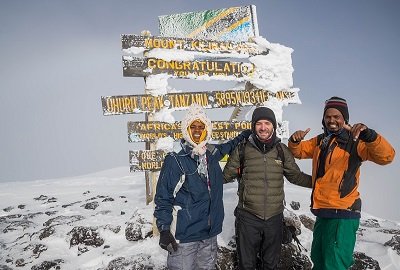
This is the most challenging day and night. For both 5-day and 6-day itineraries, summit night typically begins around midnight from Kibo Huts (4,700m). You’ll trek up steep scree slopes in the dark, often in single file, guided by your headlamps. The goal is to reach Stella Point (5,756m) by sunrise, and then continue the final push to Uhuru Peak (5,895m), the highest point in Africa. This ascent is slow and demanding due to the altitude, cold, and exhaustion. After celebrating at the summit, you begin the long descent back to Kibo Huts for a short rest before continuing down to Horombo Huts (3,700m). This is a very long day, often 10-15 hours of trekking.
Day 5: Horombo Huts to Marangu Gate
This is the final descent day. You’ll trek from Horombo Huts (3,700m) all the way back down to Marangu Gate (1,860m). The descent through the heath and rainforest is usually quicker than the ascent, taking about 5-7 hours. You’ll likely feel a mix of relief, exhaustion, and accomplishment as you reach the gate and receive your summit certificate.
Day 6: (Only for 6-Day Itinerary) Horombo Huts to Marangu Gate
In the 6-day itinerary, Day 5 typically involves trekking from Kibo Huts to Horombo Huts, allowing for a more relaxed descent on Day 6. This final day’s descent is similar to Day 5 of the 5-day itinerary, taking around 5-7 hours from Horombo Huts to Marangu Gate.
The Marangu Route’s scenery is diverse, progressing from lush rainforest to stark alpine desert. The key difference in experience between the 5-day and 6-day options lies in the pace and the added comfort of acclimatization on the longer trek.
Accommodation and Comfort: Huts vs. Tents
One of the defining features of the Marangu Route, and a significant factor for many trekkers, is its accommodation: simple, dormitory-style huts. This contrasts sharply with other Kilimanjaro routes that rely entirely on tent camping.
Marangu Route Huts:
- Structure: The huts are basic brick buildings with tin roofs. Inside, you’ll find bunk beds with mattresses. You’ll need to bring your own sleeping bag and potentially a liner for warmth and comfort.
- Facilities: Rooms are typically shared, sleeping 6-8 people. There are communal dining areas where meals are served by your crew. Toilets are usually basic pit latrines located a short distance from the huts. Running water is generally not available at the huts themselves, so water is carried up by porters or collected from nearby streams (and treated).
- Comfort Level: Compared to camping, huts offer superior protection from rain, wind, and cold. They provide a solid roof and a defined sleeping space, which can feel more secure and comfortable, especially during challenging weather. The communal dining areas foster a sense of camaraderie among trekkers.
- Temperature: While warmer than tents, the huts can still get very cold at night, especially at higher altitudes like Kibo Huts. Proper sleeping gear is essential.
Comparison to Tent Camping (Other Routes):
- Tents: Offer more privacy and can be pitched in more secluded locations. However, they provide less insulation against the cold and are more susceptible to wind and rain. Setting up and taking down tents daily is part of the crew’s job on other routes.
- Campsites: Campsites on other routes are often more spread out, offering a wilder, more in-depth wilderness experience.
Why this matters for 5 vs. 6 days: The hut accommodation on the Marangu Route is constant, regardless of the duration. The difference in comfort between the 5-day and 6-day options is not about the sleeping arrangements but about the physical toll the ascent takes. The 6-day itinerary, with its better acclimatization, ensures you’ll feel more capable of enjoying the relative comfort the huts provide, rather than being too sick or exhausted to appreciate it.
For trekkers planning their 2026-2027 climb, the choice of huts can be a significant draw. However, it’s crucial not to let this comfort overshadow the importance of acclimatization. The 6-day Marangu Route balances the comfort of huts with the necessity of a safe ascent.
Cost Considerations: 5-Day vs. 6-Day Marangu Route
When planning any international trip, especially one as significant as climbing Kilimanjaro, budget is always a key consideration. The duration of your trek directly impacts the overall cost, primarily due to park fees and operational expenses.
Factors Influencing Cost:
- Park Fees: Kilimanjaro National Park fees are charged per person, per day. Therefore, a longer trek incurs more days of park fees.
- Crew Wages: Guides, porters, and cooks are paid for the duration of the trek. An extra day means an extra day’s wages for the entire support team.
- Food and Supplies: More days on the mountain mean more food and supplies are needed.
- Logistics: Transport to and from the gate, accommodation before and after the climb, and other logistical elements can be influenced by the trek length.
Cost Comparison: 5-Day vs. 6-Day Marangu Route
- 5-Day Marangu Route: This is generally the less expensive option. The shorter duration translates to fewer days of park fees and lower operational costs for the tour operator. If budget is your absolute primary concern for a 2026-2027 climb, the 5-day trek might seem more appealing.
- 6-Day Marangu Route: This option is more expensive due to the additional day. The increase in cost is directly proportional to the extra day’s park fees, crew wages, and provisions.
The Value Proposition: While the 5-day trek is cheaper upfront, it’s crucial to consider the ‘value’ derived from each option. The 6-day itinerary, at a higher cost, offers a substantially increased chance of summit success and a more enjoyable, safer experience. Many trekkers find that the extra investment in the 6-day climb pays dividends in terms of achieving their goal and avoiding the severe disappointment and potential health risks associated with a failed summit attempt on the 5-day route.
What to Look For in Pricing: When comparing prices for 2026-2027 climbs, ensure you understand what is included. Reputable operators like Climb 4 Africa typically include:
- Park entry fees
- Camping/hut fees
- All meals on the mountain
- Experienced guides and support crew
- Porters (for equipment, not personal bags on Marangu)
- Tents (on other routes) or hut accommodation (Marangu)
- Treated drinking water
- Temporary shelters for eating
- Emergency oxygen and first-aid kit
- Transfer to and from Kilimanjaro
Exclusions often include flights, visas, travel insurance, personal gear, tips for the crew, and optional items like sleeping bags or walking poles.
Ultimately, the decision between the 5-day and 6-day Marangu Route often comes down to balancing budget with the desire for a safe and successful climb. For most, the 6-day option provides better value in the long run.
Who is Each Marangu Route Duration For?
Understanding the typical trekker profile for each duration helps solidify which option might be best for your personal circumstances when planning a 2026 or 2027 climb.
The 5-Day Marangu Route is best suited for:
- Time-Constrained Trekkers: Individuals who absolutely cannot spare an extra day for their trip.
- Experienced High-Altitude Trekkers: Those who have previously ascended to similar altitudes and have a proven ability to acclimatize quickly.
- Budget-Conscious Trekkers (with caution): Those whose primary limiting factor is budget, but who understand and accept the significantly increased risks involved.
- Those seeking a faster challenge: Some individuals are motivated by completing the trek in the shortest possible time.
It is NOT recommended for: Beginners, those with any health concerns, or anyone prioritizing a comfortable and successful summit experience.
The 6-Day Marangu Route is best suited for:
- First-Time Kilimanjaro Climbers: It offers a more forgiving introduction to high-altitude trekking.
- Trekkers Prioritizing Success: Those who want to maximize their chances of reaching Uhuru Peak.
- Individuals Seeking a More Comfortable Experience: The slower pace reduces physical strain and allows for better enjoyment of the journey.
- Anyone concerned about altitude sickness: This itinerary directly addresses the risks associated with altitude.
- Most Travelers planning for 2026-2027: It represents the standard, recommended approach for the Marangu Route.
It is ideal for: Anyone looking for a balanced, safer, and more rewarding Kilimanjaro experience, even if it means a slightly higher cost and one extra day.
The decision is personal, but the evidence strongly favors the 6-day itinerary for the majority of people aiming to climb Kilimanjaro in 2026 or 2027.
Planning Your 2026-2027 Marangu Route Climb
Regardless of whether you opt for the 5-day or 6-day Marangu Route, thorough planning is key to a successful expedition. Here are some essential considerations for your 2026-2027 climb:
Best Time to Climb:
The dry seasons offer the best weather conditions and are generally considered the peak seasons for climbing Kilimanjaro. These are:
- January to March: Cold, clear weather. Good for the 6-day Marangu Route.
- June to October: Cooler and drier, often considered ideal by many. Excellent for both 5-day and 6-day options, though the 6-day is still preferred.
The rainy seasons (April-May and November-December) are less predictable and can make trekking more challenging due to mud and poor visibility. However, they are also less crowded and can be cheaper.
Physical Preparation:
While the Marangu Route is not technically difficult, the altitude is the main challenge. Focus on cardiovascular fitness. Activities like hiking (with a backpack), running, cycling, and swimming are excellent for building stamina. Practice hiking on varied terrain and inclines. If possible, do some multi-day hikes to simulate the trekking conditions.
Acclimatization Strategy:
As emphasized, choose the 6-day itinerary for better acclimatization. On the mountain, follow your guide’s advice strictly: walk ‘pole pole’ (slowly, slowly), drink plenty of water (3-4 liters per day), and avoid alcohol and caffeine. Inform your guide immediately if you experience any symptoms of altitude sickness.
Gear and Packing:
Proper gear is non-negotiable. For the Marangu Route, essential items include:
- Layered Clothing: Base layers (thermal), mid-layers (fleece), and an outer waterproof/windproof shell.
- Warm Sleeping Bag: Rated for at least -10°C to -20°C (0°F to -4°F).
- Sturdy Hiking Boots: Broken-in and waterproof.
- Headlamp: With extra batteries for summit night.
- Sun Protection: High SPF sunscreen, sunglasses, wide-brimmed hat.
- Hydration: Water bottles or hydration reservoir (at least 3 liters capacity).
- Trekking Poles: Highly recommended for stability and reducing strain on knees.
- Personal First-Aid Kit: With any personal medications.
A detailed packing list will be provided by your tour operator.
Health and Vaccinations:
Consult your doctor or a travel clinic well in advance of your 2026-2027 trip regarding recommended vaccinations and malaria prophylaxis. Diamox (acetazolamide) can be prescribed to aid acclimatization, but it’s not a substitute for proper acclimatization strategies.
Travel Insurance:
Ensure your travel insurance covers high-altitude trekking and emergency medical evacuation. This is critical for any Kilimanjaro climb.
Booking Your Marangu Route Climb with Climb 4 Africa
Choosing the right tour operator is as important as choosing the right itinerary. Climb 4 Africa specializes in Kilimanjaro climbs and Tanzanian adventures, offering practical local support and expert guidance to ensure your 2026-2027 expedition is safe, successful, and memorable. We understand the critical importance of acclimatization and strongly recommend the 6-day Marangu Route for the best experience.
Why Choose Climb 4 Africa for Your Marangu Route Climb?
- Expert Local Knowledge: As a Tanzanian-based company, we have deep insights into Kilimanjaro and the local trekking environment.
- Focus on Safety: We prioritize your well-being with experienced guides trained in high-altitude medicine, well-equipped support crews, and emergency protocols.
- Quality Service: We are committed to providing excellent service, from initial inquiry to your final descent.
- Recommended Itineraries: We guide our clients towards the most sensible and successful itineraries, like the 6-day Marangu Route, to maximize their chances of summiting.
Next Steps for Booking Your 2026-2027 Climb:
Ready to plan your adventure on Kilimanjaro’s Marangu Route? Whether you’re leaning towards the 5-day or the recommended 6-day option, we’re here to help you make the best decision for your goals.
Contact us today to discuss your plans:
- WhatsApp: +255 747 477 898
- Email: climb4africa@gmail.com
When you reach out, please mention your preferred dates for 2026 or 2027, the number of people in your group, and any specific questions you have about the 5-day vs. 6-day Marangu Route. We can then provide you with detailed itinerary options, pricing, and answer all your queries to ensure you’re fully prepared for an incredible journey to the roof of Africa.
Check Availability for Marangu Route Kilimanjaro: 5 Vs 6 Days For Your Climb In 2026-2027
Ready to compare dates, prices, and the best option for your group? Send the package name and travel month so the team can reply with a clear quote, availability, and what is included.
Kilimanjaro Climb Machame Route : Expert Guide For Your Trek 2026-2027
Discover the ultimate guide to climbing Mount Kilimanjaro via the Machame Route for your 2026 or 2027 adventure. This comprehensive resource covers everything from choosing an itinerary and...
View package detailsKilimanjaro Routes: Which Is Best For Your Climb? 2026-2027
Choosing the right Kilimanjaro route is crucial for a successful and enjoyable climb. This comprehensive guide compares the main routes, helping you select the best option for your...
View package details
Momella Route Mount Meru 2026-2027
Momella Route Mount Meru is explained with current 2026-2027 planning, price, itinerary and booking information.
View package details
Mount Meru Trekking 3 Tage: Your Essential Planning Guide 2026-2027
A comprehensive guide to the 3-day Mount Meru trek, covering essential planning details for 2026-2027, including routes, preparation, what to expect, and booking advice.
View package details
3 Day Joining Safari Group Departures From Moshi: 2026
Discover convenient 3-day group safari departures from Moshi, perfect for maximizing your Tanzania adventure. Explore wildlife-rich parks like Tarangire, Manyara, or the Serengeti on shared...
View package detailsWhat To Expect On Your First Kilimanjaro Trek: A Comprehensive Guide 2026-2027
Planning your first climb up Kilimanjaro? This comprehensive guide covers everything you need to know, from choosing a route and preparing your body to what daily life on the mountain is...
View package details20 Natural Wonders In Africa You Need To See 2026-2027
Explore Africa's most spectacular natural wonders, from the majestic peaks of Kilimanjaro and the vast plains of the Serengeti to the unique landscapes of Namibia and the vibrant coral...
View package details15 Natural Wonders In Africa That Don’t Look Real | Climb 4 2026-2027
Africa is home to a stunning array of natural wonders that defy belief, appearing so surreal they seem plucked from another planet. This guide explores 15 of the continent's most...
View package detailsWhy Is Climbing Kilimanjaro So Expensive? 2026-2027
Why Is Climbing Kilimanjaro So Expensive? is explained with current 2026-2027 planning, price, itinerary and booking information.
View package detailsWhy Do People Travel From Around The World To Climb Kilimanjaro? 2026-2027
Why Do People Travel From Around the World to Climb Kilimanjaro? is explained with current 2026-2027 planning, price, itinerary and booking information.
View package detailsWhy Is Kilimanjaro One Of The World’s Most Famous Mountains? Your Planning
Kilimanjaro's fame stems from its status as the highest free-standing mountain, its accessibility to non-technical climbers, its iconic snow-capped summit, and its location in a biodiverse...
View package detailsWhy Do Thousands Of Travelers Visit Kilimanjaro Every Year? Your Expert Guide
Thousands of adventurers flock to Kilimanjaro each year, drawn by its status as Africa's highest peak and a bucket-list trekking challenge. This guide explores the compelling reasons behind...
View package detailsNo related package matches those filters. Clear one or more filters to see the other topic-matched options.



