
The Rongai Route Kilimanjaro offers both 6-day and 7-day itineraries, with the 7-day option generally recommended for better acclimatization and a higher success rate. The 6-day Rongai Route is a faster ascent, suitable for trekkers with prior high-altitude experience or those seeking a more challenging, quicker climb, while the 7-day version adds an extra day for a more gradual ascent, significantly improving acclimatization and enjoyment for most climbers planning for 2026 or 2027.
Understanding the Rongai Route: A Unique Kilimanjaro Ascent
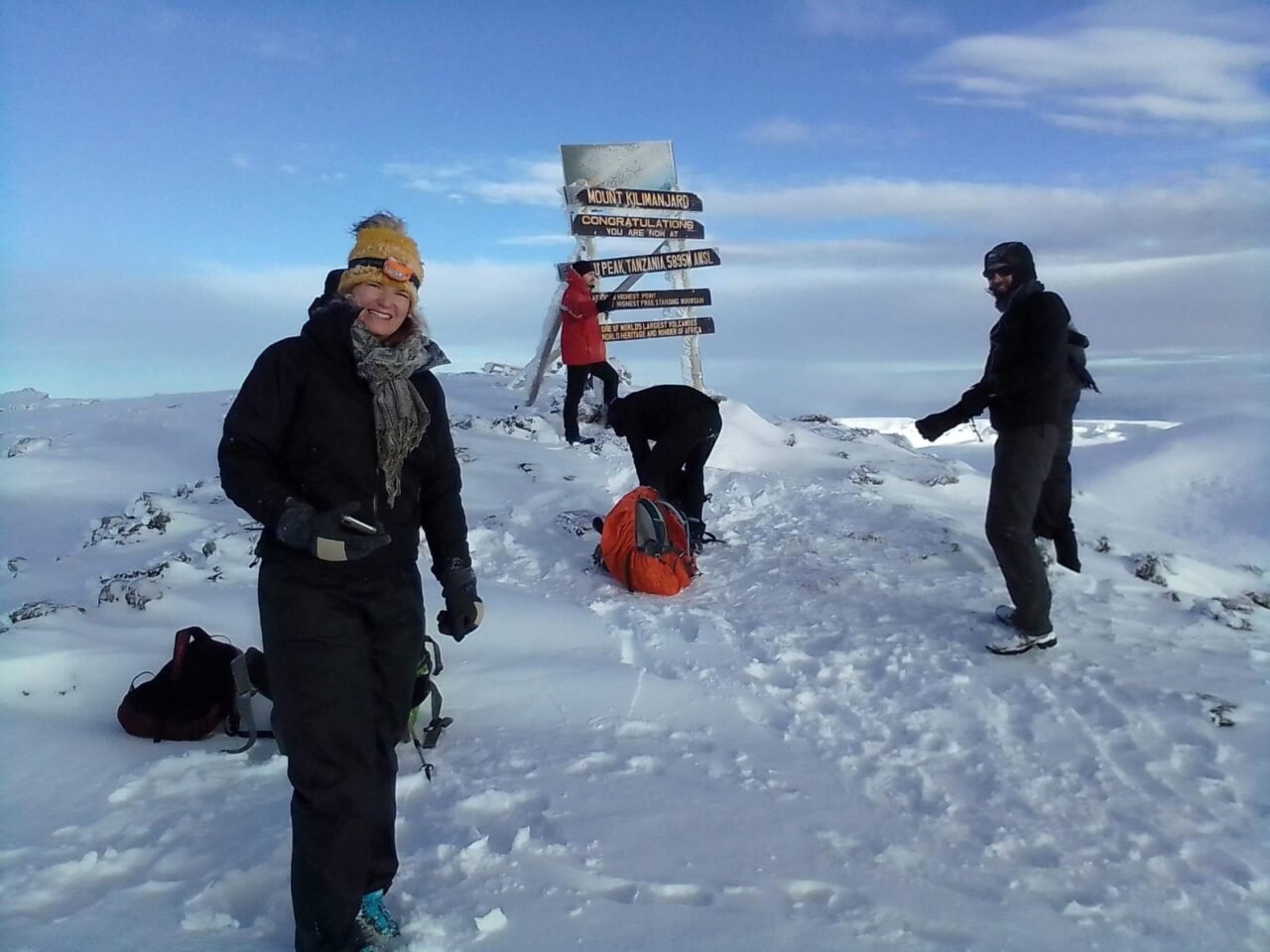
The Rongai Route stands out among Kilimanjaro’s trekking paths for several key reasons. It’s the only route that approaches the mountain from the north, near the Kenyan border, offering a distinct perspective and different scenery compared to the more popular southern routes. This unique positioning also means it experiences less rainfall, making it a viable option even during the wetter months, though the shoulder seasons in 2026 and 2027 will still offer the best weather windows. Unlike the Marangu Route, which uses huts, or the Machame and Lemosho routes that are generally busier, Rongai offers a more remote and less crowded trekking experience, especially in its initial stages. This sense of solitude can be a significant draw for trekkers seeking a more personal connection with the mountain. Climb 4 Africa understands that choosing the right route and duration is crucial for a successful and memorable Kilimanjaro climb, and the Rongai Route, in either its 6 or 7-day format, presents a compelling choice for many adventurers.
The Core Difference: Acclimatization and Success Rates
The fundamental distinction between the Rongai Route Kilimanjaro 6-day and 7-day options lies in their pace and, consequently, their impact on acclimatization. Kilimanjaro is a serious high-altitude trek, and the body’s ability to adapt to decreasing oxygen levels is paramount. This process, known as acclimatization, is directly influenced by how quickly you gain altitude.
Why Acclimatization Matters on Kilimanjaro
Altitude sickness (Acute Mountain Sickness – AMS) can affect anyone, regardless of fitness level. Symptoms range from mild headaches and nausea to severe and potentially life-threatening conditions like HAPE (High Altitude Pulmonary Edema) and HACE (High Altitude Cerebral Edema). The best defense against AMS is a slow, gradual ascent that allows your body time to adjust. This is where the extra day on the 7-day Rongai Route makes a significant difference.
In a 6-day Rongai itinerary, the days are packed more tightly, meaning you gain altitude at a faster rate. While this can appeal to those with limited time or a desire for a greater challenge, it inherently increases the risk of experiencing altitude sickness. The 7-day Rongai Route, on the other hand, incorporates an extra day, typically by extending one of the middle stages or adding a rest day, allowing for a more leisurely pace. This additional day provides your body with more time to acclimatize, significantly reducing the chances of severe altitude sickness and thereby boosting your overall chances of reaching the summit successfully. For trekkers planning their climb in 2026 or 2027, especially if high-altitude experience is limited, prioritizing acclimatization with the 7-day option is generally the wiser choice.
Rongai Route Kilimanjaro 6-Day Itinerary: The Quick Ascent
The 6-day Rongai Route is designed for trekkers who want to conquer Kilimanjaro efficiently. It’s a more demanding schedule that requires careful planning and a good level of fitness. This itinerary is often chosen by individuals who have previously trekked at high altitudes or who are looking for a faster, more intense challenge.
Typical 6-Day Rongai Route Itinerary Breakdown:
- Day 1: Nale Muru Gate to Simba Camp (Approx. 3-4 hours trekking)
- Day 2: Simba Camp to Kikelewa Caves (Approx. 4-6 hours trekking)
- Day 3: Kikelewa Caves to Mawenzi Tarn Camp (Approx. 3-5 hours trekking)
- Day 4: Mawenzi Tarn Camp to School Hut (Approx. 4-5 hours trekking)
- Day 5: Summit Day! School Hut to Uhuru Peak and descend to Horombo Huts (Approx. 7-8 hours ascent, 4-5 hours descent)
- Day 6: Horombo Huts to Marangu Gate (Approx. 5-6 hours trekking)
As you can see, the trek progresses quite rapidly. Day 4 involves reaching School Hut, the base camp for the summit push, and then the summit attempt is made the very next day. The descent is also swift, returning to Marangu Gate on Day 6. The primary trade-off here is the reduced acclimatization time. While the Rongai Route’s gradual initial ascent helps somewhat, compressing the climb into 6 days means less opportunity for the body to fully adapt, especially as you move through the alpine desert and arctic zones.
Who is the 6-Day Rongai Route Best For?
- Experienced high-altitude trekkers who understand their body’s response to altitude.
- Individuals with a very good level of cardiovascular fitness and excellent stamina.
- Trekkers with limited time who need to complete the climb within a specific 6-day window.
- Those seeking a more challenging and faster ascent, understanding the increased risk of altitude sickness.
For those considering the 6-day Rongai Route for a 2026 or 2027 climb, it’s essential to be honest about your physical condition and altitude experience. It’s not a route to underestimate, even with its shorter duration.
Rongai Route Kilimanjaro 7-Day Itinerary: The Acclimatization Advantage
The 7-day Rongai Route is the most commonly recommended version for good reason: it prioritizes acclimatization, which is key to a successful and enjoyable summit bid. This itinerary spreads the trek over an additional day, allowing for a more relaxed pace and better physiological adaptation to the increasing altitude.
Typical 7-Day Rongai Route Itinerary Breakdown:
- Day 1: Nale Muru Gate to Simba Camp (Approx. 3-4 hours trekking)
- Day 2: Simba Camp to Kikelewa Caves (Approx. 4-6 hours trekking)
- Day 3: Kikelewa Caves to Mawenzi Tarn Camp (Approx. 3-5 hours trekking)
- Day 4: Mawenzi Tarn Camp to School Hut (Approx. 4-5 hours trekking)
- Day 5: Acclimatization Day / Short Hike from School Hut (Crucial for adaptation)
- Day 6: Summit Day! School Hut to Uhuru Peak and descend to Horombo Huts (Approx. 7-8 hours ascent, 4-5 hours descent)
- Day 7: Horombo Huts to Marangu Gate (Approx. 5-6 hours trekking)
Notice that Day 5 in the 7-day itinerary is often dedicated to acclimatization, perhaps with a short hike around School Hut or simply a rest day at altitude. This strategically placed day allows your body to adjust better before the demanding summit push on Day 6. Some 7-day itineraries might also split the ascent to School Hut into two shorter days, further slowing the pace. The extra day provides a buffer, reducing fatigue and the likelihood of succumbing to altitude sickness. This makes the 7-day Rongai Route a far more comfortable and safer option for the majority of trekkers aiming for Kilimanjaro in 2026 or 2027.
Who is the 7-Day Rongai Route Best For?
- First-time high-altitude trekkers.
- Anyone prioritizing a higher chance of summit success and a more enjoyable experience.
- Trekkers who want to minimize the risk of altitude sickness.
- Those who appreciate a slightly more relaxed pace and the opportunity to soak in the scenery.
- Climbers who may not have extensive prior high-altitude trekking experience but are fit and determined.
When planning your 2026 or 2027 Kilimanjaro adventure, the 7-day Rongai Route is the default recommendation from most experienced operators, including Climb 4 Africa, for these very reasons.
Comparing the Rongai Route: 6 vs. 7 Days Side-by-Side
To help clarify the decision-making process for your 2026-2027 Kilimanjaro climb, let’s lay out the key differences between the 6-day and 7-day Rongai Route side-by-side.
| Feature | Rongai Route 6-Day | Rongai Route 7-Day |
|---|---|---|
| Duration | 6 Days / 5 Nights on the mountain | 7 Days / 6 Nights on the mountain |
| Acclimatization Pace | Faster, more aggressive pace | Slower, more gradual pace with an extra acclimatization day |
| Summit Success Rate | Generally lower due to reduced acclimatization | Significantly higher due to better acclimatization |
| Risk of Altitude Sickness | Higher | Lower |
| Physical Demand | Higher, more strenuous | Moderate to High, more manageable |
| Scenery Enjoyment | Can be rushed | More time to appreciate the diverse landscapes |
| Cost (approximate) | Slightly lower (fewer guide/porter days) | Slightly higher (additional day’s logistics) |
| Ideal For | Experienced high-altitude trekkers, time-constrained climbers | Most first-time trekkers, those prioritizing success & enjoyment |
While the 6-day Rongai Route might seem appealing for its brevity and slightly lower cost, the 7-day option consistently proves its value through improved acclimatization and a greater likelihood of reaching Uhuru Peak. For most clients of Climb 4 Africa planning a trip for 2026 or 2027, the 7-day Rongai Route is the logical and recommended choice.
The Rongai Route’s Unique Landscape and Scenery
One of the defining characteristics of the Rongai Route is its approach from the north, offering a different visual experience compared to the bustling southern routes. The initial days are spent trekking through semi-arid plains and agricultural land, gradually transitioning into montane forest. This less-trafficked approach means you often encounter fewer trekkers, allowing for a more intimate experience with the mountain’s diverse ecosystems.
Rongai’s Advantage in Wetter Seasons
Because the Rongai Route starts on the dry northern side of Kilimanjaro, it is often considered a good option even during the rainy seasons (April-May and November). While no route is completely immune to rain, the northern slopes tend to be significantly drier than the southern ones. This makes the Rongai Route a flexible choice for trekkers aiming for 2026 or 2027 who might have less flexibility with their travel dates and could potentially encounter some rain.
As you ascend, the scenery evolves dramatically. You’ll pass through heath and moorland zones before entering the alpine desert, a starkly beautiful landscape characterized by sparse vegetation and dramatic rock formations. The route eventually converges with the Marangu Route near Kibo Hut, and from this point onwards, the scenery is the same as experienced on other routes – the stark, otherworldly terrain of the arctic zone leading to the summit. However, the journey to reach this convergence point is unique to Rongai, offering a quieter, more secluded experience for much of the climb.
Practicalities of the Rongai Route: What to Expect
Beyond the duration, several practical aspects define the Rongai Route experience. Understanding these can help you prepare better for your 2026 or 2027 climb.
Camping vs. Huts
Unlike the Marangu Route (the ‘Coca-Cola’ route), which utilizes basic huts, the Rongai Route is a camping route. This means you will be sleeping in tents throughout your trek. Climb 4 Africa provides high-quality, durable tents, along with sleeping mats. You will need to bring your own sleeping bag and be prepared for camping. This is standard for most Kilimanjaro routes except Marangu. The camping experience adds to the adventure and the feeling of being truly immersed in the mountain environment.
Starting Point and Gate
The Rongai Route begins at the Nale Muru gate. From here, you’ll typically trek for a few hours on the first day to reach Simba Camp. The route converges with the Marangu route higher up, and the descent is usually via the Marangu route, finishing at Marangu Gate. This means you will be picked up from Marangu Gate, not Nale Muru, after your trek concludes.
Scenery Evolution
As mentioned, the Rongai’s northern approach offers unique early-stage scenery. Expect to see local villages and farms in the initial stages, followed by drier scrubland and eventually the alpine zones. The views of Mawenzi, Kilimanjaro’s second peak, are particularly stunning from the Rongai.
Crowds
The Rongai Route is generally less crowded than the Machame or Lemosho routes. This is especially true in the early days. As it converges with the Marangu route higher up, you will encounter more trekkers in the final stages and on summit night, but the overall experience is often described as more peaceful.
Making the Decision: 6 or 7 Days for Your 2026-2027 Climb?
Choosing between the 6-day and 7-day Rongai Route Kilimanjaro ultimately comes down to your personal circumstances, experience, and priorities. Climb 4 Africa is committed to helping you make the best decision for your adventure.
When to Choose the 6-Day Rongai Route:
- Prior High-Altitude Experience: If you’ve successfully trekked to similar or higher altitudes before and know how your body responds.
- Excellent Fitness: If you are in peak physical condition and can handle a more demanding pace.
- Time Constraints: If your travel schedule absolutely cannot accommodate a 7-day climb.
- Budget Considerations: While the difference is minor, the 6-day trek is slightly cheaper due to one less day of logistics.
However, we must stress that even for experienced trekkers, the 6-day Rongai route presents a higher risk. It’s a trade-off between time/cost and acclimatization/success.
When to Choose the 7-Day Rongai Route:
- First-Time Kilimanjaro Climbers: This is the recommended option for the vast majority of first-timers.
- Prioritizing Success: If your main goal is to reach the summit and you want to maximize your chances.
- Enjoying the Journey: If you prefer a more relaxed pace to appreciate the scenery and the trekking experience.
- Minimizing Altitude Sickness Risk: If you are concerned about altitude sickness or have had issues on previous treks.
- General Fitness: If you have a good level of fitness but perhaps not extensive high-altitude experience.
For most people planning their Kilimanjaro adventure in 2026 or 2027, the 7-day Rongai Route offers the best balance of challenge, acclimatization, and success. It allows you to experience the mountain more fully without undue haste.
Climb 4 Africa’s Approach to the Rongai Route
At Climb 4 Africa, we believe that a successful Kilimanjaro climb is built on meticulous planning, experienced guides, and a commitment to climber safety and enjoyment. When you choose the Rongai Route Kilimanjaro with us, whether it’s the 6 or 7-day option, you benefit from our local expertise and dedication.
Our Guides and Support Crew
Our guides are certified, highly experienced, and deeply knowledgeable about Kilimanjaro. They are trained in first aid and altitude sickness management. They are also equipped with essential medical equipment, including pulse oximeters, to monitor climbers’ vital signs. Our porters are strong, well-equipped, and treated ethically, ensuring they are a vital and happy part of your expedition team. We ensure our guides understand the nuances of each route, including the best practices for acclimatization on both the 6 and 7-day Rongai itineraries.
Safety First, Summit Second
While reaching the summit is a significant achievement, your safety and well-being are our absolute top priorities. Our guides are empowered to make difficult decisions regarding a climber’s health, including advising a descent if necessary. The 7-day Rongai Route is favored because it inherently builds in more safety through better acclimatization. We encourage all our clients to be open with their guides about how they are feeling, especially when planning for 2026 or 2027 climbs.
Customization and Support
While we offer standard 6 and 7-day Rongai itineraries, we can also discuss customization options to better suit your needs. If you have specific concerns or preferences for your 2026-2027 expedition, please reach out. We provide detailed pre-departure information, packing lists, and ongoing support to ensure you are fully prepared.
Preparing for Your Rongai Climb: Key Considerations
Regardless of whether you choose the 6-day or 7-day Rongai Route Kilimanjaro, thorough preparation is essential. This includes physical training, gear selection, and mental readiness.
Physical Training
Focus on cardiovascular fitness (hiking, running, cycling) and strength training, particularly for your legs and core. Practice hiking with a weighted backpack, ideally on varied terrain, to simulate the conditions on the mountain. The more prepared you are physically, the more you can focus on enjoying the trek and acclimatizing effectively. This is vital for any 2026 or 2027 climb.
Essential Gear
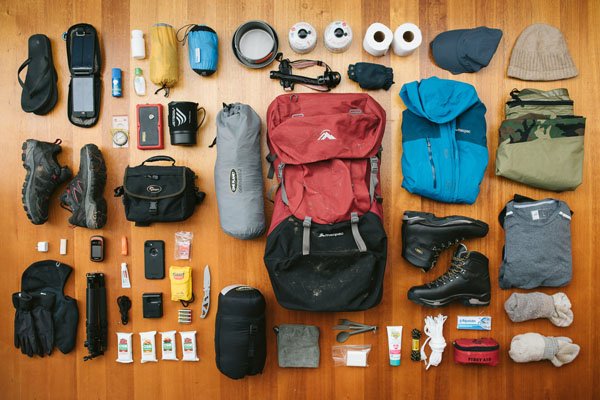
While Climb 4 Africa provides tents and mats, you’ll need to supply your own clothing and personal equipment. Key items include:
- Layered Clothing: Base layers (thermal), mid-layers (fleece), and an outer layer (waterproof and windproof jacket and trousers).
- Footwear: Broken-in hiking boots, comfortable camp shoes, and warm socks.
- Headwear: Warm hat, sun hat, and sunglasses.
- Handwear: Warm gloves and liner gloves.
- Sleeping Bag: A 4-season sleeping bag rated for temperatures down to -15°C (0°F) is recommended.
- Backpack: A comfortable daypack (30-40L) and a larger duffel bag (80-100L) for porters.
- Other: Headlamp, water bottles/hydration reservoir, sunscreen, lip balm, personal first-aid kit, trekking poles.
A comprehensive packing list will be provided by Climb 4 Africa upon booking.
Mental Preparation
Climbing Kilimanjaro is as much a mental challenge as a physical one. Be prepared for long days, varying weather conditions, and the effects of altitude. A positive attitude and a determined mindset are crucial. Understanding the trade-offs between the 6-day and 7-day Rongai Route Kilimanjaro can help set realistic expectations.
Booking Your Rongai Route Kilimanjaro Adventure
When you’re ready to plan your Kilimanjaro expedition for 2026 or 2027, choosing the right operator is paramount. Climb 4 Africa offers a professional, ethical, and supportive service, ensuring your trek is as safe and memorable as possible.
Why Choose Climb 4 Africa for Your Rongai Climb?
- Local Expertise: As a Tanzanian-based company, we have intimate knowledge of Kilimanjaro and the surrounding region.
- Experienced Guides: Our guides are among the best, with extensive experience on all Kilimanjaro routes, including Rongai.
- Safety Focus: We prioritize your safety with well-trained staff, quality equipment, and strict safety protocols.
- Ethical Treatment: We are committed to fair wages and conditions for our guides and porters.
- Personalized Service: We work with you to ensure your trek meets your expectations, whether you choose the 6 or 7-day Rongai Route Kilimanjaro.
To discuss your 2026 or 2027 Rongai Route Kilimanjaro climb, whether you’re leaning towards the 6-day or the more recommended 7-day option, please don’t hesitate to get in touch. Our team is ready to answer all your questions and help you tailor the perfect adventure.
You can reach us via WhatsApp at +255 747 477 898 or email us at climb4africa@gmail.com. Let us help you plan an unforgettable journey to the Roof of Africa!
Check Availability for Rongai Route Kilimanjaro: 6 Or 7 Days For Your Climb 4 Africa Adventure
Ready to compare dates, prices, and the best option for your group? Send the package name and travel month so the team can reply with a clear quote, availability, and what is included.
Kilimanjaro Climb Machame Route : Expert Guide For Your Trek 2026-2027
Discover the ultimate guide to climbing Mount Kilimanjaro via the Machame Route for your 2026 or 2027 adventure. This comprehensive resource covers everything from choosing an itinerary and...
View package detailsKilimanjaro Routes: Which Is Best For Your Climb? 2026-2027
Choosing the right Kilimanjaro route is crucial for a successful and enjoyable climb. This comprehensive guide compares the main routes, helping you select the best option for your...
View package details
Momella Route Mount Meru 2026-2027
Momella Route Mount Meru is explained with current 2026-2027 planning, price, itinerary and booking information.
View package details
Mount Meru Trekking 3 Tage: Your Essential Planning Guide 2026-2027
A comprehensive guide to the 3-day Mount Meru trek, covering essential planning details for 2026-2027, including routes, preparation, what to expect, and booking advice.
View package details
3 Day Joining Safari Group Departures From Moshi: 2026
Discover convenient 3-day group safari departures from Moshi, perfect for maximizing your Tanzania adventure. Explore wildlife-rich parks like Tarangire, Manyara, or the Serengeti on shared...
View package detailsWhat To Expect On Your First Kilimanjaro Trek: A Comprehensive Guide 2026-2027
Planning your first climb up Kilimanjaro? This comprehensive guide covers everything you need to know, from choosing a route and preparing your body to what daily life on the mountain is...
View package details20 Natural Wonders In Africa You Need To See 2026-2027
Explore Africa's most spectacular natural wonders, from the majestic peaks of Kilimanjaro and the vast plains of the Serengeti to the unique landscapes of Namibia and the vibrant coral...
View package details15 Natural Wonders In Africa That Don’t Look Real | Climb 4 2026-2027
Africa is home to a stunning array of natural wonders that defy belief, appearing so surreal they seem plucked from another planet. This guide explores 15 of the continent's most...
View package detailsWhy Is Climbing Kilimanjaro So Expensive? 2026-2027
Why Is Climbing Kilimanjaro So Expensive? is explained with current 2026-2027 planning, price, itinerary and booking information.
View package detailsWhy Do People Travel From Around The World To Climb Kilimanjaro? 2026-2027
Why Do People Travel From Around the World to Climb Kilimanjaro? is explained with current 2026-2027 planning, price, itinerary and booking information.
View package detailsWhy Is Kilimanjaro One Of The World’s Most Famous Mountains? Your Planning
Kilimanjaro's fame stems from its status as the highest free-standing mountain, its accessibility to non-technical climbers, its iconic snow-capped summit, and its location in a biodiverse...
View package detailsWhy Do Thousands Of Travelers Visit Kilimanjaro Every Year? Your Expert Guide
Thousands of adventurers flock to Kilimanjaro each year, drawn by its status as Africa's highest peak and a bucket-list trekking challenge. This guide explores the compelling reasons behind...
View package detailsNo related package matches those filters. Clear one or more filters to see the other topic-matched options.



