Safari packages from Zanzibar typically range from 3 to 7 days, focusing on Northern Tanzania’s iconic parks like the Serengeti and Ngorongoro Crater. The best options balance travel time from the island with quality game viewing, with prices varying significantly based on accommodation style (budget camping, mid-range lodges, luxury tented camps), safari duration, and the number of parks visited, often starting from around $1,000-$1,500 per person for a shorter, budget-friendly trip and extending upwards for more comprehensive, luxury experiences in 2026-2027.

For many, the allure of Tanzania is twofold: the pristine, sun-drenched beaches of Zanzibar and the unparalleled wildlife spectacles of its mainland national parks. Seamlessly blending these experiences requires careful planning, especially when arranging a safari from Zanzibar. This comprehensive guide delves into the best safari packages available, helping you navigate durations, park choices, pricing structures, and essential considerations for your 2026-2027 adventure.
Understanding Safari from Zanzibar
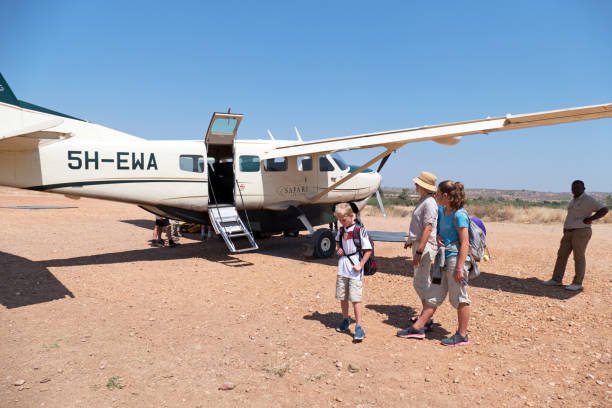
When you’re relaxing on the shores of Zanzibar, the idea of a safari on the mainland might seem distant, but it’s remarkably accessible. The primary challenge is bridging the geographical gap. Most safaris departing from Zanzibar involve a short flight or a ferry crossing back to the mainland (usually Arusha or Kilimanjaro International Airport – JRO), followed by the overland safari itself. This means your safari package needs to account for travel to and from Zanzibar, or you can arrange these segments separately.
The most common safari circuits from Zanzibar are focused on the Northern Circuit of Tanzania, which includes the Serengeti National Park, Ngorongoro Conservation Area, Tarangire National Park, and Lake Manyara National Park. These parks are renowned for their high concentrations of wildlife and offer diverse landscapes, making them ideal for a short but impactful safari experience.
Key considerations when planning a safari from Zanzibar:
- Travel Time: Factor in the time and cost of getting from Zanzibar to the safari starting point (Arusha) and back. Flights are quickest but most expensive; ferries are cheaper but take longer and can be less comfortable.
- Package Inclusions: Understand what your package covers. Does it include flights/ferries to/from Zanzibar? Accommodation on safari? Park fees? Meals? A guide and vehicle?
- Duration: How much time do you have? A 3-day safari offers a taste, while a 5-7 day trip allows for deeper exploration of more parks.
- Budget: This is a major driver, influencing accommodation choices, vehicle type, and the number of parks visited.
Popular Safari Packages from Zanzibar
Safari packages from Zanzibar are designed to maximize wildlife viewing within a limited timeframe, typically ranging from 3 to 7 days. These itineraries are often condensed versions of longer Northern Circuit tours, focusing on the highlights.
3-Day “Best of the North” Safari
This is the most popular option for those with limited time after their Zanzibar stay. It usually includes two iconic locations:
- Day 1: Fly from Zanzibar to Arusha, meet your guide, and drive to the Ngorongoro Conservation Area. Descend into the crater for an afternoon game drive. Overnight near the crater rim or in Karatu.
- Day 2: Drive to the Serengeti National Park, with a game drive en route. Spend the afternoon exploring the vast plains of the Serengeti. Overnight in a lodge or tented camp within the park.
- Day 3: Morning game drive in the Serengeti, followed by a drive back to Arusha for your onward flight or transfer.
Who it suits: Travelers with minimal time who want to see the most famous wildlife destinations.
Trade-offs: This is a fast-paced itinerary with significant driving. You get a glimpse of the Serengeti but not the in-depth experience a longer safari allows.
4-Day Safari: Ngorongoro & Serengeti
This offers a slightly more relaxed pace, allowing for more time in each key park.
- Day 1: Fly from Zanzibar to Arusha, transfer to Karatu or Ngorongoro. Enjoy an afternoon game drive in the Ngorongoro Crater.
- Day 2: Morning game drive in the Ngorongoro Crater or explore the nearby conservation area. Drive to the Serengeti, entering with a game drive.
- Day 3: Full day exploring the Serengeti National Park, focusing on areas known for predator activity or specific wildlife concentrations depending on the season.
- Day 4: Morning game drive in the Serengeti, then drive back to Arusha for your departure.
Who it suits: Those who want a bit more immersion in the Serengeti without adding too many days.
5-Day Safari: Tarangire, Ngorongoro & Serengeti
This itinerary adds Tarangire National Park, famous for its large elephant herds and baobab trees, offering greater diversity.
- Day 1: Fly from Zanzibar to Arusha, drive to Tarangire National Park for an afternoon game drive. Overnight near Tarangire or Karatu.
- Day 2: Morning game drive in Tarangire, then drive to the Ngorongoro Conservation Area. Descend into the crater for a game drive.
- Day 3: Drive to the Serengeti National Park, enjoying game drives en route.
- Day 4: Full day in the Serengeti, exploring different regions.
- Day 5: Morning game drive in the Serengeti, then drive back to Arusha.
Who it suits: Travelers who want to experience three distinct ecosystems and have a bit more time for wildlife viewing.
6-Day Safari: Tarangire, Lake Manyara, Ngorongoro & Serengeti
This comprehensive package covers the most iconic parks of the Northern Circuit, offering a well-rounded wildlife experience.
- Day 1: Fly from Zanzibar to Arusha, drive to Lake Manyara National Park, known for its tree-climbing lions and diverse birdlife. Afternoon game drive. Overnight in Karatu.
- Day 2: Morning visit to Tarangire National Park, famous for its elephant herds and baobab trees. Afternoon game drive.
- Day 3: Descend into the Ngorongoro Crater for a full day’s game drive.
- Day 4: Drive to the Serengeti National Park, with game viewing en route.
- Day 5: Full day exploring the Serengeti.
- Day 6: Morning game drive in the Serengeti, then drive back to Arusha.
Who it suits: Those who want to see the maximum variety of landscapes and wildlife within the Northern Circuit in a week.
Note on Flights: Many packages assume you will arrange your flight to Kilimanjaro International Airport (JRO) or Arusha Airport (ARK) yourself. Always confirm if your package includes the initial transfer from the airport to your first safari lodge or Arusha hotel, and the final transfer back. Some operators can book these internal flights for you, which simplifies logistics.
Choosing Your Safari Parks: Serengeti vs. Ngorongoro vs. Others
The choice of parks is crucial for a memorable safari, especially when departing from Zanzibar. Each park offers unique attractions, and understanding these differences helps tailor your experience.
Serengeti National Park
Why it’s famous: The Serengeti is arguably the most famous wildlife park in the world, synonymous with the Great Migration. Its vast, endless plains (Serengeti means ‘endless plains’ in the Maasai language) are home to an incredible density and diversity of wildlife year-round.
- Wildlife: Expect to see the Big Five (lion, leopard, elephant, buffalo, rhino – though rhino sightings are rare and concentrated), cheetahs, giraffes, zebras, wildebeest, and countless other species. Predator-prey interactions are common.
- The Great Migration: If your safari is timed correctly (roughly June-October for the northern Serengeti, December-March for the southern Serengeti), you might witness the awe-inspiring migration of millions of wildebeest and zebras. This is a major draw for 2026-2027 travel.
- Landscape: Dominated by rolling grasslands, acacia woodlands, and riverine forests.
- Best for: Seeing large prides of lions, cheetahs, leopards, and experiencing the scale of African wildlife. Essential for any comprehensive safari.
Ngorongoro Conservation Area (Ngorongoro Crater)
Why it’s famous: The Ngorongoro Crater is a UNESCO World Heritage Site and a caldera of a massive extinct volcano. Its unique ecosystem within the crater floor supports an astonishingly high density of wildlife, including a healthy population of black rhinos.
- Wildlife: It’s often called “Africa’s Eden” or “The Eighth Wonder of the World.” You can see the Big Five (including a good chance of rhinos), hippos, flamingos, and a vast array of plains game, all in a relatively compact area.
- Experience: Game drives are typically conducted on the crater floor. Due to its popularity and protected status, vehicle numbers are managed, and stays within the crater are limited to a few hours.
- Landscape: A stunningly beautiful, enclosed caldera with diverse habitats including grasslands, swamps, and a soda lake.
- Best for: Guaranteed Big Five sightings, especially rhinos, and experiencing a concentrated wildlife spectacle. It’s an absolute must-do for most safaris from Zanzibar.
Tarangire National Park
Why it’s famous: Known for its massive elephant herds, especially during the dry season (June to October), and its ancient baobab trees. It offers a different landscape and feel compared to the Serengeti and Ngorongoro.
- Wildlife: Excellent for elephants, lions (often seen in trees), giraffes, zebras, wildebeest, and a variety of antelope. Birdlife is also prolific.
- Landscape: Characterized by rolling hills, savannah, acacia woodlands, and the seasonal Tarangire River, which attracts wildlife.
- Best for: Elephant encounters and a more relaxed safari experience outside the peak crowds of Serengeti/Ngorongoro. A great addition for 4-day or longer safaris.
Lake Manyara National Park
Why it’s famous: Though small, Lake Manyara is famous for its elusive tree-climbing lions, large troops of baboons, and its beautiful setting along the Great Rift Valley escarpment. The alkaline lake attracts thousands of flamingos seasonally.
- Wildlife: Lions, elephants, giraffes, hippos, and a huge variety of birds. The dense groundwater forest provides a unique habitat.
- Landscape: A narrow strip of land between the Rift Valley escarpment and Lake Manyara, featuring groundwater forest, savannah, and marshland.
- Best for: A short, diverse safari experience. Often included as a first or last stop on a Northern Circuit safari due to its proximity to Arusha.
Which parks to choose?
- For a 3-day safari: Focus on Ngorongoro Crater and the Serengeti. This is the classic, high-impact combination.
- For a 4-day safari: Add more time in the Serengeti or consider adding Tarangire as a first stop.
- For 5-6 days or more: Include Tarangire and Lake Manyara alongside the Serengeti and Ngorongoro for a comprehensive Northern Circuit experience. This offers the most diverse wildlife viewing and landscapes.
Safari Durations and Itinerary Options
The duration of your safari from Zanzibar dictates the depth of your experience and the number of parks you can realistically visit. Planning for 2026-2027 travel allows ample time to research and book.
3-Day Safari: The Quick Immersion
Focus: Ngorongoro Crater and a taste of the Serengeti.
Pace: Fast-paced, with significant driving each day.
Pros: Achieves iconic wildlife sightings in a short period. Cost-effective for a brief safari.
Cons: Limited time in each park, especially the Serengeti. Can feel rushed.
Typical flow: Zanzibar -> Arusha -> Ngorongoro Crater (Day 1) -> Serengeti (Day 2) -> Arusha (Day 3).
Booking window: Book at least 3-6 months in advance for 2026-2027, especially for peak seasons.
4-Day Safari: A Balanced View
Focus: Ngorongoro Crater and a more substantial Serengeti experience.
Pace: Moderately paced, allowing for more exploration.
Pros: More time for game drives in the Serengeti, less rushed transitions.
Cons: Still requires efficient travel; might not include other parks.
Typical flow: Zanzibar -> Arusha -> Tarangire (Day 1) -> Ngorongoro Crater (Day 2) -> Serengeti (Day 3) -> Arusha (Day 4).
Booking window: 4-8 months in advance for 2026-2027, particularly for specific lodges or tented camps.
5-Day Safari: Adding Diversity
Focus: Tarangire, Ngorongoro Crater, and Serengeti.
Pace: Comfortable, allowing for deeper engagement with each park.
Pros: Experience three distinct ecosystems and diverse wildlife. Less driving per day on average.
Cons: Higher cost due to more park fees and accommodation.
Typical flow: Zanzibar -> Arusha -> Tarangire (Day 1) -> Ngorongoro Crater (Day 2) -> Serengeti (Day 3 & 4) -> Arusha (Day 5).
Booking window: 6-10 months in advance for 2026-2027, allowing for better selection of accommodations and optimal timing for migration viewing if desired.
6-Day Safari: Comprehensive Northern Circuit
Focus: Lake Manyara, Tarangire, Ngorongoro Crater, and Serengeti.
Pace: Relaxed, with ample time for game drives and appreciating the landscapes.
Pros: Most comprehensive experience of the Northern Circuit. Allows for flexibility and in-depth wildlife viewing. Best for photographers and enthusiasts.
Cons: Highest cost among shorter packages.
Typical flow: Zanzibar -> Arusha -> Lake Manyara (Day 1) -> Tarangire (Day 2) -> Ngorongoro Crater (Day 3) -> Serengeti (Day 4 & 5) -> Arusha (Day 6).
Booking window: 8-12 months in advance for 2026-2027, especially if traveling during peak migration season or high season (June-October).
Customizing Itineraries: Most operators, including Climb 4 Africa, offer tailor-made safaris. If you have specific interests (e.g., birdwatching, photography, tracking a particular animal) or a fixed number of days, they can design an itinerary that fits your needs perfectly for 2026-2027 travel.
Safari Package Pricing: What to Expect in 2026-2027
Safari pricing in Tanzania is complex, influenced by numerous factors. Understanding these elements is key to budgeting for your safari from Zanzibar. Prices are generally quoted per person, based on two people sharing.
Key Cost Components:
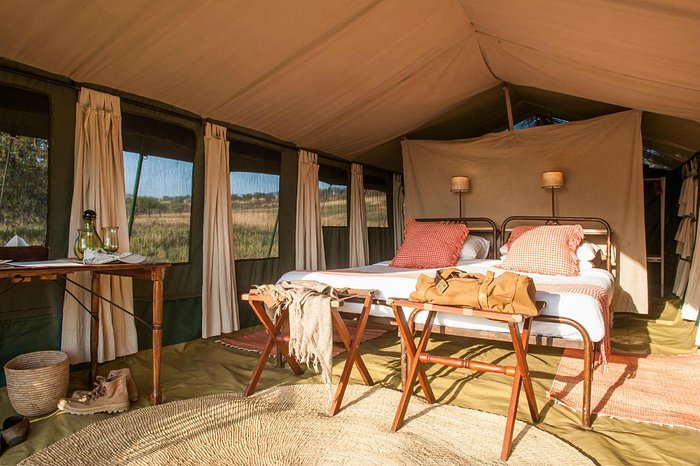
- Accommodation: This is the largest variable. Options range from basic public campsites and mid-range lodges/tented camps to luxurious lodges and exclusive tented camps.
- Park Fees: These are fixed daily rates set by Tanzania National Parks (TANAPA) and the Ngorongoro Conservation Area Authority (NCAA). For 2026-2027, expect fees to remain in a similar range, typically $60-$70 per person per day for Serengeti and Ngorongoro Crater, and around $50-$60 for Tarangire and Lake Manyara. Ngorongoro Crater also has a vehicle entry fee and a crater service fee.
- Vehicle and Guide: The cost of a 4×4 safari vehicle (usually a Land Cruiser or Land Rover) and a professional driver-guide is shared among occupants. Private safaris are more expensive per person than group tours.
- Meals: Most packages include full board (breakfast, lunch, dinner) while on safari.
- Transportation to/from Zanzibar: This can be a significant additional cost if not included in the package. Flights from Zanzibar to Arusha can range from $250-$400 per person round trip. Ferry crossings are much cheaper but take longer.
- Duration: Longer safaris naturally cost more due to more park fees, accommodation nights, and guide days.
- Seasonality: High season (June-October, December-February) typically sees higher prices due to demand. Low season (April-May) can offer better value but may have unpredictable weather.
Estimated Price Ranges Per Person (Based on 2 people sharing, excluding flights to/from Zanzibar):
| Safari Duration | Accommodation Style | Estimated Price Range (USD pp) |
|---|---|---|
| 3-Day (Serengeti/Ngorongoro) | Budget Camping | $1,000 – $1,400 |
| 3-Day (Serengeti/Ngorongoro) | Mid-Range Lodges/Tented Camps | $1,500 – $2,200 |
| 3-Day (Serengeti/Ngorongoro) | Luxury Lodges/Tented Camps | $2,500+ |
| 4-Day (Serengeti/Ngorongoro/Tarangire) | Budget Camping | $1,300 – $1,800 |
| 4-Day (Serengeti/Ngorongoro/Tarangire) | Mid-Range Lodges/Tented Camps | $1,800 – $2,800 |
| 4-Day (Serengeti/Ngorongoro/Tarangire) | Luxury Lodges/Tented Camps | $3,000+ |
| 5-Day (Manyara/Tarangire/Ngorongoro/Serengeti) | Budget Camping | $1,600 – $2,200 |
| 5-Day (Manyara/Tarangire/Ngorongoro/Serengeti) | Mid-Range Lodges/Tented Camps | $2,300 – $3,500 |
| 5-Day (Manyara/Tarangire/Ngorongoro/Serengeti) | Luxury Lodges/Tented Camps | $3,800+ |
Important Notes for 2026-2027 Pricing:
- These are estimates. Actual prices depend on the specific lodges chosen, vehicle type, and operator.
- Single Supplement: Solo travelers usually pay a supplement for accommodation.
- Exclusions: Typically exclude flights to/from Tanzania, visa fees, travel insurance, tips, drinks, and personal expenses.
- Group Departures: Shared group safaris offer the most budget-friendly option, often with fixed departure dates. Climb 4 Africa offers group departures that can be combined with Zanzibar stays.
- Private Safaris: Offer flexibility and exclusivity but are more expensive per person.
What does a typical mid-range package include?
- Accommodation: Comfortable lodges or permanent tented camps with en-suite bathrooms.
- Transportation: 4×4 safari vehicle with a pop-up roof, driven by an English-speaking guide.
- Meals: Full board (breakfast, lunch, dinner) on safari days.
- Park Fees: All national park entry fees for the duration of the safari.
- Ngorongoro Crater Fees: Vehicle entry and crater service fees.
- Water: Bottled water provided in the vehicle.
- Airport Transfers: Transfers to/from Arusha airport or your Arusha hotel.
When comparing quotes for 2026-2027, always ask for a detailed breakdown of what is included and excluded to ensure you’re comparing apples to apples.
Logistics of Safari from Zanzibar
The practicalities of getting from Zanzibar to the mainland safari starting point, and back, are a critical part of planning your safari from Zanzibar. This involves choosing between flying and taking a ferry.
Option 1: Flying
Pros:
- Speed: The fastest way to get to the mainland. A flight from Zanzibar (ZNZ) to Arusha (ARK) or Kilimanjaro International Airport (JRO) takes approximately 1 to 1.5 hours.
- Convenience: Minimizes travel time, maximizing wildlife viewing time. Ideal for shorter safaris (3-4 days).
- Comfort: Generally a more comfortable and predictable travel experience.
Cons:
- Cost: Significantly more expensive than the ferry. Round-trip flights from Zanzibar to Arusha can cost between $250 – $400+ per person, depending on the airline and booking time.
- Limited Schedule: Flight schedules can be limited, especially to smaller airports like Arusha.
Booking Flights: Several local airlines operate this route. Your safari operator can often book these flights for you as part of your package, which can sometimes secure better rates or ensure smooth transfers. It’s advisable to book flights at least 2-3 months in advance for 2026-2027, particularly during peak seasons.
Option 2: Ferry and Road Transfer
Pros:
- Cost-Effectiveness: The ferry from Zanzibar to Dar es Salaam is much cheaper than flying, costing around $35-$50 per person one-way.
- Scenery: The ferry journey offers coastal views.
Cons:
- Time Consuming: The ferry journey to Dar es Salaam takes about 1.5-2 hours. From Dar es Salaam, you would then need a domestic flight to Arusha (which adds cost and complexity) or a very long road transfer (8-10 hours) directly from Dar to Arusha, which is not recommended as it eats into safari time.
- Comfort: Ferry conditions can vary, and the journey can be rough at times. Sea sickness is a possibility.
- Complexity: This option is generally not recommended for combining with Northern Circuit safaris unless you have ample time and are planning to visit Southern Tanzania or other areas accessible from Dar. For Northern Circuit safaris, flying is almost always the preferred and more practical method.
Recommended Approach: For most travelers combining Zanzibar with Northern Circuit safaris (Serengeti, Ngorongoro, etc.), flying from Zanzibar to Arusha is the most practical and time-efficient solution. It allows you to maximize your safari experience without losing precious days to travel.
Arrival Airports:
- Arusha Airport (ARK): The closest airport to the safari start point. Ideal if your safari package is based in Arusha.
- Kilimanjaro International Airport (JRO): Serves both Kilimanjaro and Arusha. It’s located between Arusha and Moshi. If you fly into JRO, you’ll need a transfer to Arusha (approx. 1 hour). Some safari packages might start directly from JRO.
Transfers: Once you land on the mainland (Arusha or JRO), your safari operator should arrange for your transfer to your safari vehicle and guide, or to your pre-safari accommodation in Arusha if needed. Ensure this is clearly stated in your package details.
Booking Your Safari Package
Securing the right safari package from Zanzibar for 2026-2027 involves choosing a reputable operator, understanding the booking process, and confirming key details.
Choosing a Safari Operator
When selecting an operator for your safari from Zanzibar, look for:
- Local Expertise: Operators with a strong base in Tanzania understand the logistics, parks, and local conditions best. Companies like Climb 4 Africa are locally owned and operated.
- Reputation: Check reviews on platforms like TripAdvisor. Look for consistent positive feedback regarding guides, vehicles, accommodation, and overall service. Climb 4 Africa has a strong track record.
- Clear Communication: A good operator will be responsive to your questions and provide detailed, transparent information about itineraries and inclusions.
- Flexibility: The ability to customize itineraries to your interests and budget is a significant advantage.
The Booking Process
- Initial Inquiry: Contact operators with your desired dates, duration, number of travelers, budget, and any specific interests. Mention that you are looking for a safari from Zanzibar.
- Proposal & Itinerary: The operator will send a detailed itinerary and quote. Review this carefully.
- Confirmation & Deposit: Once you agree on the itinerary, you’ll typically need to pay a deposit (often 20-50%) to secure your booking. This is crucial for locking in accommodation and vehicle availability, especially for 2026-2027 travel.
- Final Payment: The remaining balance is usually due 30-60 days before your safari begins.
- Pre-Departure Information: Your operator will provide essential information regarding packing lists, visa requirements, health advice, and what to expect on arrival.
Key Details to Confirm Before Booking:
- Inclusions: What exactly is covered? Park fees, meals, accommodation, vehicle, guide, bottled water, airport transfers?
- Exclusions: What is NOT covered? Flights to/from Zanzibar, visas, travel insurance, tips, drinks, personal items.
- Accommodation Details: Specific lodge/camp names, room types, meal plan (full board is standard on safari).
- Vehicle Type: Ensure it’s a 4×4 safari vehicle (Land Cruiser/Land Rover) with a pop-up roof for game viewing.
- Guide Qualifications: Confirm your guide is experienced and knowledgeable.
- Payment Schedule: Deposit amount and due dates for final payment.
- Cancellation Policy: Understand the terms if you need to cancel or postpone.
- Travel Insurance: Confirm if it’s mandatory and what level of coverage is recommended (including emergency medical evacuation).
- Flight Logistics: How are flights from Zanzibar to Arusha handled? Are they included, or do you book them yourself?
Planning a safari from Zanzibar for 2026-2027 is an exciting prospect. By understanding the options, costs, and logistics, you can choose a package that perfectly complements your island experience and creates unforgettable wildlife memories. For personalized advice and to start planning your tailor-made safari adventure, don’t hesitate to reach out.
For expert guidance and to craft your ideal safari itinerary from Zanzibar, contact Climb 4 Africa. You can reach us via WhatsApp at +255 747 477 898 or email us at climb4africa@gmail.com. Let us help you combine the magic of Zanzibar with the thrill of a Tanzanian safari.
Check Availability for Safari From Zanzibar: Best Packages, Prices & Parks For 2026-2027
Ready to compare dates, prices, and the best option for your group? Send the package name and travel month so the team can reply with a clear quote, availability, and what is included.
Budget Fly-In Safari From Zanzibar: Best Packages & Prices 2026-2027
Discover how to plan a budget-friendly fly-in safari from Zanzibar to Tanzania's top parks without sacrificing the quality of your wildlife experience.
View package detailsZanzibar To Ruaha National Park Fly-In Safari: Prices & Booking Guide
A practical guide to planning a fly-in safari from Zanzibar to Ruaha National Park, covering flight logistics, itinerary choices, and how to book with Climb 4 Africa.
View package details2-Day Nyerere Safari From Zanzibar: Flight-Inclusive Package Prices 2026-2027
An expert guide to planning a 2-day Nyerere safari from Zanzibar, covering flight-inclusive package structures, cost drivers, and the practical rhythm of a short-stay wildlife adventure.
View package detailsZanzibar To Mikumi Safari By Flight: Prices & Travel Options 2026-2027
A practical guide to the logistics, costs, and planning steps for flying from Zanzibar to Mikumi National Park.
View package detailsZanzibar To Serengeti Safari By Flight: Prices & Packages 2026-2027
A practical guide to booking a Zanzibar to Serengeti safari by flight in 2027, covering route options, baggage logistics, and how to choose the right itinerary length.
View package details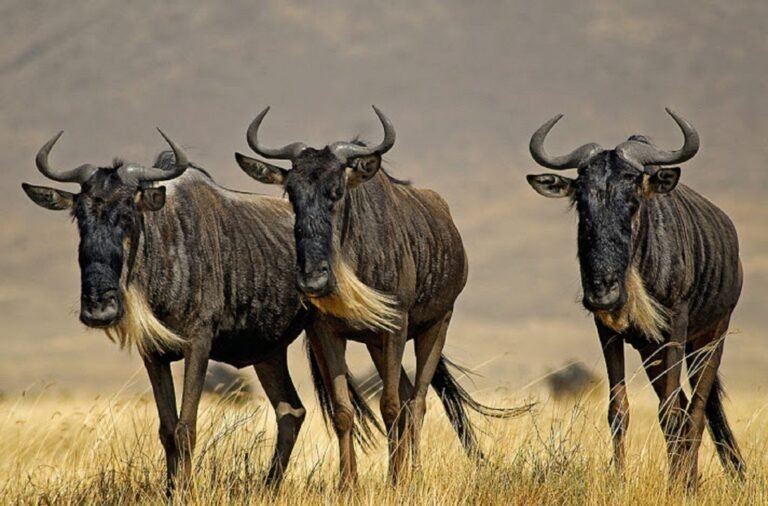
Nov 23, – 3 Day Serengeti And Ngorongoro Safari From Zanzibar
Nov 23, 2026 – 3 Day Serengeti and Ngorongoro Safari from Zanzibar.
View package details_1_John_from-rednote-web-768x1024.jpg)
Dec 13, – 2 Day Nyerere Fly-In Group Safari From Zanzibar 2026
A detailed guide to the December 13, 2026 group fly-in safari from Zanzibar to Nyerere National Park, covering the itinerary, logistics, and planning for your trip.
View package details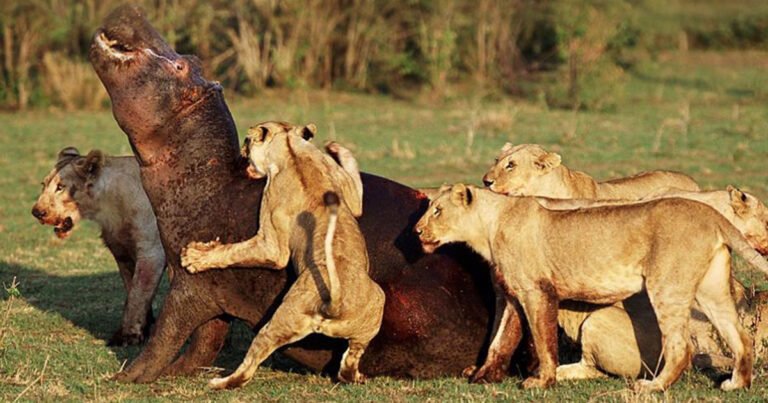
Dec 5, – 1 Day Mikumi Fly-In Group Safari From Zanzibar 2026
A practical guide to the December 5, 2026, group fly-in safari to Mikumi National Park. Learn about the itinerary, group logistics, and how to book your seat.
View package details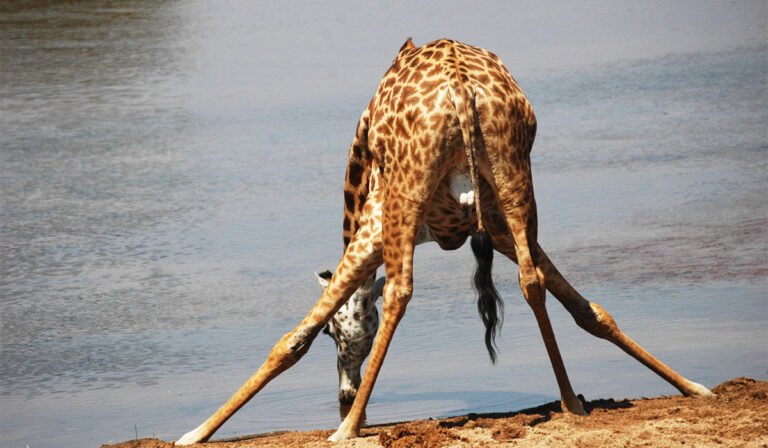
Nov 15, – 2 Day Mikumi Fly-In Group Safari From Zanzibar 2026
A practical guide and booking overview for the November 15, 2026, group fly-in safari to Mikumi National Park, departing from Zanzibar.
View package details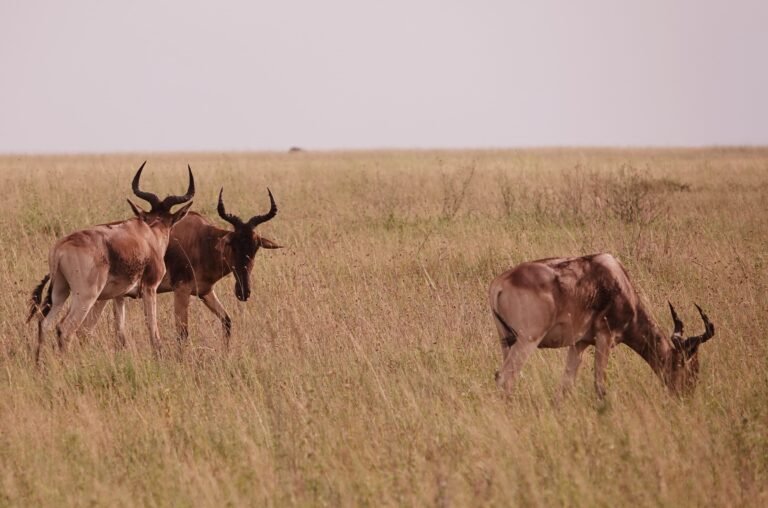
Oct 25, – 1 Day Nyerere Fly-In Group Safari From Zanzibar 2026
Secure your spot for the October 25, 2026, group fly-in safari to Nyerere National Park. A professional, time-efficient wildlife experience from Zanzibar.
View package details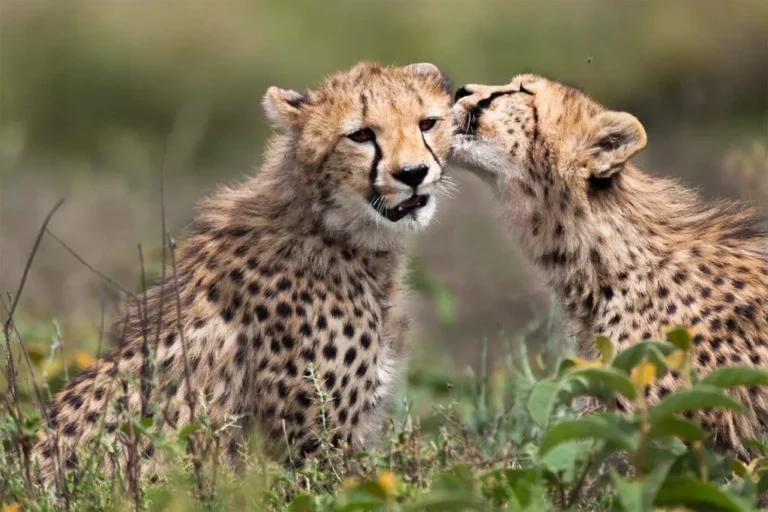
Nov 28, – 3 Day Fly-In Serengeti Group Safari From Zanzibar 2026
A detailed look at the 3-day fly-in Serengeti group safari departing November 28, 2026, including logistics, itinerary highlights, and travel tips for your Tanzania adventure.
View package details2-Day Serengeti Safari From Zanzibar By Flight: Price & Booking Guide
A practical guide to booking a 2-day Serengeti safari from Zanzibar by flight, covering itinerary logistics, cost considerations, and how to maximize your short time in the bush.
View package detailsNo related package matches those filters. Clear one or more filters to see the other topic-matched options.