Small-group African safari tours in Tanzania offer an intimate and authentic wildlife viewing experience, typically accommodating 4-8 travelers for optimal game drives and lodge stays, providing a balance of shared adventure and personal connection with nature. These tours are ideal for those seeking companionship without the crowds, allowing for flexibility and deeper engagement with guides and the environment, often focusing on key parks like the Serengeti and Ngorongoro Crater, with options for 2026-2027 departures now available for booking.

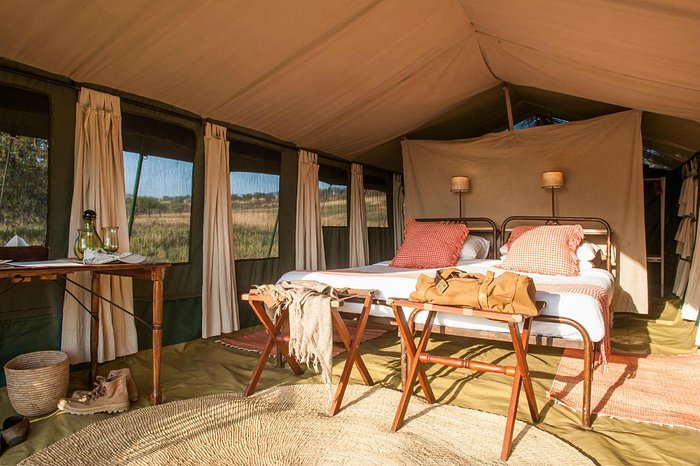
Understanding Small-Group African Safari Tours
Embarking on an African safari is a dream for many, and when considering the best way to experience the vast plains and incredible wildlife of Tanzania, small-group African safari tours stand out as a particularly rewarding option. Unlike larger, more impersonal group tours, a small-group setting ensures a more intimate encounter with the continent’s natural wonders. This approach prioritizes quality over quantity, allowing for more personalized attention from your guide, better photo opportunities without jostling for position, and a more harmonious travel experience with like-minded adventurers.
The essence of a small-group safari lies in its ability to blend the benefits of shared travel – camaraderie, cost-sharing, and group energy – with the advantages of a more private experience. Imagine tracking lions across the Serengeti with a guide who can stop whenever you spot something remarkable, or enjoying a sundowner with a small circle of fellow travelers who share your awe. This is the promise of small-group African safari tours.
For travelers planning their adventure in 2026 or 2027, understanding the nuances of small-group travel is crucial. It’s about finding that sweet spot between adventurous exploration and comfortable, well-managed logistics. This guide will explore what makes these tours special, how to choose the right one for you, what to expect on the ground, and how to best prepare for an unforgettable journey. We’ll cover everything from the prime wildlife destinations to the practicalities of booking and travel in the coming years.
Why Choose a Small-Group Safari?
The decision to opt for a small-group safari over other travel styles hinges on several key advantages that enhance the overall safari experience. For many, the primary draw is the intimacy and personal connection it fosters. With fewer people sharing the vehicle and accommodations, interactions become more meaningful. You’re not just another face in a crowd; you’re part of a select group, allowing for more personalized attention from your guide, who can cater to the group’s specific interests and pace.
Enhanced Wildlife Viewing: In a small vehicle (typically a 4×4 Land Cruiser or Land Rover), everyone gets a prime seat for spotting wildlife. There’s less obstruction, fewer heads to look around, and more space for everyone to move their cameras and binoculars freely. This is especially critical for photography enthusiasts who need unobstructed views. The ability to spend more time at sightings without inconveniencing a large group also means you can truly observe animal behavior.
Flexibility and Adaptability: While small-group tours follow a set itinerary, there’s often more scope for minor adjustments. If the group collectively agrees to spend a little longer watching a pride of lions or to deviate slightly to investigate an unusual sound, it’s more feasible than in a larger group. This adaptability can lead to unexpected and magical moments that might be missed on a more rigid schedule.
Cost-Effectiveness: Sharing the costs of a safari vehicle, guide, park fees, and accommodations among a small group makes it more affordable than a private safari. While not as cheap as a large bus tour, it offers a superior experience at a more accessible price point for many travelers. This balance of value and quality is a significant reason why small-group African safari tours are so popular.
Camaraderie and Shared Experience: Traveling with a small group of like-minded individuals can lead to lasting friendships. Sharing the excitement of a leopard sighting, the challenges of a bumpy road, or the beauty of an African sunset creates bonds. These shared moments enrich the journey and provide a sense of community while exploring.
Reduced Environmental Impact: Smaller groups generally have a lighter footprint on the environment. Fewer vehicles mean less disturbance to wildlife and habitats, and a more conscious approach to conservation efforts.
Considering these benefits, small-group African safari tours present a compelling case for anyone seeking a rich, engaging, and memorable wildlife adventure, especially when planning for key travel seasons in 2026 and 2027.
Comparing Small-Group vs. Private Safaris
When planning your safari, a common decision point is choosing between a small-group tour and a private safari. Both offer fantastic opportunities to see wildlife, but they cater to different preferences and budgets. Understanding the trade-offs is essential for making the right choice for your trip.
Small-Group Safari Tours:
- Pros: More affordable due to shared costs, opportunity for camaraderie with other travelers, fixed departure dates can simplify planning.
- Cons: Less flexibility with itinerary changes, shared vehicle means compromises on seating and viewing for individual preferences, fixed departure dates may not suit all schedules.
- Best for: Solo travelers, couples, or friends looking to share costs and experiences, those who enjoy the social aspect of travel, and travelers on a moderate budget who still desire a quality safari.
Private Safari Tours:
- Pros: Maximum flexibility with itinerary, pace, and game drives; exclusive use of the safari vehicle and guide; completely personalized experience tailored to your interests and schedule.
- Cons: Significantly more expensive as you bear all costs for the vehicle, guide, and often accommodation.
- Best for: Families with specific needs, honeymooners seeking privacy and romance, photographers requiring specific light or animal behavior opportunities, travelers with very specific interests or limited time, and those with a higher budget.
The choice often comes down to budget and desired level of customization. For many, small-group African safari tours represent the sweet spot, offering a fantastic balance of immersion, quality guiding, and value. You get the expertise and access of a private safari at a fraction of the cost, with the added bonus of sharing the adventure with others.
When looking ahead to 2026-2027, operators are increasingly offering a diverse range of small-group departures, often with varying themes or focuses, allowing you to select a tour that aligns closely with your interests, even within the small-group framework.
Top Destinations for Small-Group Safaris in Tanzania
Tanzania is a safari paradise, renowned for its diverse landscapes and unparalleled wildlife concentrations. For small-group African safari tours, certain parks and reserves consistently deliver the most spectacular experiences. These locations are the jewels in Tanzania’s crown, offering the best chances to witness the iconic African wildlife in action.
Serengeti National Park: Arguably the most famous wildlife sanctuary in the world, the Serengeti is the stage for the Great Migration, a impressive spectacle of millions of wildebeest, zebras, and gazelles traversing the plains in search of fresh grazing. Even outside of migration season, the Serengeti boasts an incredibly high density of predators, including lions, leopards, cheetahs, and hyenas, alongside vast herds of herbivores. Its sheer scale and abundant wildlife make it a must-visit for any safari-goer.
Ngorongoro Conservation Area & Crater: A UNESCO World Heritage Site, the Ngorongoro Crater is a natural wonder. This ancient volcanic caldera, often called ‘Africa’s Eden,’ hosts an astonishing array of wildlife within its relatively small confines. It’s one of the best places in Tanzania to spot the endangered black rhino, along with large populations of lions, elephants, buffalo, hippos, and a dazzling variety of birdlife. The unique topography and high concentration of animals make game drives here exceptionally rewarding.
Tarangire National Park: Known for its massive elephant herds and iconic baobab trees, Tarangire offers a different, often more intimate, safari experience. During the dry season (roughly June to October), the Tarangire River becomes a vital water source, attracting large numbers of animals, including elephants, zebras, wildebeest, and predators. Its landscape is distinct, with rocky hills, acacia woodlands, and swamps.
Lake Manyara National Park: This park is celebrated for its tree-climbing lions (though sightings are not guaranteed), large troops of baboons, and diverse birdlife, especially flamingos. The park’s compact size and varied habitats – from groundwater forests to acacia woodlands and open grasslands – allow for excellent game viewing in a relatively short period. It’s often included in Northern Circuit itineraries.
Optional additions for longer itineraries:
- Selous Game Reserve (Nyerere National Park): While often part of Southern Circuit safaris, it can be combined with Northern Circuit tours for extended trips. It’s one of the largest game reserves in Africa and offers boat safaris along the Rufiji River, walking safaris, and excellent game viewing, particularly for elephants, wild dogs, and hippos.
- Ruaha National Park: Tanzania’s largest national park, Ruaha is known for its wild, remote feel and large populations of predators, especially lions and wild dogs. It’s a more rugged and less-visited destination, offering a truly off-the-beaten-path experience.
When booking small-group African safari tours for 2026 or 2027, most itineraries focus on the Northern Circuit (Serengeti, Ngorongoro, Tarangire, Manyara) due to the density of wildlife and accessibility. However, some operators offer specialized tours that might venture further afield.
Typical Itineraries and Durations for Small-Group Safaris
Small-group African safari tours in Tanzania are typically designed to maximize wildlife viewing opportunities while balancing travel time and relaxation. The duration can vary significantly, from short 3-day excursions to comprehensive 10-day or longer adventures. Most common itineraries focus on the Northern Circuit, offering a well-rounded introduction to Tanzania’s iconic parks.
Common Itinerary Structures:
3-5 Day Safari (e.g., Northern Circuit Highlights):
- Day 1: Arrive in Arusha, briefing, and transfer to Lake Manyara National Park. Game drive. Overnight near Lake Manyara.
- Day 2: Morning game drive in Lake Manyara, then drive to Serengeti National Park, entering via the central corridor or Seronera area. Afternoon game drive. Overnight in Serengeti.
- Day 3: Full day game drive in Serengeti, exploring different regions. Overnight in Serengeti.
- Day 4: Morning game drive in Serengeti, then drive to the Ngorongoro Conservation Area. Descend into the Crater for afternoon game drive. Overnight on the Crater rim or nearby.
- Day 5: Morning drive out of Ngorongoro, possibly stopping at a Maasai village, and return to Arusha.
7-9 Day Safari (Northern Circuit Explorer):
This extended version allows for deeper exploration of the Serengeti and may include Tarangire National Park.
- Day 1: Arrive Arusha, briefing.
- Day 2: Transfer to Tarangire National Park for full-day game drive. Overnight near Tarangire.
- Day 3: Morning game drive in Tarangire, then drive to Serengeti National Park. Afternoon game drive. Overnight in Serengeti.
- Day 4-5: Full days exploring the Serengeti, potentially covering different zones (Seronera, Western Corridor, or Northern Serengeti depending on season).
- Day 6: Morning game drive in Serengeti, then drive to Ngorongoro Conservation Area.
- Day 7: Full day game drive within the Ngorongoro Crater. Overnight on the Crater rim.
- Day 8: Visit a Maasai village or explore the Ngorongoro Highlands, then drive back to Arusha.
- Day 9: Departure from Arusha.
10+ Day Safaris (Extended Northern Circuit or Combination):
These longer tours offer more in-depth exploration, potentially including:
- More time in specific Serengeti regions to follow the Great Migration.
- Visits to less-visited areas like the Loliondo Game Controlled Area for walking safaris.
- A combination with Mount Kilimanjaro treks or Zanzibar beach holidays.
- Selous or Ruaha if combined with the Northern Circuit (though this is less common for standard small-group tours and often requires custom arrangements).
Key Considerations for 2026-2027 Bookings:
- Migration Timing: For itineraries including the Serengeti, consider the Great Migration’s location. Your operator will advise on the best areas for viewing depending on the month you travel in 2026 or 2027.
- Pace: Shorter safaris are more fast-paced. Longer ones allow for more relaxed mornings, deeper exploration, and potentially visiting more diverse habitats within parks.
- Vehicle Type: Most small-group African safari tours utilize pop-top 4×4 Land Cruisers or Land Rovers, ideal for game viewing and comfortable travel on rough terrain.
When reviewing itineraries, pay close attention to the number of nights spent in each location. More nights in a park like the Serengeti generally mean a richer experience.
What’s Included (and Not Included) in Small-Group Tours
Understanding what’s covered in the price of a small-group African safari tour is crucial for budgeting and avoiding surprises. While inclusions can vary slightly between operators, a reputable company will provide a clear breakdown. Generally, small-group tours are designed to be comprehensive, covering the essentials for a smooth experience.
Typically Included:
- Accommodation: Lodges, tented camps, or permanent tented accommodations for the duration of the safari. This can range from mid-range to luxury options, depending on the tour package.
- Meals: Usually full board (breakfast, lunch, and dinner) during the safari days. Some operators may include picnic lunches and dinners at lodges.
- Park Entrance Fees: All required fees for national parks and conservation areas visited on the itinerary. These are significant costs, so ensuring they are included is vital.
- Vehicle and Guide: A dedicated 4×4 safari vehicle (Land Cruiser or Land Rover) with a pop-up roof for game viewing, and an experienced, English-speaking safari guide.
- Water: Bottled drinking water is usually provided in the safari vehicle during game drives.
- Airport Transfers: Transfers to and from the airport (e.g., Kilimanjaro International Airport – JRO) to your starting point (usually Arusha) and back.
- Community Development Fees: Sometimes included, contributing to local conservation and community projects.
Typically Not Included:
- International Flights: Flights to and from Tanzania are almost always excluded.
- Visa Fees: Costs for obtaining your Tanzanian visa.
- Travel Insurance: Comprehensive travel and medical insurance is essential and must be arranged by the traveler.
- Tips and Gratuities: For guides, camp staff, and drivers. This is a customary part of safari culture.
- Beverages: Alcoholic drinks, soft drinks, and sometimes even bottled water outside of game drives may not be included.
- Personal Expenses: Souvenirs, laundry, communication costs (phone, internet).
- Optional Activities: Hot air balloon safaris, cultural visits (e.g., Maasai village tours), or night game drives (where permitted) are usually extra.
- Pre and Post Safari Accommodation: Nights in Arusha or other locations before or after the safari unless specified.
- Vaccinations and Medications: Costs associated with any required vaccinations or personal medications.
Crucial Advice for 2026-2027 Bookings:
Always request a detailed day-by-day itinerary that clearly lists inclusions and exclusions. For small-group African safari tours, pay attention to the accommodation level. A ‘mid-range’ tour might include comfortable lodges and tented camps, while a ‘luxury’ tour will feature higher-end properties with more amenities. Confirming these details upfront prevents misunderstandings and ensures your safari meets your expectations.
For example, when you inquire about a small-group African safari tour with Climb 4 Africa, they will provide a comprehensive quote that details exactly what is included, helping you budget accurately for your 2026 or 2027 adventure.
Choosing the Right Small-Group Safari Operator
Selecting the right operator is paramount to a successful and enjoyable small-group African safari tour. With numerous companies offering safaris, differentiating them requires careful consideration of several factors. Your choice will significantly impact the quality of your experience, from the expertise of your guide to the comfort of your accommodation and the overall value you receive.
Local Expertise vs. International Agencies:
- Local Operators (like Climb 4 Africa): Often provide better value for money as they cut out middlemen. They have deep on-the-ground knowledge of wildlife patterns, park conditions, and local culture. They can offer more authentic experiences and respond quickly to any on-the-ground issues. Their support network is local, ensuring practical assistance.
- International Operators: May offer more polished marketing and booking processes, but can sometimes be more expensive due to overheads. Their knowledge might be less granular than a local company’s.
Key Factors to Evaluate:
- Reputation and Reviews: Look for operators with consistently positive reviews on platforms like TripAdvisor, Google, and safari-specific forums. Pay attention to comments regarding guides, vehicle condition, accommodation quality, and customer service. For instance, reviews for operators like Climb 4 Africa often highlight their local knowledge and commitment to client satisfaction.
- Vehicle Quality: A well-maintained 4×4 safari vehicle (Land Cruiser or Land Rover) with a pop-up roof is essential. Ensure the operator prioritizes vehicle maintenance for reliability.
- Guide Experience: The guide is the heart of your safari. Inquire about the experience and training of their guides. Knowledge of wildlife behavior, local ecology, and a good personality are crucial.
- Group Size: Confirm the maximum number of people per vehicle. For true small-group experiences, aim for vehicles that carry no more than 6-7 passengers, allowing everyone a window seat.
- Itinerary Customization: While small-group tours have set dates, some operators allow for minor customizations or offer different types of small-group tours (e.g., photography-focused, family-friendly).
- Sustainability and Ethics: Choose operators who demonstrate a commitment to responsible tourism, conservation, and supporting local communities.
- Communication and Support: A responsive and helpful operator before and during the trip is vital. Can you easily reach them with questions? Do they provide clear information?
Why Choose Climb 4 Africa?
Climb 4 Africa is a Tanzanian-based company with extensive experience in organizing both Kilimanjaro climbs and wildlife safaris. As a local operator, they offer intimate knowledge of the parks, direct support on the ground, and competitive pricing for their small-group African safari tours. They understand the nuances of the Tanzanian wilderness and are dedicated to providing authentic, memorable experiences. Their team can assist with tailoring your safari, advising on the best times to travel for 2026 or 2027, and ensuring all logistical details are handled professionally.
When researching, compare several operators, but don’t overlook the advantages of partnering with a local expert who lives and breathes the safari experience.
Planning Your Safari for 2026-2027
Planning a safari well in advance is key, especially when targeting popular travel seasons or specific wildlife events. For small-group African safari tours in 2026 and 2027, early planning ensures you secure your preferred dates, accommodations, and tour options.
Best Time to Travel:
- Dry Season (June to October): This is peak safari season. Wildlife is concentrated around water sources, making game viewing excellent. The weather is generally pleasant with sunny days and cooler nights. This period is also popular for small-group African safari tours, so booking early for 2026-2027 is highly recommended. The Great Migration typically moves through the Western and Northern Serengeti during these months.
- Green Season (November to May): This is the shoulder and low season. The landscape is lush and green, offering stunning photographic opportunities. It’s less crowded and generally more affordable. While wildlife is more dispersed, resident game viewing remains excellent, and it’s a great time for birdwatching. The calving season for wildebeest occurs around January-February in the southern Serengeti.
Booking Timeline:
- 12-18 Months in Advance: For peak season travel (July-October) in 2026 or 2027, or if you have specific accommodation preferences (e.g., high-end tented camps), start researching and booking now. Popular small-group departure dates fill up quickly.
- 6-12 Months in Advance: This is a good timeframe for most travelers, especially for shoulder season travel. You’ll have a wide selection of operators and dates.
- 3-6 Months in Advance: Possible for low season or less popular departure dates, but options may be more limited.
Key Planning Steps:
Safari Planning Checklist for 2026-2027
- Define Your Interests: Are you focused on specific animals (e.g., Big Five, Great Migration), photography, birdwatching, or cultural experiences?
- Set Your Budget: Understand what level of accommodation and service you desire. Small-group safaris offer various price points.
- Choose Your Operator: Research and select a reputable operator like Climb 4 Africa.
- Select Your Itinerary and Dates: Match your interests and budget with available small-group departure dates for 2026 or 2027.
- Book Flights: Book international flights to Kilimanjaro International Airport (JRO) or other relevant gateways.
- Arrange Visas: Check visa requirements for Tanzania for your nationality and apply well in advance.
- Secure Travel Insurance: Essential for covering medical emergencies, trip cancellations, and lost belongings.
- Health Precautions: Consult your doctor about recommended vaccinations (e.g., Yellow Fever, Hepatitis A) and malaria prophylaxis.
- Packing: Prepare your packing list based on safari recommendations (see below).
- Final Payments and Documentation: Ensure all payments are made and you have all necessary travel documents.
Considering the Great Migration in 2026-2027: If witnessing the Great Migration is a priority, research its typical location for your chosen travel month. For instance, June-July often sees the migration in the Western Corridor of the Serengeti, with crossings of the Grumeti River, while August-October might find it in the Northern Serengeti, heading towards the Mara River crossings. Operators specializing in small-group African safari tours can advise on the best viewing areas based on the time of year.
Packing Essentials for Your Safari
Packing appropriately for a small-group African safari tour is key to comfort and enjoyment. The environment can be dusty, sunny, and subject to temperature fluctuations. Layering is the golden rule. Aim for practical, neutral-colored clothing that blends in with the environment.
Clothing:
- Tops: Lightweight, breathable long-sleeved shirts (for sun protection and evenings) and t-shirts. Neutral colors like khaki, beige, olive green, and brown are best. Avoid bright colors and white, which can attract insects or scare wildlife.
- Bottoms: Comfortable trousers or cargo pants, and shorts or skirts for warmer days. Quick-drying fabrics are ideal.
- Outerwear: A fleece jacket or warm sweater for cool mornings and evenings, especially during the dry season. A lightweight waterproof and windproof jacket is also advisable.
- Underwear & Socks: Plenty of comfortable, breathable options. Moisture-wicking socks are excellent for hiking or long days.
- Sleepwear: Comfortable pajamas.
Footwear:
- Comfortable Walking Shoes/Hiking Boots: If your itinerary includes any walking safaris or light hikes. Ensure they are well broken-in.
- Sandals or Flip-flops: For relaxing at the lodge or camp in the evenings.
- Closed-toe shoes: Essential for evenings to protect against insects and rough ground.
Accessories:
- Sun Hat: A wide-brimmed hat is crucial for sun protection.
- Sunglasses: With UV protection.
- Scarf or Bandana: Useful for dust protection, warmth, or as a fashion accessory.
- Swimsuit: Many lodges have swimming pools.
- Binoculars: Essential for wildlife viewing. Consider a pair with good magnification (e.g., 8×30 or 10×42). Many operators provide shared binoculars, but having your own is often preferred.
- Camera: With extra batteries, memory cards, and a zoom lens. A dust-proof bag or cover is highly recommended.
- Headlamp or Small Flashlight: Essential for navigating camps at night.
- Reusable Water Bottle: To stay hydrated and reduce plastic waste.
- Small Backpack or Daypack: For carrying essentials like water, camera, snacks, and sunscreen during game drives.
Toiletries and Health:
- Sunscreen: High SPF, broad-spectrum.
- Insect Repellent: Containing DEET or Picaridin.
- Personal First-Aid Kit: Including any personal medications, pain relievers, antiseptic wipes, bandages, and motion sickness medication.
- Hand Sanitizer: For use on the go.
- Wet Wipes: Useful for freshening up.
Documents and Money:
- Passport: With at least six months’ validity beyond your stay, and sufficient blank pages.
- Visa: If required.
- Flight Tickets and Itinerary: Printed or digital copies.
- Travel Insurance Details: Policy number and emergency contact information.
- Cash: USD is widely accepted for tips and souvenirs. Some smaller denominations are useful. Credit cards may be accepted at lodges but not always reliable in remote areas.
Important Note on Luggage: Most safari operators have strict luggage weight limits for light aircraft transfers (if applicable) and for fitting into safari vehicles. Soft duffel bags are usually preferred over hard-shell suitcases. Check the specific weight and size restrictions with your operator, such as Climb 4 Africa, when booking your small-group African safari tour for 2026 or 2027.
Wildlife Viewing Etiquette and Responsible Tourism
A safari is an incredible privilege, and observing wildlife responsibly ensures the preservation of these magnificent creatures and their habitats for future generations. Adhering to etiquette and practicing responsible tourism is a fundamental part of any small-group African safari tour.
Respecting Wildlife:
- Maintain Distance: Always keep a safe and respectful distance from animals. Do not approach them, especially predators or mothers with young. Your guide will know the appropriate distances.
- No Feeding: Never feed any wildlife. This can disrupt their natural feeding habits, make them dependent on humans, and lead to aggressive behavior.
- Quiet Observation: Keep noise levels to a minimum. Loud talking, music, or shouting can disturb animals and other visitors.
- No Littering: Take all your rubbish with you. Even organic waste can take a long time to decompose in fragile ecosystems.
- Stay in the Vehicle: Unless in a designated safe area or on a guided walking safari, always remain inside the safari vehicle. This is for your safety and to minimize disturbance to animals.
- Limit Time at Sightings: While your guide will manage this, avoid lingering excessively at one sighting, especially if other vehicles are waiting. Allow others a chance to observe.
- No Touching or Disturbing: Do not touch, poke, or attempt to interact with animals or their environment.
Responsible Tourism Practices:
- Choose Sustainable Operators: Support companies like Climb 4 Africa that prioritize environmental conservation, ethical wildlife viewing, and community engagement.
- Support Local Communities: Purchase locally made crafts and souvenirs, and consider visiting cultural centers or villages respectfully, if part of your itinerary. Ensure any community visits are genuinely beneficial and not exploitative.
- Conserve Resources: Be mindful of water and energy consumption at lodges and camps, especially in remote areas where resources are scarce.
- Respect Local Culture: Tanzania is a diverse country with rich cultural traditions. Dress modestly when visiting villages or towns, and always ask permission before taking photos of people.
- Minimize Your Footprint: Follow designated paths, avoid disturbing vegetation, and be conscious of your impact on the natural environment.
By embracing these principles during your small-group African safari tour, you contribute to the preservation of Tanzania’s incredible natural heritage and ensure a positive experience for both wildlife and local communities. This is especially important as we look towards travel in 2026 and 2027, with an increasing global focus on sustainable travel practices.
Booking Your Small-Group Safari
The final step in planning your dream safari is booking. For small-group African safari tours, especially those for 2026 or 2027, a proactive approach will ensure you get the best experience and availability. The process is generally straightforward when working with experienced operators.
How to Book:
- Inquiry: Reach out to your chosen operator with your desired travel dates, group size, interests, and budget. For example, you can contact Climb 4 Africa via WhatsApp at +255 747 477 898 or email at climb4africa@gmail.com.
- Quote and Itinerary: The operator will provide a detailed itinerary and a quote, outlining inclusions, exclusions, accommodation details, and pricing. This is your chance to ask clarifying questions.
- Confirmation and Deposit: Once you are happy with the proposal, you will typically need to confirm your booking and pay a deposit (often 20-50% of the total cost) to secure your spot and the chosen accommodations. This is particularly important for popular small-group African safari tours aiming for 2026-2027 dates.
- Balance Payment: The remaining balance is usually due a certain number of weeks or months before your departure date (e.g., 60 days prior).
- Pre-Departure Information: Closer to your travel date, the operator will provide final confirmation, detailed packing lists, important contact information, and any last-minute advice.
What to Discuss with Your Operator:
- Group Departure Dates: Inquire about their schedule of fixed departure dates for small-group African safari tours in 2026 and 2027.
- Vehicle Capacity: Reconfirm the maximum number of passengers per vehicle to ensure it fits your definition of a ‘small group’.
- Accommodation Standards: Clarify the type and quality of lodges/camps included in your chosen tour.
- Flexibility Options: Understand if any minor customizations are possible or if private upgrades are available if needed.
- Payment Terms: Ensure you understand the deposit, balance payment schedule, and cancellation policy.
- Emergency Procedures: Ask about their emergency support protocols during the safari.
Choosing a local operator like Climb 4 Africa means you’re working directly with experts who have firsthand knowledge of Tanzania’s parks and logistics. They can offer invaluable insights and ensure your safari is managed with local expertise and practical support, making your small-group African safari tour planning for 2026-2027 as smooth and exciting as the journey itself.
Ready to plan your unforgettable wildlife adventure? Contact Climb 4 Africa today to discuss your dream small-group African safari tour and start planning for 2026 or 2027. Their team is ready to help you craft an experience that exceeds your expectations.
Check Availability for Small-Group African Safari Tours Guide
Ready to compare dates, prices, and the best option for your group? Send the package name and travel month so the team can reply with a clear quote, availability, and what is included.
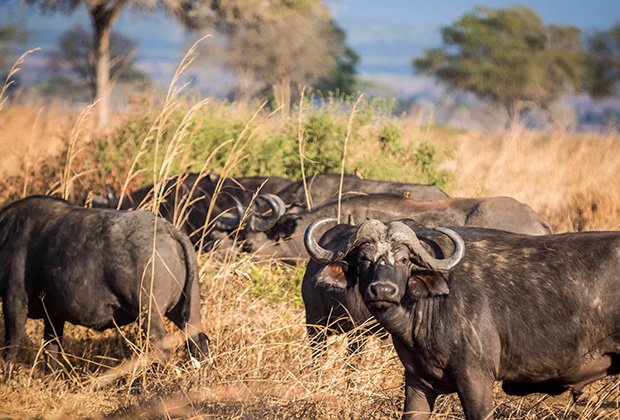
Dec 24, – 3 Day Christmas Serengeti And Ngorongoro Group Safari
Dec 24, 2026 – 3 Day Christmas Serengeti and Ngorongoro Group Safari.
View package details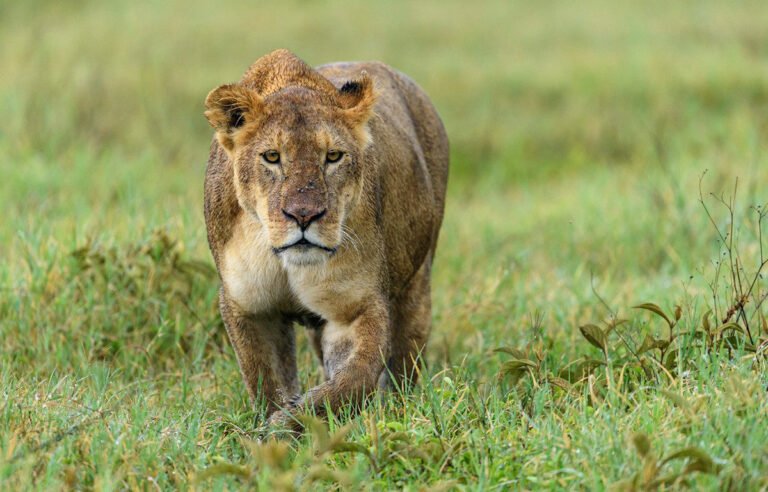
Dec 20, – 10 Day Complete Tanzania Group Joining Safari
Dec 20, 2026 – 10 Day Complete Tanzania Group Joining Safari.
View package details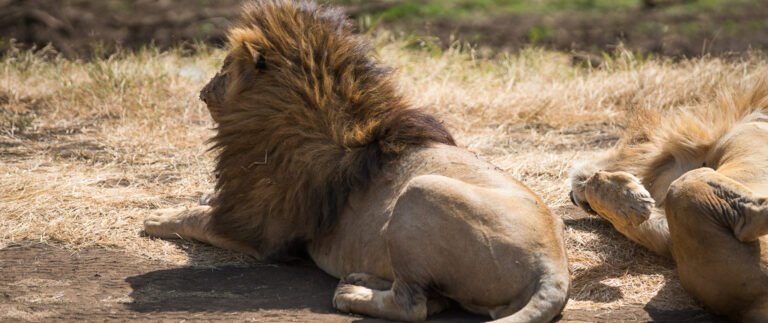
Which Dec Group Safari Ends Before New Year’s Eve?
Which Dec Group Safari Ends Before New Year’s Eve?
View package details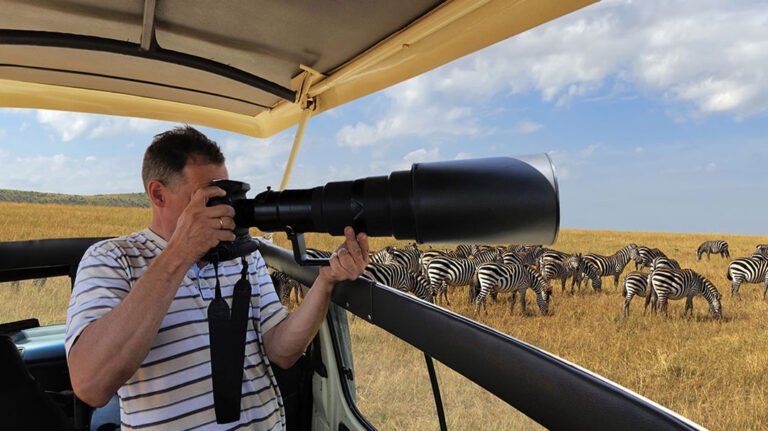
How Early Should I Book A Nov Or Dec Tanzania Group Safari?
How Early Should I Book a Nov or Dec Tanzania Group Safari?
View package details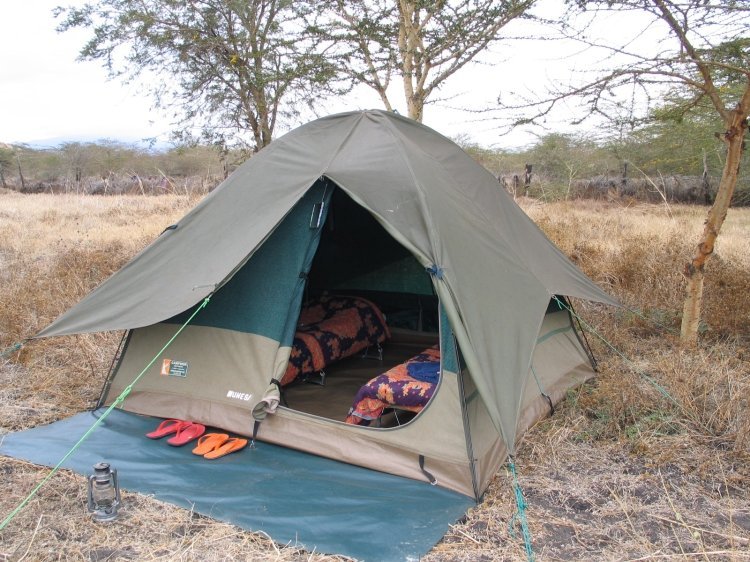
Can I Pay A Deposit To Reserve A Tanzania Group Safari?
Can I Pay a Deposit to Reserve a Tanzania Group Safari?
View package details
Dec 31, : New Year’s Eve Serengeti Group Safari Planning Guide
This guide provides essential planning details for a group safari trip to the Serengeti for New Year's Eve 2026, covering logistics, seasonal highlights, and what to expect.
View package details
Dec 22, – 3 Day Nyerere Group Joining Safari
Dec 22, 2026 – 3 Day Nyerere Group Joining Safari.
View package details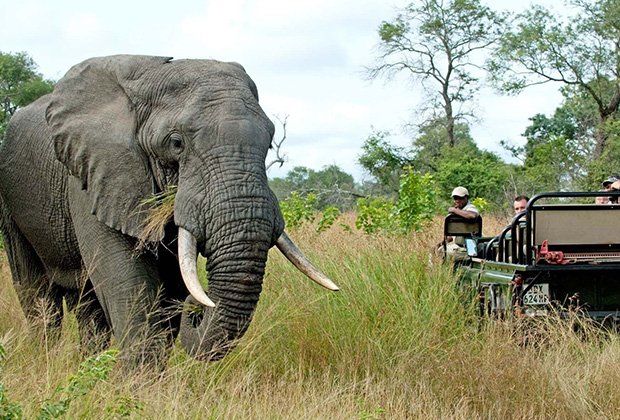
I Am On A Budget—What Is The Cheapest Serengeti Group Safari?
I Am on a Budget—What Is the Cheapest Serengeti Group Safari?
View package details_1_John_from-rednote-web-768x1024.jpg)
Dec 13, – 2 Day Nyerere Fly-In Group Safari From Zanzibar 2026
A detailed guide to the December 13, 2026 group fly-in safari from Zanzibar to Nyerere National Park, covering the itinerary, logistics, and planning for your trip.
View package details
Dec 5, – 1 Day Mikumi Fly-In Group Safari From Zanzibar 2026
A practical guide to the December 5, 2026, group fly-in safari to Mikumi National Park. Learn about the itinerary, group logistics, and how to book your seat.
View package details
Nov 15, – 2 Day Mikumi Fly-In Group Safari From Zanzibar 2026
A practical guide and booking overview for the November 15, 2026, group fly-in safari to Mikumi National Park, departing from Zanzibar.
View package details
Oct 25, – 1 Day Nyerere Fly-In Group Safari From Zanzibar 2026
Secure your spot for the October 25, 2026, group fly-in safari to Nyerere National Park. A professional, time-efficient wildlife experience from Zanzibar.
View package detailsNo related package matches those filters. Clear one or more filters to see the other topic-matched options.