Booking flights from Rome to Tanzania for a safari and Zanzibar holiday involves connecting through major international hubs, as there are no direct flights. Typically, you’ll fly from Rome (FCO) to a Middle Eastern or European hub like Doha, Dubai, Istanbul, Amsterdam, or Zurich, and then onward to Kilimanjaro International Airport (JRO) for safaris or Zanzibar’s Abeid Amani Karume International Airport (ZNZ). Expect journey times of 12-20+ hours, depending on layovers, with prices varying significantly based on the season, airline, and how far in advance you book for 2026-2027 travel. Planning your Rome to Tanzania flights is a crucial first step to securing your dream African adventure.

Understanding Your Flight Options: Rome to Tanzania
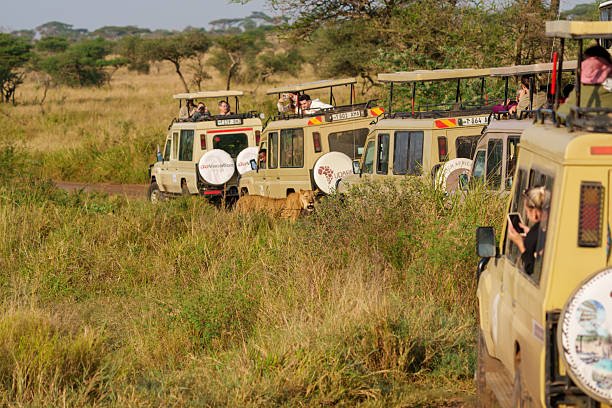
Embarking on a journey from Rome to Tanzania for a combination safari and beach holiday is an exciting prospect. The first thing to grasp is that direct flights between Italy and Tanzania simply don’t exist. This means your trip will always involve at least one stopover. The key to a successful trip lies in understanding these connections, choosing the most efficient routes, and timing your booking strategically, especially as you look ahead to 2026 and 2027 travel seasons.
Your primary entry points into Tanzania for a safari are Kilimanjaro International Airport (JRO) for the northern circuit parks (Serengeti, Ngorongoro, Tarangire, Lake Manyara) and Zanzibar’s Abeid Amani Karume International Airport (ZNZ) for island relaxation or as a starting point for southern safaris. Many travelers combine these, flying into one and out of the other, or doing a round trip to one and then taking a short domestic flight or ferry to the other. Understanding these options from Rome is the foundational step.
Choosing Your Gateway Airport in Tanzania
The choice of your arrival airport in Tanzania largely dictates the initial phase of your trip. This decision is intrinsically linked to your itinerary’s structure.
Kilimanjaro International Airport (JRO): The Safari Hub
If your priority is to dive straight into the iconic wildlife viewing of the northern circuit, Kilimanjaro International Airport (JRO) is your logical destination. Located between Arusha and Moshi, it serves as the gateway to Mount Kilimanjaro climbs, the Great Migration in the Serengeti, the Ngorongoro Crater, and the diverse ecosystems of Tarangire and Lake Manyara National Parks. Most reputable safari operators, including Climb 4 Africa, are based in or have strong connections in Arusha, the safari capital, making JRO a convenient arrival point for immediate immersion into your safari experience.
Abeid Amani Karume International Airport (ZNZ): The Island Paradise
For those whose primary goal is to unwind on the pristine beaches of Zanzibar, or perhaps to explore its rich history and spice plantations before or after a safari, Abeid Amani Karume International Airport (ZNZ) is your arrival point. Zanzibar offers a different pace of travel, focusing on relaxation, water sports, and cultural exploration. It’s also a popular starting point for Southern Tanzanian safaris (Selous, Ruaha) or for those who prefer to fly into Zanzibar and then take a short domestic flight or ferry to Arusha for their safari.
Connecting the Dots: Rome to Tanzania Flight Routes
Since there are no direct flights, you’ll be looking at routes with one or two stops. The most common and often most efficient connections from Rome (FCO) typically involve:
- Middle Eastern Hubs: Airlines like Qatar Airways (via Doha – DOH), Emirates (via Dubai – DXB), and Turkish Airlines (via Istanbul – IST) offer extensive networks and competitive pricing. These are often favored for their modern fleets and good service.
- European Hubs: Carriers such as KLM (via Amsterdam – AMS), Ethiopian Airlines (via Addis Ababa – ADD), Swiss (via Zurich – ZRH), or Lufthansa (via Frankfurt – FRA) also provide viable options. Ethiopian Airlines, in particular, has a strong presence in East Africa and can be a very direct route.
The choice between these hubs often comes down to flight duration, layover times, price, and airline preference. A layover in Doha or Dubai might offer more luxurious airport experiences, while a stop in Istanbul or Addis Ababa could position you closer to Tanzania geographically. For 2026-2027 bookings, comparing these options early is key to finding the best balance.
Flight Duration and Layovers: What to Expect
The total travel time from Rome to Tanzania can range significantly. A ‘good’ journey might be around 12-15 hours, including a relatively short layover of 2-4 hours. However, it’s not uncommon for total travel times to extend to 20 hours or more, especially if you have longer layovers or require a second connection. This is a critical factor when planning your itinerary, as arriving late at night after a long journey can be tiring.
When searching for flights, pay close attention to the layover duration. Extremely short layovers (under 90 minutes) can be risky, especially if your initial flight is delayed, potentially causing you to miss your connection. Conversely, excessively long layovers (over 8 hours) can be tedious, though sometimes they offer opportunities for short city tours if the airport and visa regulations permit.
Best Time to Book Flights for 2026-2027
For the best fares and availability on Rome to Tanzania flights, it’s generally recommended to book well in advance. For peak travel seasons (June-October for safari, and December-February for a mix of safari and beach), aiming to book 6-9 months ahead is a wise strategy. For travel during shoulder seasons (e.g., March-May or November), you might find good deals closer to the date, but still, booking 3-5 months out is advisable to secure preferred routes and prices for 2026-2027.
Prices tend to fluctuate. Booking too early might mean missing out on early bird discounts that some airlines release, while booking too late will almost certainly mean higher prices and fewer choices. For 2026-2027, keep an eye on airline promotions and consider setting up flight alerts.
Navigating Airlines and Booking Platforms
Choosing the right airline and booking platform can significantly impact your travel experience and budget for your Rome to Tanzania flights. Understanding the nuances of each can save you money and potential headaches.
Major Airlines Serving Tanzania from Europe
Several major international carriers operate routes that connect Rome to Tanzania. These airlines often offer different classes of service, baggage allowances, and loyalty programs, which can influence your choice.
- Qatar Airways: Frequently cited for excellent service and a modern fleet, flying via their hub in Doha (DOH). They offer direct connections to both JRO and ZNZ.
- Emirates: Known for its premium services and extensive network, connecting through Dubai (DXB). Similar to Qatar Airways, they provide routes to both Tanzanian gateways.
- Turkish Airlines: A strong contender with a vast network, using Istanbul (IST) as their hub. They offer competitive pricing and good connectivity.
- KLM/Air France: Often provide options via Amsterdam (AMS) or Paris (CDG), sometimes offering competitive fares and convenient schedules.
- Ethiopian Airlines: A significant player in African aviation, using Addis Ababa (ADD) as their hub. This can sometimes be a more direct route, particularly if you’re heading to Kilimanjaro.
- Swiss International Air Lines / Lufthansa: Connecting via Zurich (ZRH) or Frankfurt (FRA) respectively, these carriers are reliable choices, especially for those who value punctuality and European service standards.
When comparing airlines, consider factors beyond just the ticket price. Look at the total travel time, the length and number of layovers, the quality of the aircraft, in-flight entertainment, meal options, and the airline’s reputation for customer service, especially if issues arise.
Online Travel Agencies (OTAs) vs. Direct Booking
You have two primary avenues for booking your Rome to Tanzania flights: through Online Travel Agencies (OTAs) or directly with the airline.
- Online Travel Agencies (e.g., Skyscanner, Google Flights, Expedia): These platforms are excellent for comparing prices across multiple airlines and dates. They can often help you find cheaper fares by aggregating deals. Recommendation: Use these tools for initial research and price comparison.
- Direct Airline Websites: Once you’ve identified the best flight option, it’s often beneficial to book directly on the airline’s website. This can simplify the process if you need to make changes, cancel flights, or manage your booking. Direct booking also sometimes offers better recourse if there are disruptions.
For complex itineraries or if you’re booking last-minute for 2026-2027, consider using a travel agent specializing in Africa. They can often navigate complex routes and fare rules more effectively than an individual.
Understanding Fare Types and Flexibility
When browsing flights, you’ll encounter various fare types, often differing in their flexibility and inclusions. Economy, Premium Economy, Business, and First Class all come with vastly different price points and comfort levels.
- Economy: The most budget-friendly option, but with less legroom and fewer amenities.
- Premium Economy: Offers more legroom, better seating, and enhanced service compared to standard economy, often a good compromise for long-haul flights.
- Business/First Class: Provides significant comfort, lie-flat seats, lounge access, and superior dining. This is a considerable investment but can make the long journey much more comfortable.
Pay close attention to fare rules regarding changes and cancellations. Many cheaper tickets are non-refundable and non-changeable, or incur hefty fees. For 2026-2027 travel, especially if your plans are not yet fully solidified, purchasing a more flexible ticket might be worth the extra cost to avoid potential financial loss if your dates shift.
Baggage Allowances: A Crucial Consideration
Safari travel often involves smaller aircraft for internal transfers, and even international flights can have specific baggage restrictions. Always check the baggage allowance for both your international flights from Rome and any potential domestic flights within Tanzania.
- International Flights: Typically allow 1-2 checked bags of 23kg each in economy, but this varies by airline and fare type.
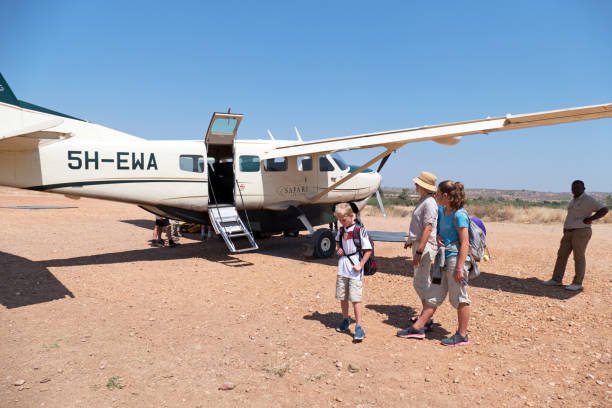
- Domestic Flights/Light Aircraft: These often have much stricter limits, usually around 15-20kg total weight, packed in a soft-sided duffel bag. Hard suitcases are often not permitted.
This is vital for safari packing. You’ll need to pack efficiently and often choose soft bags for internal flights. If your international allowance is generous but your domestic allowance is tight, you might need to arrange for excess luggage to be stored at your arrival hotel in Arusha or Kilimanjaro.
Planning Your Tanzania Itinerary: Safari and Zanzibar Integration
Your flight booking is intrinsically linked to how you structure your Tanzanian adventure. A well-planned itinerary ensures you maximize your time and enjoyment, whether you’re spotting wildlife or relaxing on the beach. For 2026-2027, consider these integration strategies.
Option 1: Fly into JRO, Out of ZNZ (Open-Jaw)
This is often the most efficient approach for a combined safari and Zanzibar trip. You fly from Rome to Kilimanjaro (JRO), spend your safari time exploring the northern circuit, and then take a short domestic flight or ferry from Arusha/Kilimanjaro area to Zanzibar (ZNZ). Your international flight home would then depart from ZNZ.
- Pros: Minimizes backtracking, saves time, and allows for a more linear progression through your destinations.
- Cons: Can sometimes be slightly more expensive than a round-trip ticket to a single airport, but the time saved usually justifies the cost.
This is a popular choice for many travelers looking to experience both worlds without extensive travel within Tanzania.
Option 2: Fly into JRO, Out of JRO (Round Trip Safari Focus)
With this option, you fly from Rome to JRO and return from JRO. Your safari would take place, and then you would travel to Zanzibar via domestic flight or ferry. After your Zanzibar stay, you’d fly back from ZNZ to JRO for your international flight home.
- Pros: Can sometimes be cheaper if you find a good round-trip deal to JRO.
- Cons: Requires an additional domestic flight or ferry crossing back to the mainland (JRO) before your international departure, adding travel time and potential for delays.
Option 3: Fly into ZNZ, Out of ZNZ (Round Trip Zanzibar Focus)
This itinerary sees you flying from Rome to ZNZ and returning from ZNZ. You would then take a domestic flight or ferry to the mainland for your safari, and return to Zanzibar for your departure.
- Pros: Ideal if your priority is Zanzibar and you want to tack on a shorter safari. Also beneficial if you find excellent deals to Zanzibar.
- Cons: Requires multiple internal transfers between Zanzibar and the mainland for your safari, which can consume valuable time.
Option 4: Fly into ZNZ, Out of JRO (Open-Jaw Island First)
The reverse of Option 1. Fly from Rome to ZNZ, enjoy Zanzibar, then take a domestic flight/ferry to Arusha/JRO for your safari, and depart from JRO.
- Pros: Allows for relaxation on the beach before the more active safari portion.
- Cons: Similar to Option 1, potential cost differences compared to round-trip, but offers a logical flow.
Typical Itinerary Durations for 2026-2027
A common and recommended duration for a combined safari and Zanzibar trip is 10-14 days. This allows for approximately 5-7 days on safari and 5-7 days in Zanzibar, including travel time.
- 10-Day Trip: Could involve 4-5 days of safari (e.g., Tarangire, Ngorongoro Crater, Serengeti highlights) and 3-4 days in Zanzibar. This is a faster-paced trip.
- 14-Day Trip: Allows for a more comprehensive 6-7 days of safari (perhaps including Lake Manyara or more time in Serengeti) and 5-7 days to truly relax and explore Zanzibar. This is a more comfortable pace.
- Longer Trips (16+ days): Offer the flexibility to explore more remote safari areas, add Kilimanjaro trekking, or spend more extensive time in Zanzibar, perhaps visiting other islands like Pemba.
When booking your Rome to Tanzania flights, ensure the dates align with your desired itinerary length. For 2026-2027, consider booking your internal transfers (flight or ferry to Zanzibar) once your international flights are confirmed.
Internal Transfers: Flights vs. Ferries
Once in Tanzania, you’ll need to get between the mainland and Zanzibar. You have two main options:
- Domestic Flights: Several local airlines (e.g., Precision Air, Coastal Aviation, ZanAir) operate frequent flights between Kilimanjaro/Arusha and Zanzibar. These are quick (around 1 hour), comfortable, and often the preferred choice for those on a tighter schedule or seeking maximum convenience. They also adhere to the strict 15-20kg soft-bag limit.
- Ferries: A more budget-friendly option connecting the mainland (usually from Dar es Salaam, though connections from Arusha/Kilimanjaro often involve a transfer to Dar first) to Zanzibar. The journey takes several hours. While cheaper, it can be less comfortable and prone to delays or cancellations due to sea conditions.
For most travelers combining northern circuit safaris with Zanzibar, a domestic flight from Arusha (ARK) or Kilimanjaro (JRO) to Zanzibar (ZNZ) is the most practical choice. Booking these internal flights in advance, especially for 2026-2027, is recommended.
Estimating Costs for Rome to Tanzania Flights
The cost of flights from Rome to Tanzania is one of the most significant components of your trip budget. Prices can vary wildly, influenced by several factors. Getting a realistic estimate for 2026-2027 is crucial for financial planning.
Factors Influencing Flight Prices
Several elements contribute to the final price you pay for your Rome to Tanzania flights:
- Time of Year: Peak seasons (July-October, December-February) are generally the most expensive due to high demand. Shoulder seasons (March-June, November) often offer better value.
- Booking Window: As mentioned, booking 6-9 months in advance for peak times usually yields the best prices. Last-minute bookings are almost always more expensive.
- Airline and Route: Different airlines have different pricing structures. Routes with fewer stops or more convenient layover times might be pricier.
- Class of Service: Economy, Premium Economy, Business, and First Class have exponentially different price points.
- Flexibility: Tickets with flexible change or cancellation policies are typically more expensive than non-refundable, non-changeable fares.
- Demand and Special Events: Major global events or exceptionally high demand periods can drive prices up.
Typical Price Ranges for 2026-2027
Based on historical data and current trends, here are general estimates for round-trip economy class flights from Rome (FCO) to either Kilimanjaro (JRO) or Zanzibar (ZNZ). These are indicative ranges and can fluctuate significantly:
- Budget/Off-Season: €700 – €1000 per person. This might involve longer layovers or less desirable flight times, booked well in advance during low season.
- Mid-Range/Shoulder Season: €900 – €1400 per person. This is a common range for bookings made several months out, covering shoulder or even parts of peak seasons with reasonable connections.
- Peak Season/Premium: €1200 – €1800+ per person. For travel during July-October or December-February, especially if booking closer to the date or seeking premium airlines/convenient schedules.
Note: These prices are for international flights only. They do not include internal flights between mainland Tanzania and Zanzibar, which typically range from $200 – $400 USD per person round trip.
Cost-Saving Strategies
To make your Rome to Tanzania flights more affordable for your 2026-2027 adventure:
- Be Flexible with Dates: If possible, adjust your travel dates by a few days or weeks to land during cheaper periods. Mid-week flights are often less expensive than weekend departures.
- Consider Different Airports: While JRO and ZNZ are the main gateways, sometimes flying into Dar es Salaam (DAR) and then taking a domestic flight or ferry to Zanzibar/Arusha can be cheaper. However, factor in the extra transfer time and cost.
- Set Price Alerts: Use flight comparison websites to set up alerts for your desired routes. You’ll be notified when prices drop.
- Look at Package Deals: Sometimes, tour operators like Climb 4 Africa can secure better flight rates as part of a larger package, especially if booking accommodation and safari together. Inquire about this possibility.
Understanding Hidden Costs
Be aware of potential extra costs:
- Baggage Fees: Especially for checked bags on certain fare types or airlines.
- Seat Selection Fees: Some airlines charge extra for choosing specific seats.
- In-flight Wi-Fi: Often an additional cost.
- Airport Transfers: Getting to and from Rome Fiumicino (FCO) and your arrival/departure airports in Tanzania.
Always read the fine print on your ticket to understand exactly what is included.
Visa, Health, and Travel Documents for Tanzania
Securing the correct travel documents and adhering to health recommendations are non-negotiable steps before you even think about booking your Rome to Tanzania flights. For 2026-2027, ensure you have ample time for these preparations.
Tanzanian Visa Requirements
Most nationalities require a visa to enter Tanzania. The easiest and most recommended method is to apply for an e-Visa online before you travel.
- Online Application: Visit the official Tanzanian immigration website. The process is straightforward, requiring personal details, passport information, and travel plans.
- Visa on Arrival: While possible for some nationalities, it’s generally discouraged due to potential long queues and processing delays at the airport. Applying online in advance is significantly more efficient.
- Validity: Tourist visas are typically valid for 30 or 90 days, depending on the nationality and type of visa. Ensure your visa covers your entire stay.
Recommendation: Apply for your Tanzanian e-Visa at least 4-6 weeks before your departure from Rome. Keep a printed copy of your visa approval and your passport with you during your travels.
Health and Vaccination Recommendations
Consulting a travel health professional well in advance of your trip is essential.
- Yellow Fever: Proof of Yellow Fever vaccination is mandatory for travelers arriving from or transiting through countries with a risk of Yellow Fever transmission. Even if coming from Italy (which is low risk), your itinerary might include layovers in high-risk countries, making the certificate necessary. Always carry your International Certificate of Vaccination (Yellow Card).
- Malaria Prevention: Tanzania is a malaria-risk area. Discuss malaria prophylaxis (antimalarial medication) with your doctor or a travel clinic. They will recommend the best option based on your health and itinerary.
- Other Vaccinations: Routine vaccinations should be up-to-date. Consider vaccinations for Hepatitis A, Typhoid, and Tetanus, as recommended by health authorities.
- COVID-19: While regulations are constantly evolving, stay updated on any COVID-19 testing or vaccination requirements for entry into Tanzania and for your return flight to Italy.
Timing: It’s advisable to consult a travel clinic 4-8 weeks before your planned travel dates for 2026-2027 to allow time for necessary vaccinations and for them to become effective.
Passport Validity
Your passport must be valid for at least six months beyond your intended stay in Tanzania and have at least two blank pages for entry and exit stamps. Ensure your passport meets these requirements well before booking your flights from Rome.
Travel Insurance: A Must-Have
Comprehensive travel insurance is non-negotiable. It should cover:
- Medical Emergencies: Including emergency medical evacuation, which is critical given the remote locations of some safari areas.
- Trip Cancellation/Interruption: To protect your investment if unforeseen circumstances force you to cancel or cut short your trip.
- Lost or Delayed Baggage: To cover essential items if your luggage doesn’t arrive as planned.
- Personal Liability.
Recommendation: Purchase travel insurance as soon as you book your flights and safari. Read the policy details carefully to understand exclusions and coverage limits.
When to Travel: Best Seasons for Safari and Zanzibar
Choosing the right time to travel significantly impacts your experience, from wildlife sightings to beach weather. Understanding the seasons in Tanzania for 2026-2027 will help you align your flight bookings with your desired activities.
Tanzania Safari Seasons
Tanzania has distinct seasons, each offering unique advantages for wildlife viewing:
- The Dry Season (June to October): This is widely considered the peak safari season. Wildlife congregates around permanent water sources, making sightings more reliable. The vegetation is less dense, improving visibility. The Great Migration river crossings in the Mara River (Serengeti) typically occur between July and October. Skies are clear, offering excellent photographic opportunities. This is also the busiest and most expensive time for safaris and flights.
- The Green Season (November to May): Characterized by rainfall, this period is also known as the “emerald season.” The landscape becomes lush and beautiful. It’s an excellent time for birdwatching, and newborn animals are often seen. Prices for safaris and flights are generally lower. The short rains usually occur in November and December, followed by the long rains from March to May. The Ngorongoro Crater and Serengeti offer good game viewing year-round, as many animals reside there permanently.
Zanzibar Seasons
Zanzibar enjoys a tropical climate, with warm temperatures year-round. However, there are wetter and drier periods:
- Dry Season (June to October): This aligns with the main safari dry season and is also a prime time for Zanzibar. Expect sunny days, lower humidity, and pleasant sea breezes, ideal for beach activities and exploring Stone Town. This is peak season for tourism.
- Rainy Seasons: The long rains typically fall from March to May, bringing heavy, prolonged downpours. The short rains usually occur in November. While it can rain heavily, it often comes in short, intense bursts, allowing for sunshine in between. The shoulder months (late May, early June, November, early December) can offer a good balance of decent weather and fewer crowds.
Aligning Your Trip for 2026-2027
For a combined safari and Zanzibar holiday in 2026-2027, the June to October window offers the best of both worlds: prime safari conditions and excellent beach weather. However, this is also the most expensive and crowded period. If budget is a concern, consider the shoulder months like November (after short rains, before peak Christmas season) or early December, or the period right after the long rains, around late May/early June.
The period from January to February is also a good time, often considered the “short dry season,” offering excellent safari conditions and good beach weather, though it can be busy due to holidays.
Making Your Booking Decision
Once you’ve decided on your preferred travel dates for 2026-2027, start researching Rome to Tanzania flights immediately. Booking your international flights should ideally happen concurrently with booking your safari and Zanzibar accommodation to ensure availability.
Traveler Tip for 2026-2027 Planning:
If you’re aiming for the Great Migration river crossings in the Serengeti (July-October), book your safari lodge/camp and flights at least 9-12 months in advance. This is a highly sought-after experience, and availability is limited.
Tips for a Smooth Travel Experience
Beyond booking flights and planning itineraries, several practical tips can ensure your journey from Rome to Tanzania is as smooth and enjoyable as possible.
Packing Essentials for Safari and Zanzibar
Packing appropriately is key. Think light, breathable, and practical.
- Clothing: Neutral-colored, lightweight clothing (khaki, beige, green, brown) for safaris (avoid bright colors that can scare wildlife). Include long-sleeved shirts and trousers for sun and insect protection. A warm fleece or jacket for early morning/late evening game drives. Comfortable walking shoes and sandals. For Zanzibar, swimwear, light dresses, shorts, and t-shirts are suitable. Remember modest clothing if visiting villages or religious sites.
- Sun Protection: High SPF sunscreen, a wide-brimmed hat, and sunglasses are essential.
- Insect Repellent: With DEET for protection against mosquitoes.
- Health Kit: Personal medications, basic first-aid supplies, antiseptic wipes, and any prescribed travel medications.
- Camera and Binoculars: Essential for wildlife viewing and photography. Bring extra batteries and memory cards.
- Adapters: Tanzania uses Type G plugs (the UK style, 230V). Ensure you have appropriate adapters for your electronics.
- Soft Duffel Bag: Crucial for internal flights. Check weight limits carefully.
Currency and Payment
The local currency in Tanzania is the Tanzanian Shilling (TZS). However, US Dollars are widely accepted, especially for tourist services like park fees, safari packages, and accommodation. Ensure your USD bills are newer (issued after 2009) and in good condition.
- For Safaris: Most tour operators will quote prices in USD. Park fees are usually paid in USD. Tips for guides and lodge staff are often given in USD.
- For Zanzibar: USD is accepted, but you’ll likely use Tanzanian Shillings for local markets, smaller shops, and restaurants. ATMs are available in major towns like Stone Town and Arusha, dispensing TZS.
- Credit Cards: Accepted in larger hotels, lodges, and some tour operator offices, but often incur a surcharge (around 3-5%).
Recommendation: Carry a mix of USD cash and TZS. Inform your bank of your travel dates to avoid card blocks.
Connectivity: Staying in Touch
Internet access can be spotty, especially in remote safari lodges. Wi-Fi is generally available in hotels in Arusha, Moshi, and Zanzibar, though speeds can vary.
- SIM Cards: Purchasing a local SIM card (e.g., Vodacom, Tigo, Airtel) upon arrival at the airport or in town is a cost-effective way to stay connected for calls and data.
- International Roaming: Can be very expensive; use with caution.
Cultural Etiquette
Tanzanians are known for their warmth and hospitality. Learning a few Swahili phrases (like ‘Jambo’ for hello, ‘Asante’ for thank you) is always appreciated. Dress modestly when visiting villages or towns, especially in Zanzibar, where Islamic traditions are more prevalent.
Safety and Security
Tanzania is generally a safe country for tourists, especially when traveling with reputable tour operators. Standard precautions apply:
- Be aware of your surroundings, particularly in crowded areas.
- Avoid displaying expensive jewelry or large amounts of cash.
- Use official taxis or pre-arranged transport.
- Listen to your guide’s advice regarding wildlife safety and camp rules.
Booking Your Tanzanian Adventure with Climb 4 Africa
Navigating the complexities of Rome to Tanzania flights and planning a comprehensive safari and Zanzibar holiday can seem daunting. This is where expert local knowledge becomes invaluable. Climb 4 Africa specializes in crafting unforgettable Tanzanian experiences, offering practical support from your initial inquiry through to your departure.
Why Choose Local Expertise?
As a Tanzania-based tour operator, Climb 4 Africa offers:
- Insider Knowledge: We understand the best times to visit, optimal routes, and hidden gems that generic online searches might miss.
- smooth Logistics: We handle all internal transfers, park fees, accommodation bookings, and guide arrangements, ensuring a smooth flow between your safari and Zanzibar components.
- Value for Money: By working directly with local suppliers, we can offer competitive pricing without compromising on quality. We can often secure better rates for internal flights and lodges than individual travelers can find online.
- Personalized Service: We tailor itineraries to your specific interests, budget, and travel style for 2026-2027.
- On-the-Ground Support: Our team is available to assist you throughout your trip, providing peace of mind.
How We Can Help with Your Flights
While you will book your international flights from Rome to Tanzania, we can provide expert guidance:
- Advice on Airports: We’ll advise whether flying into JRO or ZNZ makes more sense for your specific itinerary.
- Timing Recommendations: We can help you align your flight booking dates with the best safari and beach seasons.
- Internal Flight Booking: We handle the booking of all necessary domestic flights within Tanzania, ensuring they connect perfectly with your international arrivals and departures.
Planning Your 2026-2027 Safari and Zanzibar Holiday
To begin planning your dream trip, consider what you envision:
- Duration: How long do you want your safari and Zanzibar holiday to be?
- Safari Interests: Are you focused on the Big Five, the Great Migration, birdwatching, or specific parks?
- Zanzibar Activities: Relaxation, spice tours, historical exploration, water sports?
- Accommodation Style: Budget-friendly lodges, mid-range camps, or luxury tented suites?
- Budget: Having a rough idea of your budget helps us suggest the best options.
Next Steps: Reach out to Climb 4 Africa with your initial ideas. We can then discuss potential itineraries, provide customized quotes, and guide you through every step of the planning process, from selecting the best Rome to Tanzania flights to ensuring your adventure is truly unforgettable.
Contact Us to Start Planning
Let Climb 4 Africa be your partner in creating your ultimate Tanzanian adventure. We are passionate about sharing the magic of this incredible country and ensuring your journey is smooth and memorable.
Ready to plan your 2026-2027 safari and Zanzibar holiday?
Contact Climb 4 Africa today to discuss your dream itinerary. We’ll help you find the perfect balance between thrilling wildlife encounters and serene island relaxation. Let us handle the details so you can focus on the adventure.
WhatsApp: +255 747 477 898
Email: climb4africa@gmail.com
Website: Climb 4 Africa
“,
“faq_schema”: [
{
“question”: “Are there direct flights from Rome to Tanzania?”,
“answer”: “No, there are no direct flights from Rome (FCO) to Tanzania. All flights require at least one stopover, typically in major hubs like Doha, Dubai, Istanbul, Amsterdam, or Addis Ababa, before continuing to Kilimanjaro (JRO) or Zanzibar (ZNZ).”
},
{
“question”: “What is the best airport to fly into in Tanzania for a safari and Zanzibar holiday?”,
“answer”: “For a combined safari and Zanzibar trip, it’s often most efficient to fly into Kilimanjaro International Airport (JRO) for your safari and then take a domestic flight or ferry to Zanzibar (ZNZ) for your beach holiday, departing internationally from ZNZ (an ‘open-jaw’ ticket). Alternatively, you can fly round-trip to JRO and arrange transport back to JRO from Zanzibar for your departure.”
},
{
“question”: “How much do flights from Rome to Tanzania typically cost for 2026-2027?”,
“answer”: “For economy class flights from Rome to Tanzania, expect prices to range from approximately €700 to €1800+ per person for round trips, depending on the season, how far in advance you book, and the airline. Internal flights between mainland Tanzania and Zanzibar usually cost an additional $200-$400 USD per person.”
},
{
“question”: “When is the best time to book flights from Rome to Tanzania for 2026-2027?”,
“answer”: “For peak travel seasons (June-October, December-February), it’s recommended to book international flights 6-9 months in advance. For shoulder seasons, 3-5 months in advance is usually sufficient to secure good fares and availability.”
},
{
“question”: “What are the essential travel documents needed for Tanzania?”,
“answer”: “You will need a passport valid for at least six months beyond your stay, a visa (most nationalities can obtain an e-Visa online), proof of Yellow Fever vaccination (if arriving from or transiting through at-risk countries), and comprehensive travel insurance. Discuss malaria prevention and other vaccinations with your doctor.”
},
{
“question”: “Can Climb 4 Africa assist with booking flights?”,
“answer”: “Climb 4 Africa can provide expert advice on the best airports and timing for your Rome to Tanzania flights. While you book your international flights, we manage all internal transfers and bookings within Tanzania, ensuring a smooth connection for your safari and Zanzibar holiday.”
}
]
}
“`
Check Availability for Rome To Tanzania Flights For Safari And Zanzibar Holiday 2026-2027
Ready to compare dates, prices, and the best option for your group? Send the package name and travel month so the team can reply with a clear quote, availability, and what is included.
4-Day Serengeti Safari From Zanzibar With Return Flights: A Planning Guide
A deep look at planning a 4-day fly-in safari from Zanzibar to the Serengeti, covering flight logistics, itinerary structures, and the critical decisions needed for a successful 2026 or...
View package details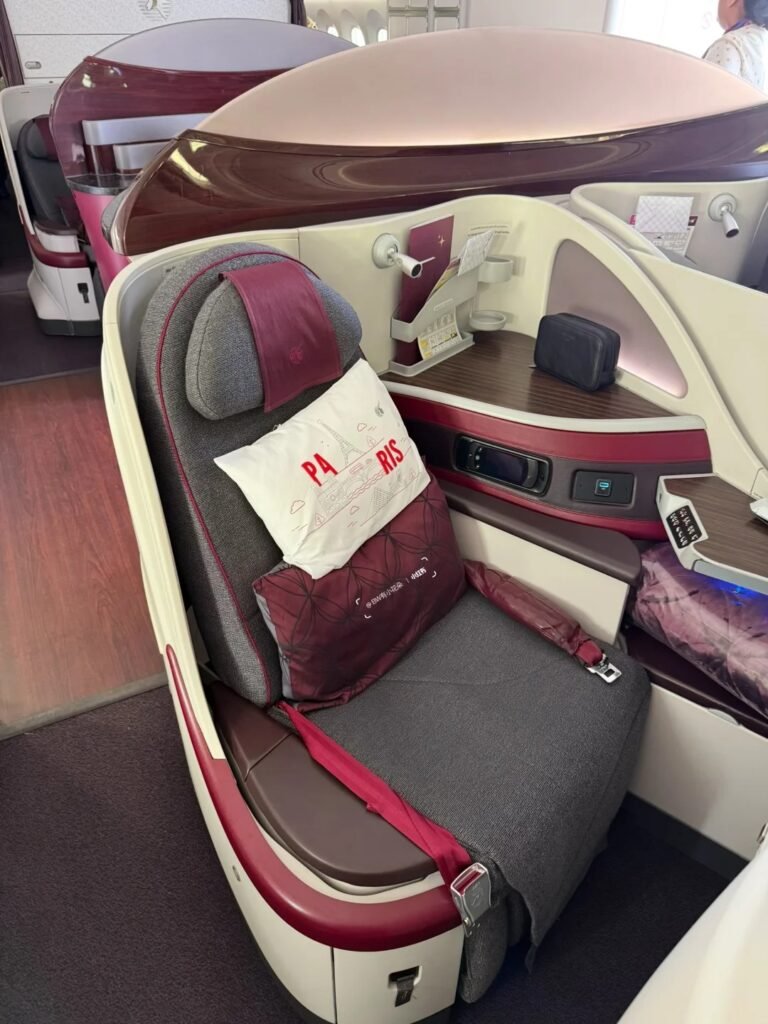
Zanzibar To Lake Manyara Flights: Prices & Safari Transfers 2026-2027
Zanzibar to Lake Manyara Flights: Prices & Safari Transfers is explained with current 2026-2027 planning, price, itinerary and booking information.
View package details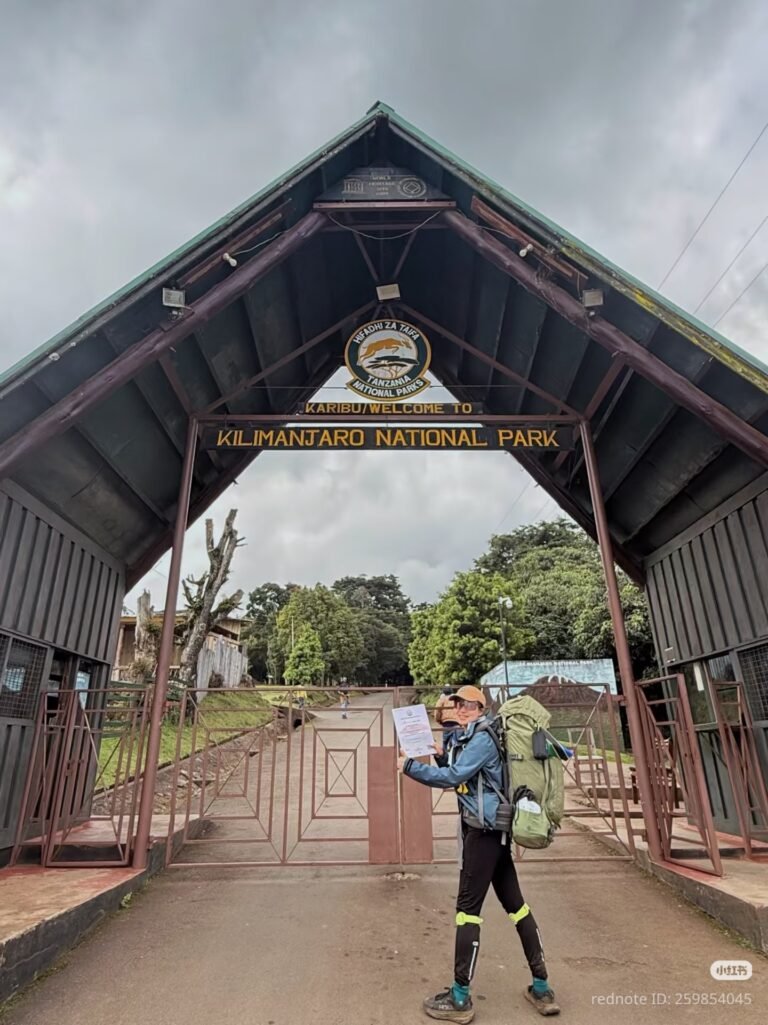
Tanzania Kilimanjaro And Safari Holiday Packages 2027
An expert, long-form guide to combining Kilimanjaro treks with Tanzania safaris and Zanzibar experiences, with practical planning and booking guidance for 2027.
View package details
Nov 23, – 3 Day Serengeti And Ngorongoro Safari From Zanzibar
Nov 23, 2026 – 3 Day Serengeti and Ngorongoro Safari from Zanzibar.
View package details_1_John_from-rednote-web-768x1024.jpg)
Dec 13, – 2 Day Nyerere Fly-In Group Safari From Zanzibar 2026
A detailed guide to the December 13, 2026 group fly-in safari from Zanzibar to Nyerere National Park, covering the itinerary, logistics, and planning for your trip.
View package details
Dec 5, – 1 Day Mikumi Fly-In Group Safari From Zanzibar 2026
A practical guide to the December 5, 2026, group fly-in safari to Mikumi National Park. Learn about the itinerary, group logistics, and how to book your seat.
View package details
Nov 15, – 2 Day Mikumi Fly-In Group Safari From Zanzibar 2026
A practical guide and booking overview for the November 15, 2026, group fly-in safari to Mikumi National Park, departing from Zanzibar.
View package details
Oct 25, – 1 Day Nyerere Fly-In Group Safari From Zanzibar 2026
Secure your spot for the October 25, 2026, group fly-in safari to Nyerere National Park. A professional, time-efficient wildlife experience from Zanzibar.
View package details
Nov 28, – 3 Day Fly-In Serengeti Group Safari From Zanzibar 2026
A detailed look at the 3-day fly-in Serengeti group safari departing November 28, 2026, including logistics, itinerary highlights, and travel tips for your Tanzania adventure.
View package details2-Day Serengeti Safari From Zanzibar By Flight: Price & Booking Guide
A practical guide to booking a 2-day Serengeti safari from Zanzibar by flight, covering itinerary logistics, cost considerations, and how to maximize your short time in the bush.
View package details
Luxury Fly-In Safari From Zanzibar: Private Packages For 2026-2027
Experience the ultimate Tanzanian getaway with a luxury fly-in safari from Zanzibar. Discover private, all-inclusive packages tailored for smooth wildlife encounters.
View package detailsBudget Fly-In Safari From Zanzibar: Best Packages & Prices 2026-2027
Discover how to plan a budget-friendly fly-in safari from Zanzibar to Tanzania's top parks without sacrificing the quality of your wildlife experience.
View package detailsNo related package matches those filters. Clear one or more filters to see the other topic-matched options.