Combining a Tanzania safari with a Zanzibar holiday from Japan offers an unparalleled blend of adventure and relaxation, typically involving a 7-10 day safari in Northern Tanzania’s iconic parks followed by 4-7 days on Zanzibar’s beaches. Planning this ambitious trip for 2026-2027 requires careful consideration of flight routes from Japan, safari pacing, Zanzibar accommodation styles, and the best times for wildlife viewing and beach enjoyment.
Planning Your Japan to Tanzania Safari and Zanzibar Holiday Itinerary
Embarking on a journey from Japan to Tanzania for a safari and Zanzibar holiday is a significant undertaking, promising an experience that is both thrilling and deeply rewarding. This itinerary structure caters to travelers seeking to witness the Great Migration, encounter the Big Five, and then unwind on pristine tropical beaches. We’ll explore the most effective ways to structure your time, considering travel logistics from Japan, optimal safari circuits, and the diverse attractions of Zanzibar. This guide is designed for those planning for 2026 or 2027, ensuring you have the practical insights needed to craft an unforgettable East African adventure.
The core of this adventure lies in experiencing Tanzania’s world-renowned wildlife and its interesting island counterpart. A typical itinerary might begin with international flights from major Japanese hubs like Tokyo (Narita or Haneda) or Osaka (Kansai) to Kilimanjaro International Airport (JRO) in Tanzania, often with one or two stops. From JRO, your safari begins, usually focusing on the Northern Circuit. Following the safari, you’ll fly from a Tanzanian mainland airstrip to Zanzibar, where relaxation and cultural exploration await before your return journey to Japan.
Key considerations for this combined trip include:
- Duration: A minimum of 12-14 days is recommended, with 16-21 days allowing for a more relaxed pace and deeper immersion.
- Timing: The dry seasons (June-October and December-February) are generally best for safaris, while Zanzibar is pleasant year-round, though April and May are rainy.
- Budget: This is a premium trip; costs vary significantly based on accommodation luxury, safari duration, and private vs. shared tours.
- Logistics: Coordinating flights from Japan, internal flights, and ground transfers is crucial.
Let’s break down how to construct an ideal Japan to Tanzania safari and Zanzibar holiday itinerary, ensuring you make the most of your 2026-2027 travel plans.
Understanding the Scope: Japan to Tanzania Safari & Zanzibar
A trip combining a Tanzania safari with a Zanzibar holiday is a substantial journey, requiring meticulous planning. For travelers originating in Japan, the primary challenge is bridging the vast geographical distance efficiently and comfortably. This typically involves long-haul international flights, followed by internal travel within Tanzania.
The typical flow for a Japan to Tanzania safari and Zanzibar holiday itinerary looks like this:
- International Travel: Flights from Japan (e.g., Tokyo, Osaka) to Kilimanjaro International Airport (JRO), Tanzania. This is usually the longest travel leg, often requiring one or two layovers in major hubs like Doha, Dubai, Istanbul, or Amsterdam.
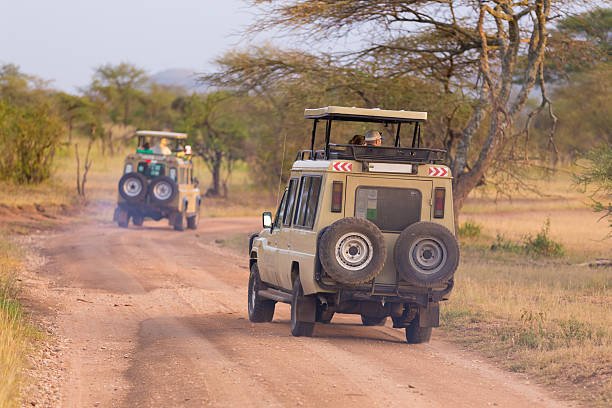
- Safari: Upon arrival at JRO, you’ll typically be met by your safari operator and begin your journey into Tanzania’s famed Northern Circuit. This usually includes parks like the Serengeti, Ngorongoro Crater, Tarangire, and Lake Manyara.
- Transition to Zanzibar: After your safari concludes, you’ll usually be transferred to Arusha Airport (ARK) or back to JRO for a short domestic flight to Zanzibar (ZNZ).
- Zanzibar Relaxation & Exploration: Spend your days on Zanzibar exploring Stone Town, visiting spice farms, and relaxing on the island’s beautiful beaches.
- Departure: Fly from Zanzibar (ZNZ) back to your international departure point in Tanzania (often JRO or DAR), and then begin your long-haul journey back to Japan.
The duration of each segment is flexible, but a common split for a 14-day trip is 7 days for the safari and 5 days for Zanzibar, with travel days bookending the experience. For a more in-depth exploration, consider extending the safari to 10 days and Zanzibar to 7 days, making for a comprehensive 21-day adventure.
Why combine these two experiences? Tanzania’s safari circuit offers some of the most spectacular wildlife viewing on Earth, a truly wild and natural spectacle. Zanzibar, on the other hand, provides a stark contrast with its rich history, vibrant culture, stunning beaches, and turquoise waters, offering a perfect opportunity to relax and reflect after the excitement of the safari. This duality makes it a dream destination for many, and planning it from Japan requires a strategic approach.
For travelers planning in 2026 or 2027, early booking is highly recommended, especially for peak safari seasons and popular Zanzibar resorts. This ensures availability and can sometimes secure better pricing, though prices are generally fixed by tour operators for a given season.
Crafting Your Safari Itinerary: Northern Tanzania’s Highlights
The heart of any Tanzania safari lies in its diverse ecosystems and abundant wildlife. For a Japan to Tanzania safari and Zanzibar holiday itinerary, the Northern Circuit is the most logical and popular choice due to its concentration of iconic parks and proximity to Kilimanjaro International Airport (JRO).
Here’s a breakdown of the key parks and a typical safari flow:
Serengeti National Park
The Serengeti is the undisputed crown jewel, famous for its vast plains and the annual Great Migration of wildebeest and zebras. The best time to visit depends on where the migration is located:
- January-March: Witness the calving season in the southern Serengeti.
- June-October: Experience the dramatic river crossings (Mara River) in the western and northern Serengeti.
A typical safari will allocate at least 3-4 days here to cover different regions and maximize wildlife sightings.
Ngorongoro Conservation Area & Crater
A UNESCO World Heritage Site, the Ngorongoro Crater is a natural amphitheater teeming with wildlife. It boasts an incredibly high density of animals, including the rare black rhino, lions, elephants, and hippos. A full day is usually spent descending into the crater floor for game drives. The conservation area also offers Maasai cultural experiences and opportunities for walking safaris on the crater rim.
Tarangire National Park
Known for its large elephant herds and iconic baobab trees, Tarangire is particularly spectacular during the dry season (June-October) when animals congregate around the Tarangire River. It offers a different landscape and a more intimate safari experience compared to the vast Serengeti.
Lake Manyara National Park
Famous for its tree-climbing lions, abundant birdlife, and shallow alkaline lake, Lake Manyara is a smaller but diverse park. It’s often included as a stop en route between Tarangire and the Ngorongoro Crater.
A Sample 7-Day Northern Circuit Safari Itinerary
This is a common structure for the safari portion of a Japan to Tanzania safari and Zanzibar holiday itinerary:
- Day 1: Arrival in Kilimanjaro (JRO) & Transfer to Arusha. Arrive from Japan, meet your guide, and transfer to your lodge in Arusha for overnight.
- Day 2: Arusha to Tarangire National Park. Drive to Tarangire for a full day of game drives, focusing on elephants and baobabs. Overnight near the park.
- Day 3: Tarangire to Serengeti National Park. Morning game drive in Tarangire, then drive to the Serengeti, stopping at the Ngorongoro viewpoint. Afternoon game drive in the Serengeti. Overnight in Central Serengeti.
- Day 4: Serengeti National Park. Full day of game drives in the Serengeti, exploring different areas based on wildlife movements. Optional hot air balloon safari. Overnight in Central Serengeti.
- Day 5: Serengeti National Park. Another full day in the Serengeti, perhaps focusing on a different zone or tracking specific predators. Overnight in Central Serengeti.
- Day 6: Serengeti to Ngorongoro Crater. Morning game drive in the Serengeti, then drive to the Ngorongoro Conservation Area. Descend into the crater for an afternoon game drive. Overnight on the crater rim or nearby.
- Day 7: Ngorongoro to Arusha / Flight to Zanzibar. Morning optional activity (e.g., Maasai village visit), then drive back to Arusha or directly to Kilimanjaro Airport (JRO) for your flight to Zanzibar.
Variations for 2026-2027: If you have more time, consider adding days in the Serengeti to explore the more remote northern or western regions, or include other parks like Lake Manyara. For those focusing on the Great Migration, aligning your safari dates with its known location is paramount.
The Great Migration: Timing is Everything
The Great Migration is a wildlife spectacle of epic proportions, involving over 1.5 million wildebeest, zebras, and gazelles. Understanding its cyclical movement is key to planning your safari, especially for 2026-2027 travel:
- Dec-Mar: Southern Serengeti (Ndutu area) for calving season. Lush grasslands.
- Apr-May: Transition period, generally wetter and quieter.
- Jun-Jul: Western Corridor, Grumeti River crossings.
- Jul-Oct: Northern Serengeti, Mara River crossings – the most dramatic and sought-after.
- Nov: Southern migration begins its return.
While the Serengeti is central, the migration also moves through the Masai Mara in Kenya. However, for a Tanzania-focused itinerary, sticking to the Serengeti ensures a cohesive experience.
Accommodation Options on Safari
Safari lodges and tented camps range from comfortable mid-range options to ultra-luxury establishments. Your choice significantly impacts the overall experience and cost:
- Luxury Lodges/Tented Camps: Offer en-suite bathrooms, fine dining, swimming pools, and exceptional service. Ideal for those seeking comfort and exclusivity.
- Mid-Range Lodges/Tented Camps: Provide comfortable rooms, good amenities, and excellent service, often with a more rustic charm. A great balance of comfort and value.
- Budget Camps/Tented Camps: More basic facilities, but still offer a genuine safari experience. Suitable for adventurous travelers prioritizing game viewing over luxury.
For a Japan to Tanzania safari and Zanzibar holiday itinerary, selecting accommodation that aligns with your budget and desired comfort level is crucial for enjoying both the adventure and the relaxation aspects.
The Zanzibar Experience: From Spice Islands to Tropical Paradise
After the exhilarating wildlife encounters of a Tanzania safari, Zanzibar offers a serene and culturally rich counterpoint. This island archipelago in the Indian Ocean is famed for its spice plantations, historic Stone Town, and impressive beaches. Integrating Zanzibar into your Japan to Tanzania safari and Zanzibar holiday itinerary provides a perfect balance of adventure and relaxation.
Stone Town: A UNESCO World Heritage Site
Stone Town is the historical heart of Zanzibar City, a labyrinth of narrow alleyways, bustling bazaars, and intricately carved wooden doors. It’s a melting pot of Swahili, Arab, Indian, and European influences, reflecting centuries of trade and cultural exchange.
- What to Do: Explore the House of Wonders, the Old Fort, the former Slave Market, and the Freddie Mercury Museum. Wander through the markets, sample local street food, and soak in the unique atmosphere.
- Duration: 1-2 days is usually sufficient to explore the main sights and get a feel for the town.
- Accommodation: Options range from boutique hotels within historic buildings to guesthouses.
Spice Farms: The Scent of Zanzibar
Zanzibar is known as the “Spice Island” for good reason. A guided tour of a spice farm is a sensory delight, where you can see, smell, and taste exotic spices and fruits like cloves, nutmeg, cinnamon, vanilla, cardamom, and tropical fruits. Many tours include a traditional Swahili lunch.
Beaches and Relaxation
Zanzibar’s coastline is dotted with stunning white-sand beaches and clear turquoise waters, perfect for unwinding. The choice of beach depends on your preference:
- Nungwi and Kendwa (North): Known for pristine beaches, vibrant sunsets, and lively atmosphere. Good for swimming year-round due to minimal tidal changes.
- Paje and Jambiani (East): Famous for kite surfing and traditional fishing villages. Experience the ebb and flow of the tide and local life.
- Matemwe (Northeast): Quieter, more exclusive beaches, often with views of Mnemba Atoll. Ideal for snorkeling and diving.
Recommended Stay: Allocate at least 3-4 days on Zanzibar to enjoy the beaches, explore a bit, and relax. This allows for a comfortable transition before the long flight back to Japan.
Activities: Beyond relaxing, enjoy snorkeling and diving trips to Mnemba Atoll, sunset dhow cruises, Jozani Forest (home to the endemic Red Colobus monkeys), and exploring the local villages.
Connecting Safari and Zanzibar
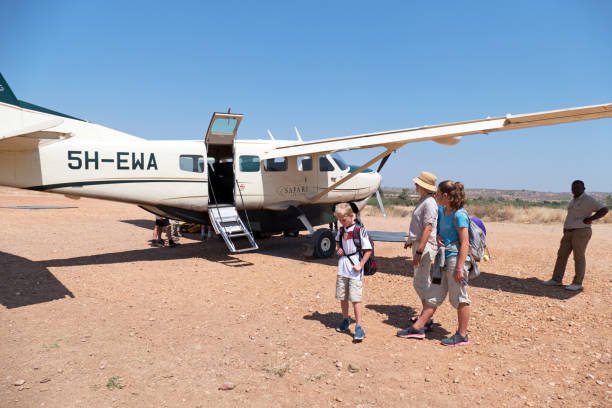
The transition typically involves a flight from an airstrip near your safari’s end point (e.g., Arusha Airport – ARK) to Zanzibar Airport (ZNZ). The flight duration is approximately 1-1.5 hours. This smooth connection is a crucial part of a well-planned Japan to Tanzania safari and Zanzibar holiday itinerary.
For 2026-2027 planning: Book your Zanzibar accommodation in advance, especially if traveling during peak seasons (July-October, December-February). Consider resorts that offer a variety of amenities for a truly relaxing end to your African adventure.
Logistics and Travel from Japan: Connecting Continents
The most significant logistical challenge for a Japan to Tanzania safari and Zanzibar holiday itinerary is bridging the immense distance between Japan and East Africa. This requires careful flight planning, considering layovers, travel time, and arrival/departure points.
International Flights from Japan
Major international airports in Japan include Tokyo (Narita – NRT, Haneda – HND) and Osaka (Kansai – KIX). The primary destination airport in Tanzania for safaris is Kilimanjaro International Airport (JRO).
Typical Routes:
- Via Middle East: Flights often connect through hubs like Doha (Qatar Airways), Dubai (Emirates), or Istanbul (Turkish Airlines). These routes generally involve one stop and a total travel time of 18-24 hours.
- Via Europe: Connections through Amsterdam (KLM), Paris (Air France), or Frankfurt (Lufthansa) are also common, though sometimes with longer layovers or two stops.
Booking Considerations for 2026-2027:
- Book Early: International flights, especially for long-haul routes, are best booked 6-9 months in advance for optimal pricing and availability.
- Layovers: Be mindful of layover times. Aim for 2-3 hours to allow for connections, but avoid excessively long layovers that can be exhausting.
- Arrival Time: Aim to arrive at JRO in the afternoon to allow for a smooth transfer to your Arusha hotel without rushing.
Internal Flights within Tanzania
Once in Tanzania, internal flights are essential for maximizing your time and covering distances efficiently.
- JRO/Arusha to Serengeti: Some safari itineraries include flights from Arusha Airport (ARK) or Kilimanjaro (JRO) directly to airstrips within the Serengeti (e.g., Seronera). This saves considerable driving time (6-8 hours) and allows you to start your safari immediately upon landing.
- Safari End Point to Zanzibar: After your safari, you’ll typically fly from an airstrip like Seronera (SEU) in the Serengeti or Arusha Airport (ARK) to Zanzibar Airport (ZNZ). This is a crucial connection for your Japan to Tanzania safari and Zanzibar holiday itinerary.
Cost Factor: These internal flights add to the overall cost but are highly recommended for time-saving, especially for shorter trips.
Ground Transfers
Airport transfers in Arusha, between parks (if driving), and from Zanzibar Airport to your hotel are typically handled by your safari operator. Ensure these are clearly included in your itinerary and quote.
Visa Requirements
Japanese citizens typically require a visa for Tanzania. This can often be obtained online (e-Visa) or upon arrival at JRO. Check the latest requirements well in advance of your 2026-2027 travel dates.
Health Precautions
Consult your doctor about necessary vaccinations (e.g., Yellow Fever, Hepatitis A) and malaria prophylaxis. It’s advisable to do this at least 6-8 weeks before departure.
Important Note for 2026-2027: Travel insurance is non-negotiable. Ensure it covers medical emergencies, trip cancellations, and lost luggage.
Choosing Your Safari Style: Private vs. Group Tours for 2026-2027
When planning your Japan to Tanzania safari and Zanzibar holiday itinerary, one of the most significant decisions affecting your experience and budget is whether to opt for a private or a group (shared) safari.
Private Safaris
A private safari means you have your own dedicated safari vehicle and guide for the duration of your safari. This offers the utmost flexibility and personalization.
- Pros:
- Flexibility: You set the pace, decide when to stop for sightings, and can spend more time at locations that interest you.
- Exclusivity: Your vehicle is not shared with other travelers, offering a more intimate experience.
- Customization: Itineraries can be tailored precisely to your interests (e.g., focusing on birdwatching, photography, or specific animal behaviors).
- Comfort: Often includes higher-end vehicles and more personalized service.
- Cons:
- Cost: Significantly more expensive than group safaris, as you bear the full cost of the vehicle, guide, and park fees.
- Decision Making: Requires more active decision-making from your end regarding stops and pace.
Ideal For: Families, couples seeking privacy, photographers, travelers with specific interests, or those who prefer to control their schedule.
Group (Shared) Safaris
In a group safari, you share a vehicle with other travelers, typically of varying nationalities. This is a more economical option.
- Pros:
- Cost-Effectiveness: The cost of the vehicle and guide is shared among all participants, making it much more affordable.
- Social Aspect: Opportunity to meet and share experiences with fellow travelers.
- No Decision Burden: The guide manages the schedule and stops, requiring less planning from your side.
- Cons:
- Less Flexibility: You must adhere to the group’s schedule and cannot dictate stops or duration at sightings.
- Shared Experience: Less privacy, and you might have to compromise on interests with other group members.
- Vehicle Limitations: Standard safari vehicles are used, and space can be tighter.
Ideal For: Solo travelers, budget-conscious travelers, those who enjoy a social atmosphere, and first-time safari-goers who prefer a structured experience.
Climb 4 Africa’s Approach for 2026-2027:
Climb 4 Africa specializes in offering both private and small group safaris. For those seeking a balance, their small group departures are excellent. These are often limited to 6-7 travelers, providing a more intimate group experience than larger set-departure tours. They also excel at crafting bespoke private itineraries tailored to individual needs and budgets.
Recommendation:
For a Japan to Tanzania safari and Zanzibar holiday itinerary, consider a private safari if budget allows. The flexibility is invaluable, especially when dealing with the long travel from Japan and wanting to maximize every moment. If budget is a constraint, Climb 4 Africa’s scheduled group departures offer a fantastic and well-organized way to experience Tanzania without the high cost of a private tour. Reviewing their departure dates for 2026 and 2027 is a good starting point.
The Zanzibar portion of the trip is typically more straightforward, with transfers and activities often booked independently or as part of a package.
Budgeting Your Tanzania Safari and Zanzibar Holiday
Planning a Japan to Tanzania safari and Zanzibar holiday itinerary involves understanding the various cost components. This is a premium travel experience, and costs can vary significantly based on the level of luxury, duration, and time of year.
Key Cost Components:
- International Flights (Japan to Tanzania): This is often the largest single expense. Prices fluctuate based on airline, booking time, and season. Expect to budget anywhere from ¥200,000 to ¥450,000+ (approx. $1,300 – $3,000+ USD) per person for round-trip economy class tickets from Japan to JRO. Booking well in advance for 2026-2027 is crucial for better rates.
- Safari Costs: This is usually priced per person per day and includes accommodation, park fees, a private 4×4 safari vehicle, an English-speaking guide, meals, and activities.
- Budget/Mid-Range: $250 – $450 USD per person per day.
- Luxury: $500 – $1,000+ USD per person per day.
- Zanzibar Costs: This includes accommodation, activities, and meals.
- Accommodation: $100 – $500+ USD per night, depending on the resort’s luxury level.
- Activities & Food: Budget $50 – $150 USD per person per day for tours, entrance fees, and meals not included in your lodge package.
- Internal Flights:
- Arusha/Serengeti to Zanzibar: Expect $150 – $300 USD per person for one-way flights.
- Flights within Serengeti (if applicable): Can add $100-$200 USD per person.
- Visa: Approximately $50 – $100 USD per person (check current rates).
- Travel Insurance: Varies by provider and coverage, but budget $100 – $300 USD per person.
- Tips: For guides, drivers, and lodge staff. Budget $10-$20 USD per day for guides and $5-$10 USD per day for lodge staff.
- Personal Expenses: Souvenirs, drinks, optional activities (e.g., hot air balloon safari – $500-$600 USD).
- Mid-Range: $3,500 – $5,500 USD
- Luxury: $6,000 – $10,000+ USD
- Peak Season: Safari costs are higher during the dry season (June-October) and around Christmas/New Year. Zanzibar also sees peak demand then.
- Off-Season: Traveling during the shoulder seasons or green season (November, March-May, excluding Easter) can offer savings.
- Group vs. Private: A private safari will be significantly more expensive than a shared group tour. Climb 4 Africa’s group departures offer excellent value.
- Inclusions: Always clarify what is included. Most safari packages cover accommodation, meals, park fees, and guide/vehicle. Zanzibar packages may vary.
- Expertise: Local operators have in-depth knowledge of Tanzania’s parks, wildlife, culture, and logistics. They understand the nuances of safari planning and can offer personalized advice.
- Support: They provide on-the-ground support throughout your trip, ensuring any issues are resolved quickly.
- Value: Local operators often offer better value for money by cutting out intermediary agents and having established relationships with lodges and service providers.
- Customization: They excel at creating tailor-made itineraries that perfectly match your interests, budget, and desired pace.
- Initial Inquiry: Contact Climb 4 Africa with your desired travel dates (e.g., for 2026 or 2027), number of travelers, preferred safari duration, accommodation style (budget, mid-range, luxury), and any specific interests (e.g., Great Migration, photography, specific parks).
- Itinerary Design: They will work with you to craft a detailed itinerary, balancing safari and Zanzibar components, and suggesting optimal routes and activities.
- Quotation: You will receive a comprehensive quotation detailing all inclusions, exclusions, and costs.
- Confirmation: Once you approve the itinerary and quote, a deposit will be required to confirm your booking.
- Pre-Trip Information: Climb 4 Africa will provide detailed information regarding packing, health, visa requirements, and what to expect.
- Final Payment: The balance payment is typically due 45-60 days before departure.
- Travel Dates: Specific dates or a flexible range for 2026-2027.
- Number of Travelers: Adults, children (ages).
- Safari Style: Private or group.
- Accommodation Preference: Budget, mid-range, luxury lodges/camps.
- Zanzibar Preference: Relaxing beach stay, cultural exploration, specific resorts.
- Budget Indication: A rough idea of your budget per person can help them tailor options.
- WhatsApp: +255 747 477 898
- Email: climb4africa@gmail.com
- Website: climb-4-africa.com
Estimated Total Cost for a 14-Day Trip (per person, excluding international flights from Japan):
Important Budgeting Notes for 2026-2027:
When requesting quotes for your Japan to Tanzania safari and Zanzibar holiday itinerary, be specific about your desired level of accommodation and safari style to get accurate estimates.
Booking Your 2026-2027 Tanzania Safari and Zanzibar Adventure
Securing your Japan to Tanzania safari and Zanzibar holiday itinerary requires careful selection of a reputable tour operator. For a smooth experience, especially when traveling from Japan, partnering with a local expert like Climb 4 Africa is highly recommended.
Why Choose a Local Operator?
The Booking Process with Climb 4 Africa:
Climb 4 Africa specializes in Kilimanjaro climbs, Tanzania safaris, and Zanzibar holidays. They are well-equipped to handle complex itineraries like combining a safari with an island escape, and can assist travelers from Japan.
Steps to Book:
What to Send When You Inquire:
Contact Climb 4 Africa:
For a personalized quote and expert advice on planning your Japan to Tanzania safari and Zanzibar holiday itinerary for 2026-2027, reach out to Climb 4 Africa:
By working with experienced professionals, you can ensure your ambitious journey from Japan to the wilds of Tanzania and the shores of Zanzibar is everything you dream of and more.
Check Availability for Japan To Tanzania Safari & Zanzibar Holiday Itinerary: Your Comprehensive
Ready to compare dates, prices, and the best option for your group? Send the package name and travel month so the team can reply with a clear quote, availability, and what is included.
1-Day Serengeti Safari From Zanzibar By Flight: Cost & Itinerary 2026-2027
Is a 1-day Serengeti safari from Zanzibar feasible? Get the expert breakdown on the flight logistics, cost factors, and how to manage your expectations for this intense, one-day wildlife...
View package details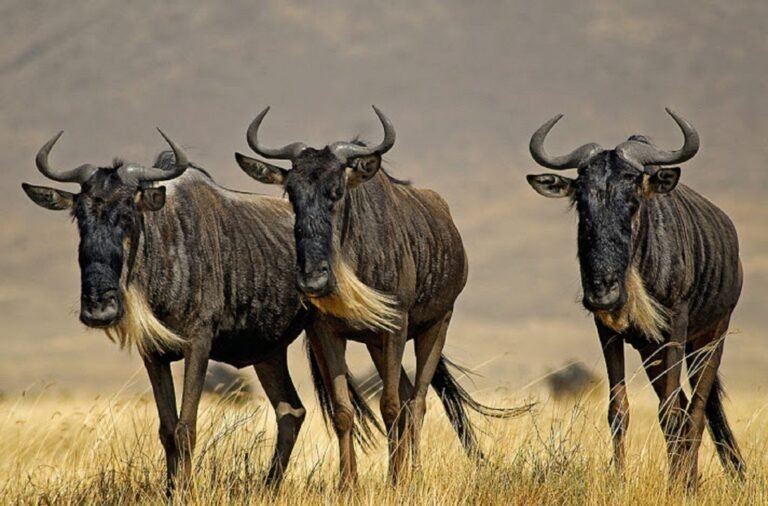
Nov 23, – 3 Day Serengeti And Ngorongoro Safari From Zanzibar
Nov 23, 2026 – 3 Day Serengeti and Ngorongoro Safari from Zanzibar.
View package details_1_John_from-rednote-web-768x1024.jpg)
Dec 13, – 2 Day Nyerere Fly-In Group Safari From Zanzibar 2026
A detailed guide to the December 13, 2026 group fly-in safari from Zanzibar to Nyerere National Park, covering the itinerary, logistics, and planning for your trip.
View package details
Dec 5, – 1 Day Mikumi Fly-In Group Safari From Zanzibar 2026
A practical guide to the December 5, 2026, group fly-in safari to Mikumi National Park. Learn about the itinerary, group logistics, and how to book your seat.
View package details
Nov 15, – 2 Day Mikumi Fly-In Group Safari From Zanzibar 2026
A practical guide and booking overview for the November 15, 2026, group fly-in safari to Mikumi National Park, departing from Zanzibar.
View package details
Oct 25, – 1 Day Nyerere Fly-In Group Safari From Zanzibar 2026
Secure your spot for the October 25, 2026, group fly-in safari to Nyerere National Park. A professional, time-efficient wildlife experience from Zanzibar.
View package details
Nov 28, – 3 Day Fly-In Serengeti Group Safari From Zanzibar 2026
A detailed look at the 3-day fly-in Serengeti group safari departing November 28, 2026, including logistics, itinerary highlights, and travel tips for your Tanzania adventure.
View package details2-Day Serengeti Safari From Zanzibar By Flight: Price & Booking Guide
A practical guide to booking a 2-day Serengeti safari from Zanzibar by flight, covering itinerary logistics, cost considerations, and how to maximize your short time in the bush.
View package details
Luxury Fly-In Safari From Zanzibar: Private Packages For 2026-2027
Experience the ultimate Tanzanian getaway with a luxury fly-in safari from Zanzibar. Discover private, all-inclusive packages tailored for smooth wildlife encounters.
View package detailsBudget Fly-In Safari From Zanzibar: Best Packages & Prices 2026-2027
Discover how to plan a budget-friendly fly-in safari from Zanzibar to Tanzania's top parks without sacrificing the quality of your wildlife experience.
View package detailsZanzibar To Ruaha National Park Fly-In Safari: Prices & Booking Guide
A practical guide to planning a fly-in safari from Zanzibar to Ruaha National Park, covering flight logistics, itinerary choices, and how to book with Climb 4 Africa.
View package details2-Day Nyerere Safari From Zanzibar: Flight-Inclusive Package Prices 2026-2027
An expert guide to planning a 2-day Nyerere safari from Zanzibar, covering flight-inclusive package structures, cost drivers, and the practical rhythm of a short-stay wildlife adventure.
View package detailsNo related package matches those filters. Clear one or more filters to see the other topic-matched options.