To see the Great Migration in July, you should plan to stay in Tanzania’s Serengeti National Park, specifically in the central (Seronera area) or western corridor, or head north towards the Mara River region bordering Kenya. These areas offer the best opportunities to witness the vast herds of wildebeest and zebras as they navigate the plains and river crossings during this crucial part of their annual cycle. Accommodation ranges from luxury tented camps and lodges to more budget-friendly options, all designed to experience you in the wilderness.
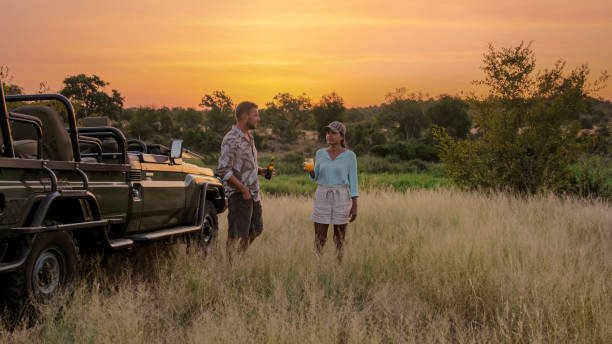
The Great Migration is arguably the most spectacular wildlife event on Earth, a relentless journey of over a million wildebeest, zebras, and gazelles as they follow the rains in search of fresh grazing. For travelers aiming to witness this phenomenon, timing is everything. July is a peak month, and understanding where the herds are likely to be is key to choosing the right place to stay. This guide will walk you through the prime locations for July, the types of accommodation available, and how to make the most of your safari experience in 2026 and 2027.
Understanding the July Migration Pattern
The Great Migration is not a static event; it’s a continuous cycle dictated by rainfall and the availability of fresh grass. By July, the herds have typically finished their calving season in the southern Serengeti and have moved northwards. The exact location can vary slightly year to year based on weather patterns, but the general trend for July is consistent.
In July, you’ll often find the bulk of the migration herds spread across the central and western parts of the Serengeti, and increasingly moving towards the northern boundary and the Mara River. The rains have usually dried up in the south, pushing the animals to seek greener pastures. This means that game viewing is often excellent across a wide swathe of the park, but particularly in areas where the herds are congregating or beginning to cross rivers.
Key points for July:
- Herds are widespread: Expect to see large numbers of wildebeest and zebras in the central, western, and northern Serengeti.
- River crossings possible: While the most dramatic river crossings are often associated with later months (August-October) in the Mara River, they can begin in earnest in late July, especially if rains are earlier than usual.
- Excellent general game viewing: Even away from the main migration herds, the Serengeti is teeming with predators and resident wildlife.
- Peak season: July falls within the dry season and is considered a peak travel month. Expect higher demand and potentially higher prices for accommodation and safaris. Booking well in advance for 2026 and 2027 is highly recommended.
Staying in Central Serengeti (Seronera Area)
The Seronera area, located in the heart of the Serengeti, is known for its year-round resident wildlife and is a fantastic base for experiencing the migration in July. While the main bulk of the migration might be moving further north, significant numbers of wildebeest and zebras often linger in or pass through the central Serengeti during this month. Seronera is particularly famous for its high predator concentrations, including lions, leopards, and cheetahs, making for incredibly rewarding game drives.
Why choose Central Serengeti in July?
- Reliable wildlife sightings: The permanent presence of resident game means you’re almost guaranteed to see wildlife, even if the migration is more dispersed.
- Diverse landscapes: Seronera offers a classic Serengeti landscape of rolling grasslands, acacia woodlands, and kopjes (rock outcrops), providing varied habitats for different species.
- Accessibility: It’s easily accessible via Seronera Airstrip, making transfers from other parts of Tanzania or from Kilimanjaro International Airport (JRO) straightforward.
- Accommodation variety: This region boasts a wide range of lodges and tented camps, from ultra-luxury to comfortable mid-range options.
Trade-offs:
- Less focused on peak migration: While you’ll see plenty of migrating animals, the sheer density of a single massive herd might be more prevalent further north or west depending on the year.
- Can be busier: Due to its accessibility and year-round appeal, Seronera can attract more vehicles, especially during peak season.
Accommodation examples in Central Serengeti:
- Luxury: Singita Sasakwa Lodge, Four Seasons Safari Lodge Serengeti.
- Mid-range/Upper Mid-range: Serengeti Serena Safari Lodge, Kubu Kubu Tented Lodge.
- Tented Camps: Many mobile or semi-permanent camps offer a more intimate safari experience. Look for camps that are strategically located to intercept migration herds moving through the area.
If you are visiting in July and want a balance of migration viewing and excellent predator action in a beautiful setting, Central Serengeti is a strong contender. For 2026 and 2027, booking your preferred accommodation here requires early planning due to its popularity.
Exploring the Western Corridor
The western corridor of the Serengeti, often referred to as the Grumet River Valley, is another prime area to consider for July. This region is characterized by its distinctive riverine vegetation and the Grumeti River, which can host dramatic crocodile-infested river crossings. While the Mara River crossings get more publicity, the Grumeti River crossings can be equally spectacular, especially for wildebeest and zebras attempting to navigate its currents and predator-rich waters.
Why choose the Western Corridor in July?
- River crossings: July is a prime time for potential crossings of the Grumeti River, offering thrilling wildlife photography opportunities.
- Fewer crowds: Compared to the central or northern Serengeti, the western corridor is generally less crowded, offering a more exclusive safari experience.
- Unique habitat: The riverine forests and open plains provide a different visual and ecological experience compared to other parts of the Serengeti.
- Resident wildlife: Like the rest of the Serengeti, you’ll find abundant resident wildlife, including large prides of lions and troops of baboons.
Trade-offs:
- Accommodation options are fewer: The choice of lodges and camps is more limited than in Seronera, meaning availability can be a challenge, especially during peak season.
- Logistics: Reaching the western corridor can sometimes involve longer drives or specific flight arrangements.
Accommodation examples in the Western Corridor:
- Luxury: Singita Grumeti lodges (e.g., Sasakwa Lodge, Faru Faru Lodge).
- Mid-range/Upper Mid-range: Grumeti Serengeti Tented Camp, Kirawira Serena Tented Camp.
- Mobile Camps: Some operators run mobile camps that follow the migration, offering excellent locations.
If you are seeking dramatic river crossings and a less crowded safari experience for your July 2026 or 2027 trip, the Western Corridor is an excellent choice. It’s advisable to book accommodation and internal flights for this region as early as possible.
Heading North: The Mara River Region
For many, the ultimate goal of seeing the Great Migration is to witness the iconic river crossings of the Mara River. While the most intense crossings often occur between August and October, July can see the beginning of these events, especially in the northern Serengeti, bordering the Maasai Mara National Reserve in Kenya. This is where the migration herds are typically heading in July, preparing to cross the formidable Mara River.
Why choose the Northern Serengeti/Mara River in July?
- Potential for dramatic river crossings: July is when the herds begin to gather along the Mara River, and if conditions are right, you could witness some of the earliest and most exciting crossings.
- Concentration of herds: The northern Serengeti often holds vast numbers of wildebeest and zebras during July as they mill about, grazing and assessing the river.
- Spectacular scenery: The landscape here is dramatic, with the winding Mara River cutting through open plains and acacia woodlands.
- Predator action: The concentration of prey animals naturally attracts a high density of predators, including lions, hyenas, and crocodiles, all eager to take advantage of any opportunities.
Trade-offs:
- Weather dependent: The timing and intensity of river crossings are highly dependent on rainfall and herd movements, which can vary year to year.
- Remote location: The northern Serengeti is more remote, meaning travel times can be longer, and flights are often required to reach the nearest airstrips.
- Limited accommodation: Like the western corridor, the northern Serengeti has fewer accommodation options, and these are often highly sought after, especially during peak season.
Accommodation examples in the Northern Serengeti/Mara River:
- Luxury Tented Camps: Kaskazini Tented Camp, Mara Mara Tented Lodge.
- Upper Mid-range Tented Camps: Sayari Camp, Lamai Serengeti.
- Mobile Camps: Many operators offer mobile camps that are positioned to best view the migration and river crossings.
If witnessing a Mara River crossing is your primary objective for a July 2026 or 2027 safari, focusing your stay in the northern Serengeti is essential. Due to the remote nature and high demand, securing accommodation here requires very early booking, often 12-18 months in advance.
Choosing Your Accommodation Style
When planning where to stay for the Great Migration in July, your choice of accommodation will significantly impact your experience. Tanzania offers a spectrum of options, each providing a different perspective on the wilderness. Understanding these can help you select the best fit for your budget, comfort level, and desired level of immersion.
Luxury Lodges and Camps
These offer the highest level of comfort, service, and amenities. Expect spacious suites, private plunge pools, gourmet dining, and often dedicated guides and vehicles. They are ideal for travelers seeking a pampered safari experience without compromising on wildlife viewing opportunities. While expensive, they often provide exceptional value through their exclusive locations and impeccable service.
Best for: Honeymooners, special occasions, travelers prioritizing comfort and exclusivity.
Examples: Singita properties, Four Seasons Safari Lodge, and many high-end tented camps.
Mid-Range Lodges and Camps
This category provides a comfortable and authentic safari experience at a more accessible price point. Rooms are well-appointed, dining is typically communal and delicious, and service is friendly and efficient. You’ll still have excellent access to game drives and the migration.
Best for: Families, couples, and individuals looking for a great balance of comfort, experience, and value.
Examples: Serengeti Serena Safari Lodge, Kichakani Serengeti Camp, and many other well-regarded camps.
Budget-Friendly Options (Public Campsites/Basic Lodges)
For the most adventurous and budget-conscious travelers, public campsites within the Serengeti offer a chance to sleep under the stars in a designated, albeit basic, area. Some lodges also offer more rudimentary accommodations. This option requires a willingness to forego some comforts but provides an unparalleled connection to the wild.
Best for: Backpackers, young adventurers, those on a tight budget who prioritize being in the heart of the action.
Note: Ensure you understand the inclusions and safety protocols for these options. Often, these are best combined with self-drive or budget-focused tour operators.
Mobile/Tented Camps
These camps move with the migration, offering prime locations throughout the year. They provide an intimate safari experience, often with canvas walls and en-suite bathrooms. The advantage is their ability to be situated in the very heart of the migration herds, offering unparalleled proximity and a true wilderness feel. Some are permanent tented camps that are strategically located, while others are truly mobile and change location every few months.
Best for: Travelers seeking an authentic, close-to-nature experience and optimal migration viewing.
Considerations: Their popularity means they book up very quickly. Their locations are dynamic, so confirm the exact camp location for your specific travel dates.
When considering accommodation for July 2026 or 2027, remember that this is peak season. The best locations and most sought-after camps will be booked up to 18 months in advance. It’s crucial to decide on your preferred region and accommodation style as early as possible.
Planning Your July Migration Safari 2026-2027
A successful July migration safari requires careful planning. Here’s a breakdown of what to consider when preparing for your trip to Tanzania in 2026 or 2027:
Itinerary Considerations
- Duration: A minimum of 3-4 days in the Serengeti is recommended to give yourself ample time to track the migration. Many travelers opt for 5-7 days or combine the Serengeti with other parks like the Ngorongoro Crater or Tarangire National Park.
- Region Focus: Decide if you want to focus on the potential river crossings in the north, the general abundance in the center, or the Grumeti River action in the west. You can also split your time between two regions for a more comprehensive experience.
- Internal Flights: Flying into the Serengeti (e.g., Seronera Airstrip) is highly recommended to save on long driving times and maximize your safari days. These internal flights connect from Arusha or Kilimanjaro International Airport (JRO).
- Park Fees: Serengeti National Park fees are substantial and are charged per person per 24-hour period. These are usually included in tour package prices.
Safari Style
- Private Safari: Offers maximum flexibility with a dedicated vehicle and guide. Ideal for couples, families, or groups who want to set their own pace and itinerary. This is generally the most expensive option.
- Group/Shared Safari: Join a small group of other travelers in a shared vehicle. This is a more budget-friendly option, allowing you to experience the migration with like-minded individuals. Look for group departure dates for shared tours.
- Self-Drive: While possible in some areas, it’s not recommended for first-time visitors to the Serengeti, especially when tracking the migration. It requires significant local knowledge and navigation skills.
What to Pack
- Clothing: Neutral-colored, lightweight clothing (khaki, beige, olive green). Long sleeves and trousers are recommended for sun protection and to ward off insects. A warm fleece or jacket is essential for early morning and evening game drives, as temperatures can drop significantly.
- Footwear: Comfortable walking shoes or hiking boots (if doing any walking safaris), plus sandals or flip-flops for relaxing at camp.
- Essentials: Sunscreen, insect repellent (with DEET), a wide-brimmed hat, sunglasses, a good camera with extra batteries and memory cards, binoculars, and a personal first-aid kit.
- Documents: Passport, visa (if required), yellow fever vaccination certificate, and travel insurance details.
Health and Safety
- Malaria Prevention: Consult your doctor about malaria prophylaxis. The Serengeti is a malaria-endemic area.
- Vaccinations: Ensure all routine vaccinations are up to date and discuss any specific travel vaccinations with your healthcare provider.
- Water: Drink only bottled or purified water.
- Sun Protection: The African sun is intense. Protect your skin and eyes diligently.
For your 2026 or 2027 July safari, consider booking at least 9-12 months in advance, especially if you have specific accommodation preferences or are traveling during peak dates. For the most sought-after lodges and camps, particularly in the northern Serengeti, booking 18 months ahead is not uncommon.
Booking Your Serengeti Accommodation
Securing your accommodation and safari package for the Great Migration in July 2026-2027 is a critical step. Working with an experienced local tour operator can significantly streamline this process, ensuring you get the best locations, value, and support.
Why book with a local expert?
- Local Knowledge: Operators like Climb 4 Africa have in-depth, up-to-date knowledge of migration patterns, the best camps, and current conditions on the ground. They understand the nuances of different regions within the Serengeti and can advise on where the herds are most likely to be in July.
- Access to Inventory: They often have established relationships with lodges and camps, which can help secure bookings in high-demand periods or provide access to last-minute availability.
- Tailor-made Itineraries: A local operator can craft a personalized itinerary that matches your interests, budget, and desired travel style, whether you’re looking for a luxury escape or a more adventurous group safari.
- Logistical Support: They handle all the complex logistics, including internal flights, park fees, transfers, and guiding, allowing you to focus on enjoying your safari.
- Value for Money: By bundling services, local operators can often provide competitive pricing and ensure you are getting good value for your investment.
What to do next:
- Define Your Priorities: Decide which region of the Serengeti (central, west, or north) you are most interested in for July. Consider your budget, preferred accommodation style (luxury lodge, tented camp, etc.), and group size.
- Contact Climb 4 Africa: Reach out to our team to discuss your plans for a July 2026 or 2027 migration safari. We can provide expert advice tailored to your specific needs.
- Provide Details: When you contact us, please include your preferred travel dates in July, the number of travelers, your approximate budget, and any specific interests (e.g., photography, birding, predator focus).
- Receive a Custom Itinerary: We will work with you to design a detailed itinerary, including recommended accommodation, activities, and a clear breakdown of costs.
Planning a safari to witness the Great Migration is an exciting undertaking. By choosing the right location and accommodation, and partnering with a trusted local expert, you can ensure an unforgettable experience for your 2026 or 2027 journey. Don’t hesitate to get in touch to start planning your dream safari.
You can reach Climb 4 Africa via WhatsApp at +255 747 477 898 or by email at climb4africa@gmail.com. Let us help you craft the perfect safari to see the Great Migration in July.
Check Availability for Where To Stay To See The Great Migration In July 2026-2027
Ready to compare dates, prices, and the best option for your group? Send the package name and travel month so the team can reply with a clear quote, availability, and what is included.
Dec 28, – 5 Day Ndutu Migration And Ngorongoro Group Safari 2026
Join a small group for a 5-day safari departing December 28, 2026, targeting the Ndutu region for the start of the calving season and the Ngorongoro Crater.
View package details
How Early Should I Book A Nov Or Dec Tanzania Group Safari?
How Early Should I Book a Nov or Dec Tanzania Group Safari?
View package details
Oct 25, – 1 Day Nyerere Fly-In Group Safari From Zanzibar 2026
Secure your spot for the October 25, 2026, group fly-in safari to Nyerere National Park. A professional, time-efficient wildlife experience from Zanzibar.
View package details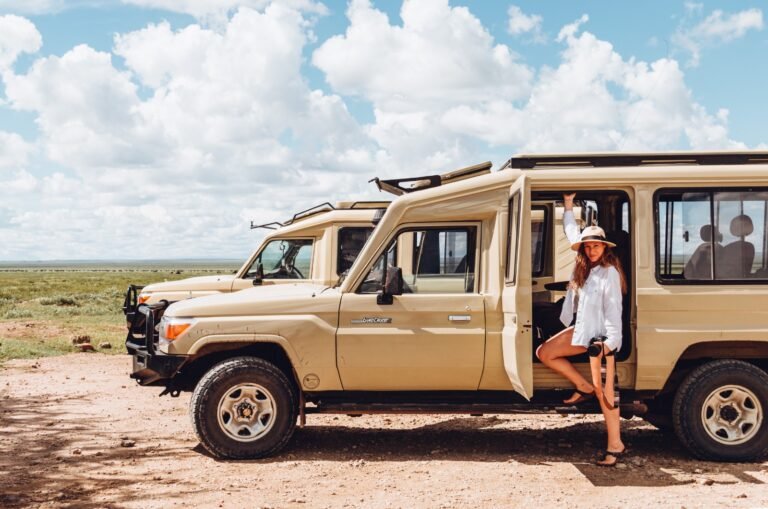
Oct 27, – 3 Day Serengeti And Ngorongoro Group Safari 2026
Planning for a short, high-impact wildlife adventure? Our October 27, 2026, group safari offers a direct route through the Serengeti and Ngorongoro Crater, perfect for travelers with...
View package detailsOct 25, – 1 Day Tarangire Group Joining Safari From Arusha 2026
Planning a trip for October 25, 2026? Join our group safari to Tarangire National Park for a day of wildlife viewing, departing from Arusha.
View package details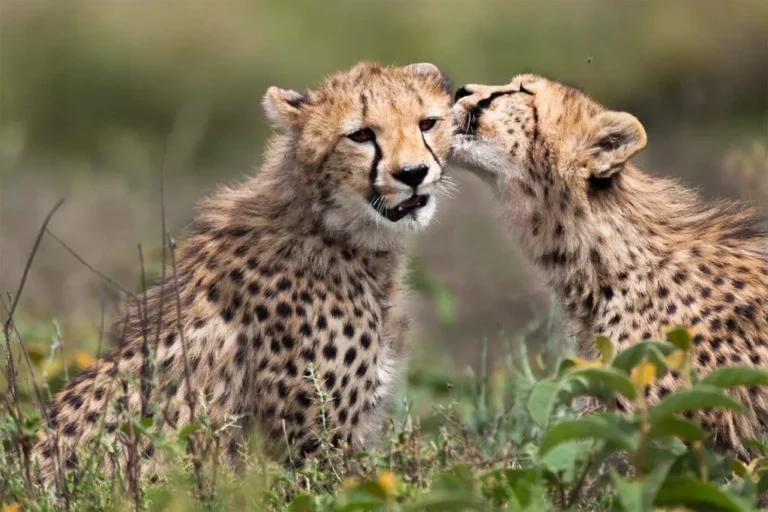
Oct 31, – 6 Day Serengeti, Ngorongoro, Tarangire And Manyara Group Safari 2026
A detailed look at the 6-day Northern Circuit group safari departing October 31, 2026, covering Tarangire, Manyara, Serengeti, and Ngorongoro Crater.
View package detailsOct 29, – 4 Day Tarangire, Serengeti And Ngorongoro Group Safari 2026
Plan your October 2026 Tanzania adventure. This 4-day group safari covers Tarangire, Serengeti, and Ngorongoro Crater with reliable local support.
View package detailsOct 28, – 3 Day Tarangire, Lake Manyara And Ngorongoro Group Safari 2026
A detailed guide to our 3-day group joining safari departing October 28, 2026. Explore the logistics, wildlife highlights, and why this specific route is ideal for travelers looking to...
View package detailsOct 25, – 1 Day Ngorongoro Crater Group Safari From Moshi 2026
A detailed guide to organizing a one-day group safari to the Ngorongoro Crater starting from Moshi, specifically focusing on the logistics for October 25, 2026.
View package details24–31 October Tanzania Group Joining Safari Departures: 2026
A detailed guide to navigating group-joining safari departures in Tanzania for late October 2026, focusing on wildlife patterns, logistical planning, and booking best practices.
View package details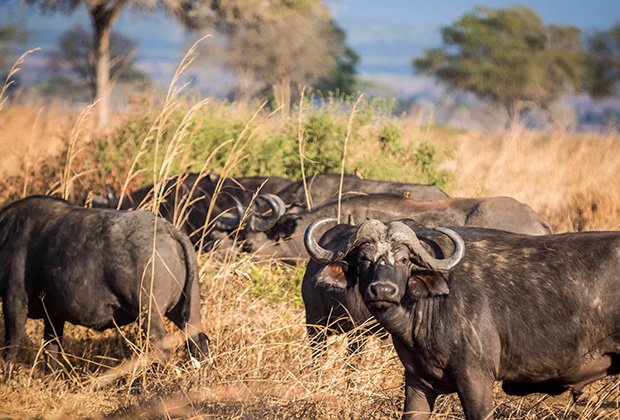
Dec 24, – 3 Day Christmas Serengeti And Ngorongoro Group Safari
Dec 24, 2026 – 3 Day Christmas Serengeti and Ngorongoro Group Safari.
View package details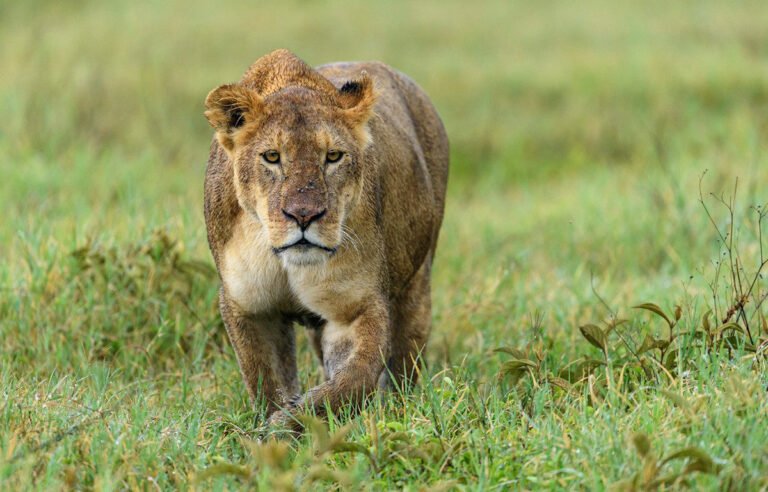
Dec 20, – 10 Day Complete Tanzania Group Joining Safari
Dec 20, 2026 – 10 Day Complete Tanzania Group Joining Safari.
View package detailsNo related package matches those filters. Clear one or more filters to see the other topic-matched options.