Yes, arranging a trip that flies you from Zanzibar to the Serengeti and concludes in Arusha is absolutely possible and a highly sought-after way to experience Tanzania’s diverse attractions. This itinerary allows you to combine the tropical allure of Zanzibar with the unparalleled wildlife viewing of the Serengeti, before heading to Arusha, the gateway to Northern Tanzania’s national parks and Mount Kilimanjaro. Planning this route for 2026 or 2027 involves coordinating internal flights, safari logistics, and accommodation, which can be effectively managed by experienced local operators.
Understanding the Zanzibar to Serengeti to Arusha Route
The journey from Zanzibar to the Serengeti and finishing in Arusha is a classic Tanzanian travel experience, designed to maximize your exposure to the country’s most iconic landscapes and wildlife. It typically begins with relaxation and cultural immersion on the spice island of Zanzibar, followed by a dramatic shift to the vast plains of the Serengeti for an unforgettable wildlife safari. Finally, the trip concludes in Arusha, a vibrant city that serves as the operational base for many safaris and the starting point for Mount Kilimanjaro climbs.
This route is popular for several strategic reasons. Firstly, it allows travelers to break up longer overland journeys within Tanzania. Flying directly from Zanzibar (or its mainland connection point, Dar es Salaam) to a Serengeti airstrip significantly cuts down travel time compared to ferries and road transfers. Secondly, it offers a fantastic contrast in experiences: the turquoise waters and white-sand beaches of Zanzibar provide a perfect prelude or epilogue to the dry, game-rich savannah of the Serengeti. Arusha then acts as a convenient logistical hub for onward travel, whether that’s flying out of Tanzania, heading to Kilimanjaro, or exploring other northern parks like Tarangire or Lake Manyara.
When planning your trip, whether for 2026 or 2027, it’s crucial to understand that the Serengeti doesn’t have a major international airport. Instead, you’ll fly into one of its many strategically located airstrips, such as Seronera, Grumeti, Kogatende, or Ndutu, depending on the season and the wildlife movements (particularly the Great Migration). From these airstrips, your safari vehicle will be waiting to transfer you to your lodge or camp. The final leg, from the Serengeti back towards Arusha, might involve another short bush flight to Arusha Airport (ARK) or Kilimanjaro International Airport (JRO), or sometimes a road transfer depending on your exact safari end point and flight schedules.
Understanding these transfer points is key to a smooth itinerary. Climb 4 Africa specializes in orchestrating these complex movements, ensuring that your transition between island relaxation, thrilling safari, and city convenience is as smooth as possible. We help you navigate the best flight connections and ground arrangements to make your Zanzibar to Serengeti to Arusha trip a reality.
Why Choose This Zanzibar-Serengeti-Arusha Itinerary?
This specific travel flow – Zanzibar, then Serengeti, concluding in Arusha – is a masterclass in experiencing Tanzania’s multifaceted beauty without unnecessary travel time or logistical headaches. It’s a smart choice for travelers who want to tick off multiple bucket-list experiences in one trip, efficiently and comfortably.
The Appeal of Zanzibar First: Starting on Zanzibar offers a gentle introduction to Tanzania. After international travel, the island provides a serene environment to unwind. Think of it as the perfect place to decompress, acclimatize, and enjoy beautiful beaches, rich history in Stone Town, and the famed spice tours. This “soft landing” makes the transition into the more adventurous safari portion of your trip much smoother. Many travelers find that starting with relaxation enhances their energy and appreciation for the subsequent safari adventure.
The Serengeti Safari Experience: Flying into the Serengeti is where the adventure truly ignites. The Serengeti National Park is world-renowned for its immense wildlife populations and the Great Migration, a impressive natural spectacle. By flying, you bypass lengthy road journeys that can consume a full day or more, immediately immersing you in the heart of the action. This allows for more time spent on game drives, observing lions, elephants, giraffes, and countless other species in their natural habitat. The Serengeti offers diverse landscapes, from endless grasslands to acacia woodlands, each supporting unique ecosystems.
Arusha as the Logical Conclusion: Arusha serves as the ideal endpoint for several reasons. It’s the primary hub for international departures from Northern Tanzania, with Kilimanjaro International Airport (JRO) nearby. This makes onward travel or your flight home convenient. Furthermore, Arusha is the operational center for Climb 4 Africa and many other tour operators, meaning local expertise and support are readily available. If you’re interested in climbing Mount Kilimanjaro in 2026 or 2027, Arusha is your essential staging post. It also provides access to other spectacular northern circuit parks like Tarangire National Park (famous for its elephants and baobab trees) and Lake Manyara National Park (known for its tree-climbing lions and diverse birdlife), offering options for extending your safari if your schedule allows.
Efficiency and Time Saving: The primary advantage of this fly-in itinerary is the significant saving of travel time. Instead of multiple days on bumpy roads, you can connect your Zanzibar stay to a Serengeti flight, and then a short flight from the Serengeti to Arusha. This is particularly valuable for travelers with limited time, perhaps on a 10-14 day trip, who want to experience the best of Zanzibar and the Serengeti without feeling rushed by transit.
The Contrast is Key: The stark contrast between the tropical island environment of Zanzibar and the vast, wild plains of the Serengeti is a major draw. This itinerary offers a complete Tanzanian experience, from beach bliss and cultural exploration to world-class wildlife encounters. It caters to a wide range of interests, making it perfect for couples, families, and solo travelers alike.
For those planning their trips for 2026 and 2027, booking this itinerary allows you to secure the best accommodations and flight availability, especially during peak seasons. It’s a well-trodden path for a reason, offering a balanced, exciting, and logistically sound way to explore Tanzania’s highlights.
Logistics of Flying Zanzibar to Serengeti
Arranging flights from Zanzibar to the Serengeti requires careful planning, as it involves domestic Tanzanian air travel. The process is straightforward when handled by a reputable local tour operator like Climb 4 Africa, who have established relationships with the airlines and understand the nuances of these routes.
The Flight Path:
Direct flights from Zanzibar (ZNZ) to the Serengeti are not always available daily or to every airstrip. Often, the flight route will involve a connection through Dar es Salaam (DAR), Tanzania’s largest city and main international gateway. So, the typical sequence would be: Zanzibar (ZNZ) to Dar es Salaam (DAR), followed by Dar es Salaam (DAR) to a Serengeti airstrip (e.g., Seronera SFG, Grumeti GMX, Kogatende KOG, Ndutu ZNU).
Some charter flight operators might offer more direct routes or specific timings, especially for private groups, which can be arranged for a premium. For standard scheduled flights, the connection in Dar es Salaam is common.
Airlines and Aircraft:
The primary airlines operating these routes are typically Auric Air, Coastal Aviation, and Precision Air, among others. They use a range of small to medium-sized aircraft, often twin-engine propeller planes like Cessna Caravans or similar models. These aircraft are well-suited for landing on the unpaved airstrips found within the national parks.
Airstrip Selection:
The choice of Serengeti airstrip is crucial and depends heavily on the time of year, as it dictates proximity to the Great Migration and key wildlife viewing areas:
- Seronera (SFG): Located in the central Serengeti, this is the busiest airstrip and offers year-round excellent game viewing. It’s a good choice if you’re not specifically chasing the migration.
- Grumeti (GMX) and Ikorongo: Western Serengeti. Excellent for the migration river crossings (typically July-September) and good resident game.
- Kogatende (KOG) and Lamai: Northern Serengeti. The prime location for witnessing the dramatic river crossings of the Great Migration (typically August-October).
- Ndutu (ZNU): Southern Serengeti/Maswa Game Reserve border. The best place to be for calving season (typically January-March) when the wildebeest and zebras are concentrated in this area.
Your tour operator will advise on the best airstrip based on your safari dates for 2026 or 2027.
Booking and Luggage:
It’s highly recommended to book these internal flights well in advance, especially if traveling during peak seasons (June-October and December-February). The luggage allowance on these small aircraft is strictly limited, usually to 15 kg (33 lbs) per person in soft-sided duffel bags. Hard suitcases are generally not permitted. This is a critical detail to communicate to your guests to avoid issues at check-in.
Transfers from the Airstrip:
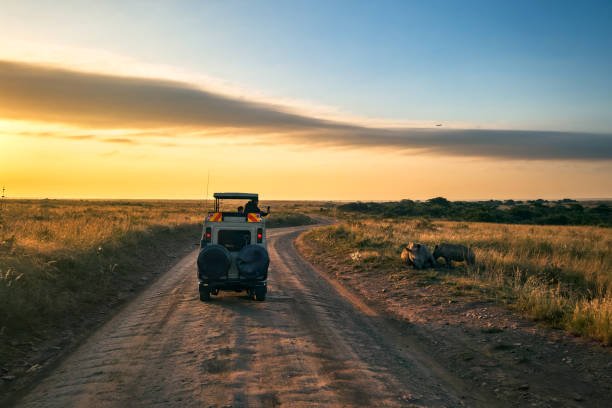
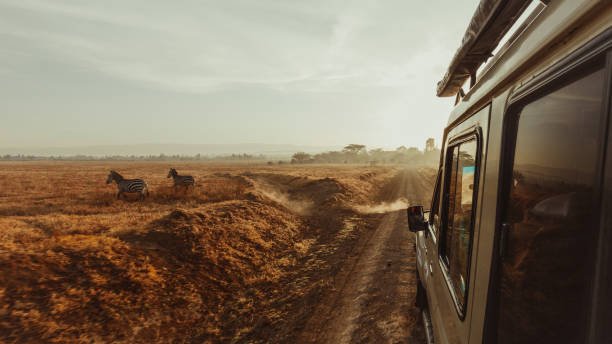
Upon arrival at your chosen Serengeti airstrip, your safari guide and a 4×4 safari vehicle will be waiting for you. The transfer to your lodge or camp is usually the start of your first game drive, allowing you to spot wildlife immediately.
Connecting via Dar es Salaam:
If your flight from Zanzibar to Dar es Salaam arrives close to your Serengeti flight departure, ensure you have ample time for the transfer within Dar es Salaam Airport. If the connection is tight, or if you prefer more flexibility, an overnight stay in Dar es Salaam might be recommended, though many itineraries aim to connect on the same day to maximize safari time.
Cost Considerations:
Internal flights add to the overall trip cost. The price can vary significantly based on the airline, route, and how far in advance you book. For 2026-2027 travel, budgeting for these flights is essential. Climb 4 Africa can provide accurate quotes for these flight segments as part of your overall safari package.
Navigating these flight logistics is precisely where the expertise of a local operator like Climb 4 Africa proves invaluable. We handle all the bookings, confirmations, and coordination, ensuring a stress-free travel experience from the moment you leave Zanzibar until you arrive at your Serengeti accommodation.
Serengeti Safari Options: Where to Stay and What to See
The Serengeti National Park is vast, and the type of safari experience you have will depend significantly on your choice of accommodation and the specific region you visit within the park, which is often dictated by the season and the Great Migration.
Accommodation Styles:
- Luxury Lodges: Permanent structures offering high-end amenities, en-suite bathrooms, fine dining, and often swimming pools. They provide comfort and a more fixed base. Ideal for those seeking a classic safari experience with maximum comfort.
- Tented Camps (Permanent): These camps feature spacious canvas tents, often with comfortable beds, en-suite bathrooms (sometimes with bucket showers or flushing toilets), and a communal dining area. They offer a closer-to-nature feel while maintaining comfort.
- Tented Camps (Mobile/Seasonal): These are the most dynamic option, strategically relocated throughout the year to follow the Great Migration. They offer the most in-depth experience, placing you right in the heart of the wildlife action. They can range from comfortable to very luxurious. This is an excellent choice for those wanting to be near the migration river crossings or calving grounds.
Key Regions and Wildlife Viewing:
- Central Serengeti (Seronera Valley): This region is known for its resident wildlife and offers fantastic game viewing year-round. It’s particularly good for spotting big cats like lions and leopards, as well as cheetahs and hyenas. The Grumeti River and Seronera River attract animals, especially during the dry season. It’s a good default choice if migration timing is uncertain or if you prefer a location with consistent wildlife sightings.
- Northern Serengeti (Kogatende & Lamai): This area is the epicenter of the Great Migration river crossings from approximately August to October. Witnessing wildebeest and zebras bravely crossing the Mara River, often with crocodiles lurking, is a truly spectacular sight. This region is best visited during these months.
- Southern Serengeti (Ndutu Area): From December to March, the Serengeti’s southern plains and the adjacent Ngorongoro Conservation Area (Ndutu region) become the stage for the wildebeest calving season. Millions of wildebeest and zebras gather here to give birth, creating an incredible spectacle of predator-prey interactions. This is a prime location for photography and observing young wildlife.
- Western Serengeti (Grumeti River): This area is famous for its large crocodiles and the Grumeti River crossings, which are often part of the migration’s journey. It’s a good option for those interested in seeing the migration during its westward movement, typically from May to July.
What to Expect on Safari:
Game drives are the primary activity. Typically, you’ll have morning and afternoon drives, with options for full-day drives. Your experienced guide will use their knowledge of animal behavior and tracking skills to locate wildlife. Expect to see a vast array of animals, including the ‘Big Five’ (lion, leopard, elephant, rhino, and buffalo), as well as cheetahs, giraffes, zebras, various antelope species, and a dazzling array of birdlife.
Customizing Your Serengeti Experience for 2026-2027:
When you plan your Serengeti safari with Climb 4 Africa, we tailor the experience to your interests and the best time of year for wildlife viewing. For instance, if your trip to Tanzania in 2026 or 2027 falls in August, we’ll focus your itinerary on the Northern Serengeti for the river crossings. If it’s February, the Southern Serengeti for calving season is the place to be. We also consider your preferred level of comfort and accommodation style to match you with the perfect lodge or camp.
The Serengeti offers an unparalleled wildlife spectacle, and by flying in, you maximize your time to witness it. Whether you choose a luxury lodge or a mobile camp, the experience is profoundly moving and unforgettable.
Transitioning to Arusha: Your Northern Tanzania Hub
After your exhilarating safari in the Serengeti, the next logical step in this itinerary is to transition to Arusha. This city is more than just a transit point; it’s a vibrant hub that offers essential services, cultural insights, and serves as the gateway to further adventures in Northern Tanzania.
The Flight from Serengeti to Arusha:
Similar to the flight from Zanzibar, your journey from the Serengeti to Arusha will typically be a short flight from a Serengeti airstrip (like Seronera) to Arusha Airport (ARK). These flights are operated by local airlines and offer incredible aerial views of the landscapes you’ve just explored. Upon arrival at Arusha Airport, you’ll be met by a representative who will transfer you to your hotel or lodge within the city.
Why Arusha is the Ideal Endpoint:
- Logistics and Departures: Arusha Airport (ARK) handles domestic flights, and Kilimanjaro International Airport (JRO), located about an hour’s drive away, serves international arrivals and departures. This makes Arusha a convenient place to conclude your trip, whether you are flying home or continuing to another destination.
- Gateway to Kilimanjaro: For many, Arusha is the starting point for climbing Mount Kilimanjaro. If you’re considering a climb in 2026 or 2027, spending a few days in Arusha to prepare, meet your guides, and acclimatize is essential. Climb 4 Africa, being a specialist in Kilimanjaro climbs, can seamlessly transition you from your safari to your trek preparations.
- Access to Other Parks: Arusha is the gateway to the famous Northern Circuit parks, including Tarangire, Lake Manyara, and the Ngorongoro Conservation Area. If you have extra time, extending your safari from Arusha is easy.
- Cultural and Commercial Center: Arusha offers a taste of Tanzanian city life. You can visit local markets, craft shops, and enjoy diverse dining options. It’s a good place to buy souvenirs, relax, and reflect on your safari experiences.
- Support and Services: As a major tourist hub, Arusha has well-equipped hotels, reliable medical facilities, and access to communication services. It’s a comfortable place to rest and prepare for your onward journey.
Accommodation in Arusha:
Arusha offers a range of accommodation, from budget-friendly guesthouses to luxurious lodges and boutique hotels. Many lodges are situated on hillsides overlooking the city and Mount Meru, offering stunning views and a tranquil environment. We can recommend accommodations that suit your style and budget, ensuring a comfortable stay after your Serengeti adventure.
Finalizing Your Trip:
Your time in Arusha can be as relaxed or as active as you wish. You might opt for a day of rest, visit a local coffee plantation, explore the Shanga workshop (a social enterprise employing people with disabilities), or simply enjoy the amenities of your hotel. For those who have just completed a Serengeti safari, Arusha provides a gentle re-entry into civilization before heading home.
Climb 4 Africa ensures that your transfer from the Serengeti to Arusha is smooth, and your accommodation and onward arrangements are all in place, making your departure from Tanzania as easy as your arrival.
Crafting Your 2026-2027 Itinerary: Key Considerations
Designing your perfect Zanzibar-Serengeti-Arusha trip for 2026 or 2027 involves balancing your interests, budget, and the best timing for wildlife viewing. Here are the key elements to consider:
Duration of Stay:
* Minimum Recommended: To comfortably enjoy all three destinations without feeling rushed, a minimum of 10-12 days is advisable. This allows for 2-3 days on Zanzibar, 3-4 days in the Serengeti, and 1-2 days in Arusha.
* Ideal Duration: 14-18 days offers a more relaxed pace, allowing for deeper exploration of Zanzibar’s islands, more extensive game drives in different Serengeti regions, and perhaps a day trip from Arusha.
Timing is Crucial (Especially for the Serengeti):
* Great Migration: If witnessing the Great Migration is a priority, your travel dates are paramount. The wildebeest and zebra herds move in a predictable, albeit vast, circuit. For river crossings in the north, aim for August-October. For calving season in the south, target January-March. For the ‘mini-migration’ in the central corridor or herds gathering before moving, June-July is excellent.
* Zanzibar Weather: Zanzibar has two main dry seasons (June-October and December-February) which are also popular for safaris. The shoulder months (March-May and November) can offer fewer crowds and lower prices but might have rain.
* Peak Seasons: Expect higher prices and the need to book further in advance for 2026 and 2027 during the peak dry seasons (July-October) and around Christmas/New Year.
Balancing Zanzibar and Serengeti:
* Ratio of Days: A common split is 3 days Zanzibar / 4 days Serengeti / 1 day Arusha. Adjust this based on your priorities. If you’re a keen wildlife enthusiast, allocate more time to the Serengeti. If beach relaxation is key, spend more time on Zanzibar.
* Activities: On Zanzibar, consider Stone Town tours, spice tours, Jozani Forest, and island hopping (e.g., Prison Island, Mnemba Atoll for snorkeling/diving). In the Serengeti, focus on game drives, sundowners, and perhaps hot air balloon safaris.
Accommodation Choices:
* Zanzibar: Options range from boutique hotels in Stone Town to beachfront resorts and private villas in areas like Nungwi, Kendwa, Paje, or Matemwe.
* Serengeti: As detailed previously, choose between luxury lodges, permanent tented camps, or mobile tented camps. Your choice will significantly impact your experience and budget.
* Arusha: Select from city hotels, lodges with views of Mount Meru, or coffee estate retreats.
Transportation:
* Internal Flights: Crucial for this itinerary. We book these for you, ensuring smooth connections. Be mindful of luggage restrictions (soft bags, ~15kg).
* Safari Vehicles: Typically 4×4 Land Cruisers or Land Rovers, essential for navigating park tracks. Ensure your vehicle has pop-up roofs for optimal game viewing.
Customization for 2026-2027:
Climb 4 Africa excels at creating tailor-made itineraries. When you contact us for your 2026 or 2027 trip, we’ll discuss:
- Your specific interests (e.g., birdwatching, photography, specific animals, cultural experiences).
- Your preferred travel style and comfort level.
- Your budget.
- Any specific must-see sights or activities.
We can then propose a detailed itinerary, including flight schedules, accommodation options, and daily activity plans, ensuring your trip is perfectly suited to you.
Cost Factors and Budgeting for Your Trip
Planning a trip that flies from Zanzibar to the Serengeti and ends in Arusha involves several cost components. Understanding these factors is key to budgeting effectively for your 2026-2027 Tanzanian adventure.
Key Cost Drivers:
- Internal Flights: The flights between Zanzibar, the Serengeti, and Arusha are a significant cost. Prices vary based on the airline, route, and how far in advance they are booked. Charter flights will be considerably more expensive than scheduled services.
- Accommodation: This is often the largest single expense. Luxury lodges and high-end tented camps in the Serengeti can be very costly, while mid-range options offer good value. Zanzibar also has a wide price range, from budget guesthouses to luxury resorts.
- Park Fees: Serengeti National Park fees are substantial and are charged per person, per 24-hour period. These fees are non-negotiable and contribute to park conservation.
- Safari Vehicle and Guide: The cost of a private safari vehicle and an experienced guide for your Serengeti portion is a major component. This includes the vehicle hire, guide’s salary, fuel, and accommodation/meals for the guide.
- Duration of Stay: Longer trips naturally incur higher costs for accommodation, park fees, and daily expenses.
- Time of Year: Peak seasons (July-October, December-February) generally have higher prices for flights and accommodation due to demand. Traveling in the shoulder or low seasons can offer savings.
- Activities: Optional activities like hot air balloon safaris in the Serengeti (typically $500-$600 USD per person) or diving trips in Zanzibar add to the overall cost.
- Visa and Flights: International flights to Tanzania and visa fees are separate from the tour package costs.
Budgeting Approaches:
When budgeting for 2026 or 2027, consider these levels:
- Mid-Range: Comfortable lodges and tented camps with good amenities, standard park fees, and scheduled internal flights. This offers a great balance of experience and value.
- Luxury: High-end lodges and exclusive tented camps, potentially including private charters or premium seating on scheduled flights, gourmet dining, and bespoke services.
- Budget: While flying from Zanzibar to Serengeti can limit budget options due to flight costs, it’s still possible to find more affordable accommodation in Zanzibar and choose mid-range camps in the Serengeti. However, significant cost savings are usually found by driving overland, which isn’t the focus of this fly-in itinerary.
Estimated Costs (Illustrative, for 2026-2027):
It’s impossible to give exact prices without a detailed itinerary, but for a trip of approximately 10-14 days covering Zanzibar, Serengeti (fly-in), and Arusha, you might expect costs to range broadly:
- Mid-Range: $4,000 – $7,000 USD per person.
- Luxury: $7,000 – $12,000+ USD per person.
These estimates typically include internal flights, accommodation, park fees, most meals on safari, game drives, and transfers. They exclude international flights, visas, travel insurance, tips, and personal expenses.
Getting a Quote:
The most effective way to get an accurate budget for your Zanzibar to Serengeti to Arusha trip is to contact a specialist tour operator. Climb 4 Africa can provide a detailed, personalized quote based on your specific travel dates, preferences, and desired level of accommodation for 2026 or 2027. We work to maximize value and ensure your budget is well-spent on an unforgettable experience.
Booking and Preparation for Your Adventure
To successfully arrange your Zanzibar to Serengeti and finish in Arusha trip for 2026 or 2027, proactive booking and thorough preparation are key. This itinerary involves coordinating multiple elements, from international flights to internal transfers and accommodation.
When to Book:
* 12-18 Months in Advance: For peak travel seasons (July-October, December-February), especially if you have specific lodges or camps in mind, booking this far ahead is highly recommended. This is particularly true for mobile camps that follow the Great Migration, as they have limited availability.
* 6-12 Months in Advance: This is a good timeframe for most other travel dates and offers a solid selection of accommodations and flights.
* Less than 6 Months: While possible, availability may be limited, and prices might be higher. Last-minute deals are rare for this type of complex, fly-in itinerary.
What to Discuss with Your Tour Operator:
When you reach out to Climb 4 Africa, be prepared to share:
- Your exact travel dates or preferred month(s) for 2026 or 2027.
- The number of travelers and their ages (important for room configurations and park fees).
- Your budget range.
- Your interests (e.g., photography, birding, specific wildlife, relaxation, adventure).
- Your preferred accommodation style (e.g., luxury lodges, comfortable tented camps, boutique hotels).
- Any specific activities you wish to include (e.g., hot air balloon safari, diving, cultural tours).
- Your starting point for international travel.
Essential Preparations:
- Visas: Check the visa requirements for Tanzania for your nationality. Many nationalities can obtain a visa on arrival or apply online in advance.
- Vaccinations and Health: Consult your doctor or a travel clinic about recommended vaccinations (e.g., Yellow Fever, Hepatitis A, Typhoid) and malaria precautions.
- Travel Insurance: Comprehensive travel insurance covering medical emergencies, trip cancellation, and lost luggage is essential.
- Packing: Pack light, neutral-colored clothing suitable for safari (long sleeves and trousers for evenings), comfortable walking shoes, a hat, sunglasses, high SPF sunscreen, insect repellent, and a good camera with extra batteries and memory cards. Remember the 15kg soft bag limit for internal flights.
- Currency: The Tanzanian Shilling (TZS) is the local currency, but USD is widely accepted for tourist services and park fees. Carry smaller denominations for tips and personal purchases.
- Fitness: While not strenuous, some walking may be involved. Ensure you are comfortable with early morning starts for game drives.
Why Partner with Climb 4 Africa:
Arranging a trip like this requires local knowledge and established connections. Climb 4 Africa specializes in creating smooth Tanzanian travel experiences. We handle all the complexities:
- Booking the most suitable internal flights and transfers.
- Securing accommodation in the best locations for wildlife viewing, based on the season for 2026-2027.
- Providing experienced, knowledgeable safari guides and vehicles.
- Ensuring all park fees and permits are in order.
- Offering practical advice and support throughout your planning process and your journey.
To start planning your unforgettable fly-in safari from Zanzibar to the Serengeti, finishing in Arusha, contact Climb 4 Africa. We are ready to help you craft the perfect Tanzanian adventure for 2026 or 2027. Reach out via WhatsApp at +255 747 477 898 or email us at climb4africa@gmail.com. Let us take care of the details so you can focus on the incredible experiences awaiting you.
“,
“faq_schema”: [
{
“question”: “Can I fly directly from Zanzibar to the Serengeti?”,
“answer”: “Direct flights from Zanzibar to the Serengeti are not always available or may be limited. Most commonly, you’ll take a flight from Zanzibar to Dar es Salaam, and then connect to a flight from Dar es Salaam to a Serengeti airstrip. Charter flights can sometimes be arranged for more direct routes.”
},
{
“question”: “What is the best time of year to fly from Zanzibar to the Serengeti?”,
“answer”: “The best time depends on what you want to see. For the Great Migration river crossings, aim for August-October (Northern Serengeti). For calving season, January-March (Southern Serengeti/Ndutu). Zanzibar is pleasant year-round, but June-October and December-February are popular for both destinations.”
},
{
“question”: “How much does it cost to fly from Zanzibar to the Serengeti?”,
“answer”: “The cost of internal flights varies significantly. Expect to pay anywhere from $300 to $600+ USD per person for a one-way flight from Zanzibar (via Dar es Salaam) to the Serengeti, depending on the airline, route, and booking time. These costs are part of your overall safari package.”
},
{
“question”: “What is the luggage limit for flights to the Serengeti?”,
“answer”: “Luggage is strictly limited on flights to Serengeti airstrips, typically to 15 kg (33 lbs) per person. It must be in soft-sided duffel bags, not hard suitcases. This is a crucial detail to adhere to.”
},
{
“question”: “How do I get from the Serengeti airstrip to my lodge?”,
“answer”: “Upon arrival at your chosen Serengeti airstrip, your safari guide and 4×4 vehicle will be waiting to meet you. The transfer to your lodge or camp usually begins with your first game drive.”
},
{
“question”: “Is it possible to finish my trip in Arusha after the Serengeti?”,
“answer”: “Yes, absolutely. The standard itinerary often concludes in Arusha. You’ll typically take a short flight from a Serengeti airstrip to Arusha Airport (ARK), from where you can easily connect to Kilimanjaro International Airport (JRO) for your departure or begin a Kilimanjaro climb.”
},
{
“question”: “What are the main costs involved in a Zanzibar-Serengeti-Arusha trip for 2026-2027?”,
“answer”: “Key costs include internal flights, accommodation (especially in the Serengeti), park fees, safari vehicle and guide hire, meals, and optional activities. Luxury options and peak season travel will increase the overall budget.”
},
{
“question”: “How far in advance should I book a Zanzibar to Serengeti trip for 2026 or 2027?”,
“answer”: “It’s recommended to book 12-18 months in advance for peak seasons, and 6-12 months for other times, especially if you have specific lodge preferences or are traveling during popular migration periods. This ensures better availability and potentially better pricing.”
}
]
}
“`
Check Availability for We Want To Fly Zanzibar To Serengeti And Finish In Arusha, Can That Be
Ready to compare dates, prices, and the best option for your group? Send the package name and travel month so the team can reply with a clear quote, availability, and what is included.
Nov 23, – 3 Day Serengeti And Ngorongoro Safari From Zanzibar
Nov 23, 2026 – 3 Day Serengeti and Ngorongoro Safari from Zanzibar.
View package details
Nov 28, – 3 Day Fly-In Serengeti Group Safari From Zanzibar 2026
A detailed look at the 3-day fly-in Serengeti group safari departing November 28, 2026, including logistics, itinerary highlights, and travel tips for your Tanzania adventure.
View package details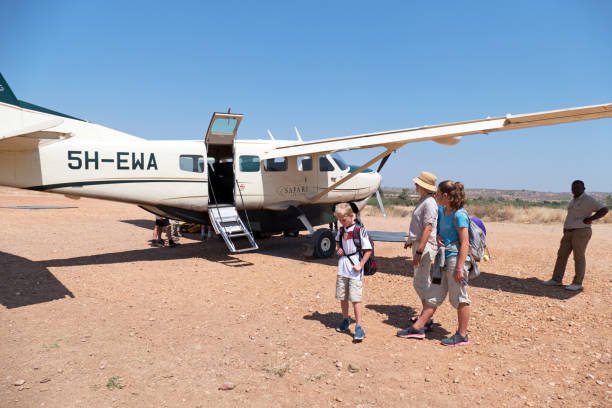
2-Day Serengeti Safari From Zanzibar By Flight: Price & Booking Guide
A practical guide to booking a 2-day Serengeti safari from Zanzibar by flight, covering itinerary logistics, cost considerations, and how to maximize your short time in the bush.
View package details4-Day Serengeti Safari From Zanzibar With Return Flights: A Planning Guide
A deep look at planning a 4-day fly-in safari from Zanzibar to the Serengeti, covering flight logistics, itinerary structures, and the critical decisions needed for a successful 2026 or...
View package details1-Day Serengeti Safari From Zanzibar By Flight: Cost & Itinerary 2026-2027
Is a 1-day Serengeti safari from Zanzibar feasible? Get the expert breakdown on the flight logistics, cost factors, and how to manage your expectations for this intense, one-day wildlife...
View package detailsZanzibar To Serengeti Safari By Flight: Prices & Packages 2026-2027
A practical guide to booking a Zanzibar to Serengeti safari by flight in 2027, covering route options, baggage logistics, and how to choose the right itinerary length.
View package details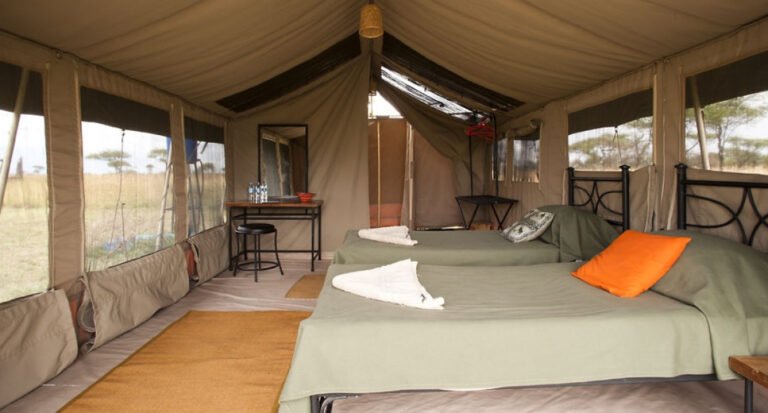
Afcon Kilimanjaro Ngorongoro And Zanzibar Holiday
AFCON 2027 Kilimanjaro Ngorongoro and Zanzibar Holiday.
View package details_1_John_from-rednote-web-768x1024.jpg)
Dec 13, – 2 Day Nyerere Fly-In Group Safari From Zanzibar 2026
A detailed guide to the December 13, 2026 group fly-in safari from Zanzibar to Nyerere National Park, covering the itinerary, logistics, and planning for your trip.
View package details
Dec 5, – 1 Day Mikumi Fly-In Group Safari From Zanzibar 2026
A practical guide to the December 5, 2026, group fly-in safari to Mikumi National Park. Learn about the itinerary, group logistics, and how to book your seat.
View package details
Nov 15, – 2 Day Mikumi Fly-In Group Safari From Zanzibar 2026
A practical guide and booking overview for the November 15, 2026, group fly-in safari to Mikumi National Park, departing from Zanzibar.
View package details
Oct 25, – 1 Day Nyerere Fly-In Group Safari From Zanzibar 2026
Secure your spot for the October 25, 2026, group fly-in safari to Nyerere National Park. A professional, time-efficient wildlife experience from Zanzibar.
View package details
Luxury Fly-In Safari From Zanzibar: Private Packages For 2026-2027
Experience the ultimate Tanzanian getaway with a luxury fly-in safari from Zanzibar. Discover private, all-inclusive packages tailored for smooth wildlife encounters.
View package detailsNo related package matches those filters. Clear one or more filters to see the other topic-matched options.