
Yes, you absolutely can fly from Zanzibar to the Serengeti and then arrange a drive to the Ngorongoro Crater. This is a very popular and efficient way to combine beach relaxation in Zanzibar with world-class wildlife viewing in Tanzania’s most famous parks, especially for travelers looking to maximize their safari time in 2026 or 2027.
Understanding the Zanzibar to Serengeti to Ngorongoro Route
The journey you’re envisioning – flying from Zanzibar to the Serengeti and then driving to Ngorongoro – is a classic Tanzanian safari itinerary. It’s designed to offer a fantastic mix of experiences without excessive travel time, allowing you to focus on what you came for: incredible wildlife and stunning landscapes. Let’s break down why this route is so appealing and how it works logistically.
First, you start on the exotic island of Zanzibar, known for its spice plantations, historical Stone Town, and beautiful beaches. From Zanzibar, you’ll take a short domestic flight directly into the heart of the Serengeti National Park. This flight is crucial because it bypasses the long, arduous drive from the coast to the interior, saving you many hours and getting you straight into the wildlife action. The Serengeti is vast, and depending on your chosen airstrip (there are several within the park), you’ll be met by your safari guide and vehicle. Your safari experience in the Serengeti will typically last a few days, allowing you to explore different regions and witness the incredible biodiversity.
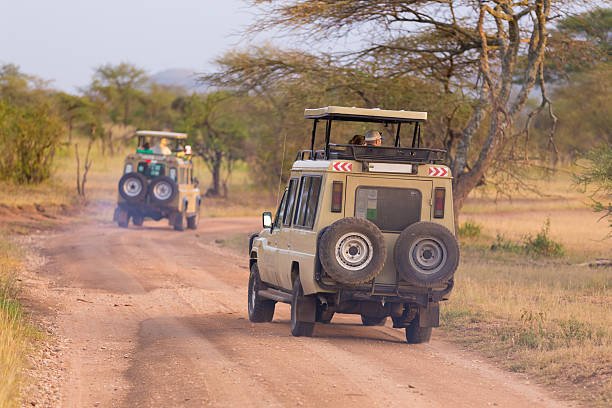
Following your Serengeti adventure, the next step is the transfer to Ngorongoro Conservation Area. This is almost always done by road. Your safari vehicle and guide will pick you up from your Serengeti accommodation, and you’ll start a scenic drive towards the Ngorongoro Crater. This drive itself is part of the safari experience, as you’ll traverse diverse landscapes and may encounter wildlife along the way, especially as you enter the Ngorongoro Conservation Area, which is also home to Maasai communities.
The drive typically takes several hours, depending on the specific Serengeti airstrip you land at and your destination lodge in Ngorongoro. Once you arrive at Ngorongoro, you’ll usually spend a night or two. The highlight here is descending into the Ngorongoro Crater, a UNESCO World Heritage Site famous for its high concentration of wildlife, including the ‘Big Five’ (lion, leopard, elephant, rhino, and buffalo), all within a spectacular natural amphitheater.
This sequence – beach, flight to bush, drive to crater – is logistically sound and widely practiced by tour operators. It’s a well-trodden path for a reason: it optimizes your time and minimizes travel fatigue, allowing for a more enjoyable and in-depth experience of Tanzania’s diverse offerings.
Why Fly From Zanzibar to the Serengeti? The Advantages
Choosing to fly from Zanzibar to the Serengeti is a decision many travelers make for very practical reasons, especially when planning for trips in 2026 or 2027. The alternative, driving from Zanzibar (which would first involve a ferry to the mainland and then a very long road journey), is incredibly time-consuming and exhausting, often taking two full days of travel. Flying bypasses this entirely.
Here’s why flying is the preferred method:
- Time Efficiency: This is the biggest factor. A flight from Zanzibar (ZNZ) to a Serengeti airstrip typically takes about 1 to 1.5 hours. Compare this to potentially 10-12 hours or more of driving, including ferry transfers and border crossings if you were to attempt it all by road. This saved time means more precious hours spent on safari, enjoying game drives, and less time in transit.
- Comfort and Convenience: Flying offers a comfortable transition from your island holiday to your safari adventure. You avoid the bumpy, dusty, and often lengthy road journeys that can be challenging, especially after spending time relaxing on the beach. Small bush planes are generally comfortable, and the views from the air over Tanzania are often spectacular.
- Access to Remote Areas: The Serengeti is enormous, covering over 14,750 square kilometers. There are several airstrips scattered throughout the park (e.g., Seronera, Grumeti, Kogatende, Ndutu). Flying allows you to land closer to your chosen lodge or specific wildlife viewing areas, such as those popular for the Great Migration during certain times of the year. This proximity is vital for maximizing game viewing opportunities.
- smooth Connection to Safari: Upon landing at a Serengeti airstrip, you are typically met directly by your dedicated safari guide and vehicle. This provides an immediate and smooth transition from air travel to your first game drive. Your guide will often be waiting for you, ready to start exploring as soon as you’ve collected your luggage.
- Scenic Views: While the drive is also scenic, flying offers a unique perspective. You’ll get aerial views of Tanzania’s diverse landscapes, from the coastline to the savannah, which can be a beautiful way to begin your safari experience.
- Maximizing Your Safari Experience: For travelers with limited time, particularly those on a 7-10 day itinerary, flying is almost essential to fit in both Zanzibar and the Northern Circuit parks like the Serengeti and Ngorongoro. It allows you to experience more without feeling rushed off your feet.
In essence, the flight from Zanzibar to the Serengeti is an investment in your safari experience. It costs more than driving the entire way, but for most travelers, the time saved, comfort gained, and access to prime wildlife areas make it an indispensable part of their Tanzanian adventure, particularly as booking windows for prime 2026-2027 safari seasons begin to fill.
Zanzibar to Serengeti Flight Details: What to Expect
Understanding the specifics of the flights between Zanzibar and the Serengeti is key to smooth planning. These are not typically large commercial jets but rather smaller aircraft operated by local Tanzanian airlines specializing in safari routes. Here’s what you need to know:
Aircraft Type and Operators
The most common aircraft used for this route are Cessna Grand Caravans or similar light aircraft, often seating between 6 to 12 passengers. These planes are designed for short take-offs and landings, making them ideal for accessing the numerous bush airstrips across Tanzania. Several reputable airlines operate these routes, including Coastal Aviation, Auric Air, and Precision Air, among others. Your tour operator will usually book these flights for you as part of your safari package.
Departure and Arrival Airports
Flights depart from Zanzibar International Airport (ZNZ). They arrive at various airstrips within the Serengeti National Park. The specific airstrip will depend on the location of your lodge and the time of year (especially if you’re aiming to be near the Great Migration). Common Serengeti airstrips include:
- Seronera Airstrip (SEU): Located centrally in the Serengeti, this is a very popular choice and serves lodges in the central and southern parts of the park.
- Grumeti Airstrip (GTZ): Located in the western corridor of the Serengeti.
- Kogatende Airstrip (KGT): Located in the northern Serengeti, often used for migration viewing during the dry season (roughly June to October).
- Ndutu Airstrip (NDT): Located in the Ngorongoro Conservation Area, but often used for accessing the southern Serengeti and Ndutu plains, particularly during the calving season (December to March).
Your tour operator will select the most convenient airstrip based on your itinerary and lodge choice. It’s worth noting that some lodges might be accessible from more than one airstrip, and the choice can influence transfer times and costs.
Flight Duration and Schedule
The flight time from Zanzibar to the Serengeti is typically between 1 hour and 1 hour 30 minutes. However, these are often scheduled flights with multiple stops. The total journey time, including potential layovers at other airstrips or a brief stop in Arusha (the gateway city to the Northern Circuit), can extend. Some flights are direct, while others might make one or two intermediate stops. It’s important to confirm the exact schedule and potential stops with your operator.
Flights usually operate in the morning and late afternoon. Morning flights are common for departing Zanzibar, allowing you to arrive in the Serengeti in time for an afternoon game drive. Afternoon flights might be used if you’re coming from a morning activity in Zanzibar.
Baggage Allowance
This is a critical point for bush flights. Light aircraft have strict weight and size limitations for luggage due to safety regulations and the aircraft’s capacity. The standard allowance is typically:
- Weight: 15 kg (approximately 33 lbs) per person.
- Type: Soft-sided duffel bags are mandatory. Hard-shell suitcases are generally not permitted as they are difficult to load and store.
It is crucial to adhere to these limits. If you have excess luggage, you may have to pay extra for it to be flown separately, or it may be left behind. Many travelers opt to store excess luggage at their hotel in Zanzibar or Arusha if they plan to return there after their safari. You’ll need to pack efficiently for your safari portion.
Booking and Cost
These flights are usually booked by your tour operator as part of your overall safari package. The cost is often bundled into the total safari price. If booked separately, expect to pay anywhere from $350 to $500 USD per person for a one-way ticket, depending on the airline, route, and time of booking. Booking well in advance is highly recommended, especially for the peak seasons of 2026 and 2027, as seats on these small planes can fill up quickly.
What to Bring on the Plane
Keep essentials with you in a small daypack that you can carry on your lap or at your feet. This includes your camera, binoculars, a jacket (it can be chilly at altitude, especially in the morning), any personal medications, sunglasses, and a hat. You’ll also want your passport and any necessary travel documents.
By understanding these details, you can better prepare for your flight from Zanzibar to the Serengeti, ensuring a smooth and enjoyable transition to your safari adventure.
The Serengeti to Ngorongoro Drive: Logistics and Options
After experiencing the vast plains of the Serengeti, the journey to the Ngorongoro Crater is typically undertaken by road. This transfer is an integral part of the safari, offering a different perspective on Tanzania’s landscapes and wildlife. Here’s how it works:
The Vehicle and Guide
You will be picked up by your safari guide and a sturdy 4×4 safari vehicle, usually the same one you used in the Serengeti. These vehicles are equipped for off-road conditions, with pop-up roofs for excellent game viewing and photography. Your guide is your key to understanding the local environment, wildlife, and culture.
The Route
The most common route from the Serengeti to Ngorongoro involves driving eastwards out of the Serengeti National Park and then south towards the Ngorongoro Conservation Area (NCA). The drive is approximately 3-5 hours, depending heavily on:
- Your starting point in the Serengeti: If you’re in the central Serengeti (e.g., near Seronera), the drive is shorter than if you’re in the northern sector (e.g., Kogatende) or western corridor (e.g., Grumeti).
- Your destination lodge in Ngorongoro: Lodges are located both on the crater rim and at the base of the crater.
- Road conditions: While generally well-maintained, some sections can be rough, especially after heavy rains.
Scenery and Potential Stops
The drive itself is often a safari experience. As you leave the Serengeti plains, the landscape gradually changes. You’ll pass through diverse ecosystems, including acacia woodlands and open grasslands. Depending on the time of year and your route, you might encounter wildlife even outside the national park boundaries within the NCA. This area is also home to the Maasai people, and you may see them herding their cattle. Some itineraries include a stop at a Maasai village for a cultural visit, though this is optional and should be arranged in advance.
Another potential stop, depending on your route and interests, could be:
- Olduvai Gorge: Often referred to as the ‘Cradle of Mankind,’ this is an important paleoanthropological site. A visit here involves a small entry fee and typically takes about 1-2 hours. It’s an interesting diversion for those keen on history and anthropology.
Transfer to Ngorongoro Crater Floor
Upon arrival at your Ngorongoro lodge, you’ll typically check in and have some time to relax. The following day, you’ll descend into the Ngorongoro Crater for a game drive. The drive down into the crater is steep and takes about 20-30 minutes. Your guide will take you to the designated entry point.
Driving vs. Flying Between Parks
While flying is common from Zanzibar to Serengeti, driving between Serengeti and Ngorongoro is the standard and most practical method. Flying between Serengeti airstrips and an airstrip near Ngorongoro is possible but significantly more expensive and often less convenient than the road transfer, as it requires further ground transfers from the airstrip to your lodge. The road journey is scenic and allows for spontaneous wildlife sightings.
Timing and Logistics
When planning for 2026 or 2027, ensure your itinerary accounts for this transfer time. If you have a morning game drive in the Serengeti, you might start your drive to Ngorongoro after lunch, arriving at your Ngorongoro lodge in the late afternoon or early evening. Conversely, if you have a morning flight out of the Serengeti, you’d likely drive directly to Ngorongoro. Your tour operator will coordinate this seamlessly based on your flight schedules and lodge bookings.
This drive is a vital link in your journey, connecting two of Tanzania’s most iconic wildlife destinations.
Planning Your 2026-2027 Trip: Key Considerations
Planning a trip that combines Zanzibar, the Serengeti, and Ngorongoro requires careful consideration, especially as you look ahead to the 2026 and 2027 travel seasons. Booking in advance is highly recommended to secure preferred lodges, flight availability, and optimal pricing. Here are the critical elements to focus on:
Best Time to Visit
While Tanzania is a year-round safari destination, the ‘best’ time often depends on your priorities:
- Great Migration: If witnessing the Great Migration is a top priority, timing is crucial. The herds move in a predictable pattern. Generally, they are in the southern Serengeti/Ndutu area for calving from December to March, move westwards through the Grumeti River in the western corridor around May-July, and then head north to the Mara River in the northern Serengeti from July to October. The river crossings are most dramatic during this northern phase.
- Dry Season (June to October): This is considered peak safari season. Skies are clear, temperatures are pleasant, and wildlife congregates around water sources, making them easier to spot. This is also the busiest and often most expensive time.
- Green Season (November to May): This period sees more rain, especially from March to May. However, it’s also a beautiful time with lush landscapes, fewer crowds, and lower prices. It’s excellent for birdwatching, and the calving season in the south of Serengeti is a major draw for predators.
- Zanzibar: Zanzibar enjoys warm weather year-round. The driest months are typically from June to October and December to February. Avoid the heavy rains of April and May.
For 2026-2027, consider booking at least 6-12 months in advance for peak migration viewing or popular lodges during the dry season. Shoulder seasons (e.g., November or April-May) can offer a good balance of weather and value.
Duration of Stay
To comfortably experience all three destinations without feeling rushed, a minimum of 10-12 days is recommended:
- Zanzibar: 3-4 nights
- Serengeti: 3-4 nights
- Ngorongoro: 1-2 nights
- Travel Days: Account for flight days and transfer times.
A longer trip (e.g., 14-16 days) allows for more in-depth exploration of the Serengeti, perhaps visiting different regions, or adding another park like Tarangire or Lake Manyara. For 2026-2027, consider extending your stay if your schedule permits to truly soak in the experience.
Choosing Accommodation
Tanzania offers a wide range of accommodation, from rustic tented camps to luxurious lodges. Your choice will significantly impact the experience and budget.
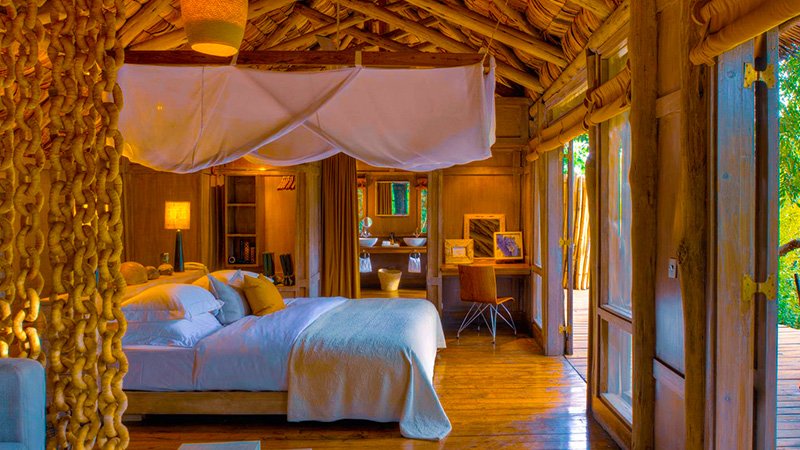
- Serengeti: Options include permanent lodges, semi-permanent tented camps (which move with the migration), and mobile camps (offering the most authentic safari feel). Locations range from central Serengeti (year-round game viewing) to the northern or western sectors (seasonal migration focus).
- Ngorongoro: Lodges are predominantly located on the crater rim, offering stunning views, or at the base of the crater. Crater rim lodges provide easy access for early morning game drives but can be more expensive and often booked out far in advance.
- Zanzibar: From boutique hotels in Stone Town to beachfront resorts and private villas along the coast.
When booking for 2026-2027, popular lodges, especially those with prime locations on the Ngorongoro Crater rim or within exclusive Serengeti concessions, should be secured early.
Safari Vehicle and Guide
Ensure your safari operator provides a well-maintained 4×4 safari vehicle with a pop-up roof and a knowledgeable, experienced guide. For the Serengeti to Ngorongoro drive, this vehicle and guide are essential. Your guide’s expertise in tracking wildlife, understanding animal behavior, and navigating the parks is paramount to a successful safari.
Park Fees and Concessions
Park fees are a significant part of the safari cost. In Tanzania, these are typically charged per person, per day, and vary between the Serengeti National Park, Ngorongoro Conservation Area, and other parks. Some private concessions within or adjacent to the Serengeti may have higher fees but offer more exclusive experiences with fewer vehicles. Understand what park fees are included in your package for 2026-2027.
Visa and Health Requirements
Check the latest visa requirements for Tanzania for your nationality. Most nationalities can obtain a visa on arrival or apply online in advance. Consult your doctor regarding recommended vaccinations (e.g., Yellow Fever, Hepatitis A, Typhoid) and malaria prophylaxis well before your travel dates for 2026-2027.
Budget Considerations
This itinerary is generally considered mid-range to luxury due to the internal flights and the high quality of parks involved. Key cost drivers include:
- Internal flights (Zanzibar-Serengeti)
- Accommodation (lodge/camp quality)
- Park fees
- Private vehicle and guide
- Duration of safari
For 2026-2027, it’s wise to get detailed quotes early. Prices can fluctuate based on seasonality and availability. A 10-day trip combining these destinations could range from approximately $4,500 to $8,000+ USD per person, depending heavily on accommodation choices and exclusivity.
Important Note for 2026-2027 Bookings
Demand for Tanzania safaris, especially for prime migration viewing and popular lodges, is consistently high. For the best availability and choice of lodges for your 2026 or 2027 safari, it’s advisable to start planning and booking at least 9-12 months in advance. This is particularly true for peak seasons like July-October and the December-February calving season.
Comparing Transport Options: Flights vs. Driving
When planning your trip from Zanzibar to the Serengeti and then to Ngorongoro, the primary transport decision involves how you get between these locations. Let’s break down the pros and cons of flying versus driving for each leg of your journey.
Zanzibar to Serengeti: Flying is Almost Always the Best Choice
As discussed, flying is the overwhelmingly preferred method for this leg.
- Flying:
- Pros: Immense time savings (1-1.5 hours flight vs. 1-2 days driving), comfort, access to remote airstrips, smooth connection to safari, often spectacular aerial views.
- Cons: Higher cost than driving the entire way, strict baggage limitations (soft bags, 15kg limit), potential for flight delays or cancellations (though infrequent).
- Driving (Hypothetical/Impractical):
- Pros: Potentially lower cost if you were to do it all by road (which is not practical for Zanzibar itself).
- Cons: Extremely time-consuming (multiple days), uncomfortable, involves ferry crossings and extensive mainland driving, misses out on valuable safari time, very difficult logistics.
For the Zanzibar to Serengeti leg, the cost of flying is a worthwhile investment for the time and comfort gained. It’s a non-negotiable for most travelers aiming for an efficient and enjoyable itinerary in 2026 or 2027.
Serengeti to Ngorongoro: Driving is the Standard and Recommended Method
While it’s technically possible to fly between certain locations in the Serengeti and airstrips closer to Ngorongoro, the road transfer is the standard, most practical, and often more scenic option.
- Driving:
- Pros: Scenic journey, potential for wildlife sightings en route, opportunity to stop at Olduvai Gorge or Maasai villages, direct transfer from Serengeti lodge to Ngorongoro lodge, cost-effective compared to internal flights between these two parks, allows for more luggage.
- Cons: Can be bumpy and dusty at times, takes several hours (3-5 hours depending on start/end points).
- Flying (Less Common/Practical):
- Pros: Faster travel time between specific points if lodges are far from airstrips.
- Cons: Significantly more expensive, requires transfers from Serengeti airstrip to lodge and from Ngorongoro airstrip to lodge (adding time and cost), limited by flight schedules, baggage restrictions still apply.
In summary, for your journey from Zanzibar to Serengeti, prioritize flying. For your transfer from Serengeti to Ngorongoro, embrace the scenic and practical road drive. This combination optimizes your experience for 2026-2027.
Sample Itinerary Ideas for Your Zanzibar, Serengeti, Ngorongoro Adventure
To help you visualize how this trip could unfold, here are a couple of sample itinerary structures. These are flexible and can be customized to your interests, budget, and desired pace for a 2026 or 2027 trip. The focus here is on the flight from Zanzibar to Serengeti and the drive to Ngorongoro.
Sample Itinerary 1: Classic Northern Circuit (10 Days / 9 Nights)
This itinerary balances beach relaxation with iconic wildlife viewing.
- Day 1-3: Zanzibar. Arrive in Zanzibar, transfer to your beach resort. Enjoy relaxation, swimming, snorkeling, and perhaps a spice tour or visit to Stone Town.
- Day 4: Zanzibar to Serengeti. Morning flight from Zanzibar (ZNZ) to a Serengeti airstrip (e.g., Seronera). You’ll be met by your guide and vehicle. Afternoon game drive in the Serengeti. Overnight in a Serengeti lodge/camp.
- Day 5-6: Serengeti. Full days of game drives in the Serengeti, exploring different areas based on wildlife movements and your interests. Overnight in Serengeti.
- Day 7: Serengeti to Ngorongoro. Morning game drive in the Serengeti, followed by a scenic drive to your lodge on the Ngorongoro Crater rim or in the conservation area. Potential stop at Olduvai Gorge. Overnight Ngorongoro.
- Day 8: Ngorongoro Crater Tour. Descend into the Ngorongoro Crater for a full-day game drive. Enjoy the incredible wildlife density. Picnic lunch on the crater floor. Ascend in the late afternoon. Overnight Ngorongoro.
- Day 9: Ngorongoro to Arusha. Morning at leisure or a short activity, then drive back to Arusha. Overnight in Arusha or transfer to Kilimanjaro International Airport (JRO) for departure.
- Day 10: Departure. Depart from Arusha or JRO.
Sample Itinerary 2: Migration Focus (12 Days / 11 Nights)
This itinerary includes more time in the Serengeti, potentially timed for the Great Migration, and adds Tarangire National Park.
- Day 1-3: Zanzibar. Beach relaxation, cultural exploration.
- Day 4: Zanzibar to Arusha. Morning flight from Zanzibar (ZNZ) to Arusha Airport (ARK). Overnight in Arusha.
- Day 5: Arusha to Tarangire. Drive to Tarangire National Park, famous for its large elephant herds and baobab trees. Game drive and overnight in Tarangire.
- Day 6: Tarangire to Serengeti. Morning game drive in Tarangire, then drive towards the Serengeti, perhaps entering via the western corridor or central Serengeti depending on the season. Overnight in Serengeti.
- Day 7-9: Serengeti. Explore different regions of the Serengeti. If traveling during migration season, focus on areas like Kogatende (North) for river crossings or Ndutu (South) for calving. Overnight in Serengeti.
- Day 10: Serengeti to Ngorongoro. Morning game drive, then drive to Ngorongoro Conservation Area. Overnight on the crater rim or in the NCA.
- Day 11: Ngorongoro Crater Tour. Full-day game drive in the Ngorongoro Crater. Overnight Ngorongoro.
- Day 12: Ngorongoro to Arusha/Departure. Drive back to Arusha for onward travel or departure from JRO.
Customization for 2026-2027
These are just frameworks. For your 2026 or 2027 trip, we can tailor the duration in each location, select specific lodges based on your preferences (e.g., luxury tented camps, family-friendly lodges, locations optimal for migration viewing), and arrange specific activities. If your priority is to fly from Zanzibar to Serengeti and then drive to Ngorongoro, we ensure smooth connections. Discuss your ideal pace and interests with your travel specialist.
Key Elements to Confirm for Your Booking:
- Flight Details: Exact flight times, airline, airstrip in Serengeti, baggage allowance.
- Safari Vehicle: Type of vehicle (4×4 Land Cruiser/Land Rover), number of passengers it can comfortably carry, and whether it’s private or shared.
- Accommodation: Specific lodges/camps, room types, and meal plans (usually full board on safari).
- Inclusions: Park fees, crater service fees, guide fees, vehicle hire, all internal flights, meals, and activities as specified.
- Exclusions: International flights, visas, travel insurance, tips, drinks, personal expenses.
Booking Your Safari with Climb 4 Africa
Planning a multi-destination trip like flying from Zanzibar to the Serengeti and then driving to Ngorongoro requires expert coordination. At Climb 4 Africa, we specialize in crafting smooth Tanzanian safari experiences that blend adventure, comfort, and efficiency. We understand the nuances of internal flights, lodge locations, optimal timing for wildlife viewing, and the logistical flow between these incredible destinations.
When you choose to book your safari with us for 2026 or 2027, you benefit from:
- Expert Local Knowledge: We are based in Tanzania and have firsthand knowledge of the parks, lodges, and the best ways to navigate them. We know which airstrips are best for which lodges, the condition of the roads, and the optimal times to visit specific areas for wildlife viewing.
- Tailor-Made Itineraries: We don’t offer one-size-fits-all packages. We listen to your interests, budget, and travel style to design a personalized itinerary that perfectly matches your vision. Whether you dream of witnessing the Great Migration, seeking out the Big Five in Ngorongoro, or simply enjoying the stunning landscapes, we can build it for you.
- smooth Logistics: We handle all the complex arrangements, including booking your internal flights from Zanzibar to the Serengeti, arranging your safari vehicle and experienced guide for the Serengeti to Ngorongoro transfer and game drives, securing your accommodation, and managing park fees. This ensures that your journey flows smoothly, allowing you to focus entirely on the experience.
- Value and Transparency: We provide clear, detailed quotes that outline exactly what is included. While we offer competitive pricing, our focus is on providing excellent value through quality service, well-chosen lodges, and reliable transportation. We aim to give you the best possible safari experience for your budget.
- Support from Start to Finish: From your initial inquiry to your departure from Tanzania, our team is here to support you. We provide pre-trip information, handle all bookings, and are available during your trip should any unexpected issues arise.
Ready to plan your 2026-2027 adventure?
To begin planning your unforgettable journey that includes flying from Zanzibar to the Serengeti and driving to Ngorongoro, please reach out to us. The more information you can provide about your ideal travel dates, the number of travelers, your preferred style of accommodation (e.g., mid-range, luxury), and any specific interests (like photography or birdwatching), the better we can tailor your proposal.
Contact us today:
- WhatsApp: +255 747 477 898
- Email: climb4africa@gmail.com
Let Climb 4 Africa help you craft the perfect Tanzanian safari experience, combining the magic of Zanzibar with the unparalleled wildlife spectacles of the Serengeti and Ngorongoro Crater.
Check Availability for Can We Fly From Zanzibar To Serengeti And Then Drive To Ngorongoro? Your
Ready to compare dates, prices, and the best option for your group? Send the package name and travel month so the team can reply with a clear quote, availability, and what is included.

Serengeti Safari And Zanzibar Beach Holiday: The Ultimate Tanzania
Combine the thrill of a Serengeti safari with the relaxation of a Zanzibar beach holiday. This guide covers everything you need to know for an unforgettable Tanzania adventure in 2026-2027...
View package details
Zanzibar To Serengeti Safari Packages 2026-2027
Zanzibar to Serengeti Safari Packages is explained with current 2026-2027 planning, price, itinerary and booking information.
View package details
3-Day Serengeti And Ngorongoro Safari: Your Ultimate Tanzania Wildlife
start a concise yet unforgettable 3-day Serengeti and Ngorongoro safari, designed to maximize wildlife encounters in Tanzania's most celebrated parks. This compact adventure offers a taste...
View package details
7-Day Tanzania Safari: Serengeti, Ngorongoro, And Tarangire In 2026-2027
A comprehensive guide to a 7-day Tanzania safari adventure, focusing on the iconic Serengeti National Park, the Ngorongoro Crater, and Tarangire National Park. Learn about optimal...
View package details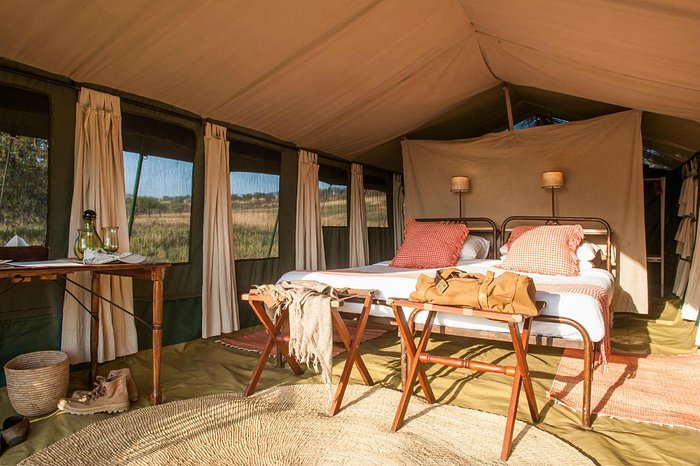
Safari From Zanzibar: Best Packages, Prices & Parks For 2026-2027
Combining a Zanzibar beach holiday with a Tanzania safari is a dream for many travelers. This guide details the best safari packages from Zanzibar, covering essential planning, park...
View package details
Tanzania Safari And Zanzibar All-Inclusive Packages Guide
Combine the thrill of a Tanzanian wildlife safari with the serene beauty of Zanzibar on an all-inclusive package. This comprehensive guide covers everything you need to know for planning...
View package details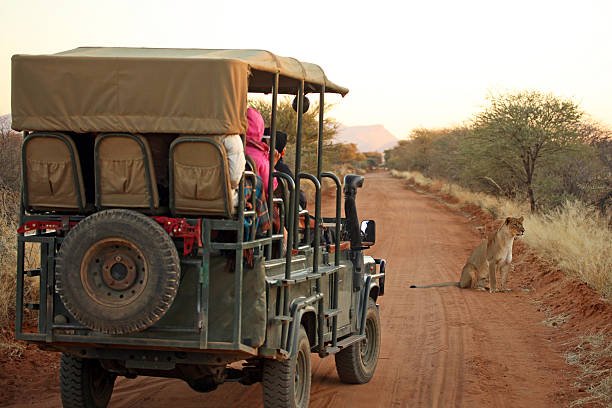
Zanzibar To Mikumi Safari: Flights, Prices And Itinerary Guide
Transition from the spice-scented beaches of Zanzibar to the wildlife-rich plains of Mikumi National Park. This guide details flight logistics, cost considerations, and sample itineraries...
View package details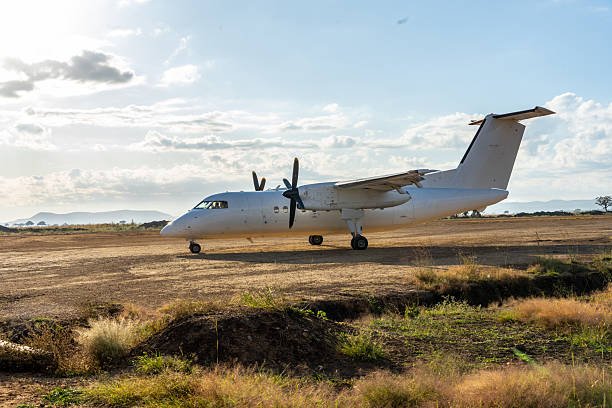
Zanzibar To Nyerere Safari Packages 2026-2027
Zanzibar to Nyerere Safari Packages is explained with current 2026-2027 planning, price, itinerary and booking information.
View package details3-Day Safari From Zanzibar 2026-2027
3-Day Safari From Zanzibar is explained with current 2026-2027 planning, price, itinerary and booking information.
View package details
2-Day Safari From Zanzibar: Your Quick Wildlife Escape In 2026-2027
Looking for a short, impactful wildlife adventure without a long trip? A 2-day safari from Zanzibar is your perfect solution. This guide covers the best options, what to expect, and how to...
View package detailsTanzania Safari And Zanzibar Packages /: Your Complete Guide 2026-2027
Explore the best Tanzania safari and Zanzibar packages for 2026-2027. This comprehensive guide covers itinerary options, wildlife highlights, beach relaxation, and booking considerations to...
View package details
10-Day Tanzania Safari And Zanzibar Beach Holiday: Your Ultimate Itinerary
Combine the thrill of a Tanzania safari with the relaxation of Zanzibar for an unforgettable 10-day adventure. This itinerary balances iconic wildlife viewing with stunning tropical...
View package detailsNo related package matches those filters. Clear one or more filters to see the other topic-matched options.



