For a relaxed Tanzania safari with minimal driving, the best route typically focuses on the northern circuit’s most accessible parks, prioritizing fewer game drives per day and strategically chosen accommodations. This often means concentrating on areas like the Ngorongoro Crater and a single, highly productive park such as Tarangire or Lake Manyara for a few days each, rather than attempting to cover vast distances. Consider a 5-7 day itinerary starting and ending in Arusha, with lodging inside or very close to the parks to reduce travel time, allowing for longer, more leisurely wildlife viewing sessions. Planning for 2026 or 2027, this approach ensures you soak in the scenery and wildlife without feeling rushed by constant transit.

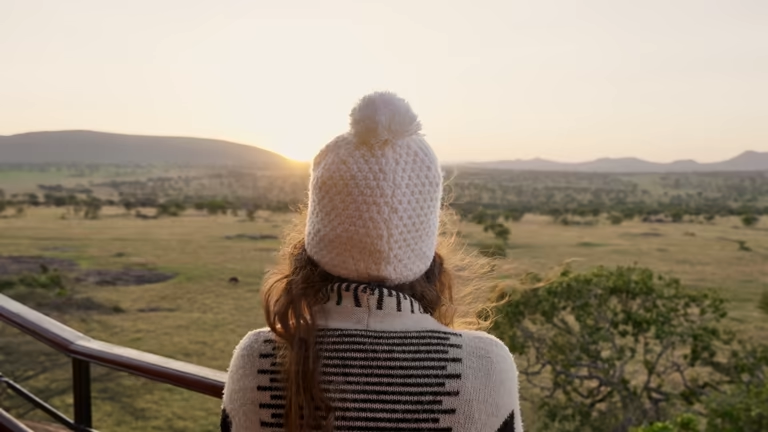
Planning Your Relaxed Tanzania Safari: Key Considerations
Embarking on a Tanzania safari is an incredible experience, but the sheer scale of the country and its renowned parks can sometimes lead to a perception of constant travel. For those who envision a more tranquil pace – one where you can truly absorb the sights and sounds of the bush without the fatigue of long drives between locations – careful route planning is essential. This isn’t about seeing fewer animals; it’s about seeing them more deeply and comfortably. The goal is to maximize your time on safari drives and minimize time spent on the road.
When we talk about a ‘relaxed Tanzania safari without too much driving,’ we’re addressing a common traveler desire. Many visitors want to experience the magic of the Serengeti, the unique ecosystem of the Ngorongoro Crater, and the elephant herds of Tarangire, but they also want to avoid the feeling of being shuttled from point A to point B for hours on end each day. This means making deliberate choices about which parks to visit, where to stay, and how to structure your daily activities. The ideal route will balance iconic wildlife viewing with ample downtime and efficient travel logistics.
For your 2026 or 2027 safari, understanding these priorities upfront will shape the entire experience. It’s about quality over quantity of locations. Instead of trying to tick off every park, we focus on a curated selection that offers exceptional wildlife encounters with a reduced travel footprint. This approach benefits not only your comfort but also your ability to connect with the environment.
Here’s how we break down the planning for a relaxed safari:
- Park Selection: Focusing on parks that are geographically closer and offer high wildlife density.
- Accommodation Strategy: Choosing lodges or camps that are strategically located to minimize travel to prime viewing areas or are within the parks themselves.
- Itinerary Pacing: Allocating sufficient time in each location to allow for unhurried game drives and relaxation.
- Transfer Efficiency: Opting for routes that make logical sense and reduce backtracking or unnecessary long drives.
The northern circuit of Tanzania, while vast, offers the most practical framework for a relaxed safari due to its concentration of world-class parks within a relatively manageable geographical area. The challenge and solution lie in how you string these parks together.
The Core of a Relaxed Safari: The Northern Circuit
Tanzania’s northern circuit is the most popular safari destination for good reason. It encompasses a collection of iconic national parks and conservation areas, each offering a distinct wildlife experience. For a relaxed safari without excessive driving, this circuit is your best bet because the parks are relatively close to each other and to the main entry points like Kilimanjaro International Airport (JRO) and Arusha. The key is to design an itinerary that doesn’t try to cram too much in.
A typical northern circuit safari might include:
- Serengeti National Park
- Ngorongoro Conservation Area (including the Crater)
- Tarangire National Park
- Lake Manyara National Park
- Optional: Kilimanjaro National Park (for views, not climbing), Arusha National Park
The challenge for a relaxed traveler is that the Serengeti is enormous, and driving between parks can still be significant. The strategy for minimizing driving involves:
- Concentrating on Key Areas: Instead of traversing the entire Serengeti, focus on one or two central or southern sections where wildlife is consistently present.
- Strategic Park Combinations: Pairing parks that are geographically close and offer complementary experiences. For example, Tarangire and Lake Manyara are relatively near each other, as are the Ngorongoro Crater and the southern Serengeti.
- Shorter Stays in More Parks vs. Longer Stays in Fewer Parks: For a relaxed pace, fewer parks with more time spent in each is usually better.
Serengeti National Park: Maximizing Wildlife, Minimizing Transit
The Serengeti is the crown jewel, famed for its vast plains and the Great Migration. Its size, however, can be daunting for those seeking a relaxed pace. The distance from Arusha to the Serengeti can be a full day’s drive (6-8 hours), or a short flight to a central airstrip. For a relaxed safari, flying into the Serengeti is highly recommended.
Option 1: Fly-in Safari to Central Serengeti (Seronera)
This is the most straightforward way to minimize driving in the Serengeti itself. You would fly from Arusha (ARK) or Kilimanjaro International Airport (JRO) to the Seronera Airstrip (SEU). From there, your lodge is typically a short drive away.
- Pros: Immediately experience the wildlife. Significantly reduces travel time. Seronera is a prime location year-round for big cats and general game viewing.
- Cons: Higher cost due to flights. Less opportunity to see the landscape change as you drive through the park.
A typical relaxed itinerary might involve 2-3 nights in Central Serengeti, with morning and afternoon game drives originating from your lodge. These drives can be shorter, more focused excursions, returning for lunch and rest, or you might opt for full-day drives with a packed lunch to explore further afield without returning to the lodge mid-day. The key here is that the driving is *within* the park, focusing on wildlife, rather than *between* parks.
Option 2: Drive to Southern Serengeti (Near Ngorongoro)
If you are combining the Serengeti with the Ngorongoro Crater, driving to the southern/eastern Serengeti (Ndutu area, which overlaps with the Ngorongoro Conservation Area) can be a logical step. This route is often combined with a visit to the Crater itself. Driving from Arusha to this region takes about 4-5 hours.
- Pros: Integrates well with a Ngorongoro Crater visit. Can be more cost-effective than flying. Excellent wildlife viewing, especially during the calving season (roughly December to March) when the migration herds are in the south.
- Cons: Still involves a significant drive from Arusha. The landscape can be less varied than other parts of the Serengeti.
For a relaxed approach, spending 2-3 nights here, with game drives focused on the local areas, is ideal. The driving is then primarily within the Ndutu plains and the adjacent Serengeti areas.
Important Note for 2026-2027: The Great Migration’s exact location varies annually based on rainfall patterns. If witnessing the migration is a priority for your 2026 or 2027 trip, consult with your tour operator about the best timing and location (central, western, northern, or southern Serengeti) to align with your relaxed travel preference. For minimal driving, sticking to one region of the Serengeti (e.g., Seronera or Ndutu) is key.
Ngorongoro Conservation Area: A Natural Caldera of Wildlife
The Ngorongoro Crater is a UNESCO World Heritage Site and a unique ecosystem. Its compact size (approximately 19 kilometers in diameter) means that a full day of game viewing within the crater floor can offer incredible wildlife encounters without extensive driving. You can descend into the crater for a morning or full-day game drive.
The Relaxed Approach: Stay on the Crater Rim
The most impactful way to experience the Ngorongoro Crater with minimal driving is to stay in accommodation located on the crater rim. This offers stunning views and dramatically reduces the travel time to the crater floor.
- Pros: Unbeatable views, early access to the crater floor (often before other vehicles), and less time spent driving to the crater entrance. Allows for leisurely mornings or evenings enjoying the vista.
- Cons: Crater rim lodges can be more expensive and sometimes cooler/windier. Limited dining options outside your lodge.
From a rim lodge, the drive down to the crater floor takes only about 10-20 minutes. You can then spend several hours exploring the dense wildlife population on the floor. Many visitors opt for a half-day or full-day game drive. For a relaxed pace, a full day allows for a picnic lunch by a hippo pool and unhurried observation.
Alternative: Staying in Karatu
If crater rim lodges are outside your budget or preference, staying in Karatu (a town about 30-45 minutes from the crater entrance) is another option. This would add a bit more driving time to reach the crater, but it offers more variety in accommodation and dining.
The Ngorongoro Crater Drive Itself: Once on the crater floor, the driving is focused on wildlife viewing. The area is rich in predators (lions, leopards, cheetahs, hyenas) and grazers, and the density of animals is exceptionally high. A typical game drive here might cover 20-50 kilometers over several hours, which is very manageable.
Tarangire National Park: Elephants and Baobabs
Tarangire National Park is renowned for its large elephant herds, ancient baobab trees, and diverse birdlife. It’s a fantastic park for a relaxed safari because it offers excellent game viewing within a manageable area, and it’s geographically well-positioned to be combined with Lake Manyara and Ngorongoro.
Strategic Location and Accommodation:
Tarangire is located about 2-3 hours’ drive from Arusha. For a relaxed experience, staying in a lodge or camp either just outside the park boundary or, ideally, inside the park is best. This minimizes morning and evening travel to and from the park gates.
- In-park lodges: Offer the ultimate convenience, allowing you to start game drives immediately upon leaving your accommodation.
- Near-park lodges: Still require a short drive to the gate but are often more budget-friendly and can offer beautiful settings.
Game Viewing in Tarangire: The park’s landscape is varied, with woodlands, swamps, and grasslands. Game drives typically focus on the Tarangire River and its surrounding floodplains, which attract a high concentration of wildlife, especially during the dry season (June to October). Driving distances within Tarangire for a productive day are usually between 30-70 kilometers.
Why it Suits a Relaxed Safari: Tarangire provides a rich wildlife experience without the vastness of the Serengeti. You can spend 2-3 days here, enjoying morning and afternoon drives, and still feel you’ve seen a great deal without excessive travel. It’s an excellent introduction or complement to other parks.
Lake Manyara National Park: A Compact Gem
Lake Manyara is one of Tanzania’s smallest national parks, but it packs a punch. It’s famous for its tree-climbing lions, large troops of baboons, and its scenic lake that attracts flamingos and other water birds. Its compact size makes it ideal for a relaxed safari, as you can experience its highlights in a single day or over two leisurely days.
Location and Access:
Lake Manyara is situated between Tarangire and the Ngorongoro Conservation Area, approximately 1.5-2 hours from Arusha. Its proximity to these other attractions makes it easy to incorporate into a route without adding significant driving time.
- Driving within the park: The main park road winds through diverse habitats, from groundwater forests to open savannah and the lake shore. A typical game drive might cover 20-40 kilometers.
- Accommodation: Lodges are available both inside and just outside the park, offering convenient access for early morning or late afternoon game drives. Staying outside the park, perhaps in Karatu or Mto wa Mbu, is also common and adds minimal driving time.
Why it’s good for minimal driving: Because the park is small, you can achieve excellent game viewing without covering vast distances. It’s a perfect park for a leisurely morning drive, followed by an afternoon of relaxation at your lodge, or for a stopover en route to or from another destination.
Suggested Itinerary Routes for a Relaxed Safari (2026-2027)
Based on the principles of minimizing driving while maximizing wildlife viewing, here are a few suggested itinerary frameworks. These can be customized for your 2026 or 2027 trip, with durations typically ranging from 5 to 7 days for a truly relaxed experience.
Route 1: The Classic Relaxed Trio (5-6 Days)
This route focuses on three highly productive and relatively close parks, offering a diverse safari experience with minimal transit.
- Day 1: Arrive in Arusha/Kilimanjaro. Transfer to your lodge in Arusha. Rest and prepare for your safari.
- Day 2: Tarangire National Park. Morning drive to Tarangire (approx. 2-3 hours). Check into your lodge (preferably inside or very near the park). Afternoon game drive.
- Day 3: Tarangire National Park. Full day or morning/afternoon game drives in Tarangire, focusing on elephants and baobabs.
- Day 4: Ngorongoro Crater. Morning drive to the Ngorongoro Conservation Area (approx. 1.5-2 hours). Descend into the crater for a full-day game drive with a picnic lunch. Stay at a lodge on the crater rim.
- Day 5: Lake Manyara National Park & Return to Arusha. Enjoy a final morning game drive in the Ngorongoro Conservation Area or a short drive to Lake Manyara for a morning game drive (approx. 1 hour from Karatu). Afterwards, drive back to Arusha (approx. 2-3 hours from Manyara).
- Day 6: Departure. Transfer to Kilimanjaro International Airport (JRO) for your onward flight.
Why this route is relaxed: The longest drives are between Arusha and Tarangire/Ngorongoro. Once in each location, game drives are focused and travel distances are minimized. Staying on the crater rim is key for the Ngorongoro experience.
Route 2: Serengeti Focus with Crater (6-7 Days)
This route incorporates the Serengeti, using flights to reduce travel time, and combines it with the Ngorongoro Crater.
- Day 1: Arrive in Arusha. Transfer to your lodge in Arusha.
- Day 2: Fly to Central Serengeti. Morning transfer to Arusha Airport (ARK) for a flight to Seronera Airstrip (SEU) in the Serengeti. Transfer to your lodge (short drive). Afternoon game drive.
- Day 3: Central Serengeti. Full day or morning/afternoon game drives in the Seronera area, renowned for its big cats.
- Day 4: Central Serengeti. Another day exploring the Serengeti. Consider a full-day drive with a picnic lunch for a more in-depth experience without returning to the lodge mid-day.
- Day 5: Drive to Ngorongoro. Enjoy a final morning game drive in the Serengeti, then drive towards the Ngorongoro Conservation Area (approx. 3-4 hours, depending on the Serengeti exit point and your Ngorongoro lodge location). Check into your crater rim lodge.
- Day 6: Ngorongoro Crater. Full-day game drive on the crater floor with a picnic lunch.
- Day 7: Return to Arusha. Morning at leisure or a brief stop at Mto wa Mbu cultural village en route. Drive back to Arusha (approx. 3-4 hours from the crater).
Why this route is relaxed: The longest travel day is minimized by flying into the Serengeti. Once there, all activities are within the park. The drive from Serengeti to Ngorongoro is scenic and manageable, and the crater experience itself requires minimal driving.
Route 3: The Ultimate Relaxed Explorer (7-8 Days)
This itinerary offers a deeper look at two key parks, ensuring ample time for relaxation and unhurried exploration, with minimal transfers.
- Day 1: Arrive in Arusha. Transfer to your lodge in Arusha.
- Day 2: Tarangire National Park. Drive to Tarangire (approx. 2-3 hours). Check into your lodge (inside or near the park). Afternoon game drive.
- Day 3: Tarangire National Park. Full day exploring Tarangire, focusing on its unique landscapes and wildlife.
- Day 4: Transfer to Ngorongoro. Drive to the Ngorongoro Conservation Area (approx. 1.5-2 hours). Check into your crater rim lodge. Enjoy the views and perhaps a short walk or cultural visit nearby.
- Day 5: Ngorongoro Crater. Full-day game drive on the crater floor with a picnic lunch.
- Day 6: Drive to Southern Serengeti (Ndutu). Drive to the Ndutu area of the Serengeti/Ngorongoro Conservation Area (approx. 2-3 hours). Check into your lodge. Afternoon game drive.
- Day 7: Southern Serengeti. Full day game drive in the Ndutu plains, focusing on wildlife viewing.
- Day 8: Departure. Morning game drive in Ndutu, then drive back to Arusha (approx. 4-5 hours) for your onward flight. Alternatively, fly from a nearby airstrip to Arusha.
Why this route is relaxed: This route prioritizes fewer park changes and longer stays. The driving is primarily between locations, and once in Tarangire, Ngorongoro, and Ndutu, game drives are focused and efficient. The drive back from Ndutu to Arusha is the longest single transfer, but it’s the price for experiencing these three distinct environments without internal flights.
Choosing Your Accommodation: The Key to Relaxation
The type and location of your accommodation play a crucial role in ensuring a relaxed safari. For a trip focused on minimizing driving, strategic lodging choices are paramount.
Lodges and Camps Inside National Parks
Staying within the boundaries of a national park or conservation area is the most effective way to reduce travel time. You wake up surrounded by nature and can often start your game drives immediately after breakfast, returning for lunch or staying out all day.
- Pros: Maximum immersion, immediate access to wildlife viewing areas, reduced transit to park gates, often more exclusive feel.
- Cons: Generally more expensive. Limited dining options outside the lodge.
Examples: Lodges in Central Serengeti (e.g., near Seronera), lodges in Tarangire (e.g., along the river), and lodges on the Ngorongoro Crater rim. For 2026-2027 bookings, early reservations are vital for prime locations.
Lodges and Camps on Park Borders
These options are located just outside the park gates. They offer a good balance between convenience and cost.
- Pros: Shorter drive to the park gate than from towns like Arusha. Often more affordable than in-park options. Can offer beautiful settings.
- Cons: Still requires a drive to the gate each morning and evening.
Examples: Lodges near the Tarangire entrance, or camps on the edge of the Serengeti plains.
Town-Based Lodges (Arusha, Karatu)
Staying in towns like Arusha (start/end point) or Karatu (near Ngorongoro/Manyara) offers more amenities, diverse dining, and can be more budget-friendly. However, it increases daily driving times to the parks.
- Pros: More choice in accommodation, restaurants, and activities. Often more economical.
- Cons: Significantly increases daily driving time to reach the parks, which contradicts the goal of a relaxed, minimal-driving safari.
Recommendation for relaxed safaris: Minimize stays in town-based lodges unless it’s for arrival/departure. Prioritize lodges within or on the immediate border of the parks you visit.
Maximizing Wildlife Viewing with Minimal Driving
The core of a relaxed safari is not just about avoiding long drives between locations, but also about making the most of the time you spend on game drives.
Focus on Morning and Afternoon Drives
Instead of attempting to cover vast distances every day, opt for well-paced morning and afternoon game drives. These are often the most productive times for wildlife viewing anyway, as animals are more active during the cooler parts of the day.
- Morning Drives: Start shortly after sunrise. Animals are often actively hunting or moving to shade.
- Afternoon Drives: Begin after lunch and continue until sunset.
A relaxed approach means not feeling pressured to be out for 8 hours straight. You might enjoy a leisurely breakfast, a 3-4 hour morning drive, return for lunch and a siesta during the hottest part of the day, and then head out for another 2-3 hour afternoon drive.
Full-Day Game Drives with Picnic Lunches
While this might sound like more driving, it can actually be more relaxing for some. Instead of returning to the lodge for lunch, you pack a lunch and spend the entire day in the park. This allows you to explore further afield and stay with wildlife sightings without the interruption of returning to your accommodation.
- Pros: More time in prime wildlife areas, opportunity to cover more ground efficiently, less back-and-forth driving.
- Cons: Requires carrying a packed lunch. Less downtime during the day.
This is particularly effective in large parks like the Serengeti, where you can spend a whole day exploring a specific region without needing to return to the lodge.
Strategic Use of Vehicles and Guides
Your safari vehicle and guide are your partners in a relaxed safari. A well-maintained 4×4 vehicle with a pop-up roof is essential. Your guide’s knowledge of animal behavior and the park’s geography is invaluable.
- Communication: Clearly communicate your preference for a relaxed pace and minimal driving to your guide at the start of the safari. They can then tailor the drives accordingly.
- Patience: A relaxed safari involves patience. Spending time observing a pride of lions, watching elephants at a waterhole, or waiting for a leopard to move from a tree requires a calm approach.
Consider Short Internal Flights
As mentioned for the Serengeti, internal flights can be a important choice for minimizing driving. While they add to the cost, the time saved and the ability to start your safari experience immediately upon arrival can be well worth it, especially for those with limited time or a strong aversion to long drives.
For 2026 and 2027 bookings, factor in flight costs early. They are typically booked through your tour operator.
What to Pack for a Relaxed Safari
Packing correctly ensures you are comfortable and prepared, contributing to the overall relaxed feel of your trip. Focus on practical items that enhance your experience.
- Lightweight Clothing: Neutral colors (khaki, beige, olive green) are best. Avoid bright colors. Pack layers for cooler mornings and evenings.
- Comfortable Footwear: Closed-toe shoes are essential for game drives and walking around lodges.
- Sun Protection: Wide-brimmed hat, sunglasses, high SPF sunscreen.
- Insect Repellent: Especially important for evenings and areas near water.
- Camera and Binoculars: Essential for wildlife viewing. Consider extra batteries and memory cards.
- Personal First-Aid Kit: With any personal medications.
- Reusable Water Bottle: To stay hydrated and minimize plastic waste.
Remember that most lodges offer laundry services, so you don’t need to pack an outfit for every single day.
Timing Your Relaxed Safari (2026-2027)
The best time for a relaxed safari depends on your priorities, but certain periods offer a more comfortable experience with fewer crowds and pleasant weather.
- Dry Season (June to October): This is the most popular time. Wildlife is concentrated around water sources, making game viewing excellent. Skies are generally clear, and temperatures are moderate. However, it’s also peak season, meaning more visitors and higher prices. For a relaxed experience during this time, booking well in advance for 2026 or 2027 is crucial, especially for lodges in prime locations.
- Green Season (November to May): This is the “low season” or “shoulder season.” The landscape is lush and green, birdlife is abundant, and there are fewer tourists. Game viewing can still be excellent, though animals may be more dispersed. This period offers a more tranquil and often more affordable safari, which aligns perfectly with a relaxed pace.
- Great Migration: If seeing the migration is a priority, its location varies. For a relaxed experience, consider focusing on one area where the herds are present, rather than chasing them across vast distances. The calving season in the southern Serengeti (December-March) is a good option, as is the river crossing season in the northern Serengeti (July-September), though the latter can be more dynamic and less ‘relaxed’ in terms of constant movement.
For a truly relaxed safari in 2026 or 2027, consider the shoulder months (November, early December, March, April, May) for a balance of good wildlife viewing, fewer crowds, and lush scenery.
Budget Considerations for a Relaxed Safari
A relaxed safari, especially one that incorporates flights or stays in high-end lodges, can influence the budget. However, there are ways to manage costs while maintaining a relaxed pace.
- Accommodation: Staying in mid-range lodges or camps rather than ultra-luxury options can significantly reduce costs without compromising comfort or location.
- Park Fees: These are fixed per person per park and contribute a substantial portion of the safari cost. There’s little flexibility here, but focusing on fewer parks means lower overall park fees.
- Transportation: Opting for road transfers instead of internal flights will save money but increase driving time. For a truly relaxed trip, the flight cost is often justified.
- Duration: Shorter safaris (5-6 days) are naturally less expensive than longer ones.
- Timing: Traveling during the green season (November-May) can offer lower rates on accommodation and sometimes flights.
Typical Cost Factors for 2026-2027:
- Mid-range: Approximately $300 – $450 per person per day (excluding international flights). This typically includes accommodation, park fees, game drives in a shared vehicle, and meals.
- Luxury: Approximately $500 – $800+ per person per day. This includes higher-end lodges, private vehicles, and potentially internal flights.
It’s important to get a detailed quote that outlines exactly what is included (park fees, accommodation, meals, guide, vehicle, transfers, internal flights if applicable). Ask for clarity on what is excluded (e.g., drinks, tips, visas, travel insurance).
Booking Your Relaxed Tanzania Safari
To plan and book your ideal relaxed Tanzania safari without too much driving for 2026 or 2027, partnering with an experienced local tour operator is highly recommended. They can tailor itineraries to your specific needs and preferences.
When contacting us at Climb 4 Africa, please specify your desire for a relaxed pace and minimal driving. Key details to share include:
- Your preferred travel dates for 2026 or 2027.
- Your approximate budget per person.
- Your interest in specific parks (e.g., Serengeti, Ngorongoro).
- Your preferred accommodation style (e.g., mid-range, luxury, tented camps).
- Any specific wildlife interests or must-see experiences.
We can then craft a personalized itinerary that balances iconic wildlife encounters with a comfortable, unhurried pace. Our expertise ensures that we select the most efficient routes and strategically located accommodations to minimize travel time, allowing you to truly savor the magic of a Tanzanian safari.
To start planning your dream relaxed Tanzania safari, reach out to us:
- WhatsApp: +255 747 477 898
- Email: climb4africa@gmail.com
We look forward to helping you create an unforgettable and wonderfully relaxed Tanzanian adventure in 2026 or 2027.
Frequently Asked Questions About Relaxed Safaris
Q1: How many days do I need for a relaxed safari without too much driving?
A1: For a truly relaxed experience focusing on the northern circuit with minimal driving, a minimum of 5-6 days is recommended. This allows for 2-3 nights in key locations, offering ample time for unhurried game drives and relaxation. Longer trips of 7-10 days would provide even more opportunity to slow down and experience yourself.
Q2: Is it possible to see the Great Migration on a relaxed safari?
A2: Yes, it is possible, but it requires careful planning. The Great Migration is a continuous movement. For a relaxed trip, it’s best to focus on one region where the herds are known to be during your travel dates (e.g., the southern Serengeti during calving season or the northern Serengeti during river crossings). Trying to chase the migration across vast distances would contradict a relaxed pace. Flying into the Serengeti and staying in one location is the best approach.
Q3: What is the difference in cost between a relaxed safari and a standard safari?
A3: A relaxed safari might sometimes be more expensive if it incorporates internal flights to save on driving time, or if it focuses on high-end lodges with prime locations. However, if the relaxation comes from visiting fewer parks and staying longer in each, it could potentially be more cost-effective by reducing transit costs. The key is careful itinerary design, which we excel at.
Q4: Can I combine a relaxed safari with climbing Kilimanjaro?
A4: Yes, this is a popular combination. However, climbing Kilimanjaro is physically demanding and requires a separate focus. It’s best to do the safari *after* the climb, or have significant rest days between them. For a relaxed safari experience, it’s often advisable to focus solely on the safari portion or ensure ample buffer time.
Q5: What are the best months for a relaxed safari in Tanzania in 2026 or 2027?
A5: For fewer crowds and a more tranquil experience, consider the green season months (November to May), excluding Christmas/New Year. The shoulder months like November, March, April, and May offer a good balance of wildlife viewing and a relaxed atmosphere. The dry season (June to October) is excellent for wildlife but can be busier.
“,
“faq_schema”: [
{
“question”: “How many days do I need for a relaxed safari without too much driving?”,
“answer”: “For a truly relaxed experience focusing on the northern circuit with minimal driving, a minimum of 5-6 days is recommended. This allows for 2-3 nights in key locations, offering ample time for unhurried game drives and relaxation. Longer trips of 7-10 days would provide even more opportunity to slow down and experience yourself.”
},
{
“question”: “Is it possible to see the Great Migration on a relaxed safari?”,
“answer”: “Yes, it is possible, but it requires careful planning. The Great Migration is a continuous movement. For a relaxed trip, it’s best to focus on one region where the herds are known to be during your travel dates (e.g., the southern Serengeti during calving season or the northern Serengeti during river crossings). Trying to chase the migration across vast distances would contradict a relaxed pace. Flying into the Serengeti and staying in one location is the best approach.”
},
{
“question”: “What is the difference in cost between a relaxed safari and a standard safari?”,
“answer”: “A relaxed safari might sometimes be more expensive if it incorporates internal flights to save on driving time, or if it focuses on high-end lodges with prime locations. However, if the relaxation comes from visiting fewer parks and staying longer in each, it could potentially be more cost-effective by reducing transit costs. The key is careful itinerary design, which we excel at.”
},
{
“question”: “Can I combine a relaxed safari with climbing Kilimanjaro?”,
“answer”: “Yes, this is a popular combination. However, climbing Kilimanjaro is physically demanding and requires a separate focus. It’s best to do the safari *after* the climb, or have significant rest days between them. For a relaxed safari experience, it’s often advisable to focus solely on the safari portion or ensure ample buffer time.”
},
{
“question”: “What are the best months for a relaxed safari in Tanzania in 2026 or 2027?”,
“answer”: “For fewer crowds and a more tranquil experience, consider the green season months (November to May), excluding Christmas/New Year. The shoulder months like November, March, April, and May offer a good balance of wildlife viewing and a relaxed atmosphere. The dry season (June to October) is excellent for wildlife but can be busier.”
}
]
}
“`
Check Availability for I Want A Relaxed Tanzania Safari Without Too Much Driving, What Route Is…
Ready to compare dates, prices, and the best option for your group? Send the package name and travel month so the team can reply with a clear quote, availability, and what is included.
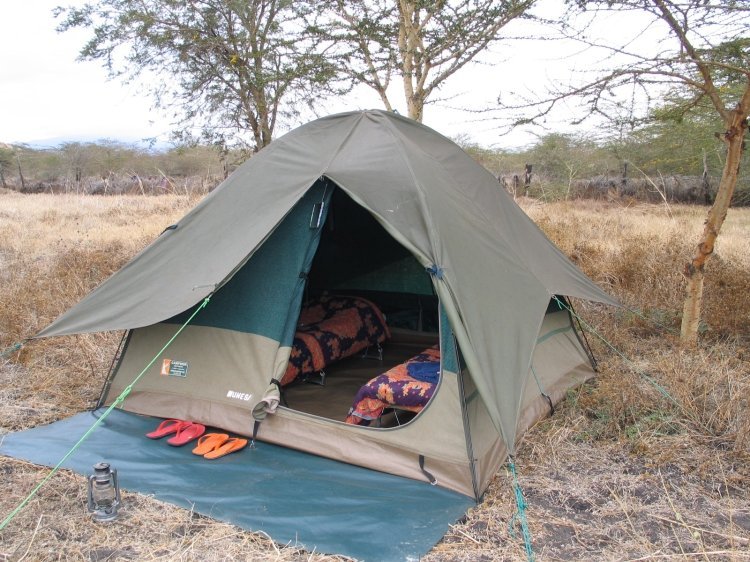
Afcon Tanzania Football Kilimanjaro And Safari Tour
AFCON 2027 Tanzania Football Kilimanjaro and Safari Tour.
View package details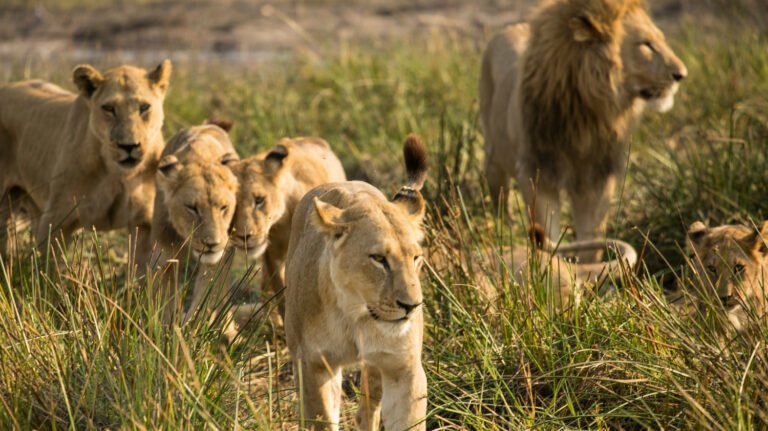
Tanzania Safari Packages from Dar es Salaam During AFCON 2027
Mwongozo wa kina wa safari za Tanzania kuanzia Dar es Salaam wakati AFCON 2027: rasilimali, mipango ya siku, na hatua za uhakika za ziara za wanyama na mbuga maarufu.
View package detailsTanzania Safari Tours for AFCON 2027 Fans
Muhtasari wa safari za Tanzania kwa mashabiki wa AFCON 2027: maeneo ya hifadhi, mizunguko ya wildlife, usalama wa safari, na jinsi ya kupanga na kuhudumiwa na Climb 4 Africa.
View package details
Dec 20, – 10 Day Complete Tanzania Group Joining Safari
Dec 20, 2026 – 10 Day Complete Tanzania Group Joining Safari.
View package details
How Early Should I Book A Nov Or Dec Tanzania Group Safari?
How Early Should I Book a Nov or Dec Tanzania Group Safari?
View package detailsCan I Pay A Deposit To Reserve A Tanzania Group Safari?
Can I Pay a Deposit to Reserve a Tanzania Group Safari?
View package details
I Am On A Budget—What Is The Cheapest Serengeti Group Safari?
I Am on a Budget—What Is the Cheapest Serengeti Group Safari?
View package details
Dec 30, – 7 Day New Year Tanzania Group Joining Safari 2026
A complete guide to our 7-day group joining safari for the 2026/2027 New Year season, covering the Northern Circuit, wildlife expectations, and how to secure your spot.
View package details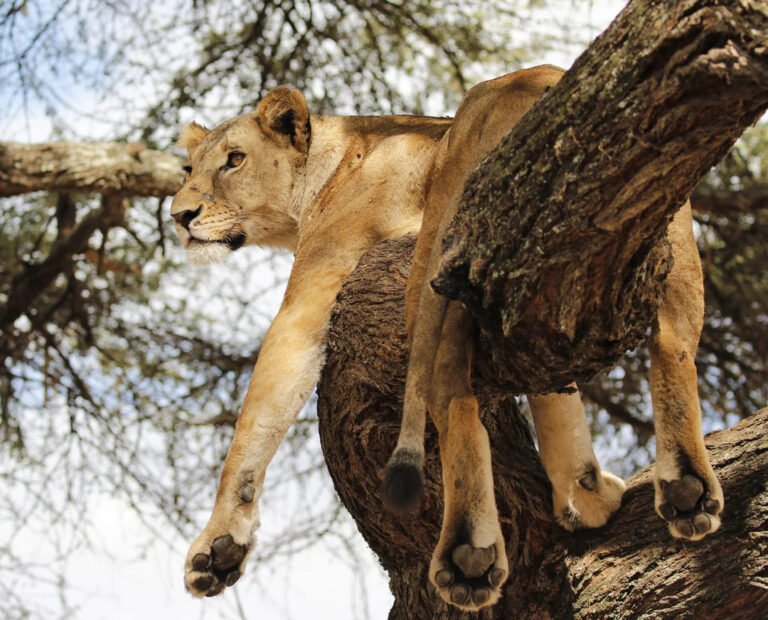
Dec 25, – 5 Day Christmas Tanzania Group Joining Safari 2026
Celebrate Christmas in the heart of the Tanzanian wilderness. Join our 5-day group safari departing December 25, 2026, and experience the iconic Northern Circuit.
View package details
Dec 18, – 9 Day Tanzania Wildlife And Cultural Group Safari 2026
A deep look at our 9-day wildlife and cultural group safari departing December 18, 2026. This trip balances classic Northern Circuit game viewing with genuine cultural engagement.
View package detailsDec 14, – 7 Day Complete Tanzania Northern Circuit Group Safari 2026
Planning for December 2026? Join our 7-day complete Tanzania Northern Circuit group safari. A deep look at the Serengeti, Ngorongoro, and Tarangire with expert, locally-led logistics.
View package detailsDec 10, – 5 Day Northern Tanzania Group Joining Safari 2026
A detailed guide to our 5-day Northern Tanzania group joining safari scheduled for December 10, 2026. Learn about the route, group logistics, and how to book your spot.
View package detailsNo related package matches those filters. Clear one or more filters to see the other topic-matched options.