
To minimize road travel on a Tanzania safari, the primary strategy is to opt for fly-in safaris, utilizing light aircraft to hop between remote airstrips located close to key wildlife areas. This approach bypasses long drives between parks and conservancies, significantly reducing transit time and maximizing your time observing wildlife. Focusing on a concentrated circuit of parks accessible via these airstrips, such as the Northern Circuit’s Serengeti, Ngorongoro Crater, and Tarangire, or exploring the more remote Southern and Western Circuits with air transfers, are your most effective options for a Tanzania safari with the least amount of road travel.
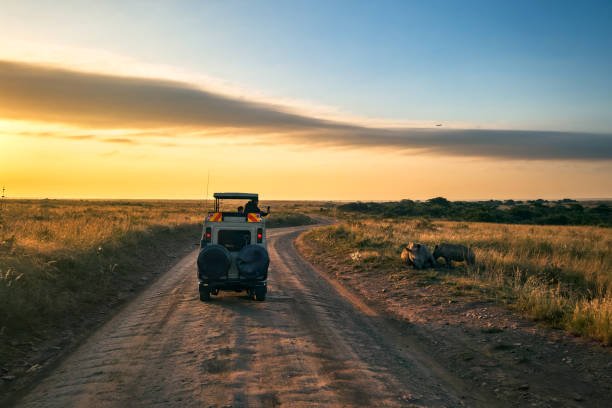
A Tanzania safari is an unparalleled adventure, promising encounters with some of the planet’s most iconic wildlife. However, the sheer size of Tanzania means that extensive travel by road is often a significant component of any safari itinerary. For travelers who wish to minimize their time spent on bumpy tracks and maximize their wildlife viewing opportunities, the question of how to achieve a Tanzania safari with the least amount of road travel becomes paramount. This guide is designed to answer precisely that, detailing the most efficient ways to experience Tanzania’s natural wonders, focusing on strategies that reduce driving distances and time, and offering practical planning advice for 2026 and 2027.
Understanding the Challenge: Tanzania’s Vastness and Road Networks
Before diving into solutions, it’s crucial to understand why road travel is so prevalent on Tanzanian safaris. Tanzania is the fourth-largest country in Africa, boasting diverse ecosystems ranging from the vast plains of the Serengeti to the lush rainforests of Gombe Stream and the towering peak of Kilimanjaro. These incredible destinations are spread far apart, and the road infrastructure, while improving, can still be challenging. National parks and game reserves are extensive, and reaching prime wildlife viewing areas within them often involves traversing unpaved tracks, which can be slow and, at times, uncomfortable. Typical safari itineraries often involve driving between locations like Arusha, Tarangire National Park, Lake Manyara National Park, the Ngorongoro Conservation Area, and the Serengeti National Park. These drives can range from a couple of hours to over eight hours, depending on the specific parks and their proximity. For travelers seeking a Tanzania safari with the least amount of road travel, acknowledging this reality is the first step in designing an efficient and enjoyable trip.
The Ultimate Solution: Fly-In Safaris
The most direct and effective way to minimize road travel on a Tanzania safari is by incorporating fly-in safaris. This means replacing long overland journeys with short flights in light aircraft between major safari hubs and remote camps. These flights are typically operated by local charter companies, often using bush planes that land on dirt airstrips within or very near the national parks. This not only saves significant time but also offers a unique perspective of the Tanzanian landscape from above.
How Fly-In Safaris Work
A typical fly-in safari itinerary would involve:
- Arriving at Kilimanjaro International Airport (JRO) or Arusha Airport (ARK).
- A short transfer to a local airstrip for your onward flight.
- A scenic flight, usually lasting between 30 minutes and 2 hours, directly to the airstrip closest to your chosen camp or lodge.
- Upon landing, you’ll be met by your lodge’s safari vehicle and guide, ready for your first game drive.
- Departures follow the same pattern, flying from the bush airstrip back to a major airport for your international flight or onward travel.
This method is particularly beneficial for reaching the more remote sections of the Serengeti, such as the northern Kogatende area (ideal for witnessing the Great Migration river crossings) or the southern Seronera region. It also allows for quick access to less-visited parks like Ruaha National Park or the Selous Game Reserve (now Nyerere National Park) in the south, which are considerably further from Arusha by road.
Advantages of Fly-In Safaris for Reduced Road Travel
- Time Efficiency: The most significant benefit. A drive that might take 6-8 hours can be replaced by a 1-hour flight. This means more time for game drives, relaxation, or experiencing the camp’s activities.
- Access to Remote Areas: Fly-in safaris open up camps located in exclusive concessions or very distant parts of the parks, areas that are impractical to reach by road for a typical safari duration.
- Comfort: While bush flights are not luxury jets, they are generally comfortable and offer stunning aerial views. They bypass the often-rough road conditions, providing a smoother journey between destinations.
- Exclusive Experience: Many fly-in camps are situated in private concessions, offering a more intimate and exclusive safari experience away from the crowds often found in the more accessible areas reached by road.
Considerations for Fly-In Safaris
While ideal for minimizing road travel, fly-in safaris come with specific considerations:
- Cost: This is the primary trade-off. Flights between parks significantly increase the overall safari cost compared to overland travel. Expect to add several hundred dollars per person per flight segment.
- Luggage Restrictions: Light aircraft have strict weight and size limits for luggage, typically around 15-20 kg (33-44 lbs) per person, packed in soft-sided duffel bags. Hard suitcases are usually not permitted.
- Flight Schedules: Flights are often scheduled for morning or afternoon departures, which can influence your daily safari timing. They are also weather-dependent.
- Limited Flexibility: Once booked, flight schedules are fixed. Spontaneous changes can be difficult and costly.
Strategic Itinerary Planning for Minimal Road Travel
Even with fly-in options, some road travel is often unavoidable, particularly for transfers to and from airports and for game drives within parks. The key is to plan your itinerary strategically to minimize these drives. This involves choosing a focused circuit of parks that are geographically close or well-connected by air.
The Classic Northern Circuit: Optimized for Air Travel
The Northern Circuit is Tanzania’s most popular safari destination, encompassing Tarangire, Lake Manyara, the Ngorongoro Crater, and the Serengeti. While it can be done entirely by road, it’s also highly adaptable for fly-in options to reduce driving.
- Arusha to Tarangire/Lake Manyara: These parks are relatively close to Arusha (2-4 hours by road). If you prioritize minimizing road travel from the outset, you might consider flying directly from Arusha to a Serengeti airstrip and then potentially driving to Ngorongoro or Tarangire later, or vice versa. However, for many, a short drive to these parks is acceptable before employing flights for longer distances.
- Ngorongoro Crater: Access to the crater floor is typically via a drive down a steep track, which is unavoidable if you want to descend into the caldera. However, the drive from the crater rim lodges to the descent point is usually short.
- Serengeti National Park: This is where fly-in options truly shine. Instead of driving the entire length of the Serengeti (which can take 6-8 hours from the Ngorongoro area to Seronera, and much longer to other regions), you can fly from the Manyara airstrip (near Ngorongoro) or directly from Arusha to various airstrips within the Serengeti.
Example of a reduced road travel itinerary for the Northern Circuit (2026-2027):
Day 1: Arrive at Kilimanjaro International Airport (JRO). Transfer to Arusha for overnight. (Minimal road travel).
Day 2: Morning flight from Arusha Airport (ARK) to Seronera Airstrip in the central Serengeti. Met by your lodge’s guide and vehicle for an afternoon game drive. (No significant road travel).
Day 3-4: Full days of game drives in the Serengeti, exploring the region around your lodge. Game drives are conducted by vehicle but are focused on wildlife viewing within a specific area, not long transit.
Day 5: Morning game drive. After lunch, fly from Seronera Airstrip to the Manyara Airstrip. Transfer to a lodge on the Ngorongoro Crater rim. (Short transfer, no long road travel).
Day 6: Descend into the Ngorongoro Crater for a full-day game drive. Game viewing within the crater is concentrated. Return to your rim lodge. (Road travel limited to crater descent/ascent and within the crater).
Day 7: Morning drive to Tarangire National Park (approx. 2-3 hours road travel from Ngorongoro area). Afternoon game drive. Overnight in Tarangire.
Day 8: Morning game drive in Tarangire. Transfer to Manyara Airstrip for a flight back to Arusha Airport (ARK) or JRO for your onward international flight. (Minimal road travel).
This itinerary significantly reduces the long overland transfers, especially into and out of the Serengeti. The longest road journey is from Ngorongoro to Tarangire, which can be replaced by another flight if absolute minimal road travel is the priority, flying from Manyara to a Tarangire airstrip, though this adds considerable cost.
Exploring the Southern and Western Circuits via Air
For those seeking less crowded and more wild experiences, Tanzania’s Southern (Ruaha, Nyerere) and Western (Mahale, Katavi) Circuits offer incredible wildlife viewing but are extremely remote and challenging to access by road. This makes them ideal candidates for a Tanzania safari with the least amount of road travel, as air transfers are almost essential.
- Ruaha National Park: Tanzania’s largest park, known for its large elephant and predator populations. Access is primarily via a flight from Arusha to the Msembe airstrip. overland travel from Arusha is an arduous 10-12 hour drive.
- Nyerere National Park (formerly Selous): Famous for its boat safaris on the Rufiji River and diverse wildlife. It has several airstrips (e.g., Beho Beho, Mtemere) accessible by flight from Arusha or connecting flights from other southern parks. Driving from Dar es Salaam can take 5-6 hours on rough roads.
- Mahale Mountains National Park: The prime destination for chimpanzee trekking. It is accessible by light aircraft to the airstrip near the park, followed by a boat transfer to lodges along Lake Tanganyika. Road access is virtually non-existent for tourists.
- Katavi National Park: A truly wild and remote park, offering vast floodplains and abundant wildlife, especially during the dry season. Access is typically via a flight to an airstrip within the park.
Example of a minimal road travel itinerary for Southern Tanzania (2026-2027):
Day 1: Arrive at JRO, transfer to Arusha. Overnight.
Day 2: Fly from Arusha to Msembe Airstrip in Ruaha National Park. Met by lodge staff for transfer and afternoon game drive. (No road travel).
Day 3-4: Full days of game drives in Ruaha, exploring its unique landscapes and abundant wildlife. Game drives are vehicle-based but focused within the park.
Day 5: Morning game drive. Fly from Msembe Airstrip to Beho Beho Airstrip in Nyerere National Park. Transfer to lodge and afternoon boat safari on the Rufiji River. (No road travel).
Day 6: Morning walking safari or game drive. Afternoon boat safari. Explore different areas of the park.
Day 7: Fly from Nyerere National Park to Arusha Airport (ARK) or JRO for onward connections. (No road travel).
This southern circuit itinerary, designed for minimal road travel, relies almost entirely on air transfers between destinations and game drives within the parks. The road travel is limited to airport transfers and the game drives themselves. This offers an exceptional wildlife experience with maximum efficiency.
Comparing Options: Fly-In vs. Overland for Road Travel Minimization
Choosing between a fly-in safari and an overland safari fundamentally impacts the amount of road travel you’ll experience. Here’s a breakdown to help you decide for your 2026 or 2027 trip:
| Feature | Fly-In Safari (Least Road Travel) | Overland Safari (Standard) |
|---|---|---|
| Road Travel Time | Minimal, mainly airport transfers and intra-park game drives. | Significant, often 4-8+ hours between parks, plus game drives. |
| Time Efficiency | High. Maximizes wildlife viewing time. | Lower. Substantial time spent driving. |
| Cost | Higher due to flight costs. | Lower, as it relies on ground transport. |
| Luggage Allowance | Strict limits (soft bags, 15-20kg). | More flexible, usually with larger vehicles. |
| Access to Remote Areas | Excellent. Reaches exclusive and distant camps. | Limited. Focuses on areas accessible by road. |
| Comfort | Smoother travel between destinations. Rough roads within parks for game drives. | Can be bumpy and long road journeys. Game drives can also be rough. |
| Scenery | Aerial views between parks, ground views during game drives. | Ground-level views throughout, including travel time. |
| Best For | Travelers prioritizing time, comfort between destinations, and access to remote areas; those with less time. | Budget-conscious travelers, those who enjoy road trips, and those with more time who want to see more of the landscape by road. |
Who Should Choose a Fly-In Safari for Minimal Road Travel?
A fly-in Tanzania safari with the least amount of road travel is ideal for:
- Time-Conscious Travelers: Those on shorter trips (e.g., 7-10 days) who want to maximize their time observing wildlife rather than traveling between locations.
- Luxury Seekers: While not exclusively luxury, fly-in safaris often connect to high-end lodges and camps, offering a premium experience.
- Travelers Seeking Exclusivity: Many fly-in camps are in private concessions, offering a more intimate safari away from the main tourist routes.
- Those Sensitive to Rough Roads: If long, bumpy drives are a concern, flights are a sensible alternative for inter-park travel.
- Travelers Visiting Remote Parks: Parks like Mahale, Katavi, or deep within the Serengeti are best accessed by air for efficiency.
Who Might Be Content with Some Road Travel?
An overland safari might be more suitable if:
- Budget is a Major Concern: Overland safaris are significantly more affordable.
- You Enjoy the Journey: Some travelers appreciate seeing the changing landscapes from the vehicle and don’t mind the longer drives.
- You Have Ample Time: With 14+ days, you can comfortably incorporate longer drives without feeling rushed.
- You Prefer Maximum Flexibility: Overland trips can sometimes offer more flexibility for spontaneous stops.
- You Are Visiting Only One or Two Adjacent Parks: For example, a trip focusing only on the Ngorongoro Crater and Lake Manyara might involve manageable road travel.
Practicalities of Planning a Low-Road-Travel Safari for 2026-2027
Planning a Tanzania safari with minimal road travel requires careful consideration of logistics, timing, and budget. Here are key aspects to focus on when booking your 2026 or 2027 adventure:
Choosing the Right Time of Year
While the desire to minimize road travel is constant, the time of year can influence which areas are best to visit and how they are accessed. For instance:
- Great Migration: If witnessing the Great Migration is a priority, your itinerary will be dictated by its location. The river crossings in the north (Kogatende) typically occur from July to October, while the calving season in the south (Ndutu) is from December to March. Fly-in safaris are excellent for reaching these specific migration hotspots efficiently.
- Dry Season (June-October): Wildlife congregates around water sources, making game viewing excellent. This is peak season, and flights will be in high demand. Booking well in advance for 2026 and 2027 is crucial.
- Wet Season (November-May): This is the green season, with lush landscapes and fewer crowds. The northern parks are excellent, and the southern parks become more accessible and vibrant. However, heavy rains can sometimes affect flight schedules or road conditions within parks.
Selecting Camps and Lodges
When designing a Tanzania safari with the least road travel, the choice of accommodation is critical. Look for lodges and tented camps that:
- Are located near airstrips: This minimizes transfer time from the plane to your accommodation.
- Offer exclusive-use concessions: This ensures you are away from the main roads and crowds, enhancing your wildlife experience.
- Provide a range of activities: Beyond game drives, consider lodges that offer walking safaris, night drives (where permitted), or cultural visits to enrich your experience without relying solely on long drives.
Booking Your Flights
Internal flights are a cornerstone of a low-road-travel safari. These are typically booked by your tour operator. When discussing your plans for 2026 or 2027, ensure your operator works with reputable charter companies and can secure the most efficient flight routes for your itinerary. Confirming luggage allowances and ensuring your safari wardrobe fits the requirements is essential.
Budgeting for a Fly-In Safari
As mentioned, the primary increase in cost for a Tanzania safari with the least road travel comes from the internal flights. A general guideline for 2026-2027 might be to add $350-$600 per person per flight segment. A typical fly-in itinerary might involve 2-4 such flight segments, so this can add $700 to $2400+ per person to your total safari cost, on top of the lodge and park fees.
Consider the following when budgeting:
- Flight Costs: This is the most variable component.
- Lodge/Camp Rates: Fly-in camps are often in exclusive locations and tend to be at the higher end of the price spectrum.
- Park Fees: These remain the same whether you fly or drive, typically around $70-$80 per person per day for the main parks, plus vehicle fees.
- Single Supplement: If traveling solo, single supplements can significantly increase costs, especially for lodges in remote areas.
It’s wise to get detailed quotes for 2026 and 2027 to understand the full financial picture. A well-planned fly-in safari, while more expensive, offers an unparalleled experience for those who wish to maximize their time with wildlife and minimize transit.
Maximizing Wildlife Viewing with Minimal Driving
The goal of minimizing road travel is to maximize wildlife encounters. Here’s how a low-road-travel safari achieves this:
- More Time on the Ground: By flying directly to your lodge, you effectively gain half a day or even a full day of safari time compared to a long drive. This means more opportunities for game drives and spotting elusive animals.
- Access to Untouched Areas: Remote camps reached by air often sit in areas with less tourist traffic. This means you’re more likely to have sightings to yourself and experience wildlife in a more natural state.
- Strategic Location: Choosing camps in areas known for specific wildlife phenomena (e.g., river crossings, predator activity) ensures you are positioned for the best possible viewing.
- Expert Guiding: Regardless of whether you fly or drive, a knowledgeable guide is essential. They know animal behavior, track animals, and understand the best times and locations for sightings. A good guide can make even a short game drive incredibly productive.
Alternative Strategies for Reducing Road Travel
While fly-in safaris are the most effective, other strategies can help reduce road travel, especially if budget is a constraint or if you want a hybrid approach:
- Focus on a Single Park or Region: Instead of trying to visit multiple parks that are far apart, concentrate your safari within one or two adjacent regions. For example, spending your entire trip in the Serengeti, or focusing on the Ngorongoro Conservation Area and a nearby conservancy. This limits the need for long inter-park drives.
- Combine Overland and Air: Use overland travel for shorter distances (e.g., Arusha to Tarangire) and then switch to flights for longer, more arduous journeys (e.g., Tarangire to the Serengeti). This offers a balance between cost and time efficiency.
- Utilize Lake Victoria Ferries (Limited Applicability): While not a primary safari method, for those traveling between western Tanzania (like Kigoma, for Gombe Stream) and other regions, ferry services on Lake Victoria can reduce road time, though this is a very specific and often time-consuming travel method.
Planning Your 2026-2027 Tanzania Safari with Climb 4 Africa
Designing a Tanzania safari with the least amount of road travel requires expert knowledge of flight logistics, camp locations, and optimal park circuits. At Climb 4 Africa, we specialize in crafting tailor-made safari experiences that align with your preferences, whether that means minimizing driving time, focusing on specific wildlife, or adhering to a particular budget.
When you contact us for your 2026 or 2027 safari, please specify your desire for a Tanzania safari with the least amount of road travel. We will guide you through the best options, including:
- Recommended Fly-In Itineraries: Suggesting routes that maximize air transfers between prime wildlife areas like the Serengeti, Ruaha, and Nyerere National Park.
- Camp and Lodge Selection: Choosing accommodations strategically located near airstrips and in areas offering exceptional wildlife viewing with minimal need for extensive driving.
- Flight Booking: Handling all internal flight arrangements with reliable charter companies.
- Customization: Tailoring the itinerary to your interests, whether it’s birdwatching, predator sightings, the Great Migration, or chimpanzee trekking.
To begin planning your efficient and unforgettable Tanzania safari for 2026 or 2027, reach out to our team. Provide us with your desired travel dates, the number of travelers, and your priority to minimize road travel. We can then craft a personalized itinerary and provide a detailed quote.
For a personalized consultation on crafting your Tanzania safari with the least amount of road travel, contact Climb 4 Africa:
WhatsApp: +255 747 477 898
Email: climb4africa@gmail.com
Let us help you design a smooth safari experience in 2026 or 2027 that prioritizes your comfort and maximizes your wildlife encounters.
Frequently Asked Questions about Minimizing Road Travel on Tanzania Safaris
Here are some common questions travelers have when planning a Tanzania safari with the least amount of road travel:
Q1: How much more expensive is a fly-in safari compared to an overland safari in Tanzania?
A: A fly-in safari is significantly more expensive, primarily due to the cost of internal flights. Expect to add approximately $350 – $600 per person per flight segment. A typical fly-in itinerary with 2-4 flight segments could add $700 to $2400+ per person to the total cost compared to an all-overland trip. However, it drastically reduces travel time.
Q2: What are the luggage restrictions for internal flights in Tanzania?
A: Internal flights in Tanzania, especially on light aircraft, have strict luggage limits. Typically, this is around 15-20 kg (33-44 lbs) per person, and luggage must be in soft-sided duffel bags. Hard suitcases are generally not allowed. It’s crucial to confirm these restrictions with your tour operator.
Q3: Can I do a safari in Tanzania with absolutely NO road travel?
A: It is nearly impossible to have *absolutely* no road travel. You will always have some road transfers to and from airports, and game drives within parks are conducted by vehicle. However, you can minimize it significantly by using fly-in options for all inter-park transfers and choosing lodges very close to airstrips, limiting road travel to essential transfers and game drives.
Q4: Which parks in Tanzania are best for a low-road-travel safari?
A: Parks that are very remote or have limited road access are ideal. This includes the central and northern Serengeti (accessible by many airstrips), Mahale Mountains National Park (for chimpanzees, requiring boat transfers), Ruaha National Park, and Nyerere National Park (formerly Selous). These are best reached by air.
Q5: How does the Great Migration affect planning a low-road-travel safari?
A: The Great Migration’s location dictates optimal viewing areas. For instance, if you want to see river crossings (July-Oct), you’ll need to be in the northern Serengeti (Kogatende area), which is efficiently accessed by flight. If you want to see the calving season (Dec-Mar), you’ll be in the southern Serengeti/Ndutu area, also accessible by air. Fly-in safaris allow you to quickly reposition to the migration’s current location with minimal driving.
Q6: Is it possible to combine Kilimanjaro climbing with a low-road-travel safari?
A: Yes. After descending Kilimanjaro, you’d typically spend a night in Arusha. From Arusha, you can immediately take a flight to a safari destination, minimizing road travel. For example, fly from Arusha to the Serengeti for a few days before returning to Arusha for your international flight. This avoids the long drives often associated with overland safaris after a trek.
Q7: What is the best time of year for a Tanzania safari with minimal road travel in 2026 or 2027?
A: The best time depends on your interests. For wildlife density, the dry season (June-October) is excellent, though busy. The green season (November-May) offers fewer crowds and lush scenery, but rain can occasionally impact flight schedules. The Great Migration viewing periods (July-Oct and Dec-Mar) are popular, and fly-in safaris are ideal for positioning yourself correctly during these times.
Conclusion: Embrace Efficiency for Your Dream Tanzania Safari
For travelers prioritizing their time and comfort, a Tanzania safari with the least amount of road travel is not only possible but highly recommended. By strategically employing fly-in safaris, you can transform lengthy, arduous drives into scenic flights, granting you more precious hours to experience the impressive wildlife and landscapes that Tanzania offers. Whether you aim to witness the drama of the Great Migration in the Serengeti, explore the vast wilderness of Ruaha, or track chimpanzees in Mahale, air transfers are your key to an efficient and unforgettable adventure.
Planning such an itinerary requires expertise in logistics, understanding flight schedules, and selecting the right camps. This is where partnering with experienced local operators like Climb 4 Africa becomes invaluable. We can help you navigate the complexities of booking internal flights, choosing accommodations that minimize transit time, and designing a bespoke safari experience for 2026 or 2027 that perfectly balances your desire for minimal road travel with maximum wildlife encounters.
Don’t let long drives diminish your safari experience. Let us help you craft a smooth journey that maximizes every moment in Tanzania’s incredible wilderness. Reach out to Climb 4 Africa today to start planning your efficient, unforgettable Tanzania safari.
Check Availability for Tanzania Safari With Least Road Travel: Your Options For Minimal Driving
Ready to compare dates, prices, and the best option for your group? Send the package name and travel month so the team can reply with a clear quote, availability, and what is included.

What Is Included In An African Safari Package? A Complete Guide For 2026-2027
Demystifying African safari packages. This guide details what you can expect to be included, from essential logistics like accommodation and transport to crucial elements like park fees and...
View package details
Affordable African Safari Packages: Your Guide To Budget-Friendly Tanzania
Discover how to plan and book affordable African safari packages for 2026-2027. This guide provides practical advice on choosing budget-friendly Tanzania tours, understanding costs, and...
View package details
Kenya And Tanzania Combined Safari Packages: Ultimate Guide 2026-2027
Discover the unparalleled adventure of combining Kenya and Tanzania for a comprehensive East African safari. This guide details everything you need to know for planning your 2026-2027...
View package details
3-Day Serengeti And Ngorongoro Safari: Your Ultimate Tanzania Wildlife
start a concise yet unforgettable 3-day Serengeti and Ngorongoro safari, designed to maximize wildlife encounters in Tanzania's most celebrated parks. This compact adventure offers a taste...
View package details
Serengeti Safari And Zanzibar Beach Holiday: The Ultimate Tanzania
Combine the thrill of a Serengeti safari with the relaxation of a Zanzibar beach holiday. This guide covers everything you need to know for an unforgettable Tanzania adventure in 2026-2027...
View package detailsTanzania Safari And Zanzibar All-Inclusive Packages Guide
Combine the thrill of a Tanzanian wildlife safari with the serene beauty of Zanzibar on an all-inclusive package. This comprehensive guide covers everything you need to know for planning...
View package details
Are African Safari Prices Per Person Or Vehicle? Understanding Tanzania Costs
African safari costs can be confusing. This guide clarifies whether prices are quoted per person or per vehicle, detailing factors that influence your 2026-2027 safari budget in Tanzania.
View package details
What Animals Can You See On An African Safari? Your Ultimate Wildlife Guide
Planning an African safari and wondering which animals you'll encounter? This comprehensive guide details the wildlife you can expect to see, from iconic mammals to elusive birds, across...
View package details
What Is The Cheapest African Country For Safari? 2026-2027
What Is the Cheapest African Country for Safari? is explained with current 2026-2027 planning, price, itinerary and booking information.
View package details
Is Tanzania Or Kenya Better For Safari? A Detailed Comparison 2026-2027
Comparing Tanzania and Kenya for your next safari? This in-depth guide breaks down wildlife viewing, landscapes, costs, and optimal travel times to help you choose the perfect East African...
View package detailsLuxury African Safari Packages: The Ultimate Tanzania Experience In 2026-2027
Explore the pinnacle of African adventure with luxury safari packages in Tanzania. This guide details exclusive lodges, tailor-made itineraries, and the best wildlife experiences for your...
View package details
Tanzania Safari Tours & Packages /: Your Ultimate Wildlife Adventure 2026-2027
Discover the magic of Tanzania with expertly crafted safari tours and packages for 2026 and 2027. From the vast plains of the Serengeti to the depths of the Ngorongoro Crater, find your...
View package detailsNo related package matches those filters. Clear one or more filters to see the other topic-matched options.



