
For a safari focused mainly on big cats in Tanzania, the Serengeti National Park is unequivocally the top choice, particularly during the Great Migration season (roughly May to October) when prey is abundant, drawing lions, leopards, and cheetahs in large numbers. However, to diversify your big cat sightings and increase your odds, consider combining the Serengeti with the Ngorongoro Conservation Area for its dense predator population within the crater, and the Tarangire National Park, especially during the dry season, renowned for its large lion prides and elusive leopards often seen in iconic baobab trees. These three locations form the heart of Tanzania’s Northern Safari Circuit and offer the most consistent and rewarding opportunities for observing lions, leopards, and cheetahs in their natural habitat for your 2026-2027 travel plans.

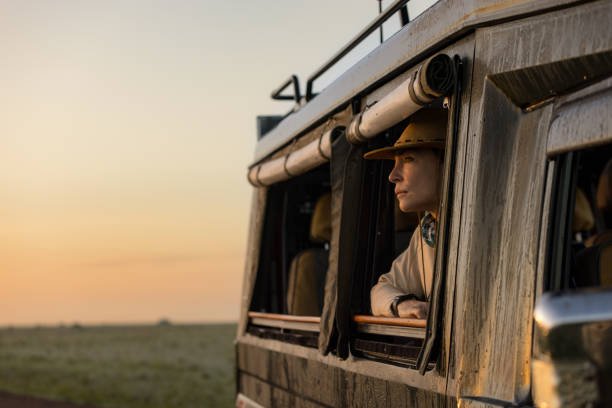
Serengeti National Park: The Crown Jewel for Big Cats
The Serengeti is often synonymous with the Great Migration, but its true magic for big cat enthusiasts lies in its year-round predator density. This vast ecosystem, stretching over 14,750 square kilometers, provides an ideal environment for lions, leopards, and cheetahs to thrive. Understanding the Serengeti’s dynamics is key to maximizing your big cat viewing potential.
Lions: Masters of the Serengeti Plains
Lions are the most visible big cats in the Serengeti, and for good reason. The park boasts an estimated population of over 3,000 lions, making it one of the most lion-rich areas on the planet. You’ll find them in various habitats: lounging under acacia trees during the heat of the day, stalking through the tall grass, or engaging in social interactions within their prides. The open plains of the central Serengeti (Seronera Valley) and the western corridor are particularly good for lion sightings. During the migration, massive herds of wildebeest and zebra provide an endless buffet, leading to frequent hunting opportunities and territorial disputes that are fascinating to observe. For 2026-2027, planning your visit to coincide with the migration’s movement through these areas will significantly enhance your chances of witnessing dramatic lion activity.
Leopards: Elusive and Elegant Hunters
Leopards are notoriously shy and solitary, making them more challenging to spot than lions. However, the Serengeti offers excellent leopard territory. The Seronera Valley is famous for its resident leopards, often seen draped over the branches of sausage trees or acacia trees, with their kills hoisted high to keep them safe from scavengers like lions and hyenas. Their camouflage is superb, and spotting one often requires a keen eye from your guide. The Grumeti River area in the western Serengeti also hosts a healthy leopard population. Patience and a skilled guide are your best allies when searching for these magnificent, spotted predators.
Cheetahs: Speed Demons of the Savannah
The Serengeti is also a prime location for cheetahs, the fastest land animals. They prefer the open grasslands and are often seen hunting in the early morning or late afternoon when temperatures are cooler. The vast plains offer them the space to reach their incredible speeds. While cheetahs can be found throughout the Serengeti, the Moru Kopjes area and the plains south of Seronera are known for good cheetah sightings. They are more solitary than lions, though sometimes you might see a mother with cubs or a coalition of males. Witnessing a cheetah in full pursuit is an unforgettable experience, and the Serengeti provides ample opportunity for this in 2026-2027.
Serengeti Regions for Big Cats: A Closer Look
* Seronera Valley (Central Serengeti): This is the most popular and accessible part of the Serengeti, known for its year-round wildlife. It has a high density of lions and leopards due to reliable water sources and abundant prey. The landscape here is characterized by rolling grasslands dotted with acacia trees and kopjes (rocky outcrops).
* Western Corridor (Grumeti River): Famous for the dramatic river crossings of the Great Migration (typically May-July). This area is also excellent for lions and leopards, particularly along the Grumeti River. The landscape is more wooded, offering good cover for leopards.
* Northern Serengeti (Kogatende/Lamai): During the migration season (roughly July-October), this region becomes a hotspot for predator action as the herds cross the Mara River. Lions and cheetahs are particularly active here, preying on the migrating herds. The landscape is more open, favoring cheetahs.
* Southern Plains (Ndutu Area): While technically in the Ngorongoro Conservation Area, the southern Serengeti plains are crucial for the migration’s calving season (typically February). This abundance of young, vulnerable wildebeest and zebra attracts huge numbers of lions and cheetahs. It’s a prime spot for observing lion prides and cheetah hunts. This area is exceptionally good for big cats during the early months of the year, making it a strong contender for 2026-2027 planning if you’re targeting newborn prey.
Ngorongoro Conservation Area: Predator Paradise
The Ngorongoro Conservation Area (NCA) is a UNESCO World Heritage Site and offers a unique safari experience. Its centerpiece is the Ngorongoro Crater, a massive volcanic caldera teeming with wildlife, including a remarkably high concentration of predators. For big cat enthusiasts, the crater floor is a treasure trove.
The Crater Floor: A Natural Amphitheater for Predators
The Ngorongoro Crater is about 19 kilometers wide, and its walls rise dramatically from the plains. This self-contained ecosystem supports an incredible density of animals, and consequently, predators. Lions are abundant here, often seen patrolling the open grasslands or resting near the permanent water sources. Leopards are present but are more elusive within the crater itself, often found in the denser woodland areas on the crater rim or in specific sheltered spots on the floor. Cheetahs are also present, though they tend to prefer the more open plains outside the crater for hunting. The sheer concentration of prey within the crater means that lions are always well-fed and often bold. You might witness territorial disputes or even kills within a single game drive.
Beyond the Crater: Maasai Lands and Big Cat Potential
The NCA is not just the crater. It also encompasses areas inhabited by the Maasai people, and vast grasslands. While the crater offers the most concentrated predator viewing, the wider NCA can also yield sightings, particularly of lions and cheetahs on the open plains. However, for a primary big cat focus, the crater itself is the main draw.
Trade-offs of the Ngorongoro Crater
* Pros: Unparalleled predator density, stunning scenery, high chance of seeing the ‘Big Five’ (including rhinos), unique geological formation.
* Cons: Can be crowded with safari vehicles, strict regulations on game drives (limited time in the crater, often fixed routes), generally more expensive due to permit costs.
When planning for 2026-2027, keep in mind that Ngorongoro Crater permits are limited and can be booked well in advance, especially during peak seasons. For a safari focused *mainly* on big cats, the Serengeti might offer more expansive hunting and social dynamics, but the sheer density and accessibility of predators within the Ngorongoro Crater make it an unmissable addition.
Tarangire National Park: Dry Season Dynamics and Big Cat Hangouts
Tarangire National Park, often visited as part of the Northern Circuit, is particularly renowned for its large elephant herds and its iconic baobab trees. However, it also holds significant appeal for big cat lovers, especially during the dry season.
Tarangire’s Lions: Big Prides and Baobab Residences
Tarangire is famous for having some of the largest lion prides in Tanzania, sometimes numbering up to 20 individuals. These lions have adapted to the park’s environment, and during the dry season (June to October), when the Tarangire River becomes one of the few reliable water sources, the concentration of wildlife, including lions, is immense. What makes Tarangire lions particularly interesting is their habit of climbing trees. While leopards are more commonly associated with tree-climbing, Tarangire lions are often spotted lounging on the thick, sturdy branches of the ancient baobab trees, providing a unique and memorable photographic opportunity.
Leopards in Tarangire: Masters of Camouflage
Leopards are present in Tarangire and are often found in the denser woodland areas and along the riverbanks. Their spotted coats provide excellent camouflage against the tree bark and dappled sunlight, making them challenging to spot. The baobab trees, which offer shade and elevated vantage points, are also favored by leopards. Like in the Serengeti, patience and an experienced guide are essential for spotting these elusive cats. The dry season, when animals congregate around water, can also increase leopard activity as they hunt.
Cheetahs in Tarangire: Speed on the Open Plains
Cheetahs are less commonly seen in Tarangire compared to lions and leopards, but they do inhabit the park, particularly in the more open grassland areas. They are more likely to be spotted in the northern parts of the park or in the Maramboi plains bordering Tarangire. Their presence here is linked to the availability of prey like gazelles and impalas. While not as guaranteed as in the Serengeti, a cheetah sighting in Tarangire adds to the park’s big cat appeal.
Why Tarangire is Crucial for a Big Cat Safari
* Dry Season Concentration: During June-October, animals, including big cats, are drawn to the Tarangire River, making sightings more predictable.
* Unique Lion Behavior: Witnessing lions in baobab trees is a distinct Tarangire experience.
* Elephant Herds: While focused on cats, the sheer scale of elephant herds adds to the overall wildlife spectacle.
For 2026-2027 itineraries, incorporating Tarangire, especially in the latter half of the year, provides a fantastic complement to the Serengeti and Ngorongoro, offering different landscapes and predator behaviors.
Beyond the Northern Circuit: Other Big Cat Possibilities
While the Serengeti, Ngorongoro, and Tarangire are the undisputed titans for big cat safaris in Tanzania, other parks might offer glimpses or specialized experiences, though they are not primary destinations for a *focused* big cat safari.
Ruaha National Park: A Wilder Frontier
Located in southern Tanzania, Ruaha is the country’s largest national park and offers a much wilder, less-visited experience. It is known for its large elephant herds and significant populations of predators, including lions and leopards. Ruaha is particularly noted for having some of the highest lion densities in East Africa, and the resident lions are often more robust and territorial due to the challenging environment. Cheetahs are also present, though sightings are less frequent than in the Serengeti. The park’s rugged terrain, dotted with baobab trees and rocky hills, provides excellent habitat for both lions and leopards. If you are seeking a more remote and adventurous big cat safari, away from the crowds of the Northern Circuit, Ruaha is an excellent option for 2026-2027, but it requires more travel time and logistics.
Selous Game Reserve (Nyerere National Park): Riverine Predators
Selous, now known as Nyerere National Park, is another vast wilderness area in southern Tanzania. It’s famous for its Rufiji River, boat safaris, and large populations of wild dogs. While lions are present and can be seen, and leopards inhabit the denser bush, Selous is not typically the first choice for a dedicated big cat safari compared to the Serengeti or Ruaha. Its strength lies in its diverse activities and large mammal populations, rather than concentrated big cat sightings.
Katavi National Park: Remote and Raw
Katavi is one of Tanzania’s most remote and least-visited parks. It offers a truly wild and untamed experience, with vast floodplains and woodland. It is known for its large populations of buffalo and elephants, and also boasts significant numbers of lions and leopards. However, due to its remoteness, it is logistically challenging and expensive to visit, making it a niche destination for serious wildlife enthusiasts seeking solitude and raw wilderness. For a primary big cat focus, the accessibility and higher guaranteed sightings in the Northern Circuit or Ruaha generally make them more practical choices for most travelers in 2026-2027.
When to Choose These Parks for Big Cats
* Ruaha: Best during the dry season (June-October) when animals congregate around water. Offers a more rugged, less crowded big cat experience.
* Selous/Nyerere: Year-round, but dry season (June-October) concentrates wildlife. Better for a broader wildlife experience with some big cat opportunities.
* Katavi: Dry season (June-October) for concentrated wildlife. For the truly adventurous seeking solitude.
For a safari *mainly* focused on big cats, the Northern Circuit (Serengeti, Ngorongoro, Tarangire) remains the most reliable and recommended choice for most travelers in 2026-2027. However, for those seeking a more remote wilderness experience with significant big cat potential, Ruaha is a compelling alternative.
Optimizing Your Timing for Big Cat Sightings in 2026-2027
The time of year you choose for your Tanzanian safari can significantly impact your big cat viewing experience. While big cats can be seen year-round, certain periods offer distinct advantages.
The Great Migration & Predator Action (Serengeti)
The Serengeti’s Great Migration is a constant cycle of movement for over 1.5 million wildebeest, zebras, and gazelles. The presence of this massive prey herd directly influences predator activity.
* Calving Season (Late January – March): The herds are in the southern Serengeti/Ndutu area. This is a prime time for cheetahs and lions, as the birth of thousands of calves creates easy hunting opportunities. Lions are often seen with their cubs, and cheetahs have abundant prey.
* River Crossings (May – July & October – November): The herds move north and west, crossing the Grumeti and Mara Rivers. These dramatic crossings attract large numbers of crocodiles and also lions and leopards that patrol the riverbanks, looking for weakened or stray animals. Witnessing a river crossing with predators involved is a highlight.
* Dry Season (June – October): As water sources dwindle, animals, including big cats, concentrate around permanent water bodies like the Tarangire River and within the Serengeti’s Seronera Valley. This concentration can lead to increased predator sightings.
Dry Season Advantages (Tarangire & Serengeti)
During the dry months (roughly June to October), vegetation thins out, making animals easier to spot. Furthermore, animals are forced to congregate around the limited water sources, creating natural gathering points for predators. Tarangire, in particular, shines during this period with its iconic baobab trees providing shade and vantage points for lions and leopards. The Serengeti’s Seronera Valley also remains a wildlife hub year-round but is especially rewarding during the dry season.
Wet Season Considerations (November – May)
The wet season (long rains: March-May; short rains: November-December) brings lush green landscapes and dispersed wildlife. While this can make spotting animals more challenging due to thicker vegetation, it’s also a time when predators can be more active in ambushing prey. The Ndutu area (southern Serengeti/Ngorongoro border) is exceptional for big cats during the calving season, which falls within the early part of the wet season. The Northern Serengeti can be less accessible during the heaviest rains.
Seasonal Breakdown for Big Cat Focus (2026-2027):
* January – March: Best for lions and cheetahs in the southern Serengeti/Ndutu due to calving season. Lush landscapes.
* April – May: Shoulder season, green landscapes, migration moving north. Fewer crowds.
* June – October: Peak dry season. Excellent for Tarangire (lions in trees), Serengeti (migration crossing rivers or concentrated at waterholes). Good for all big cats.
* November – December: Short rains. Wildlife disperses, but good for general sightings. Migration starts moving south.
For 2026-2027, if your *primary* goal is big cats, aiming for the calving season (Jan-Mar) in Ndutu/Serengeti or the dry season migration (Jun-Oct) in the Serengeti and Tarangire will offer the highest probability of spectacular sightings.
Choosing Your Safari Style for Big Cat Focus
The type of safari you choose significantly impacts your experience, especially when focusing on elusive animals like leopards. Tanzania offers various safari styles, each with its pros and cons for big cat enthusiasts.
Private Safaris: The Ultimate Flexibility
A private safari means you have your own vehicle and guide dedicated to your group. This is arguably the **best option for a big cat focused safari**.
* **Pros:**
* **Flexibility:** You can spend as much time as you want with a sighting. If you find a leopard or a lion pride on a hunt, you can wait it out without pressure from other guests.
* **Customization:** Your guide can tailor game drives to your specific interests, spending more time in areas known for big cats.
* **Off-Peak Areas:** You can explore less crowded areas or venture off the main tracks (where permitted) to find wildlife.
* **Comfort:** Private vehicles often offer more space and comfort.
* **Cons:**
* **Cost:** This is typically the most expensive option.
For a dedicated big cat safari in 2026-2027, a private safari allows you to truly maximize your chances and enjoyment.
Group/Scheduled Safaris: Budget-Friendly Options
Group or scheduled safaris involve joining a tour with other travelers, sharing a vehicle and a fixed itinerary. These are more budget-friendly.
* **Pros:**
* **Cost-Effective:** Significantly cheaper than private safaris.
* **Social:** Opportunity to meet other travelers.
* **Logistics Handled:** Itinerary and vehicle are pre-arranged.
* **Cons:**
* **Less Flexibility:** You are on a schedule with other passengers. Time at sightings is limited, and you might have to move on even if a kill is imminent.
* **Vehicle Congestion:** Popular sightings can attract many vehicles, diminishing the experience.
* **Guide Focus:** The guide may need to cater to the interests of the entire group, not just big cats.
While group safaris can still offer excellent big cat sightings, they require more patience and less control over your time at sightings. For a *main focus* on big cats, it’s important to choose a reputable operator who understands how to maximize sightings even within a group setting.
Walking Safaris: Engaging with the Wilderness
Walking safaris are offered in certain areas, particularly outside the main national parks (e.g., in concessions bordering the Serengeti or in the Selous/Nyerere). While not primarily for big cats, they offer a different perspective.
* **Pros:**
* **in-depth Experience:** Connect with the bush on foot, learning about tracks, signs, and smaller details.
* **Different Vantage Point:** Observe the environment from ground level.
* **Cons:**
* **Limited Big Cat Focus:** Not ideal for actively tracking lions or leopards, as safety is paramount. Sightings of large predators on foot are rare and usually involve observing them from a safe distance.
* **Restricted Areas:** Only allowed in specific areas.
Walking safaris are best as a complementary activity to a vehicle-based big cat safari, rather than the main focus.
Mobile Camping Safaris: Classic Bush Experience
These safaris involve setting up camp in designated campsites within or near the parks. They can be private or group.
* **Pros:**
* **Closer to Nature:** Experience the sounds and atmosphere of the bush at night.
* **Logistical Support:** Camps are set up and meals are prepared for you.
* **Cons:**
* **Comfort Level:** Varies from basic to luxury, but generally less comfortable than lodges.
* **Fixed Campsites:** Limits movement compared to private vehicle safaris with lodge stays.
For a big cat focus, a private mobile camping safari can be a great way to experience the wilderness intimately while still having the flexibility of a private vehicle.
Recommendation for Big Cat Focus
For the ultimate big cat safari experience in Tanzania for 2026-2027, a private safari using a dedicated vehicle and guide offers the greatest flexibility and control. This allows you to spend ample time observing predator behavior, waiting for that perfect moment, and exploring areas with high big cat densities without being rushed. If budget is a constraint, a well-organized small group safari with a reputable operator can still be very rewarding, but be prepared for less flexibility.
Crafting Your Big Cat Focused Itinerary
When designing a safari itinerary with a primary focus on big cats, strategic planning is crucial. This involves selecting the right parks, allocating sufficient time, and considering the flow of your journey. Here’s how to approach it for a 2026-2027 trip.
Core Itinerary: The Northern Circuit Powerhouses
The most effective itinerary for a big cat safari will almost always center around the Northern Circuit. A common structure includes:
* Day 1-2: Arusha/Kilimanjaro Arrival & Preparation
* Arrive at Kilimanjaro International Airport (JRO).
* Transfer to Arusha for overnight stay. This allows time to relax, meet your guide, and prepare for the safari.
* Day 3-6: Serengeti National Park
* Fly or drive from Arusha to the Serengeti. Depending on the season, you might fly into Seronera (central), Kogatende (north), or Grumeti (west).
* Allocate at least 3-4 full days here. This provides ample time to explore different regions of the Serengeti, track lions, search for leopards in the woodlands, and look for cheetahs on the open plains.
* Consider basing yourself in different camps/lodges if time permits to cover more ground.
* Day 7: Ngorongoro Conservation Area
* Drive from Serengeti to the Ngorongoro Conservation Area. You might stay on the crater rim or in a lodge/camp nearby.
* Spend a full day exploring the Ngorongoro Crater floor. Focus on predator sightings – lions, hyenas, and potentially jackals. Leopards are harder to find here but not impossible.
* Day 8-9: Tarangire National Park
* Drive from Ngorongoro to Tarangire.
* Spend 1-2 days here, especially during the dry season (June-October), to witness the tree-climbing lions and large elephant herds. This adds variety to your big cat sightings.
* Day 10: Departure
* Drive back to Arusha for your onward flight or transfer.
This 10-day itinerary provides a solid foundation for a big cat focused safari, hitting the top three parks. For 2026-2027, booking accommodations and internal flights well in advance is highly recommended.
Extending Your Big Cat Safari: Adding Ruaha
If you have more time and a strong desire for a wilder, less crowded experience, consider adding Ruaha National Park.
* Option A: Sequential (Requires flights)
* Complete the Northern Circuit (e.g., 7-8 days).
* Fly from Arusha or Kilimanjaro to Mbeya, then transfer to Ruaha (can be long) OR fly directly from the Serengeti (if flights are available) to Ruaha’s airstrip.
* Spend 3-4 days in Ruaha focusing on its robust lion populations and remote wilderness.
* Fly out from Ruaha to Dar es Salaam or Kilimanjaro.
* Option B: Northern Circuit First, then fly to Southern Tanzania
* Complete the Northern Circuit.
* Fly from Arusha/Kilimanjaro to Dar es Salaam.
* Take a domestic flight from Dar es Salaam to Ruaha.
* Spend 3-4 days in Ruaha.
* Fly from Ruaha to Kilimanjaro or Arusha for departure.
An itinerary combining the Northern Circuit with Ruaha would typically be 12-14 days. This offers a comprehensive view of Tanzania’s predator landscapes for 2026-2027.
Key Itinerary Considerations for Big Cats:
* **Time Allocation:** Don’t rush. Big cat sightings often require patience. More days in the Serengeti are always beneficial.
* **Accommodation Location:** Choose lodges/camps strategically located for wildlife viewing. For leopards, staying near woodlands or kopjes is advantageous. For cheetahs, open plains are key.
* **Internal Flights:** Using internal flights between parks (e.g., Arusha-Serengeti, Serengeti-Ngorongoro, Tarangire-Arusha) saves significant driving time, allowing more time for game drives. This is crucial for maximizing big cat viewing opportunities.
* **Seasonality:** Tailor your park choices and timing based on the season, as discussed in the previous section.
Sample 10-Day Big Cat Safari Itinerary (Dry Season Focus)
- Day 1: Arrive JRO, transfer to Arusha.
- Day 2: Arusha to Tarangire NP. Afternoon game drive. Focus: Lions in baobab trees, elephants.
- Day 3: Full day Tarangire NP. Focus: Continued predator search, diverse wildlife.
- Day 4: Tarangire to Ngorongoro Conservation Area. Afternoon crater rim view.
- Day 5: Full day Ngorongoro Crater tour. Focus: High predator density, lions.
- Day 6: Ngorongoro to Serengeti NP (Seronera area). Afternoon game drive. Focus: Lions, leopards in woodlands.
- Day 7-8: Serengeti NP (Seronera & surrounding areas). Focus: Extended leopard searches, lion prides, cheetahs on plains.
- Day 9: Serengeti to Arusha (via flight).
- Day 10: Departure from JRO.
Customization for 2026-2027
This is a template. A truly optimized big cat safari for 2026-2027 would be tailored to your specific interests, budget, and preferred travel style. Contacting a specialist like Climb 4 Africa can help refine this into your perfect itinerary, ensuring you maximize your chances of incredible big cat encounters.
What to Expect on a Big Cat Focused Safari
Embarking on a safari with a primary goal of seeing big cats is an exciting prospect, but it’s important to set realistic expectations. While Tanzania offers exceptional opportunities, wildlife viewing is never guaranteed.
The Thrill of the Hunt (and the Wait)
Big cat sightings are often the pinnacle of a safari. You might witness a lion pride on the move, a leopard patiently stalking its prey, or a cheetah in a impressive chase. However, these moments are interspersed with periods of searching. Your guide will employ various techniques: tracking fresh prints, listening for alarm calls from other animals, following up on information from other guides, and knowing the known territories of resident cats. Be prepared for periods of driving and scanning the landscape. The reward when a sighting occurs is immense, but the journey to get there is part of the experience.
Understanding Predator Behavior
* **Lions:** Often seen resting during the heat of the day, becoming more active at dawn and dusk, or during the night. You’ll see them in prides, exhibiting social behaviors, hunting, or resting after a meal. Their territorial nature means you might witness interactions with other prides.
* **Leopards:** These are solitary and elusive. They are most active at night and in the early morning/late evening. During the day, they are often found resting in trees or dense bush. Spotting one often relies on luck and your guide’s expertise in identifying their camouflage. A kill is a rare but incredible sight.
* **Cheetahs:** Primarily diurnal hunters, they are most active in the cooler parts of the day. They prefer open plains for their speed-based hunts. You might see them scanning the horizon, resting after a hunt, or with cubs.
The Role of Your Guide
Your safari guide is your most critical asset for big cat sightings. An experienced guide will:
* Know the parks intimately, including the territories of known big cats.
* Understand animal behavior and predict movement patterns.
* Possess excellent tracking skills.
* Communicate with a network of other guides to share sighting information.
* Drive skillfully and safely, positioning the vehicle for optimal viewing.
* Educate you about the wildlife and ecosystem.
Choosing a reputable operator like Climb 4 Africa ensures you have knowledgeable and dedicated guides for your 2026-2027 safari.
Vehicle and Logistics
* **Vehicle Type:** A 4×4 safari vehicle is standard and essential for navigating park tracks, especially in the wet season. Pop-up roofs are crucial for unobstructed photography and viewing.
* **Game Drive Duration:** Game drives can last from a few hours to a full day, often with a packed lunch. For big cat focus, longer drives are recommended.
* **Park Rules:** National parks have regulations regarding off-road driving, speed limits, and time spent at sightings. Guides adhere to these rules to protect wildlife and their habitats.
What NOT to Expect:
* Guaranteed Sightings: While Tanzania offers high probabilities, no safari can guarantee seeing every animal, every time. Be prepared for the possibility of not seeing a specific cat, though focusing on the Serengeti and Ngorongoro greatly increases your odds.
* Close-Up Interactions (Uncontrolled): While vehicles get relatively close, maintaining a respectful distance is paramount. Animals are in their natural habitat and should not be disturbed. Your guide will ensure this.
* Constant Action: Wildlife has its own rhythm. There will be quiet periods. Embrace the entire experience, from the smallest insect to the vast landscapes.
Preparing for Your Big Cat Safari
Pack layers of clothing (temperatures can vary significantly), a good camera with a zoom lens, binoculars, sun protection (hat, sunscreen), insect repellent, and a sense of adventure. For 2026-2027, ensure you have travel insurance and any necessary vaccinations. Be ready for early morning starts and late evening returns to maximize your viewing opportunities.
Booking Your Big Cat Safari with Climb 4 Africa
Choosing the right tour operator is as crucial as selecting the right parks for your big cat safari. Climb 4 Africa specializes in creating tailor-made Tanzanian safari experiences, with a deep understanding of how to maximize wildlife encounters, including those with lions, leopards, and cheetahs. Here’s why partnering with us for your 2026-2027 adventure makes sense and how to get started.
Why Choose Climb 4 Africa for Your Big Cat Safari?
* **Local Expertise:** As a Tanzania-based company, we have unparalleled knowledge of the parks, the best times to visit, the most reliable guides, and the optimal routes for big cat viewing.
* **Tailor-Made Itineraries:** We don’t offer one-size-fits-all tours. We craft itineraries specifically designed around your interests, whether that’s a laser focus on big cats, a blend with other wildlife, or a combination with other Tanzanian experiences.
* **Experienced Guides:** Our guides are passionate, knowledgeable, and dedicated to providing exceptional wildlife viewing experiences. They understand the nuances of tracking predators and maximizing sighting opportunities.
* **Quality Vehicles & Logistics:** We use well-maintained 4×4 safari vehicles equipped for comfort and optimal viewing. We handle all the complex logistics, from park permits and accommodation bookings to internal flights, ensuring a smooth trip.
* **Value for Money:** We focus on providing excellent value, balancing quality of service, accommodation, and guiding with competitive pricing for your 2026-2027 safari.
How to Plan Your Big Cat Safari with Us
1. **Initial Inquiry:** Reach out to us with your primary interest: a safari focused mainly on big cats in Tanzania. Mention your preferred travel dates or the general time of year you are considering for 2026 or 2027, your approximate group size, and any specific parks you’re keen on.
2. **Consultation:** We’ll discuss your vision in detail. This might be via email or a direct call. We’ll ask about your budget, desired pace, accommodation preferences (lodges, luxury tented camps, budget camping), and any specific big cat species you’re most eager to see.
3. **Itinerary Design:** Based on our consultation, we will propose a draft itinerary. This will include suggested parks (likely Serengeti, Ngorongoro, Tarangire), duration, accommodation options, and estimated costs. We’ll explain the rationale behind our choices, especially regarding timing and location for big cat viewing.
4. **Refinement:** We work with you to refine the itinerary until it perfectly matches your expectations. This could involve adjusting the number of days in each park, changing accommodation types, or incorporating specific activities.
5. **Booking & Confirmation:** Once you’re happy with the plan, we’ll provide a detailed quote and booking terms. Upon confirmation and payment of the deposit, we secure your accommodations, vehicles, and guides.
6. **Pre-Departure Support:** We provide comprehensive pre-departure information, including packing lists, visa advice, and health recommendations, to ensure you’re fully prepared for your 2026-2027 Tanzanian adventure.
What Information to Provide When Contacting Us:
To help us craft the perfect big cat safari for you, please be ready to share:
* **Desired Travel Dates/Season:** (e.g., “July 2026,” “dry season 2027,” “around March 2027”).
* **Number of Travelers:** (Adults, children).
* **Duration:** (e.g., “10 days,” “2 weeks”).
* **Accommodation Style:** (e.g., “luxury lodges,” “mid-range tented camps,” “budget camping”).
* **Budget Indication:** (e.g., “mid-range,” “luxury,” “flexible”).
Let us help you plan an unforgettable safari experience where big cats are the stars. Your adventure awaits!
Contact Climb 4 Africa today to start planning your ultimate big cat safari. Reach us via WhatsApp at +255 747 477 898 or email us at climb4africa@gmail.com. We are ready to design your dream Tanzanian wildlife adventure for 2026-2027!
“,
“faq_schema”: [
{
“question”: “Which Tanzanian park is best for seeing lions?”,
“answer”: “The Serengeti National Park offers the highest density and visibility of lions in Tanzania, with an estimated population of over 3,000 individuals. The Ngorongoro Crater also boasts a very high concentration of lions due to its abundant prey.”
},
{
“question”: “Where are the best chances to see leopards in Tanzania?”,
“answer”: “Leopards are elusive, but the Seronera Valley in the Serengeti National Park is renowned for its resident leopards, often seen in trees. Tarangire National Park, especially during the dry season, also offers good opportunities, with lions and leopards frequently found in baobab trees.”
},
{
“question”: “Is the Serengeti good for cheetahs?”,
“answer”: “Yes, the Serengeti is an excellent place for cheetah sightings. They prefer the open grasslands, and areas like the central Serengeti plains and Moru Kopjes are known for good cheetah activity, especially during the cooler parts of the day when they hunt.”
},
{
“question”: “When is the best time of year for a big cat safari in Tanzania?”,
“answer”: “For big cats, the calving season (January-March) in the southern Serengeti/Ndutu area is prime for lions and cheetahs. The dry season (June-October) is also excellent as wildlife concentrates around water sources, and the Serengeti offers migration-related predator action. The dry season is particularly good for spotting lions and leopards in Tarangire’s baobab trees.”
},
{
“question”: “Can I combine the Serengeti with other parks for a big cat focus?”,
“answer”: “Absolutely. A classic and highly recommended itinerary for a big cat focus combines the Serengeti with the Ngorongoro Conservation Area and Tarangire National Park. For a wilder experience, Ruaha National Park can also be included, though it requires more travel.”
},
{
“question”: “What type of safari is best for seeing big cats?”,
“answer”: “A private safari with a dedicated 4×4 vehicle and experienced guide offers the most flexibility. This allows you to spend extended time with sightings, wait for predator activity, and customize your game drives to maximize your chances of observing lions, leopards, and cheetahs.”
}
]
}
“`
Check Availability for We Want A Safari Focused Mainly On Big Cats, Where Should We Go In Tanzania?
Ready to compare dates, prices, and the best option for your group? Send the package name and travel month so the team can reply with a clear quote, availability, and what is included.
How Far In Advance Should You Book An African Safari? 2026-2027
How Far in Advance Should You Book an African Safari? is explained with current 2026-2027 planning, price, itinerary and booking information.
View package details
Affordable African Safari Packages: Your Guide To Budget-Friendly Tanzania
Discover how to plan and book affordable African safari packages for 2026-2027. This guide provides practical advice on choosing budget-friendly Tanzania tours, understanding costs, and...
View package details
Kenya And Tanzania Combined Safari Packages: Ultimate Guide 2026-2027
Discover the unparalleled adventure of combining Kenya and Tanzania for a comprehensive East African safari. This guide details everything you need to know for planning your 2026-2027...
View package details
3-Day Serengeti And Ngorongoro Safari: Your Ultimate Tanzania Wildlife
start a concise yet unforgettable 3-day Serengeti and Ngorongoro safari, designed to maximize wildlife encounters in Tanzania's most celebrated parks. This compact adventure offers a taste...
View package details
Serengeti Safari And Zanzibar Beach Holiday: The Ultimate Tanzania
Combine the thrill of a Serengeti safari with the relaxation of a Zanzibar beach holiday. This guide covers everything you need to know for an unforgettable Tanzania adventure in 2026-2027...
View package details
Tanzania Safari And Zanzibar All-Inclusive Packages Guide
Combine the thrill of a Tanzanian wildlife safari with the serene beauty of Zanzibar on an all-inclusive package. This comprehensive guide covers everything you need to know for planning...
View package details
Are African Safari Prices Per Person Or Vehicle? Understanding Tanzania Costs
African safari costs can be confusing. This guide clarifies whether prices are quoted per person or per vehicle, detailing factors that influence your 2026-2027 safari budget in Tanzania.
View package details
Is Tanzania Or Kenya Better For Safari? A Detailed Comparison 2026-2027
Comparing Tanzania and Kenya for your next safari? This in-depth guide breaks down wildlife viewing, landscapes, costs, and optimal travel times to help you choose the perfect East African...
View package details
Luxury African Safari Packages: The Ultimate Tanzania Experience In 2026-2027
Explore the pinnacle of African adventure with luxury safari packages in Tanzania. This guide details exclusive lodges, tailor-made itineraries, and the best wildlife experiences for your...
View package details
Tanzania Safari Tours & Packages /: Your Ultimate Wildlife Adventure 2026-2027
Discover the magic of Tanzania with expertly crafted safari tours and packages for 2026 and 2027. From the vast plains of the Serengeti to the depths of the Ngorongoro Crater, find your...
View package detailsBest African Safari Tours & Vacation Packages /: Your Ultimate Tanzania
start an unforgettable African safari adventure in 2026/2027 with expertly curated tours and vacation packages in Tanzania's most iconic wildlife destinations. From the Serengeti to the...
View package details
Private Tanzania Safari Packages: Your Ultimate Guide For 2026-2027
Discover the unparalleled freedom and personalized experience of a private Tanzania safari package. This comprehensive guide for 2026-2027 explores custom itineraries, key destinations like...
View package detailsNo related package matches those filters. Clear one or more filters to see the other topic-matched options.



