For a 7-night safari in Tanzania, the most recommended split is typically 3-4 nights in the Serengeti National Park, 2 nights in the Ngorongoro Conservation Area (Crater), and 1-2 nights in Tarangire National Park. This classic Northern Circuit itinerary balances iconic wildlife viewing opportunities, from the Serengeti’s vast plains to the Ngorongoro Crater’s dense populations and Tarangire’s elephant migrations, ensuring a comprehensive and memorable experience for 2026-2027 adventures.
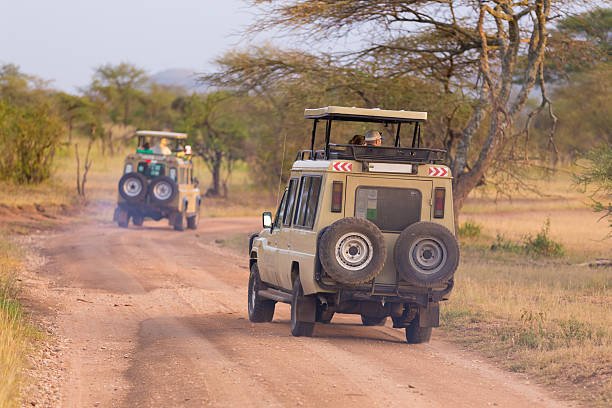
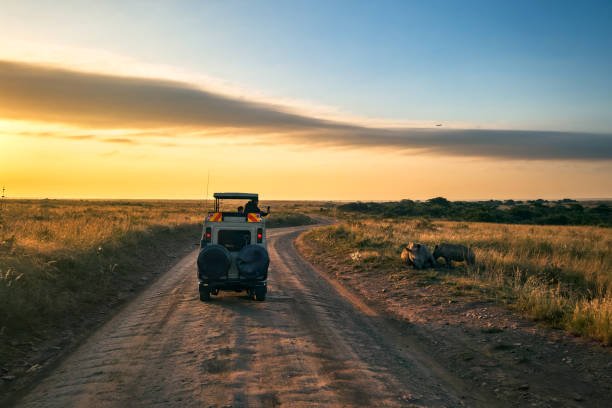
Structuring Your 7-Night Tanzania Safari: Key Considerations
Deciding how to split seven nights between Tanzania’s world-renowned safari parks is a delightful challenge, akin to choosing your favorite star in a constellation. Each park offers a distinct flavour of the African wilderness, and the optimal allocation depends heavily on what you wish to see and experience. For many, a 7-night safari focuses on the legendary Northern Circuit, a compact yet incredibly diverse region that packs an astonishing punch in terms of wildlife density and variety. This circuit typically includes the Serengeti National Park, the Ngorongoro Conservation Area (and its famous Crater), Tarangire National Park, and sometimes Lake Manyara National Park. The question of how to split your 7 nights is less about finding a universally ‘correct’ answer and more about tailoring the experience to your interests. Are you dreaming of witnessing the Great Migration? Do you prioritize seeing the Big Five in a single day? Or perhaps you’re fascinated by birdlife and unique landscapes? Understanding these preferences will guide your decision. When planning for 2026 or 2027, booking well in advance is crucial, especially for peak seasons, as popular lodges and camps fill up quickly.
The decision on how to split 7 nights between parks for a Tanzania safari is fundamentally about maximizing your wildlife encounters and experiencing the diverse ecosystems of the Northern Circuit. While there are many variations, a common and highly effective approach is to dedicate the majority of your time to the Serengeti, followed by the Ngorongoro Crater, with the remaining nights split between Tarangire and potentially Lake Manyara. This is not a one-size-fits-all solution, however. Factors like the time of year (especially concerning the Great Migration), your specific wildlife interests (e.g., big cats, elephants, birdlife, rare species), your preferred pace of travel, and your budget will all influence the ideal park distribution. For a 7-night safari, aiming for depth in fewer parks is generally more rewarding than rushing through too many. This allows for deeper immersion, more relaxed game drives, and a better chance of encountering elusive wildlife. When considering 2026-2027 travel, it’s wise to consult with local experts who understand the seasonal movements and can advise on the best park combinations for your chosen travel dates.
Understanding the Northern Circuit’s Gems
Tanzania’s Northern Circuit is the undisputed crown jewel for most safari-goers, and for good reason. It offers an unparalleled concentration of diverse wildlife and iconic landscapes within a relatively accessible area. When planning your 7-night safari, you’ll likely be choosing from the following key destinations:
- Serengeti National Park: The undisputed star, famous for its vast savannas, dramatic predator-prey interactions, and, of course, the Great Migration. It’s a place of immense scale and constant wildlife movement.
- Ngorongoro Conservation Area (including the Crater): A UNESCO World Heritage Site, the Ngorongoro Crater is a collapsed volcano caldera teeming with wildlife. It’s a natural amphitheater offering exceptional chances to see the Big Five, including the endangered black rhino.
- Tarangire National Park: Known for its massive elephant herds, iconic baobab trees, and diverse birdlife. It’s particularly spectacular during the dry season when animals congregate around the Tarangire River.
- Lake Manyara National Park: Famous for its tree-climbing lions, large troops of baboons, and diverse bird species, all within a compact park that offers varied landscapes from acacia woodlands to soda lakes.
The challenge is to weave these into a coherent 7-night itinerary that doesn’t feel rushed. Each park requires at least a full day, ideally more, to truly appreciate its unique offerings. Therefore, the division of nights is critical to avoid spending too much time in transit and too little time actually observing wildlife.
The Classic 7-Night Split: Serengeti Focus
For many first-time visitors and seasoned safari enthusiasts alike, a 7-night safari is perfectly suited to a deep look at the Serengeti and its immediate neighbours. This approach prioritizes quality over quantity, allowing for more in-depth game drives and a better chance to witness the Serengeti’s magic unfold. The most common and often recommended split for a 7-night safari is:
- Serengeti National Park: 3-4 nights
- Ngorongoro Conservation Area (Crater): 2 nights
- Tarangire National Park: 1-2 nights
Let’s break down why this works so well and what you can expect from each allocation:
Serengeti National Park: 3-4 Nights – The Heart of the Wild
Spending 3 to 4 nights in the Serengeti is crucial for truly experiencing its vastness and diverse wildlife. This duration allows you to explore different regions within the park, increasing your chances of encountering a wide array of animals, including the Big Five. If you are travelling during the Great Migration season, this extended stay is essential to position yourself in the best areas to witness the dramatic river crossings (July-October) or the calving season (January-March).
- Why 3-4 Nights? The Serengeti is enormous. Driving from one end to another can take a full day. Having 3-4 nights allows you to settle into a particular region (e.g., Central Serengeti for year-round game, Northern Serengeti for migration river crossings, Southern Serengeti for calving season) and conduct multiple early morning and late afternoon game drives, which are prime times for predator activity.
- What to Expect: Expect incredible predator sightings (lions, leopards, cheetahs), vast herds of wildebeest and zebras (depending on the season), elephants, giraffes, and a plethora of plains game. The sheer scale of the landscape is also a significant part of the experience.
- Logistics: Lodges and camps are scattered across the Serengeti. Choosing accommodation in the central, northern, or southern regions will depend on the time of year and the predicted location of the Great Migration. For 2026-2027 travel, understanding these seasonal movements is key for optimal placement.
Ngorongoro Conservation Area (Crater): 2 Nights – The Natural Amphitheatre
The Ngorongoro Crater offers a unique safari experience, often described as a ‘natural zoo’ due to the incredibly high density of wildlife within its caldera. Two nights here allow for a full day of exploration on the Crater floor, plus time to potentially explore the wider Conservation Area or enjoy the stunning views from the rim.
- Why 2 Nights? One full day on the Crater floor is essential. This allows for ample game viewing, including dedicated time to search for the rare black rhino, which are more frequently sighted here than in most other parks. The second night allows for a more relaxed pace, perhaps an early morning drive on the rim, a visit to a Maasai village (if interested and arranged), or simply soaking in the views before departing.
- What to Expect: High chances of seeing the Big Five (lion, leopard, elephant, buffalo, and rhino), large herds of wildebeest and zebra, hippos, hyenas, and a vast array of birdlife. The scenery within the Crater is impressive.
- Logistics: Accommodation is available on the Crater rim (offering spectacular views and early access) or at the base. Staying on the rim is a popular choice for maximizing time within the Crater.
Tarangire National Park: 1-2 Nights – Elephants and Baobabs
Tarangire is a fantastic park, especially renowned for its large elephant populations and ancient baobab trees. One to two nights here provide a solid introduction to its unique environment and excellent game viewing opportunities.
- Why 1-2 Nights? One night is the minimum to experience Tarangire’s highlights, particularly if it’s your entry point into the safari circuit. Two nights allow for a more leisurely exploration, a chance to venture into less-visited areas, and a deeper appreciation for the park’s diverse habitats and birdlife. It’s also an excellent place to focus on seeing elephants, often in large herds.
- What to Expect: Expect to see large herds of elephants, lions (sometimes found in trees), giraffes, zebras, wildebeest, and a rich variety of bird species. The landscape, dominated by the giant baobab trees, is iconic.
- Logistics: Lodges and tented camps are situated both inside and outside the park boundaries. Staying inside the park often offers earlier access to game drives.
Planning Tip for 2026-2027: Migration Focus
If your primary goal for your 7-night safari is to witness the Great Migration, your park split will heavily favour the Serengeti. For instance, you might opt for 5 nights in the Serengeti, 1 night in Ngorongoro, and 1 night in Tarangire, strategically placing your Serengeti nights in the specific region where the migration is expected to be during your travel dates in 2026 or 2027. Always consult with an expert for the most accurate migration predictions for your chosen month.
Alternative 7-Night Safari Splits: Tailoring to Your Interests
While the classic split is excellent for a broad overview, your 7-night safari can be customized to emphasize specific experiences. Here are a few alternative ways to allocate your nights:
Option 1: More of the Serengeti, Less Tarangire/Manyara
If the Serengeti is your absolute priority, you might consider a split like:
- Serengeti National Park: 4-5 nights
- Ngorongoro Conservation Area: 2 nights
- Tarangire National Park: 1 night (or skip Tarangire and add to Serengeti/Ngorongoro)
Who this suits: Travelers who want the deepest possible immersion in the Serengeti, perhaps to photograph wildlife extensively, track specific species, or experience different ecosystems within the park. This is ideal if you’re visiting during the calving season in the south or the migration river crossings in the north.
Trade-offs: You’ll have less time in Tarangire, which means you might miss out on its unique elephant herds and baobab landscapes. If you skip Tarangire entirely, you’ll enter the Serengeti directly after Arusha/Kilimanjaro airport, which involves a longer drive on your first safari day.
Option 2: Incorporating Lake Manyara
Lake Manyara, though smaller, offers a distinct experience, particularly with its tree-climbing lions and birdlife. A split could look like this:
- Serengeti National Park: 3 nights
- Ngorongoro Conservation Area: 2 nights
- Lake Manyara National Park: 1 night
- Tarangire National Park: 1 night
Who this suits: Travelers who want to experience a wider variety of landscapes and ecosystems within a shorter timeframe. Manyara offers a beautiful, lush environment that contrasts with the open plains of the Serengeti.
Trade-offs: This split involves more park changes, meaning more packing and unpacking, and potentially more time spent in transit between locations. While you get to see more parks, the time in each is slightly reduced.
Option 3: A More Relaxed Pace
If you prefer a less hurried pace, even with 7 nights, you might focus on fewer parks but spend more time in each.
- Serengeti National Park: 3 nights
- Ngorongoro Conservation Area: 3 nights
- Tarangire National Park: 1 night
Who this suits: Travelers who value relaxation, have a keen interest in photography, or want to spend more time observing animal behaviour without feeling rushed. Three nights in Ngorongoro allow for a full day on the Crater floor, a day exploring the wider Conservation Area (e.g., Maasai villages, Olduvai Gorge), and a more relaxed departure.
Trade-offs: You sacrifice a night in the Serengeti, which is a significant trade-off given its size and wildlife diversity. However, you gain more depth in Ngorongoro.
Understanding the Seasonal Impact on Your 7-Night Split
Tanzania’s wildlife viewing is heavily influenced by the seasons, and this is particularly true for the Great Migration. When planning your 7-night safari split for 2026 or 2027, understanding the migration’s location is paramount if witnessing it is a high priority.
The Great Migration: A Moving Feast
The Great Migration is a year-round phenomenon, but the exact location of the massive herds of wildebeest and zebras changes monthly. This directly impacts where you should spend your Serengeti nights:
- January – March (Calving Season): The herds are typically in the Southern Serengeti and Ndutu area (part of Ngorongoro Conservation Area). This is a prime time for witnessing predator action as newborn calves are vulnerable. A 4-5 night Serengeti stay in this region is ideal.
- April – May (Long Rains): The migration moves northwards across the central Serengeti. This is generally considered the low season, with fewer tourists and lower prices, but game viewing can be affected by the rains.
- June – July (River Crossings): The herds reach the Grumeti River in the Western Serengeti and then the Mara River in the Northern Serengeti. Witnessing these dramatic river crossings is a bucket-list item for many. A 4-5 night stay in the Northern Serengeti is essential during this period.
- August – October: The herds are in the Northern Serengeti, and river crossings may continue. This is peak season, with high demand and prices.
- November – December: The migration begins to move southwards, often following the rains. This can be a good time for game viewing in the central and southern Serengeti as the herds return.
2026-2027 Migration Planning
For your 7-night safari in 2026 or 2027, if the Great Migration is your focus, discuss the precise timing and expected locations with your tour operator. For example, if you plan to visit in late June 2026, your itinerary should strongly favour the Northern Serengeti for 4-5 nights, with perhaps 2 nights in Ngorongoro. If you’re travelling in February 2027, the Southern Serengeti/Ndutu area becomes the priority. This strategic placement is key to a successful migration-focused safari.
Dry Season vs. Wet Season
Beyond the migration, the dry and wet seasons influence animal behaviour and accessibility:
- Dry Season (June – October): This is the most popular time to visit. Animals congregate around water sources, making them easier to spot. Tarangire, in particular, is spectacular as elephants gather along the river. Roads are generally in better condition. High season prices apply.
- Wet Season (November – May): This is the ‘green season’. Landscapes are lush and beautiful, birdlife is abundant (especially for migratory birds), and there are fewer tourists. However, some roads can become challenging, and animals may disperse further. The calving season in the south (Jan-Mar) is a major highlight of the wet season. Lower prices are often available.
Your 7-night safari split should consider these seasonal patterns. For instance, if travelling in the dry season and prioritizing elephants, Tarangire deserves at least one full day, perhaps two. If visiting during the wet season for birding or calving, the Southern Serengeti becomes a compelling choice.
Logistical Considerations for Your 7-Night Safari
Beyond the parks themselves, several logistical factors influence how you split your time and what feels most practical for a 7-night safari.
Travel Time Between Parks
Tanzania’s Northern Circuit parks are relatively close, but travel between them still consumes time. A typical schedule might look like:
- Day 1: Arrive at Kilimanjaro International Airport (JRO), transfer to Arusha or directly to Tarangire (approx. 2-3 hour drive). Start safari in Tarangire.
- Day 2: Full day in Tarangire.
- Day 3: Drive to Ngorongoro Conservation Area (approx. 2-3 hours from Tarangire), game drive en route or on Crater rim.
- Day 4: Full day on Ngorongoro Crater floor.
- Day 5: Drive to Serengeti National Park (approx. 3-4 hours from Ngorongoro rim), game drive en route.
- Day 6: Full day in Serengeti.
- Day 7: Morning game drive in Serengeti, then transfer to a Serengeti airstrip for a flight back to Arusha or Kilimanjaro, or drive back to Arusha (a long day).
As you can see, even with this efficient schedule, significant portions of days are dedicated to travel. A 7-night safari means you have 7 full days for activities and travel, and typically 8 nights accommodation. This is why focusing on 2-3 main parks is often more rewarding than trying to cram in four.
Internal Flights vs. Road Transfers
For a 7-night safari, especially if you want to maximize time in the Serengeti and minimize long drives, using internal flights can be a important choice.
- Road Transfers: More economical, allow for stops along the way, and offer a more ‘grounded’ safari experience. However, they take longer. For example, driving from Arusha to the Serengeti can take 6-8 hours, eating into valuable safari time.
- Internal Flights: Typically from Arusha Airport (ARK) or Kilimanjaro International Airport (JRO) to airstrips within the Serengeti (e.g., Seronera, Kogatende, Grumeti). These flights are significantly faster (approx. 1 hour) and can save you a full day of travel. They are more expensive but highly recommended for shorter safaris like a 7-night trip, especially if time is of the essence.
If you are planning a 7-night safari in 2026 or 2027 and want to maximize your time on the ground observing wildlife, strongly consider incorporating at least one internal flight, likely into or out of the Serengeti.
Optimizing Your 7-Night Itinerary with Flights
A common flight-inclusive itinerary for a 7-night safari might look like this:
- Day 1: Arrive JRO, transfer to Arusha.
- Day 2: Fly from Arusha to Seronera (Serengeti). Game drive.
- Day 3-4: Serengeti game drives (2 more nights).
- Day 5: Fly from Serengeti to Manyara airstrip. Transfer to Ngorongoro Crater rim.
- Day 6: Full day Ngorongoro Crater game drive.
- Day 7: Drive to Tarangire (approx. 1.5 hours from Ngorongoro), game drive. Overnight near Tarangire.
- Day 8 (Departure Day): Morning game drive in Tarangire, then transfer back to JRO (approx. 2-3 hours).
This example uses 3 nights Serengeti, 2 nights Ngorongoro, 1 night Tarangire, but strategically uses flights to reduce travel time. Many variations are possible for your 7-night safari in 2026-2027.
Accommodation Choices and Their Impact
The type of accommodation you choose will also influence your experience and how you might split your nights.
- Luxury Lodges: Offer comfort, excellent service, and amenities. They can be situated inside or outside park boundaries. Staying inside is often preferable for maximizing game drive time.
- Tented Camps: Provide a more intimate, ‘closer to nature’ experience. Mobile camps often follow the Great Migration, offering prime locations. Permanent tented camps offer a blend of comfort and immersion.
- Budget/Mid-Range Options: More basic facilities, but still provide comfortable stays. Often located outside park boundaries, requiring more travel time for game drives.
For a 7-night safari, choosing accommodation strategically can enhance your experience. For example, staying on the Ngorongoro Crater rim gives you priority access, and choosing a camp in the Northern Serengeti during migration season is key. Your choice of accommodation can also affect your budget, which in turn might influence how many nights you can afford in each park for your 2026-2027 safari.
Making Your Final Decision for a 7-Night Safari Split
To summarize, the most effective way to split 7 nights for a safari typically involves prioritizing the Serengeti and Ngorongoro Crater, with Tarangire as a strong third option. The exact number of nights will depend on your interests, the time of year, and your preferred pace.
Here’s a quick decision guide:
- For first-timers wanting the ‘classic’ experience: 3-4 nights Serengeti, 2 nights Ngorongoro, 1-2 nights Tarangire. This offers a balanced overview.
- For Great Migration enthusiasts: 4-5 nights Serengeti (strategically located), 2 nights Ngorongoro, 1 night Tarangire (or skip Tarangire for more Serengeti). Crucial for 2026-2027 migration viewing.
- For a more diverse landscape experience: 3 nights Serengeti, 2 nights Ngorongoro, 1 night Tarangire, 1 night Lake Manyara. This packs in more variety but involves more travel.
- For a relaxed pace or photography focus: 3 nights Serengeti, 3 nights Ngorongoro, 1 night Tarangire. Prioritizes depth in fewer locations.
Remember to factor in travel days. A 7-night safari typically means 8 days on the ground, including arrival and departure. Internal flights can significantly enhance your time spent on game drives, especially for shorter safaris. For 2026-2027 travel, booking early is highly recommended, particularly for peak seasons and popular lodges. When you reach out to a local operator like Climb 4 Africa, providing your preferred split, interests, and travel dates will help them craft the perfect itinerary for your 7-night safari.
Why Partner with Climb 4 Africa for Your 7-Night Safari Planning?
Navigating the options for your 7-night safari split can feel complex, but that’s where local expertise makes all the difference. Climb 4 Africa specializes in creating bespoke Tanzanian safari experiences, ensuring your precious 7 nights are used to their absolute maximum potential. We understand the nuances of the Northern Circuit, the seasonal movements of wildlife, and the logistical best practices for maximizing your game viewing time.
- Local Knowledge: We live and breathe Tanzania. We know the best times to visit each park, the optimal locations for lodges and camps based on the time of year, and how to avoid common pitfalls.
- Tailored Itineraries: Whether you’re set on a specific park split or need guidance to decide, we craft itineraries that perfectly match your interests, budget, and travel style for your 2026-2027 safari.
- smooth Logistics: We handle all the details, from park fees and vehicle arrangements to internal flights and accommodation bookings, ensuring a smooth and stress-free journey.
- Value and Transparency: We offer competitive pricing for high-quality safaris, with clear breakdowns of what is included.
To start planning your ideal 7-night safari split, reach out to us. Share your thoughts on which parks you’re most excited about, your priorities (e.g., Great Migration, Big Five, birding), and your preferred travel dates for 2026 or 2027. We’ll help you refine your park allocation and design an unforgettable safari adventure.
Ready to craft your perfect 7-night Tanzanian safari? Contact Climb 4 Africa today to discuss your dream itinerary. You can reach us via WhatsApp at +255 747 477 898 or send an email to climb4africa@gmail.com. Let’s make your 7-night safari split a reality for 2026-2027!
Check Availability for 7 Nights Safari: How To Split Your Time Between Tanzanias Best Parks…
Ready to compare dates, prices, and the best option for your group? Send the package name and travel month so the team can reply with a clear quote, availability, and what is included.
How Early Should I Book A Nov Or Dec Tanzania Group Safari?
How Early Should I Book a Nov or Dec Tanzania Group Safari?
View package details
Dec 24, – 3 Day Christmas Serengeti And Ngorongoro Group Safari
Dec 24, 2026 – 3 Day Christmas Serengeti and Ngorongoro Group Safari.
View package details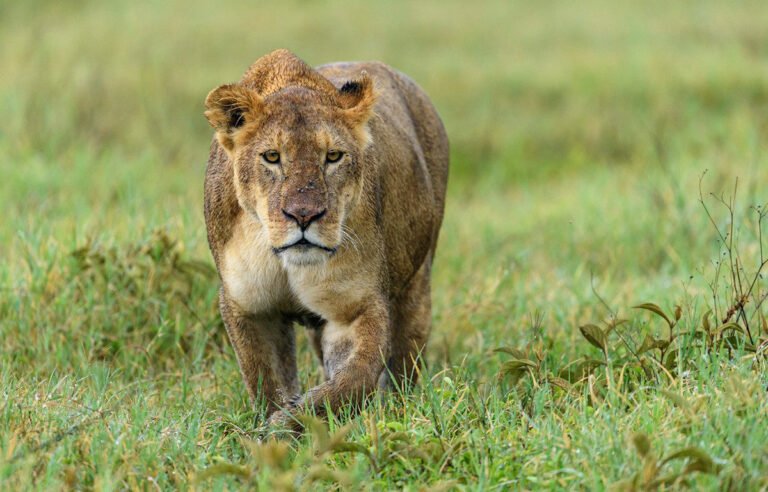
Dec 20, – 10 Day Complete Tanzania Group Joining Safari
Dec 20, 2026 – 10 Day Complete Tanzania Group Joining Safari.
View package details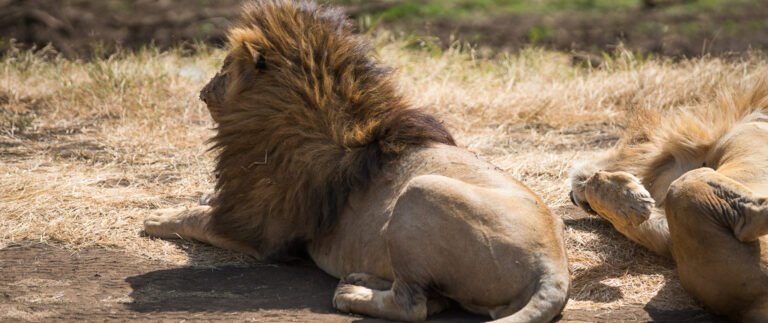
Which Dec Group Safari Ends Before New Year’s Eve?
Which Dec Group Safari Ends Before New Year’s Eve?
View package details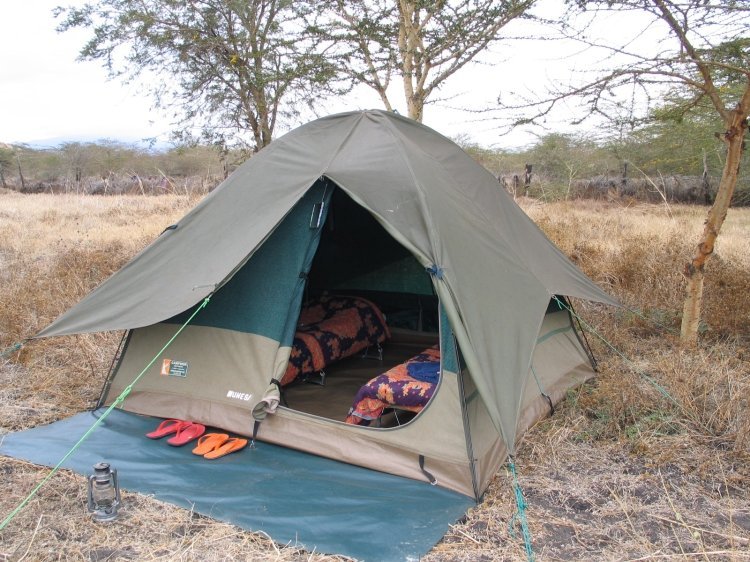
Can I Pay A Deposit To Reserve A Tanzania Group Safari?
Can I Pay a Deposit to Reserve a Tanzania Group Safari?
View package details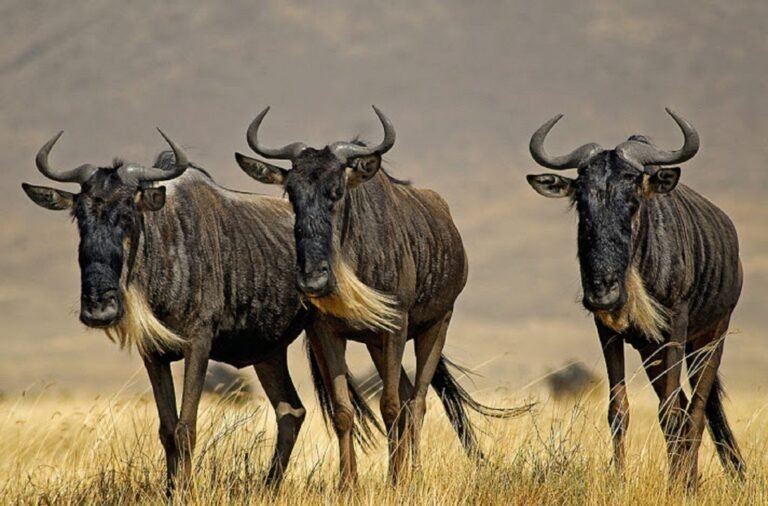
Nov 23, – 3 Day Serengeti And Ngorongoro Safari From Zanzibar
Nov 23, 2026 – 3 Day Serengeti and Ngorongoro Safari from Zanzibar.
View package details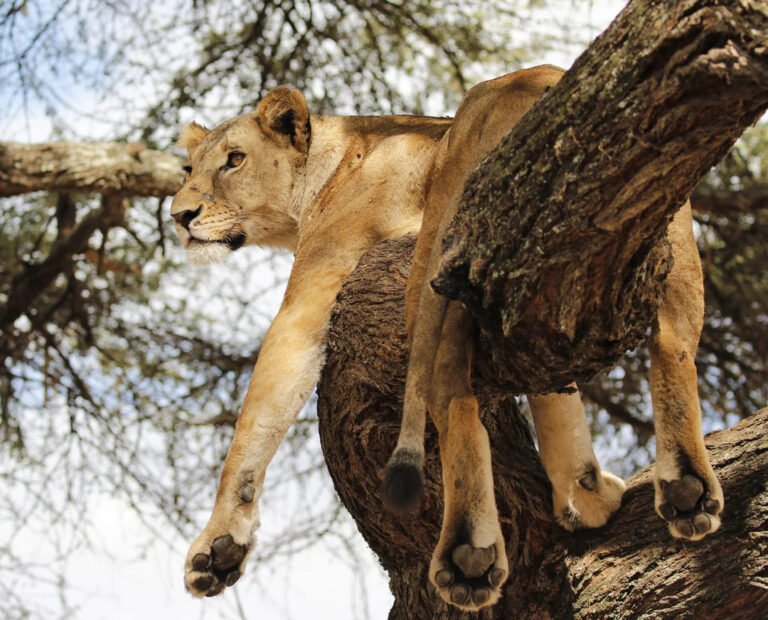
Dec 26, – 6 Day Christmas And New Year Northern Circuit Safari
Dec 26, 2026 – 6 Day Christmas and New Year Northern Circuit Safari.
View package details
Dec 31, : New Year’s Eve Serengeti Group Safari Planning Guide
This guide provides essential planning details for a group safari trip to the Serengeti for New Year's Eve 2026, covering logistics, seasonal highlights, and what to expect.
View package details
Dec 22, – 3 Day Nyerere Group Joining Safari
Dec 22, 2026 – 3 Day Nyerere Group Joining Safari.
View package details
Can I Join A Safari That Has Already Confirmed Travellers?
Can I Join a Safari That Has Already Confirmed Travellers?
View package details
I Am On A Budget—What Is The Cheapest Serengeti Group Safari?
I Am on a Budget—What Is the Cheapest Serengeti Group Safari?
View package details_1_John_from-rednote-web-768x1024.jpg)
Dec 13, – 2 Day Nyerere Fly-In Group Safari From Zanzibar 2026
A detailed guide to the December 13, 2026 group fly-in safari from Zanzibar to Nyerere National Park, covering the itinerary, logistics, and planning for your trip.
View package detailsNo related package matches those filters. Clear one or more filters to see the other topic-matched options.