A private family safari in Tanzania for 2026-2027 typically ranges from $5,000 to $15,000+ per person for a 7-10 day trip, depending heavily on accommodation style, specific parks visited, vehicle choice, and the level of customization. For a family of four, this could translate to a total budget of $20,000 to $60,000+. Key factors influencing this budget include the exclusivity of lodges, private game drives, internal flights, and the duration of your safari. Planning well in advance for 2026 or 2027 is crucial for securing preferred accommodations and potentially better rates.
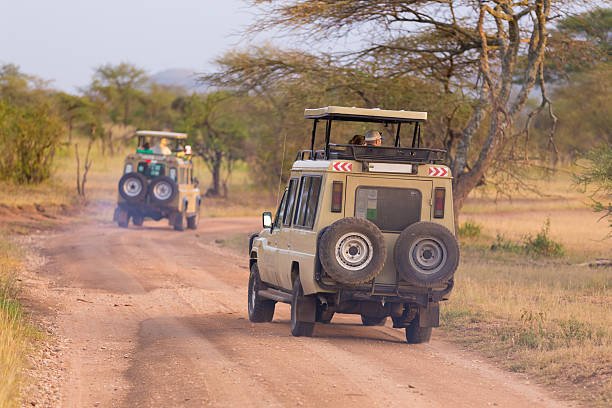
Your Private Family Safari Budget: A Detailed Breakdown
Planning a private family safari is an exciting prospect, promising unique wildlife encounters and shared memories. But the question of ‘how much should we budget?’ is paramount. Unlike group tours, private safaris offer unparalleled flexibility and exclusivity, but this comes with a different cost structure. For your family’s adventure in Tanzania during 2026 or 2027, understanding these costs is the first step to making it a reality.
This guide aims to demystify the budgeting process for your private family safari. We’ll explore the variables that drive costs, provide realistic ranges, and highlight what’s typically included, helping you make informed decisions for an unforgettable experience. Remember, the best private safaris are tailored, so the final budget will always be a reflection of your specific desires.
- Understanding the Core Costs of a Private Safari
- Key Factors Shaping Your Private Family Safari Budget (2026-2027)
- Typical Durations & Cost Scenarios for Family Safaris
- Accommodation Choices: Where Your Budget Goes
- Vehicle and Guide Options: The Engine of Your Safari
- Inclusions and Exclusions: What’s Covered and What’s Not?
- Planning for 2026-2027: Timing, Seasonality & Availability
- Potential Hidden Costs and Extras to Consider
- Making Your Private Family Safari Budget Work for You
- Booking Your Private Family Safari with Climb 4 Africa
Understanding the Core Costs of a Private Safari
When we talk about a ‘private family safari,’ we’re essentially talking about a bespoke travel experience designed around your family’s pace, interests, and comfort. This exclusivity is the primary driver of cost compared to shared or group tours. Instead of sharing a vehicle with strangers or adhering to a fixed itinerary, you have your own vehicle, guide, and often, a flexible schedule. This means the cost isn’t simply a per-person rate multiplied by your family size; it’s built on several components that ensure your private experience.
The fundamental costs of any Tanzanian safari, private or otherwise, stem from the operational necessities: park entry fees, vehicle hire, guide salaries, accommodation, and food. However, for a private family safari, these costs are borne solely by your family group, rather than being distributed across multiple families or individuals. This is why a private safari will always be more expensive on a per-person basis than a scheduled group departure.
Think of it this way: you are essentially chartering the entire safari operation for your family. This includes:
- Exclusive Use of a Safari Vehicle: You won’t be sharing your jeep. This vehicle is yours for the duration of your safari, allowing you to dictate departure times, stop for extended wildlife viewing, and travel at your family’s preferred pace.
- Dedicated Professional Guide: Your guide is not just a driver; they are a trained naturalist, often with years of experience reading the bush and understanding animal behavior. For a private family safari, this guide’s focus is entirely on your family’s safety, learning, and enjoyment.
- Customized Itinerary: While group tours follow set routes, a private safari allows for adjustments. If your children are fascinated by birds, you can spend more time in bird-rich areas. If a particular sighting is exceptional, you can linger. This flexibility requires careful planning and coordination, which is factored into the cost.
- Accommodation Selection: You have the freedom to choose lodges and camps that best suit your family’s needs, whether that’s a family suite with connecting rooms, a camp with a swimming pool for downtime, or a more remote, exclusive tented camp.
The pricing model for private safaris often involves a base vehicle and guide cost, which is then supplemented by accommodation and park fees. Understanding this structure is key to appreciating why a private family safari budget needs careful consideration.
Key Factors Shaping Your Private Family Safari Budget (2026-2027)
When you’re setting a budget for a private family safari in Tanzania for 2026 or 2027, several crucial factors will significantly influence the final price. These are not minor details; they are the pillars upon which your safari experience and its cost are built.
1. Duration of the Safari: This is perhaps the most straightforward factor. A longer safari means more days of park fees, accommodation, guide and vehicle hire, and meals. A standard private family safari might be 7 to 10 days, but you could extend it to 14 days or more for a more in-depth experience, which will naturally increase the overall budget. For a 2026 or 2027 trip, booking a longer duration can sometimes offer a slight per-day saving if booked as a package, but the total outlay will be higher.
2. Accommodation Style: This is a major differentiator. Tanzania offers a spectrum of lodging, from comfortable mid-range lodges to ultra-luxury tented camps and exclusive-use properties. The choice here can easily double or triple the per-person cost. For families, consider:
- Mid-Range Lodges/Tented Camps: Comfortable, clean, with good amenities, often family-friendly facilities. A solid choice for value.
- Luxury Lodges/Tented Camps: Higher-end finishes, gourmet dining, exceptional service, often in prime locations.
- Exclusive-Use Camps/Villas: The pinnacle of privacy and service, where your family has the entire property to yourselves, often with a dedicated chef and staff. This is the most expensive option but offers unparalleled privacy.
When budgeting for 2026-2027, research the specific lodges or camps that appeal to your family’s taste and budget. Some family-friendly properties offer specific room configurations or activities that might be worth the premium.
3. Parks and Regions Visited: Tanzania boasts iconic parks, each with its unique appeal and associated costs. Some parks have higher entry fees than others, and logistical challenges (like remoteness) can add to transport costs.
- Serengeti National Park: Famous for the Great Migration and vast plains. Entry fees are substantial, reflecting its status and conservation efforts.
- Ngorongoro Conservation Area: A UNESCO World Heritage Site with a unique caldera ecosystem. Fees are also significant.
- Tarangire National Park: Known for its large elephant herds and baobab trees. Generally has standard park fees.
- Lake Manyara National Park: Famous for tree-climbing lions and diverse birdlife.
- Other Regions: Exploring areas like Ruaha or Selous (Nyerere National Park) offers a more wild and less crowded experience, but can incur higher internal flight costs due to their remoteness.
For a 2026 or 2027 trip, consider how many different parks you wish to visit. Each move between parks often involves driving time or internal flights, adding to the itinerary and cost.
4. Vehicle Type and Customization: While most private safaris use custom-built 4×4 Land Cruisers, there can be variations. Some operators might offer extended wheelbase vehicles for more comfort, especially for families with teenagers or younger children needing more legroom. The cost difference might be marginal for the vehicle itself, but ensuring you have the right setup for your family’s comfort is key.
5. Internal Flights: For longer safaris or those visiting remote parks like Ruaha or Katavi, flying between locations can save considerable driving time. These light aircraft flights are priced per person and can add a significant amount to your total budget, especially for a family. However, for a family, they can be a worthwhile investment in time and comfort, freeing up more time for game drives.
6. Seasonality: While private safaris offer more flexibility year-round, the season can impact pricing. High seasons (typically June-October and December-February) often see higher demand and potentially higher accommodation rates. Shoulder seasons (like March-May, excluding Easter) might offer slightly better value, though weather can be more unpredictable. For 2026-2027, booking well in advance for peak seasons is essential for availability and potentially locking in rates before any major price increases.
7. Number of Travelers: While it’s a private family safari, the cost is still influenced by the number of people. A family of two will have a higher per-person cost than a family of six, as the fixed costs (vehicle, guide) are spread across more individuals. However, the total budget will, of course, be higher for a larger family.
8. Level of Exclusivity: Do you want a private vehicle and guide within a lodge that also hosts other guests, or do you want an entirely private lodge or camp where your family is the only group? The latter offers the highest level of privacy and service but comes with a significantly higher price tag.
Budgeting Tip for 2026-2027
When planning for 2026 or 2027, start by defining your family’s priorities. Is it the luxury of the accommodation, the intensity of wildlife viewing, or the flexibility of the itinerary? Your answers will guide where you allocate your budget. For instance, if seeing the Great Migration is paramount, allocating more budget to the Serengeti for a longer duration might be worthwhile, even if it means slightly more modest accommodation elsewhere.
Typical Durations & Cost Scenarios for Family Safaris
To provide a clearer picture of budgeting for a private family safari, let’s look at common durations and what you might expect in terms of cost ranges for 2026-2027. These are estimates and can vary significantly based on the factors mentioned earlier.
Scenario 1: The Classic Northern Circuit Explorer (7 Days / 6 Nights)
- Focus: Serengeti, Ngorongoro Crater, Tarangire. This is the most popular route for first-time visitors, offering a high density of wildlife and iconic landscapes.
- Accommodation Style: Mid-range to upper mid-range lodges and tented camps.
- Vehicle: Private 4×4 Land Cruiser with a dedicated guide.
- Estimated Budget (per person): $4,500 – $7,500
- Estimated Budget (Family of 4): $18,000 – $30,000
- Notes: This scenario balances iconic sights with a reasonable timeframe and budget. It’s a fantastic introduction to Tanzania’s wildlife for families.
Scenario 2: In-Depth Northern Circuit with Luxury Touches (10 Days / 9 Nights)
- Focus: A more relaxed pace through the Serengeti and Ngorongoro, perhaps adding Lake Manyara, or focusing longer on specific areas of the Serengeti for migration viewing (if timed correctly for 2026-2027).
- Accommodation Style: Upper mid-range to luxury lodges and tented camps.
- Vehicle: Private 4×4 Land Cruiser with a dedicated guide. Might include a private airstrip transfer if a lodge is remote.
- Estimated Budget (per person): $6,000 – $10,000
- Estimated Budget (Family of 4): $24,000 – $40,000
- Notes: Allows for deeper exploration, more downtime, and potentially higher-end accommodations. This is a great option for families who want to truly soak in the experience.
Scenario 3: Southern Circuit Adventure (10 Days / 9 Nights)
- Focus: Nyerere National Park (formerly Selous) and Ruaha National Park. Known for their wildness, large elephant and buffalo herds, and unique predator-lion dynamics in Ruaha. This often involves internal flights.
- Accommodation Style: Mid-range to luxury tented camps, often with a more remote feel.
- Vehicle: Private 4×4 vehicle in parks, plus internal flights between locations.
- Estimated Budget (per person): $7,000 – $12,000+
- Estimated Budget (Family of 4): $28,000 – $48,000+
- Notes: This offers a different, more adventurous safari experience away from the crowds. The inclusion of flights significantly impacts the budget. Ideal for families seeking a more exclusive and off-the-beaten-path adventure in 2026 or 2027.
Scenario 4: Ultimate Luxury & Exclusivity (8-12 Days)
- Focus: Can be tailored to either the Northern or Southern circuit, or a combination, with a focus on top-tier lodges, private concessions, or even exclusive-use properties.
- Accommodation Style: High-end luxury lodges, private villas, or exclusive-use camps.
- Vehicle: Private 4×4 Land Cruiser, potentially with options for specialised vehicles or extended game drives.
- Estimated Budget (per person): $10,000 – $15,000+
- Estimated Budget (Family of 4): $40,000 – $60,000+
- Notes: This is for families seeking the ultimate in comfort, service, and privacy. It often includes premium dining, private guides, and exclusive experiences.
Budgeting for Extended Family Groups
If your family group is larger than four, the per-person cost might decrease slightly due to the distribution of fixed vehicle and guide costs. However, the total budget will increase significantly. For instance, a family of six might find their per-person rate drops by 10-15% compared to a family of four, but their total trip cost will be considerably higher. Always clarify this with your tour operator when getting a quote for 2026 or 2027.
Accommodation Choices: Where Your Budget Goes
Accommodation is one of the most significant cost drivers on a private family safari. Tanzania offers an incredible range of places to stay, from rustic tented camps to opulent lodges, each offering a different experience and price point. For families, the choice of accommodation impacts not just the budget but also the comfort, convenience, and overall enjoyment of the trip.
Understanding the Tiers:
- Budget/Basic Tented Camps: While ‘budget’ is relative on a private safari, these offer basic, comfortable canvas tents with en-suite bathrooms, typically with bucket showers or simple flush toilets. They are functional and provide an authentic safari feel. These are rare for truly private family safaris unless part of a larger, custom-built package.
- Mid-Range Lodges and Tented Camps: This is the sweet spot for many families. These properties offer comfortable rooms or tents with proper en-suite bathrooms, hot water, electricity (often generator-powered for limited hours), and usually a swimming pool. Dining is typically in a communal restaurant. They are well-maintained, offer good service, and are often designed with families in mind, with options for connecting rooms or larger family units. Examples might include lodges within or near national parks like Tarangire, Manyara, or outside the Serengeti.
- Upper Mid-Range & Luxury Lodges/Tented Camps: These properties elevate the experience with higher quality furnishings, more spacious rooms, better amenities (e.g., mini-bars, private verandas), more reliable electricity and Wi-Fi, and often exceptional locations with stunning views. Dining is usually more refined, with à la carte menus and a wider selection of drinks. Service levels are higher. Many luxury camps in the Serengeti fall into this category.
- High-End Luxury & Exclusive-Use Properties: This is the pinnacle of safari accommodation. Think spacious tented suites with private plunge pools, gourmet dining, extensive wine cellars, personalized service with dedicated butlers or hosts, and often, private concessions allowing for night drives and walking safaris (where permitted). Exclusive-use properties mean your family has the entire camp or lodge to yourselves, with a private chef, guide, and staff catering to your every need. These are the most expensive options but offer unparalleled privacy and bespoke experiences.
What to Consider for Families:
- Room Configurations: Can the lodge accommodate your family comfortably? Are there family suites, inter-connecting rooms, or the possibility of adding an extra bed for younger children?
- Child-Friendly Activities: Some lodges offer specific activities for children, such as nature walks with guides (supervised and age-appropriate), tracking lessons, or cultural visits.
- Pools and Downtime: After a morning game drive, children (and adults!) often appreciate a pool to cool off. Many lodges in warmer regions have excellent pools.
- Dietary Needs: Ensure the lodge can cater to any dietary restrictions or preferences your family may have. High-end properties are usually excellent at this, but it’s always wise to confirm.
- Safety and Security: All reputable lodges have safety measures in place, but for families, knowing there are secure pathways, well-lit areas, and vigilant staff can provide extra peace of mind.
When budgeting for 2026-2027, research specific lodges that align with your family’s comfort level and budget. A single night in a luxury camp can cost as much as 2-3 nights in a mid-range lodge. Therefore, strategically choosing where to splurge and where to save can significantly impact your overall private family safari budget.
Vehicle and Guide Options: The Engine of Your Safari
The safari vehicle and the guide driving it are the heart of your private family safari. Their quality, comfort, and expertise directly impact your wildlife viewing opportunities and overall experience. For a private family safari, you are investing in exclusive access to both.
The Safari Vehicle:
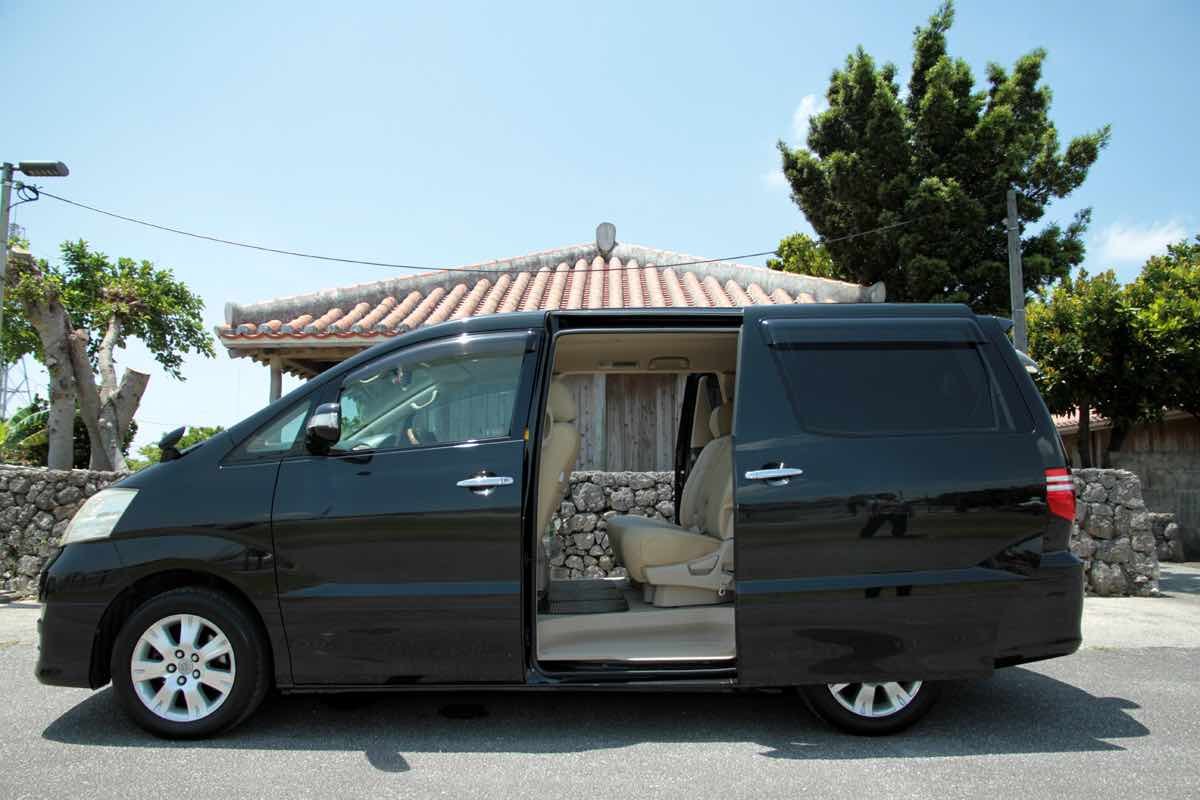
The standard for private safaris in Tanzania is a custom-built 4×4 Land Cruiser or Land Rover. These vehicles are robust, designed for off-road conditions, and equipped with features essential for game viewing:
- Pop-up Roof: This is crucial. It allows for unobstructed 360-degree views and excellent photographic opportunities. For families, it means everyone gets a prime spot for spotting animals.
- Spacious Seating: While standard safari vehicles often seat up to 6-7 passengers comfortably, for a private family safari, it’s often recommended to have a vehicle that seats fewer people than its maximum capacity. For example, a family of four might use a vehicle that can seat up to six. This ensures ample legroom, space for camera gear, and comfortable seating for everyone, especially on longer drives. For larger families, a slightly larger vehicle might be necessary.
- Window Access: Each passenger typically has their own window, allowing for comfortable viewing and photography even when the roof is down or when seeking shade.
- Storage: Ample space for luggage, water, snacks, and photography equipment is vital.
- Inverter/USB Ports: Increasingly common, these allow for charging camera batteries and phones, which is incredibly useful on multi-day safaris.
What to confirm regarding vehicles for your 2026-2027 trip:
- Vehicle Type: Is it a Land Cruiser or Land Rover? Is it specifically designed for safari with a pop-up roof?
- Passenger Capacity vs. Actual Use: Ensure the vehicle is not over-occupied. A private family safari should prioritize comfort. If you are a family of 5, you should not be in a vehicle designed for 7 unless it’s a stretched version with significantly more legroom.
- Extras: Does it come with a cooler box for drinks, binoculars, and possibly a field guide?
The Safari Guide:
Your guide is your eyes and ears in the bush. A great guide transforms a safari from a sightseeing trip into an educational and deeply engaging experience. For a private family safari, the guide’s role is amplified:
- Expertise: They possess extensive knowledge of wildlife behavior, tracks, signs, and the ecosystems of the parks. They know where to find animals and, crucially, how to interpret their behavior.
- Patience and Adaptability: For families, a guide needs to be patient, engaging with children, and able to adapt the pace and focus of the safari to suit younger or older family members. They can make learning fun!
- Safety: A guide’s primary responsibility is your family’s safety. They understand animal behavior and know how to maintain a safe distance, manage the vehicle in wildlife encounters, and navigate the parks responsibly.
- Storytelling and Culture: Good guides often share insights into local culture, history, and the Maasai people, adding another layer to the safari experience.
What to confirm regarding guides for your 2026-2027 trip:
- Experience Level: How many years has the guide been working in Tanzanian parks?
- Specialization: Are they particularly skilled in tracking, birding, or family guiding? While most guides are generalists, some may have specific strengths.
- Language: While English is standard, confirm fluency if you have specific needs.
The cost of a private vehicle and a highly experienced guide is a significant part of your budget. However, this is where the value of a private safari truly shines. You are investing in a premium, personalized experience that cannot be replicated on a group tour.
Inclusions and Exclusions: What’s Covered and What’s Not?
When comparing quotes and budgeting for your private family safari in 2026 or 2027, understanding exactly what is included and excluded is absolutely critical. This is where many misunderstandings can arise, leading to unexpected costs.
Typically Included in a Private Family Safari Package:
- Accommodation: All nights as per the itinerary. This will be specified by lodge/camp name and room type.
- Meals: Usually full board (breakfast, lunch, dinner) when on safari. Some packages might include picnic lunches, while others have lunches at lodges. Drinks policies vary – see exclusions.
- Park Entrance Fees: All national park and conservation area fees for the duration of the safari. These are often substantial and are a significant portion of the total cost.
- Game Drives: Private use of a 4×4 safari vehicle with a pop-up roof for game viewing.
- Dedicated Professional Guide: The salary and expenses of your private safari guide.
- Vehicle Running Costs: Fuel, insurance, and maintenance for the safari vehicle.
- Airport Transfers: Transfers from the nearest airport to your first lodge/camp and from your last lodge/camp to the airport.
- Bottled Water: Usually provided daily in the safari vehicle.
- Ngorongoro Crater Fees: Specific fees for entering the crater floor.
- Tanzania Government Taxes: VAT and other applicable taxes.
Common Exclusions and Extras to Budget For:
- International Flights: Flights to and from Kilimanjaro International Airport (JRO) or your arrival point in Tanzania.
- Visa Fees: For Tanzania, if applicable to your nationality.
- Travel Insurance: Essential for any trip, covering medical emergencies, trip cancellation, and lost luggage.
- Drinks: This is a big one. While water is usually included, alcoholic beverages (beers, wines, spirits) and sometimes soft drinks are often extra. Luxury lodges may have more inclusive drink policies, but always check.
- Gratuities: Tipping your guide, camp staff, and potentially lodge staff is customary and appreciated. This can add up.
- Optional Activities: Hot air balloon safaris (e.g., in the Serengeti), guided bush walks (where permitted), or cultural visits are usually not included.
- Personal Expenses: Souvenirs, laundry, telephone calls, etc.
- Vaccinations and Medications: Any personal health-related costs.
- Tips for Drivers/Guides: While some operators might bundle this, it’s often an extra.
- Lunches/Dinners on Arrival/Departure Days: If your flight times don’t align perfectly with included meals.
Your Pre-Booking Checklist for Inclusions/Exclusions:
- Ask for a detailed itinerary breakdown.
- Request a clear list of what is included and what is not.
- Clarify the drinks policy (alcoholic and non-alcoholic).
- Inquire about recommended gratuity amounts for guides and staff.
- Ask about the cost of any optional activities you might be interested in for 2026-2027.
Planning for 2026-2027: Timing, Seasonality & Availability
The year you choose to go on your private family safari—whether it’s 2026 or 2027—and the specific time of year will significantly impact your experience and, to some extent, your budget. Tanzania offers fantastic safari opportunities year-round, but different seasons bring different advantages and disadvantages.
Understanding the Seasons:
- The Great Migration (Serengeti): This is a major draw for many. The wildebeest and zebra migration is a year-round phenomenon, but its location changes. The most dramatic events, like river crossings, typically occur in July/August. Calving season is in February. Planning your 2026 or 2027 trip around the migration’s known movements can be a highlight, but also means higher demand and prices.
- Dry Season (June – October): This is generally considered the peak safari season. The weather is cooler and drier, vegetation is less dense, making spotting animals easier, and water sources are limited, concentrating wildlife. It’s also prime time for the Grumeti and Mara River crossings during the migration. Budget Impact: Expect higher accommodation rates and the need to book lodges and vehicles very far in advance for 2026-2027.
- Short Rains (November – December): A brief period of rain, often in the afternoons. Wildlife is still plentiful, and the landscape becomes greener. It’s a shoulder season, so prices might be slightly lower than the peak dry season, and crowds can be thinner.
- Long Rains (March – May): This is the low season. The landscape is lush and green, ideal for photography. Wildlife is more dispersed as water is abundant. It’s the best time for birdwatching. Budget Impact: This is generally the most budget-friendly time for safaris, with lower accommodation rates and fewer tourists. However, some remote camps might close, and heavy rains can sometimes make certain tracks impassable, though this is rare for the main Northern Circuit.
- Green Season (January – February): This period includes the calving season of the Great Migration in the southern Serengeti, offering spectacular predator action. It’s warm and can have short, sharp showers. Prices are generally mid-range, falling between the peak and low seasons.
Why Booking Early for 2026-2027 is Crucial:
- Availability of Prime Lodges: The best lodges, especially those in exclusive locations or offering family suites, get booked up 12-18 months in advance, particularly for peak seasons in 2026 and 2027.
- Securing Private Vehicles/Guides: While private vehicles are standard for private safaris, the best guides are in high demand. Booking early ensures you get an experienced and well-suited guide for your family.
- Flight Bookings: If your itinerary includes internal flights, booking these well in advance can sometimes secure better rates.
- Potential Price Increases: Tour operators often set their prices for the following year well in advance. Booking early for 2026 or 2027 can help you lock in current rates before potential increases due to inflation, fuel costs, or park fee changes.
Family Considerations for Timing:
- School Holidays: Many families plan safaris around school breaks. The main ones (July/August, December/January) coincide with peak safari seasons, meaning higher costs and competition for bookings. Consider off-peak school holidays if possible for better value.
- Weather Tolerance: If your family is sensitive to heat, avoid the hottest months (October-March). If you don’t mind occasional rain and want to save money, the low season (March-May) can be excellent.
- Pace: If you plan to travel during the peak season, consider a slightly longer itinerary to allow for more flexibility and downtime, as animals might be more spread out and less concentrated around waterholes.
When discussing your 2026 or 2027 safari plans, be sure to communicate your preferred travel dates and any flexibility you have. Your tour operator can then advise on the best seasonal options and help you secure the best value and availability.
Potential Hidden Costs and Extras to Consider
While the main components of your private family safari budget (accommodation, park fees, vehicle, guide) are usually clear, there are several smaller costs and extras that can add up if not anticipated. Being aware of these will help you create a more accurate financial plan for your 2026 or 2027 adventure.
1. Gratuities:
Tipping is customary in Tanzania. While not always explicitly stated in the package price, it’s an important part of the budget. A general guideline for a private safari is:
- Safari Guide: $20 – $40 per day per family.
- Camp/Lodge Staff: $10 – $20 per day per family (often collected at the end and distributed by management).
- Porters, Cooks (if camping): Smaller amounts as appropriate.
For a 10-day safari, this can easily add up to several hundred dollars. Always check with your operator for specific recommendations.
2. Drinks Policy:
As mentioned, while water in the vehicle is usually included, other beverages often aren’t. This includes:
- Soft Drinks: Sodas, juices.
- Bottled Water (outside the vehicle): Some lodges charge for water in rooms.
- Alcoholic Beverages: Beers, wines, spirits.
If your family enjoys sundowner drinks or a glass of wine with dinner, factor this into your budget. Luxury lodges often have more inclusive drink packages, but it’s essential to confirm. A few beers or glasses of wine per person per day can add up quickly.
3. Optional Activities:
These are the ‘wow’ moments that can elevate your safari but come at an additional cost:
- Hot Air Balloon Safari (Serengeti): This is a classic, magical experience, usually costing around $500-$600 per person. It typically includes a champagne breakfast upon landing.
- Guided Bush Walks: In areas like the Ngorongoro Conservation Area or private concessions, guided walks offer a different perspective. Costs vary but might be $50-$150 per person.
- Cultural Visits: Visiting a Maasai village or local community can be arranged. Costs can range from $30-$100 per person, often supporting the community directly.
For a family, the cost of these optional activities can be substantial. Decide which, if any, are a priority for your 2026-2027 trip.
4. Travel Insurance:
This is non-negotiable. Ensure your policy covers:
- Emergency medical evacuation (crucial for remote areas).
- Trip cancellation and interruption.
- Lost or delayed baggage.
- High-risk activities (confirm safari is covered).
Costs vary based on coverage levels and your family’s age, but budget around $100-$300+ per person depending on the policy’s scope.
5. Visas and Vaccinations:
- Tanzania Visa: Check the current requirements and costs for your nationality. Many can be obtained online or on arrival.
- Vaccinations: Consult your doctor or a travel clinic well in advance of your 2026-2027 trip for recommended vaccinations (e.g., Yellow Fever, Typhoid, Hepatitis A) and malaria prophylaxis.
6. Souvenirs and Personal Shopping:
If you plan to buy local crafts or gifts, set aside a separate budget for this. Prices can vary greatly, and bargaining is common in markets.
7. Laundry Services:
Most lodges offer laundry services, but they are usually charged per item. For longer safaris, this can add up. Some camps might offer a limited complimentary laundry service.
Pro-Tip for Budgeting Extras
It’s wise to add a contingency fund of 10-15% on top of your estimated total budget to cover any unforeseen expenses or spontaneous decisions you might make during your safari. This provides peace of mind and flexibility.
Making Your Private Family Safari Budget Work for You
A private family safari is a significant investment, and making your budget work effectively for your 2026 or 2027 trip requires a strategic approach. It’s not just about spending less; it’s about spending wisely to maximize value and ensure the experience meets your family’s expectations.
1. Prioritize Ruthlessly:
What are the absolute must-haves for your family? Is it seeing the Big Five? Experiencing luxury accommodation? Having maximum flexibility? Understanding your core priorities will help you allocate your budget effectively. If seeing the Great Migration river crossings is paramount, you might allocate more funds to a longer stay in the Serengeti during the right season, potentially opting for more comfortable but less opulent accommodation elsewhere.
2. Be Flexible with Dates and Locations:
If your dates for 2026-2027 are flexible, consider traveling during the shoulder or low seasons. You can achieve significant savings on accommodation and potentially enjoy fewer crowds. Similarly, while the Northern Circuit is popular, exploring parts of the Southern Circuit (like Nyerere National Park) can offer a more remote and potentially better-value experience, especially if you’re looking for fewer vehicles.
3. Consider Package Deals and Early Bird Offers:
Tour operators often create packages that bundle accommodation, park fees, and game drives. These can sometimes offer better value than booking components individually. For 2026-2027, look for early bird discounts, which many operators offer to encourage advance bookings. Booking 12-18 months ahead can often secure preferential rates.
4. Smart Accommodation Choices:
You don’t necessarily need to stay in the most expensive lodges every night. Consider a mix: perhaps a few nights in a luxury camp for a special experience, followed by nights in comfortable, well-located mid-range lodges. This can significantly bring down the average cost per night without compromising the overall quality of wildlife viewing.
5. Optimize Vehicle Usage:
While you’ll have a private vehicle, discuss with your guide and operator the most efficient way to use it. Sometimes, focusing on one or two prime areas for a longer duration can be more rewarding than constantly moving, saving on transit times and costs.
6. Travel with a Slightly Larger Group (if feasible):
As mentioned, if your family is larger (e.g., 5-6 people), the per-person cost of the private vehicle and guide is spread across more individuals, potentially making the per-person rate more competitive than for a smaller family. However, ensure the vehicle chosen can comfortably accommodate everyone.
7. Bundle Flights (if possible):
If your itinerary involves internal flights, discuss with your tour operator if they can bundle these into the overall package. Sometimes they have preferred rates with local airlines.
8. Understand Value vs. Price:
The cheapest option is rarely the best. A slightly higher upfront cost for a reputable operator with experienced guides, well-maintained vehicles, and good lodge relationships often translates to a much smoother, safer, and more rewarding safari. Focus on the value and experience you receive for your money.
Get a Tailored Quote for Your 2026-2027 Safari
The best way to make your budget work is to get a detailed, personalized quote. Share your priorities, desired dates (for 2026 or 2027), family size, and accommodation preferences with a specialist like Climb 4 Africa. They can then craft an itinerary that balances your budget with your dream safari experience.
Booking Your Private Family Safari with Climb 4 Africa
Embarking on a private family safari in Tanzania is a significant undertaking, and choosing the right partner to help you plan it is crucial. At Climb 4 Africa, we specialize in creating bespoke Tanzanian adventures, ensuring your family’s safari is not only memorable but also runs smoothly from planning to execution.
Why Choose Climb 4 Africa for Your Private Family Safari:
- Local Expertise: As a Tanzanian-based company, we have an intimate understanding of the parks, lodges, and logistics. We leverage this local knowledge to craft authentic and efficient itineraries.
- Tailor-Made Experiences: We don’t offer one-size-fits-all tours. Every private family safari we plan is customized to your family’s specific interests, pace, and budget for 2026 or 2027.
- Quality & Value: We partner with reputable lodges and use well-maintained safari vehicles with experienced, professional guides. We focus on providing excellent value for your investment, ensuring you get the most out of your budget.
- Practical Support: From the moment you inquire, our team provides clear, practical advice. We guide you through the budgeting process, help you understand inclusions and exclusions, and answer all your questions to ensure you feel confident in your booking.
- Safety First: Your family’s safety and well-being are our top priorities. We adhere to strict safety protocols and work with guides who are trained in wildlife management and first aid.
What to Do Next:
Ready to start planning your unforgettable private family safari for 2026 or 2027? The next step is to get in touch. We recommend contacting us with as much detail as you can about your ideal trip:
- Desired Travel Dates/Year: (e.g., July 2026, February 2027)
- Number of Family Members: (including ages of children, as this can influence activity recommendations)
- Safari Duration: (e.g., 7 days, 10 days)
- Preferred Parks/Regions: (e.g., Serengeti, Ngorongoro, Southern Circuit)
- Accommodation Style: (e.g., mid-range comfort, luxury, exclusive-use)
- Key Interests: (e.g., Big Five, birding, Great Migration, photography)
- Budget Range: (a general idea helps us tailor options)
You can reach us via:
- WhatsApp: +255 747 477 898
- Email: climb4
Check Availability for We Want A Private Family Safari, How Much Should We Budget? 2026-2027
Ready to compare dates, prices, and the best option for your group? Send the package name and travel month so the team can reply with a clear quote, availability, and what is included.
12 closely related packages
Luxury Fly-In Safari From Zanzibar: Private Packages For 2026-2027
Experience the ultimate Tanzanian getaway with a luxury fly-in safari from Zanzibar. Discover private, all-inclusive packages tailored for smooth wildlife encounters.
View package details_1_John_from-rednote-web-768x1024.jpg)
Mwiba Airstrip Flights: Ticket Costs & Private Safari Transfers 2027
Mwiba Airstrip Flights: Ticket Costs & Private Safari Transfers is explained with current 2027 planning, price, itinerary and booking information.
View package details
I Am On A Budget—What Is The Cheapest Serengeti Group Safari?
I Am on a Budget—What Is the Cheapest Serengeti Group Safari?
View package details
Nov 6, – 3 Day Serengeti And Ngorongoro Budget Group Safari 2026
A detailed look at our November 6, 2026 group departure for a 3-day Serengeti and Ngorongoro safari, including planning tips and route logistics.
View package details
Nov 12, – 5 Day Tanzania Budget Camping Group Joining Safari 2026
A detailed guide to the November 12, 2026, 5-day budget camping group joining safari in Tanzania, covering route logistics, group dynamics, and planning essentials.
View package details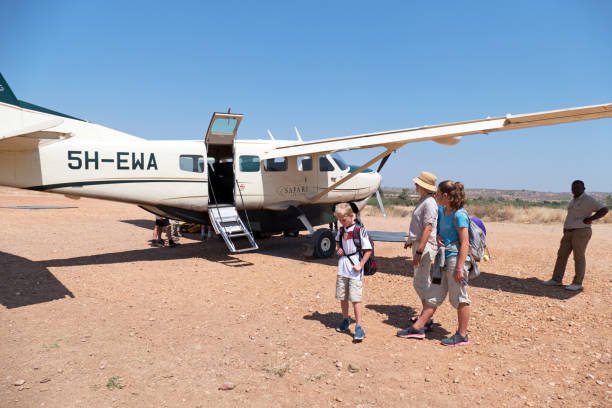
Budget Fly-In Safari From Zanzibar: Best Packages & Prices 2026-2027
Discover how to plan a budget-friendly fly-in safari from Zanzibar to Tanzania's top parks without sacrificing the quality of your wildlife experience.
View package details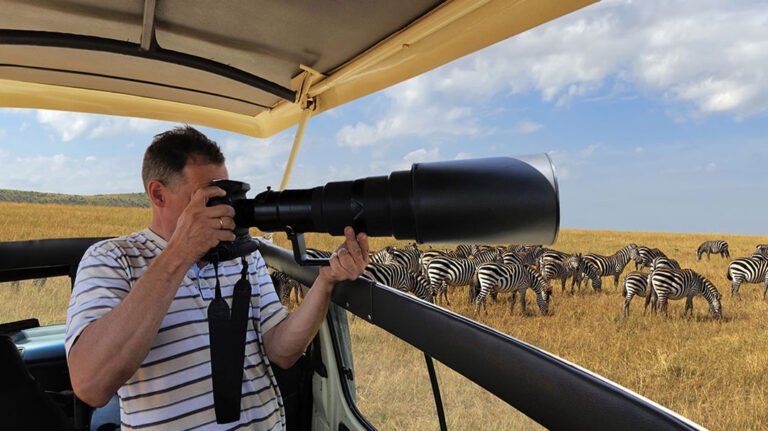
How Early Should I Book A Nov Or Dec Tanzania Group Safari?
How Early Should I Book a Nov or Dec Tanzania Group Safari?
View package detailsFly From Arusha To Serengeti For A 2-Day Safari: Understanding Flight Costs
Discover how to budget and plan a fast-paced 2-day safari to the Serengeti, starting from Arusha. We break down flight costs, transfer options, and what to expect from a short, focused trip.
View package detailsSerengeti To Zanzibar Vs Arusha To Which Is Better After Safari? 2027
Choosing the right transfer to Zanzibar after a safari—Serengeti to Zanzibar or Arusha to Zanzibar—depends entirely on your safari route, time constraints, and budget. This guide breaks...
View package details
Flights To Tarangire National Park: Kuro Airstrip Prices & Planning ()
A deep look at the logistics of flying into Tarangire National Park, understanding the difference between scheduled bush flights and private charters, and how to plan your 2026-2027 safari...
View package details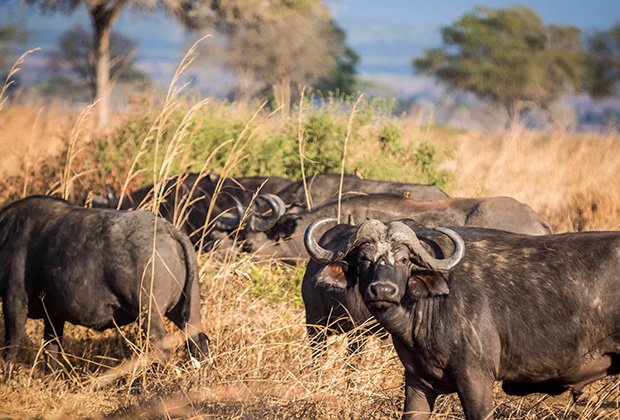
Dec 24, – 3 Day Christmas Serengeti And Ngorongoro Group Safari
Dec 24, 2026 – 3 Day Christmas Serengeti and Ngorongoro Group Safari.
View package details
Dec 20, – 10 Day Complete Tanzania Group Joining Safari
Dec 20, 2026 – 10 Day Complete Tanzania Group Joining Safari.
View package detailsNo related package matches those filters. Clear one or more filters to see the other topic-matched options.