
To achieve a fast-paced safari covering many parks in Tanzania, you should opt for an itinerary of at least 10-14 days, focusing on the Northern Circuit’s main highlights like Tarangire, Lake Manyara, Serengeti, and Ngorongoro Crater. This allows for efficient travel between locations, maximizing wildlife viewing opportunities without excessive transit times, and is particularly suited for travelers aiming to see diverse ecosystems and iconic species within a limited timeframe for trips in 2026 or 2027.
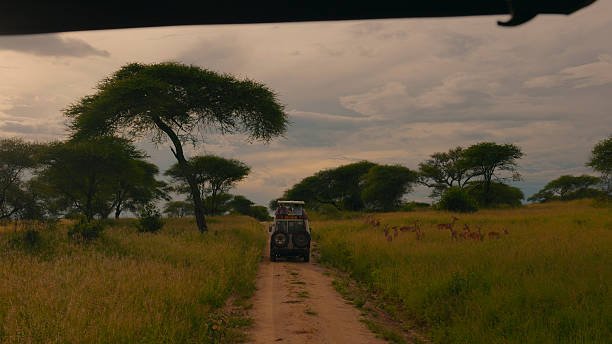

Understanding the ‘Fast-Paced Safari’ Intent
The desire for a “fast-paced safari covering many parks” signals a traveler who wants to maximize their wildlife sightings and experience the diversity of Tanzania’s ecosystems within a limited timeframe. This isn’t about rushing through landscapes; it’s about efficient planning and strategic park selection to ensure you don’t miss out on key experiences. Travelers with this goal often have specific interests – perhaps seeing the Great Migration, spotting the ‘Big Five,’ or observing unique birdlife – and they want to tick as many of these boxes as possible. They value comprehensive experiences over a leisurely, slow-paced exploration of a single area. For 2026 and 2027 trips, understanding this intent is crucial for designing an itinerary that is both exciting and logistically sound.
A fast-paced safari implies a higher frequency of travel days and potentially longer days in vehicles, but with the payoff of encountering a wider array of animals and habitats. It requires careful consideration of travel times between parks, the best times of day for game drives, and how to structure your accommodation to minimize transit disruption. The trade-off is usually less time for spontaneous detours or extended relaxation within a single park. This approach is ideal for those who might be on a tighter schedule, perhaps combining a safari with a Kilimanjaro climb or a Zanzibar beach holiday, or for those who simply have a high energy level and a keen desire to see as much as possible on their African adventure.
When you express a need for a fast-paced safari covering many parks, you’re essentially asking for an optimized route that minimizes wasted travel time and maximizes wildlife encounters. This means focusing on regions with well-established safari circuits and good infrastructure, where parks are relatively close to each other. The Northern Circuit of Tanzania is overwhelmingly the most popular and practical choice for this kind of itinerary due to its concentration of world-renowned parks and relatively short driving distances between them. However, depending on specific interests, other circuits might be considered, though they often involve longer travel times or different types of wildlife experiences.
The Classic Northern Circuit in Focus
For a fast-paced safari covering many parks, the Northern Circuit of Tanzania stands out as the undisputed champion. It offers a concentrated collection of some of Africa’s most famous wildlife destinations, each with its unique character and attractions. This circuit is designed for efficient travel, with well-maintained roads (though some can be bumpy!) and a logical flow that minimizes backtracking. Planning a 2026 or 2027 safari here means tapping into a well-trodden path that consistently delivers incredible wildlife sightings.
The typical parks included in a Northern Circuit fast-paced itinerary are Tarangire National Park, Lake Manyara National Park, the vast Serengeti National Park, and the Ngorongoro Conservation Area (specifically, the Crater). Depending on the duration and your specific interests, you might also add the unique alkaline lakes of the Rift Valley like Lake Natron for flamingo sightings or the unique landscapes around Mount Kilimanjaro. The order can be varied, but a common and efficient flow often starts or ends with Arusha, the main gateway city.
Serengeti National Park: The Heartbeat
No fast-paced safari in Tanzania would be complete without the Serengeti. Its name, derived from the Maasai word ‘Siringet,’ meaning ‘endless plains,’ perfectly describes its vastness. This park is synonymous with the Great Migration, a impressive natural spectacle where millions of wildebeest, zebras, and gazelles traverse the plains in search of fresh grazing. While the migration’s exact location varies throughout the year, the Serengeti offers phenomenal game viewing year-round, boasting an incredible density of predators like lions, leopards, cheetahs, and hyenas, as well as elephants, giraffes, and a myriad of other species.
Key Features for a Fast-Paced Itinerary:
- Vastness and Variety: The Serengeti is enormous, divided into different regions (Central, Northern, Western, Southern). A fast-paced trip might focus on one or two key areas depending on the time of year and migration patterns. For instance, visiting the central Seronera area offers excellent predator sightings year-round, while the Lamai Wedge or Kogatende in the north is prime for river crossings (typically July-October).
- Wildlife Density: It’s renowned for having one of the highest concentrations of wildlife in Africa. You are almost guaranteed to see a wide variety of animals, even on short game drives.
- Logistical Considerations: Access is usually via road from the Ngorongoro area or Lake Manyara, or by a short internal flight from Arusha. For a fast-paced trip, an internal flight can save significant time, especially if you’re aiming to cover multiple parks in under 10 days. Staying inside the park offers more game viewing time; lodges and tented camps are scattered throughout, with central Seronera offering the most options.
Maximizing your time in Serengeti on a fast-paced trip: Plan your visit based on the Great Migration’s location if that’s a priority. Allocate at least two full days here, preferably three, to truly appreciate its scale and wildlife. Consider splitting your stay between two different regions if your itinerary allows for efficient movement between them, perhaps Seronera and the northern corridor.
Ngorongoro Conservation Area: A Natural Wonder
Often called the “Eighth Wonder of the World,” the Ngorongoro Crater is a UNESCO World Heritage Site and a truly unique ecosystem. This massive volcanic caldera, roughly 19 kilometers wide, is home to an astonishingly high concentration of wildlife, including the endangered black rhinoceros, which is more easily spotted here than in most other Tanzanian parks. The crater floor is a mix of grasslands, swamps, and acacia forests, supporting over 25,000 large animals.
Key Features for a Fast-Paced Itinerary:
- Crater Floor Game Drives: The primary activity is descending into the crater for a half-day or full-day game drive. The density of animals is exceptional, and sightings of lions, elephants, buffaloes, hippos, flamingos, and rhinos are very common.
- Conservation Area vs. National Park: It’s important to note that Ngorongoro is a Conservation Area, not a National Park. This means Maasai communities live within its boundaries, adding a cultural dimension. Your safari vehicle will typically spend a designated amount of time on the crater floor (usually around 6 hours) before ascending.
- Logistical Considerations: Access is straightforward from Arusha or Lake Manyara. Accommodation is primarily located on the crater rim, offering stunning views, or just outside the conservation area. Staying on the rim allows for very early access to the crater floor, maximizing viewing time on a fast-paced schedule.
Maximizing your time in Ngorongoro on a fast-paced trip: A single day dedicated to the crater floor is often sufficient for a fast-paced itinerary. Arrive at the gate as early as possible to beat the crowds and maximize your chances of seeing active predators. Combine this with a visit to a Maasai village en route if cultural interaction is also a priority, though this adds time.
Tarangire National Park: Land of Elephants
Tarangire is particularly famous for its large elephant herds, especially during the dry season (June to October) when they congregate around the Tarangire River. The park’s landscape is characterized by iconic baobab trees, acacia woodlands, and grasslands, offering a different feel from the open plains of the Serengeti. It’s also a haven for birdwatchers, with a high diversity of species.
Key Features for a Fast-Paced Itinerary:
- Elephant Herds: If seeing large numbers of elephants is high on your list, Tarangire is the place to be.
- Diverse Landscape: The baobab trees create a unique and photogenic environment.
- Birdlife: Excellent for ornithologists, with numerous resident and migratory species.
- Logistical Considerations: Easily accessible from Arusha and often visited before or after Lake Manyara. Accommodation options range from campsites to luxury lodges, both inside and just outside the park. Staying inside allows for longer game drives and potentially night drives (if offered by the lodge and permitted).
Maximizing your time in Tarangire on a fast-paced trip: Allocate at least a full day, ideally two, especially if visiting during the dry season. Explore different areas of the park, including the riverine sections and the southern plains, to find varied wildlife. It’s a great park to start or end your safari with, as it’s on the route between Arusha and the other northern parks.
Lake Manyara National Park: Tree-Climbing Lions
Despite its small size, Lake Manyara offers a remarkably diverse range of habitats, from its shallow, alkaline lake teeming with flamingos, hippos, and water birds, to acacia woodlands, and steep escarpments. It’s famously known for its elusive tree-climbing lions, though sightings are never guaranteed. The park also supports significant populations of baboons, elephants, giraffes, and buffaloes.
Key Features for a Fast-Paced Itinerary:
- Tree-Climbing Lions: The main draw for many, though they are not always easy to find.
- Birdlife: The lake itself is a birdwatcher’s paradise.
- Dense Vegetation: Offers a different viewing experience with game drives often taking place under a canopy of trees.
- Logistical Considerations: Very close to Arusha, making it an easy first stop or last stop. It can be explored in a single day, making it ideal for fitting into a tight schedule. Accommodation is available both inside and outside the park, with the lodge on the escarpment offering spectacular views over the lake.
Maximizing your time in Lake Manyara on a fast-paced trip: A half-day or full-day game drive is typically sufficient. Focus on exploring the woodland areas for primates and the lake shore for birds and hippos. It’s an excellent stop to break up the journey between Arusha and the Ngorongoro Crater or Serengeti.
Optimizing Your Fast-Paced Safari: Duration and Pace
The definition of “fast-paced” can vary, but for covering multiple parks in Tanzania’s Northern Circuit, a minimum of 7 days is generally required, with 10-14 days offering a more comfortable yet still dynamic experience. Longer durations allow for more in-depth exploration of each park, potentially including less-visited areas or a wider range of activities, while still maintaining a sense of forward momentum. For 2026 and 2027 planning, choosing the right duration is key to balancing your desire for speed with the reality of travel and wildlife viewing.
The 7-Day Express Northern Circuit
This is the most rapid way to experience the Northern Circuit’s highlights. It’s designed for those with limited time who want to see the ‘greatest hits.’ Expect early starts and packed game drives.
- Day 1: Arrive Kilimanjaro International Airport (JRO), transfer to Arusha.
- Day 2: Arusha to Tarangire National Park. Game drive. Overnight near Tarangire.
- Day 3: Tarangire to Lake Manyara National Park. Game drive. Afternoon drive towards Ngorongoro. Overnight near Ngorongoro.
- Day 4: Ngorongoro Crater. Full-day game drive. Overnight near Ngorongoro.
- Day 5: Ngorongoro to Serengeti National Park (Central). Game drive en route. Overnight in Central Serengeti.
- Day 6: Serengeti National Park. Full-day game drive in Central Serengeti. Overnight in Central Serengeti.
- Day 7: Morning game drive in Serengeti. Fly from Seronera airstrip back to Arusha/JRO for departure or onward travel.
Pros: Covers the main parks efficiently. Minimizes travel days. Good for very tight schedules. Offers a taste of each key location.
Cons: Very fast-paced, can feel rushed. Limited time in each park, especially Serengeti. Relies heavily on internal flights for efficiency. Less time for relaxation or spontaneous exploration.
Ideal for: Travelers with only a week available, those combining safari with other activities, or those who prefer a whirlwind tour.
The 10-Day Balanced Northern Circuit
This itinerary offers a more relaxed pace while still covering the essential parks. It allows for more time in Serengeti and Ngorongoro, increasing the chances of deeper wildlife encounters and a better appreciation of the landscapes. This is often considered the sweet spot for many travelers seeking a comprehensive yet dynamic safari experience for 2026-2027.
- Day 1: Arrive JRO, transfer to Arusha.
- Day 2: Arusha to Tarangire National Park. Full-day game drive. Overnight near Tarangire.
- Day 3: Tarangire to Lake Manyara National Park. Morning game drive. Afternoon drive to Karatu (near Ngorongoro). Overnight in Karatu.
- Day 4: Ngorongoro Crater. Full-day game drive. Overnight in Karatu.
- Day 5: Karatu to Serengeti National Park (Central). Game drive en route. Overnight in Central Serengeti.
- Day 6: Serengeti National Park (Central). Full-day game drive. Overnight in Central Serengeti.
- Day 7: Serengeti National Park (Central). Morning game drive. Drive to another region of Serengeti (e.g., Western or Northern, depending on migration). Overnight in that region.
- Day 8: Serengeti National Park (new region). Full-day game drive. Overnight in that region.
- Day 9: Morning game drive in Serengeti. Fly from airstrip to Arusha. Afternoon transfer to a lodge near Arusha or JRO.
- Day 10: Departure or onward travel.
Pros: Good balance between seeing multiple parks and having sufficient time in key locations. Allows for exploration of two different areas of Serengeti. More relaxed pace than the 7-day option. Still efficient for covering main highlights.
Cons: Requires more time than the express option. Still involves significant driving or internal flights.
Ideal for: Travelers who want a thorough introduction to Tanzania’s iconic wildlife destinations without feeling excessively rushed.
The 14-Day Comprehensive Northern Circuit
This itinerary provides the most in-depth experience of the Northern Circuit, allowing for leisurely exploration of each park, the inclusion of additional areas or activities, and significant flexibility. While still “fast-paced” in that it covers many parks, it allows for deeper immersion and a more relaxed travel rhythm, making it ideal for serious wildlife enthusiasts planning for 2026-2027.
- Day 1: Arrive JRO, transfer to Arusha.
- Day 2: Arusha to Tarangire National Park. Full-day game drive. Overnight near Tarangire.
- Day 3: Tarangire National Park. Morning game drive. Drive to Lake Manyara. Afternoon game drive. Overnight near Lake Manyara.
- Day 4: Lake Manyara to Karatu. Explore Lake Manyara further or visit a local coffee plantation/village. Overnight in Karatu.
- Day 5: Ngorongoro Conservation Area. Descend into the crater for a full-day game drive. Overnight on the crater rim or in Karatu.
- Day 6: Ngorongoro to Serengeti National Park (Central). Game drive en route. Overnight in Central Serengeti.
- Day 7: Serengeti National Park (Central). Full-day game drive. Overnight in Central Serengeti.
- Day 8: Serengeti National Park (Central). Morning game drive. Drive towards the Western Corridor or Northern Serengeti. Overnight en route or in the new region.
- Day 9: Serengeti National Park (Western/Northern). Full-day game drive. Overnight in the region.
- Day 10: Serengeti National Park (Western/Northern). Full-day game drive. Overnight in the region.
- Day 11: Serengeti National Park (e.g., Northern – Kogatende/Lamai). Focus on migration river crossings (seasonal). Overnight in the region.
- Day 12: Serengeti National Park. Morning game drive. Fly from Kogatende/Lamai airstrip to Central Serengeti airstrip, then drive to another region or back towards the south. Overnight in Serengeti.
- Day 13: Morning game drive in Serengeti. Fly from Seronera airstrip to Arusha. Afternoon transfer to a lodge near Arusha or JRO.
- Day 14: Departure or onward travel.
Pros: Offers the most comprehensive experience of the Northern Circuit. Allows for deeper exploration of multiple Serengeti regions. Significant time for wildlife viewing. Reduced sense of rush. Can incorporate optional activities like walking safaris or cultural visits.
Cons: Requires a longer time commitment. Higher cost due to more days and accommodation.
Ideal for: Wildlife enthusiasts, photographers, families, or anyone who wants a truly in-depth safari experience without feeling constrained by time.
Alternative Fast-Paced Options Beyond the North
While the Northern Circuit is the most practical and popular choice for a fast-paced, multi-park safari in Tanzania, other regions offer distinct experiences. These might be considered if you’ve already explored the north, or if you have specific interests like chimpanzee trekking or exceptionally wild, less-crowded landscapes. However, it’s important to note that these circuits generally require longer travel times between parks, making a truly “fast-paced” multi-park experience more challenging to achieve without extensive use of internal flights.
Southern Circuit: Selous (Nyerere) and Ruaha
The Southern Circuit, encompassing Nyerere National Park (formerly Selous Game Reserve) and Ruaha National Park, offers a wilder, more remote safari experience. These parks are vast and less developed than their northern counterparts, providing a sense of true wilderness. However, they are geographically much further apart and from Arusha, making a fast-paced itinerary here more logistically complex.
- Nyerere National Park (Selous): Famous for its boat safaris on the Rufiji River, offering unique perspectives on hippos, crocodiles, and birdlife, as well as walking safaris and traditional game drives. It’s known for its large elephant and wild dog populations.
- Ruaha National Park: Tanzania’s largest national park, Ruaha is renowned for its dramatic landscapes, vast elephant herds, and high predator density, particularly lions and wild dogs. It’s a more rugged and challenging destination.
Fast-Paced Considerations:
- Travel Time: The distance between Arusha and the Southern Circuit is significant. Driving is extremely time-consuming. Internal flights are almost essential to connect between Arusha and the nearest airstrips (e.g., Selous airstrip, Iringa for Ruaha).
- Logistics: Connecting Nyerere and Ruaha also requires either a flight or a very long drive. This makes covering both in a short, fast-paced trip challenging without a substantial budget for multiple flights.
- Pace: To cover both parks effectively, you would likely need at least 7-10 days solely for the Southern Circuit, plus travel time to/from Arusha. This means a fast-paced multi-park trip covering both North and South within a single safari is generally not feasible in under 14-18 days.
Best suited for: Travelers seeking a more exclusive, wild experience, who have more time, and are willing to use internal flights extensively or focus solely on the South.
Western Circuit: Gombe Forest and Mahindi Mountains
Tanzania’s Western Circuit is primarily known for chimpanzee trekking in Gombe Stream National Park and Mahale Mountains National Park. These parks offer a completely different safari experience, focusing on primates and dense forest environments, rather than the open savannahs of the north or south.
- Gombe Stream National Park: Made famous by Jane Goodall’s research, Gombe offers incredible opportunities for chimpanzee tracking. It’s a small park accessible only by boat from Kigoma town.
- Mahale Mountains National Park: Also a prime chimpanzee trekking destination, Mahale is more remote and offers a wilder experience, set against the backdrop of Lake Tanganyika.
Fast-Paced Considerations:
- Accessibility: Reaching the Western Circuit is a significant journey from Arusha. It typically involves flying from Arusha or Kilimanjaro to Kigoma, then taking a boat.
- Focus: The primary activity here is primate trekking. While other wildlife exists, it’s not the main draw.
- Combining Parks: Combining Gombe and Mahale requires significant travel time and logistics, usually involving flights and boat transfers.
- Multi-Circuit Pace: Attempting to combine the Western Circuit with the Northern or Southern Circuits in a fast-paced itinerary would require at least 3-4 weeks and a substantial budget for internal flights.
Best suited for: Travelers whose primary interest is chimpanzee trekking and who are prepared for the remote nature and travel demands of the region. It’s not typically combined with the Northern Circuit for a fast-paced, multi-park safari due to logistical challenges and vastly different experiences.
Logistics and Transport for Speed
Achieving a fast-paced safari that covers many parks hinges on efficient logistics and transport. Minimizing travel time between locations is paramount. This involves strategic choices about vehicles, internal flights, and accommodation location.
Choosing the Right Vehicle
For a fast-paced safari, the choice of vehicle is critical for comfort and efficiency. Most safaris in Tanzania use custom-built 4×4 safari vehicles, typically Land Cruisers or Land Rovers. These vehicles are equipped with:
- Pop-up Roofs: Essential for unobstructed game viewing and photography.
- Comfortable Seating: With ample legroom, though the number of passengers will affect this. For a fast-paced trip, having a window seat is important for not missing any sights.
- All-Terrain Capability: Necessary for navigating the sometimes challenging park roads.
- Experienced Driver-Guides: Crucial for spotting wildlife and navigating efficiently. A good guide can make a significant difference in the number and quality of sightings.
Considerations for speed: While a standard safari vehicle is necessary, the number of passengers impacts comfort. For a truly fast-paced and enjoyable experience, consider a private safari. This means you have the vehicle and guide exclusively, allowing you to set the pace, decide how long to stay at sightings, and avoid waiting for other travelers. This flexibility is invaluable for maximizing time when covering many parks.
Internal Flights vs. Road Travel
This is perhaps the most significant decision for a fast-paced itinerary.
- Road Travel: This is the traditional and most common way to experience the Northern Circuit. It’s generally more affordable and allows for spontaneous stops and a more in-depth journey through the landscapes. However, driving distances between parks, especially from Arusha to Serengeti, can be long (4-8 hours depending on the park section and road conditions). For a fast-paced trip, these long drives eat into valuable game viewing time.
- Internal Flights: Tanzania has several small airstrips within or near national parks (e.g., Seronera, Kogatende, Manyara, Arusha). Flying between these locations can save hours of travel time. For example, flying from Arusha to Seronera in Serengeti takes about 1-1.5 hours, compared to a 6-8 hour drive.
Recommendation for fast-paced safaris: To cover many parks quickly, incorporating internal flights is highly recommended, especially for connecting Arusha to Serengeti and potentially for flying out of Serengeti back to Arusha. While flights add to the cost, they are often essential for itineraries of 7-10 days aiming to maximize park visits. For longer trips (14+ days), a mix of driving and flying can offer a good balance.
Booking Flights: These are typically small charter or scheduled flights operated by companies like Coastal Aviation or Auric Air. Your tour operator, such as Climb 4 Africa, can arrange these for you. Ensure you understand luggage restrictions (usually soft bags, weight limits apply).
Accommodation Strategy
Where you stay directly impacts your safari experience, especially on a fast-paced trip.
- Location is Key: For speed, prioritize lodges and camps located strategically. Staying inside a park or reserve (like Serengeti or Ngorongoro Crater rim) means you can start your game drives immediately upon exiting your accommodation, and potentially enjoy longer drives or even evening/night drives. Staying outside a park often means a longer drive to the gate each morning.
- Types of Accommodation: Options range from budget campsites and basic tented camps to mid-range lodges and luxury tented camps or lodges. For a fast-paced trip, consider comfort and convenience. Mid-range to luxury options often offer better locations and services that minimize your time spent on logistics.
- Minimizing Moves: While you’re covering many parks, try to minimize the number of times you pack and unpack. For example, spending two nights in the same lodge or camp in Serengeti allows for two full days of exploration without changing accommodation.
Strategic Stays for Speed:
- Ngorongoro Crater Rim: Offers immediate access to the crater floor.
- Central Serengeti (Seronera): A hub with numerous lodges and camps, excellent for year-round game viewing and close to the airstrip.
- Northern Serengeti (Kogatende/Lamai): Crucial if your trip coincides with the migration river crossings (July-October).
- Tarangire/Manyara: Lodges just outside the park gates can be efficient, but those inside offer more immersion.
For 2026-2027 travel, booking accommodation, especially in prime locations or during peak season, should be done well in advance.
What to Expect and Considerations for 2026-2027
Planning a fast-paced safari requires setting realistic expectations and being prepared for the realities of travel in Tanzania. Understanding wildlife patterns, peak seasons, and the importance of booking in advance is crucial, especially as you plan for 2026 and 2027.
Wildlife Viewing Patterns
Wildlife is not static. Understanding its movements and behaviors will enhance your fast-paced safari:
- Diurnal Patterns: Most animals are most active in the early morning and late afternoon/early evening when temperatures are cooler. This is when predators are often hunting. Midday can be slow, with many animals resting in the shade.
- Great Migration: This is the primary driver of wildlife movement in the Serengeti-Ecosystem. While the exact timing varies yearly, generally:
- Dec-Mar: Southern Serengeti (Ndutu area) for calving season.
- Apr-May: Central/Western Serengeti, often referred to as the ‘Green Season’ with fewer crowds.
- Jun-Jul: Western Corridor, preparing for the Grumeti River crossings.
- Jul-Oct: Northern Serengeti (Kogatende/Lamai), for Mara River crossings.
- Nov: North-East Serengeti, moving southwards.
- Dry Season Advantage: During the dry season (June-October), animals concentrate around permanent water sources like the Tarangire River and in Ngorongoro Crater, making sightings easier.
For a fast-paced trip: Your itinerary should ideally align with these patterns. For instance, if you aim to see river crossings, ensure your 2026 or 2027 trip falls between July and October and includes the Northern Serengeti. Your tour operator will advise on the best parks to visit at specific times of year.
Peak Seasons and Crowds
Tanzania experiences different seasons, each with its pros and cons:
- Peak Season (June-October & December-February): These months coincide with the dry season and school holidays. Expect higher prices, more crowded parks (especially popular spots like Ngorongoro Crater floor and central Serengeti), and excellent wildlife viewing. For a fast-paced safari during these times, booking very far in advance (6-12 months) is essential for 2026-2027.
- Shoulder Season (March-May & November): These are the wetter months. Landscapes are lush and green, prices may be lower, and there are fewer tourists. However, wildlife can be more dispersed, roads can become challenging, and the Great Migration is typically in the Serengeti but not at its most dramatic crossing points.
Fast-Paced Strategy: Even in peak season, a well-planned fast-paced itinerary can mitigate crowd issues by utilizing internal flights to bypass busy entry points or by staying in more remote areas of large parks like the Serengeti. For 2026-2027, consider shoulder seasons for a potentially less crowded experience, though wildlife viewing might be slightly less predictable.
Booking in Advance
For any safari, especially one designed to cover multiple parks quickly and efficiently, advance booking is paramount. This is particularly true for 2026 and 2027, as popular operators and accommodations fill up quickly.
- Accommodation: The best lodges and tented camps, especially those in prime locations (e.g., Crater rim, Serengeti), get booked up to a year in advance for peak season.
- Internal Flights: Seats on small bush planes are limited.
- Tour Operators: Reputable operators like Climb 4 Africa plan complex itineraries and secure the best resources. Booking with them ensures a smooth, well-coordinated trip.
- Visa and Vaccinations: Ensure you have sufficient time to arrange these well before your departure.
Recommendation: Aim to book your safari at least 6-9 months in advance for 2026-2027 travel, and 9-12 months for peak season or specific lodges. This allows for better availability and more options, crucial for a complex, fast-paced itinerary.
Packing Essentials for a Swift Trip
Packing efficiently is key when you’re moving between locations frequently.
- Soft Duffle Bags: Most internal flights have strict weight limits (usually 15-20 kg) and require soft-sided luggage to fit in small aircraft holds.
- Neutral-Colored Clothing: Khaki, green, brown, and beige are best. Avoid bright colors that can startle wildlife, and white which gets dirty easily.
- Layering: Mornings and evenings can be cool, especially in the Crater or at higher altitudes. Pack light layers like fleeces and long-sleeved shirts.
- Sun Protection: Wide-brimmed hat, sunglasses, and high SPF sunscreen are essential.
- Insect Repellent: Especially for evenings and areas near water.
- Binoculars: A must-have for spotting distant wildlife.
- Camera with Extra Batteries/Memory Cards: You’ll want to capture everything!
- Comfortable Walking Shoes: For around camps and lodges.
- Small Backpack: For carrying essentials during game drives (water, camera, binoculars, snacks).
For a fast-paced trip: Pack light but smart. You’ll be moving between accommodations, so ease of packing and unpacking is important. Avoid overpacking; most lodges offer laundry services.
Crafting Your Perfect Fast-Paced Safari with Climb 4 Africa
Designing a fast-paced safari that covers many parks requires expert knowledge of Tanzania’s geography, wildlife, and logistics. This is where a trusted local tour operator like Climb 4 Africa excels. We understand the nuances of maximizing wildlife viewing time while ensuring a comfortable and memorable experience. Whether you’re planning for 2026 or 2027, our team is dedicated to tailoring an itinerary that meets your specific desires for speed and scope.
A fast-paced safari covering many parks is an ambitious but incredibly rewarding way to experience Tanzania’s unparalleled wildlife. It’s about strategic planning, efficient travel, and leveraging local expertise to ensure you see the very best the country has to offer. We can help you navigate the choices between road travel and internal flights, select accommodations that enhance your experience, and time your visit to coincide with significant wildlife events like the Great Migration.
To begin crafting your personalized fast-paced safari itinerary, we recommend contacting us directly. Please provide us with your preferred travel dates for 2026 or 2027, the approximate duration you have in mind, and any specific wildlife you are eager to see. This information will allow us to propose a tailored itinerary that balances your desire for a fast-paced journey with the incredible natural wonders of Tanzania.
Let Climb 4 Africa help you design an unforgettable safari adventure that covers the parks you dream of, efficiently and effectively. You can reach us via WhatsApp at +255 747 477 898 or by emailing us at climb4africa@gmail.com. We look forward to helping you plan your incredible Tanzanian wildlife expedition.
Check Availability for Fast-Paced Safari: Cover Many Parks With This Tanzania Itinerary 2026-2027
Ready to compare dates, prices, and the best option for your group? Send the package name and travel month so the team can reply with a clear quote, availability, and what is included.

How Far In Advance Should You Book An African Safari? 2026-2027
How Far in Advance Should You Book an African Safari? is explained with current 2026-2027 planning, price, itinerary and booking information.
View package details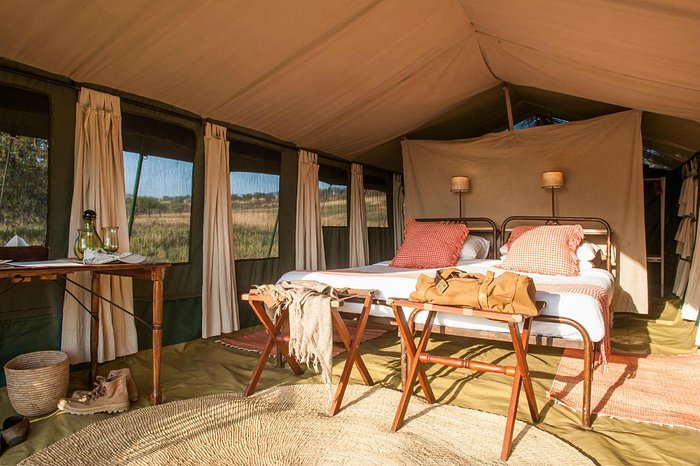
Safari From Zanzibar: Best Packages, Prices & Parks For 2026-2027
Combining a Zanzibar beach holiday with a Tanzania safari is a dream for many travelers. This guide details the best safari packages from Zanzibar, covering essential planning, park...
View package details
What Is Included In An African Safari Package? A Complete Guide For 2026-2027
Demystifying African safari packages. This guide details what you can expect to be included, from essential logistics like accommodation and transport to crucial elements like park fees and...
View package details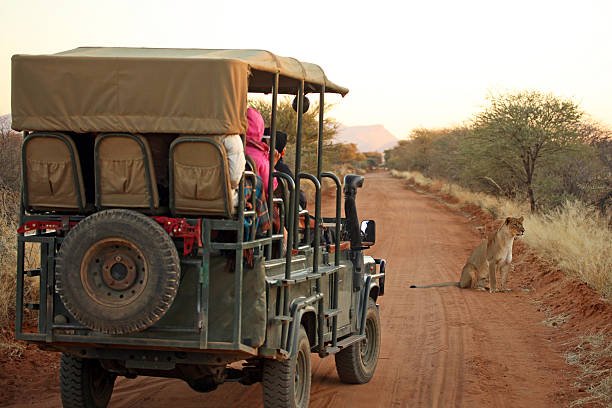
Zanzibar To Mikumi Safari: Flights, Prices And Itinerary Guide
Transition from the spice-scented beaches of Zanzibar to the wildlife-rich plains of Mikumi National Park. This guide details flight logistics, cost considerations, and sample itineraries...
View package details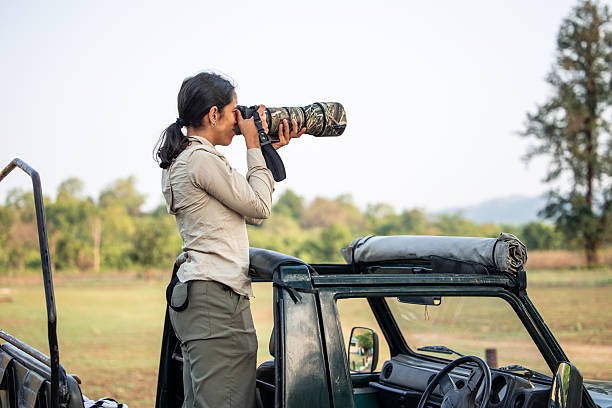
What Animals Can You See On An African Safari? Your Ultimate Wildlife Guide
Planning an African safari and wondering which animals you'll encounter? This comprehensive guide details the wildlife you can expect to see, from iconic mammals to elusive birds, across...
View package details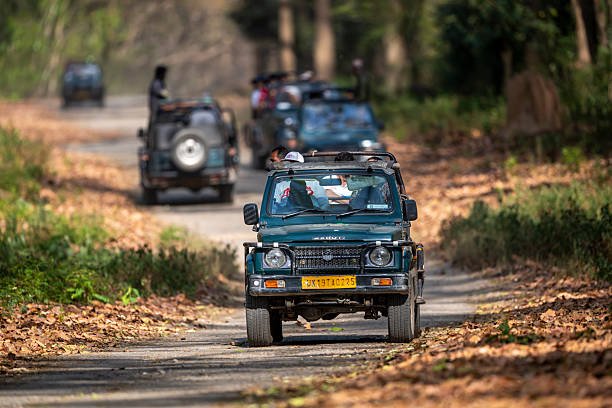
What Is The Cheapest African Country For Safari? 2026-2027
What Is the Cheapest African Country for Safari? is explained with current 2026-2027 planning, price, itinerary and booking information.
View package details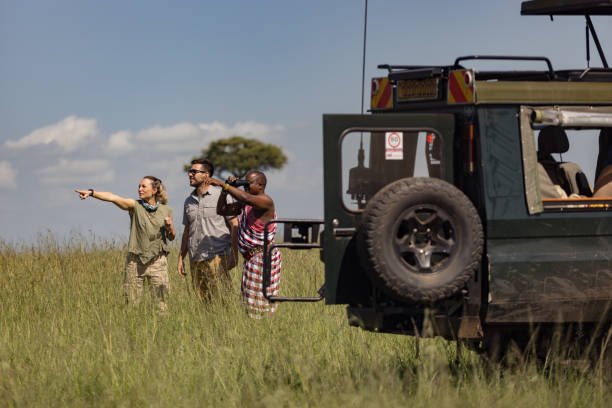
How Many Days Are Enough For An African Safari? A Deep Dive 2026-2027
Determining the right length for your African safari is crucial for a rewarding experience. This guide helps you decide how many days are truly enough for a memorable Tanzania safari in...
View package details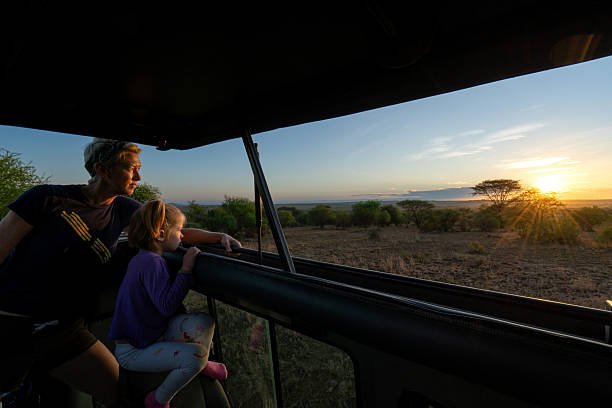
10-Day Tanzania Safari And Zanzibar Beach Holiday: Your Ultimate Itinerary
Combine the thrill of a Tanzania safari with the relaxation of Zanzibar for an unforgettable 10-day adventure. This itinerary balances iconic wildlife viewing with stunning tropical...
View package details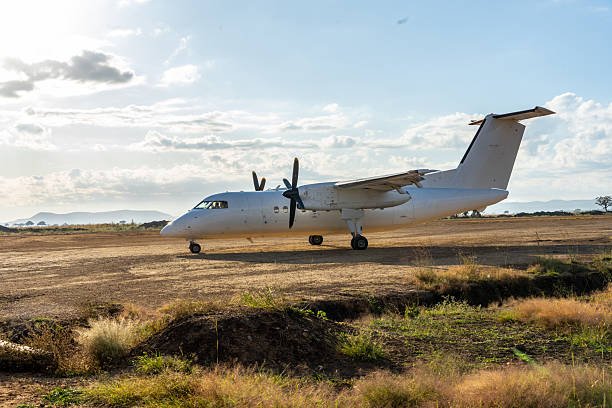
Kenya Safari Tours & Holiday Packages 2026-2027
Kenya Safari Tours & Holiday Packages is explained with current 2026-2027 planning, price, itinerary and booking information.
View package detailsSolo African Safari Tours: Your Ultimate Guide For 2026-2027
start an incredible solo African safari adventure. This comprehensive guide covers everything you need to know for planning a safe, rewarding, and memorable trip in 2026-2027, from choosing...
View package detailsIs It Better To Book A Safari Online Or Locally? 2026-2027
Is It Better to Book a Safari Online or Locally? is explained with current 2026-2027 planning, price, itinerary and booking information.
View package detailsAffordable African Safari Packages: Your Guide To Budget-Friendly Tanzania
Discover how to plan and book affordable African safari packages for 2026-2027. This guide provides practical advice on choosing budget-friendly Tanzania tours, understanding costs, and...
View package detailsNo related package matches those filters. Clear one or more filters to see the other topic-matched options.



