Effective Tanzania safari planning for 2026-2027 involves selecting the right parks based on wildlife viewing goals and seasonality, choosing the best time of year for your visit, deciding on your preferred travel style and accommodation, and understanding the typical cost structures to budget appropriately. Key considerations include the Great Migration timing in the Serengeti, the unique ecosystems of the Ngorongoro Crater, and the diverse landscapes of Tarangire and Lake Manyara, alongside logistics like park fees, transport, and guide selection to ensure a well-organized and rewarding experience.
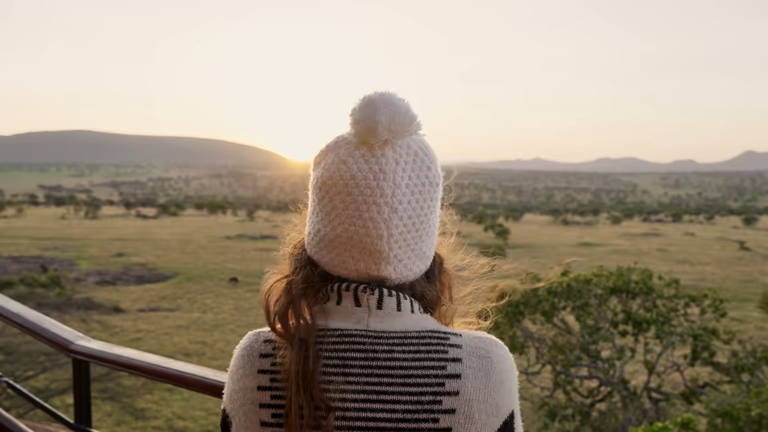

Tanzania Safari Planning Essentials
Embarking on a Tanzania safari planning journey for 2026 or 2027 is an exciting prospect, promising encounters with some of the world’s most iconic wildlife and landscapes. As a leading Tanzania travel company with deep local roots, Climb 4 Africa understands that meticulous planning is the bedrock of an unforgettable safari experience. This guide is designed to equip you with the practical knowledge needed to make informed decisions, ensuring your adventure aligns perfectly with your expectations and budget. We’ll cover everything from selecting the optimal national parks and the best seasons for viewing specific wildlife phenomena, to choosing the right safari style and accommodation that suits your comfort and exploration preferences. Understanding the nuances of budgeting for a Tanzanian safari, including what costs are typically covered and what extras to anticipate, is also crucial. Finally, we’ll walk you through the booking process, highlighting the importance of choosing a reliable tour operator and preparing all necessary travel documents. By the end of this comprehensive guide, you’ll feel confident in navigating the complexities of planning your dream Tanzania safari.
Choosing Your Tanzania Safari Parks: A Deep Dive
Tanzania boasts an incredible diversity of wildlife parks, each offering a unique safari experience. The choice of parks is perhaps the most critical element of your Tanzania safari planning. While the Northern Circuit is the most popular and accessible, the Southern Circuit offers a more remote and wild experience. Your decisions here will be shaped by what you most want to see, the time of year you plan to travel, and your budget.
Serengeti National Park: The Epicenter of Wildlife
No discussion of Tanzanian safaris is complete without the Serengeti. Its name, derived from the Maasai word ‘Siringet,’ meaning ‘endless plains,’ perfectly captures its vastness. The Serengeti is globally renowned for its colossal wildebeest migration, where over 1.5 million wildebeest, zebras, and gazelles traverse the plains in search of fresh grazing. This spectacle alone draws many to plan their safari for specific months. Beyond the migration, the Serengeti is home to a high concentration of predators – lions, leopards, cheetahs, hyenas, and wild dogs – as well as elephants, giraffes, buffalo, and a myriad of bird species. The park is divided into different regions, each offering distinct viewing opportunities:
- Central Serengeti (Seronera Valley): Offers excellent game viewing year-round due to permanent water sources attracting resident wildlife, especially big cats. This is a prime location for leopard sightings.
- Northern Serengeti (Kogatende/Lamai): Crucial for viewing the dramatic river crossings of the Great Migration, typically between July and October, as the herds move across the Mara River.
- Western Serengeti (Grumeti River): Known for its large crocodiles and resident wildlife, especially during the migration’s movement through this area.
- Southern Serengeti (Ndutu Area): The calving grounds for the wildebeest, usually from January to March, offering incredible predator-prey action as newborns join the herds.
For a comprehensive Serengeti experience, allocating at least 2-3 full days is recommended, ideally spread across different regions if your itinerary allows. Planning your Serengeti visit around the migration’s known movements is key for maximizing your chances of witnessing this natural wonder in 2026 or 2027.
Ngorongoro Conservation Area: The ‘Eighth Wonder’
The Ngorongoro Crater, a UNESCO World Heritage Site, is a collapsed volcano caldera that hosts an astonishingly high density of wildlife within its 260 square-kilometer floor. It’s often called the ‘Eighth Wonder of the World’ for its unique ecosystem and the incredible concentration of animals, including the Big Five (lion, elephant, buffalo, leopard, and rhinoceros – the rhino is particularly well-represented here). The crater floor offers a compact and diverse safari experience, making it possible to see a remarkable array of animals in a single day. The unique landscape, with its permanent water sources, supports a thriving population of predators and herbivores year-round. However, it’s important to note that overnight stays are restricted to the crater rim or outside the conservation area to protect the delicate ecosystem. Most safaris spend a full day exploring the crater, often on their way to or from the Serengeti. The views from the crater rim are also spectacular.
Tarangire National Park: Land of Giants
Tarangire National Park, often visited en route to or from the Serengeti, is particularly famous for its large elephant herds, especially during the dry season when they congregate around the Tarangire River. The park’s landscape is dominated by iconic baobab trees, which add a dramatic backdrop to the wildlife sightings. Beyond elephants, Tarangire offers excellent opportunities to see lions, leopards, cheetahs, giraffes, zebras, wildebeest, and a rich variety of birdlife, including some rare species. The park is also known for its tree-climbing pythons. Its rolling hills and savannah dotted with ancient baobabs make for a visually stunning safari. A full day or two is usually sufficient to explore Tarangire, and it’s an excellent addition to any Northern Circuit itinerary, especially during the dry months of July through October when wildlife is concentrated.
Lake Manyara National Park: Diverse Ecosystems
Lake Manyara National Park, though smaller than its neighbors, offers a surprisingly diverse range of habitats and wildlife viewing opportunities in a compact area. The park is famed for its tree-climbing lions, although sightings are not guaranteed. It’s also known for its large troops of baboons, vibrant birdlife (over 400 species), and healthy populations of elephants, giraffes, zebras, and hippos. The park’s ecosystem includes groundwater forests, acacia woodlands, and the alkaline soda lake itself, which attracts a multitude of flamingos and other water birds. A half-day to a full-day visit is often enough to experience Lake Manyara, making it a convenient stop, often on the first or last day of a Northern Circuit safari, particularly for those combining it with a visit to the Ngorongoro Crater.
Southern Tanzania: Selous (Nyerere) & Ruaha National Parks
For travelers seeking a less crowded, more off-the-beaten-path experience, the Southern Circuit parks are an excellent choice. These parks are generally more remote and require internal flights or longer drives from Arusha, impacting the overall cost and logistics of your Tanzania safari planning.
- Nyerere National Park (formerly Selous Game Reserve): Africa’s largest game reserve, Nyerere is renowned for its vast wilderness, diverse landscapes (including the Rufiji River delta), and excellent populations of wild dogs, elephants, lions, and hippos. It offers unique boat safaris along the Rufiji River, providing a different perspective on wildlife, and walking safaris, which are less common in the Northern Circuit. Access is typically via flights from Dar es Salaam or Arusha.
- Ruaha National Park: Tanzania’s largest national park, Ruaha is known for its rugged beauty, massive elephant herds, and exceptionally high predator-prey ratios, especially for lions and wild dogs. It’s a true wilderness destination, offering a raw and authentic safari experience. Ruaha is best accessed by light aircraft.
Safaris to the Southern Circuit are often best enjoyed for 4-7 days to fully appreciate the scale and remoteness. These destinations are ideal for those who have perhaps visited the Northern Circuit before or are looking for a more exclusive adventure in 2026 or 2027.
Exploring Other Gems
While the Northern and Southern Circuits are the main draws, Tanzania has other parks worth considering for specific interests:
- Arusha National Park: Easily accessible from Arusha, this park is home to Mount Meru and offers opportunities for walking safaris, canoeing, and seeing colobus monkeys and diverse birdlife. It’s a great introduction or a short excursion.
- Saadani National Park: This unique coastal park offers a blend of bush and beach, where wildlife can be seen against the backdrop of the Indian Ocean. It’s a fascinating destination for those wanting a combination of safari and coastal relaxation.
When planning your Tanzania safari, consider how many parks you wish to visit and the time allocated for travel between them. A common mistake is trying to cram too many locations into a short trip, which leads to rushed experiences and excessive travel time. For 2026-2027, think about what kind of scenery and wildlife encounters are most important to you, and tailor your park selection accordingly.
When is the Best Time for Your Tanzania Safari in 2026-2027?
The ‘best’ time for a Tanzania safari planning is highly dependent on what you wish to see and experience, especially concerning the Great Migration and general weather patterns. Tanzania offers fantastic wildlife viewing year-round, but each season has its advantages and disadvantages.
The Dry Season (June to October)
This is widely considered the peak safari season in Tanzania. The weather is generally pleasant, with sunny days and cooler evenings. The lack of rain means that vegetation is less dense, making wildlife easier to spot. More importantly, animals congregate around permanent water sources, leading to predictable and concentrated game viewing. This period is particularly excellent for safaris in the Serengeti, Ngorongoro, Tarangire, and Lake Manyara. It’s also the prime time for witnessing the dramatic river crossings of the Great Migration in the Northern Serengeti (July to October). However, due to its popularity, this is also the most expensive period, and parks can be busier. Booking well in advance for 2026 or 2027 is essential if you plan to travel during these months.
The Wet Season (November to May)
The wet season is characterized by shorter rains (November to December) and longer rains (March to May). While the long rains can make some roads impassable and certain areas less accessible, the wet season offers distinct advantages:
- Calving Season: From January to March, the wildebeest migration is in the southern Serengeti and Ngorongoro Conservation Area, a period known for its intense predator-prey action as millions of newborns join the herds. This is a spectacular time for photographers and wildlife enthusiasts.
- Lush Landscapes: The rains transform the landscape into a vibrant green, offering stunning photographic opportunities.
- Birdwatching: Migratory birds from Europe and the Northern Hemisphere arrive, making this an excellent time for ornithologists.
- Fewer Crowds and Lower Prices: Generally, this period sees fewer tourists and can offer more budget-friendly safari options, making it an attractive choice for Tanzania safari planning on a tighter budget.
The short rains (November-December) often bring beautiful dramatic skies and brief, intense downpours, followed by sunny periods. It can be a great time to visit before the peak season truly kicks in.
Understanding the Great Migration Timing
The Great Migration is a year-round phenomenon, but its location and intensity vary. While it’s not the only reason to visit Tanzania, it’s a significant draw for many. Here’s a general guide:
- January – March: Southern Serengeti and Ndutu Area for calving.
- April – May: The herds begin their journey north, often moving through the Western and Central Serengeti. This is the “green season” with heavy rains, so fewer tourists.
- June – July: The migration heads towards the Grumeti River in the Western Serengeti and then the Mara River in the North.
- July – October: The Mara River crossings in the Northern Serengeti are most dramatic, with herds attempting to cross predator-filled waters. This is peak season for river crossings.
- November – December: The herds typically move south, back towards the Serengeti plains, often following the rains.
When planning your Tanzania safari planning for 2026 or 2027, consider your interest in the migration. If witnessing the river crossings is a priority, aim for July to October. If the calving season and predator action are more appealing, January to March is ideal. Remember that nature is unpredictable, and these are general patterns. A skilled guide can help maximize your chances of encountering the migration, regardless of the exact timing.
Tanzania Safari Styles and Accommodation Options
Your choice of safari style and accommodation significantly impacts your experience and budget. Tanzania offers a spectrum of options, from rustic camping to luxurious lodges, catering to different preferences and financial plans. Careful consideration of these aspects is vital for effective Tanzania safari planning.
Private Safaris: Tailored Experiences
A private safari offers the ultimate flexibility and personalization. You have your own dedicated safari vehicle and guide, allowing you to set your own pace, decide where to spend more time, and customize your itinerary entirely. This is ideal for:
- Families with specific needs or younger children.
- Photographers who require flexibility for optimal lighting and shots.
- Travelers with niche interests (e.g., birdwatching, specific animal behaviors).
- Groups of friends or families traveling together who want a shared, exclusive experience.
While more expensive per person than group safaris, private safaris offer unparalleled control and comfort. They are a popular choice for those planning a significant trip in 2026 or 2027 and seeking a deeply personal adventure.
Shared/Group Safaris: Budget-Friendly Adventures
Shared or group safaris are a fantastic way to experience Tanzania’s wildlife while managing costs. You join a small group of other travelers (typically 4-7 people) in a safari vehicle, sharing the vehicle and guide expenses. This significantly reduces the per-person cost. Climb 4 Africa offers excellent shared Tanzania safari tours, with scheduled departure dates for 2026 and 2027, providing a reliable and affordable option. These safaris are well-organized and adhere to fixed itineraries, which can be a positive for those who prefer a structured trip. The main trade-off is less flexibility in daily schedules and the need to share the vehicle with others. However, group dynamics often add to the fun and camaraderie of the trip.
Accommodation Types: From Camping to Luxury Lodges
The range of accommodation available on a Tanzanian safari is extensive, directly influencing the cost and style of your trip:
- Budget Camping (Tented Camps): These are typically public campsites within or near national parks. You’ll sleep in sturdy canvas tents, often with basic amenities like shared bathrooms. This is the most economical option, offering a close-to-nature experience. It’s a great choice for adventurous travelers focused on wildlife viewing and willing to forgo luxury.
- Mid-Range Tented Camps/Lodges: These offer more comfort than basic camping, with en-suite bathrooms, comfortable beds, and often more amenities like dining areas and sometimes swimming pools. They provide a good balance between comfort and immersion in the wild. Many lodges are built to blend into the natural environment.
- Luxury Lodges and Tented Camps: These offer high-end amenities, including spacious rooms, private bathrooms, gourmet dining, excellent service, and often stunning locations with panoramic views. Some luxury camps offer private plunge pools, spa services, and exclusive game drives. This is the premium choice for those seeking comfort and indulgence during their Tanzania safari planning.
- Mobile Camps: Some operators use mobile tented camps that are moved to strategic locations to follow the Great Migration or to offer exclusive access to remote areas. These can range from comfortable to luxurious.
When making your accommodation choices for a 2026 or 2027 safari, consider how much time you’ll spend at your lodge or camp versus out on game drives. For most, the safari vehicle is where the magic happens, so sometimes a comfortable, clean, and well-located mid-range option is perfectly sufficient, allowing you to allocate more budget to the safari experience itself.
Crafting Your Tanzania Safari Itinerary
A well-structured itinerary is crucial for a fulfilling Tanzania safari planning experience. It ensures you see the highlights without feeling rushed and balances travel time with quality game viewing. Most Tanzanian safaris focus on the Northern Circuit due to its accessibility and concentration of famous parks, but the Southern Circuit offers a compelling alternative for those seeking solitude.
The Classic Northern Circuit (7-10 Days)
This is the most popular itinerary for a reason, offering a fantastic overview of Tanzania’s most celebrated wildlife destinations. A typical itinerary might look like this:
- Day 1: Arrive at Kilimanjaro International Airport (JRO), transfer to Arusha.
- Day 2: Drive to Tarangire National Park for game drives.
- Day 3: Full day in Tarangire or drive to Lake Manyara for a half-day game drive, then proceed to Karatu (near Ngorongoro).
- Day 4: Full day game drive in the Ngorongoro Crater.
- Day 5: Drive to the Serengeti National Park, stopping for game drives en route.
- Day 6-7: Full days exploring the Serengeti (e.g., Seronera Valley).
- Day 8: Morning game drive in the Serengeti, then drive back to Arusha or fly out from a Serengeti airstrip.
- Day 9-10: Optional extension or departure.
This itinerary can be adjusted. For instance, you might spend more time in the Serengeti, add a day in Tarangire, or include a visit to Lake Manyara. For 2026-2027 bookings, this remains a highly recommended itinerary for first-time visitors.
Extended Northern Circuit (12-14 Days)
For those who want to explore deeper, an extended itinerary allows for more exploration of the Serengeti’s various regions or inclusion of additional parks. An example might include:
- Adding days in the Northern Serengeti (Kogatende) to focus on Mara River crossings (July-October).
- Spending more time in Tarangire or adding a day for walking safaris if available.
- Incorporating a visit to Lake Natron for unique landscapes and birdlife.
- Including a day trip to Materuni Waterfalls and coffee plantations near Arusha for cultural immersion.
An extended Northern Circuit offers a more relaxed pace and richer wildlife encounters. It’s ideal for keen photographers and wildlife enthusiasts planning their 2026-2027 adventure.
The Southern Circuit (5-7 Days)
This circuit is perfect for travelers seeking a wilder, less crowded experience. It often involves flying between locations.
- Day 1: Arrive in Dar es Salaam (DAR) or Arusha (ARK), then take a light aircraft flight to Nyerere National Park (formerly Selous).
- Day 2-3: Game drives, boat safaris, and walking safaris in Nyerere.
- Day 4: Fly to Ruaha National Park.
- Day 5-6: Full days exploring Ruaha’s vast wilderness and large elephant herds.
- Day 7: Fly back to Dar es Salaam for departure or onward travel.
This itinerary is often more expensive due to the internal flights but offers an unparalleled sense of remoteness and exclusivity. It’s a fantastic option for a 2026-2027 safari if you’ve already experienced the Northern Circuit or crave a truly wild African adventure.
Combining Safari with Zanzibar or Kilimanjaro
Tanzania offers the unique opportunity to combine a safari with other iconic experiences:
- Safari & Zanzibar: A classic combination. Spend 3-5 days on safari in the Northern Circuit, then fly to Zanzibar for 4-7 days of relaxation on pristine beaches, exploring Stone Town’s history, and enjoying water sports. This offers a perfect blend of adventure and leisure.
- Safari & Kilimanjaro Climb: For the truly adventurous, a climb up Mount Kilimanjaro followed by a safari is a dream trip. Typically, a 5-7 day safari is undertaken after the climb. This requires careful Tanzania safari planning to ensure adequate recovery time after the trek.
When constructing your itinerary for 2026 or 2027, consider the flow between activities, travel times, and your overall pace. Climb 4 Africa specializes in creating smooth, tailor-made itineraries that combine these elements perfectly.
Budgeting Your Tanzania Safari: Costs and Inclusions for 2026-2027
Understanding the costs associated with a Tanzania safari planning is essential for setting realistic expectations and budgeting effectively. Safari prices can vary significantly based on several factors, including the length of your trip, the parks you visit, the type of accommodation, and the level of service.
Understanding Safari Costs: What Drives the Price?
The primary cost drivers for a Tanzanian safari are:
- Park Entrance Fees: These are set by the Tanzanian government and are charged per person per day. They can be substantial, especially in popular parks like the Serengeti and Ngorongoro Crater.
- Accommodation: Luxury lodges and exclusive tented camps are significantly more expensive than budget campsites or mid-range lodges.
- Vehicle and Guide: Private safaris with dedicated vehicles and guides are more costly than shared safaris. The quality of the guide is paramount to the safari experience.
- Transportation: The mode of transport (4×4 safari vehicle, internal flights) greatly influences the cost. Internal flights, especially for the Southern Circuit, add a considerable amount.
- Duration of Safari: Longer safaris naturally incur higher costs due to more days of park fees, accommodation, and guide services.
- Time of Year: Peak season (dry season, June-October) generally has higher prices for accommodation and can sometimes see slight increases in other services due to demand.
Typical Cost Breakdown (Per Person, Per Day)
While exact prices depend on your choices, here’s a general range for Tanzania safari planning in 2026-2027:
- Budget/Camping Safaris: $200 – $350 per person per day. This typically includes park fees, camping accommodation, basic meals, and a shared vehicle/guide.
- Mid-Range Safaris: $400 – $650 per person per day. This covers park fees, comfortable mid-range lodges/tented camps, meals, and a private or shared vehicle/guide.
- Luxury Safaris: $700 – $1,200+ per person per day. This includes park fees, high-end lodges/tented camps, gourmet meals, premium drinks, and a private 4×4 vehicle and guide.
Note: These are indicative ranges. The Southern Circuit, with its reliance on internal flights, can sometimes be at the higher end of these ranges or even exceed them.
Factors Influencing Your Safari Price
When you get a quote for your 2026 or 2027 safari, consider these factors:
- Private vs. Shared: A private safari will always be more expensive per person than a shared one for the same level of accommodation and parks.
- Accommodation Level: This is often the biggest variable. Staying in public campsites versus a luxury tented camp can change the daily rate by hundreds of dollars.
- Number of Parks: Visiting more parks, especially those requiring longer drives or flights, increases costs.
- Itinerary Customization: Highly bespoke or complex itineraries may incur higher planning and logistical costs.
- Inclusions: Some operators might offer slightly different inclusions, affecting the final price.
What is Usually Included in a Safari Package?
Most reputable tour operators, including Climb 4 Africa, will include the following in their safari packages:
- All park entrance fees and crater service fees.
- Accommodation as specified in your itinerary.
- All meals (breakfast, lunch, dinner) during the safari.
- A professional, English-speaking safari guide.
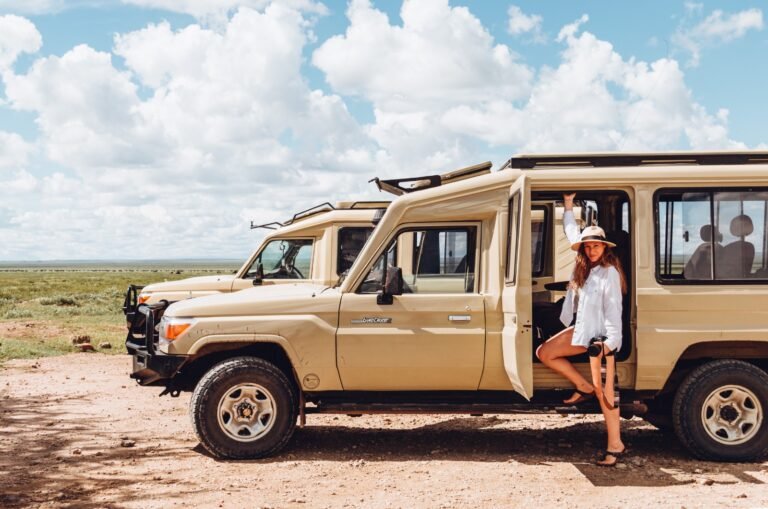
- A 4×4 safari vehicle with a pop-up roof for game viewing.
- Airport transfers to and from your starting point (e.g., Arusha).
- Bottled drinking water in the vehicle during game drives.
- A reliable and well-maintained safari vehicle.
What is Typically Not Included?
It’s important to be aware of what’s usually excluded to budget for extras:
- International flights to and from Tanzania.
- Visa fees.
- Travel and medical insurance (highly recommended).
- Gratuities for your guide and lodge staff.
- Personal expenses (e.g., laundry, souvenirs, alcoholic beverages, soft drinks).
- Optional activities not listed in the itinerary (e.g., hot air balloon safaris).
- Vaccinations or medications.
When planning your Tanzania safari planning for 2026-2027, always request a detailed breakdown of inclusions and exclusions from your tour operator to avoid surprises.
Booking Your Tanzania Safari: Key Steps and Considerations
Once you have a clear idea of your desired itinerary, timing, and budget, the next crucial step is booking your safari. This involves selecting the right tour operator and ensuring all necessary preparations are made. Effective Tanzania safari planning culminates in a smooth booking process.
Choosing a Tour Operator: Local vs. International
This is a critical decision. While international operators can offer convenience, choosing a local Tanzanian operator like Climb 4 Africa offers significant advantages:
- Local Expertise: We have intimate knowledge of the parks, wildlife patterns, best routes, and local conditions that international operators simply cannot match. This translates to better-planned itineraries and more informed guidance.
- Cost-Effectiveness: Local operators often have lower overheads and direct relationships with lodges and guides, allowing them to offer competitive pricing without compromising quality.
- Supporting Local Economy: Booking with a local company directly benefits the Tanzanian economy and its people.
- Responsiveness: We can react quickly to on-the-ground changes or client needs during the trip.
When researching operators for your 2026-2027 safari, look for those with strong testimonials, clear communication, and a commitment to responsible tourism. Climb 4 Africa is proud of its reputation and the positive feedback from clients who have planned their adventures with us.
What to Confirm Before Booking
Before committing to a safari booking, confirm the following details:
- Inclusions and Exclusions: Ensure you have a clear, itemized list.
- Vehicle Type: Confirm you will have a reliable 4×4 safari vehicle with a pop-up roof.
- Guide Qualifications: Ask about your guide’s experience, knowledge, and language proficiency.
- Accommodation Details: Verify the specific lodges or camps and what amenities they offer.
- Payment Schedule: Understand the deposit requirements and final payment deadline. Typically, a deposit of 30-50% is required upon booking, with the balance due 60-90 days before departure.
- Cancellation Policy: Know the terms and conditions for cancellations.
- Emergency Procedures: Inquire about how the operator handles emergencies.
For your Tanzania safari planning in 2026-2027, clear communication with your chosen operator is key. Don’t hesitate to ask questions.
Visa and Health Requirements
Visas: Most nationalities require a visa to enter Tanzania. This can often be obtained online in advance through the Tanzanian immigration website or upon arrival at the airport. Check the latest requirements for your nationality well before your trip.
Health: Consult your doctor or a travel clinic 6-8 weeks before your departure. Recommended vaccinations may include Hepatitis A, Typhoid, and Yellow Fever (required if arriving from a country with a risk of Yellow Fever). Malaria prophylaxis is also typically recommended for most safari destinations in Tanzania. Take precautions against mosquito bites.
Packing Essentials for Your Safari
Pack light, neutral-colored clothing that can be layered. Avoid bright colors that might scare wildlife. Essential items include:
- Lightweight, long-sleeved shirts and trousers.
- T-shirts and shorts.
- A warm fleece or jacket for cooler mornings and evenings.
- Comfortable walking shoes or hiking boots.
- Sandals or flip-flops for camp.
- A wide-brimmed hat for sun protection.
- Sunglasses.
- Sunscreen (high SPF).
- Insect repellent (with DEET).
- A small backpack for daily essentials.
- Binoculars (highly recommended for wildlife viewing).
- Camera with extra batteries and memory cards.
- A reusable water bottle.
- Personal toiletries and any necessary medications.
- A basic first-aid kit.
Pack your luggage in soft duffel bags rather than hard suitcases, as these are easier to fit into safari vehicles. For Tanzania safari planning in 2026-2027, packing smart ensures comfort and practicality.
Why Choose Climb 4 Africa for Your Tanzania Safari Planning?
At Climb 4 Africa, we are passionate about crafting exceptional Tanzania safari planning experiences. As a local, owner-operated company, we bring unparalleled knowledge, dedication, and personalized service to every trip we organize. We understand the intricacies of Tanzania’s national parks, the nuances of wildlife behavior, and the importance of authentic, responsible tourism. Our commitment is to provide you with a smooth, unforgettable adventure that exceeds your expectations for your 2026 or 2027 safari. We offer tailor-made itineraries, carefully selected accommodations, experienced guides, and a deep understanding of what makes a safari truly special. We are dedicated to ensuring your trip is not just a holiday, but a profound connection with the wild heart of Africa.
Ready to start planning your dream Tanzania safari for 2026-2027? We invite you to connect with our expert team. Whether you have specific ideas or need guidance from scratch, we’re here to help. You can reach us via WhatsApp at +255 747 477 898 or by email at climb4africa@gmail.com. Let us help you create a personalized itinerary that captures the magic of Tanzania.
“,
“faq_schema”: [
{
“question”: “What is the best time of year for a Tanzania safari in 2026-2027?”,
“answer”: “The best time depends on your priorities. For general game viewing and witnessing the Great Migration river crossings, the dry season from June to October is ideal, though it’s also peak season and more expensive. For the wildebeest calving season and lush landscapes with fewer crowds, the wet season from January to March is excellent. The shoulder seasons (November-December and April-May) offer a good balance of wildlife, fewer crowds, and potentially lower prices.”
},
{
“question”: “How much does a Tanzania safari typically cost for 2026-2027?”,
“answer”: “Tanzania safari costs vary greatly. Budget camping safaris can range from $200-$350 per person per day. Mid-range safaris typically cost $400-$650 per person per day. Luxury safaris can start from $700 and go upwards of $1,200+ per person per day. These estimates cover park fees, accommodation, meals, and a guide/vehicle. International flights, visas, and tips are usually extra.”
},
{
“question”: “What are the essential parks to include in a Tanzania safari?”,
“answer”: “For a classic Northern Circuit safari, the essential parks are the Serengeti National Park (famous for the Great Migration and predators), the Ngorongoro Conservation Area (for its dense wildlife and Big Five), Tarangire National Park (known for elephants and baobab trees), and Lake Manyara National Park (for diverse habitats and birdlife). For a more remote experience, consider the Southern Circuit’s Nyerere (Selous) and Ruaha National Parks.”
},
{
“question”: “What is the Great Migration, and when can I see it in Tanzania?”,
“answer”: “The Great Migration is the annual movement of over 1.5 million wildebeest, zebras, and gazelles across the Serengeti-Mara ecosystem in search of fresh grazing. The most dramatic event, the Mara River crossings, typically occurs between July and October in the Northern Serengeti. The calving season, with intense predator action, happens from January to March in the Southern Serengeti/Ndutu area.”
},
{
“question”: “Should I book a private or a group safari for my 2026-2027 trip?”,
“answer”: “A private safari offers maximum flexibility, personalization, and exclusivity, ideal for families or specific interests, but is more expensive. A group safari is more budget-friendly, sharing costs with other travelers, and is excellent for solo travelers or couples looking for value. Both offer incredible wildlife viewing experiences.”
},
{
“question”: “What should I pack for a Tanzania safari?”,
“answer”: “Pack light, neutral-colored clothing (long sleeves/trousers for sun/insect protection), comfortable walking shoes, a warm layer for evenings, a hat, sunglasses, sunscreen, insect repellent, binoculars, a camera, and a reusable water bottle. Soft duffel bags are preferred over hard suitcases for vehicle space.”
}
]
}
“`
Check Availability for Tanzania Safari Planning 2026-2027
Ready to compare dates, prices, and the best option for your group? Send the package name and travel month so the team can reply with a clear quote, availability, and what is included.
Nov 20, – 8 Day Complete Northern Tanzania Group Safari: Planning Your Trip
A comprehensive guide to the 8-day Northern Tanzania group safari departing November 20, 2026, covering logistics, route advantages, and planning essentials.
View package details
Dec 20, – 10 Day Complete Tanzania Group Joining Safari
Dec 20, 2026 – 10 Day Complete Tanzania Group Joining Safari.
View package details
How Early Should I Book A Nov Or Dec Tanzania Group Safari?
How Early Should I Book a Nov or Dec Tanzania Group Safari?
View package details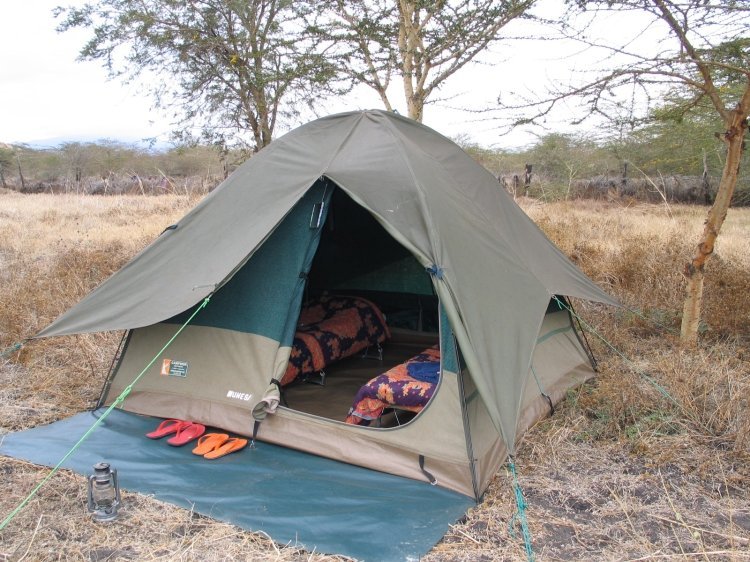
Can I Pay A Deposit To Reserve A Tanzania Group Safari?
Can I Pay a Deposit to Reserve a Tanzania Group Safari?
View package details
Dec 31, : New Year’s Eve Serengeti Group Safari Planning Guide
This guide provides essential planning details for a group safari trip to the Serengeti for New Year's Eve 2026, covering logistics, seasonal highlights, and what to expect.
View package details
Dec 30, – 7 Day New Year Tanzania Group Joining Safari 2026
A complete guide to our 7-day group joining safari for the 2026/2027 New Year season, covering the Northern Circuit, wildlife expectations, and how to secure your spot.
View package details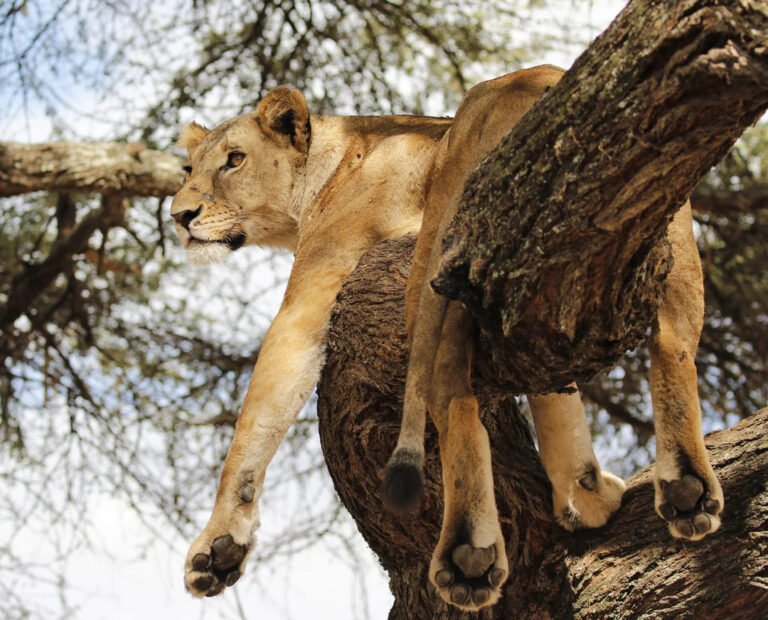
Dec 25, – 5 Day Christmas Tanzania Group Joining Safari 2026
Celebrate Christmas in the heart of the Tanzanian wilderness. Join our 5-day group safari departing December 25, 2026, and experience the iconic Northern Circuit.
View package detailsDec 18, – 9 Day Tanzania Wildlife And Cultural Group Safari 2026
A deep look at our 9-day wildlife and cultural group safari departing December 18, 2026. This trip balances classic Northern Circuit game viewing with genuine cultural engagement.
View package detailsDec 14, – 7 Day Complete Tanzania Northern Circuit Group Safari 2026
Planning for December 2026? Join our 7-day complete Tanzania Northern Circuit group safari. A deep look at the Serengeti, Ngorongoro, and Tarangire with expert, locally-led logistics.
View package detailsDec 10, – 5 Day Northern Tanzania Group Joining Safari 2026
A detailed guide to our 5-day Northern Tanzania group joining safari scheduled for December 10, 2026. Learn about the route, group logistics, and how to book your spot.
View package detailsNov 27, – Black Friday Tanzania Group Safari Deals 2026
Discover why group joining safaris are the best way to secure value for your 2027 Tanzania adventure, plus expert advice on route planning and booking.
View package detailsNov 24, – 3 Day Mikumi And Udzungwa Group Safari: Trip Planning Guide 2026
Join our scheduled group departure on November 24, 2026, for a 3-day safari through Mikumi National Park and the Udzungwa Mountains. This guide covers logistics, park highlights, and what...
View package detailsNo related package matches those filters. Clear one or more filters to see the other topic-matched options.