For a family safari in Tanzania with short driving distances, the best route focuses on a combination of Tarangire National Park, Lake Manyara National Park, and the central Serengeti National Park. This selection minimizes lengthy transfers between locations, allowing for more time observing wildlife and less time in the vehicle. It’s particularly well-suited for families with young children or travelers who prefer a more relaxed pace, offering exceptional game viewing opportunities with manageable travel segments throughout 2026 and 2027.

Understanding Your Family Safari Needs
When planning a safari, especially with family, the desire for short driving distances often stems from a need to maximize wildlife viewing time and minimize fatigue, particularly for younger travelers. Long drives between parks can be tiring, reducing the enjoyment of the safari experience. Tanzania’s Northern Circuit, while vast, can be expertly navigated to create an itinerary that prioritizes proximity and efficient travel between key wildlife areas. This approach ensures that your family spends more time with the animals and less time on the road, making the most of your precious safari days in 2026 or 2027.
Factors that influence the need for short driving distances include:
- Age of Children: Younger children have shorter attention spans and can become restless on extended car journeys.
- Traveler Stamina: Not everyone enjoys long hours in a safari vehicle, regardless of age.
- Maximizing Wildlife Viewing: Shorter transfers mean more time on game drives, increasing chances of sightings.
- Comfort and Relaxation: A less rushed pace contributes to a more enjoyable and memorable holiday.
While Tanzania offers immense diversity across its parks, some are geographically closer to each other and offer superb game viewing within their boundaries, making them ideal for a focused, low-mileage safari. The selected parks form a logical loop, accessible from Arusha, Tanzania’s safari gateway city.
The Optimal Short-Distance Family Safari Route
The most effective route for a family safari with short driving distances in Tanzania’s Northern Circuit typically involves a sequence that minimizes backtracking and long travel days. This route prioritizes locations known for consistent wildlife sightings and offers a variety of landscapes and species.
This recommended route generally follows this progression:
1. Arusha/Kilimanjaro Airport (JRO): Arrival and overnight stay.
2. Tarangire National Park: Known for its large elephant herds and baobab trees.
3. Lake Manyara National Park: Famous for its tree-climbing lions and diverse birdlife.
4. Central Serengeti National Park: Offers iconic savanna landscapes and year-round wildlife.
5. Return to Arusha/JRO.
This sequence offers a natural flow and strategic geographical advantage. Tarangire and Lake Manyara are relatively close to each other and to Arusha. The drive from Lake Manyara to the central Serengeti is also manageable, especially when compared to driving to the more distant Serengeti regions like the Western or Northern corridors, which would significantly increase driving times.
Let’s explore why each of these parks is chosen and how they contribute to a short-driving-distance safari experience.
Tarangire National Park: The Elephant Haven
Tarangire National Park is an excellent starting point for a family safari focused on minimal driving. Its relative proximity to Arusha makes the initial transfer shorter, typically around 2-3 hours depending on traffic and road conditions. This park is particularly renowned for its spectacular elephant populations, especially during the dry season (June to October), when large herds congregate around the Tarangire River.
Why Tarangire suits short-distance family safaris:
- Concentrated Wildlife: The park’s elephant herds are a major draw, offering incredible viewing opportunities. You can often spend a significant amount of time observing a single herd.
- Diverse Habitats: From its iconic baobab-studded savannas to acacia woodlands and swamps, Tarangire offers varied scenery that keeps game drives interesting without covering vast distances.
- Manageable Size: While large, the core wildlife areas are accessible via a good road network, allowing for rewarding game drives within the park’s boundaries without excessive travel.
- Unique Features: The sheer number of elephants, the ancient baobab trees, and the chance to see tree-climbing pythons add unique elements that captivate all ages.
Typical Experience in Tarangire:
Upon arrival, you’ll likely drive into the park for your first game drive, heading towards your lodge or camp. Accommodation options range from luxury tented camps to more rustic lodges, many strategically located to offer game viewing directly from your room or common areas. A typical stay might involve a full day of game drives, exploring different sections of the park. The focus here is on finding elephants, lions, leopards, giraffes, zebras, and numerous antelope species. The birdlife is also exceptional, making it a delight for budding ornithologists in the family.
Travel time considerations: The drive from Arusha to Tarangire is approximately 120 km (75 miles), taking around 2 to 3 hours. This is considerably shorter than the drive to the Serengeti, making it an ideal first stop.
Lake Manyara National Park: Diverse Ecosystems, Close Proximity
Just a short drive from Tarangire, Lake Manyara National Park offers a completely different, yet equally rewarding, safari experience. The drive from Tarangire to Lake Manyara is typically around 1 to 1.5 hours, making this a smooth transition for families. The park is famous for its diverse habitats packed into a relatively small area, including groundwater forests, acacia woodlands, and the alkaline lake itself.
Why Lake Manyara is ideal for short-distance family safaris:
- Compact & Rich: Its small size means you can experience its varied ecosystems and abundant wildlife in a single day or even a half-day, minimizing travel within the park.
- Iconic Tree-Climbing Lions: While not guaranteed, Lake Manyara is one of the best places in Tanzania to spot lions lounging in acacia trees. This unique behavior is fascinating for children and adults alike.
- Abundant Wildlife: Expect to see large troops of baboons, herds of elephants, giraffes, zebras, wildebeest, and a huge variety of bird species, especially around the lake.
- Scenic Beauty: The park’s setting against the Rift Valley escarpment is stunning, providing beautiful backdrops for your game drives.
Typical Experience in Lake Manyara:
Your game drive might start by exploring the lush groundwater forest, where you’re likely to encounter troops of baboons and various bird species. Moving towards the lake, you’ll see flamingos (seasonally), hippos, and water birds. The acacia woodlands are prime territory for elephants and the elusive tree-climbing lions. Manyara’s compact nature means you can cover a lot of ground and see a great variety of animals without spending hours driving between sighting hotspots. It’s a perfect place for a focused, engaging safari experience.
Travel time considerations: The drive from Tarangire to Lake Manyara is approximately 65 km (40 miles), taking about 1 to 1.5 hours. This short transfer makes it easy to transition between parks without losing a significant portion of your day.
Central Serengeti: The Iconic Plains for Year-Round Viewing
Moving from Lake Manyara to the Serengeti is the longest transfer of this route, but it’s strategically chosen for its destination: the Central Serengeti, often referred to as Seronera. The drive from Lake Manyara to Central Serengeti is typically around 3 to 4 hours, including a stop at the Ngorongoro Conservation Area entrance and potentially a brief stop at the crater rim viewpoint (though skipping the crater floor itself keeps driving distances down). The advantage of Central Serengeti is its year-round resident wildlife population, meaning you don’t need to chase the Great Migration to have incredible sightings.
Why Central Serengeti is ideal for short-distance family safaris:
- Resident Wildlife: Seronera is famous for its high concentration of predators, including lions, leopards, and cheetahs, due to the abundance of prey and the permanent water sources. This means excellent viewing opportunities are consistently available.
- Iconic Landscapes: Vast, rolling savanna plains dotted with acacia trees offer the quintessential Serengeti experience that families dream of.
- Manageable Exploration: While the Serengeti is enormous, focusing on the Seronera area allows for concentrated game drives. Many prime wildlife areas are within a 30-60 minute drive from lodges and camps in this region.
- Reduced Travel to Other Regions: By staying in Central Serengeti, you avoid the extremely long drives required to reach the Western Corridor (seasonal) or the far Northern regions (for migration viewing).
Typical Experience in Central Serengeti:
Upon arrival in Central Serengeti, you’ll likely have your first game drive en route to your accommodation. The Seronera River valley is a magnet for wildlife, especially predators. You can spend mornings tracking lions, leopards lounging in trees, and cheetahs scanning the plains. The afternoons can be dedicated to exploring different kopjes (rocky outcrops) and riverbeds, looking for more predators, herds of gazelles, zebras, and giraffes. The sheer density of wildlife makes it possible to have thrilling sightings without covering extreme distances each day. Many camps and lodges in this area are situated to maximize wildlife viewing potential, sometimes with animals visiting the camp itself.
Travel time considerations: The drive from Lake Manyara to Central Serengeti is approximately 200-250 km (125-155 miles), taking 3 to 4 hours. This is the longest segment but leads to a destination offering concentrated game viewing, thereby reducing subsequent daily driving.
Route Alternatives and Key Considerations
While the Tarangire, Lake Manyara, Central Serengeti route is highly recommended for families prioritizing short driving distances, it’s worth understanding potential alternatives and important considerations for planning.
Alternative Park: Ngorongoro Crater
The Ngorongoro Crater is a UNESCO World Heritage Site and a marvel of natural beauty. It’s incredibly rich in wildlife, and because it’s a caldera, the animals are largely contained, meaning you can see a huge variety of species in a single day with minimal driving *within the crater*. The drive from Arusha to the crater rim is about 3-4 hours. However, there are crucial points to consider:
- Limited Time in Crater: To manage conservation efforts and avoid overcrowding, authorities limit the time visitors can spend on the crater floor (typically 6 hours). This can feel rushed for families.
- Driving to the Crater: While game drives *within* the crater are short, getting to the crater floor involves descending steep tracks, which can be bumpy.
- Accommodation: Lodges are either on the crater rim (offering stunning views but often more expensive and sometimes cooler) or outside the conservation area. Staying on the rim requires careful booking for 2026-2027.
- Alternative to Serengeti: If time is very limited, you *could* do Arusha -> Lake Manyara -> Ngorongoro Crater -> Arusha. However, this sacrifices the expansive savanna experience of the Serengeti. The drive from Manyara to the crater rim is about 1-1.5 hours.
Considering the full Northern Circuit:
A more extensive Northern Circuit might include Arusha -> Tarangire -> Lake Manyara -> Ngorongoro Crater -> Serengeti (perhaps Western or Northern sections). However, adding the Serengeti’s more remote sections significantly increases driving times. For families prioritizing short distances, sticking to Tarangire, Lake Manyara, and Central Serengeti is the most practical approach. Trying to include the Western Serengeti (for the Grumeti River crossings) or the Northern Serengeti (for the Mara River crossings during the Great Migration) would involve very long drives (6-8+ hours from Central Serengeti) and is best avoided if short drives are paramount.
Key considerations for families:
- Vehicle Choice: Ensure you have a comfortable, pop-top 4×4 safari vehicle with ample space for luggage and family members. A good guide is also essential for spotting wildlife and keeping children engaged.
- Pace: Even with short driving distances between parks, game drives themselves involve driving. Discuss with your tour operator about pacing game drives – shorter, more frequent drives might be better than one long morning or afternoon session.
- Accommodation Amenities: Look for lodges or camps that cater to families, offering family rooms or suites, swimming pools, and perhaps child-friendly activities or menus.
- Road Conditions: While generally good on the main tourist routes, road conditions can vary, especially after rains. This can impact travel times, so factor in some buffer.
- Park Fees: Understand that park fees are charged per person per day and are a significant part of the safari cost. Staying longer in fewer parks can sometimes be more cost-effective and less disruptive.
Timing Your 2026-2027 Family Safari
Choosing the right time of year is crucial for any safari, and for families with short driving distances, it can enhance the experience by ensuring good wildlife viewing without the challenges of extreme weather.
Dry Season (June to October):
- Pros: This is generally considered the best time for wildlife viewing in the Northern Circuit. Animals congregate around permanent water sources like the Tarangire River and in the Serengeti. Roads are in better condition, making travel smoother. Pleasant temperatures.
- Cons: This is also the peak tourist season. Parks can be busier, and accommodation prices are at their highest for 2026-2027 bookings. Early booking is essential.
Green Season (November to May):
- Pros: Fewer crowds and lower prices for accommodation and sometimes flights. The landscape is lush and green, offering beautiful scenery and excellent birdwatching. This can be a great time for photographers. The wildebeest calving season in the southern Serengeti (around February) is a spectacular event.
- Cons: Some roads can become muddy and challenging, potentially increasing driving times or making certain areas inaccessible. Wildlife can be more dispersed as water is plentiful. Short rains in November and long rains from March to May can impact travel plans.
Specific to the short-driving-distance route:
For Tarangire, the dry season (June-October) is phenomenal for elephants. Lake Manyara is good year-round. Central Serengeti offers excellent wildlife viewing throughout the year due to its resident predator populations and permanent water sources. The shoulder months (e.g., late October/November, late February/March) can offer a good balance of decent wildlife viewing, fewer crowds, and slightly lower prices for 2026-2027 travel.
Family-Friendly Accommodation Choices
Selecting the right accommodation is paramount for a successful family safari, especially when aiming for minimal disruption and comfort.
Types of Accommodation:
- Tented Camps: These range from luxury canvas suites to more basic canvas tents. They offer an authentic safari feel. For families, look for camps that offer:
- Family Tents/Suites: Often a larger tent with separate sleeping areas or adjoining rooms.
- Kid-Friendly Amenities: Some camps offer special menus, activities, or even kids’ clubs.
- Safety: Camps are usually fenced or have security staff, but always discuss safety protocols with your guide.
- Lodges: These are more permanent structures, often with multiple rooms, dining areas, lounges, and swimming pools. Lodges are generally very family-friendly.
- Swimming Pools: A huge hit with children, offering a way to cool down and relax during the hottest parts of the day.
- Spacious Rooms: Many lodges have family rooms or suites.
- Convenience: Lodges often have more facilities and a more structured environment.
Location is Key:
When planning for short driving distances, the location of your accommodation within each park or region is vital. A lodge or camp situated close to the main wildlife areas or along a wildlife corridor means shorter transfers from the park gate and shorter game drives to reach prime viewing spots. For example, in Central Serengeti, staying near the Seronera River valley is ideal.
Example Accommodation Areas:
- Tarangire: Look for lodges/camps within or very close to the park boundaries, especially on the western side near the Tarangire River.
- Lake Manyara: Accommodation is often just outside the park boundary, with quick access. Some lodges have stunning views over the lake.
- Central Serengeti (Seronera): This area has numerous lodges and tented camps. Choosing one centrally located within the Seronera valley is best for minimizing daily travel.
When you book with Climb 4 Africa for your 2026-2027 safari, we will carefully select accommodations that meet your family’s needs for comfort, safety, and proximity to wildlife, ensuring your short-driving-distance safari is as smooth as possible.
Planning Your Short-Distance Family Safari Itinerary
Crafting an itinerary that balances wildlife viewing with minimal travel time requires careful planning. Here’s a sample structure for a 7-day family safari focusing on short driving distances, which can be adjusted for 2026-2027 travel.
Sample 7-Day Family Safari: Short Driving Distances
* Day 1: Arrival in Arusha
* Arrive at Kilimanjaro International Airport (JRO).
* Transfer to your hotel in Arusha.
* Relax and acclimatize. Briefing with your safari guide.
* Driving: Approx. 1 hour from JRO to Arusha.
* Day 2: Arusha to Tarangire National Park
* After breakfast, drive to Tarangire National Park.
* Enter the park for a game drive en route to your lodge/camp.
* Afternoon game drive in Tarangire.
* Driving: Approx. 2-3 hours from Arusha to Tarangire.
* Day 3: Tarangire National Park
* Full day of game drives in Tarangire, focusing on elephant herds and diverse birdlife.
* Option for a guided bush walk (age restrictions may apply).
* Driving: Variable, but focused within Tarangire.
* Day 4: Tarangire to Lake Manyara National Park
* Morning game drive in Tarangire.
* Drive to Lake Manyara National Park.
* Game drive in Lake Manyara, looking for tree-climbing lions and baboons.
* Overnight at a lodge near Lake Manyara.
* Driving: Approx. 1-1.5 hours from Tarangire to Lake Manyara.
* Day 5: Lake Manyara to Central Serengeti National Park
* Morning game drive in Lake Manyara or depart directly.
* Drive towards the Serengeti, potentially stopping briefly at the Ngorongoro Conservation Area viewpoint.
* Enter the Serengeti at the Naabi Hill Gate and drive towards Central Serengeti (Seronera).
* Game drive en route to your lodge/camp in Central Serengeti.
* Driving: Approx. 3-4 hours from Lake Manyara to Central Serengeti.
* Day 6: Central Serengeti National Park
* Full day of game drives in the Seronera area, renowned for predators.
* Focus on lions, leopards, cheetahs, and resident herbivores.
* Optional hot air balloon safari at dawn (additional cost).
* Driving: Variable, but focused within Central Serengeti.
* Day 7: Central Serengeti to Arusha/Departure
* Early morning game drive in Central Serengeti.
* Drive to the Seronera Airstrip for a scheduled flight back to Arusha.
* Alternatively, drive back to Arusha (approx. 5-6 hours, which is longer but avoids the flight cost).
* Connect with your international flight from JRO.
* Driving: Approx. 5-6 hours from Central Serengeti to Arusha if driving. Flight: Approx. 1 hour.
Customization for 2026-2027:
This is a flexible template. For families with very young children, you might opt for:
- Fewer parks, spending more time in fewer locations (e.g., 3 nights Tarangire, 3 nights Central Serengeti).
- Shorter game drives with more rest periods back at the lodge.
- Prioritizing lodges with excellent facilities like pools.
For older children or teens, you could add a night in the Ngorongoro Crater for a different experience, but be mindful of the driving descent and ascent.
Booking Your Tanzania Family Safari
When booking a family safari with short driving distances in Tanzania for 2026 or 2027, choosing the right tour operator is key to ensuring your needs are met. Climb 4 Africa specializes in crafting tailor-made safari experiences that cater to specific requirements, including those of families.
Why book with Climb 4 Africa?
- Local Expertise: As a Tanzania-based company, we have in-depth knowledge of the parks, road networks, and best times to visit for optimal wildlife viewing with minimal travel.
- Customization: We don’t offer one-size-fits-all packages. We work with you to design an itinerary that perfectly matches your family’s pace, interests, and comfort levels, specifically addressing the short driving distance requirement.
- Family Focus: We understand the unique needs of families and can recommend suitable accommodations, vehicle configurations, and activities.
- Practical Support: From initial inquiry to your departure, we provide clear communication and practical support, ensuring a smooth and stress-free planning process for your 2026-2027 adventure.
- Value: We aim to provide excellent value for money by leveraging our local partnerships and efficient operational planning.
What to discuss when booking:
To help us design your ideal short-driving-distance family safari, please be ready to discuss:
- Exact travel dates or preferred month(s) for 2026-2027.
- Number of travelers and ages of children.
- Your definition of “short driving distances” – are you okay with 3-4 hour transfers, or do you prefer under 2 hours?
- Accommodation preferences (luxury, mid-range, specific amenities like pools).
- Any specific wildlife interests.
- Your approximate budget range.
We are here to answer all your questions and help you plan an unforgettable family safari. Contact us today to start creating your perfect Tanzania adventure.
Contact Climb 4 Africa:
* **WhatsApp:** +255 747 477 898
* **Email:** climb4africa@gmail.com
Let us help you create a memorable and manageable family safari experience in Tanzania for 2026 or 2027, focusing on the best routes with short driving distances for maximum enjoyment.
Check Availability for Family Safari With Short Driving Distances: Best Tanzania Route 2026-2027
Ready to compare dates, prices, and the best option for your group? Send the package name and travel month so the team can reply with a clear quote, availability, and what is included.
I Am On A Budget—What Is The Cheapest Serengeti Group Safari?
I Am on a Budget—What Is the Cheapest Serengeti Group Safari?
View package details
Dec 24, – 3 Day Christmas Serengeti And Ngorongoro Group Safari
Dec 24, 2026 – 3 Day Christmas Serengeti and Ngorongoro Group Safari.
View package details
Dec 20, – 10 Day Complete Tanzania Group Joining Safari
Dec 20, 2026 – 10 Day Complete Tanzania Group Joining Safari.
View package details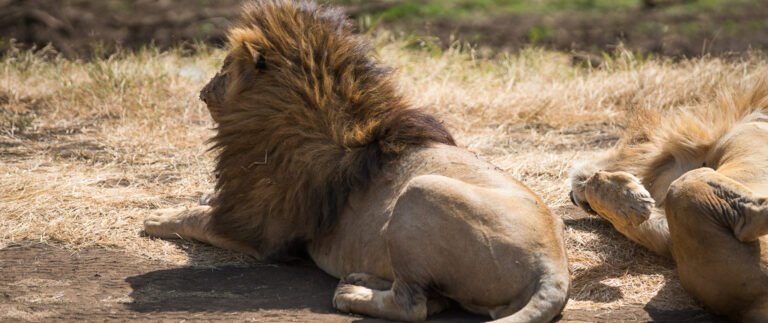
Which Dec Group Safari Ends Before New Year’s Eve?
Which Dec Group Safari Ends Before New Year’s Eve?
View package details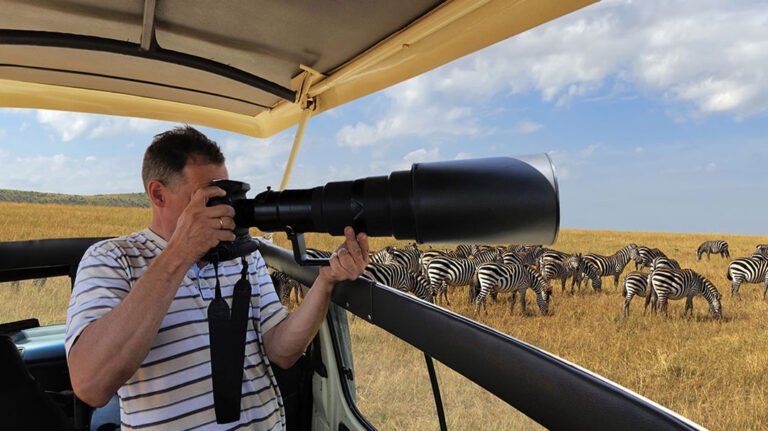
How Early Should I Book A Nov Or Dec Tanzania Group Safari?
How Early Should I Book a Nov or Dec Tanzania Group Safari?
View package details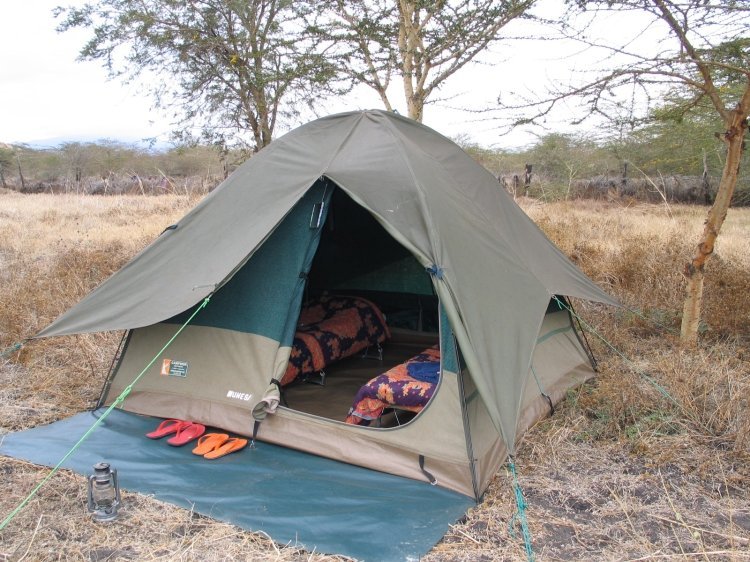
Can I Pay A Deposit To Reserve A Tanzania Group Safari?
Can I Pay a Deposit to Reserve a Tanzania Group Safari?
View package details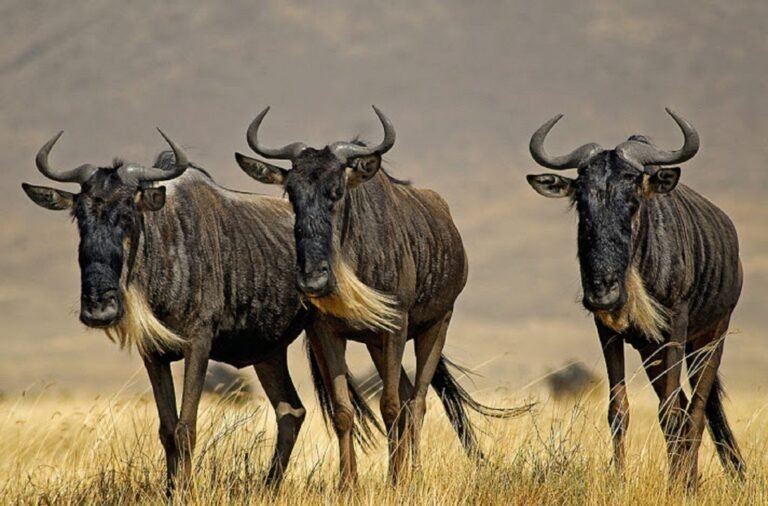
Nov 23, – 3 Day Serengeti And Ngorongoro Safari From Zanzibar
Nov 23, 2026 – 3 Day Serengeti and Ngorongoro Safari from Zanzibar.
View package details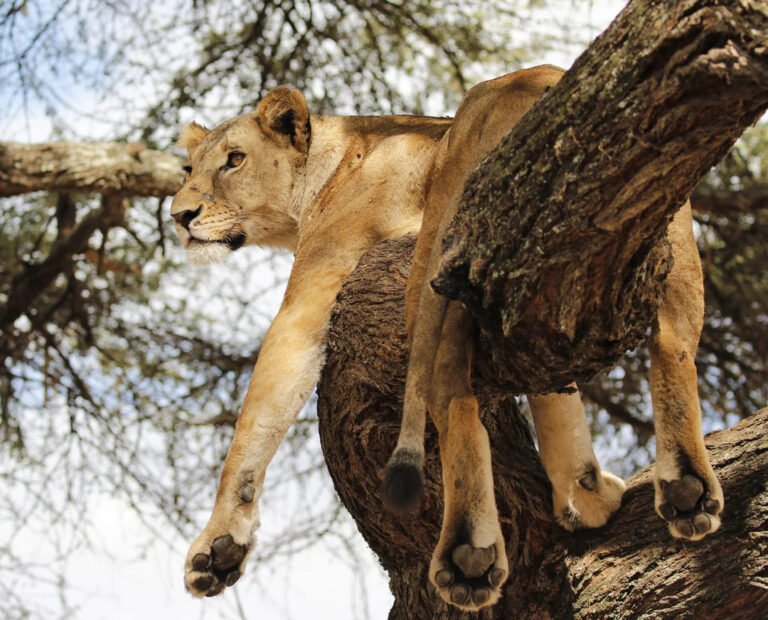
Dec 26, – 6 Day Christmas And New Year Northern Circuit Safari
Dec 26, 2026 – 6 Day Christmas and New Year Northern Circuit Safari.
View package details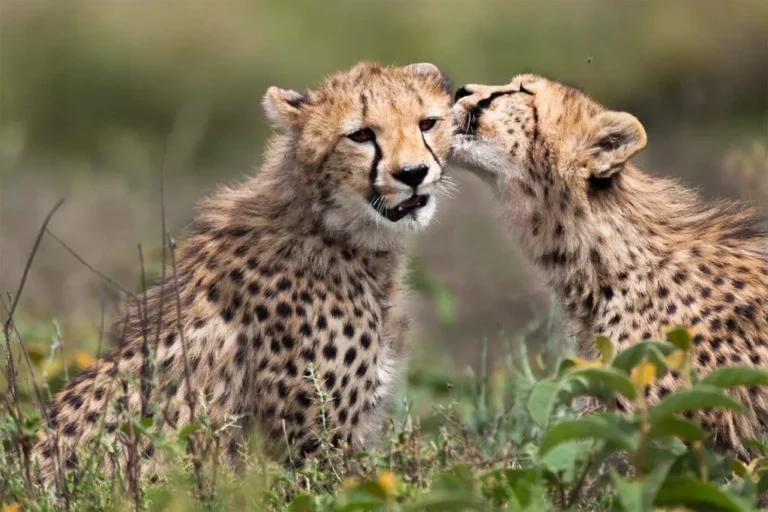
Dec 31, : New Year’s Eve Serengeti Group Safari Planning Guide
This guide provides essential planning details for a group safari trip to the Serengeti for New Year's Eve 2026, covering logistics, seasonal highlights, and what to expect.
View package details
Dec 22, – 3 Day Nyerere Group Joining Safari
Dec 22, 2026 – 3 Day Nyerere Group Joining Safari.
View package details
Can I Join A Safari That Has Already Confirmed Travellers?
Can I Join a Safari That Has Already Confirmed Travellers?
View package details_1_John_from-rednote-web-768x1024.jpg)
Dec 13, – 2 Day Nyerere Fly-In Group Safari From Zanzibar 2026
A detailed guide to the December 13, 2026 group fly-in safari from Zanzibar to Nyerere National Park, covering the itinerary, logistics, and planning for your trip.
View package detailsNo related package matches those filters. Clear one or more filters to see the other topic-matched options.