The easiest Tanzania parks for families with children typically include Serengeti National Park for its abundant and easily visible wildlife, Tarangire National Park for its large elephant herds and varied landscapes, Lake Manyara National Park for its compact size and diverse habitats, and Arusha National Park for its proximity to major hubs and unique attractions like the Momella Lakes and Mount Meru. These parks offer excellent game viewing opportunities with relatively short driving distances between sightings, fewer strenuous activities, and a good chance of seeing iconic animals that will captivate younger travelers during your 2026 or 2027 safari.
Navigating Tanzania’s Wild Wonders with Young Explorers
Embarking on a Tanzanian safari with children is a truly special experience, offering a unique blend of education, adventure, and unforgettable memories. However, choosing the right parks is crucial to ensure a smooth and enjoyable trip for everyone, especially when traveling with little ones. The key to a successful family safari lies in selecting locations that balance incredible wildlife encounters with manageable logistics. We’re talking about parks where the animals are often in plain sight, the driving distances between lodges and viewing areas aren’t excessive, and the overall pace can be adjusted to suit younger energy levels. For families planning their adventure in 2026 or 2027, understanding these nuances will make all the difference.
This guide is designed to demystify the options, focusing specifically on which Tanzanian national parks offer the most straightforward and rewarding experiences for families with children. We’ll explore why certain parks are better suited, what kind of wildlife you can expect to see that will excite kids, and what practical considerations—from accommodation to accessibility—should be at the forefront of your planning. Our aim is to provide you with the clarity needed to select the perfect locations for your family’s 2026-2027 Tanzanian safari adventure, ensuring it’s not just a trip, but a treasured family legacy.
Serengeti National Park: The Classic Choice for Unrivaled Wildlife
When people think of a Tanzanian safari, the Serengeti National Park is often the first place that comes to mind, and for good reason. Its vast plains are synonymous with iconic African wildlife, and for families, it offers an unparalleled opportunity to witness nature’s grandeur up close. While it’s a huge park, certain areas and lodges make it surprisingly accessible and engaging for children.
Why the Serengeti is Family-Friendly
The sheer abundance and visibility of wildlife in the Serengeti are its greatest assets for families. Unlike some other parks where sightings can be more elusive, the Serengeti’s open grasslands mean that animals are frequently seen grazing, moving, or interacting in large numbers, often right from the vehicle. This translates to fewer hours spent searching and more time observing, which is critical for keeping children engaged. For a 2026 or 2027 trip, planning around the Great Migration can add an extra layer of excitement, although it’s important to manage expectations regarding the dramatic river crossings, which can be overwhelming for very young children.
Wildlife Highlights for Kids
The Serengeti is home to the ‘Big Five’ – lion, leopard, elephant, rhino, and buffalo – but for children, it’s the sheer variety and accessibility of other animals that often capture their imagination. Think of seeing herds of zebras and wildebeest, giraffes elegantly browsing acacia trees, playful monkeys and baboons, hippos wallowing in waterholes, and a dazzling array of colorful birds. The possibility of spotting a pride of lions lounging under a tree or witnessing a cheetah on the hunt is a thrilling prospect for any child. The constant activity ensures that there’s always something new to see, keeping young minds captivated throughout game drives.
Logistical Considerations for Families in the Serengeti
The Serengeti is vast, so choosing the right location within the park is paramount for a family-friendly experience. Areas like the Central Serengeti (Seronera) are excellent year-round due to resident wildlife populations, meaning you don’t need to chase the migration to see incredible animals. Lodges in this region often offer family suites or connecting rooms and have amenities that cater to children. The driving distances between the airstrip (if flying in, which is highly recommended for families to save time and avoid long road transfers) and the lodge, and then to game viewing areas, are generally manageable. However, longer drives can still be tiring, so opting for lodges that offer in-house activities or comfortable common areas is a good strategy.
Accommodation Choices
When selecting accommodation in the Serengeti for families, look for lodges that explicitly mention family facilities. This can include:
- Family tents or cottages: Offering more space and separate sleeping areas.
- Kid-friendly menus: Accommodating pickier eaters.
- Pools: A welcome way for children to cool down and burn energy between game drives.
- Educational programs or guides: Some camps offer nature walks or activities specifically designed for younger guests.
For a 2026-2027 safari, booking well in advance is crucial, especially for lodges with family accommodations, as they tend to be in high demand.
Travel Tips for the Serengeti with Children
To maximize enjoyment and minimize potential challenges:
- Fly into the Serengeti: This significantly reduces travel time and the associated fatigue for children.
- Limit game drive durations: Opt for shorter morning and afternoon drives rather than full-day excursions.
- Pack essentials: Sunscreen, hats, insect repellent, comfortable clothing, binoculars suitable for children, and snacks are vital.
- Manage expectations: While wildlife is abundant, sightings are never guaranteed. Encourage patience and observation.
Tarangire National Park: Elephants, Baobabs, and Family Fun
Tarangire National Park is often a highlight for families, particularly during the dry season (June to October). It’s renowned for its massive elephant herds, iconic baobab trees, and diverse birdlife, offering a different yet equally interesting safari experience compared to the Serengeti. Its relatively compact size and excellent game viewing make it an ideal addition to a family itinerary for 2026-2027.
Tarangire’s Appeal for Younger Visitors
The park’s landscape, dotted with ancient baobab trees, provides a dramatic backdrop that sparks children’s imaginations. The concentration of elephants, especially during the dry season when they gather around the Tarangire River, is astonishing. Seeing these gentle giants in such numbers is always a thrill for kids. The park also boasts a good population of lions, leopards, giraffes, zebras, and various antelopes. The variety of terrain, from open grasslands to acacia woodlands and riverine areas, means diverse wildlife encounters.
Wildlife Encounters That Delight Children
Elephants are the undisputed stars of Tarangire, and seeing them up close – often just a few meters from the safari vehicle – is an awe-inspiring experience for all ages. Beyond elephants, children will be fascinated by the baobab trees, which look like they’ve been planted upside down. The park is also a birdwatcher’s paradise, and even non-birders will be impressed by the colorful species. Keep an eye out for tree-climbing lions, a unique behavior sometimes observed here, which always adds an element of surprise.
Practicalities for Families in Tarangire
Tarangire is conveniently located on the northern safari circuit, making it an easy drive from Arusha or a logical stop before or after visiting the Serengeti. The park’s size means that game drives are generally not excessively long, and it’s possible to cover significant areas and see a variety of animals within a day or two. Many lodges are situated either inside or just outside the park boundaries, offering easy access.
Family-Friendly Lodges in Tarangire
Several lodges in and around Tarangire are well-equipped to host families. When looking for accommodation for your 2026-2027 safari, consider:
- Lodges with family units: Providing comfortable and spacious accommodation.
- Proximity to the park gates: Minimizing travel time to start your game drives.
- Camps with swimming pools: A great way for children to relax and have fun.
- Variety of dining options: Ensuring meals are enjoyable for all family members.
The best family lodges in Tarangire often book up quickly, especially for peak seasons in 2026 and 2027, so early booking is advisable.
Making the Most of Tarangire with Kids
Key tips for a successful family visit:
- Focus on the dry season: For the highest concentration of wildlife, especially elephants.
- Combine with other parks: Tarangire works beautifully with Lake Manyara and the Serengeti for a diverse Northern Circuit experience.
- Pack binoculars: Smaller, child-friendly binoculars can enhance the viewing experience.
- Engage with guides: Encourage guides to share interesting facts about the animals and the landscape that children can understand.
Lake Manyara National Park: A Compact Gem for Young Eyes
Lake Manyara National Park, despite its relatively small size, packs a significant punch in terms of wildlife diversity and accessibility, making it an excellent choice for families. Its unique ecosystems, including the alkaline lake, groundwater forests, and savannah, support a rich variety of animals, and its manageable dimensions mean that children can experience a lot without enduring long hours in the vehicle.
Why Lake Manyara is a Family Favorite
The park’s compact nature is its biggest advantage for families. You can often see a substantial portion of the park’s wildlife in just a few hours, which is perfect for younger attention spans. The park is famous for its tree-climbing lions (though sightings are not guaranteed), large troops of baboons, vibrant birdlife, and significant elephant and giraffe populations. The scenic beauty, with the Great Rift Valley escarpment as a backdrop and the shimmering lake itself, adds to the visual appeal for children.
Wildlife That Captivates Young Minds
The most memorable wildlife sightings for children in Lake Manyara often include the large baboon troops, which are highly active and entertaining. The flamingos that often dot the lake’s edge (though numbers can vary seasonally) provide a splash of vibrant pink. Elephants are common, and giraffes are easily spotted browsing in the acacia trees. For those lucky enough to spot them, the tree-climbing lions are a unique and exciting sight. The park’s diverse habitats mean you can see animals from monkeys in the forests to buffalo in the grasslands.
Logistical Ease for Families
Lake Manyara is conveniently located on the northern safari circuit, making it an easy day trip from Arusha or a perfect stop between Tarangire and the Serengeti. The roads within the park are generally well-maintained, and game drives can be kept relatively short. Lodges are often situated just outside the park or along the escarpment, offering stunning views and easy access.
Family-Friendly Stays Near Lake Manyara
While there are fewer lodges directly inside Lake Manyara compared to the Serengeti, many excellent family-friendly options are available in the surrounding Karatu region or along the escarpment. When planning your 2026-2027 trip, look for accommodations that offer:
- Family rooms or cottages: Providing adequate space and comfort.
- Swimming pools: Essential for downtime and fun for kids.
- Kid-friendly dining: Catering to the needs of younger guests.
- Activities like cultural visits: Some lodges can arrange visits to local communities or farms, adding an educational element.
Booking accommodations in the Karatu area for 2026-2027 is recommended as it serves as a good base for Lake Manyara and the Ngorongoro Conservation Area.
Tips for Visiting Lake Manyara with Children
To ensure a smooth family experience:
- Consider a half-day game drive: This is often sufficient to see the park’s highlights without tiring out younger children.
- Combine with other attractions: Lake Manyara can be easily combined with a visit to the Ngorongoro Crater or Tarangire for a varied itinerary.
- Pack light clothing: The park can get warm, especially during the midday sun.
- Explain the ecosystems: Talk to children about the different environments within the park, from the lake to the forest.
Arusha National Park: Accessible Wonders Near the Town
For families seeking a convenient and diverse wildlife experience close to the main travel hubs, Arusha National Park is an excellent, often overlooked, option. It’s the closest national park to Kilimanjaro International Airport (JRO) and the towns of Arusha and Moshi, making it perfect for an introductory safari or a short, impactful visit, especially for families arriving or departing.
Why Arusha National Park is Great for Families
Its primary advantage is its accessibility and relatively short driving distances. The park offers a surprising variety of landscapes and wildlife within a compact area. From the Momella Lakes with their distinctive colors and birdlife to the Ngurdoto Crater and the slopes of Mount Meru, it provides diverse viewing opportunities. It’s also one of the few parks where walking safaris are permitted in certain areas, offering a unique perspective for older children who can handle it.
Wildlife and Scenery to Engage Children
Arusha National Park is home to a good variety of animals, including giraffes, zebras, buffaloes, hippos, various monkey species (like the black-and-white colobus), and numerous bird species. While the Big Five are not typically found here (leopards are elusive, and lions, rhinos, and cheetahs are absent), the other animals are abundant and often seen grazing or moving in herds. The Momella Lakes, with their shimmering pink, green, and blue hues, are visually striking and provide fantastic birdwatching opportunities. The views of Mount Meru are also spectacular and can inspire awe.
Logistics and Ease of Access
Being so close to Arusha (about an hour’s drive) means minimal travel time, which is a huge benefit when traveling with young children. Game drives are typically shorter, and the park can be explored thoroughly in a single day, or even a half-day, making it ideal for families with limited time or those needing a gentle introduction to safaris. The accessibility means fewer logistical hurdles compared to more remote parks.
Accommodation Options
While there are no permanent lodges within Arusha National Park itself, there are excellent options in Arusha town or on the outskirts, which can serve as bases. For a more in-depth experience, there are a few tented camps and lodges just outside the park gates or along the slopes of Mount Meru. When planning for 2026-2027, consider:
- Family-friendly hotels in Arusha: Offering amenities like pools and spacious rooms.
- Lodges with Mount Meru views: Providing a scenic and tranquil setting.
- Camps offering guided walks: For families with older, adventurous children.
The convenience of Arusha National Park means that accommodation choices are plentiful and can easily cater to family needs for a 2026 or 2027 trip.
Making the Most of Arusha National Park with Children
To enhance the family experience:
- Consider a walking safari: If your children are old enough and comfortable, a guided walk can be incredibly engaging.
- Focus on birdwatching and primates: These are abundant and often easier for children to spot and identify.
- Enjoy the scenery: Take time to appreciate the landscapes, especially the views of Mount Meru and the Momella Lakes.
- Use it as a buffer: Arusha National Park is perfect for the first or last day of your safari to ease into or out of the experience.
Beyond the Parks: Essential Family Safari Planning
Choosing the right parks is a significant step, but a successful family safari in Tanzania for 2026-2027 involves much more. Practical considerations, from health and safety to accommodation and activities, play a vital role in ensuring everyone has a comfortable and memorable adventure. Understanding these elements will help you plan a trip that caters to the needs of your children.
Health and Safety for Young Travelers
Consulting your pediatrician well in advance of your 2026 or 2027 trip is crucial. They can advise on necessary vaccinations, malaria prophylaxis, and general health precautions for children traveling to Tanzania. Ensure you pack a comprehensive first-aid kit tailored to your children’s needs, including any personal medications. Reputable safari operators will have protocols in place for emergencies, including access to medical facilities and evacuation plans, but it’s wise to be prepared.
Choosing Family-Friendly Accommodation
As highlighted in the park sections, accommodation is key. Look for lodges and camps that offer:
- Family suites or adjoining rooms: Providing privacy and space.
- Kid-friendly meals: Accommodating different tastes and dietary needs.
- Swimming pools: A vital amenity for children to relax and play.
- On-site activities: Some lodges offer children’s programs, nature walks, or cultural interactions.
- Safety features: Especially important if lodges have unfenced areas or are close to wildlife.
Always confirm the specific family facilities when booking your 2026-2027 safari. Not all accommodations are created equal when it comes to catering to younger guests.
Balancing Activities and Downtime
Children have different energy levels and attention spans than adults. A packed itinerary filled with long game drives can quickly lead to fatigue and meltdowns. It’s essential to build in ample downtime. This might mean:
- Shorter game drives: Opting for morning and afternoon drives rather than full-day excursions.
- Midday breaks: Returning to the lodge for lunch and rest during the hottest part of the day.
- Activities at the lodge: Utilizing pools, play areas, or educational activities offered by the accommodation.
- Flexibility: Being prepared to adjust plans based on your children’s moods and energy levels.
A well-paced safari ensures that the experience remains enjoyable and doesn’t become a chore for the children.
What to Pack for Kids
Packing smartly is vital for comfort and convenience:
- Clothing: Lightweight, breathable, neutral-colored clothing (khaki, beige, green) for game drives. Include layers for cooler mornings and evenings. Comfortable walking shoes and sandals.
- Sun protection: Wide-brimmed hats, sunglasses, and high SPF sunscreen.
- Insect repellent: Specifically formulated for children, if recommended by your doctor.
- Toiletries: Including any specific items your child needs.
- Entertainment: Books, travel games, drawing supplies for downtime.
- Binoculars: Child-sized binoculars can make wildlife viewing more engaging.
- Snacks: Familiar snacks can be a lifesaver for picky eaters or during long drives.
Remember that most lodges provide laundry services, so you don’t need to pack an outfit for every single day.
Involving Children in the Planning
Make your children part of the safari experience from the beginning by involving them in the planning process. Show them pictures of the animals they might see, let them choose some of their own safari gear, or help them pack their backpack. This builds anticipation and makes them feel invested in the trip, increasing their excitement and engagement once you arrive in Tanzania for your 2026-2027 adventure.
Tailoring Your Family Safari: Itinerary Building for 2026-2027
Crafting the perfect family safari itinerary involves balancing the desire to see as much as possible with the practicalities of traveling with children. For 2026 and 2027, focusing on a logical flow and manageable travel times between parks is paramount. The Northern Circuit of Tanzania offers the most accessible and family-friendly options, and combining a few key parks can create a rich and varied experience without excessive travel.
Sample Itinerary Structures for Families
Here are a few itinerary ideas that prioritize ease and enjoyment for families:
Option 1: The Classic Northern Circuit Introduction (7-9 Days)
- Day 1-2: Arusha National Park & Arusha Town: Arrive at JRO, transfer to Arusha. Day 2: Explore Arusha National Park for a gentle introduction to wildlife and scenery. Stay in Arusha.
- Day 3-4: Tarangire National Park: Drive to Tarangire. Two days of game drives focusing on elephants and baobabs. Stay in a lodge near Tarangire.
- Day 5-6: Lake Manyara National Park & Karatu: Short drive to Lake Manyara for a half-day game drive, then transfer to Karatu for overnight. Opportunity for cultural visit or relaxation.
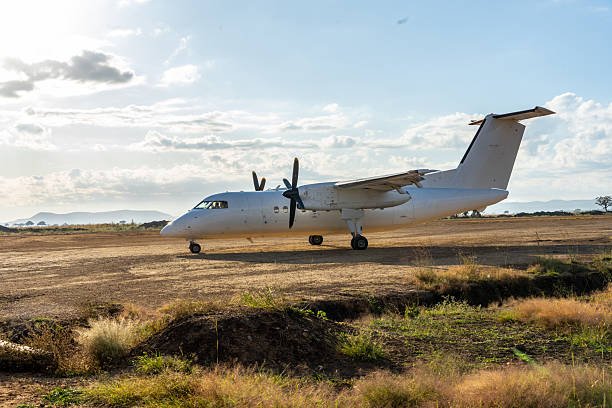
- Day 7-8: Serengeti National Park (Central): Fly from Manyara Airstrip (or drive to a central airstrip) to the Central Serengeti. Two full days of game drives in this wildlife-rich area. Stay in a family-friendly lodge.
- Day 9: Departure: Fly from Serengeti back to Arusha/JRO for your onward flight.
This itinerary minimizes long drives and incorporates diverse wildlife viewing and landscapes. For 2026-2027, flying between parks is highly recommended for families to save time.
Option 2: A Focus on Abundant Wildlife (5-7 Days)
- Day 1: Arrival & Arusha: Arrive at JRO, transfer to Arusha.
- Day 2-4: Serengeti National Park (Central): Fly directly to Central Serengeti. Three days of intensive, yet paced, game drives. Stay in a comfortable lodge.
- Day 5-6: Tarangire National Park: Fly from Serengeti to Tarangire or drive. Two days exploring Tarangire’s unique environment. Stay in a lodge.
- Day 7: Departure: Drive back to Arusha/JRO for your flight.
This option prioritizes the Serengeti and Tarangire, offering maximum wildlife viewing with less park hopping. It’s a solid choice for families who want to focus on iconic animal encounters for their 2026-2027 trip.
Making it Work for Different Ages
When planning for 2026-2027, consider the ages and interests of your children:
- Young Children (Under 7): Shorter game drives, more lodge downtime with pools, and parks like Lake Manyara and Arusha National Park are ideal. Flying between locations is essential to minimize travel fatigue.
- Older Children (7-12): Can handle slightly longer drives and more active park exploration. The Serengeti and Tarangire become more engaging with their vastness and iconic animals. Walking safaris in Arusha National Park might be an option.
- Teenagers: May enjoy the full safari experience, including longer drives and more adventurous activities. They can also appreciate the educational aspects of wildlife conservation and cultural interactions.
Customization is key. Your chosen tour operator can help tailor an itinerary to perfectly match your family’s specific needs and interests for a 2026-2027 journey.
The Importance of Internal Flights
For families, especially those with younger children, internal flights between parks (e.g., from Arusha to the Serengeti, or Serengeti to Zanzibar if extending your trip) are a important choice. While they add to the cost, they drastically reduce travel time and the associated fatigue and potential for motion sickness that can come with long road transfers. For a 2026 or 2027 safari, budgeting for these flights is highly recommended for a more comfortable family experience.
Booking Your Family Safari with Climb 4 Africa
Planning a safari for your family is an exciting prospect, and choosing the right partner to guide you through the process is essential. At Climb 4 Africa, we specialize in creating memorable and smooth Tanzanian adventures, with a particular focus on tailoring experiences for families with children. We understand the unique requirements of traveling with young explorers and are committed to ensuring your 2026 or 2027 safari is everything you dream of.
Why Choose Climb 4 Africa for Your Family Safari?
Our deep-rooted local expertise means we have firsthand knowledge of the parks, lodges, and logistics that work best for families. We don’t just book tours; we craft experiences. This includes:
- Personalized Itinerary Planning: We work closely with you to understand your children’s ages, interests, and energy levels to design an itinerary that balances adventure with comfort.
- Family-Friendly Lodge Selection: We know which lodges offer the best family suites, kid-friendly menus, swimming pools, and engaging activities.
- Logistical Excellence: From arranging internal flights to ensure smooth transfers, we handle the complexities so you can relax and enjoy.
- Experienced Guides: Our guides are not only knowledgeable about wildlife but also adept at engaging children and ensuring their safety and enjoyment.
- 2026-2027 Availability: We are already taking bookings for 2026 and 2027, and popular family accommodations fill up fast, so early planning with us is key.
How to Get Started with Your 2026-2027 Family Safari Booking
Ready to start planning an unforgettable Tanzanian safari for your family? The first step is to reach out. We make the process straightforward:
- Contact Us: Send us a message via WhatsApp at +255 747 477 898 or email us at climb4africa@gmail.com.
- Share Your Vision: Tell us about your family – the ages of your children, your interests (e.g., specific animals, landscapes), your desired travel dates for 2026 or 2027, your preferred travel style (e.g., mid-range, luxury), and any specific parks you’re keen to visit.
- Personalized Proposal: Based on your information, we will craft a detailed, tailor-made itinerary with accommodation suggestions and a transparent quote. We will explain the inclusions and exclusions clearly.
- Refine and Book: We’ll work with you to make any adjustments needed until the itinerary is perfect. Once you’re happy, we’ll guide you through the booking and payment process.
Let Climb 4 Africa be your partner in creating a magical and stress-free safari experience for your family in Tanzania. We look forward to helping you plan your 2026-2027 adventure!
Frequently Asked Questions About Family Safaris in Tanzania
What is the best time of year for a family safari in Tanzania?
The dry seasons (June to October and December to February) are generally considered best for wildlife viewing as animals congregate around water sources. However, these are also peak seasons. The shoulder months can offer fewer crowds and potentially lower prices for 2026-2027. For families, avoiding the heaviest rains (March-May) is advisable for easier travel and more comfortable game drives.
Are Tanzania safaris safe for young children?
Tanzania safaris, when planned with reputable operators and appropriate precautions, are generally safe for children. Reputable operators prioritize safety, have emergency protocols, and select family-friendly lodges. It’s essential to follow guide instructions, maintain hygiene, and ensure children are supervised, especially near wildlife or water.
What age is recommended for a child to go on safari?
There’s no strict minimum age, but it depends heavily on the child’s temperament and the safari’s pace. Many families find safaris enjoyable for children aged 6 and above. For younger children, shorter trips, more frequent breaks, and parks with shorter driving distances are recommended. Some lodges have age restrictions for certain activities.
Can we see the Great Migration with children?
Yes, you can see parts of the Great Migration with children, especially in areas like the Serengeti’s Central or Western corridors. However, the dramatic river crossings can be intense and are not suitable for very young children. Planning to see the large herds grazing or moving across the plains is a more manageable and equally spectacular experience for families.
How much does a family safari in Tanzania cost for 2026-2027?
The cost of a family safari in Tanzania varies significantly based on accommodation level, itinerary length, number of parks visited, and whether you opt for private or group tours. A mid-range safari for a family of four might range from $4,000 to $8,000+ per person for a 7-10 day trip, excluding international flights. Luxury options will be higher. Requesting a personalized quote from operators like Climb 4 Africa is the best way to get accurate pricing for your specific 2026-2027 plans.
Check Availability for Easiest Tanzania Parks For Families With Children: A Guide 2026-2027
Ready to compare dates, prices, and the best option for your group? Send the package name and travel month so the team can reply with a clear quote, availability, and what is included.
Good-Value Tanzania Safari: Best Parks For Your Experience & Price 2026-2027
Discover how to achieve a good-value Tanzania safari by strategically selecting parks that maximize wildlife encounters and scenic beauty without breaking the bank. This guide details the…
Easiest Tanzania Itinerary For First-Time Safari Goers: Your Beginners Guide
Planning your first safari in Tanzania? This guide breaks down the easiest itineraries for beginners, focusing on classic routes, essential wildlife, and smooth logistics for an…

Best Tanzania Parks For Elephant Safaris: Your Essential Guide 2026-2027
Focus your Tanzania safari on elephants by choosing the right parks. This guide details the top locations like Tarangire, Serengeti, and Ruaha, offering insights for your 2026-2027…
5 Full Days For Wildlife Safari: Which Tanzanian Parks Should You Choose?
With five full days dedicated to wildlife safaris in Tanzania, the key is to strategically combine parks that offer diverse experiences and maximize your chances of seeing iconic African…
No related package matches those filters. Clear one or more filters to see the other topic-matched options.