
The easiest Tanzania safari itinerary for first-time goers typically involves a 5-7 day Northern Circuit route, focusing on the Serengeti and Ngorongoro Crater. This combination offers reliable wildlife viewing, manageable travel distances between parks, and excellent infrastructure, making it ideal for those new to safari experiences. Planning for 2026 or 2027, this classic circuit provides a fantastic introduction to Tanzania’s incredible biodiversity without overwhelming complexity.
Your First Tanzanian Safari: What Beginners Need to Know
Embarking on your very first safari in Tanzania is an exhilarating prospect. The sheer scale of the wildlife, the vastness of the landscapes, and the unique cultures create an experience unlike any other. For many, the initial planning can feel a bit daunting. What’s the best route? How long should it be? What can I realistically expect to see? These are common questions, and the good news is that Tanzania offers several well-trodden paths that are perfect for newcomers. This guide is designed to demystify the process and point you towards the most straightforward and rewarding itineraries for your inaugural Tanzanian wildlife adventure, with a practical eye on planning for 2026 and 2027.
When we talk about the ‘easiest’ safari for a beginner, we’re generally looking for a few key elements: accessibility, high probability of seeing iconic wildlife, manageable driving times between locations, and a good balance of different ecosystems. The Northern Circuit of Tanzania consistently delivers on these points. It’s the most established safari circuit in the country, meaning lodges, camps, roads, and guiding services are highly developed and experienced in handling international visitors. This doesn’t mean it’s a crowded or less authentic experience; rather, it means the logistics are smoother, reducing potential stress for a first-time traveler. We’ll explore why this circuit is so well-suited for beginners and what specific parks and variations make it the top choice.
For those planning their trip for 2026 or 2027, understanding these foundational elements now will allow ample time for booking the best accommodations and securing your preferred travel dates, especially if you’re aiming for peak seasons. Let’s look at crafting that perfect first safari.
What Makes a Safari Itinerary ‘Easy’ for Beginners?
- Reliable Wildlife Sightings: High chance of seeing the ‘Big Five’ (lion, leopard, elephant, rhino, buffalo) and abundant other species.
- Manageable Travel: Shorter driving distances between parks and within parks, minimizing long days in a vehicle.
- Good Infrastructure: Availability of comfortable lodges and tented camps, well-maintained roads, and experienced guides.
- Variety of Experiences: Exposure to different landscapes and ecosystems within a single trip.
- Logistical Simplicity: Straightforward travel arrangements from arrival to departure, often starting and ending at Kilimanjaro International Airport (JRO).
The Classic Northern Circuit: Your Gateway to Tanzania
The Northern Circuit is Tanzania’s premier safari destination, and for good reason. It encompasses a collection of world-renowned national parks and conservation areas, each offering a unique spectacle. For a beginner, this circuit is often recommended because it bundles some of Africa’s most iconic wildlife destinations into a relatively compact geographical area. This minimizes transit time and maximizes your time actually observing animals.
The typical Northern Circuit itinerary includes the Serengeti National Park, the Ngorongoro Conservation Area (specifically the Ngorongoro Crater), Tarangire National Park, and Lake Manyara National Park. Sometimes, it also includes Arusha National Park for a shorter, more accessible wildlife experience closer to the starting point.
Serengeti National Park: The Heart of the Safari
No discussion of Tanzanian safaris is complete without mentioning the Serengeti. Its name, derived from the Maasai word ‘Siringet,’ means ‘endless plains,’ and that’s exactly what you’ll find. The sheer scale of the Serengeti is impressive, and it’s home to an unparalleled concentration of wildlife.
Why it’s great for beginners:
- Abundant Wildlife: The Serengeti is famous for its vast herds of wildebeest and zebras, especially during the Great Migration. You’ll also find large populations of lions, cheetahs, leopards, elephants, giraffes, and countless other species. The density of animals means that sightings are almost guaranteed.
- Varied Landscapes: From open grasslands to acacia woodlands and kopjes (rocky outcrops), the Serengeti offers diverse habitats that attract different animals. This visual variety keeps the safari experience engaging.
- Experienced Guiding: Safari operators have extensive experience guiding visitors through the Serengeti. Your guide will know the best areas to find specific animals and understand the animals’ behaviors.
What to expect: You’ll spend at least two to three days in the Serengeti. Depending on the time of year and the Great Migration’s movement, you might focus on the central plains (Seronera), the western corridor, or the northern regions. For a first-timer, focusing on the central Serengeti is often ideal as it offers year-round game viewing opportunities.
Ngorongoro Conservation Area & Crater: A Natural Amphitheatre of Wildlife
The Ngorongoro Crater is a UNESCO World Heritage Site and one of the most spectacular natural wonders in the world. It’s a large volcanic caldera, and its floor is a self-contained ecosystem that supports an astonishing density of wildlife. It’s often called Africa’s ‘Garden of Eden’ or ‘Eighth Wonder of the World.’
Why it’s great for beginners:
- High Concentration of Animals: The crater floor is relatively small (about 260 square kilometers), meaning animals are concentrated, and you have an excellent chance of seeing a wide variety on a single game drive.
- Rhino Haven: The Ngorongoro Crater is one of the best places in Tanzania to see the endangered black rhinoceros.
- Iconic Scenery: The views from the crater rim are dramatic, and descending into the caldera is a memorable experience.
- Manageable Game Drive: A typical crater game drive lasts about half a day, making it a perfect, focused wildlife viewing experience without being exhaustive.
What to expect: You’ll usually spend one full day exploring the crater floor. You’ll likely stay in a lodge or camp on the crater rim or just outside the conservation area. The drive down into the crater and the subsequent game drive is a highlight for most visitors.
Tarangire National Park: Land of Giants
Tarangire is often referred to as the ‘Land of Giants’ due to its massive elephant herds and iconic baobab trees. It’s particularly famous for its large elephant populations, especially during the dry season when they congregate around the Tarangire River.
Why it’s great for beginners:
- Elephant Encounters: If you want to see elephants up close, Tarangire is the place. You can often see herds numbering in the hundreds.
- Birdlife: It’s a paradise for birdwatchers, with over 550 species recorded.
- Unique Scenery: The park’s landscape is dotted with ancient baobab trees, creating a dramatic and photogenic setting.
- Less Crowded: While popular, Tarangire can sometimes feel less congested than the Serengeti or Ngorongoro, offering a more intimate wildlife experience.
What to expect: A day or two in Tarangire is usually sufficient to experience its highlights. It’s often visited either at the beginning or end of a Northern Circuit safari, as it’s conveniently located on the way to or from Arusha.
Lake Manyara National Park: Tree-Climbing Lions and Flamingos
Lake Manyara is a relatively small but incredibly diverse park. It’s known for its shallow alkaline lake, which attracts thousands of flamingos, and its acacia forests, which are home to a variety of wildlife, including the famous tree-climbing lions.
Why it’s great for beginners:
- Tree-Climbing Lions: While not guaranteed, Lake Manyara is one of the few places where lions are known to climb trees, a unique behavior to witness.
- Flamingo Spectacle: The lake shore can be a dazzling pink with thousands of flamingos.
- Diverse Habitats: The park features a rift valley escarpment, groundwater forests, and the lake shore, supporting a surprising array of animals in a compact area.
- Excellent Birdwatching: Beyond flamingos, it’s a birdwatcher’s haven.
What to expect: A half-day to a full-day game drive is usually enough to explore Lake Manyara. It’s often included as a stop between Tarangire and the Ngorongoro Crater, or as a standalone visit.
Suggested Itinerary: The Easiest 7-Day Northern Circuit for Beginners
This itinerary is designed to provide a comprehensive yet manageable introduction to Tanzania’s wildlife. It balances driving times, offers varied experiences, and ensures high chances of seeing iconic animals. This structure is ideal for planning your safari for 2026 or 2027.
Day 1: Arrival in Arusha & Safari Briefing
- Arrive at Kilimanjaro International Airport (JRO).
- Meet your guide and transfer to your lodge in or near Arusha.
- Relax and acclimatize.
- Receive a comprehensive safari briefing from your guide about the upcoming adventure, what to expect, and safety guidelines.
- Overnight: Arusha.
Day 2: Tarangire National Park – Land of Elephants and Baobabs
- After breakfast, drive to Tarangire National Park.
- Full-day game drive in Tarangire, focusing on elephant herds and the unique landscape.
- Picnic lunch in the park.
- Overnight: Tented camp or lodge in/near Tarangire.
Day 3: Lake Manyara National Park – Tree Lions & Flamingos
- Morning drive to Lake Manyara National Park.
- Game drive exploring the park’s diverse habitats, looking for tree-climbing lions and abundant birdlife.
- Picnic lunch.
- Late afternoon drive towards the Ngorongoro Conservation Area.
- Overnight: Lodge on the Ngorongoro Crater rim or Karatu.
Day 4: Ngorongoro Crater – A Wildlife Spectacle
- Early morning descent into the Ngorongoro Crater for a full-day game drive.
- Explore the crater floor, seeking out the Big Five, including the black rhino.
- Picnic lunch by the hippo pool.
- Ascend the crater rim in the late afternoon.
- Overnight: Lodge on the Ngorongoro Crater rim or Karatu.
Day 5: Serengeti National Park – The Endless Plains
- After breakfast, drive to the Serengeti National Park, entering via the Naabi Hill Gate.
- Begin your game drive en route to your lodge/camp in the central Serengeti (Seronera area).
- The Serengeti offers incredible wildlife viewing year-round.
- Overnight: Tented camp or lodge in central Serengeti.
Day 6: Serengeti National Park – Deeper Exploration
- Full day dedicated to exploring the vast Serengeti plains.
- Morning and afternoon game drives, potentially tracking the Great Migration (depending on the season) or seeking out predators and other resident wildlife.
- Optional: Hot air balloon safari at dawn (highly recommended for a unique perspective).
- Overnight: Tented camp or lodge in central Serengeti.
Day 7: Serengeti to Arusha & Departure
- Enjoy a final morning game drive in the Serengeti.
- Transfer to the Seronera Airstrip for your scheduled flight back to Arusha.
- Upon arrival in Arusha, connect with your international flight from Kilimanjaro International Airport (JRO) or spend an extra night if needed.
This 7-day itinerary provides a fantastic overview without feeling rushed. For those with more time, extending the Serengeti portion or adding a visit to Lake Natron or the Maasai Mara (if combining with Kenya) can be options, but for a first-time, easiest experience, this 7-day structure is exceptionally well-balanced.
Customizing Your Beginner Safari: Duration and Variations
While the 7-day itinerary is a fantastic starting point, it’s essential to understand how you can tailor it to your needs and interests. The ‘easiest’ safari for a beginner is also one that fits your available time and budget, without compromising the quality of the experience. Here are some common variations to consider for your 2026 or 2027 trip:
Shorter Options (4-5 Days)
If your time is limited, a shorter safari is still very rewarding. The focus will be on hitting the absolute highlights. A typical 4-5 day itinerary might look like this:
4-Day Northern Circuit Sampler:
- Day 1: Arrive JRO, transfer to Arusha.
- Day 2: Drive to Ngorongoro Crater, afternoon crater tour. Overnight near crater.
- Day 3: Morning drive to Serengeti (via Lake Manyara if time allows), afternoon game drive. Overnight Serengeti.
- Day 4: Morning game drive in Serengeti, fly back to Arusha, depart JRO.
5-Day Northern Circuit Highlight:
- Day 1: Arrive JRO, transfer to Arusha.
- Day 2: Drive to Tarangire National Park, full-day game drive. Overnight Tarangire area.
- Day 3: Drive to Ngorongoro Crater, afternoon crater tour. Overnight near crater.
- Day 4: Drive to Serengeti National Park, en route game drive to lodge. Afternoon game drive. Overnight Serengeti.
- Day 5: Morning game drive in Serengeti, fly back to Arusha, depart JRO.
These shorter trips are more concentrated, meaning more driving on safari days. However, they still capture the essence of the Northern Circuit and are perfect for those with less time.
Longer Options (8-10 Days)
If you have more flexibility, extending your safari allows for a more relaxed pace and deeper exploration. Here’s how you might enhance the 7-day itinerary:
- Add more time in the Serengeti: Spend an extra 1-2 days exploring different regions of the Serengeti, perhaps the Grumeti River area or the northern Serengeti if it aligns with the migration. This is particularly beneficial for photographers or keen wildlife enthusiasts.
- Include Arusha National Park: This park offers a different experience, with Mount Meru as a backdrop and opportunities for walking safaris and canoeing. It’s easily accessible from Arusha and can be a great addition for a day or two.
- Visit a Maasai Village: While not a wildlife focus, visiting a traditional Maasai boma (village) can offer cultural insights. It’s often incorporated into Northern Circuit tours. Ensure this is a respectful and authentic experience, not just a staged performance.
- Add a Cultural Tour: Explore local markets, coffee plantations, or craft centers around Arusha and the region.
For planning purposes for 2026-2027, longer itineraries allow for more flexibility in choosing accommodations and potentially securing better rates by booking further in advance.
Choosing Your Accommodation Style: Comfort Levels for Beginners
Accommodation plays a huge role in the safari experience, and Tanzania offers a wide range. For beginners, choosing the right style can significantly impact comfort and enjoyment. We generally categorize them into three main levels:
1. Budget-Friendly / Mid-Range Lodges and Camps
These offer comfortable and clean accommodations, often with en-suite bathrooms and basic amenities. They are typically located either inside the national parks or just outside, providing good access to game drives.
Pros for beginners:
- Affordability: More accessible for travelers on a tighter budget.
- Good Value: Often provide a solid safari experience without the premium price tag.
- Practicality: Most will have restaurants and common areas, making them easy to navigate.
Cons: May lack some of the luxury touches or unique settings of higher-end options.
2. Luxury Lodges and Tented Camps
These options offer a more refined experience with spacious rooms, high-quality furnishings, gourmet dining, and often exceptional service. Tented camps, while luxurious, often provide a more in-depth feel, with canvas walls and direct immersion in the environment, but still with all the comforts of a lodge.
Pros for beginners:
- Comfort and Service: Excellent amenities and attentive staff ensure a relaxed experience.
- Prime Locations: Often situated in stunning locations with fantastic views or exceptional wildlife proximity.
- Memorable Experience: The ‘wow’ factor of luxury can enhance a first safari.
Cons: Higher cost, which can be a significant factor for first-time planning.
3. Mobile Tented Camps (Seasonal)
These are semi-permanent camps that move with the Great Migration. They offer a very authentic, close-to-nature experience but are often more basic than fixed luxury camps, though still comfortable. They are best suited for those who want to be right in the heart of the action.
Pros: Unparalleled location for migration viewing.
Cons: Availability is seasonal and location-dependent. Might be a bit too ‘rustic’ for some first-time visitors expecting standard hotel amenities. Travel between these camps can also involve more logistics.
Recommendation for beginners: A mid-range to luxury lodge or fixed tented camp generally offers the best balance of comfort, accessibility, and authentic safari feel for a first-time visitor. This ensures a smooth and enjoyable experience, allowing you to focus on the wildlife.
When to Go: Timing Your Tanzania Safari for Beginners (2026-2027)
The ‘easiest’ safari is also one that aligns with favorable weather and wildlife viewing conditions. Tanzania has distinct seasons, and understanding them is key to planning your trip for 2026 or 2027.
The Dry Seasons (June to October & December to February)
These are generally considered the best times for a safari in Tanzania. The landscape is drier, making it easier to spot animals as they congregate around water sources. Vegetation is less dense, and the weather is pleasant with sunny days and cooler nights.
- June-October: This is the peak dry season and coincides with the Great Migration’s movement into the northern Serengeti and across the Mara River. It’s a prime time for seeing predators and large herds. This is also peak tourist season, meaning higher prices and more crowds. Booking well in advance for 2026-2027 is crucial for this period.
- December-February: This is the short dry season and the calving season in the southern Serengeti. It’s excellent for seeing predators with their young and offers spectacular plains game. It’s a slightly less busy period than June-October, but still popular.
The Green Seasons (March to May & November)
These are the wetter months. While some travelers might be deterred by rain, the ‘green seasons’ offer significant advantages.
- March-May: This is the long rainy season. The landscape is lush and green, the light is beautiful for photography, and there are fewer tourists, leading to lower prices. However, some roads within parks can become challenging, and wildlife sightings might be more dispersed. This is often considered the ‘low season.’
- November: This is the short rainy season. It typically involves afternoon showers rather than all-day rain. It’s a good shoulder season with fewer crowds and beautiful scenery.
Recommendation for beginners: For the easiest and most reliable wildlife viewing, aiming for the dry seasons (June-October or December-February) is usually best. If you’re looking for fewer crowds and potentially better value, consider the shoulder months of November or March.
What to Pack: Essential Gear for Your First Safari
Packing correctly is crucial for comfort and practicality. For a Tanzanian safari, think layers, neutral colors, and comfort. Here’s a checklist to get you started:
- Clothing:
- Lightweight, long-sleeved shirts (neutral colors like khaki, beige, olive green – avoid bright colors and dark blue/black which can attract tsetse flies).
- T-shirts and casual tops.
- Comfortable trousers or hiking pants (2-3 pairs).
- Shorts or capri pants (for warmer days or lodge wear).
- A warm fleece or sweater (for cool mornings and evenings, especially in the crater).
- A light waterproof/windproof jacket.
- Underwear and socks.
- Swimsuit (for lodges with pools).
- Footwear:
- Comfortable walking shoes or hiking boots (broken in!).
- Sandals or flip-flops for relaxing at the lodge.
- Headwear & Eyewear:
- Wide-brimmed hat or cap for sun protection.
- Sunglasses.
- Health & Protection:
- High SPF sunscreen.
- Insect repellent (with DEET).
- Personal first-aid kit (band-aids, antiseptic wipes, pain relievers, any personal medications).
- Motion sickness medication if needed.
- Hand sanitizer.
- Gear & Accessories:
- Binoculars (essential for wildlife viewing!).
- Camera with extra batteries and memory cards.
- Power adapter and portable power bank.
- Reusable water bottle.
- Small backpack or daypack for carrying essentials during game drives.
- A good book or journal.
- Passport, visa, and copies of important documents.
- Cash for tips and souvenirs (USD is widely accepted).
Important Note: Most safari lodges have laundry services, so you don’t need to pack an outfit for every single day. Lightweight, quick-drying fabrics are best.
Planning Your Booking: What to Ask and Confirm
Booking your first Tanzanian safari involves several key decisions. To ensure you get the ‘easiest’ and most enjoyable experience, thorough preparation and clear communication with your tour operator are vital. For trips planned for 2026 or 2027, start this process early.
Key Questions to Ask Your Tour Operator:
- Itinerary Flexibility: Can the itinerary be customized based on my interests and pace?
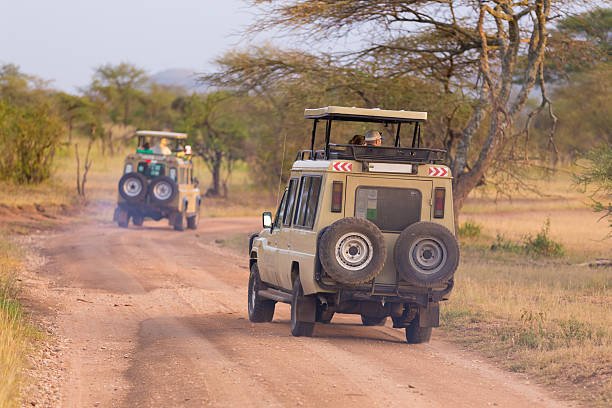
- Vehicle Type: What kind of safari vehicle will be used? (A pop-top 4×4 Land Cruiser or Land Rover is standard and best for game viewing).
- Guide Experience: How experienced are your safari guides? Do they specialize in the Northern Circuit?
- Accommodation Details: What specific lodges/camps are included in the proposed itinerary? What are their amenities and locations? Can I see photos or read reviews?
- Inclusions and Exclusions: What is covered in the price? (e.g., park fees, meals, water, guide, vehicle, accommodation, airport transfers, bottled water on game drives). What is not included? (e.g., international flights, visa fees, tips, personal insurance, drinks, optional activities like balloon safaris).
- Park Fees: Are park and conservation fees included in the quote? These can be significant.
- Group vs. Private Safari: What are the differences in cost and experience between a private safari and a shared group tour? For beginners, a private safari often offers more flexibility and personalized attention, though shared tours can be more budget-friendly.
- Payment Schedule: What is the deposit required, and when is the final balance due?
- Cancellation Policy: What is your cancellation and refund policy, especially concerning unforeseen circumstances?
- Emergency Procedures: What are your emergency protocols? Do you have 24/7 support?
Crucial Details to Confirm Before Paying:
- Exact Dates: Ensure all dates align with your travel plans and are clearly listed.
- Accommodation Names: Confirm the specific lodges or camps you’ll be staying at.
- Inclusions: Double-check that all expected items (like park fees) are explicitly listed as included.
- Vehicle and Guide: Confirm you will have a dedicated 4×4 vehicle with a pop-up roof and a qualified, English-speaking guide.
- Visa Requirements: Understand the visa process for Tanzania. Many nationalities can get a visa on arrival, but checking current regulations is essential.
- Travel Insurance: Ensure you have comprehensive travel insurance that covers medical emergencies, trip cancellation, and evacuation.
When planning for 2026-2027, booking with a reputable operator like Climb 4 Africa means you benefit from local expertise and established relationships, ensuring a smoother planning process and a higher quality safari experience. We can help clarify all these points and tailor an itinerary that perfectly suits your first safari adventure.
Why Choose Climb 4 Africa for Your First Safari?
As a local Tanzanian company with extensive experience in organizing Kilimanjaro climbs and safaris, Climb 4 Africa is uniquely positioned to offer beginners an exceptional first safari experience. We understand the intricacies of Tanzania’s parks, the best times to visit, and the logistical challenges that can arise.
Our commitment to first-time safari-goers includes:
- Expert Local Knowledge: We live and breathe Tanzania. Our guides are highly trained, experienced, and passionate about sharing their country’s natural wonders.
- Tailor-Made Itineraries: We don’t believe in one-size-fits-all. We work closely with you to craft an itinerary that matches your interests, budget, and travel style, ensuring your first safari is exactly as you envisioned.
- Quality & Value: We partner with reputable lodges and camps, ensuring comfortable and safe accommodations. We aim to provide excellent value, balancing quality with affordability.
- smooth Logistics: From airport transfers to park entries and internal flights, we handle all the details so you can relax and enjoy the adventure.
- Safety First: Your safety and well-being are our top priorities. We adhere to strict safety protocols and ensure our vehicles and guides are well-equipped.
- Personalized Support: We offer dedicated support throughout your planning process and are available during your trip should you need anything.
We understand that a first safari is a significant investment and a dream trip for many. Our goal is to make that dream a reality with a smooth, unforgettable, and truly authentic Tanzanian experience. Whether you’re planning for 2026 or 2027, let us guide you through the incredible Northern Circuit.
Ready to plan your easiest, most incredible first Tanzanian safari? Reach out to our team today. You can contact us via WhatsApp at +255 747 477 898 or send an email to climb4africa@gmail.com. Let’s start building your adventure!
Check Availability for Easiest Tanzania Itinerary For First-Time Safari Goers: Your Beginners Guide
Ready to compare dates, prices, and the best option for your group? Send the package name and travel month so the team can reply with a clear quote, availability, and what is included.
10-Day Tanzania Safari And Zanzibar Beach Holiday: Your Ultimate Itinerary
Combine the thrill of a Tanzania safari with the relaxation of Zanzibar for an unforgettable 10-day adventure. This itinerary balances iconic wildlife viewing with stunning tropical...
View package details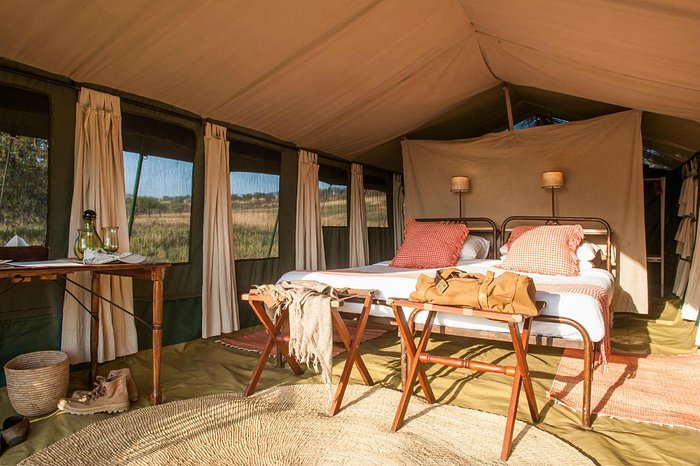
Affordable African Safari Packages: Your Guide To Budget-Friendly Tanzania
Discover how to plan and book affordable African safari packages for 2026-2027. This guide provides practical advice on choosing budget-friendly Tanzania tours, understanding costs, and...
View package details
Kenya And Tanzania Combined Safari Packages: Ultimate Guide 2026-2027
Discover the unparalleled adventure of combining Kenya and Tanzania for a comprehensive East African safari. This guide details everything you need to know for planning your 2026-2027...
View package details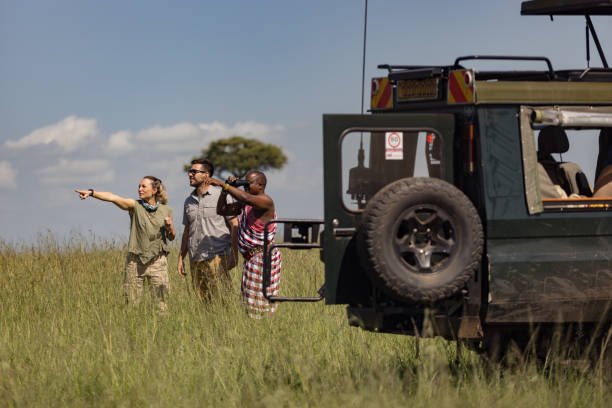
3-Day Serengeti And Ngorongoro Safari: Your Ultimate Tanzania Wildlife
start a concise yet unforgettable 3-day Serengeti and Ngorongoro safari, designed to maximize wildlife encounters in Tanzania's most celebrated parks. This compact adventure offers a taste...
View package details
Serengeti Safari And Zanzibar Beach Holiday: The Ultimate Tanzania
Combine the thrill of a Serengeti safari with the relaxation of a Zanzibar beach holiday. This guide covers everything you need to know for an unforgettable Tanzania adventure in 2026-2027...
View package details
Tanzania Safari And Zanzibar All-Inclusive Packages Guide
Combine the thrill of a Tanzanian wildlife safari with the serene beauty of Zanzibar on an all-inclusive package. This comprehensive guide covers everything you need to know for planning...
View package details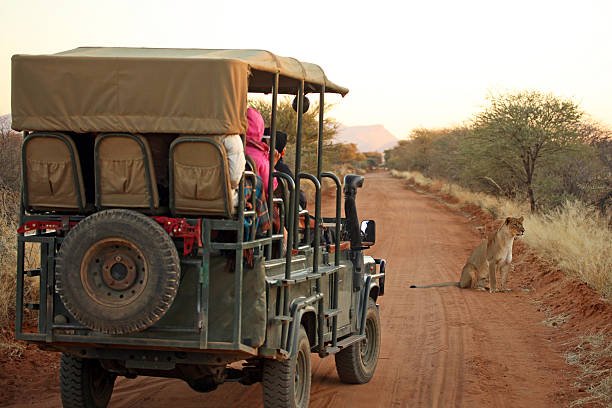
Zanzibar To Mikumi Safari: Flights, Prices And Itinerary Guide
Transition from the spice-scented beaches of Zanzibar to the wildlife-rich plains of Mikumi National Park. This guide details flight logistics, cost considerations, and sample itineraries...
View package details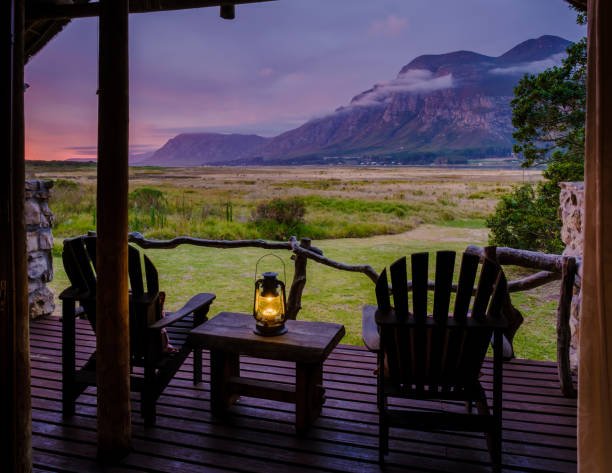
Are African Safari Prices Per Person Or Vehicle? Understanding Tanzania Costs
African safari costs can be confusing. This guide clarifies whether prices are quoted per person or per vehicle, detailing factors that influence your 2026-2027 safari budget in Tanzania.
View package details
Is Tanzania Or Kenya Better For Safari? A Detailed Comparison 2026-2027
Comparing Tanzania and Kenya for your next safari? This in-depth guide breaks down wildlife viewing, landscapes, costs, and optimal travel times to help you choose the perfect East African...
View package detailsWhich African Country Is Best For Safari? 2026-2027
Which African Country Is Best for Safari? is explained with current 2026-2027 planning, price, itinerary and booking information.
View package details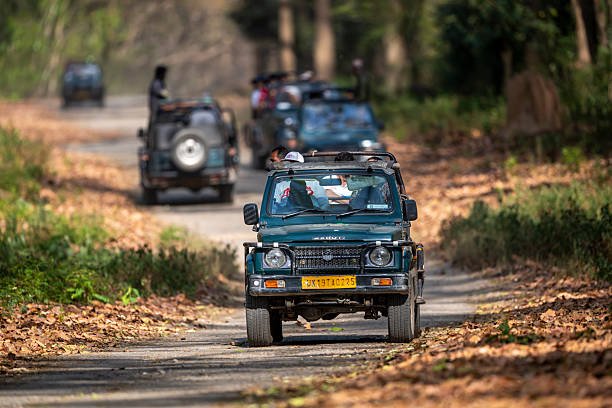
Luxury African Safari Packages: The Ultimate Tanzania Experience In 2026-2027
Explore the pinnacle of African adventure with luxury safari packages in Tanzania. This guide details exclusive lodges, tailor-made itineraries, and the best wildlife experiences for your...
View package details
Tanzania Safari Tours & Packages /: Your Ultimate Wildlife Adventure 2026-2027
Discover the magic of Tanzania with expertly crafted safari tours and packages for 2026 and 2027. From the vast plains of the Serengeti to the depths of the Ngorongoro Crater, find your...
View package detailsNo related package matches those filters. Clear one or more filters to see the other topic-matched options.



