Yes, a safari can absolutely be customized for a group of friends with different budgets, especially in Tanzania. The key lies in flexible itinerary planning, choosing appropriate accommodation levels, and understanding which safari components offer the most significant cost variations. By carefully selecting park choices, vehicle types, and service levels, you can create an itinerary that respects everyone’s financial comfort zone while ensuring a memorable wildlife experience for the entire group. For instance, some friends might opt for comfortable mid-range lodges while others choose more economical tented camps, or you might select a combination of national parks that offer varying entrance fee structures.
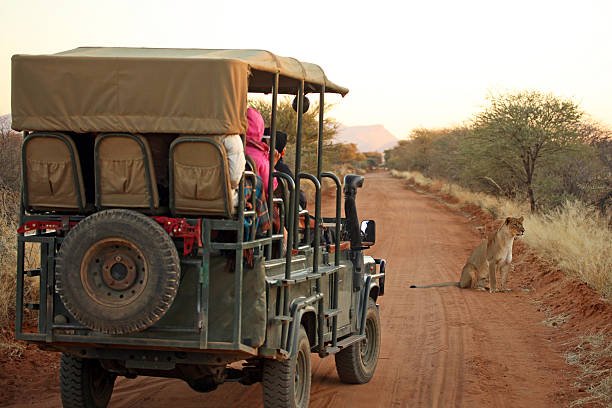
Tailoring Your Tanzania Safari: A Friend Group’s Budget Balancing Act
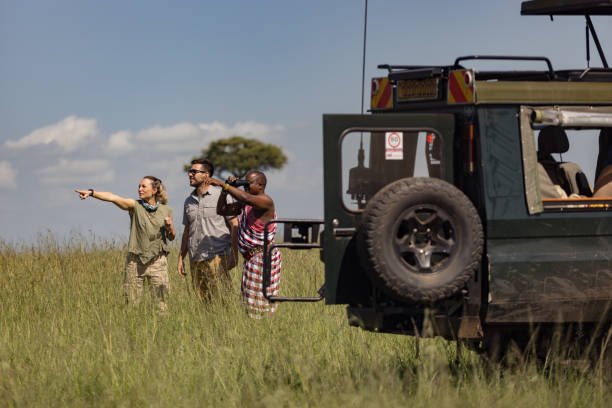
Embarking on a Tanzanian safari with a group of friends is a fantastic idea, promising shared adventures and unforgettable wildlife encounters. However, when varying budgets are involved, the initial planning can seem daunting. The good news is that Tanzania’s diverse safari offerings are remarkably adaptable. As a local operator with extensive experience in crafting bespoke African travel, Climb 4 Africa understands these dynamics intimately. We frequently help groups navigate these differences, ensuring that financial disparities don’t detract from the shared joy of exploring iconic landscapes like the Serengeti, Ngorongoro Crater, or Tarangire National Park.
The core principle behind customizing a safari for friends with different budgets is flexibility. It’s not about finding a single solution that fits everyone perfectly, but rather about constructing an experience where individual preferences and financial limits are respected without isolating any member of the group. This often involves strategic choices regarding accommodation, transportation, duration, and even the specific parks visited. By understanding the cost drivers of a safari, we can guide you toward options that offer the best value and enjoyment for each person.
Consider this: a safari’s price is typically influenced by factors such as the type of accommodation (luxury lodges vs. comfortable tented camps vs. budget campsites), the vehicle used (private 4×4 Land Cruiser vs. shared vehicle), the length of the safari, the national parks visited (some have higher entrance fees), and the level of guiding services. By dissecting these elements, we can build a multi-faceted safari plan. For example, a single safari trip might involve a mix of accommodations, or perhaps a shorter duration for those on a tighter budget, while still allowing everyone to share key experiences like game drives in the same vehicle.
The goal is to foster a sense of shared adventure. While one friend might be staying in a luxury tented camp with an en-suite bathroom and gourmet meals, another might be perfectly content in a well-maintained, clean public campsite with shared facilities, yet both can participate in the same daily game drives, share sundowner stories, and marvel at the same herds of wildebeest crossing the plains. This approach ensures that the camaraderie and the core safari experience remain paramount.
Planning for 2026 or 2027? The principles remain the same. The safari industry is dynamic, but the fundamental elements of cost and customization are consistent. Early planning is always beneficial, especially for groups, as it allows us more time to secure preferred accommodations and vehicles, which can be particularly important when trying to accommodate different budget levels. Let’s explore the specific strategies that make a budget-diverse safari not just possible, but highly enjoyable.
Understanding the Cost Components of a Tanzania Safari
To effectively customize a safari for friends with varied budgets, it’s crucial to understand where the primary costs lie. This knowledge empowers you to make informed decisions and identify areas where savings can be achieved without compromising the overall safari experience. Climb 4 Africa believes in transparency, and breaking down these costs is the first step toward a successful group safari plan.
Accommodation: The Biggest Variable
Accommodation is invariably the largest single cost driver on a safari. The spectrum ranges from basic public campsites to ultra-luxury lodges and tented camps. Each level offers a distinct experience:
- Public Campsites: These are the most budget-friendly option. They typically offer basic ablution blocks (toilets and showers) and a designated area for pitching tents. While facilities can be shared and amenities are minimal, they provide an authentic, close-to-nature experience. Many budget-conscious travelers find these perfectly adequate, especially if the focus is on daytime game viewing.
- Tented Camps (Mid-Range): These offer a step up in comfort. They usually feature permanent canvas tents, often with comfortable beds, private verandas, and sometimes en-suite bathrooms. Meals are typically served in a communal dining area. This level strikes a good balance between comfort and cost, appealing to many travelers.
- Luxury Tented Camps & Lodges: These provide the highest level of comfort and service. Expect spacious, beautifully appointed tents or rooms, often with private plunge pools, gourmet dining, premium beverages, and exceptional service. These are the most expensive options, catering to those who seek a more pampered safari experience.
- Exclusive/Boutique Camps: A subset of luxury, these offer an intimate and highly personalized experience, often with fewer than 10 tents, ensuring exclusivity and dedicated service.
For a group with different budgets, a common strategy is to select a mix of accommodations. Some friends might stay in a luxury lodge while others opt for a comfortable tented camp nearby, or you might choose a lodge that offers both standard and superior rooms. The key is to ensure that everyone can still participate in shared activities.
Park Entrance Fees: Non-Negotiable and Significant
National park and conservation area entrance fees in Tanzania are set by the government and are generally non-negotiable. These fees are charged per person, per day, and can represent a substantial portion of the safari cost, particularly for longer trips or for more expensive parks. For example, the Serengeti and Ngorongoro Crater have higher fees than parks like Tarangire or Lake Manyara.
- Serengeti National Park: Typically around $70-$80 per person per 24-hour period.
- Ngorongoro Conservation Area: Approximately $70-$80 per person per 24-hour period, plus vehicle fees.
- Tarangire National Park: Around $50-$60 per person per 24-hour period.
- Lake Manyara National Park: Around $50-$60 per person per 24-hour period.
While these fees are fixed, the choice of parks can influence the overall budget. A safari focusing on parks with slightly lower fees might be more budget-friendly, though iconic parks like the Serengeti offer unparalleled wildlife viewing.
Vehicle and Guide: The Safari Backbone
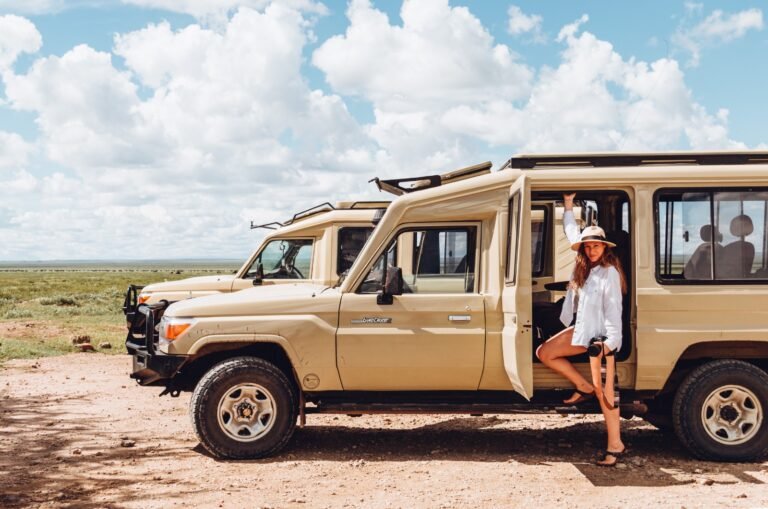
The type of safari vehicle and the guiding service are critical. Most safaris in Tanzania utilize robust 4×4 Land Cruisers, designed for off-road conditions and equipped with pop-up roofs for optimal game viewing. The cost here typically breaks down into:
- Private 4×4 Land Cruiser: This is the standard for groups and offers flexibility. The cost is usually per vehicle per day, which can be divided among the occupants. This is often the most comfortable and efficient option for group travel.
- Shared Vehicles: In some cases, particularly for very budget-conscious travelers or at certain lodges, shared vehicles might be an option. However, for a group of friends wanting a customized experience, a private vehicle is usually preferred to maintain control over the itinerary and pace.
- Guide’s Salary: The cost of a professional, knowledgeable guide is included in the vehicle hire. Experienced guides significantly enhance the safari experience.
For friends with different budgets, the primary strategy here is to divide the cost of a private vehicle among all group members. If one person is on a tighter budget, their share of the vehicle cost will be lower if the group is larger. Alternatively, if the group is small, the per-person vehicle cost will be higher. This is a shared cost that binds the group together.
Food and Drinks: A Variable Expense
The cost of food and drinks varies significantly based on accommodation level. High-end lodges and camps often include all meals and sometimes even select beverages in their rates. Mid-range options usually include breakfast, lunch, and dinner, but drinks might be extra. Budget campsites often require self-catering or using basic mess tents where food is prepared by your safari crew, which is generally the most economical.
Tip for diverse budgets: If some friends are staying in luxury lodges where drinks are expensive, they can manage their own beverage consumption. Those in mid-range or budget accommodations might have more inclusive meal plans or can opt for more affordable drink choices.
Duration and Itinerary: More Days, More Costs
The longer your safari, the higher the total cost, due to daily park fees, vehicle hire, and accommodation. Shorter safaris are inherently more budget-friendly. However, even for longer trips, strategic planning can help manage costs.
Customization strategy: Friends with less time or a smaller budget could opt for a shorter safari segment (e.g., 3-4 days) focusing on a couple of key parks, while others might extend their trip to include more remote or diverse locations. Crucially, these shorter segments can often be integrated into a larger group itinerary, allowing for shared travel days between locations.
Strategies for Building a Budget-Conscious Group Safari
Now that we understand the cost components, let’s explore practical strategies for designing a safari that caters to friends with different financial capacities. This is where Climb 4 Africa’s expertise truly shines, helping you weave together a cohesive and enjoyable experience for everyone.
1. The “Tiered Accommodation” Approach
This is perhaps the most effective method for accommodating varied budgets. The group travels together, shares the same vehicle and guide, and visits the same parks, but stays in different types of accommodation.
- How it works: Imagine a 5-day safari. Days 1-2 might involve staying at a comfortable mid-range tented camp, which suits most budgets. For Days 3-4, when you’re in the Serengeti, one friend might choose to stay at a luxury tented camp with panoramic views, while another opts for a more basic but well-located tented camp or even a public campsite. On the final day, you might all meet at a lodge for lunch before departing.
- Logistics: This requires careful coordination with your tour operator. We’ll need to find accommodations that are geographically close enough to allow for smooth transitions and shared game drives. For instance, staying at different camps within the same region of the Serengeti is feasible.
- Pros: Everyone experiences the core safari activities together – the game drives, the shared meals (perhaps at a central lodge or campsite), and the campfire conversations. It minimizes the feeling of separation.
- Cons: Requires meticulous planning to ensure logistical harmony. Communication is key within the group to manage expectations.
Example Scenario: A group of four friends plans a 7-day safari in 2027. Two friends have a higher budget and opt for luxury lodges in the Serengeti and Ngorongoro. The other two friends prefer to save money and choose comfortable mid-range tented camps in the same areas. They all travel in the same 4×4 Land Cruiser, driven by the same guide, sharing game drives and sundowners, but return to different lodging facilities each night. The total cost per person will vary based on their chosen accommodation, but the shared experience remains intact.
2. The “Selective Park Entry” Strategy
Tanzania has a range of national parks and conservation areas, each with different entrance fee structures. While iconic parks like the Serengeti are a must-see for many, incorporating parks with lower fees can reduce the overall cost for the group.
- How it works: Instead of exclusively visiting the most expensive parks, you can strategically include parks like Tarangire National Park (known for its elephants and baobabs) or Lake Manyara National Park (famous for tree-climbing lions and birdlife), which have slightly lower daily fees than the Serengeti.
- Logistics: This involves designing an itinerary that balances the ‘must-see’ locations with more budget-friendly alternatives. For example, a 6-day safari could include 2 days in Tarangire, 2 days in the Serengeti, and 2 days exploring the Ngorongoro Crater.
- Pros: Directly reduces the per-person park fee component of the safari cost. Offers diverse landscapes and wildlife viewing opportunities.
- Cons: Might require managing expectations if some friends strongly desire more time in the Serengeti or Ngorongoro.
Consideration for 2026/2027: While park fees are subject to change, this principle of strategic park selection remains a valid cost-saving measure. It’s always wise to check the latest fee structures when planning far in advance.
3. The “Variable Duration” Model
This approach allows friends with different time constraints and budgets to participate in parts of the same safari.
- How it works: The group might decide on an 8-day safari itinerary. However, two friends might only have time and budget for the first 4 days (e.g., Arusha, Tarangire, Lake Manyara), while the rest of the group continues for the full 8 days to include the Serengeti and Ngorongoro.
- Logistics: This requires careful planning of drop-off and pick-up points. For instance, the shorter-duration friends could be dropped off at Arusha or Kilimanjaro International Airport (JRO) after their segment, while the others continue their journey.
- Pros: Allows individuals to participate at a level that suits their availability and financial situation. Everyone still shares a significant portion of the experience.
- Cons: Requires precise coordination for transfers and potential overlap or separation points. The group might feel slightly fragmented if the durations are drastically different.
Booking Tip for 2027: If planning for 2027, discuss these variable duration options early with Climb 4 Africa. We can map out logical entry and exit points for shorter segments within a longer group itinerary.
4. The “Shared Vehicle, Separated Meals/Activities” Option
This is a more advanced customization, often suitable for groups with significant budget differences.
- How it works: The entire group shares a private 4×4 Land Cruiser and guide for daily game drives. However, when it comes to accommodation and meals, individuals or smaller sub-groups might choose different options. For example, some might eat at a lodge’s main restaurant, while others opt for a more casual cafe or packed lunch. Accommodation, as discussed, can also be tiered.
- Logistics: This requires clear communication about where and when to meet for game drives. Meal arrangements need to be confirmed with the tour operator and lodges.
- Pros: Maximizes shared time during the most exciting part of the safari – the game drives. Offers the greatest financial flexibility.
- Cons: Can lead to less shared time during evenings or meals, potentially reducing the ‘group bonding’ aspect in those specific moments.
5. Focusing on Value-Added Experiences
Sometimes, the best way to accommodate different budgets is to focus on the quality of the core safari experience rather than solely on luxury amenities. This means ensuring you have an excellent guide, a reliable vehicle, and are in the right places at the right time for wildlife viewing.
- How it works: Prioritize booking with a reputable operator like Climb 4 Africa, who provides experienced guides and well-maintained vehicles. Choose itineraries that maximize wildlife viewing opportunities, perhaps focusing on migration routes or areas known for specific species.
- Pros: Ensures that the fundamental safari experience is high-quality for everyone, regardless of their accommodation choice. Creates shared memories centered on the wildlife and landscapes.
- Cons: Requires trust in the tour operator to deliver a quality core experience.
Why this matters for 2026/2027: As travel becomes more sought-after, ensuring the core safari is exceptional provides lasting value. A great guide can make more of a difference than a fancier room.
Navigating the Planning Process with Climb 4 Africa
Planning a safari for a group with diverse budgets requires a collaborative approach. As your dedicated Tanzania travel partner, Climb 4 Africa is here to facilitate this process, ensuring that every member of your group feels heard, valued, and excited about the upcoming adventure.
Initial Consultation: Understanding Your Group’s Needs
The first step is an open conversation. We encourage you to discuss openly within your group about:
- Budget Ranges: What is the comfortable spending range for each person? Be specific.
- Must-Haves: Are there non-negotiable experiences or comfort levels (e.g., private bathroom, specific park)?
- Priorities: What is most important – luxury, wildlife sightings, adventure, relaxation?
- Duration: How long can each person realistically travel?
- Interests: Are there specific interests like birdwatching, photography, or cultural interactions?
Armed with this information, our team can begin crafting tailored itinerary options.
Itinerary Design: Balancing Expectations
We will present several itinerary options that reflect the different budget levels. These might include:
- Option A: Mixed Accommodation. Clearly outlines which days each person would stay in which type of lodging.
- Option B: Shorter Segments. Shows how a longer trip can be broken down for those with less time or budget.
- Option C: Park Selection Variation. Suggests itineraries that swap higher-fee parks for lower-fee ones, or adjust time spent in each.
Each option will detail what is included and excluded, helping everyone understand the value proposition.
Accommodation Selection: Finding the Right Fit
We work with a wide network of carefully vetted accommodations across Tanzania, from budget campsites to exclusive lodges. We can recommend specific properties that align with different budgets while still being logistically sound for a group.
For example: In the Serengeti, we might suggest staying at:
- Luxury: Four Seasons Safari Lodge, Singita Sasakwa Lodge.
- Mid-Range Tented Camp: Serengeti Kati Kati Camp, Kubu Kubu Tented Lodge.
- Budget Campsite: Public campsites within the Serengeti National Park or private campsites on the outskirts.
We ensure that if friends are staying in different places, they are still able to join each other for daily game drives.
Vehicle and Guide Allocation: The Constant
For most group safaris with budget variations, we recommend a private 4×4 Land Cruiser for the entire group. The cost is then divided amongst the participants. This ensures everyone shares the same vehicle, guide, and game drive experience, fostering group cohesion. The cost difference per person will primarily stem from accommodation choices.
Booking for 2026/2027: Booking a private vehicle early is crucial, especially for popular travel times. This ensures availability and allows for better cost-sharing among the group.
Transparency in Pricing: No Hidden Surprises
Climb 4 Africa provides detailed quotes that break down costs. This transparency is vital when dealing with varied budgets. You’ll see line items for accommodation (often specified per person based on choice), park fees (per person), vehicle hire (per vehicle, then divided), guide fees, and any other inclusions. This allows each friend to see exactly where their money is going and how their choices impact the total cost.
Sample Itinerary Concepts for Budget-Diverse Groups
To illustrate how this works in practice, here are a couple of conceptual itinerary frameworks. These are designed to be starting points, which we would then customize further based on your group’s specific needs.
Concept 1: The “Northern Circuit Explorer” (6 Days / 5 Nights)
This classic itinerary covers key highlights and allows for accommodation variation.
- Day 1: Arrive Kilimanjaro Airport (JRO), transfer to Arusha.
- Budget-Friendly: Stay at a comfortable guesthouse or budget hotel in Arusha.
- Mid-Range/Luxury: Stay at a nice lodge or boutique hotel in Arusha.
- Day 2: Arusha to Tarangire National Park. Full day game drive.
- Budget-Friendly: Stay at a public campsite within or near Tarangire.
- Mid-Range: Stay at a tented camp just outside or within the park.
- Luxury: Stay at a high-end lodge overlooking the park.
- Day 3: Tarangire to Lake Manyara National Park, then to Karatu. Morning game drive in Tarangire, then drive to Lake Manyara for an afternoon game drive before heading to Karatu for overnight.
- Budget-Friendly: Stay at a campsite or budget lodge in Karatu.
- Mid-Range/Luxury: Stay at a lodge or boutique hotel in Karatu.
- Day 4: Karatu to Ngorongoro Crater. Descend into the crater for a full day of game viewing.
- Budget-Friendly: Stay at a campsite on the crater rim or in Karatu.
- Mid-Range: Stay at a lodge on the crater rim or in Karatu.
- Luxury: Stay at a premium lodge on the crater rim.
- Day 5: Karatu to Serengeti National Park. Drive to Serengeti with en-route game drive, potentially visit a Maasai village (optional extra).
- Budget-Friendly: Stay at a public campsite in the Serengeti.
- Mid-Range: Stay at a mid-range tented camp in the Serengeti.
- Luxury: Stay at a luxury tented camp or lodge in the Serengeti.
- Day 6: Serengeti to Arusha, then depart. Morning game drive in Serengeti, then drive back to Arusha for onward transfer to JRO.
Budget Customization Notes for Concept 1: Friends can choose their preferred accommodation level for each night. Those on a tighter budget might opt for campsites for most nights, while others select lodges. The park fees for Tarangire, Manyara, Ngorongoro, and Serengeti are per person, per day, and would be a constant for everyone on the days they visit these parks. The vehicle cost is shared.
Concept 2: The “Southern Circuit & Zanzibar Combo” (10 Days)
This offers a different safari experience and a beach extension, catering to varied interests and budgets.
- Days 1-3: Selous Game Reserve (Nyerere National Park). Focus on boat safaris, walking safaris, and traditional game drives.
- Budget-Friendly: Stay at basic tented camps or campsites.
- Mid-Range: Comfortable tented camps with good amenities.
- Luxury: Exclusive lodges with private reserves or prime riverfront locations.
- Day 4: Selous to Ruaha National Park. Fly or drive to Ruaha, known for its vastness and predators.
- Budget-Friendly: Basic camps or campsites.
- Mid-Range/Luxury: More established lodges and tented camps.
- Days 5-6: Ruaha National Park. Game drives.
- Accommodation: Similar tiered options as Day 4.
- Day 7: Ruaha to Zanzibar. Fly from Ruaha (or Mbeya/Dar es Salaam) to Zanzibar.
- Budget-Friendly: Beach bungalows or guesthouses on the coast.
- Mid-Range: Boutique hotels or resorts.
- Luxury: High-end resorts with private beaches and spas.
- Days 8-9: Zanzibar. Relaxation, spice tours, Stone Town exploration.
- Accommodation: Continued tiered options.
- Day 10: Depart from Zanzibar.
Budget Customization Notes for Concept 2: The flight costs between locations (e.g., Selous to Ruaha, Ruaha to Zanzibar) are significant and would need to be factored in. These could be tiered (e.g., charter flight vs. scheduled internal flight) or individuals might choose to drive parts of the route if budget is a major concern. Accommodation in Zanzibar offers a wide range of price points.
Important Considerations for Group Safari Planning (2026-2027)
As you plan for future trips in 2026 or 2027, keep these points in mind to ensure a smooth and enjoyable safari for your diverse group:
- Communication is Key: Open and honest communication within the group about budgets, expectations, and comfort levels is paramount. Address these topics early.
- Flexibility is Essential: Be prepared to compromise. Not everyone will get exactly what they want, but the goal is a shared, positive experience.
- Book in Advance: For groups, especially those with mixed budgets needing specific accommodation types, booking 9-12 months ahead is highly recommended for 2026 and 2027. This secures availability and potentially better rates.
- Understand Inclusions/Exclusions: A clear understanding of what is covered in each quote (meals, drinks, park fees, activities, park transfers) is vital. This prevents surprises.
- Travel Insurance: Ensure everyone has comprehensive travel insurance that covers medical emergencies and trip cancellations.
- Visas and Vaccinations: Remind everyone to check visa requirements and recommended vaccinations well in advance of their travel dates.
Why Choose Climb 4 Africa for Your Group Safari?
Navigating the complexities of a group safari with varied budgets requires expertise, local knowledge, and a commitment to client satisfaction. At Climb 4 Africa, we pride ourselves on:
- Personalized Service: We don’t offer one-size-fits-all packages. We listen to your group’s unique needs and craft bespoke itineraries.
- Local Expertise: Our deep understanding of Tanzania’s parks, accommodations, and logistics allows us to find the best solutions for diverse budgets.
- Flexibility: We are adept at creating multi-tiered itineraries that cater to different financial comfort levels within the same trip.
- Transparency: Our quotes are detailed and clear, so everyone in the group understands the costs involved.
- Commitment to Quality: Whether you choose budget campsites or luxury lodges, we ensure the core safari experience – your guide, vehicle, and wildlife viewing opportunities – is of the highest standard.
Planning a safari for friends with different budgets is not just possible; it’s one of the most rewarding types of trips we help organize. It requires thoughtful planning and collaboration, but the result is a shared adventure that strengthens friendships and creates lasting memories for everyone involved. We are passionate about making the magic of Tanzania accessible to all.
Ready to plan your group’s unforgettable safari adventure for 2026 or 2027? We invite you to get in touch with our expert team. Please provide us with details about your group size, preferred travel dates, estimated budget per person, and any specific interests. You can reach us via Email: climb4africa@gmail.com or **WhatsApp: +255 747 477 898**. Let us help you craft a Tanzania safari that perfectly balances diverse budgets and creates shared joy.
Check Availability for Safari Customization For Friends With Different Budgets: Can It Be Done?
Ready to compare dates, prices, and the best option for your group? Send the package name and travel month so the team can reply with a clear quote, availability, and what is included.
Dec 24, – 3 Day Christmas Serengeti And Ngorongoro Group Safari
Dec 24, 2026 – 3 Day Christmas Serengeti and Ngorongoro Group Safari.
View package details
Dec 20, – 10 Day Complete Tanzania Group Joining Safari
Dec 20, 2026 – 10 Day Complete Tanzania Group Joining Safari.
View package details
Which Dec Group Safari Ends Before New Year’s Eve?
Which Dec Group Safari Ends Before New Year’s Eve?
View package details
How Early Should I Book A Nov Or Dec Tanzania Group Safari?
How Early Should I Book a Nov or Dec Tanzania Group Safari?
View package details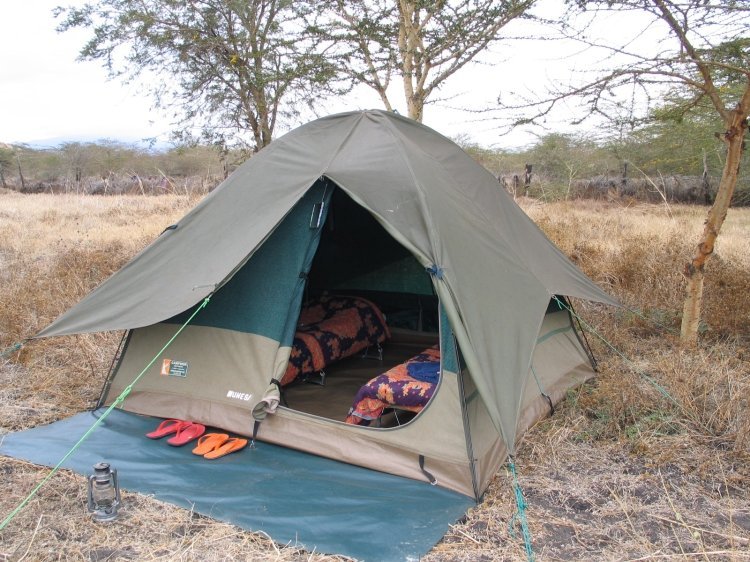
Can I Pay A Deposit To Reserve A Tanzania Group Safari?
Can I Pay a Deposit to Reserve a Tanzania Group Safari?
View package details
Dec 31, : New Year’s Eve Serengeti Group Safari Planning Guide
This guide provides essential planning details for a group safari trip to the Serengeti for New Year's Eve 2026, covering logistics, seasonal highlights, and what to expect.
View package details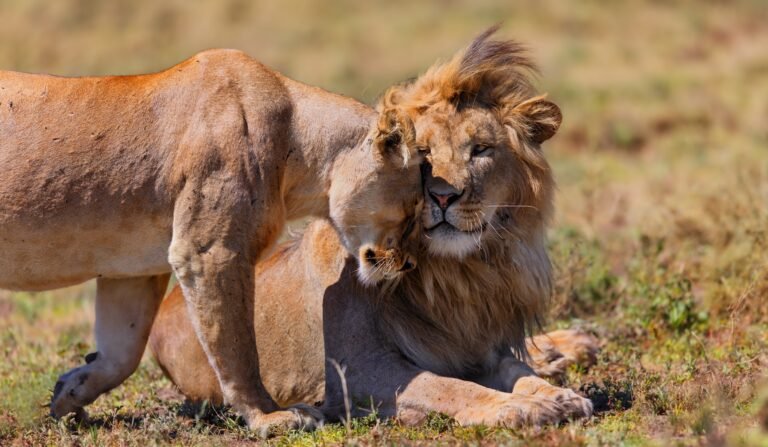
Dec 22, – 3 Day Nyerere Group Joining Safari
Dec 22, 2026 – 3 Day Nyerere Group Joining Safari.
View package details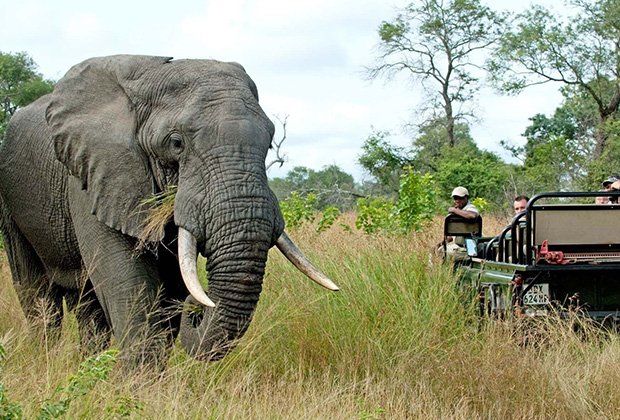
I Am On A Budget—What Is The Cheapest Serengeti Group Safari?
I Am on a Budget—What Is the Cheapest Serengeti Group Safari?
View package details_1_John_from-rednote-web-768x1024.jpg)
Dec 13, – 2 Day Nyerere Fly-In Group Safari From Zanzibar 2026
A detailed guide to the December 13, 2026 group fly-in safari from Zanzibar to Nyerere National Park, covering the itinerary, logistics, and planning for your trip.
View package details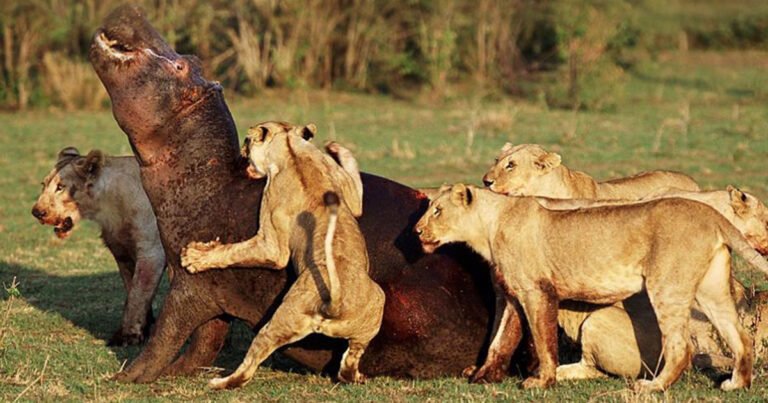
Dec 5, – 1 Day Mikumi Fly-In Group Safari From Zanzibar 2026
A practical guide to the December 5, 2026, group fly-in safari to Mikumi National Park. Learn about the itinerary, group logistics, and how to book your seat.
View package details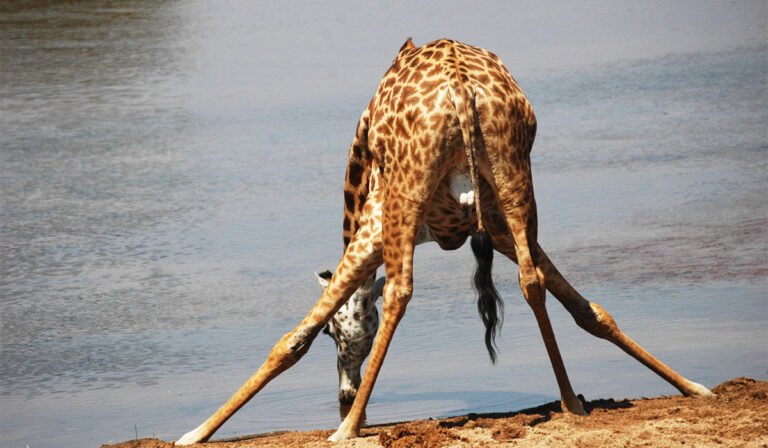
Nov 15, – 2 Day Mikumi Fly-In Group Safari From Zanzibar 2026
A practical guide and booking overview for the November 15, 2026, group fly-in safari to Mikumi National Park, departing from Zanzibar.
View package detailsNo related package matches those filters. Clear one or more filters to see the other topic-matched options.