
A 7-day trek on Kilimanjaro using either the Machame or Lemosho route offers a balanced approach to acclimatization and summit success, with Lemosho generally providing more scenic beauty and slightly better acclimatization due to its longer approach, while Machame is a popular, well-trodden path known for its excellent acclimatization profile and clear daily stages. Both routes are considered “Walk High, Sleep Low” and offer a high chance of reaching Uhuru Peak for trekkers prepared for the challenge in 2026 or 2027.
Understanding Your 7-Day Kilimanjaro Trekking Options: Machame vs. Lemosho
Embarking on a Kilimanjaro climb is a significant undertaking, and selecting the right route is paramount to your experience and success. For many, a 7-day itinerary on either the Machame or Lemosho route presents an appealing balance. These durations are often recommended because they allow for adequate acclimatization, a crucial factor for reaching the summit of Africa’s highest peak. While shorter 5- or 6-day treks exist, and longer 8- or 9-day expeditions offer even greater acclimatization, the 7-day Machame and Lemosho routes are incredibly popular for a reason. They represent a sweet spot, offering a robust challenge with a good probability of summit success without extending the trip duration unnecessarily for those with limited time. Let’s dive deep into what makes these two routes stand out and how they compare for your planned 2026 or 2027 adventure.
The choice between Machame and Lemosho, especially when opting for a 7-day trek, often comes down to subtle differences in scenery, crowd levels, and the overall flow of the ascent. Lemosho, originating from the west side of the mountain, typically starts with a more remote and wild feel, traversing Shira Plateau. Machame, starting from the south, is more direct but still offers spectacular views and varied terrain. Understanding these nuances is key to making an informed decision that aligns with your personal preferences and expectations for your Kilimanjaro trekking experience.
Machame Route: The Popular Southern Ascent (7 Days)
The Machame Route, often dubbed the ‘Whiskey Route’ by guides, is arguably the most popular path up Kilimanjaro, and for good reason. It’s known for its excellent acclimatization profile, especially when taken over 7 days, and its consistently stunning scenery that traverses diverse ecological zones. Starting from the south of Kilimanjaro near the village of Machame, this route offers a challenging yet rewarding climb that provides a good balance between ascent time and acclimatization, making it a top choice for trekkers aiming for the summit in 2026 or 2027.
A 7-day Machame itinerary is structured to gradually increase altitude, allowing your body to adapt. The route begins in the lush montane forest, gradually ascending through heath and moorland, before entering the alpine desert and finally the arctic zone near the summit. This progression is vital. The ‘climb high, sleep low’ principle is well-implemented on the 7-day Machame, particularly on days where you ascend to higher altitudes for acclimatization before descending to a lower camp to sleep. This strategy significantly aids in preventing altitude sickness. For instance, on Day 3, trekkers often ascend towards Lava Tower (4,630m) before descending to Barranco Camp (3,950m), a classic acclimatization move that is more pronounced and beneficial over the 7-day duration compared to a 6-day version.
Key characteristics of the 7-day Machame Route include:
- Popularity: It’s a well-established route with a high volume of trekkers, meaning a vibrant atmosphere and well-maintained trails.
- Scenery: Offers diverse landscapes, from dense rainforests to barren alpine deserts, with dramatic views of the Southern Circuit and the Kibo massif.
- Acclimatization: The 7-day itinerary provides a solid acclimatization schedule, including the crucial Lava Tower to Barranco Camp descent.
- Steepness: Parts of the route, particularly the Barranco Wall, are steep and require scrambling, adding an element of adventure.
- Summit Night: The final ascent from Barafu Camp is challenging but direct, starting from a relatively lower elevation compared to some other routes.
Choosing the 7-day Machame trek means you’re opting for a route that has proven successful for many. It’s a route where guides are highly experienced, and the infrastructure, while basic as expected on Kilimanjaro, is well-understood. For 2026 and 2027 expeditions, the 7-day Machame remains a benchmark for a challenging yet achievable climb.
Lemosho Route: The Scenic Western Approach (7 Days)
The Lemosho Route, commencing from the western side of Kilimanjaro, is celebrated for its exceptional natural beauty and remote start. It’s often considered one of the most scenic routes, offering trekkers a sense of wilderness and immersion in nature from the very beginning. A 7-day Lemosho itinerary allows for a more gradual ascent compared to some shorter options, enhancing acclimatization and providing a richer experience of Kilimanjaro’s diverse ecosystems before it joins the Machame route from day 3 or 4 onwards. This longer approach is why many consider it superior for acclimatization and overall enjoyment, especially for those planning their climb for 2026 or 2027.
The initial days of the Lemosho route are unique. It begins with a drive to the Lemosho Glades, followed by a trek through pristine rainforest, often encountering wildlife. The route then crosses the Shira Plateau, a vast, high-altitude moorland with stunning views of the Shira Needles and Mount Meru in the distance. This plateau crossing is a significant advantage for acclimatization, as it involves walking at high altitudes and sleeping at slightly lower elevations, embodying the ‘walk high, sleep low’ principle effectively. The 7-day version of Lemosho typically includes an extra day on the Shira Plateau or a slightly longer trek on one of the initial days, compared to a 6-day Lemosho itinerary, further boosting acclimatization odds.
Key characteristics of the 7-day Lemosho Route include:
- Scenery: Widely regarded as the most beautiful route, offering varied landscapes and panoramic views, especially from the Shira Plateau.
- Remoteness: The initial days are less crowded, providing a more solitary and wild trekking experience.
- Acclimatization: The longer approach and traverse over the Shira Plateau offer excellent acclimatization, generally leading to higher success rates.
- Trail Junction: It eventually merges with the Machame route, meaning the latter half of the trek will share trails with other climbers.
- Summit Night: Shares the same summit path as Machame, starting from Barafu Camp, which is a challenging but standard final ascent.
For trekkers prioritizing scenic beauty and a more gradual, less crowded start to their Kilimanjaro journey in 2026 or 2027, the 7-day Lemosho route is an exceptional choice. It offers a slightly more relaxed pace in the early days, allowing for better adaptation to the altitude.
Detailed Itinerary Comparison: Machame vs. Lemosho (7 Days)
Comparing the day-by-day progression of a 7-day Machame trek versus a 7-day Lemosho trek reveals key differences that can influence your decision. While both routes converge on the Southern Circuit and share the same summit approach from Barafu Camp, their initial days are distinct, impacting acclimatization, scenery, and crowd levels.
7-Day Machame Route Itinerary
- Day 1: Machame Gate (1,800m) to Machame Camp (3,050m)
Distance: ~11 km, Time: 5-7 hours.
Description: Trek through dense rainforest. Steep ascent initially, opening to heather and moorland. - Day 2: Machame Camp (3,050m) to Shira 2 Camp (3,850m)
Distance: ~5 km, Time: 4-6 hours.
Description: Continue through moorland. A shorter day but with significant altitude gain, leading to Shira Plateau with great views. - Day 3: Shira 2 Camp (3,850m) to Barranco Camp (3,950m) via Lava Tower (4,630m)
Distance: ~10 km, Time: 6-8 hours.
Description: Crucial acclimatization day. Ascend to Lava Tower, then descend to Barranco Camp. This ‘climb high, sleep low’ strategy is vital. - Day 4: Barranco Camp (3,950m) to Karanga Camp (4,000m)
Distance: ~5 km, Time: 3-5 hours.
Description: Tackle the famous Barranco Wall (scrambling involved), then a relatively shorter day to Karanga, situated in a valley. - Day 5: Karanga Camp (4,000m) to Barafu Camp (4,650m)
Distance: ~4 km, Time: 3-5 hours.
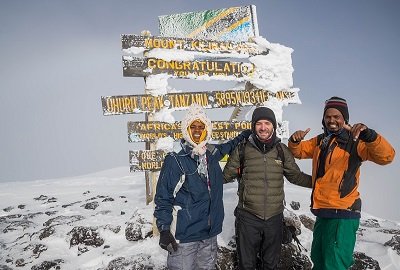
Description: Ascend through alpine desert, with increasingly stark landscapes. Arrive at Barafu Camp early for rest before summit night. - Day 6: Barafu Camp (4,650m) to Summit (Uhuru Peak, 5,895m) and descend to Mweka Camp (3,100m)
Distance: ~5 km ascent, ~12 km descent, Time: 7-9 hours ascent, 4-6 hours descent.
Description: Midnight start for the challenging summit push via Stella Point and Gilman’s Point. Descend past Barafu Camp to Mweka Camp. - Day 7: Mweka Camp (3,100m) to Mweka Gate (1,650m)
Distance: ~10 km, Time: 4-6 hours.
Description: Descend through rainforest to the Mweka Gate for your farewells and transfer.
7-Day Lemosho Route Itinerary
- Day 1: Lemosho Gate (2,100m) to Mkokoni Camp (2,200m)
Distance: ~3 km, Time: 1-2 hours.
Description: Drive to Lemosho Gate, then a short trek into the rainforest to the first camp. Very gentle start. - Day 2: Mkokoni Camp (2,200m) to Shira 1 Camp (3,500m)
Distance: ~8 km, Time: 5-7 hours.
Description: Trek through the rainforest, emerging onto the Shira Plateau. Beautiful views and good acclimatization. - Day 3: Shira 1 Camp (3,500m) to Shira 2 Camp (3,850m)
Distance: ~6 km, Time: 3-5 hours.
Description: Traverse the Shira Plateau, offering stunning panoramic views. This day is key for acclimatization. - Day 4: Shira 2 Camp (3,850m) to Barranco Camp (3,950m) via Lava Tower (4,630m)
Distance: ~10 km, Time: 6-8 hours.
Description: The route ascends to Lava Tower for acclimatization before descending to Barranco Camp, joining the Machame route. - Day 5: Barranco Camp (3,950m) to Karanga Camp (4,000m)
Distance: ~5 km, Time: 3-5 hours.
Description: Ascend the Barranco Wall, then a shorter trek to Karanga Camp. - Day 6: Karanga Camp (4,000m) to Barafu Camp (4,650m)
Distance: ~4 km, Time: 3-5 hours.
Description: Trek through alpine desert to Barafu Camp, preparing for summit night. - Day 7: Barafu Camp (4,650m) to Summit (Uhuru Peak, 5,895m) and descend to Mweka Camp (3,100m)
Distance: ~5 km ascent, ~12 km descent, Time: 7-9 hours ascent, 4-6 hours descent.
Description: Midnight start for the summit push. Descend to Mweka Camp. - Day 8 (Implicit for 7-day Lemosho from many operators): Mweka Camp (3,100m) to Mweka Gate (1,650m)
Distance: ~10 km, Time: 4-6 hours.
Description: Final descent through rainforest to Mweka Gate. Note: Some operators list Lemosho as 8 days to fully capture the longer start. A 7-day Lemosho effectively condenses the early days slightly or skips a camp. For clarity on a 7-day Lemosho, it often means Day 4 of the above Lemosho itinerary becomes Day 3 of your trek, and subsequent days shift. For the sake of direct 7-day comparison, the above 7-day Machame matches the pace of a common 7-day Lemosho where the final descent is the 7th day. A true 8-day Lemosho offers more days on Shira Plateau.
Key Differences to Note:
- Start: Lemosho begins with a more remote, longer trek through rainforest and onto the Shira Plateau, while Machame starts more directly with a steeper climb on day one.
- Acclimatization Focus: Lemosho’s initial days on the Shira Plateau offer a more natural high-altitude acclimatization. Machame’s crucial acclimatization day is Day 3 with the Lava Tower ascent/descent.
- Crowds: Lemosho is significantly less crowded in its first 2-3 days. Both routes merge and share trails with others from approximately Day 4 onwards.
- Day 4 Confluence: Both itineraries converge at Barranco Camp on Day 3 (Machame) or Day 4 (Lemosho), meaning the latter half of the trek is identical.
For a 7-day trek, the Lemosho route offers a slightly more gentle introduction and potentially better acclimatization in the initial stages due to its traverse of the Shira Plateau. However, the 7-day Machame is exceptionally well-designed for acclimatization as well, with its classic Lava Tower day.
Acclimatization and Success Rates on 7-Day Treks
Acclimatization is the single most important factor determining success on Kilimanjaro. Altitude sickness, or Acute Mountain Sickness (AMS), can affect anyone, regardless of fitness level. The key is to ascend gradually, allowing your body to adapt to the decreasing oxygen levels. Both the 7-day Machame and Lemosho routes are designed with this in mind, but there are subtle differences that can influence your chances of reaching Uhuru Peak.
How 7-Day Itineraries Aid Acclimatization:
- Gradual Ascent: Both routes ensure a slow and steady increase in altitude over the initial days.
- ‘Climb High, Sleep Low’: The principle is applied on both routes, notably with the Lava Tower day (4,630m) followed by a descent to sleep at Barranco Camp (3,950m). This is a critical acclimatization strategy that is well-integrated into the 7-day Machame and the later days of the 7-day Lemosho.
- Sufficient Time: Seven days provide a better balance than shorter 5- or 6-day treks. This extra day allows for a more relaxed pace, more time to adjust, and can reduce the risk of overexertion on critical days.
Lemosho’s Acclimatization Advantage (Subtle):
The Lemosho route’s initial days spent traversing the Shira Plateau at altitudes around 3,500m to 3,850m offer a sustained period of acclimatization at high altitude. This means your body is getting accustomed to thinner air for a longer duration before the significant altitude gains of the later days. This gentle introduction can be particularly beneficial for those who are concerned about altitude sickness or are first-time high-altitude trekkers. For expeditions planned for 2026 and 2027, this early acclimatization on Lemosho is a significant draw for many.
Machame’s Proven Acclimatization:
The Machame route’s 7-day itinerary is also highly effective. The ascent to Lava Tower on Day 3 is a classic. By ascending to over 4,600m and then descending to sleep at Barranco Camp, trekkers experience a significant acclimatization stimulus. This route is well-trodden, and guides are expert at monitoring climbers for AMS. The 7-day Machame is a tried-and-tested formula for success.
Success Rates:
While specific success rates vary based on the operator, weather, and individual climber preparedness, generally speaking, longer routes and those with better acclimatization profiles tend to yield higher summit success rates. The 7-day Lemosho, with its more gradual start and plateau traverse, is often cited as having a slight edge in success rates over the 7-day Machame, though both are considered excellent options. A typical success rate for well-supported 7-day Lemosho or Machame treks with reputable operators can range from 70% to 85%, with the remaining percentage often due to altitude sickness, exhaustion, or minor injuries.
Important Considerations:
- Hydration: Drink plenty of water (3-4 liters per day).
- Pacing: “Pole pole” (slowly, slowly) is the mantra.
- Listen to Your Body: Report any symptoms of AMS to your guide immediately.
- Pre-Acclimatization: Spending a night or two at a higher altitude (e.g., in Arusha at 1,400m) before your trek can be beneficial.
For your 2026 or 2027 climb, choosing a 7-day itinerary on either route is a strong foundation for success, but Lemosho may offer a marginal advantage for those prioritizing acclimatization above all else.
Scenery and Terrain: What to Expect
Kilimanjaro is a mountain of incredible ecological diversity, and both the Machame and Lemosho routes showcase this dramatically. The type of scenery and the terrain you encounter will differ, particularly in the initial days, offering unique visual and physical experiences.
Machame Route: Diverse and Dramatic
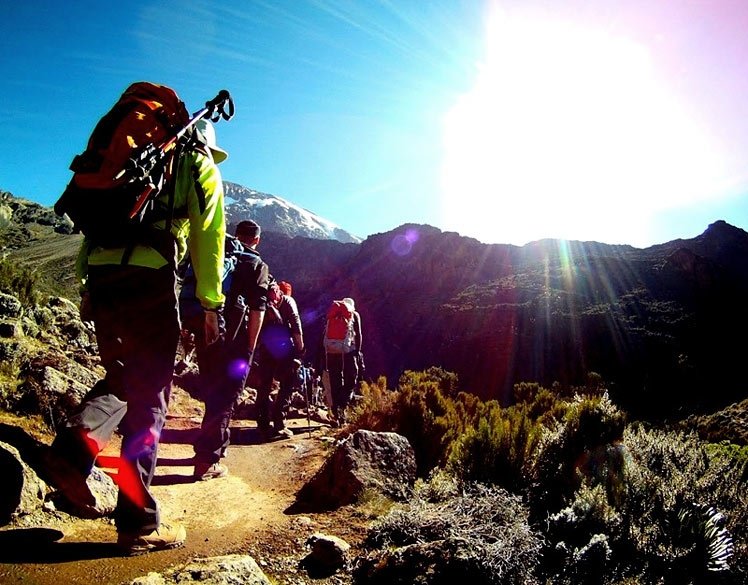
The Machame route plunges you straight into Kilimanjaro’s varied landscapes. From the moment you start at Machame Gate, you are enveloped by a thick, vibrant rainforest. The air is humid, and the path is often muddy and root-strewn, a challenging but beautiful introduction. As you ascend, the forest gives way to giant heathers and senecios, creating a more open, moorland environment. The terrain becomes rockier, with scree slopes becoming more common as you approach the alpine desert zone.
The highlights of the Machame route’s scenery include:
- Rainforest: Lush, green, and alive with sounds.
- Shira Plateau views: From higher camps, you get glimpses of the vast plateau.
- The Great Barranco Wall: A formidable rock face that requires hands-on scrambling, offering exhilarating views once conquered.
- Karanga Valley: A dramatic valley that requires a descent and subsequent ascent, showcasing the mountain’s ruggedness.
- Alpine Desert: Stark, rocky, and exposed, with the summit looming ever closer.
The terrain on Machame can be steep, with significant ascents and descents. The Barranco Wall is a notable challenge, requiring careful footwork and handholds. The path is generally well-trodden, meaning it’s clear but can also be subject to erosion.
Lemosho Route: Wilderness and Grand Vistas
Lemosho truly shines in its initial days for its untouched beauty and sense of wilderness. The trek begins in the rainforest, similar to Machame, but the ascent is more gradual, allowing for a deeper immersion. The route then opens up onto the expansive Shira Plateau, a vast, high-altitude grassland offering unparalleled panoramic views. Here, you can see the Shira Needles and, on clear days, Mount Meru dominating the horizon. The landscape is dramatic and relatively untouched, providing a sense of solitude that is rare on other routes.
The highlights of the Lemosho route’s scenery include:
- Pristine Rainforest: Often more untouched and less-trafficked than Machame’s initial forest trek.
- Shira Plateau: A magnificent, high-altitude landscape offering impressive, sweeping vistas and a true sense of space.
- Western Breach (Optional/Longer Itineraries): While not typically part of a 7-day trek, longer Lemosho itineraries can offer views towards the Western Breach.
- Convergence with Machame: From Day 4 onwards, the scenery and terrain become identical to the Machame route as it joins the Southern Circuit.
The terrain on Lemosho is varied. The initial days are gentler, with the main challenge being the altitude. Once it merges with Machame, you’ll encounter the same steep ascents, scree slopes, and the Barranco Wall.
Terrain Considerations for 2026-2027 Treks:
- Footwear: Sturdy, broken-in hiking boots are essential for both routes, especially for the rocky, uneven terrain.
- Poles: Trekking poles are highly recommended for both ascents and descents, particularly on scree and rocky sections, and on the Barranco Wall.
- Weather: Expect rapid weather changes on both routes. Sunshine, rain, wind, and even snow can occur, often within the same day. Layers are key.
If your priority is a more remote and visually stunning start with vast, open landscapes, Lemosho has the edge. If you appreciate the dramatic challenge of a steep ascent like the Barranco Wall and a more direct path with varied forest and moorland, Machame is excellent. However, remember that from Day 4 onwards, the scenery and terrain are the same.
Crowds and Trekking Experience
The number of people you encounter on the mountain can significantly impact your trekking experience. When planning your 7-day Kilimanjaro trek for 2026 or 2027, understanding the crowd dynamics of the Machame and Lemosho routes is important.
Machame Route: The Bustling Path
As the most popular route, Machame is generally busier than Lemosho, especially from Day 2 onwards. This means you’re likely to encounter other trekking groups on the trail, at campsites, and during your summit push. For some, this can be a positive aspect, creating a sense of camaraderie and shared adventure. There’s a lively atmosphere at the camps, and you’ll always have other trekkers nearby.
Pros of Machame’s Crowds:
- Social Atmosphere: Campsites are often buzzing with activity.
- Support Network: More likely to have other groups around in case of emergencies.
- Well-trodden Trails: Paths are clear and easy to follow.
Cons of Machame’s Crowds:
- Less Solitude: You’ll rarely feel completely alone on the trail.
- Competition for Campsites: While operators manage this, early arrival can be beneficial.
- Summit Night Congestion: The path to the summit can become quite congested, especially around Stella Point and Gilman’s Point.
Lemosho Route: A Quieter Beginning
The Lemosho route offers a distinct advantage in terms of crowd levels for the first 2-3 days. Its western starting point and longer approach mean you begin in a more remote and less-trafficked area. This allows for a more intimate connection with nature and a greater sense of solitude. You’ll likely see fewer other trekkers, which many find enhances the overall wilderness experience.
Pros of Lemosho’s Fewer Crowds (Initial Days):
- Serenity: A more peaceful and in-depth trekking experience.
- Pristine Environment: Less impact from human activity in the early stages.
- Better Photos: Easier to capture unobstructed scenic shots.
Cons of Lemosho’s Fewer Crowds (Initial Days):
- Less Social Interaction Early On: If you thrive on constant interaction, the first few days might feel quieter.
- Convergence: From Day 4 onwards, Lemosho merges with the Machame route, meaning you will encounter more trekkers as you join the Southern Circuit. The summit night can still be busy.
Impact on 2026-2027 Treks:
Kilimanjaro is a popular destination year-round, but peak seasons (January-March and June-October) will see higher numbers on all routes. The relative difference in crowd levels between Machame and Lemosho remains consistent. If you are planning a climb during a peak season in 2026 or 2027 and are seeking a more tranquil start, Lemosho is the clear choice. If you don’t mind sharing the mountain and prefer a more established, social atmosphere from the outset, Machame is perfectly fine.
Operator Choice Matters:
It’s also worth noting that the size and quality of your tour operator can influence your experience. A reputable operator like Climb 4 Africa focuses on providing excellent support, well-trained guides, and adequate porters, ensuring a positive experience regardless of crowd levels. They manage campsite allocations and trek pacing to optimize your journey.
Ultimately, while Lemosho offers a quieter start, both routes will see increased traffic as you approach the summit. The key is to choose an operator that prioritizes your safety and comfort, and to embrace the shared adventure of climbing Kilimanjaro.
Logistics and Support: What Climb 4 Africa Provides
Choosing the right tour operator is as crucial as selecting the route for your 7-day Kilimanjaro trek. At Climb 4 Africa, we are dedicated to providing comprehensive support and ensuring a safe, enjoyable, and successful climb for every adventurer aiming for the summit in 2026 or 2027. Our local expertise and commitment to quality service are what set us apart.
Comprehensive Inclusions for Your 7-Day Trek:
When you book a 7-day Machame or Lemosho trek with Climb 4 Africa, you can expect a full-service package designed to handle all the logistical complexities, allowing you to focus on the climb itself.
- Park Fees and Permits: All necessary Kilimanjaro National Park entry fees, camping fees, and rescue fees are included. This is a significant cost component that is transparently covered.
- Experienced Guides and Crew: You will be accompanied by certified, highly experienced local guides who are trained in first aid and altitude sickness management. We also provide skilled cooks and a sufficient number of porters to carry your gear and set up camp.
- Quality Equipment: We provide high-quality tents (sleeping tents, mess tent, toilet tent), sleeping mats, and cooking equipment. While you need to bring your own sleeping bag and personal gear, we ensure the communal equipment is top-notch.
- Meals: All meals during the trek are prepared by our expert cooks. We provide nutritious, varied, and energy-rich food to keep you fueled. This includes breakfast, lunch, dinner, and snacks. We cater to dietary requirements with advance notice.
- Accommodation: Camping accommodation is provided at designated campsites along the route.
- Water: Boiled or purified drinking water is provided daily throughout the trek.
- Transfers: Round-trip transportation from Moshi/Arusha to the trailhead and back is included.
- Emergency Support: We have robust emergency protocols, including oxygen cylinders and a first-aid kit carried by your guides. We also facilitate emergency evacuations if necessary.
Why Choose Climb 4 Africa for Your 2026-2027 Kilimanjaro Climb?
- Local Expertise: As a Tanzania-based company, we have unparalleled knowledge of Kilimanjaro, its routes, and the local conditions. Our guides and crew are from the region, ensuring authentic support and employment for the local community.
- Safety First: Your safety is our absolute priority. We adhere to strict safety protocols, ensure our crew is well-equipped and trained, and carry essential medical supplies.
- Ethical Porter Treatment: We are committed to the fair treatment and ethical treatment of our porters, ensuring they are well-paid, properly clothed, and fed.
- Customization: While we offer standard 7-day Machame and Lemosho packages, we can also tailor itineraries to your specific needs and preferences for your 2026 or 2027 adventure.
- Clear Communication: We believe in transparent communication. We provide detailed pre-trek information, answer all your questions promptly, and are available for support before, during, and after your climb.
What You Need to Prepare:
While we cover the major logistics, you will be responsible for:
- Personal Gear: High-quality sleeping bag, warm clothing, waterproofs, hiking boots, backpack, headlamp, etc. (a detailed packing list will be provided).
- Travel Insurance: Comprehensive travel and medical insurance covering high-altitude trekking and emergency evacuation is mandatory.
- Visas and Flights: Arranging your international flights to Kilimanjaro International Airport (JRO) and obtaining necessary visas.
- Personal Expenses: Tips for guides and porters, souvenirs, extra snacks, and drinks.
By entrusting your 7-day Kilimanjaro trekking adventure to Climb 4 Africa, you gain a reliable partner dedicated to making your dream climb a reality. We handle the complexities so you can focus on the incredible journey ahead.
Preparing for Your 7-Day Trek: Training, Gear, and Health
A successful 7-day trek on Kilimanjaro, whether via Machame or Lemosho, requires more than just booking a trip. Thorough preparation in terms of physical training, appropriate gear, and health is essential for both safety and enjoyment. This is true for your 2026 or 2027 expedition, just as it is for any other year.
Physical Training: Building Your Stamina
While Kilimanjaro is not a technical climb, it is a demanding endurance test. The altitude and continuous trekking require a good level of cardiovascular fitness. Focus your training on activities that build stamina and leg strength:
- Cardiovascular Exercise: Aim for at least 3-4 sessions per week. Activities like hiking (especially with a backpack and on inclines), running, cycling, and swimming are excellent.
- Hiking: This is the most relevant training. Try to do long hikes (4-6 hours) on consecutive days if possible, simulating trek conditions. Wear your hiking boots and carry a weighted backpack.
- Strength Training: Focus on legs (squats, lunges) and core strength.
- Stair Climbing: A great way to prepare for steep ascents.
- Consistency: Start your training at least 2-3 months before your trek.
Key Principle: You don’t need to be an elite athlete, but you do need to be able to walk for 6-8 hours a day, sometimes more, with a pack, at altitude.
Essential Gear: Dressing for Success
Having the right gear is crucial for comfort, safety, and performance. Layering is the key principle. Here’s a breakdown of essential items:
- Clothing Layers:
- Base Layers: Moisture-wicking thermal tops and bottoms (merino wool or synthetic).
- Mid Layers: Fleece jacket or down vest for insulation.
- Outer Layer (Shell): Waterproof and windproof jacket and trousers.
- Insulated Jacket: A warm, puffy jacket (down or synthetic) for evenings and summit night.
- Trekking Trousers: Lightweight, quick-drying trousers (avoid jeans).
- Headwear: Warm woolen hat, sun hat with a brim, balaclava or neck gaiter for warmth and wind protection.
- Gloves: Warm, waterproof gloves and liner gloves.
- Footwear:
- Hiking Boots: Sturdy, waterproof, broken-in hiking boots with good ankle support.
- Camp Shoes/Sandals: For comfort at the campsite.
- Socks: Several pairs of warm, moisture-wicking hiking socks (wool or synthetic).
- Accessories:
- Backpack: A comfortable daypack (25-35 liters) for essentials (water, snacks, camera, rain gear). Porters will carry your main duffel bag.
- Duffel Bag: A large, waterproof duffel bag (80-100 liters) for your main gear, carried by porters.
- Sleeping Bag: A 4-season (-10°C to -20°C comfort rating) sleeping bag is essential.
- Trekking Poles: Highly recommended for stability and reducing knee strain.
- Headlamp: With extra batteries.
- Water Bottles/Hydration Reservoir: At least 2-3 liters capacity.
- Sunglasses: UV protection is vital.
- Sunscreen and Lip Balm: High SPF.
- Personal First-Aid Kit: Including any personal medications, blister treatment, pain relievers.
- Toiletries: Biodegradable soap, toothbrush, toothpaste, wet wipes.
- Camera and Power Bank: For capturing memories and keeping devices charged.
Note: Your operator, Climb 4 Africa, will provide a detailed packing list upon booking.
Health and Medical Considerations
Consult your doctor or a travel clinic well in advance of your trip (ideally 6-8 weeks before) to discuss:
- Altitude Sickness: Discuss preventative medications like Diamox (Acetazolamide) and understand the symptoms of AMS.
- Vaccinations: Ensure routine vaccinations are up to date. Yellow Fever vaccination may be required depending on your travel itinerary into Tanzania.
- Travel Insurance: Mandatory. Ensure it covers high-altitude trekking up to 6,000 meters and includes emergency medical evacuation.
- Fitness: As mentioned, good physical fitness is key to mitigating health risks.
- Hydration: Staying well-hydrated is crucial for acclimatization and overall health.
- Sun Protection: The sun’s rays are intense at altitude.
Proper preparation ensures you are physically and mentally ready for the challenges of Kilimanjaro, significantly increasing your chances of a rewarding and successful trek in 2026 or 2027.
Cost Considerations for 2026-2027 Treks
The cost of trekking Kilimanjaro can vary significantly based on the route, duration, operator, and level of service provided. For a 7-day Machame or Lemosho trek in 2026 or 2027, understanding the cost structure is essential for budgeting and making an informed decision.
What Influences the Price?
- Route Length: Longer routes typically cost more due to more park fees and crew days. However, the 7-day Machame and Lemosho are priced similarly by most operators, with Lemosho sometimes being slightly higher if it’s an 8-day itinerary.
- Operator Type:
- Budget Operators: Often cut costs by using less experienced crew, lower quality equipment, or fewer porters, which can compromise safety and comfort.
- Mid-Range Operators: Offer a good balance of quality, safety, and price. This is where reputable companies like Climb 4 Africa typically fall, providing excellent value.
- Luxury Operators: Offer higher-end services, more comfortable camping gear, and potentially more gourmet food, at a premium price.
- Inclusions: The more items included (e.g., all meals, transfers, park fees, oxygen, quality tents), the higher the price.
- Group Size: Private treks are always more expensive than joining a group.
- Season: Peak seasons (June-October, January-March) may see slightly higher prices due to demand.
Typical Cost Ranges for a 7-Day Machame or Lemosho Trek (2026-2027):
For a reputable, mid-range operator like Climb 4 Africa, you can expect the cost for a 7-day Machame or Lemosho trek to be in the range of $1,800 to $3,000 USD per person. This typically includes all the park fees, crew, meals, camping equipment, and transfers mentioned previously.
What This Price Generally Covers:
- Kilimanjaro National Park entry fees (significant cost)
- Camping fees
- Rescue fees
- Experienced, certified guides (often 1:1 guide to climber ratio for summit night)
- Assistant guides
- Cooks
- Porters to carry group and personal gear (up to a certain weight limit)
- All meals and drinking water during the trek
- Quality camping equipment (tents, mess tent, toilet tent)
- Ground transportation to/from the mountain
- Emergency oxygen cylinder and first-aid kit
What is Typically NOT Included:
- International flights to Kilimanjaro (JRO)
- Visa fees
- Travel and medical insurance (mandatory)
- Tips for guides, porters, and cooks (a significant portion of the crew’s income)
- Personal gear (sleeping bag, clothing, boots, etc.)
- Personal expenses (souvenirs, extra drinks, snacks)
- Pre- and post-trek accommodation in Arusha/Moshi
- Optional summit bonus for porters (sometimes included, sometimes extra)
Tips for Budgeting for 2026-2027:
- Research Operators Thoroughly: Look beyond the cheapest prices. Safety
Check Availability for Trekking Kilimangiaro 7 Giorni: Machame E Lemosho 2026-2027
Ready to compare dates, prices, and the best option for your group? Send the package name and travel month so the team can reply with a clear quote, availability, and what is included.
12 closely related packagesKilimanjaro Climb Machame Route : Expert Guide For Your Trek 2026-2027
Discover the ultimate guide to climbing Mount Kilimanjaro via the Machame Route for your 2026 or 2027 adventure. This comprehensive resource covers everything from choosing an itinerary and...
View package details
Trekking Monte Meru Tanzania: Precios, Ruta Y Consejos 2026-2027
Trekking Monte Meru Tanzania: precios, ruta y consejos is explained with current 2026-2027 planning, price, itinerary and booking information.
View package details
Mount Meru Trekking 3 Tage: Your Essential Planning Guide 2026-2027
A comprehensive guide to the 3-day Mount Meru trek, covering essential planning details for 2026-2027, including routes, preparation, what to expect, and booking advice.
View package details
Mount Meru Trekking Ab Arusha 2026-2027
Mount Meru Trekking ab Arusha is explained with current 2026-2027 planning, price, itinerary and booking information.
View package details
Trekking Monte Meru Desde Arusha: Your Ultimate Guide For 2026-2027
Your comprehensive guide to trekking Mount Meru from Arusha, covering everything from route options and difficulty to essential preparation and booking advice for climbs in 2026-2027.
View package details
Monte Meru Y Kilimanjaro: Trekking En Tanzania 2026-2027
Discover the ultimate trekking experience in Tanzania by combining Mount Meru and Mount Kilimanjaro. This comprehensive guide covers everything from route selection and preparation to...
View package details
Precio Trekking Monte Meru: ¿Cuánto Cuesta Tu Aventura En ? 2026-2027
Planifica tu aventura en el Monte Meru conociendo los costos detallados. Explora las opciones de rutas, duraciones y lo que influye en el precio para tu expedición 2026-2027.
View package details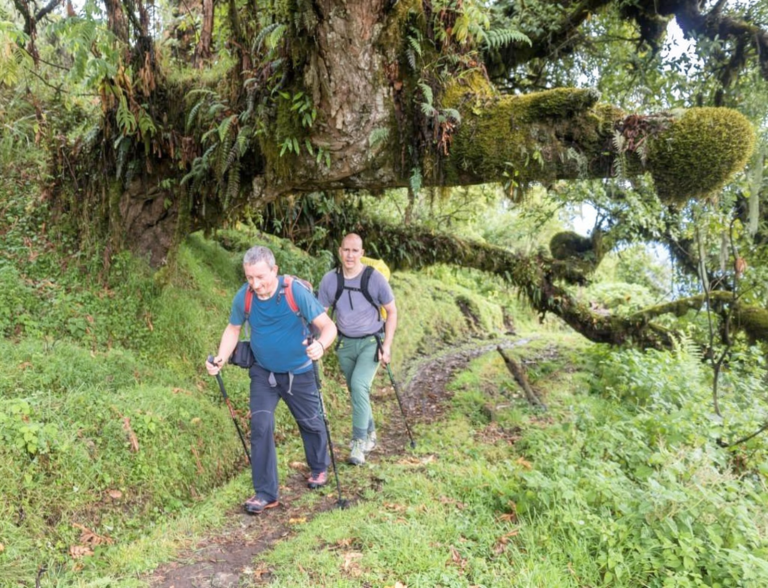
Trekking Monte Meru 4 Días 2026-2027
Trekking Monte Meru 4 días is explained with current 2026-2027 planning, price, itinerary and booking information.
View package detailsTrekking Monte Meru 3 Días 2026-2027
Trekking Monte Meru 3 días is explained with current 2026-2027 planning, price, itinerary and booking information.
View package detailsMonte Meru Tanzania Trekking From Arusha: Your Essential Guide 2026-2027
start a trek up Mount Meru from Arusha, Tanzania's stunning dormant volcano. This guide covers everything from routes and difficulty to preparation and best times to go for your 2026-2027...
View package details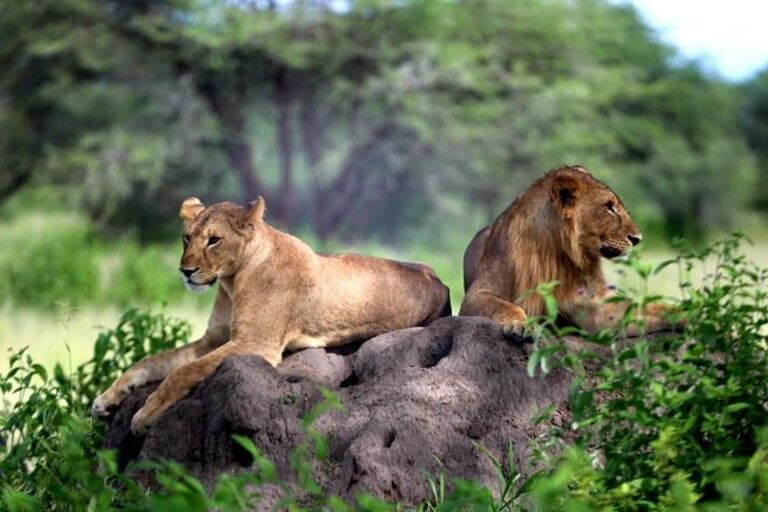
3 Day Joining Safari Group Departures From Moshi: 2026
Discover convenient 3-day group safari departures from Moshi, perfect for maximizing your Tanzania adventure. Explore wildlife-rich parks like Tarangire, Manyara, or the Serengeti on shared...
View package detailsWhat To Expect On Your First Kilimanjaro Trek: A Comprehensive Guide 2026-2027
Planning your first climb up Kilimanjaro? This comprehensive guide covers everything you need to know, from choosing a route and preparing your body to what daily life on the mountain is...
View package detailsNo related package matches those filters. Clear one or more filters to see the other topic-matched options.



