
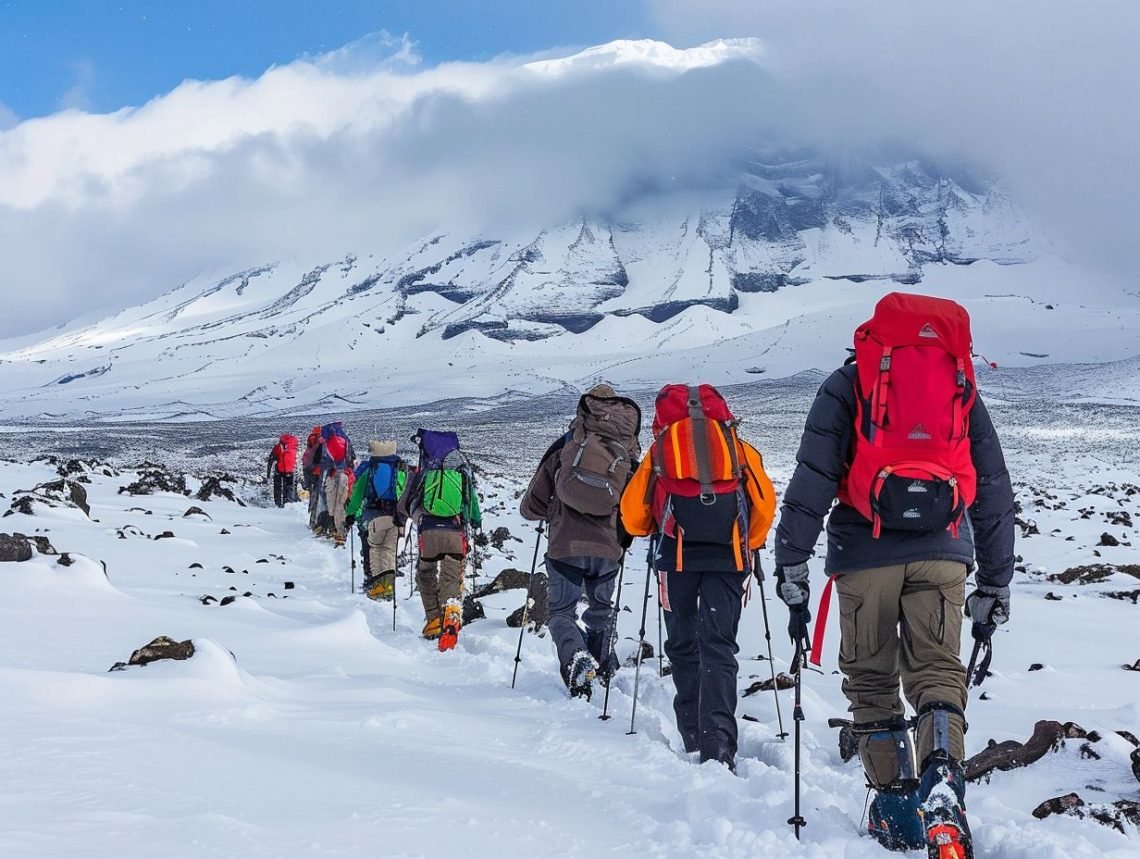
Trekking Kilimanjaro via the 8-day Lemosho Route is a highly recommended option for those seeking a balanced climb with excellent acclimatization and diverse scenery, leading to a summit success. This longer itinerary, compared to shorter options, allows for a more gradual ascent, significantly increasing your chances of reaching Uhuru Peak comfortably. The route begins on the western side of Kilimanjaro, offering a remote and wild start before joining the more established Machame Route for the final push. For 2026-2027 climbs, planning with an experienced operator like Climb 4 Africa is crucial for navigating logistics, ensuring safety, and maximizing your experience on this iconic mountain.
Understanding the 8-Day Lemosho Route: Your Path to the Summit
Kilimanjaro, the ‘Roof of Africa,’ draws thousands of trekkers annually, and choosing the right route is paramount to a successful and enjoyable climb. Among the various paths ascending its majestic slopes, the Lemosho Route stands out, particularly the 8-day itinerary. This duration is often considered the sweet spot for Lemosho, offering a superb balance between acclimatization, scenic beauty, and logistical feasibility. Unlike some of the shorter, more aggressive routes, the 8-day Lemosho provides the necessary time for your body to adjust to the increasing altitude, a critical factor in reaching the summit and descending safely.
The Lemosho Route itself is celebrated for its stunning scenery and remote start. It begins on the western side of Kilimanjaro, near the Lemosho Glades, offering a sense of wilderness that is less common on other routes. As the days progress, it merges with the popular Machame Route, benefiting from its well-established infrastructure and porter support. The 8-day Lemosho Route itinerary is designed to maximize this advantage, spreading the ascent over a longer period to allow for better acclimatization, which translates into higher success rates and a more pleasant trekking experience for climbers aiming for their 2026 or 2027 adventure.
Why Choose the 8-Day Lemosho Route for Your 2026-2027 Climb?
The decision to trek Kilimanjaro is a significant one, and selecting the 8-day Lemosho Route offers distinct advantages:
- Superior Acclimatization: The extended duration allows for a slower, more gradual ascent. This ‘pole pole’ (slowly, slowly) approach is vital for acclimatization, reducing the risk of altitude sickness and increasing your overall comfort and chances of summiting. The 8-day schedule provides more ‘rest’ days or shorter hiking days in the critical altitude zones.
- Higher Success Rates: Directly linked to better acclimatization, the 8-day Lemosho Route consistently shows higher summit success rates compared to shorter 6 or 7-day treks on other routes. Your body has more time to adapt to the thinning air.
- Exceptional Scenery: The Lemosho Route offers some of the most diverse and impressive landscapes on Kilimanjaro. Starting in lush rainforests, you’ll traverse moorlands, alpine deserts, and finally, the arctic zone near the summit. The western approach offers unique vistas, including views of the Shira Plateau.
- Less Crowded Start: The initial days on the Lemosho Route are typically less crowded, providing a more intimate and wild trekking experience before you join the main trails.
- Scenic Summit Sunrise: The route is strategically designed to allow for a summit attempt during the night, meaning you can experience the unforgettable sunrise from the rim of the crater and potentially Uhuru Peak itself.
For trekkers planning their expedition for 2026 or 2027, investing in an extra day on the mountain via the 8-day Lemosho Route is a wise decision that pays dividends in terms of safety, enjoyment, and success.
The 8-Day Lemosho Route Itinerary: A Day-by-Day Breakdown
The 8-day Lemosho Route itinerary is meticulously crafted to offer a progressive ascent, ensuring optimal acclimatization and allowing trekkers to fully absorb the mountain’s diverse environments. While specific timings and distances can vary slightly based on the operator and conditions, this breakdown provides a typical flow for your 2026-2027 expedition.
Typical 8-Day Lemosho Route Itinerary
- Day 1: Lemosho Gate to Mti Mkubwa Camp
- Distance: Approx. 6 km (3.7 miles)
- Time: 3-4 hours
- Altitude Gain: 700m (2,300 ft)
- Description: Your trek begins after a drive to the Lemosho Gate (2,100m/6,890 ft). You’ll register and then commence a trek through the dense rainforest. The trail is relatively gentle, leading you to Mti Mkubwa Camp (2,800m/9,185 ft). Expect a good introduction to the mountain’s flora and fauna.
- Day 2: Mti Mkubwa Camp to Shira 2 Camp
- Distance: Approx. 10 km (6.2 miles)
- Time: 5-7 hours
- Altitude Gain: 700m (2,300 ft)
- Description: Today involves a significant climb out of the forest and onto the moorland zone. You’ll traverse the Lemosho Glades and eventually reach the Shira Plateau. The views open up dramatically. You’ll make camp at Shira 2 Camp (3,500m/11,480 ft), a popular campsite on the plateau.
- Day 3: Shira 2 Camp to Barranco Camp
- Distance: Approx. 10 km (6.2 miles)
- Time: 6-8 hours
- Altitude Gain: 400m (1,310 ft) – with significant ups and downs
- Description: This is a crucial acclimatization day. You’ll trek across the Shira Plateau, reaching higher altitudes before descending to Barranco Camp (3,950m/12,960 ft). The route offers stunning views of the Shira volcanic cone and the western breach.
- Day 4: Barranco Camp to Karanga Camp
- Distance: Approx. 5 km (3.1 miles)
- Time: 4-5 hours
- Altitude Gain: 250m (820 ft)
- Description: The highlight of today is the famous Barranco Wall, a steep but manageable scramble that requires careful footing. After conquering the wall, the trail continues through alpine desert landscapes to Karanga Camp (4,200m/13,780 ft). This day involves a significant ‘climb high, sleep low’ principle.
- Day 5: Karanga Camp to Barafu Camp
- Distance: Approx. 4 km (2.5 miles)
- Time: 4-5 hours
- Altitude Gain: 450m (1,475 ft)
- Description: The landscape becomes increasingly barren and rocky as you ascend towards the alpine desert. The trail is steep in places, and the altitude begins to take its toll. You’ll reach Barafu Camp (4,650m/15,250 ft), the base camp for your summit attempt. Rest and prepare for the night’s climb.
- Day 6: Barafu Camp to Summit (Uhuru Peak) and descend to Mweka Camp
- Distance: Approx. 13 km (8 miles) total (5 km to summit, 8 km to Mweka Camp)
- Time: 10-12 hours (7-9 hours to summit, 3-4 hours to Mweka Camp)
- Altitude Gain: 1,200m (3,940 ft) to summit, then 2,650m (8,690 ft) descent
- Description: This is summit night! You’ll begin climbing around midnight, trekking up steep scree slopes in the dark. Stella Point (5,756m/18,885 ft) is the first major milestone, followed by the final push to Uhuru Peak (5,895m/19,341 ft), the highest point in Africa. After celebrating at the summit, you’ll descend back past Barafu Camp to Mweka Camp (3,100m/10,170 ft).
- Day 7: Mweka Camp to Mweka Gate and transfer to hotel
- Distance: Approx. 10 km (6.2 miles)
- Time: 4-5 hours
- Altitude Loss: 1,200m (3,940 ft)
- Description: A relatively easy descent through the rainforest. You’ll reach Mweka Gate (1,650m/5,410 ft), where you’ll receive your climbing certificate. A vehicle will be waiting to transfer you back to your hotel in Moshi or Arusha.
- Day 8: Buffer Day / Rest Day
- Description: This extra day is built into the 8-day Lemosho itinerary as a crucial buffer. It can be used if there are minor delays, if a climber needs an extra day for acclimatization at a specific camp, or simply as a well-deserved rest day before the strenuous summit push or after the descent. This is a significant advantage of the 8-day plan.
Key Considerations for Trekking Kilimanjaro on the 8-Day Lemosho Route
Successfully trekking Kilimanjaro, especially via a longer route like the 8-day Lemosho Route, involves more than just booking a trip. It requires careful consideration of several factors that directly impact your safety, comfort, and likelihood of success. For trekkers planning their expeditions for 2026-2027, understanding these elements is vital for thorough preparation.
Essential Preparation Checklist
- Physical Fitness: While Kilimanjaro is not technically demanding, it requires significant cardiovascular endurance. You should be comfortable hiking for 6-8 hours a day, with elevation gains, for several consecutive days. Focus on hiking, running, cycling, and strength training. Practicing with a weighted backpack is also beneficial.
- Mental Preparedness: The climb is physically and mentally taxing, especially the summit night. Understanding the challenges, having a positive attitude, and being prepared for discomfort (cold, fatigue, altitude symptoms) are crucial.
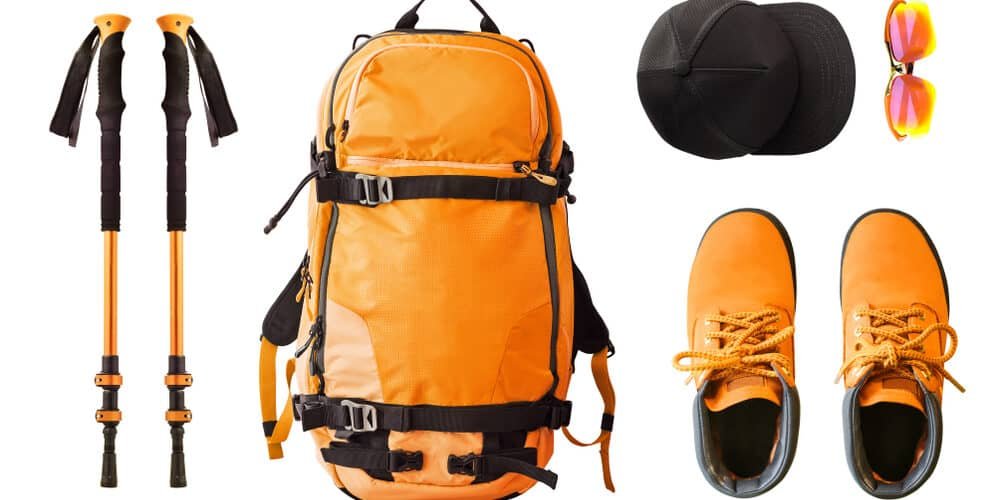
- Gear and Equipment: Proper gear is non-negotiable. This includes layers of clothing (base, mid, and outer layers), waterproof and windproof outer shell, warm sleeping bag (rated to -15°C or -20°C), sturdy hiking boots, hat, gloves, and sunglasses. A detailed packing list will be provided by your tour operator.
- Acclimatization Strategy: The 8-day Lemosho Route inherently provides good acclimatization. However, understanding ‘pole pole’ (slowly, slowly), staying hydrated, and avoiding alcohol and strenuous activity on ascent days are key personal strategies.
- Health and Vaccinations: Consult your doctor about necessary vaccinations and malaria prophylaxis. It’s also wise to discuss altitude sickness medication like Diamox. Ensure you have adequate travel insurance that covers high-altitude trekking and emergency evacuation.
- Choosing the Right Operator: This is perhaps the most critical decision. A reputable operator ensures experienced guides, proper safety protocols, well-trained porters, adequate food, and reliable logistics. For your 2026 or 2027 climb, look for operators with a proven track record on the Lemosho Route.
Altitude Sickness: Understanding and Managing the Risks
Altitude sickness, or Acute Mountain Sickness (AMS), is the most significant risk on any Kilimanjaro climb. The 8-day Lemosho Route is designed to mitigate this risk through its gradual ascent, but it cannot eliminate it entirely. Understanding AMS is vital for trekkers planning their 2026-2027 expeditions.
AMS symptoms can include headache, nausea, dizziness, fatigue, and loss of appetite. These are common and can often be managed by descending, resting, and hydrating. More severe forms, High Altitude Cerebral Edema (HACE) and High Altitude Pulmonary Edema (HAPE), are life-threatening and require immediate descent and medical attention. Your guides are trained to recognize these symptoms and will make critical decisions regarding your safety. They will constantly monitor you and the group. Remember, ‘pole pole’ is not just a pace; it’s a safety mantra.
Tips for Preventing and Managing Altitude Sickness:
- Ascend Slowly: The 8-day Lemosho Route excels here. Stick to the ‘pole pole’ pace.
- Hydrate: Drink plenty of water (3-4 liters per day). Avoid dehydration, which can exacerbate AMS symptoms.
- Eat Well: Maintain a good intake of carbohydrates.
- Avoid Alcohol and Smoking: These can hinder acclimatization.
- Consider Medication: Discuss Diamox (acetazolamide) with your doctor. It can aid acclimatization but is not a substitute for slow ascent.
- Listen to Your Body and Your Guides: Communicate any symptoms immediately. Never push through severe symptoms. Descent is the best treatment.
The Role of Guides and Porters
The success and safety of your 8-day Lemosho Route trek are largely dependent on your support team: your guides and porters. For 2026-2027 climbs, selecting an operator that treats its crew ethically is as important as choosing a route. Climb 4 Africa is committed to fair treatment and good working conditions for all its staff.
Guides: Your lead guide and assistant guides are experienced mountaineers with extensive knowledge of Kilimanjaro, altitude sickness, first aid, and local flora and fauna. They make crucial decisions regarding pacing, safety, and route adjustments. They are your primary point of contact for any concerns.
Porters: These invaluable members of the team carry your main luggage, tents, food, and equipment. They set up camp each day and ensure you have a comfortable experience. Their strength and efficiency are essential for the smooth running of the expedition. Ethical operators ensure porters are well-clothed, fed, and paid fairly, and that their load is within regulated limits.
Comparing the 8-Day Lemosho Route to Other Kilimanjaro Options
While the 8-day Lemosho Route is a popular choice, it’s beneficial to understand how it stacks up against other Kilimanjaro treks, especially when planning for 2026 or 2027. Each route has its own unique characteristics, pros, and cons.
Lemosho vs. Machame (7-Day vs. 8-Day)
The Machame Route is Kilimanjaro’s most popular trek, and the 7-day version offers a good balance. However, the 8-day Lemosho Route offers:
- Earlier acclimatization: Lemosho starts at a lower altitude and takes a more circuitous path initially, aiding acclimatization.
- Better scenery: The remote start and varied landscapes of Lemosho are often considered more visually diverse and engaging than Machame.
- Higher success rate: The extra day on Lemosho provides a critical advantage for acclimatization and reduces fatigue leading up to summit night.
A 7-day Machame trek is excellent, but the 8-day Lemosho typically provides a more comfortable and often more successful climb.
Lemosho vs. Marangu (Coca-Cola Route)
The Marangu Route is the oldest and only route with hut accommodation. It’s also the shortest (5 days), making it appealing but with a significantly lower success rate due to poor acclimatization. The 8-day Lemosho Route:
- Higher success rate: Due to superior acclimatization.
- Better scenery: Marangu is often described as less scenic, especially the final ascent.
- Camping experience: Lemosho offers the classic camping experience, which many trekkers prefer for a true wilderness feel.
Marangu is generally not recommended for those prioritizing success and a rewarding trekking experience.
Lemosho vs. Rongai
Rongai Route approaches Kilimanjaro from the north, offering a drier environment and often good wildlife sightings. It’s typically a 6 or 7-day trek. The 8-day Lemosho Route:
- More scenic: Lemosho offers more varied vegetation zones and dramatic landscapes, particularly the Shira Plateau and Barranco Wall.
- Better acclimatization: The 8-day Lemosho is inherently better for acclimatization than a standard 6 or 7-day Rongai.
- Different starting point: Lemosho’s western start is more remote and wild than Rongai’s northern approach.
While Rongai is a good route, Lemosho is often preferred for its overall scenic beauty and acclimatization profile, especially in its 8-day format.
Expert Recommendation for 2026-2027 Treks
For most trekkers aiming for a successful and memorable climb of Kilimanjaro in 2026 or 2027, the 8-day Lemosho Route represents the optimal balance of acclimatization, scenery, and success probability. It offers a challenging yet rewarding journey, allowing you to experience the magic of Kilimanjaro in comfort and safety.
Booking Your 8-Day Lemosho Route Trek
When planning your 8-day Lemosho Route trek for 2026-2027, choosing the right tour operator is paramount. Climb 4 Africa specializes in Kilimanjaro climbs and Tanzania safaris, offering expert local knowledge and support to ensure your expedition is safe, enjoyable, and successful. We understand the nuances of Kilimanjaro trekking, from optimal acclimatization strategies to the best campsites and emergency procedures.
Our commitment is to provide a high-quality trekking experience that prioritizes your safety and well-being, while also ensuring fair treatment and good working conditions for our guides and porters. We believe that an ethical approach to tourism not only benefits the local community but also enhances the overall experience for our clients.
What to Expect in Your 8-Day Lemosho Route Package
While exact pricing for 2026-2027 treks will be provided upon inquiry, a typical package for the 8-day Lemosho Route with a reputable operator like Climb 4 Africa usually includes:
- Park Fees: All necessary Kilimanjaro National Park entrance, camping, and rescue fees.
- Guides and Crew: Highly experienced, licensed mountain guides and a professional support crew (cooks, porters).
- Accommodation: Tents, sleeping mats, and meals (breakfast, lunch, dinner) during the trek.
- Accommodation before and after the climb: Usually includes a hotel night in Moshi or Arusha.
- Transfers: All ground transportation from Kilimanjaro International Airport (KIA) to your hotel, and from your hotel to the mountain gate and back.
- Safety Equipment: First aid kits, portable oxygen cylinders, and communication devices.
Exclusions typically include: Flights, visa fees, travel insurance, personal gear, tips for guides and porters, and personal expenses.
We encourage you to contact us directly for a personalized quote and detailed itinerary tailored to your 2026-2027 travel dates. Understanding the inclusions and exclusions upfront is key to a transparent booking process.
Preparing for Your Kilimanjaro Adventure in 2026-2027
The journey to Kilimanjaro’s summit is an adventure of a lifetime. For those choosing the 8-day Lemosho Route, comprehensive preparation is key to enjoying every moment and maximizing your chances of reaching Uhuru Peak. This involves not just physical training but also logistical planning and mental readiness.
Training Regimen for the 8-Day Lemosho Route
Your training should focus on building endurance and strength. Aim to:
- Cardiovascular Fitness: Engage in activities like hiking (especially with hills and uneven terrain), running, cycling, or swimming for at least 3-4 times a week.
- Strength Training: Focus on leg strength (squats, lunges) and core strength.
- Hiking Practice: Undertake regular hikes, ideally longer ones (4-6 hours), wearing the gear you intend to use, including your backpack. Simulate the ascent and descent by choosing varied terrain.
- Altitude Simulation (Optional): If possible, spend time at moderate altitudes to help your body adapt.
The more prepared you are physically, the more you will be able to appreciate the incredible journey on the 8-day Lemosho Route.
Packing Essentials for Kilimanjaro
A well-packed bag is crucial for comfort and safety on Kilimanjaro. Key items for the 8-day Lemosho Route include:
- Layering System: Moisture-wicking base layers, insulating mid-layers (fleece, down jacket), and a waterproof/windproof outer shell.
- Footwear: Broken-in, waterproof hiking boots and comfortable camp shoes/sandals.
- Headwear: Warm hat, sun hat, and balaclava or neck gaiter.
- Handwear: Warm, waterproof gloves and liner gloves.
- Sleeping Gear: A warm sleeping bag (rated to -15°C or -20°C) and a sleeping bag liner.
- Trekking Poles: Highly recommended for stability and reducing strain on knees.
- Hydration: Water bottles or hydration reservoir (at least 3 liters capacity).
- Sun Protection: High SPF sunscreen, sunglasses, and lip balm.
- Headlamp: Essential for summit night and camp use.
Your tour operator will provide a comprehensive packing list specific to Kilimanjaro and the 8-day Lemosho Route.
Travel Insurance and Visas
Ensure your travel insurance covers high-altitude trekking up to 6,000 meters and includes emergency medical evacuation. This is a non-negotiable aspect of planning your 2026 or 2027 climb. Check visa requirements for Tanzania well in advance of your travel dates.
Frequently Asked Questions about the 8-Day Lemosho Route
Here are answers to common questions about trekking Kilimanjaro via the 8-day Lemosho Route, helping you finalize your plans for 2026-2027.
Q: Is the 8-day Lemosho Route suitable for beginners?
A: While the 8-day Lemosho Route offers excellent acclimatization, it is still a challenging high-altitude trek. Beginners should have a good level of fitness and be prepared for the physical demands. A good operator and proper preparation are key.
Q: What is the best time of year to trek the 8-day Lemosho Route?
A: The dry seasons, from January to March and June to October, are generally considered the best times to climb Kilimanjaro, including the 8-day Lemosho Route, offering clearer skies and more stable weather. Planning for 2026-2027 during these windows is advisable.
Q: How cold does it get on Kilimanjaro?
A: Temperatures can drop significantly, especially at higher altitudes and on summit night. Expect sub-zero temperatures (-5°C to -20°C or colder) at the summit and near the camps above 4,000m. Proper layering is essential.
Q: What is the success rate for the 8-day Lemosho Route?
A: The 8-day Lemosho Route typically has one of the highest success rates, often exceeding 85-90%, due to its superior acclimatization profile. This makes it a preferred choice for many trekkers aiming for Uhuru Peak.
Q: How much should I tip my guides and porters?
A: Tipping is customary and appreciated. Your tour operator will provide guidelines, but a common range is approximately $20-30 per day for guides and $10-15 per day for porters, per trekker. These amounts are typically pooled and distributed among the crew. For your 2026-2027 trip, confirm the latest recommendations.
Finalizing Your 2026-2027 Kilimanjaro Expedition with Climb 4 Africa
The 8-day Lemosho Route offers a compelling blend of challenge, natural beauty, and a high probability of success for your Kilimanjaro adventure. Its well-structured itinerary, focusing on gradual acclimatization and diverse landscapes, makes it an ideal choice for trekkers aiming for their summit aspirations in 2026 or 2027. By choosing a reputable operator like Climb 4 Africa, you ensure that your expedition is managed with the utmost professionalism, safety, and care.
We are passionate about sharing the majesty of Kilimanjaro and Tanzania with the world. Our team is dedicated to providing a smooth and unforgettable experience, from the initial planning stages to your triumphant return. We handle all the complex logistics, allowing you to focus on the incredible journey ahead.
Ready to take the next step towards conquering Kilimanjaro? Contact Climb 4 Africa today to discuss your 2026-2027 trekking plans. Our experts are available via WhatsApp at +255 747 477 898 or by email at climb4africa@gmail.com. Let us help you craft the perfect 8-day Lemosho Route expedition, ensuring a safe, memorable, and successful climb to the Roof of Africa.
Check Availability for Trekking Kilimanjaro 8 Days: Lemosho Route Guide For 2026-2027
Ready to compare dates, prices, and the best option for your group? Send the package name and travel month so the team can reply with a clear quote, availability, and what is included.
Kilimanjaro Climb Machame Route : Expert Guide For Your Trek 2026-2027
Discover the ultimate guide to climbing Mount Kilimanjaro via the Machame Route for your 2026 or 2027 adventure. This comprehensive resource covers everything from choosing an itinerary and...
View package detailsKilimanjaro Routes: Which Is Best For Your Climb? 2026-2027
Choosing the right Kilimanjaro route is crucial for a successful and enjoyable climb. This comprehensive guide compares the main routes, helping you select the best option for your...
View package details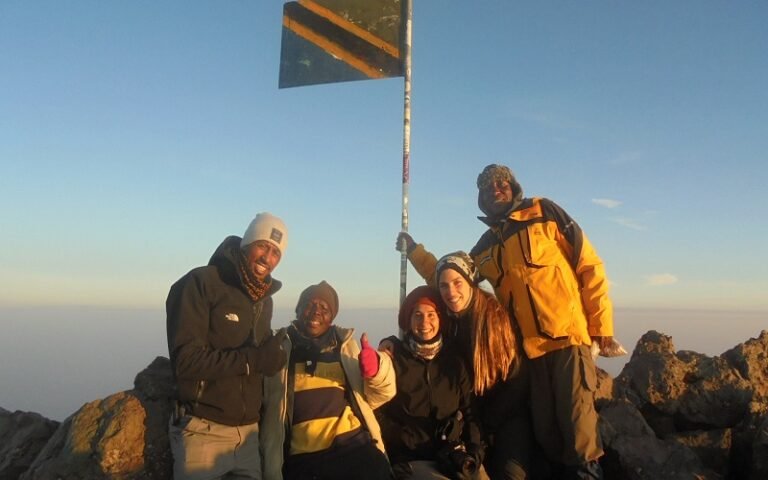
Trekking Monte Meru Tanzania: Precios, Ruta Y Consejos 2026-2027
Trekking Monte Meru Tanzania: precios, ruta y consejos is explained with current 2026-2027 planning, price, itinerary and booking information.
View package details
Mount Meru Trekking 3 Tage: Your Essential Planning Guide 2026-2027
A comprehensive guide to the 3-day Mount Meru trek, covering essential planning details for 2026-2027, including routes, preparation, what to expect, and booking advice.
View package details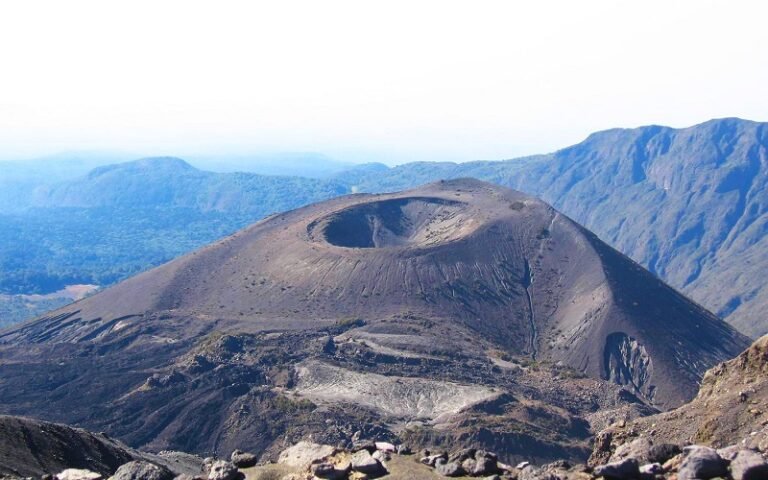
Mount Meru Trekking Ab Arusha 2026-2027
Mount Meru Trekking ab Arusha is explained with current 2026-2027 planning, price, itinerary and booking information.
View package details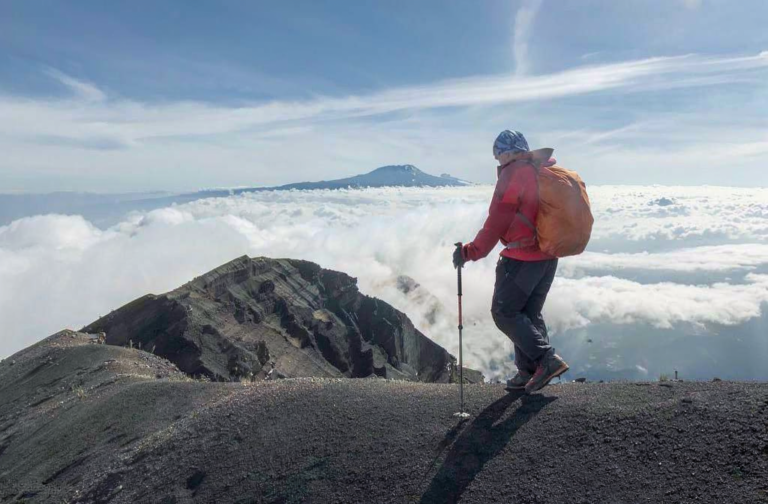
Trekking Monte Meru Desde Arusha: Your Ultimate Guide For 2026-2027
Your comprehensive guide to trekking Mount Meru from Arusha, covering everything from route options and difficulty to essential preparation and booking advice for climbs in 2026-2027.
View package details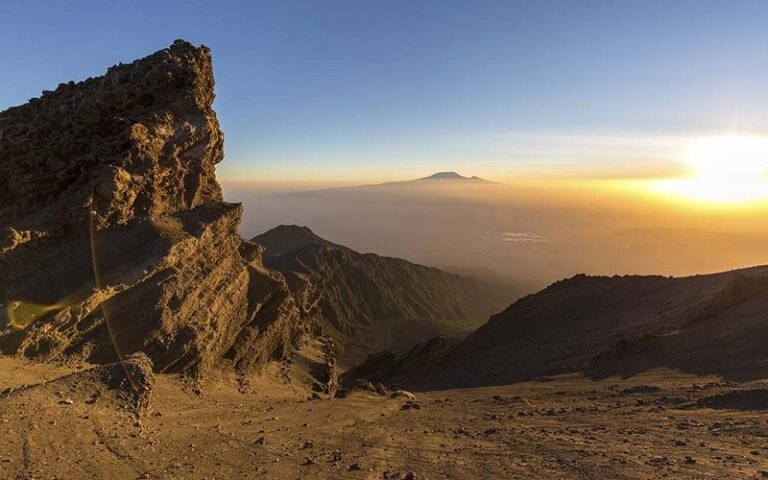
Monte Meru Y Kilimanjaro: Trekking En Tanzania 2026-2027
Discover the ultimate trekking experience in Tanzania by combining Mount Meru and Mount Kilimanjaro. This comprehensive guide covers everything from route selection and preparation to...
View package details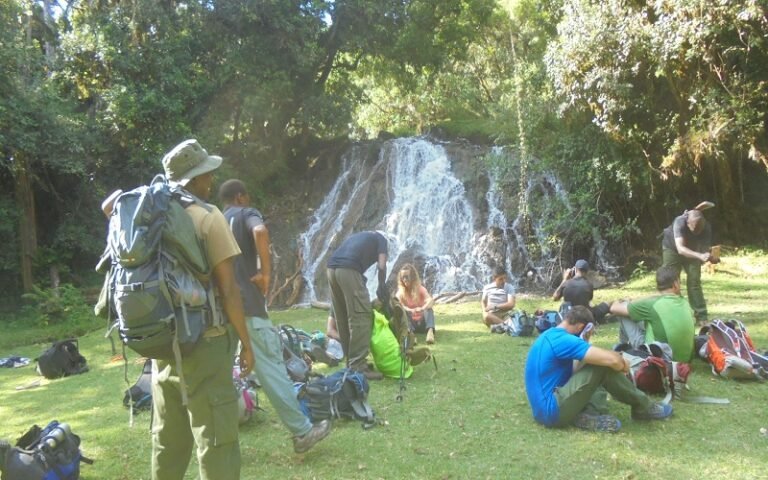
Precio Trekking Monte Meru: ¿Cuánto Cuesta Tu Aventura En ? 2026-2027
Planifica tu aventura en el Monte Meru conociendo los costos detallados. Explora las opciones de rutas, duraciones y lo que influye en el precio para tu expedición 2026-2027.
View package details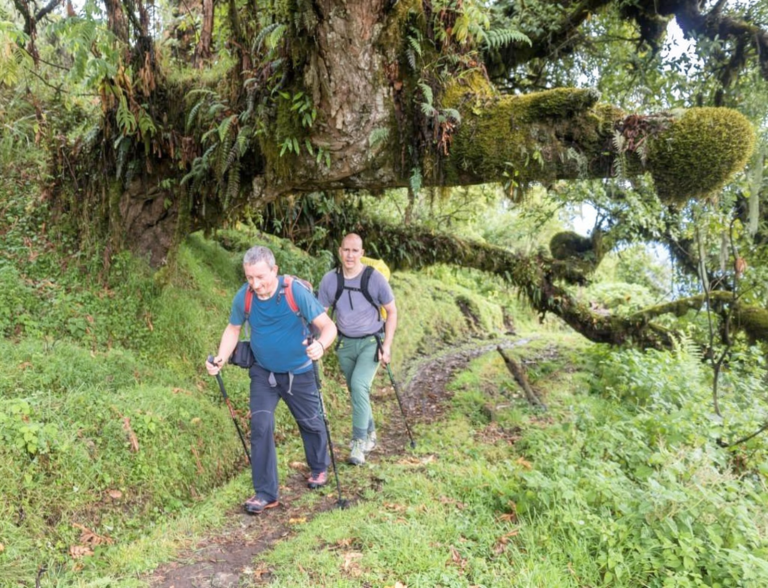
Trekking Monte Meru 4 Días 2026-2027
Trekking Monte Meru 4 días is explained with current 2026-2027 planning, price, itinerary and booking information.
View package detailsTrekking Monte Meru 3 Días 2026-2027
Trekking Monte Meru 3 días is explained with current 2026-2027 planning, price, itinerary and booking information.
View package detailsMonte Meru Tanzania Trekking From Arusha: Your Essential Guide 2026-2027
start a trek up Mount Meru from Arusha, Tanzania's stunning dormant volcano. This guide covers everything from routes and difficulty to preparation and best times to go for your 2026-2027...
View package details
3 Day Joining Safari Group Departures From Moshi: 2026
Discover convenient 3-day group safari departures from Moshi, perfect for maximizing your Tanzania adventure. Explore wildlife-rich parks like Tarangire, Manyara, or the Serengeti on shared...
View package detailsNo related package matches those filters. Clear one or more filters to see the other topic-matched options.



