
Trekking Kilimanjaro in Tanzania involves choosing a route, typically ranging from 5 to 9 days, with costs varying based on route, duration, inclusions, and operator, generally falling between $1,800 and $4,500+ per person for 2026-2027. Key considerations include acclimatization, gear, permits, and choosing a reputable operator like Climb 4 Africa for expert support and safety on treks like the Machame, Lemosho, or Marangu routes.
Kilimanjaro Tanzania: An Overview for Trekkers
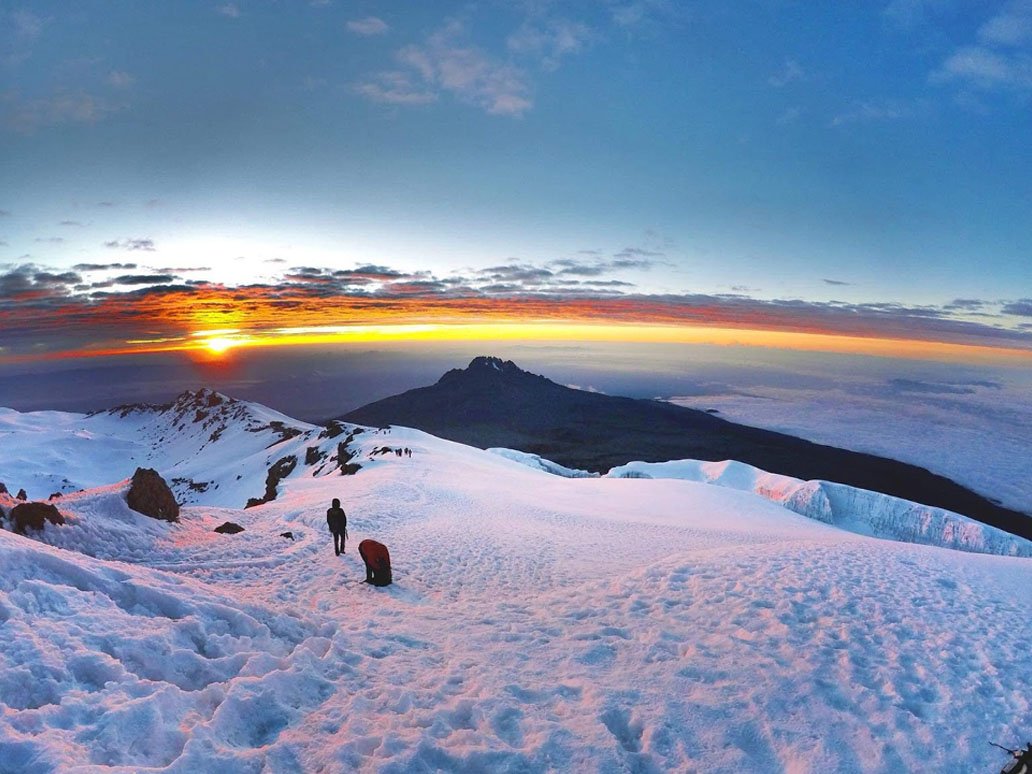
Mount Kilimanjaro, the Roof of Africa, stands majestically in northern Tanzania, a dormant volcano offering one of the most accessible yet challenging high-altitude trekking experiences on the continent. Its iconic snow-capped summit, Uhuru Peak at 5,895 meters (19,341 feet), draws adventurers from across the globe. Trekking Kilimanjaro Tanzania is more than just a physical challenge; it’s an incredible journey through diverse ecosystems, from lush rainforests at the base to alpine deserts and finally, the arctic zone near the summit. Understanding the nuances of trekking this magnificent mountain is crucial for a safe and successful climb, and that’s precisely what this guide aims to provide.
When planning your Kilimanjaro Tanzania trek, you’ll encounter various routes, each with its own character, scenery, and success rate. The choice of route significantly impacts your acclimatization, the duration of your trek, and ultimately, the overall cost. For 2026 and 2027, operators are refining their packages, but the core principles of acclimatization, experienced guides, and quality support remain paramount. Climb 4 Africa, as a leading Kilimanjaro expert and Tanzania travel company, focuses on providing comprehensive support, ensuring you have the best possible experience from the moment you inquire to the moment you descend, triumphant.
Choosing Your Kilimanjaro Tanzania Trekking Route
Selecting the right trekking route for Kilimanjaro Tanzania is perhaps the most critical decision you’ll make. It dictates the difficulty, scenery, acclimatization profile, and total duration of your expedition. There are seven main routes to the summit, each with distinct advantages and disadvantages. Some are more scenic, others offer better acclimatization, and some are simply more popular. For 2026-2027 expeditions, understanding these differences will help you pick the path that best suits your fitness, time, and desired experience.
The Machame Route: Popularity and Success Rates
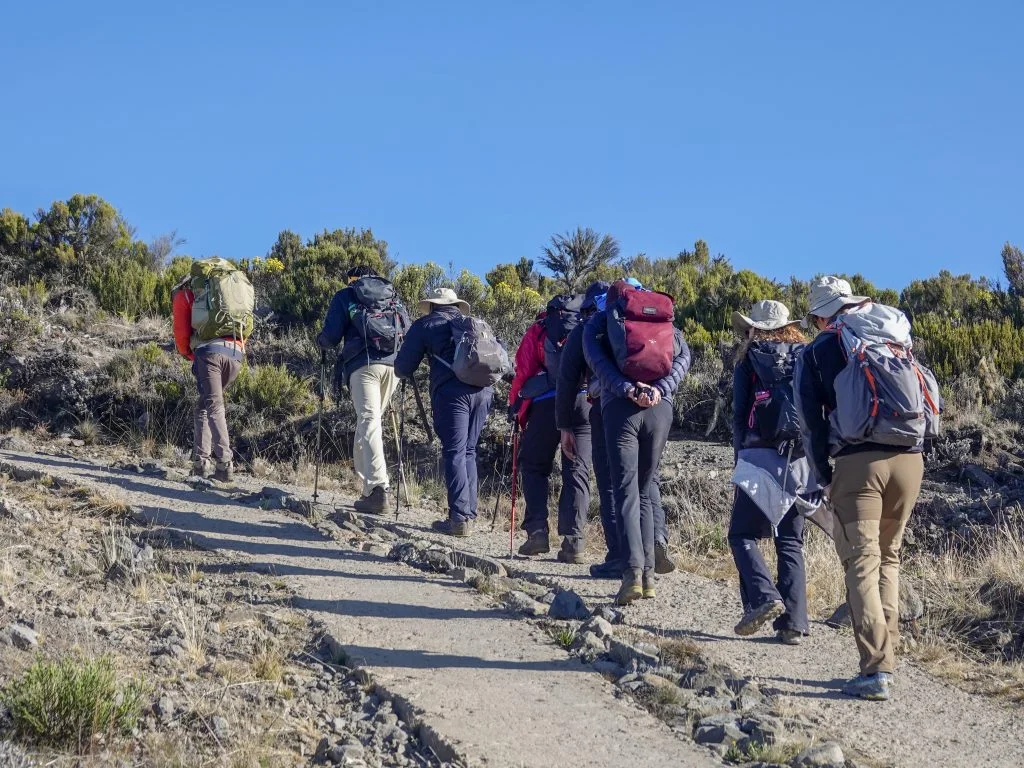
Often dubbed the “Whiskey Route” due to its challenging nature compared to the Marangu Route’s “Coca-Cola Route,” the Machame Route is the most popular trekking path on Kilimanjaro Tanzania. It’s known for its stunning scenery and good acclimatization profile, especially when trekked over 6 or 7 days. The route ascends steeply in parts but offers gradual climbs on other sections, allowing the body to adapt better to the altitude. It starts in the lush rainforest and traverses the moorland and alpine desert zones, offering diverse landscapes. A 7-day Machame trek has a significantly higher success rate than a 6-day option, as it allows an extra day for acclimatization, which is vital for reaching Uhuru Peak.
The 6-day Machame route can feel rushed, with less time to acclimatize, potentially leading to higher rates of altitude sickness. The 7-day Machame route provides an additional day, often used for a slower pace or a rest day at higher camps, greatly improving chances of summit success. For 2026-2027, this remains a top choice for many trekkers seeking a balance of beauty and a reasonable chance of reaching the top.
The Lemosho Route: Scenery and Acclimatization
The Lemosho Route is celebrated for its exceptional beauty and excellent acclimatization. It begins on the western side of Kilimanjaro Tanzania, offering impressive views and a more remote trekking experience initially. It joins the Machame Route after a few days, sharing the same trails through the diverse ecological zones. Lemosho is typically offered as a 7 or 8-day trek, with the longer duration being highly recommended for optimal acclimatization. This route provides a gradual ascent, allowing your body to adjust more effectively to the increasing altitude, which is a key factor in summit success.
Its longer duration and more challenging terrain in the early stages make it slightly more expensive than shorter routes, but the increased success rates and unparalleled scenery often make it worth the investment for 2026-2027 adventurers. The Lemosho route offers a truly wild and memorable start to your Kilimanjaro Tanzania journey.
The Marangu Route: “Coca-Cola” Route Advantages
The Marangu Route, often called the “Coca-Cola Route,” is the oldest and most established path up Kilimanjaro Tanzania. Its primary advantage is that it offers accommodation in dormitory-style huts, providing a different experience from the camping routes. It’s also the only route that can be completed in 5 days, making it an option for those with limited time. However, this shorter duration means a steeper ascent and a less effective acclimatization profile, resulting in lower success rates compared to longer routes. The Marangu route ascends and descends on the same path, offering less varied scenery.
While it might seem appealing for its hut accommodation and shorter duration, for serious trekkers aiming for the summit in 2026-2027, the 5-day Marangu is generally not recommended due to the high risk of altitude sickness. A 6-day Marangu option, with an extra day for acclimatization, is a better choice if you prefer this route.
The Rongai Route: Arid Northern Approach
The Rongai Route approaches Kilimanjaro Tanzania from the north, near the Kenyan border. This route is less crowded and offers a different perspective, traversing semi-arid country before entering the montane forest. It’s known for its excellent acclimatization profile, especially when trekked over 6 or 7 days. Rongai is a camping route and is often recommended during the rainy seasons (April-May and November) as it receives less rainfall than the southern routes. The scenery is beautiful, though perhaps less dramatic than Machame or Lemosho in the lower sections.
For 2026-2027 climbs, Rongai is a solid choice for trekkers seeking a quieter path with good acclimatization, particularly if they are concerned about wetter conditions on the southern side. A 7-day Rongai trek is advisable for the best chance of success.
The Shira Route: High Altitude Start
The Shira Route begins at a high altitude on the Shira Plateau, west of Kilimanjaro Tanzania. It’s a scenic route that offers spectacular views but starts at a higher elevation (around 3,600 meters), which can be challenging for initial acclimatization. It eventually merges with the Lemosho Route. Shira is typically offered as a 7 or 8-day trek. While the scenery is stunning, the higher starting point means trekkers need to be very mindful of acclimatization from day one. For 2026-2027 expeditions, it’s a good option for those who have experience at altitude or have spent time acclimatizing in Tanzania beforehand.
The Northern Circuit: Longest and Best Acclimatization
The Northern Circuit is the longest route on Kilimanjaro Tanzania, typically taking 9 days or more. This extended duration provides the best acclimatization profile of all the routes, significantly increasing the chances of summit success. It circles the mountain from west to north, offering incredible views and a more relaxed pace. It’s considered the most scenic and arguably the most comfortable route due to its gradual ascent and ample time for the body to adapt. While it is one of the more expensive options due to its length, the higher success rates and enhanced experience make it a top recommendation for 2026-2027 climbs, especially for those who prioritize safety and comfort.
Other Routes and Combinations
While the above are the most common, there are other routes and variations, such as the Umbwe Route, which is the shortest and steepest, making it very challenging and generally not recommended for most trekkers due to poor acclimatization. Some operators also offer combinations, like the Lemosho-Shira or Machame-Lemosho, aiming to leverage the best aspects of each. For 2026-2027, it’s worth discussing these with your tour operator to see if they offer specific advantages.
Kilimanjaro Route Comparison: Key Features
| Route | Typical Duration (Days) | Acclimatization Profile | Scenery | Crowds | Accommodation | Success Rate (Est.) |
|---|---|---|---|---|---|---|
| Machame | 6-7 | Good (7 days better) | Excellent | High | Camping | 60-70% (7 days) |
| Lemosho | 7-8 | Very Good | Exceptional | Moderate | Camping | 70-80% (8 days) |
| Marangu | 5-6 | Poor (5 days) to Fair (6 days) | Moderate | High | Huts | 30-50% (5 days) |
| Rongai | 6-7 | Good | Good | Low | Camping | 65-75% (7 days) |
| Shira | 7-8 | Fair to Good (high start) | Excellent | Moderate | Camping | 65-75% (8 days) |
| Northern Circuit | 9+ | Excellent | Outstanding | Low | Camping | 85-90%+ (9 days) |
Note: Success rates are estimates and highly dependent on individual acclimatization, fitness, operator quality, and adherence to guide instructions. Longer durations significantly boost success rates for all routes.
Kilimanjaro Trekking Durations: Finding the Right Balance
The duration of your Kilimanjaro Tanzania trek is directly linked to acclimatization and success rates. While shorter treks might seem appealing for time-constrained travelers, they significantly increase the risk of altitude sickness and summit failure. For 2026-2027 expeditions, prioritizing a longer duration is a wise investment in your safety and the likelihood of reaching Uhuru Peak.
Short Treks (5-6 Days): Faster but Riskier
Routes like the 5-day Marangu or 6-day Machame and Rongai are the quickest ways to summit Kilimanjaro Tanzania. However, the rapid ascent does not allow sufficient time for the body to acclimatize properly. This leads to a higher incidence of Acute Mountain Sickness (AMS), headaches, nausea, and fatigue, which can force trekkers to turn back before reaching the summit. While budget-friendly and time-efficient, these shorter treks are generally not recommended for most individuals aiming for a successful summit experience. The 6-day options are marginally better than 5-day ones but still carry significant risk.
Medium Treks (7-8 Days): Recommended for Success
The most popular and recommended durations for Kilimanjaro Tanzania treks are 7 or 8 days. Routes like the 7-day Machame, 7-day Lemosho, 7-day Rongai, or 8-day Lemosho offer a much better balance between ascent speed and acclimatization. An extra day allows for a more gradual climb, more rest, and a better opportunity for the body to adjust to the thinning air. This significantly increases the probability of reaching the summit and makes the overall trekking experience more enjoyable. For 2026-2027, these durations represent the sweet spot for many trekkers.
Long Treks (9+ Days): Optimal Acclimatization
The longest routes, such as the 9-day Northern Circuit or extended Lemosho/Machame itineraries, offer the best acclimatization profiles. By spending more days on the mountain, trekkers have ample time to adapt to increasing altitudes, greatly reducing the risk of AMS. These longer treks are also typically more scenic, less crowded, and offer a more relaxed pace. While they come at a higher price point due to the extended duration and logistics, they boast the highest success rates on Kilimanjaro Tanzania. For those who can afford the time and budget for 2026-2027, a 9-day or longer trek is the safest and most rewarding option.
Kilimanjaro Trekking Prices: What to Expect for 2026-2027
Understanding the pricing for a Kilimanjaro Tanzania trek is essential for budgeting and comparison. Prices can vary significantly between operators, reflecting differences in service levels, inclusions, group sizes, and safety standards. For 2026-2027, you’ll find a wide range, from budget-conscious options to premium luxury expeditions. It’s crucial to look beyond the headline price and understand what is included and the quality of service provided.
Factors Influencing Kilimanjaro Trek Prices
Several key factors determine the cost of your Kilimanjaro Tanzania trek:
- Route and Duration: Longer routes with better acclimatization (e.g., Northern Circuit, 8-day Lemosho) are more expensive than shorter ones (e.g., 5-day Marangu) due to more days of guiding, porters, food, and park fees.
- Operator Type: Local Tanzanian operators often offer more competitive pricing than international operators, though quality can vary. Reputable operators that prioritize porter welfare and safety will generally cost more.
- Group Size: Private treks are more expensive per person than joining a group. Shared or group departures are a good way to reduce costs for 2026-2027 expeditions.
- Inclusions: Packages vary widely. Some include flights, hotels before/after the climb, extra gear rental, and tips, while others are more basic.
- Quality of Service: Higher quality food, more experienced guides, better camping equipment, and a lower porter-to-client ratio contribute to higher costs but enhance safety and comfort.
- Park Fees: These are fixed by the Tanzanian government and are a significant portion of the total cost, increasing with trek duration.
Understanding the Cost Breakdown
A typical Kilimanjaro Tanzania trek cost can be broken down as follows (percentages are approximate):
- Park Fees (including camping/hut fees, rescue fees): 35-45%
- Staff Wages (guides, porters, cooks): 25-35%
- Food and Catering: 10-15%
- Logistics and Equipment: 5-10%
- Operator’s Profit and Overheads: 5-15%
For 2026-2027, expect these proportions to remain relatively stable, though park fees can be subject to government adjustments.
Budget vs. Premium Operators: What’s the Difference?
Budget Operators: These companies often offer the lowest prices. However, they may compromise on porter welfare (low wages, insufficient food, inadequate clothing), guide experience, food quality, and equipment. This can lead to a less safe and less enjoyable trek. For 2026-2027, be wary of prices that seem too good to be true.
Premium Operators: Reputable, mid-range to premium operators like Climb 4 Africa invest in highly experienced guides (many with advanced first aid training), fair wages and treatment for porters, quality food, well-maintained equipment, and robust safety protocols. They typically offer longer treks with better acclimatization profiles. While more expensive, they provide a significantly higher level of safety, comfort, and a greater chance of summit success, making them a worthwhile investment for your Kilimanjaro Tanzania adventure.
What is Typically Included in a Kilimanjaro Trek Package?
A comprehensive Kilimanjaro Tanzania trek package usually includes:
- Park entrance fees, camping/hut fees, and rescue fees.
- All meals during the trek (breakfast, lunch, dinner).
- Qualified guides, assistant guides, cooks, and porters.
- Porters to carry group equipment and your personal luggage (usually up to 15kg).
- Boiled water for drinking and cooking.
- Campsite/hut accommodation.
- Temporary shelters for dining and cooking.
- A basic first-aid kit carried by guides.
- Oxygen cylinders for emergency use (carried by guides).
- Transfer from Moshi/Arusha to the mountain gate and back after the climb.
What is Typically Not Included?
Common exclusions from Kilimanjaro Tanzania trek packages include:
- International flights to/from Kilimanjaro International Airport (JRO).
- Visa fees for Tanzania.
- Travel and rescue insurance (mandatory).
- Personal climbing gear (can often be rented).
- Tips for guides, porters, and cooks (a significant expense, budget accordingly).
- Personal expenses (e.g., snacks, souvenirs, alcoholic beverages).
- Accommodation and meals before and after the trek (unless specified).
- Optional gratuities for hotel staff.
- Vaccinations and medications.
For 2026-2027, carefully review the inclusions and exclusions list of any operator you consider. Climb 4 Africa provides detailed breakdowns to ensure transparency.
Preparing for Your Kilimanjaro Climb: Essential Planning
Successfully trekking Kilimanjaro Tanzania requires thorough preparation, encompassing physical fitness, appropriate gear, understanding altitude sickness, choosing the right season, and handling logistical aspects like insurance and visas. Proper planning ensures a safer, more comfortable, and more enjoyable ascent for your 2026-2027 adventure.
Physical Fitness and Training for Kilimanjaro
While Kilimanjaro Tanzania is not technically demanding, it is a strenuous high-altitude trek. Cardiovascular fitness is key. Focus on activities that build endurance, such as:
- Hiking: Regularly hike with a weighted backpack, ideally on hilly or mountainous terrain. Aim for long hikes (4-6 hours) weekly.
- Cardiovascular Exercise: Engage in running, cycling, swimming, or stair climbing 3-4 times a week for at least 45-60 minutes.
- Strength Training: Focus on legs and core strength. Squats, lunges, and step-ups are beneficial.
Start your training at least 2-3 months before your climb. The goal is to build stamina and ensure your body can handle long days of walking at altitude. You don’t need to be an elite athlete, but being reasonably fit will make the trek much more manageable and enjoyable.
Essential Kilimanjaro Gear Guide
Proper gear is non-negotiable for a Kilimanjaro Tanzania climb. Temperatures can range from tropical heat at the base to well below freezing at the summit. Layering is crucial. Key items include:
- Footwear: Broken-in, waterproof hiking boots with good ankle support. Camp shoes or trainers for evenings.
- Clothing: Moisture-wicking base layers (thermal tops and bottoms), insulating mid-layers (fleece or down jacket), and a waterproof/windproof outer shell (jacket and trousers).
- Headwear: Warm hat (wool or fleece), sun hat with a brim, and a balaclava or neck gaiter for cold.
- Handwear: Warm, waterproof gloves or mittens, and lighter liner gloves.
- Trekking Poles: Highly recommended to reduce strain on knees and improve stability.
- Sleeping Bag: A warm, four-season sleeping bag rated to at least -10°C (15°F).
- Backpack: A comfortable daypack (25-35 liters) for essentials, and a larger duffel bag (80-100 liters) for porters to carry.
- Accessories: Headlamp with extra batteries, sunglasses, sunscreen, lip balm, water bottles/hydration reservoir, personal first-aid kit, toiletries, camera, power bank.
Many operators, including Climb 4 Africa, offer gear rental for items like sleeping bags, jackets, and trekking poles, which can be convenient for 2026-2027 travelers.
Understanding and Preventing Altitude Sickness
Altitude sickness (AMS) is the most common challenge on Kilimanjaro Tanzania. It occurs when the body cannot adapt quickly enough to the lower oxygen levels at higher elevations. Symptoms include headache, nausea, dizziness, fatigue, and loss of appetite. The best prevention is a slow ascent with proper acclimatization. Key strategies include:
- Ascend Slowly: Choose longer routes (7+ days).
- “Pole Pole”: Walk slowly and steadily.
- Hydrate: Drink plenty of fluids (3-4 liters per day).
- Avoid Alcohol and Smoking: These can exacerbate altitude effects.
- Eat Well: Maintain energy intake.
- Monitor Symptoms: Inform your guide immediately if you feel unwell.
- Descend if Necessary: The only cure for severe AMS is descent.
Diamox (acetazolamide) can be prescribed by a doctor to help with acclimatization, but it is not a substitute for slow ascent and proper hydration. Your guide will monitor you closely for signs of AMS throughout your 2026-2027 trek.
Best Time to Climb Kilimanjaro: Seasons and Weather
Kilimanjaro Tanzania can be climbed year-round, but certain times offer better weather conditions. The two main dry seasons are generally considered the best:
- January to March: Usually dry, clear skies, and good visibility. Can be very cold at the summit.
- June to October: Another dry season, often with cooler temperatures and less rain. This is a peak season for climbers.
The rainy seasons are:
- April to May: Long rains, often heavy downpours, making trails muddy and visibility poor.
- November to December: Short rains, can be unpredictable with intermittent showers.
For 2026-2027, planning your climb during the dry seasons maximizes your chances of clear views and comfortable trekking conditions. However, even in the dry season, weather can change rapidly, and summit nights are always cold.
Travel Insurance and Visas for Tanzania
Travel Insurance: Comprehensive travel insurance is mandatory for all Kilimanjaro Tanzania treks. It must cover high-altitude trekking (up to 6,000 meters), emergency medical expenses, and emergency evacuation/repatriation. Ensure your policy clearly states these coverages.
Visas: Most nationalities require a visa to enter Tanzania. This can often be obtained in advance from the Tanzanian embassy in your home country or applied for online. Some nationalities can also obtain a visa on arrival at Kilimanjaro International Airport (JRO). It’s essential to check the latest visa requirements for your nationality well before your 2026-2027 travel dates.
Climbing Kilimanjaro with Climb 4 Africa: Your Expert Partner
Choosing the right tour operator is paramount for a safe, successful, and memorable Kilimanjaro Tanzania trek. Climb 4 Africa brings local expertise, a commitment to ethical tourism, and a passion for providing exceptional client experiences. Whether you’re planning for 2026 or 2027, our team is dedicated to guiding you every step of the way.
Why Choose Climb 4 Africa for Your Kilimanjaro Trek?
Climb 4 Africa is more than just a tour operator; we are deeply rooted in Tanzania and passionate about showcasing its natural wonders. Our expertise in Kilimanjaro climbs is unparalleled, offering:
- Local Knowledge: As a Tanzania-based company, we have an intimate understanding of the mountain, its routes, and the local conditions.
- Experienced Guides: Our guides are highly trained, experienced, and certified, with extensive knowledge of altitude sickness, first aid, and Kilimanjaro’s unique environment.
- Ethical Trekking: We are committed to fair treatment and wages for our guides, porters, and support staff, ensuring a positive impact on the local community.
- Safety First: Safety is our top priority. We maintain low guide-to-client ratios, carry emergency oxygen, and have robust safety protocols in place.
- Tailored Experiences: We offer a range of routes and durations, and can customize itineraries to suit individual needs and preferences for your 2026-2027 climb.
- Comprehensive Support: From initial planning to the summit and beyond, we provide clear, honest advice and continuous support.
Climb 4 Africa’s Local Support and Expertise
Our commitment to local support means you benefit from direct communication, transparent pricing, and a team that is genuinely invested in your Kilimanjaro Tanzania experience. We understand the intricacies of organizing a safe and successful trek, from logistics and permits to ensuring the well-being of our entire crew. When you climb with Climb 4 Africa, you are not just booking a trek; you are partnering with a team that prioritizes your journey.
We also offer smooth integration with other Tanzanian travel experiences, such as wildlife safaris and Zanzibar holidays, allowing us to create complete tailor-made African adventures for 2026-2027. Our goal is to make your entire trip to Tanzania as smooth and rewarding as possible.
Booking Your Kilimanjaro Trek for 2026-2027
Ready to take on the challenge of Kilimanjaro Tanzania? Planning your climb for 2026 or 2027 starts with making informed decisions. Consider the route that best suits your fitness and goals, the duration that ensures proper acclimatization, and an operator that prioritizes your safety and experience.
To begin planning your Kilimanjaro trek with Climb 4 Africa:
- Reach Out: Contact us to discuss your aspirations, preferred dates, and any questions you may have.
- Get a Personalized Quote: Based on your chosen route, duration, and group size, we can provide a detailed, transparent quote.
- Confirm Inclusions: We’ll clearly outline what is included in your package, from park fees and meals to guide services and transfers.
- Plan Your Logistics: We can assist with advice on flights, pre- and post-climb accommodation, and any other travel arrangements within Tanzania.
Let Climb 4 Africa be your guide to the Roof of Africa. Our team is ready to help you prepare for an unforgettable Kilimanjaro Tanzania adventure in 2026 or 2027. Get in touch today to start planning!
WhatsApp: +255 747 477 898
Email: climb4africa@gmail.com
You can also explore our comprehensive safari offerings at Climb 4 Africa Safaris or learn more about specific routes like the Machame Route.
Check Availability for Kilimanjaro Tanzania: Trekking Routes, Planning, And Pricing Insights
Ready to compare dates, prices, and the best option for your group? Send the package name and travel month so the team can reply with a clear quote, availability, and what is included.
Trekking Monte Meru Tanzania: Precios, Ruta Y Consejos 2026-2027
Trekking Monte Meru Tanzania: precios, ruta y consejos is explained with current 2026-2027 planning, price, itinerary and booking information.
View package details
Monte Meru Y Kilimanjaro: Trekking En Tanzania 2026-2027
Discover the ultimate trekking experience in Tanzania by combining Mount Meru and Mount Kilimanjaro. This comprehensive guide covers everything from route selection and preparation to...
View package details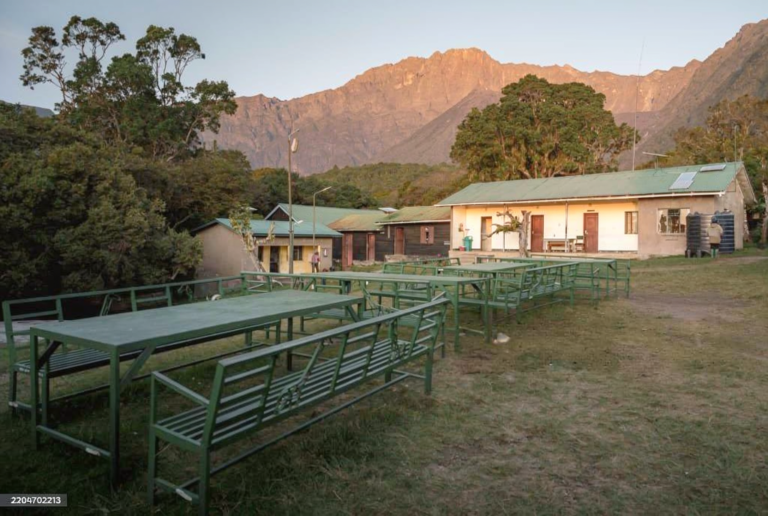
Monte Meru Tanzania Trekking From Arusha: Your Essential Guide 2026-2027
start a trek up Mount Meru from Arusha, Tanzania's stunning dormant volcano. This guide covers everything from routes and difficulty to preparation and best times to go for your 2026-2027...
View package detailsMount Meru Trekking 3 Tage: Your Essential Planning Guide 2026-2027
A comprehensive guide to the 3-day Mount Meru trek, covering essential planning details for 2026-2027, including routes, preparation, what to expect, and booking advice.
View package details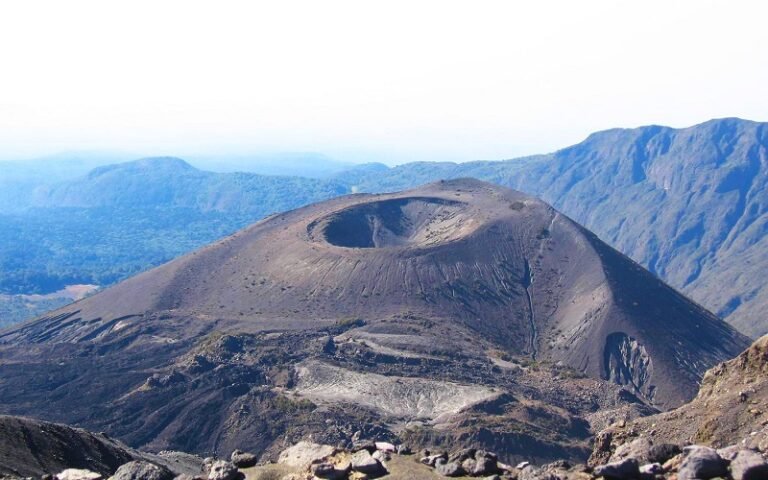
Mount Meru Trekking Ab Arusha 2026-2027
Mount Meru Trekking ab Arusha is explained with current 2026-2027 planning, price, itinerary and booking information.
View package details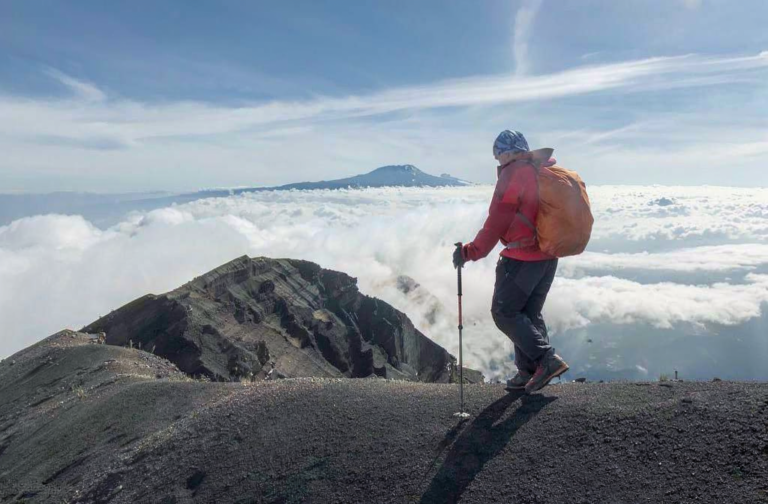
Trekking Monte Meru Desde Arusha: Your Ultimate Guide For 2026-2027
Your comprehensive guide to trekking Mount Meru from Arusha, covering everything from route options and difficulty to essential preparation and booking advice for climbs in 2026-2027.
View package detailsMonte Meru Y Safari En Tanzania: Guía Completa Para Tu Aventura Africana
Explora la combinación perfecta de trekking en Monte Meru y safaris inolvidables en Tanzania. Esta guía detallada te ayudará a planificar tu viaje de ensueño para 2026-2027, cubriendo...
View package details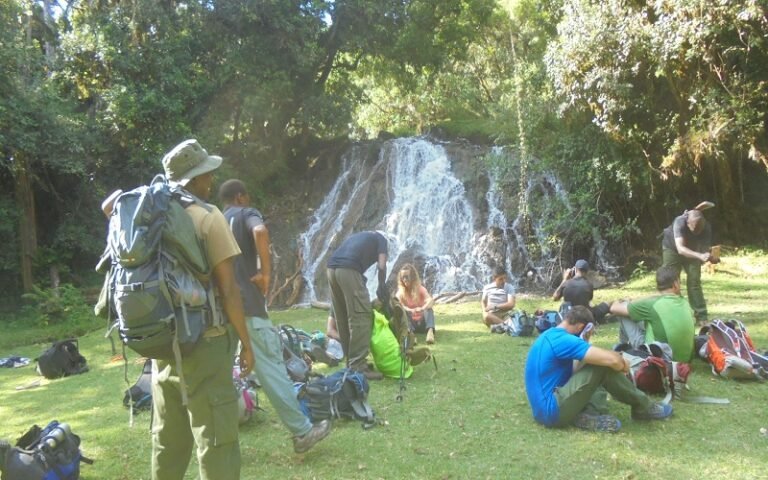
Precio Trekking Monte Meru: ¿Cuánto Cuesta Tu Aventura En ? 2026-2027
Planifica tu aventura en el Monte Meru conociendo los costos detallados. Explora las opciones de rutas, duraciones y lo que influye en el precio para tu expedición 2026-2027.
View package details
Trekking Monte Meru 4 Días 2026-2027
Trekking Monte Meru 4 días is explained with current 2026-2027 planning, price, itinerary and booking information.
View package detailsTrekking Monte Meru 3 Días 2026-2027
Trekking Monte Meru 3 días is explained with current 2026-2027 planning, price, itinerary and booking information.
View package details
3 Day Joining Safari Group Departures From Moshi: 2026
Discover convenient 3-day group safari departures from Moshi, perfect for maximizing your Tanzania adventure. Explore wildlife-rich parks like Tarangire, Manyara, or the Serengeti on shared...
View package detailsWhat To Expect On Your First Kilimanjaro Trek: A Comprehensive Guide 2026-2027
Planning your first climb up Kilimanjaro? This comprehensive guide covers everything you need to know, from choosing a route and preparing your body to what daily life on the mountain is...
View package detailsNo related package matches those filters. Clear one or more filters to see the other topic-matched options.



