
An 8-day trek on Kilimanjaro’s Lemosho route offers a balanced approach, providing excellent acclimatization with stunning scenery and a high summit success rate, making it a top choice for many climbers aiming for 2026 or 2027 expeditions.
Why Choose the 8-Day Lemosho Route for Kilimanjaro?
The decision of which route to take on Kilimanjaro is fundamental to your trekking experience. For many, the 8-day Lemosho route emerges as a highly recommended option, striking a compelling balance between scenic beauty, adequate acclimatization, and a good chance of reaching Uhuru Peak. This duration is often considered ideal because it allows for a more gradual ascent, which is crucial for the body to adapt to the increasing altitude. Unlike shorter routes that might feel rushed, the 8-day Lemosho provides an extra day to aid this process, significantly improving your odds of a successful summit bid, especially for those planning their climb in 2026 or 2027.
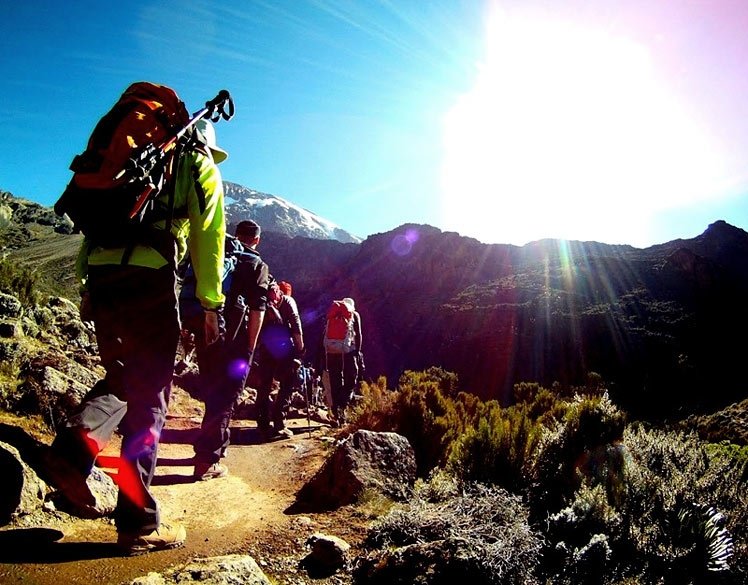
This route is celebrated for its picturesque start in the lush, forested western side of Kilimanjaro, offering a more remote and wild introduction to the mountain compared to some of the more heavily trafficked southern approaches. The Lemosho route is known for its stunning panoramas, diverse landscapes, and the opportunity to see unique flora and fauna in the early stages of the trek. The longer duration also means fewer trekkers per day on the trail, contributing to a more peaceful and in-depth experience.
When you consider a trek of this magnitude, especially for a major expedition in 2026-2027, you are investing not just in a physical challenge but in a profound journey. The 8-day Lemosho route is designed to maximize your chances of enjoying this journey fully, from the initial forest trails to the challenging alpine desert and the final push to the summit. It’s a route that respects the mountain and the climber’s physiology, offering a pathway that is both rewarding and achievable for those who prepare diligently.
Lemosho Route: A Detailed Day-by-Day Itinerary
The 8-day Lemosho route is structured to provide a comprehensive and rewarding Kilimanjaro experience. This itinerary is designed to maximize acclimatization and enjoyment of the diverse landscapes. While variations exist, this typical progression outlines the journey from the trailhead to the summit and descent.
Day 1: Londorosi Gate to Mti Mkubwa Camp
The adventure begins at the Londorosi Gate (approx. 2,360m / 7,742ft), where you’ll complete registration formalities. From here, a vehicle will transport you further to the Lemosho trailhead (approx. 2,100m / 6,890ft). The trek itself is relatively short, taking around 3-4 hours, and leads you through vibrant montane forests. The path is gentle, allowing you to ease into the climb. Your first campsite, Mti Mkubwa (‘Big Tree’), is located within this forest environment, offering a serene introduction. The focus today is on a relaxed start and enjoying the rich biodiversity of the lower slopes. Expect to see monkeys and a variety of birdlife.
Day 2: Mti Mkubwa Camp to Shira 1 Camp
Today’s trek is a gradual ascent, taking approximately 5-6 hours. You’ll leave the dense forest behind and enter the moorland zone, characterized by heather, giant groundsels, and lobelias. The terrain becomes more open, offering your first expansive views of the surrounding plains. Shira 1 Camp (approx. 3,500m / 11,483ft) is situated on the Shira Plateau, a vast, ancient volcanic crater. The increase in altitude is significant, so a steady pace and good hydration are important. The plateau itself is a remarkable landscape, and you might catch your first distant views of Kibo and Shira cones.
Day 3: Shira 1 Camp to Shira 2 Camp
This day involves a shorter trek of about 3-4 hours, but it’s crucial for acclimatization. You’ll traverse the Shira Plateau, heading east towards Shira 2 Camp (approx. 3,850m / 12,631ft). The landscape remains moorland, and the altitude gain continues. The goal today is to ‘climb high, sleep low’ as much as possible by exploring the plateau during the day before returning to a similar sleeping elevation. This helps your body adapt to thinner air. The views from the Shira Plateau are spectacular, with the snow-capped summit of Kilimanjaro often visible in the distance.
Day 4: Shira 2 Camp to Barranco Camp
This is a day of significant altitude gain, but the trek is designed to aid acclimatization by crossing the Lava Tower. You’ll trek for about 6-7 hours, ascending to the Lava Tower (approx. 4,600m / 15,092ft), a prominent volcanic plug. This is an excellent acclimatization point where you’ll stop for lunch and to enjoy the views. After descending to Barranco Camp (approx. 3,950m / 12,960ft), you’ve effectively ‘climbed high and slept low,’ a critical strategy for altitude adaptation. The camp is situated in a beautiful valley below the imposing Barranco Wall.
Day 5: Barranco Camp to Karanga Camp
Today’s trek is shorter, about 3-4 hours, but it involves one of Kilimanjaro’s most famous obstacles: the Barranco Wall. You’ll ascend this challenging but non-technical scramble, which requires careful footwork and is assisted by your guides. The views from the top of the wall are impressive. After descending slightly, you’ll continue to Karanga Camp (approx. 4,000m / 13,123ft), located in a valley. This day is about conquering the wall and enjoying the increasingly alpine environment.
Day 6: Karanga Camp to Barafu Camp
This day’s trek is around 4-5 hours and takes you across scree slopes and alpine desert terrain. You’ll ascend steadily towards Barafu Camp (approx. 4,650m / 15,256ft), which serves as the base camp for the summit attempt. Barafu Camp is exposed and rocky, with dramatic views of the summit cone. You’ll have an early dinner and try to get some rest before the demanding summit night. The goal is to conserve energy and prepare mentally and physically for the final ascent.
Day 7: Summit Day! Barafu Camp to Uhuru Peak and down to Millennium Camp
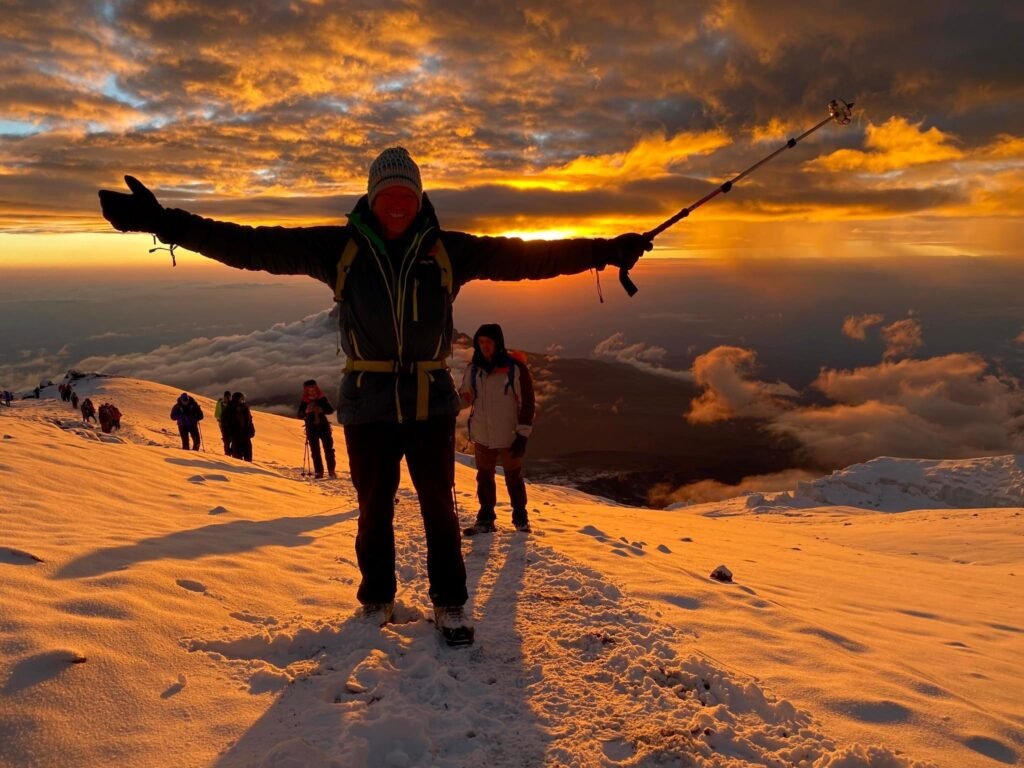
This is the most challenging day, beginning in the early hours (around midnight to 2 am). You’ll ascend steeply over rocky scree towards Stella Point (approx. 5,756m / 18,885ft) on the crater rim. The climb is slow and steady, with frequent breaks. Reaching Stella Point at sunrise is an incredibly rewarding moment. From Stella Point, you’ll continue for another 1-2 hours along the crater rim to Uhuru Peak (5,895m / 19,341ft), the highest point in Africa. After celebrating your achievement, you’ll begin the long descent back to Barafu Camp for a short rest, then continue down to Millennium Camp (approx. 3,820m / 12,533ft). This is a very long day, typically 10-12 hours of trekking.
Day 8: Millennium Camp to Mweka Gate
Your final day involves a descent through the montane forest, taking approximately 5-6 hours. The terrain is much easier underfoot compared to the previous days. You’ll reach Mweka Gate (approx. 1,640m / 5,380ft) where you’ll have a chance to celebrate with your team and receive your climbing certificates. From the gate, a vehicle will take you back to your hotel in Moshi or Arusha. This marks the end of your incredible Trek Kilimanjaro 8 days Lemosho route adventure.
Acclimatization: The Key to Summit Success on Lemosho
Altitude sickness, or Acute Mountain Sickness (AMS), is the most significant factor affecting summit success on Kilimanjaro. The 8-day Lemosho route is specifically designed with acclimatization in mind. The gradual ascent profile, particularly in the initial days spent traversing the Shira Plateau and the ‘climb high, sleep low’ strategy employed around Lava Tower and Barranco, are vital.
Why is acclimatization so crucial? As you ascend, the atmospheric pressure decreases, meaning there are fewer oxygen molecules available for your body to absorb with each breath. AMS symptoms can range from mild headaches and nausea to severe, life-threatening conditions like HACE (High Altitude Cerebral Edema) and HAPE (High Altitude Pulmonary Edema). The 8-day Lemosho route’s itinerary deliberately slows the pace of ascent in the critical first few days. This allows your body time to produce more red blood cells, which are essential for carrying oxygen.
Key acclimatization strategies on the Lemosho route:
- Gradual Ascent: The route starts at a lower elevation and progresses slowly, particularly through the forest and moorland zones.
- Shorter Days Early On: The first few days involve less strenuous trekking, allowing your body to adjust without overexertion.
- ‘Climb High, Sleep Low’: The itinerary often includes ascents to higher points during the day (e.g., Lava Tower) followed by descents to lower camps for sleeping. This physiological trick stimulates acclimatization more effectively than simply ascending to a high camp and staying there.
- Hydration: Drinking plenty of water (3-4 liters per day) helps your body function optimally at altitude and can mitigate some AMS symptoms.
- Pacing: Walking ‘pole pole’ (slowly, slowly) is paramount. Rushing can exacerbate AMS. Your guides will constantly monitor your pace.
- Diet: Eating well, even when appetite is reduced due to altitude, provides the energy needed for the climb. High-carbohydrate meals are generally recommended.
- Avoiding Alcohol and Caffeine: These can dehydrate you and interfere with sleep, hindering acclimatization.
The 8-day Lemosho route, by offering more days on the mountain, inherently provides better acclimatization than 5- or 6-day options. This extended period allows for more ‘rest’ days at moderate altitudes and more opportunities to practice the ‘climb high, sleep low’ principle. For climbers planning their expeditions for 2026 or 2027, prioritizing a route known for good acclimatization, like the 8-day Lemosho, significantly enhances the probability of a successful and enjoyable summit experience.
Understanding the Difficulty and Challenges of the 8-Day Lemosho Trek
While the 8-day Lemosho route is often considered one of the most scenic and well-balanced routes on Kilimanjaro, it is by no means a walk in the park. Summiting Kilimanjaro is a serious undertaking that demands respect for the mountain and a realistic understanding of its challenges. The Lemosho route, despite its advantages, presents its own set of difficulties that trekkers must be prepared for.
Altitude: This is the primary challenge. While the 8-day itinerary aids acclimatization, you will still spend several days above 3,000 meters, and the summit day takes you to nearly 6,000 meters. Altitude sickness is a real risk and can affect anyone, regardless of fitness level. Symptoms can appear suddenly and must be taken seriously. The ability to recognize and report symptoms to your guide is critical.
Physical Exertion: Kilimanjaro is a strenuous trek. You will be walking for 6-8 hours a day on most days, with summit day being exceptionally long (10-12+ hours). The terrain varies from well-trodden paths to steep scree slopes, rocky outcrops, and the famous Barranco Wall scramble. Carrying a daypack with essentials while your main gear is carried by porters requires a good level of endurance. Your fitness levels will be tested, particularly on the ascents and the final push to the summit.
Weather: Kilimanjaro’s weather is notoriously unpredictable and can change rapidly. You can experience sun, rain, wind, sleet, and even snow, often within the same day. Temperatures can drop significantly, especially at higher altitudes and during summit night, to well below freezing.
The Summit Night: This is widely considered the most challenging part of the trek. Starting in the early hours of the morning, in the dark, often in freezing temperatures and strong winds, you’ll ascend steep scree slopes. The combination of extreme altitude, cold, fatigue, and darkness makes this a mental and physical battle. The slow, ‘pole pole’ pace is essential, but maintaining motivation can be difficult.
The Barranco Wall: While not technically difficult, the scramble up the Barranco Wall requires agility, sure-footedness, and a head for heights for some. It’s a steep ascent that can be daunting, though your guides will provide assistance and ensure safety. The 8-day Lemosho route includes this section, offering a unique physical challenge and a rewarding sense of accomplishment upon completion.
Remoteness: Although you are on a popular mountain, parts of the Lemosho route, especially in the early days, feel quite remote. This adds to the beauty but also means that rescue, while well-organized, takes time. Self-reliance and good judgment are important.
What makes the 8-day Lemosho manageable?
- Better Acclimatization: The extra day significantly reduces the risk of altitude sickness compared to shorter routes.
- Scenic Variety: The diverse landscapes, from rainforest to alpine desert, can help keep the trek engaging and enjoyable.
- Professional Guides: Experienced guides are trained to manage altitude sickness, navigate the terrain, and provide crucial support.
- Porter Support: The logistical support from porters and cooks ensures you can focus on trekking, carrying your main gear and setting up camp.
For those planning a 2026 or 2027 climb, understanding these challenges and preparing adequately will be key to successfully completing the 8-day Lemosho route and enjoying the journey.
Essential Gear and Packing List for Your Lemosho Climb
Packing correctly for a Kilimanjaro trek is critical for comfort, safety, and success. The conditions on the mountain are extreme and variable, ranging from humid rainforests to freezing, windswept alpine deserts. The 8-day Lemosho route will expose you to all these environments. Investing in good quality gear is essential, and it’s worth considering renting some items if purchasing outright is not feasible. For your Trek Kilimanjaro 8 days Lemosho route adventure in 2026 or 2027, here’s a comprehensive list:
- Clothing Layers: The key is layering to adapt to changing temperatures.
- Base Layers: Moisture-wicking thermal tops and bottoms (merino wool or synthetic). Bring 2-3 sets.
- Mid Layers: Fleece jackets or vests for insulation. Bring 2.
- Outer Layer (Insulation): A warm, down or synthetic insulated jacket. This is crucial for cold evenings and summit night.
- Outer Layer (Shell): Waterproof and windproof jacket and trousers (Gore-Tex or similar). Essential for rain and wind protection.
- Headwear:
- Warm beanie or wool hat that covers your ears.
- Sun hat or cap with a wide brim for sun protection.
- Balaclava or neck gaiter for face and neck protection against wind and cold.
- Handwear:
- Warm, waterproof gloves or mittens.
- Liner gloves for added warmth or dexterity.
- Footwear:
- Hiking Boots: Sturdy, waterproof, broken-in hiking boots with good ankle support. This is arguably the most important item.
- Camp Shoes: Comfortable trainers or sandals for wearing at camp.
- Socks: Several pairs of warm wool or synthetic hiking socks. Avoid cotton.
- Liner Socks: To prevent blisters.
- Sleeping Gear:
- Sleeping Bag: A 4-season (-10°C to -20°C comfort rating) sleeping bag is essential.
- Sleeping bag liner for extra warmth and hygiene.
- Optional: Inflatable sleeping pad (though camps usually provide mattresses).
- Backpack and Duffel Bags:
- Duffel Bag: A large, durable, waterproof duffel bag (80-100 liters) for your main gear, carried by porters.
- Daypack: A comfortable 30-40 liter daypack with a rain cover for essentials you need during the day (water, snacks, camera, rain gear, warm layer, sunscreen, headlamp).
- Trekking Poles: Highly recommended for stability and reducing strain on knees, especially on descents.
- Headlamp: Essential for summit night and navigating camp in the dark. Bring spare batteries.
- Water Bottles/Hydration Reservoir: At least 2-3 liters capacity. Insulated covers for bottles are useful to prevent freezing.
- Sun Protection: High SPF sunscreen, lip balm with SPF, sunglasses (UV protection).
- Personal Hygiene: Biodegradable soap, toothbrush, toothpaste, wet wipes, hand sanitizer.
- First-Aid Kit: Personal medications, blister treatment, pain relievers, antiseptic wipes, bandages. Your guide will also have a comprehensive kit.
- Snacks: Energy bars, nuts, dried fruit, chocolate. High-energy, palatable snacks are crucial.
- Camera and Power: Camera, spare batteries, power bank. Cold can drain batteries quickly.
- Documents: Passport, visa (if required), travel insurance details, emergency contact information.
- Optional: Binoculars, book, journal, small towel.
Remember to pack your daypack with items you’ll need during the day, as you won’t have access to your duffel bag while trekking. Your tour operator will provide a more detailed, specific packing list, but this covers the essentials for a successful Trek Kilimanjaro 8 days Lemosho route in 2026-2027.
Physical and Mental Preparation for Kilimanjaro 2026-2027
Summiting Kilimanjaro is a significant physical and mental challenge. While the 8-day Lemosho route offers better acclimatization, thorough preparation is non-negotiable for a safe and enjoyable trek, especially if you are planning for 2026 or 2027. Preparation should focus on cardiovascular fitness, strength, and mental resilience.
Physical Preparation:
Your training should simulate the demands of trekking for multiple consecutive days with significant elevation gain and loss. The goal is to build endurance, not necessarily peak athletic performance.
- Cardiovascular Fitness: This is paramount. Aim for at least 3-4 cardio sessions per week for 2-3 months leading up to your trek. Activities like hiking (with a weighted backpack), running, cycling, swimming, and stair climbing are excellent. Focus on sustained effort rather than short bursts.
- Hiking with a Pack: This is the most relevant training. Practice hiking on varied terrain (hills, stairs) with a backpack weighing 8-10 kg (18-22 lbs) to simulate carrying essentials. This helps your body adapt to the load and the impact.
- Strength Training: Focus on lower body and core strength. Squats, lunges, step-ups, and core exercises (planks, Russian twists) will build the strength needed for ascents and descents. Strong legs help prevent fatigue and reduce the risk of injury.
- Endurance and Stamina: Undertake longer hikes (4-6 hours) on weekends to build stamina. Gradually increase the duration and elevation gain of these hikes. Simulate ‘back-to-back’ hiking days if possible, to mimic the multi-day nature of the trek.
- Flexibility: Regular stretching can help prevent muscle soreness and improve range of motion.
Mental Preparation:
Kilimanjaro is as much a mental challenge as a physical one. Summit night, in particular, can be gruelling. Mental preparation involves developing coping mechanisms and a positive mindset.
- Visualize Success: Imagine yourself reaching the summit, enjoying the views, and overcoming challenges. Positive visualization can build confidence.
- Embrace Discomfort: Understand that there will be moments of discomfort, cold, and fatigue. Accept this as part of the experience and focus on the present moment and the next step.
- Develop a Mantra: A short, repeating phrase can be helpful during tough moments on the trail.
- Trust Your Team: Rely on your guides and support crew. They are experienced professionals trained to help you succeed. Communicate openly with them about how you’re feeling.
- Focus on ‘Pole Pole’: The mantra of Kilimanjaro is ‘pole pole’ (slowly, slowly). Breaking down the trek into manageable steps, even single steps, can make it feel less daunting.
- Be Prepared for Setbacks: While the 8-day Lemosho route has a good success rate, understand that altitude sickness or other issues can prevent summiting. Maintaining a positive attitude regardless of the outcome is important.
Acclimatization and Health:
Ensure you are in good general health before you start training. Consult your doctor if you have any pre-existing medical conditions. While specific altitude medications like Diamox can be discussed with your doctor, they are not a substitute for proper acclimatization and preparation. For your Trek Kilimanjaro 8 days Lemosho route in 2026-2027, start your training at least 3 months in advance.
Choosing Your Kilimanjaro Operator: What to Look For
Selecting the right tour operator for your Kilimanjaro climb is one of the most critical decisions you’ll make. The quality of your experience, your safety, and your likelihood of summit success depend heavily on the operator’s professionalism, expertise, and ethical practices. For a significant expedition like the 8-day Lemosho route, especially when planning for 2026 or 2027, careful consideration is essential.
Key Factors to Evaluate:
- Safety Record and Protocols: This should be your top priority. Does the operator have a robust emergency plan? Do they carry oxygen, medical kits, and have trained guides in first aid and altitude sickness management? What is their policy on evacuation? Look for operators who employ experienced guides with Wilderness First Responder (WFR) or higher certifications.
- Guide and Crew Quality: Experienced, knowledgeable, and well-trained guides are crucial. They understand acclimatization, navigation, and how to manage group dynamics. A good operator invests in their crew, providing fair wages, proper equipment, and good food, which translates to a motivated and effective team on the mountain. Inquire about guide-to-client ratios and porter welfare.
- Itinerary and Acclimatization: Ensure the operator offers itineraries that prioritize acclimatization. The 8-day Lemosho route is excellent, but how does the operator implement it? Do they follow a ‘climb high, sleep low’ strategy? Shorter itineraries (5-6 days) are generally not recommended for Lemosho.
- Group Size and Type: Decide whether you prefer a private climb or a group departure. Group departures can be more economical and offer a social aspect. Ensure the operator manages group sizes reasonably to maintain a good atmosphere and personalized attention.
- Inclusions and Exclusions: Carefully review what is included in the price. Typically, this includes park fees, crew wages, food on the mountain, tents, and sometimes airport transfers. Exclusions often involve flights, visas, travel insurance, tips for the crew, personal gear, and drinks. Transparent pricing is vital.
- Equipment Quality: While you provide your personal gear, the operator supplies tents, cooking equipment, and safety gear. Ensure they use high-quality, waterproof tents and well-maintained equipment.
- Environmental Practices: Responsible operators adhere to Leave No Trace principles, manage waste properly, and contribute to the local community.
- Reputation and Reviews: Research the operator’s reputation. Look for independent reviews on platforms like TripAdvisor, but also consider testimonials and certifications.
- Communication and Support: How responsive is the operator to your inquiries? Do they provide detailed pre-trek information and support? Good communication is a sign of professionalism.
Working with Climb 4 Africa:
Climb 4 Africa, as an expert Kilimanjaro operator with strong local support, focuses on safety, crew welfare, and providing an authentic, rewarding trekking experience. They understand the nuances of routes like the Lemosho and prioritize itineraries that maximize acclimatization and success. For your Trek Kilimanjaro 8 days Lemosho route in 2026-2027, contacting them allows you to discuss your specific needs, receive detailed information about their safety protocols, crew treatment, and what makes their 8-day Lemosho package stand out. Their local expertise ensures practical support on the ground, from airport transfers to post-climb arrangements.
Booking Your 8-Day Lemosho Trek: Dates, Costs, and Logistics
Booking your Kilimanjaro adventure requires careful planning, especially concerning dates, costs, and logistical arrangements. For the 8-day Lemosho route, understanding these elements will help you secure your expedition for 2026 or 2027.
When to Climb:
Kilimanjaro can be climbed year-round, but certain periods offer more favourable weather conditions. The driest months are generally January to March and June to October. These peak seasons often see higher demand and can be slightly more expensive. The shoulder seasons (April-May and November-December) can also be good, though they might experience more rain.
Cost of the 8-Day Lemosho Route:
The cost of a Kilimanjaro climb varies significantly based on the operator’s quality, inclusions, and the type of service (private vs. group). For a reputable operator offering the 8-day Lemosho route, expect costs to generally range from $2,200 to $4,500+ per person. This price typically includes:
- Park fees (which are a substantial portion of the cost)
- Crew wages (guides, cooks, porters)
- All meals on the mountain
- Tents and camping equipment
- Trekking permits
- Emergency oxygen and a comprehensive medical kit
- Transfers to and from the mountain
Important Considerations for Cost:
- Lower prices often indicate compromised safety standards, lower quality equipment, or underpaid crew, which can negatively impact your experience and safety. Always prioritize quality and safety over the cheapest option.
- Crew tips are a significant part of the cost for the climber, though not usually included in the initial package price. A typical range for tips is around $250-$350 per climber for the entire trek.
- Flights to Kilimanjaro International Airport (JRO) are not included.
- Travel insurance is mandatory and should cover high-altitude trekking and emergency evacuation.
- Visa fees, personal gear, and meals/drinks in towns are also typically extra.
Booking and Logistics:
- Booking Window: For popular climbing seasons in 2026 and 2027, it’s advisable to book 6-12 months in advance to secure your preferred dates and operator.
- Deposit: Most operators require a deposit (typically 10-30%) to confirm your booking, with the balance due closer to your departure date.
- Customization: If you have specific needs or want to combine your climb with a safari or a visit to Zanzibar, discuss tailor-made options with your operator.
- Travel Insurance: Ensure your policy covers high-altitude trekking up to 6,000 meters and includes emergency medical evacuation.
- Pre-Climb Briefing: Reputable operators will provide a comprehensive pre-climb briefing, either in person or remotely, covering everything from packing lists to safety procedures.
Contact Climb 4 Africa:
To get a precise quote and discuss your Trek Kilimanjaro 8 days Lemosho route for 2026-2027, reach out to Climb 4 Africa. They can provide detailed itineraries, explain their inclusions, and help you plan the logistics. You can contact them via WhatsApp at +255 747 477 898 or email at climb4africa@gmail.com. Discussing your dates, group size, and any specific requirements will help them tailor the perfect Kilimanjaro experience for you.
Frequently Asked Questions About the Lemosho Route
Q1: Is the 8-day Lemosho route the best option for a first-time Kilimanjaro climber?
Yes, the 8-day Lemosho route is frequently recommended for first-time climbers. It offers excellent acclimatization, stunning scenery, and a higher success rate due to its longer duration. This balance makes it more forgiving and enjoyable than shorter routes.
Q2: How difficult is the Barranco Wall on the Lemosho route?
The Barranco Wall is more of a scramble than a technical climb. It requires sure-footedness, handholds, and some agility. While it can be daunting for those with a fear of heights, guides are present to assist, and it’s manageable for most fit individuals. It’s a highlight of the trek, not a reason to avoid the route.
Q3: What is the success rate for the 8-day Lemosho route?
While exact figures vary by operator and individual climber preparation, the 8-day Lemosho route generally boasts a higher summit success rate, often cited between 70% and 85%. This is largely due to the superior acclimatization it provides compared to shorter routes.
Q4: How cold does it get on Kilimanjaro during an 8-day Lemosho trek?
Temperatures can drop significantly, especially at higher altitudes and on summit night. Expect daytime temperatures to range from 10°C to 20°C (50°F to 68°F) in the lower forest zones, decreasing to freezing or below at higher altitudes. Summit night can feel like -15°C to -25°C (-5°F to -13°F) with wind chill.
Q5: What are the main differences between the 7-day and 8-day Lemosho routes?
The 8-day Lemosho route typically includes an extra day spent acclimatizing on the Shira Plateau or at Karanga Camp. This extra day further enhances the acclimatization process, often leading to a more comfortable trek and potentially a higher summit success rate, especially for those less accustomed to high altitudes.
Q6: How much should I tip the crew on my 8-day Lemosho trek?
Tipping is customary and appreciated. A general guideline for an 8-day trek is approximately $250-$350 per climber, distributed among the guides, assistant guides, cook, and porters. Your operator will usually provide a recommended tipping structure.
Q7: Can I climb Kilimanjaro in 2026 or 2027?
Absolutely. Kilimanjaro is open for climbs throughout the year. The best times are the dry seasons (June-October and January-March), but other months can also offer good trekking conditions. Booking well in advance for 2026 and 2027 is recommended, especially for the peak seasons.
Q8: What kind of food can I expect on the Lemosho route?
Reputable operators provide surprisingly varied and nutritious meals. Expect breakfast (porridge, eggs, toast), lunch (sandwiches, soup, pasta), and dinner (stews, rice dishes, chicken, vegetables). Hot drinks and plenty of water are also provided. The focus is on high-carbohydrate meals to fuel your trek.
Check Availability for Trek Kilimanjaro 8 Days: The Lemosho Route Experience 2026-2027
Ready to compare dates, prices, and the best option for your group? Send the package name and travel month so the team can reply with a clear quote, availability, and what is included.
Kilimanjaro Climb Machame Route : Expert Guide For Your Trek 2026-2027
Discover the ultimate guide to climbing Mount Kilimanjaro via the Machame Route for your 2026 or 2027 adventure. This comprehensive resource covers everything from choosing an itinerary and...
View package details
Trek Mont Meru 4 Jours: Your Complete Guide 2026-2027
start a 4-day trek up Mount Meru, a challenging yet rewarding climb near Kilimanjaro. This guide covers routes, preparation, gear, and essential tips for your 2026-2027 expedition.
View package detailsWhat To Expect On Your First Kilimanjaro Trek: A Comprehensive Guide 2026-2027
Planning your first climb up Kilimanjaro? This comprehensive guide covers everything you need to know, from choosing a route and preparing your body to what daily life on the mountain is...
View package detailsKilimanjaro Routes: Which Is Best For Your Climb? 2026-2027
Choosing the right Kilimanjaro route is crucial for a successful and enjoyable climb. This comprehensive guide compares the main routes, helping you select the best option for your...
View package details
Trekking Monte Meru Tanzania: Precios, Ruta Y Consejos 2026-2027
Trekking Monte Meru Tanzania: precios, ruta y consejos is explained with current 2026-2027 planning, price, itinerary and booking information.
View package details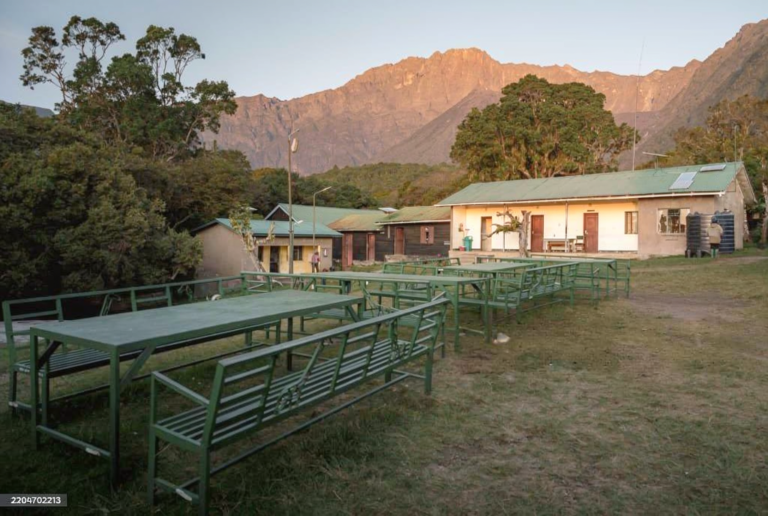
Mount Meru Trekking 3 Tage: Your Essential Planning Guide 2026-2027
A comprehensive guide to the 3-day Mount Meru trek, covering essential planning details for 2026-2027, including routes, preparation, what to expect, and booking advice.
View package details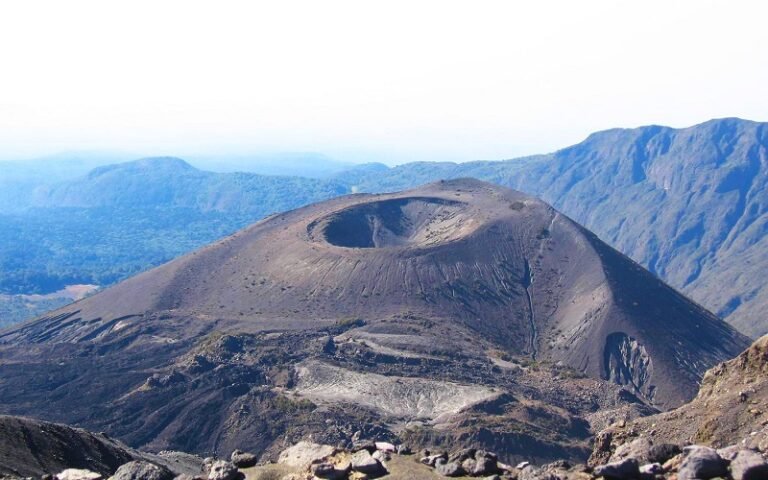
Mount Meru Trekking Ab Arusha 2026-2027
Mount Meru Trekking ab Arusha is explained with current 2026-2027 planning, price, itinerary and booking information.
View package detailsTrekking Monte Meru Desde Arusha: Your Ultimate Guide For 2026-2027
Your comprehensive guide to trekking Mount Meru from Arusha, covering everything from route options and difficulty to essential preparation and booking advice for climbs in 2026-2027.
View package details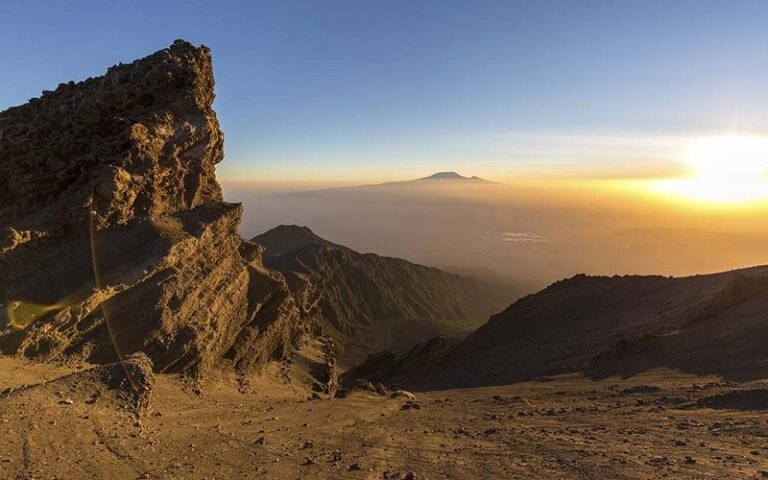
Monte Meru Y Kilimanjaro: Trekking En Tanzania 2026-2027
Discover the ultimate trekking experience in Tanzania by combining Mount Meru and Mount Kilimanjaro. This comprehensive guide covers everything from route selection and preparation to...
View package details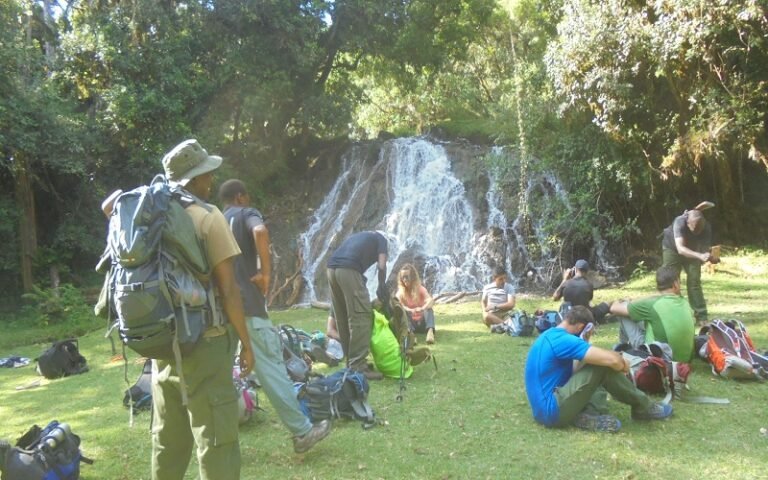
Precio Trekking Monte Meru: ¿Cuánto Cuesta Tu Aventura En ? 2026-2027
Planifica tu aventura en el Monte Meru conociendo los costos detallados. Explora las opciones de rutas, duraciones y lo que influye en el precio para tu expedición 2026-2027.
View package details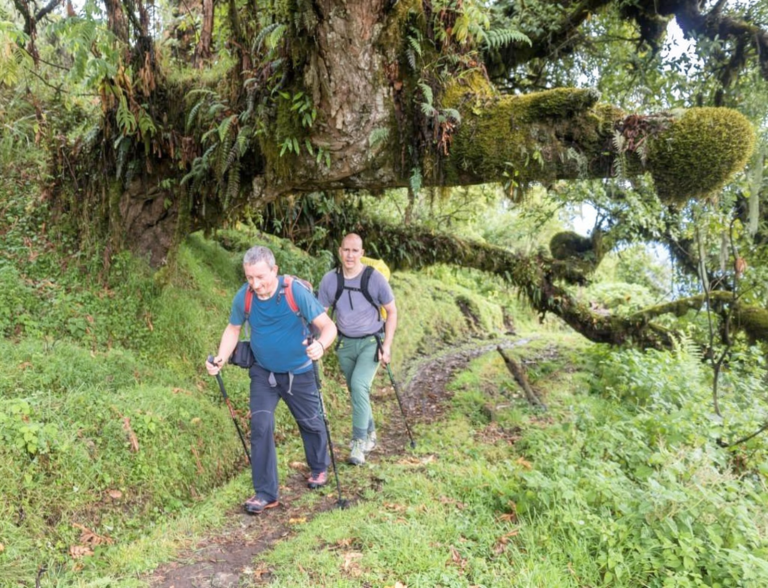
Trekking Monte Meru 4 Días 2026-2027
Trekking Monte Meru 4 días is explained with current 2026-2027 planning, price, itinerary and booking information.
View package detailsTrekking Monte Meru 3 Días 2026-2027
Trekking Monte Meru 3 días is explained with current 2026-2027 planning, price, itinerary and booking information.
View package detailsNo related package matches those filters. Clear one or more filters to see the other topic-matched options.



