
Combining a Kilimanjaro climb with a Tanzania safari offers two iconic African experiences in one trip, typically involving a multi-day trek up Mount Kilimanjaro followed by several days exploring Tanzania’s renowned national parks like the Serengeti and Ngorongoro Crater, with 2026-2027 planning essential for best availability and optimal wildlife viewing seasons.
Kilimanjaro: The Roof of Africa
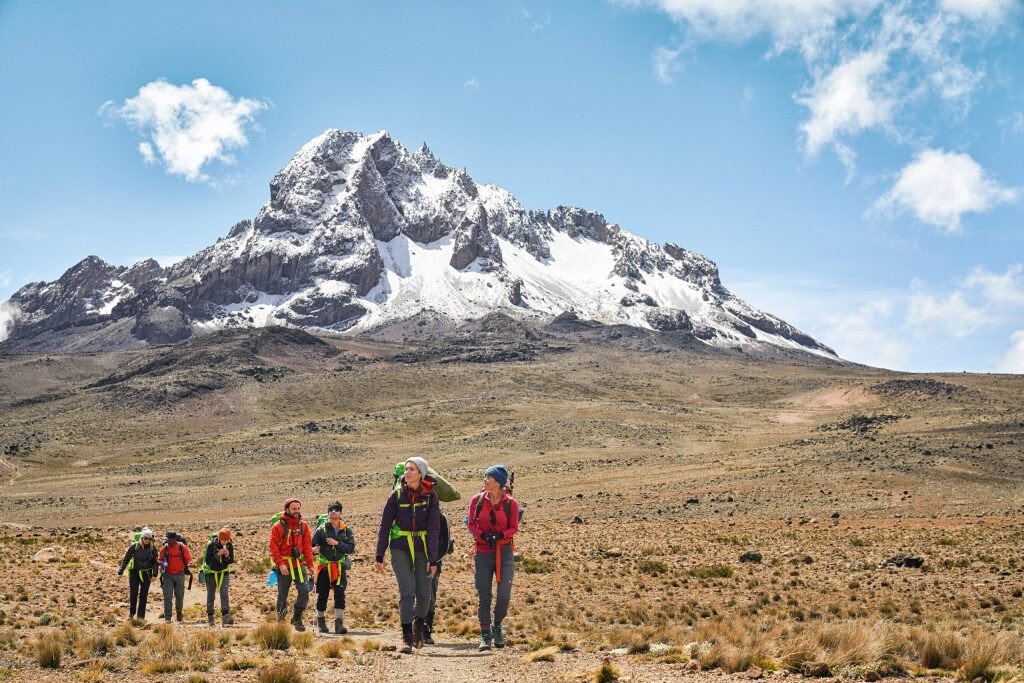
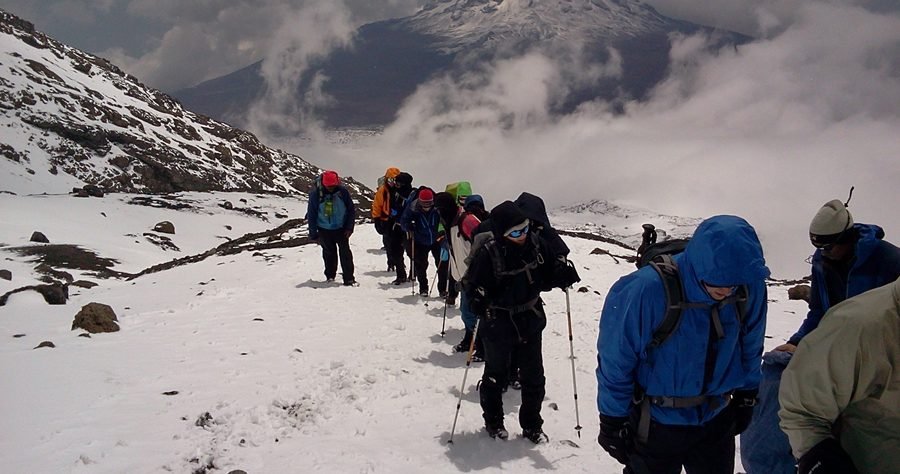
Mount Kilimanjaro, a dormant volcano in Tanzania, stands as the highest free-standing mountain in the world and the highest peak in Africa at 5,895 meters (19,341 feet). Its allure is undeniable, drawing trekkers from across the globe for the challenge and the unparalleled sense of achievement upon reaching Uhuru Peak. Unlike many mountains of similar altitude, Kilimanjaro does not require technical climbing skills, making it accessible to determined hikers with good physical condition. However, its altitude presents a significant challenge, with acclimatization being the single most critical factor for a successful summit bid. The mountain is a UNESCO World Heritage site, showcasing diverse ecological zones as you ascend: from cultivated farmlands at the base, through lush rainforests teeming with colobus monkeys, onto heath and moorland, and finally into an alpine desert and the arctic zone at the summit. The journey is as much about experiencing these changing environments as it is about reaching the top.
For 2026-2027, planning your Kilimanjaro climb well in advance is crucial, especially if you have specific dates or prefer certain routes. Popular routes can fill up, and securing permits and guides early ensures a smoother preparation process. The mountain is managed by the Kilimanjaro National Park Authority (KINAPA), and all climbs must be accompanied by licensed guides and porters. The economic impact of tourism on the local communities around Kilimanjaro is substantial, and choosing a responsible tour operator that treats its staff ethically and contributes positively to conservation efforts is paramount. Climb 4 Africa is committed to these principles, ensuring a sustainable and rewarding experience for both our clients and the local people.
Tanzania Safari: A Wildlife Spectacle
Tanzania is synonymous with the ultimate safari experience. Home to the Serengeti National Park, the Ngorongoro Conservation Area, and Tarangire National Park, among others, it offers some of the most diverse and abundant wildlife viewing opportunities on Earth. The Serengeti, in particular, is famous for hosting the Great Migration, a impressive annual movement of over two million wildebeest, zebras, and gazelles across its vast plains in search of fresh grazing. This natural phenomenon is a highlight for any safari-goer, providing incredible predator-prey interactions and sheer numbers of animals that are simply awe-inspiring. Beyond the Serengeti, the Ngorongoro Crater, a collapsed volcano caldera, is a natural amphitheater supporting an astonishing density of wildlife, including the Big Five (lion, leopard, elephant, rhino, and buffalo), in a relatively small area. Tarangire is known for its large elephant herds and iconic baobab trees.
A Tanzania safari is not just about ticking off animals; it’s about experiencing the raw beauty of the African savanna, the thrill of tracking wildlife in its natural habitat, and the profound connection with nature. The landscape itself is varied, from endless grasslands to acacia woodlands, riverine forests, and rocky outcrops. The quality of the safari experience often depends on the expertise of your guides, the quality of your accommodation (ranging from luxury lodges to comfortable tented camps), and the logistics of your itinerary. For 2026-2027, understanding the migration patterns and the best times to visit specific parks will significantly enhance your chances of witnessing spectacular wildlife events. Early booking is advisable to secure preferred lodges and vehicles, especially during peak seasons.
Combining Kilimanjaro and Safari: The Ultimate Itinerary
The combination of climbing Kilimanjaro and embarking on a Tanzania safari is a classic African adventure, offering a perfect blend of physical challenge and wildlife immersion. Most travelers opt to climb Kilimanjaro first, allowing them to rest and recover on safari afterwards. This sequence also helps with the transition back to lower altitudes and a more relaxed pace. A typical itinerary might involve a 5-7 day Kilimanjaro climb, followed by a 3-5 day safari. This means planning for a total trip duration of 8-12 days, excluding international travel time.
The order can be flexible. Some prefer to start with a safari to acclimatize to the African environment and then tackle Kilimanjaro. However, the physical demands of the climb can be taxing after days of early morning starts and game drives. The logistical flow usually involves flying into Kilimanjaro International Airport (JRO), transferring to Moshi or Arusha for pre-climb preparations, undertaking the climb, and then continuing from Arusha for the safari, often flying out of JRO or potentially Zanzibar.
When planning for 2026-2027, consider the interplay between climbing seasons and safari seasons. The dry seasons are generally ideal for both, but there can be trade-offs. For instance, the period immediately following the main rainy season (March-May) sees Kilimanjaro trails less crowded and greener, while safari conditions might still be lush, though potentially with more challenging road conditions in some areas. Conversely, the peak dry season (June-October) offers excellent visibility for both climbing and safari, but can be busier and more expensive.
Why Combine?
This dual adventure provides a comprehensive Tanzanian experience:
- Variety: From the physical exertion and stunning alpine landscapes of Kilimanjaro to the vast savannas and abundant wildlife of the safari parks.
- Achievement: The profound satisfaction of summiting Africa’s highest peak, followed by the thrill of spotting iconic African wildlife.
- Cultural Immersion: Opportunities to interact with local communities, learn about conservation efforts, and understand the natural history of the region.
- Logistical Efficiency: Many operators, like Climb 4 Africa, specialize in handling both Kilimanjaro climbs and safaris, streamlining the planning process.
Choosing Your Kilimanjaro Route
Selecting the right Kilimanjaro route is one of the most critical decisions for your climb. Each route varies in length, difficulty, scenery, and acclimatization profile. The longer routes generally offer higher success rates due to better acclimatization opportunities. For 2026-2027, popular routes remain the Machame, Lemosho, and Marangu routes, with Rongai and Northern Circuit also gaining traction for their unique advantages.
Machame Route (7 days): Often called the “Whiskey Route,” this is one of the most popular and scenic routes. It’s a challenging trek with a good acclimatization profile, ascending gradually and offering “climb high, sleep low” opportunities. The 7-day version is highly recommended for better success rates. The landscape is diverse, starting in the rainforest and progressing through moorland and alpine desert to the arctic summit zone. It’s a camping route, providing a true wilderness experience.
Lemosho Route (8 days): This route is considered one of the most beautiful, offering stunning views and excellent acclimatization. It’s longer than Machame, typically taking 8 days, which significantly increases summit success chances. Lemosho starts in the remote western side of the mountain, entering the rainforest and offering pristine wilderness before joining the Machame route. It’s also a camping route and is often favored by photographers and those seeking a more solitary experience in the initial days.
Marangu Route (5-6 days): Known as the “Coca-Cola Route,” this is the oldest and most established route. It’s unique as it’s the only route offering hut accommodation instead of camping, making it more comfortable for some. However, the Marangu route has a steeper ascent and a less favorable acclimatization profile, leading to lower success rates, particularly on the 5-day option. The 6-day option improves chances. It offers a different, more direct ascent, and the scenery, while beautiful, is not as varied as some other routes.
Rongai Route (7 days): This route approaches Kilimanjaro from the north, near the Kenyan border. It is drier and less scenic in the early stages compared to western routes, making it a good option during the rainy seasons. The Rongai route is a camping route and generally offers good acclimatization. It joins the Marangu route for the final ascent to the summit.
Northern Circuit (9 days): The longest and arguably the best route for acclimatization, offering a 360-degree circuit around the mountain’s northern slopes. This extended duration significantly boosts summit success rates and allows for a more relaxed pace and deeper appreciation of the mountain’s diverse ecosystems. It offers incredible views and a true sense of wilderness, though it is also one of the more expensive options.
Key Considerations for Route Selection:**
- Duration: Longer routes (7-9 days) offer better acclimatization and higher success rates. For 2026-2027, booking longer routes is recommended for a more comfortable and successful climb.
- Acclimatization Profile: Routes that allow for “climb high, sleep low” are generally superior.
- Scenery: Lemosho and Machame are often cited for their exceptional beauty.
- Accommodation: Marangu offers huts; all other routes are camping.
- Crowds: Marangu and Machame can be busier. Lemosho and Northern Circuit offer more solitude.
When discussing your plans for 2026 or 2027 with Climb 4 Africa, we can help you weigh these factors based on your fitness, experience, and preferences to choose the ideal route for your Kilimanjaro adventure.
Best Time to Climb Kilimanjaro and Go on Safari
Timing is crucial for both Kilimanjaro climbs and Tanzania safaris to maximize your chances of good weather and wildlife viewing. Tanzania has two main dry seasons and two rainy seasons. The dry seasons are generally considered the best for combining both activities.
Kilimanjaro Climbing Seasons:
- January to March: This is a warmer dry season. It’s a good time for climbing, though visibility can sometimes be affected by cloud cover at lower altitudes. The mountain is less crowded.
- June to October: This is the main dry season and the most popular time to climb Kilimanjaro. The weather is typically clear and sunny, with cold temperatures at higher altitudes. Trails can be busier. This period aligns well with the peak safari season.
Kilimanjaro Rainy Seasons:
- March to May: The “long rains” season. Trails can be muddy and slippery, and visibility is often poor due to clouds and mist. It’s the least popular time to climb.
- November to December: The “short rains” season. This period can bring brief, intense showers, but often includes sunny periods. It’s less predictable than the dry seasons but can be a good option for those seeking fewer crowds.
Tanzania Safari Seasons:
- June to October (Dry Season): This is peak safari season. Wildlife congregates around permanent water sources, making animals easier to spot. The vegetation is less dense, and the weather is generally pleasant. This period also coincides with the Great Migration river crossings in the Grumeti and Mara rivers (July-September), a dramatic spectacle. For 2026-2027, booking for these months is highly recommended if witnessing river crossings is a priority.
- January to February: A shorter dry spell, often coinciding with the calving season of wildebeest in the southern Serengeti. This offers incredible predator action as predators gather to hunt the vulnerable newborns.
Tanzania Safari Rainy Seasons:
- November to December (Short Rains): Known as “green season” or “emerald season.” The landscape becomes lush, birdlife is abundant, and prices can be lower. While there can be showers, they are often short-lived, and game viewing remains excellent. This can be a good time for photography due to the dramatic skies and vibrant landscapes.
- March to May (Long Rains): This is the low season. Heavy rainfall can make some roads impassable and disperse wildlife. However, it’s the cheapest time to travel, and the landscape is incredibly green. For those on a tighter budget or seeking a truly unique, less-crowded experience, it can be considered, but with a higher risk of weather disruption.
Optimal Combination for 2026-2027:
The best window for combining a Kilimanjaro climb and a Tanzania safari generally falls within the June to October period. This aligns the dry climbing season with the peak safari season, offering clear skies for both activities and excellent wildlife viewing, including the possibility of witnessing the Great Migration river crossings. Alternatively, January to February offers a good dry period for climbing and the exciting calving season on safari.
If you are considering 2026 or 2027, it’s wise to consult with us at Climb 4 Africa. We can advise on the specific advantages and potential drawbacks of each month based on your priorities, whether that’s maximizing summit success, witnessing specific wildlife events, or avoiding crowds.
Key Tanzania Safari Destinations
Tanzania boasts an incredible array of national parks and conservation areas, each offering a unique safari experience. When planning your Kilimanjaro and safari adventure for 2026-2027, understanding these destinations helps in crafting the perfect itinerary.
1. Serengeti National Park:
The undisputed crown jewel of Tanzanian safaris. Its name means “endless plains” in the Maasai language, and it lives up to this description. The Serengeti is the stage for the Great Migration, making it a must-visit for any serious wildlife enthusiast. The park is vast, offering diverse habitats from open grasslands to woodlands and riverine forests. Depending on the time of year, you can witness the migration in different areas – the southern plains for calving (Jan-Feb), western corridor for river crossings (May-July), and northern Serengeti for the dramatic Mara River crossings (July-Oct).
2. Ngorongoro Conservation Area:
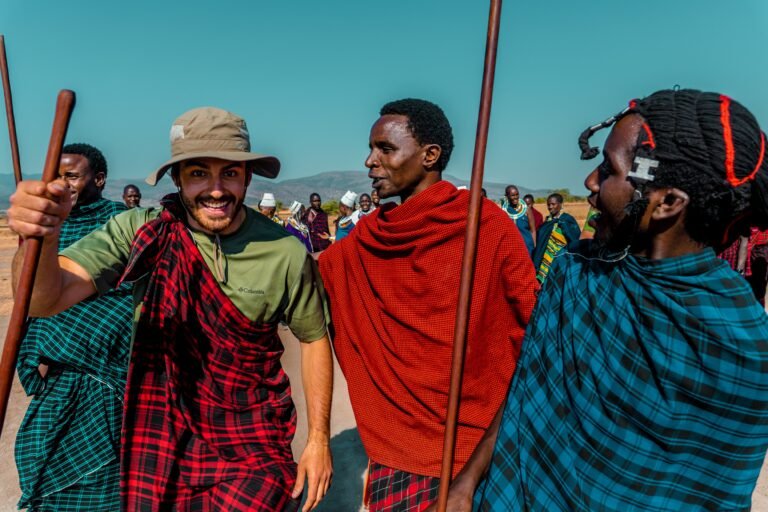
This UNESCO World Heritage site is famous for the Ngorongoro Crater, a massive volcanic caldera teeming with wildlife. It’s one of the few places where you have a high chance of seeing the Big Five in a single day, including the endangered black rhino. The crater floor is a self-contained ecosystem, supporting an astonishing density of animals. The conservation area also encompasses diverse landscapes, including the unique Maasai pastoralist lands, where traditional ways of life persist alongside wildlife conservation.
3. Tarangire National Park:
Known for its massive elephant herds, particularly during the dry season (June-October) when they congregate along the Tarangire River. The park is also dotted with iconic baobab trees, which add a prehistoric feel to the landscape. Birdlife is exceptional here, with over 500 species recorded. Tarangire offers a more intimate safari experience compared to the Serengeti.
4. Lake Manyara National Park:
This relatively small park is famous for its tree-climbing lions, although sightings are not guaranteed. It also hosts a large population of baboons, diverse birdlife, and large herds of elephants. The park’s varied habitats, including groundwater forest, acacia woodlands, and the alkaline lake itself, attract a wide range of wildlife.
5. Arusha National Park:
Located near the town of Arusha, this park is often visited for day trips or as a starting point for shorter treks. It features Mount Meru, a prominent volcano, and the beautiful Momella Lakes, known for their vibrant birdlife and unique flamingo populations. It’s also home to colobus monkeys and other forest-dwelling animals.
6. Ruaha National Park:
While often overlooked in favor of the northern circuit parks, Ruaha is Tanzania’s largest national park and offers a wild, remote safari experience. It’s known for its large predator populations, including lions, cheetahs, and wild dogs, as well as large herds of elephants and buffalo. If you’re looking for an off-the-beaten-path adventure for 2026-2027, Ruaha is an excellent choice.
Typical Safari Itinerary Logic:
Most Kilimanjaro and safari combinations focus on the northern circuit parks due to their proximity and the concentration of iconic wildlife. A common 3-5 day safari itinerary might include:
- Day 1: Tarangire National Park (elephants, baobabs)
- Day 2: Serengeti National Park (migration, predators)
- Day 3: Ngorongoro Crater (Big Five, dense wildlife)
For longer safaris, additional days can be spent in the Serengeti to explore different regions or include Lake Manyara.
What Wildlife to Expect
Tanzania is a biodiversity hotspot, offering encounters with an extraordinary array of wildlife. When you combine your Kilimanjaro climb with a safari, you’re set for some unforgettable sightings. Here’s what you can typically expect:
The Big Five:
- Lion: Abundant in the Serengeti and Ngorongoro Crater, often seen resting under acacia trees or on the open plains.
- Leopard: More elusive and solitary, often found in trees in the Serengeti and Ngorongoro. Patience and a keen eye are needed for leopard sightings.
- Elephant: Large herds are a common sight, especially in Tarangire and the Serengeti, particularly during the dry season.
- Rhinoceros: The endangered black rhino is most reliably seen within the Ngorongoro Crater. Sightings elsewhere are rarer.
- Buffalo: Large herds roam the plains and woodlands of most parks.
The Great Migration:
If your safari coincides with the migration (timing varies annually but generally July-October for river crossings in the north, January-February for calving in the south), you’ll witness hundreds of thousands of wildebeest and zebras on the move. This is a spectacle of epic proportions, often involving dramatic predator encounters.
Other Mammals:
- Cheetah: Frequently spotted on the open plains of the Serengeti, often hunting.
- Hyena: Both spotted and striped hyenas are common.
- Giraffe: Maasai giraffes are a familiar sight across the savannas.
- Zebra: Large numbers, especially accompanying the migration.
- Wildebeest: The stars of the migration.
- Hippopotamus: Found in rivers and lakes, often seen in large groups.
- Crocodiles: Primarily in rivers, especially during migration river crossings.
- Various Antelope Species: Thomson’s gazelles, Grant’s gazelles, impalas, dik-diks, topi, hartebeest, and more.
- Primates: Baboons and vervet monkeys are common in many parks. Colobus monkeys are found in the rainforests on Kilimanjaro and in parks like Lake Manyara.
Birdlife:
Tanzania is a birdwatcher’s paradise, with over 1,100 species recorded. You’ll see everything from ostriches and secretary birds on the plains to eagles, vultures, hornbills, bee-eaters, kingfishers, and numerous waterbirds in lakes and rivers. The vibrant colors and diverse behaviors of birds add another rich layer to the safari experience.
On Kilimanjaro:
While the focus on Kilimanjaro is the ascent and landscape, you will encounter wildlife, particularly in the lower rainforest zone. Expect to see various species of monkeys, including the black-and-white colobus monkey, blue monkeys, and possibly baboons. Birdlife is also abundant in this zone. As you ascend through the moorland and alpine desert, wildlife becomes scarce, with only small rodents and birds adapted to the harsh conditions.
For 2026-2027, understanding the specific wildlife behaviors and locations based on the season will help tailor your safari itinerary for maximum viewing opportunities.
Practical Planning for Kilimanjaro and Safari
Organizing a Kilimanjaro climb and a Tanzania safari involves several practical considerations to ensure a smooth and enjoyable trip. Planning for 2026-2027 should begin well in advance.
Visas and Passports:
- Ensure your passport is valid for at least six months beyond your intended stay and has sufficient blank pages for entry and exit stamps.
- Most nationalities require a visa for Tanzania. These can often be obtained online in advance (e-Visa) or upon arrival at Kilimanjaro International Airport (JRO). Check the latest requirements for your nationality.
Flights:
- International flights typically arrive at Kilimanjaro International Airport (JRO), which serves both Arusha and Moshi.
- Book flights well in advance, especially if traveling during peak seasons in 2026 or 2027, to secure better fares and availability.
Vaccinations and Health:
- Consult your doctor or a travel clinic 4-6 weeks before your trip regarding recommended vaccinations (e.g., Yellow Fever, Hepatitis A, Typhoid) and malaria prophylaxis.
- Malaria risk exists in Kilimanjaro town, Arusha, and safari areas, but is negligible at high altitudes on Kilimanjaro.
- Pack a personal first-aid kit with any necessary prescription medications.
Travel Insurance:
- Comprehensive travel insurance is essential. It should cover trip cancellation, medical emergencies, evacuation (especially important for Kilimanjaro climbs), and lost baggage. Ensure it specifically covers high-altitude trekking and safari activities.
Packing:
Packing for Kilimanjaro and safari requires different gear:
For Kilimanjaro:
- Layering is key: Base layers (moisture-wicking), mid-layers (fleece), and outer layers (waterproof and windproof jacket and trousers).
- Footwear: Broken-in hiking boots, comfortable camp shoes, thick hiking socks.
- Headwear: Warm hat, sun hat, balaclava or neck gaiter.
- Gloves: Warm, waterproof gloves and liner gloves.
- Sleeping: Warm sleeping bag (rated to -10°C or lower), sleeping bag liner.
- Accessories: Headlamp with extra batteries, sunglasses, sunscreen, lip balm, water bottles or hydration reservoir, trekking poles, gaiters, duffel bag for porters, daypack.
For Safari:
- Clothing: Lightweight, neutral-colored clothing (khaki, beige, green). Avoid bright colors and dark blue/black (which can attract insects). Comfortable trousers and shirts are ideal. A light jacket or fleece for cooler mornings and evenings.
- Footwear: Comfortable walking shoes or trainers. Sandals for relaxing at lodges.
Money:
- The local currency is the Tanzanian Shilling (TZS). US Dollars are widely accepted for park fees, visa fees, and in tourist establishments. Carry smaller denominations for tips and souvenirs.
- ATMs are available in Arusha and Moshi, but may not always be reliable. It’s advisable to carry a mix of cash and cards.
Communication:
- Mobile phone reception can be spotty, especially on Kilimanjaro and in remote safari areas. Consider purchasing a local SIM card in Arusha for better rates if you need to stay connected.
- Many lodges offer Wi-Fi, though it can be slow or intermittent.
Responsible Tourism:
- Choose operators that practice responsible tourism, including fair treatment of porters and guides, waste management, and supporting local communities.
- Respect wildlife by maintaining a safe distance and never feeding animals.
- Be mindful of local customs and traditions, especially when visiting villages or interacting with local people.
Proper planning for 2026-2027 ensures you can focus on the incredible experiences awaiting you.
Health and Safety Considerations
Safety and health are paramount for any adventurous trip, especially one involving high altitude and wildlife. Here’s what you need to know for your Kilimanjaro and safari adventure in 2026-2027.
Kilimanjaro Altitude Sickness (AMS)
Altitude sickness is the most significant health risk on Kilimanjaro. Symptoms can range from mild headaches and nausea to severe, life-threatening conditions like High Altitude Cerebral Edema (HACE) and High Altitude Pulmonary Edema (HAPE). The key to prevention and management is:
- Slow Ascent: Choose a longer route (7-9 days) that allows for gradual acclimatization. This is the single most effective preventative measure.
- Hydration: Drink plenty of water (3-4 liters per day).
- Avoid Alcohol and Smoking: These can exacerbate altitude effects.
- Medication: Diamox (acetazolamide) can be prescribed by your doctor to aid acclimatization. It’s not a cure but helps your body adjust.
- Listen to Your Body and Guide: Communicate any symptoms immediately to your guide. Your guide is trained to recognize and manage AMS. If symptoms worsen, descent is the only cure.
Climb 4 Africa’s Commitment: Our guides are experienced in recognizing and managing altitude sickness. We prioritize safety, and our itineraries are designed with acclimatization in mind. We carry comprehensive medical kits and oxygen on all climbs.
Safari Safety
Safari safety is generally high, but awareness is key:
- Vehicle Safety: Always remain inside the safari vehicle unless instructed otherwise by your guide. Do not stick arms or legs out of the windows.
- Wildlife Encounters: Never approach or feed wild animals. Maintain a safe distance. Your guide will advise on appropriate behavior.
- Walking Safaris: If included, these are always led by armed rangers who are highly trained in wildlife behavior and safety.
- Lodges and Camps: Be aware of your surroundings, especially after dark. Follow lodge security instructions.
General Health and Hygiene
- Food and Water: Drink only bottled or purified water. Be cautious with uncooked food and unpeeled fruits. Most lodges and camps provide safe drinking water and well-prepared meals.
- Sun Protection: The equatorial sun is intense, especially at high altitudes. Use high-SPF sunscreen, wear a wide-brimmed hat, and sunglasses.
- Insect Bites: Use insect repellent containing DEET, especially during dawn and dusk, to protect against mosquitoes carrying malaria.
Emergency and Evacuation
For Kilimanjaro climbs, evacuation is a critical consideration. Most reputable operators, including Climb 4 Africa, use a combination of stretchers and vehicles for emergency evacuations. For serious medical emergencies requiring advanced care, air evacuation services are available, which is why comprehensive travel insurance covering medical evacuation is non-negotiable for 2026-2027 trips.
The safety and well-being of our clients are our top priorities. Our team is trained to handle emergencies, and we work with reliable local partners for medical support and evacuation.
Booking Your Kilimanjaro and Safari Adventure
Securing your Kilimanjaro climb and Tanzania safari for 2026 or 2027 requires careful consideration of tour operators. Choosing a reputable company ensures a well-organized, safe, and ethical travel experience. At Climb 4 Africa, we specialize in crafting unforgettable Kilimanjaro and safari adventures, providing expert guidance and local support.
Why Choose Climb 4 Africa?
- Local Expertise: We are a Tanzanian-based company with deep knowledge of Kilimanjaro and the national parks.
- Experienced Guides: Our guides are highly trained, certified, and possess extensive experience in high-altitude trekking and wildlife tracking.
- Ethical Operations: We are committed to fair wages and treatment for our porters and guides, and to sustainable tourism practices.
- Tailor-Made Itineraries: We can customize your Kilimanjaro climb and safari to match your interests, fitness level, and budget for 2026-2027.
- Comprehensive Support: From initial planning to your departure, we provide all the necessary support and information.
What to Expect When Booking:
When you contact us for your 2026-2027 Kilimanjaro and safari plans, we’ll discuss:
- Your Interests: Are you focused on a specific Kilimanjaro route? Are there particular animals or regions you wish to see on safari?
- Travel Dates: When in 2026 or 2027 are you looking to travel? This helps us advise on the best seasons and availability.
- Group Size and Style: Are you looking for a private tour or a group departure?
- Budget: We offer various options to suit different budgets, from comfortable mid-range to more luxurious experiences.
Based on this information, we will propose a personalized itinerary and a detailed quote. Our pricing is transparent, outlining what is included and excluded.
Key Inclusions to Look For:
- Kilimanjaro: Park fees, rescue fees, guide and porter salaries, all meals on the mountain, camping equipment (tents, mess tent), purified water, group medical kit, oxygen.
- Safari: Park entry fees, game drives in a 4×4 vehicle, experienced driver-guide, accommodation (lodges/tented camps), meals, bottled water during game drives.
Booking Process:
Once you’re happy with the proposed itinerary and quote, a deposit will be required to secure your booking and preferred dates for 2026 or 2027. The balance is typically due a few weeks before your departure. We will provide detailed pre-departure information, packing lists, and assistance with any remaining arrangements.
Ready to plan your dream adventure?
Reach out to Climb 4 Africa today to start planning your unforgettable Kilimanjaro and safari journey for 2026-2027. We are here to answer all your questions and help you create the perfect African experience. You can contact us via WhatsApp at +255 747 477 898 or email us at climb4africa@gmail.com.
Let us help you make your Kilimanjaro and safari dreams a reality.
Check Availability for Kilimanjaro & Safari Tanzania: Your Ultimate Adventure Guide 2026-2027
Ready to compare dates, prices, and the best option for your group? Send the package name and travel month so the team can reply with a clear quote, availability, and what is included.
2 Days 1 Night Safari To Mikumi, Udzungwa & Maasai Village: 2026
Discover the highlights of Tanzania's southern circuit on a rapid 2-day, 1-night safari, combining wildlife viewing in Mikumi, unique landscapes in Udzungwa, and cultural immersion with the...
View package details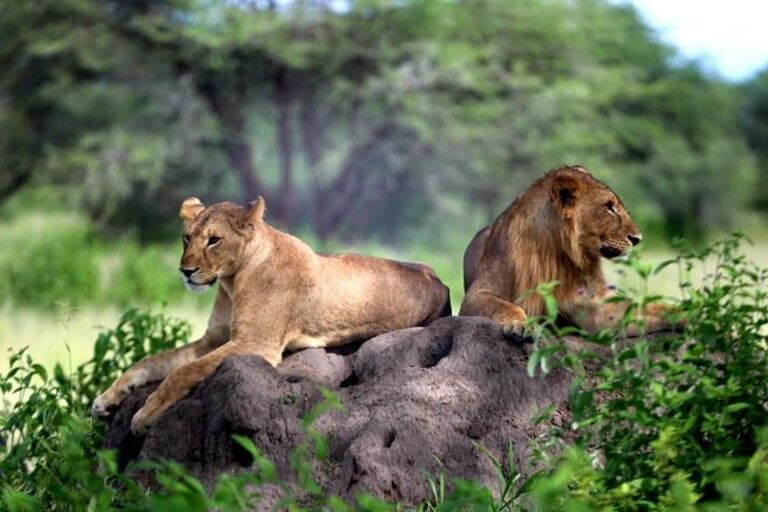
3 Day Joining Safari Group Departures From Moshi: 2026
Discover convenient 3-day group safari departures from Moshi, perfect for maximizing your Tanzania adventure. Explore wildlife-rich parks like Tarangire, Manyara, or the Serengeti on shared...
View package details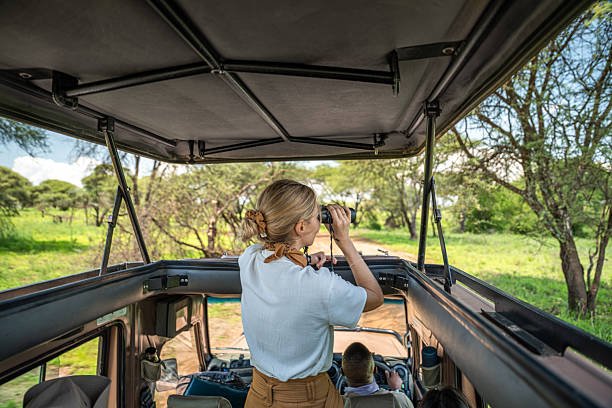
2 Day Group Joining Safari Departures From Moshi: Your Essential Guide
Explore 2-day group joining safaris departing from Moshi, Tanzania. This guide covers essential planning, itinerary options, what's included, and how to book your shared wildlife adventure...
View package detailsWhat Do You Actually Pay For On An African Safari? 2026-2027
What Do You Actually Pay for on an African Safari? is explained with current 2026-2027 planning, price, itinerary and booking information.
View package detailsWhat Does A $1,000 African Safari Look Like? 2026-2027
What Does a $1,000 African Safari Look Like? is explained with current 2026-2027 planning, price, itinerary and booking information.
View package details20 Things You Never Knew About African Safari Animals Guide
Uncover fascinating and often overlooked aspects of African safari animals. This comprehensive guide reveals 20 incredible facts that will deepen your appreciation for wildlife on your...
View package detailsWhy Are Leopards So Difficult To See On Safari? 2026-2027
Why Are Leopards So Difficult to See on Safari? is explained with current 2026-2027 planning, price, itinerary and booking information.
View package detailsWhere Do Elephants Go During The Dry Season? Planning Your Tanzania Safari
During Tanzania's dry season, elephants migrate to areas with reliable water sources, often congregating in national parks and game reserves known for their permanent waterholes and rivers...
View package detailsWhat I Wish I Knew Before My First African Safari: A Practical Guide 2026-2027
Your first African safari is a monumental trip. This comprehensive guide shares essential, often overlooked, insights to help you plan and enjoy every moment, covering everything from...
View package details10 Mistakes First-Time Safari Travelers Make 2026-2027
10 Mistakes First-Time Safari Travelers Make is explained with current 2026-2027 planning, price, itinerary and booking information.
View package detailsWhat Nobody Tells You About African Safaris: Expert Insights For 2026-2027
Going on an African safari is a dream for many, but there are crucial details often overlooked. This guide reveals what nobody tells you about African safaris, covering everything from...
View package details15 Things Nobody Tells You Before Your First Safari In Tanzania 2026-2027
Planning your first Tanzanian safari? Beyond the stunning wildlife, there are practical, often unspoken, aspects of the experience that can significantly impact your trip. This guide...
View package detailsNo related package matches those filters. Clear one or more filters to see the other topic-matched options.



