
Your first safari in Tanzania is an incredible adventure, but beyond the iconic wildlife sightings, you should know about the essential but less-discussed aspects: expect long travel days between parks, embrace early mornings for the best sightings, understand that animal encounters aren’t guaranteed, pack layers for fluctuating temperatures, prepare for basic accommodations in some areas, be ready for dust and insects, know that photography requires patience and specific gear, budget for park fees and tips, understand the role of your guide is paramount, accept that ‘luxury’ can vary, plan for limited connectivity, be aware of cultural nuances, pack essentials like a first-aid kit and medications, learn basic Swahili phrases, and understand the importance of responsible tourism practices. Being prepared for these often-overlooked elements will enhance your 2026-2027 Tanzanian safari experience.
Navigating the Unspoken: 15 Crucial Insights for Your First Tanzanian Safari
The dream of a Tanzanian safari often conjures images of lions silhouetted against a sunset, vast herds of wildebeest thundering across the plains, and intimate encounters with majestic elephants. While these moments are very real and profoundly moving, the journey to them involves a series of practical realities that seasoned travelers might take for granted, but which can come as a surprise to first-timers. Understanding these nuances can transform a good trip into an exceptional one, ensuring you’re not caught off guard by the realities of life in the bush. For those planning their inaugural Tanzanian wildlife adventure in 2026 or 2027, this guide aims to demystify the experience, offering insights that go beyond the glossy brochures.
At Climb 4 Africa, we’ve guided countless first-time safari-goers through Tanzania’s incredible landscapes. We understand that the anticipation is immense, and we want to equip you with the most honest, practical advice possible. This isn’t about dampening enthusiasm; it’s about enhancing preparation, ensuring your focus remains on the wonder of the wildlife and the beauty of the surroundings, rather than on unexpected discomforts or logistical hurdles. Let’s explore the 15 things that nobody tells you before your first safari.
1. Embrace the Drive: Long Travel Days Are Part of the Safari Rhythm
Tanzania is vast. Its most famous national parks – the Serengeti, Ngorongoro Crater, Tarangire, Lake Manyara – are spread across significant distances. While the allure of seeing the Big Five is strong, it’s crucial to understand that reaching these pristine wilderness areas often involves substantial travel time. These aren’t quick hops between destinations; they are often full-day affairs, involving driving on unpaved roads, passing through local villages, and sometimes navigating border crossings between park areas. For instance, a drive from Arusha (the common starting point for northern circuit safaris) to the Serengeti can take anywhere from 6 to 10 hours, depending on the gate you enter and the specific lodge location.
This reality means your safari itinerary will include significant driving days. While the scenery is often spectacular and wildlife can be spotted even en route, it’s important to mentally prepare for this. You won’t be constantly “on safari” in the sense of immediate game drives from dawn till dusk every single day. Instead, you’ll have dedicated travel days interspersed with focused game drives. For many, these drives become an integral part of the experience, offering a glimpse into the local life and landscapes that connect the parks. It’s also where your guide’s expertise truly shines, sharing insights about the environment and culture as you traverse the country. When planning for 2026 or 2027, factor in these travel times when choosing your itinerary length and pace. A shorter trip might mean focusing on fewer parks to minimize driving, while a longer expedition allows for a more relaxed pace and deeper exploration.
The Trade-off: While long drives can seem daunting, they are often necessary to reach the most remote and biodiverse areas, minimizing crowds and maximizing your chances for authentic wildlife encounters. They also offer a valuable perspective on the country beyond the tourist hotspots.
2. Early Birds Catch the Wildlife: The Dawn Patrol is Essential
Wildlife is most active during the cooler parts of the day, which means dawn and dusk. If you envision leisurely breakfasts followed by a late start to your game drives, you might miss some of the most dynamic animal behaviors. Predators are often on the move early in the morning, hunting before the heat of the day sets in. You might witness a lion pride returning from a night’s hunt or see leopards, which are notoriously elusive, out and about. Similarly, many herbivores are most active feeding in the early morning light.
This means your safari day will likely begin before sunrise. Expect to be woken up by your lodge or camp staff, have a quick cup of coffee or tea, and be in your safari vehicle by 6:00 or 6:30 AM. These early morning game drives can last for several hours, often including a packed breakfast enjoyed in the bush, or returning to camp for a mid-morning meal. The golden light of sunrise also provides incredible photographic opportunities. While you can certainly have fantastic sightings later in the day, the highest probability of seeing a wide range of animal activity, especially predators, is during these early hours. This is a fundamental aspect of maximizing your safari experience, and it’s a rhythm that most visitors quickly adapt to and even come to appreciate for the sheer abundance of sightings it yields.
The Trade-off: Sacrificing a lie-in for an early start means you’ll be actively participating in the wildlife’s daily cycle, leading to more rewarding and frequent sightings. It’s a small price for unparalleled wildlife viewing.
3. No Guarantees: Wildlife Encounters are Wild, Not Scheduled
This is perhaps the most crucial point to internalize before your first safari. While Tanzania boasts an astonishing density and diversity of wildlife, there are no guarantees. You might not see a lion every day, you might not witness a kill, and the elusive leopard or rhino might remain hidden. The Serengeti’s Great Migration, while a impressive spectacle, is a natural phenomenon dictated by rainfall and grazing patterns; its timing and intensity can vary year to year. A safari is not a zoo; animals roam freely, and their behavior is dictated by instinct, not by a tourist’s schedule.
Your expert guide plays a vital role here. They are trained to read the bush, track animals, and understand their habits. They use their knowledge, communication networks with other guides, and experience to maximize your chances of seeing different species. However, even the most skilled guide cannot conjure animals out of thin air. It’s important to manage expectations. Focus on the overall experience: the stunning landscapes, the sounds of the bush, the vastness of the plains, the thrill of searching, and the sheer wonder of encountering any wild creature in its natural habitat. Every sighting, no matter how common the species, is a privilege. For 2026-2027 bookings, discuss your specific wildlife interests with your tour operator, but always maintain an open mind and appreciate whatever the wild decides to reveal.
The Trade-off: The unpredictability is precisely what makes a safari so thrilling. The moments you do witness are earned through patience and a bit of luck, making them all the more precious.
4. Packing for Extremes: Layers are Your Best Friend
The weather on a Tanzanian safari can change dramatically throughout the day and across different regions. You might start your morning game drive in chilly pre-dawn temperatures, perhaps needing a fleece or even a light jacket. As the sun climbs higher, temperatures can soar, reaching well into the 30s Celsius (90s Fahrenheit), especially in areas like Tarangire or during the hotter months. Then, as evening approaches, the temperature can drop again.
This fluctuation makes layering essential. Think in terms of light, breathable fabrics that you can easily add or remove. A typical packing list includes: t-shirts, long-sleeved shirts (for sun protection and warmth), a fleece or warm sweater, a windproof and waterproof jacket, comfortable trousers or convertible hiking pants, and sturdy walking shoes or hiking boots. Evenings can be surprisingly cool, especially on the rim of the Ngorongoro Crater or at higher altitudes. For 2026-2027 travel, consider the specific season you’re visiting. The dry seasons (June-October and December-February) can have significant temperature swings, while the rainy seasons can bring humidity and cooler, damp conditions.
The Trade-off: While it might seem like a hassle, packing layers ensures you are comfortable whether you’re enduring a chilly morning drive or a hot midday sun, allowing you to focus on the safari experience itself.
5. Accommodation Realities: From Luxury Lodges to Bush Camps
The term ‘safari accommodation’ covers a broad spectrum. While many travelers dream of opulent lodges with infinity pools overlooking waterholes, the reality for many safaris, especially those moving between parks, involves a range of options. You might experience luxurious tented camps that offer ensuite bathrooms and fine dining, or more rustic, basic lodges and campsites. Even within ‘luxury’ accommodations, the level of amenity can vary. Some camps are permanent structures, while others are semi-permanent or even mobile, following the migration. In more remote areas, or if you opt for a more budget-friendly trip, you might find yourself in simple bandas (huts) or even pitching tents at designated campsites within or near the parks.
It’s important to clarify what type of accommodation is included in your safari package. Does it include permanent lodges, luxury tented camps, or basic campsites? What are the amenities like – private bathrooms, hot water, electricity, Wi-Fi? Understanding this will set your expectations correctly. For 2026-2027 trips, discussing your comfort preferences with your tour operator is key. Climb 4 Africa can tailor itineraries to suit various comfort levels and budgets, from camping safaris to high-end lodge stays. Don’t assume every stop will be a five-star resort; embrace the diversity of bush living, which often includes being closer to nature.
The Trade-off: While luxury is appealing, more basic accommodations can often place you closer to the heart of the wilderness, offering a more authentic and in-depth bush experience.
6. The Ubiquitous Dust and Pests: Prepare for Nature’s Embrace
Safaris are inherently dusty affairs. The roads within national parks are almost exclusively unpaved, and when vehicles drive, they kick up a significant amount of fine red dust. This dust gets everywhere – on your clothes, in your hair, on your camera equipment, and inside the vehicle. Wearing neutral-colored clothing (khaki, beige, brown) helps it blend in, but you will still feel and see the dust. A bandana or buff is invaluable for covering your mouth and nose during drives, especially if you’re in a vehicle with the windows down or if there’s a convoy. A plastic bag or waterproof cover for your camera gear is also a wise precaution.
Insects are also a reality, particularly mosquitoes, especially in damper areas or during the rainy seasons. While malaria is a concern in many parts of Tanzania, the risk in the main safari areas is generally lower than in coastal regions, though still present. Always consult your doctor about malaria prophylaxis and insect repellent recommendations. Long-sleeved clothing and trousers in the evenings can offer physical protection. Many lodges and camps provide mosquito nets over beds, and some may have insect repellent available. For 2026-2027, ensure your packing list includes effective, high-DEET insect repellent and consider any necessary vaccinations or preventative medications well in advance.
The Trade-off: The dust and insects are simply part of being in a wild, natural environment. A little preparation means they become minor inconveniences rather than major disruptions.
7. Photography Demands More Than Just a Phone
You’ll want to capture the incredible sights, but achieving those postcard-perfect shots requires more than just your smartphone. While modern phones have impressive cameras, they often struggle with the distance to wildlife, low light conditions (especially at dawn and dusk), and the need for fast autofocus. For truly memorable photos, consider bringing a dedicated camera with a telephoto lens (e.g., 300mm or longer). This allows you to zoom in on distant animals without disturbing them.
Beyond the lens, think about camera batteries and memory cards – you’ll be taking a lot of photos, so bring spares and ensure they are fully charged. Protecting your gear from dust is also paramount. A small dust blower or a soft brush can help clean lenses and camera bodies. Some photographers opt for beanbags to rest their lenses on the vehicle’s window frame for stability. If photography is a high priority for your 2026-2027 safari, discuss specialized photography vehicles or tours with your operator. These often have open roofs or specific seating arrangements for optimal viewing and shooting. Even if you’re just using a phone, familiarize yourself with its zoom capabilities and burst mode.
The Trade-off: Investing a little extra thought and perhaps gear into photography can yield stunning, high-quality images that serve as treasured mementos of your first safari.
8. Budgeting Beyond the Tour Price: Park Fees and Tips
The quoted price for your safari usually covers accommodation, meals, transport, and guide services. However, there are significant additional costs that first-timers often overlook. The most substantial of these are the park entrance fees. These are charged per person, per day, and can be quite high, especially in premium parks like the Serengeti and Ngorongoro Conservation Area. For example, Serengeti fees can be around $70-$80 per person per 24-hour period, and the Ngorongoro Crater fee is an additional $300 per vehicle plus $70 per person. These fees contribute to conservation efforts but add considerably to the overall cost.
Tips for guides and lodge staff are also customary and expected. Your safari guide is likely the most important person on your trip, and they work incredibly hard. A typical tip for a safari driver/guide is around $20-$30 per day, per group. Lodge staff might also appreciate tips, often pooled or given to a manager to distribute. Other potential extras include drinks (beyond water, tea, and coffee), souvenirs, and any activities not included in the itinerary. When budgeting for a 2026-2027 safari, always ask your tour operator for a detailed breakdown of inclusions and exclusions, specifically inquiring about park fees and recommended tipping guidelines. Climb 4 Africa provides clear itineraries outlining what’s covered, helping you budget accurately.
The Trade-off: While these extra costs can seem steep, they are essential for funding conservation efforts and rewarding the dedicated individuals who make your safari experience possible.
9. Your Guide is Your Safari Guru: Leverage Their Expertise
Your safari guide is more than just a driver; they are your educator, tracker, naturalist, and problem-solver. Their knowledge of animal behavior, local flora and fauna, cultural insights, and the intricate workings of the parks is invaluable. Don’t be afraid to ask questions – lots of them! Ask about the animals you see, their habits, the landscape, the history of the area, or anything that sparks your curiosity. A good guide will be thrilled to share their knowledge.
They also understand the best times and places to find specific animals. They communicate with other guides, using a network to relay sightings. Trust their judgment when they suggest heading in a particular direction or spending time in one spot. They are constantly reading the environment for signs – a distant dust cloud, alarm calls from birds, tracks on the ground. For 2026-2027 planning, remember that the quality of your guide significantly impacts the quality of your safari. Choosing a reputable operator like Climb 4 Africa means you’ll have experienced, knowledgeable, and passionate guides dedicated to giving you the best possible experience.
The Trade-off: Actively engaging with your guide transforms a passive viewing experience into an educational and deeply enriching journey.
10. The Definition of ‘Luxury’ Varies in the Bush
While the safari industry often uses terms like ‘luxury,’ ‘exclusive,’ and ’boutique,’ it’s essential to understand that these can mean different things in the context of remote wilderness areas. A ‘luxury’ tented camp might offer beautifully appointed canvas walls, comfortable beds, and gourmet meals, but it might not have air conditioning, Wi-Fi in the room, or a television. ‘Exclusive’ might refer to a private concession with fewer vehicles, rather than a sprawling resort. ‘Boutique’ could mean a small, intimate camp with personalized service, rather than a large hotel.
Be clear about your expectations regarding amenities. Hot water might be solar-powered and available only at certain times. Electricity might be generator-powered and switched off overnight. Internet access, if available, is often slow and limited to a common area. The true luxury of a high-end safari often lies in the quality of guiding, the intimacy of the experience, the stunning locations, the exceptional food, and the unparalleled service, rather than in the typical creature comforts of a city hotel. For 2026-2027 bookings, discuss your definition of luxury with your tour operator to ensure the chosen accommodations align with your preferences. Climb 4 Africa works with a range of carefully selected lodges and camps to match different comfort and luxury expectations.
The Trade-off: Embracing the unique ‘bush luxury’ means appreciating the authentic wilderness experience, often characterized by thoughtful details and exceptional service rather than standard urban amenities.
11. Connectivity is Limited: Prepare to Disconnect
This can be a blessing or a curse, depending on your perspective. In most national parks and remote safari areas, mobile phone signal and Wi-Fi are either non-existent or extremely unreliable. While some high-end lodges may offer Wi-Fi in a common area, and you might catch a signal briefly at park gates or in larger towns, don’t count on being constantly connected. This is a deliberate aspect of the safari experience – designed to help you disconnect from the digital world and reconnect with nature and yourself.
Inform family and friends that you will have limited communication. Download any necessary maps, music, or entertainment before you leave. Use the time to read, journal, or simply observe the incredible surroundings. For 2026-2027 travel, consider it an opportunity to truly unplug and be present. If you absolutely need to be reachable for emergencies, discuss options with your tour operator, such as a satellite phone for specific situations, though this is rarely necessary or recommended for typical tourist safaris.
The Trade-off: Limited connectivity forces you to be fully present in the moment, enhancing your appreciation for the natural world and the safari experience itself.
12. Cultural Sensitivity: Respect Local Customs and Traditions
While the focus of a safari is wildlife, you will inevitably interact with local people – your guides, lodge staff, and people in villages you might pass through. Tanzania is a diverse country with many ethnic groups, each with its own traditions. The majority of the population is Muslim or Christian, and generally very welcoming. However, it’s important to be respectful of local customs.
Dress modestly when visiting villages or towns (cover shoulders and knees). Always ask permission before taking photographs of people. Learn a few basic Swahili phrases – a simple ‘Jambo’ (hello) or ‘Asante’ (thank you) goes a long way. Avoid pointing with your index finger; use an open hand. Bargaining in local markets is common, but do so politely. Your guide will be an excellent resource for cultural etiquette. For 2026-2027 trips, understanding and respecting local culture enriches your experience and fosters positive interactions. Climb 4 Africa emphasizes responsible tourism and can provide guidance on cultural interactions.
The Trade-off: A little cultural awareness and respect can lead to warmer interactions and a deeper understanding of the places and people you encounter.
13. The Importance of a Comprehensive First-Aid Kit and Medications
While lodges and safari vehicles are equipped with basic first-aid supplies, it’s wise to bring your own comprehensive kit tailored to your needs. This should include essentials like antiseptic wipes, bandages, pain relievers (ibuprofen, paracetamol), antihistamines (for allergies or insect bites), motion sickness medication if needed, and any personal prescription medications. Ensure you have enough for the entire trip, plus a little extra.
Given the remote locations, access to pharmacies or medical facilities can be limited and time-consuming. It’s also advisable to pack remedies for common travel ailments like upset stomachs (e.g., Imodium, rehydration salts) and any specific treatments recommended by your doctor for tropical environments. For 2026-2027 travel, consult your travel physician well in advance regarding vaccinations, malaria prophylaxis, and any specific health advice for Tanzania. Having a well-stocked personal kit provides peace of mind and allows you to handle minor issues quickly and efficiently, keeping you comfortable and able to enjoy your safari.
The Trade-off: Being self-sufficient with a well-prepared first-aid kit means minor health issues won’t derail your adventure, allowing you to maximize your time enjoying the wildlife.
14. Pack Light, But Pack Smart: Essentials for the Bush
Safari vehicles often have limited luggage space, especially when carrying multiple passengers and their gear. Soft-sided duffel bags are generally preferred over rigid suitcases, as they are more flexible and easier to stow. Aim for one main duffel bag per person. Beyond clothing (as mentioned in point 4), consider these essentials:
- Binoculars: Absolutely crucial for spotting distant wildlife and appreciating details. Bring your own, as lodge binoculars can be limited or of lower quality.
- Sunscreen and Hat: High SPF sunscreen and a wide-brimmed hat are non-negotiable for sun protection.
- Sunglasses: Protect your eyes from the intense sun.
- Camera Gear: As discussed in point 7.
- Headlamp or Flashlight: Essential for navigating around camps or lodges after dark.
- Reusable Water Bottle: Most lodges provide filtered water for refilling, reducing plastic waste.
- Power Bank/Adapter: For charging electronics, as power outlets might be scarce or only available at certain times. Tanzania uses Type G plugs (UK style).
- Small Backpack/Daypack: For carrying essentials like water, camera, binoculars, and snacks on game drives.
- Hand Sanitizer: Useful for quick clean-ups before meals or after using facilities.
- Lip Balm with SPF: Protect your lips from sun and wind.
For 2026-2027, make a detailed packing list based on your itinerary and the season. Remember, you can often purchase essentials like sunscreen or basic toiletries at lodges, but selection may be limited and prices higher.
The Trade-off: Strategic packing ensures you have everything you need without being burdened by excess luggage, making your travel more comfortable and efficient.
15. Responsible Tourism: Being a Conscious Traveler
Your safari is an opportunity to witness incredible ecosystems, and with that comes a responsibility to protect them. Responsible tourism means making choices that benefit local communities and minimize your environmental impact. This includes:
- Respecting Wildlife: Never feed animals, maintain a safe distance, and never disturb their natural behavior. Follow your guide’s instructions implicitly.
- Minimizing Waste: Use reusable water bottles, avoid single-use plastics, and dispose of waste properly.
- Supporting Local Communities: Purchase souvenirs from local artisans, eat at local establishments when possible, and choose tour operators that employ local staff and contribute to community projects.
- Conserving Resources: Be mindful of water and electricity usage in lodges and camps, especially in areas where these resources are scarce.
- Choosing Ethical Operators: Select companies like Climb 4 Africa that are committed to sustainable practices and ethical wildlife viewing.
For your 2026-2027 safari, consider how your choices can make a positive difference. Understanding and practicing responsible tourism ensures that these magnificent landscapes and their inhabitants will be preserved for future generations, and that local communities benefit directly from tourism. It’s about leaving a positive footprint, not just taking memories.
The Trade-off: Conscious travel requires a little more thought, but it ensures that your incredible safari experience contributes positively to the environment and the people of Tanzania.
Planning Your First Tanzanian Safari with Confidence
Your first Tanzanian safari is an unforgettable journey, and being well-prepared for these often-unspoken aspects is key to maximizing enjoyment and minimizing surprises. From understanding the distances involved and the rhythm of early morning game drives to managing expectations about wildlife sightings and preparing for the realities of the bush, knowledge is your best tool.
At Climb 4 Africa, we pride ourselves on offering transparent, practical advice to all our clients. We want you to have a realistic and wonderfully exciting outlook on your adventure. Whether you’re dreaming of the vast Serengeti plains, the unique ecosystem of the Ngorongoro Crater, or the elephant herds of Tarangire, we can help craft an itinerary that aligns with your interests, budget, and comfort level for 2026 or 2027.
Don’t hesitate to reach out with your questions. We’re here to help you navigate every detail, from packing lists and itinerary planning to understanding park fees and responsible travel practices. Let us help you plan a truly exceptional first safari.
Contact us today to start planning your dream Tanzanian safari:
- WhatsApp: +255 747 477 898
- Email: climb4africa@gmail.com
Check Availability for 15 Things Nobody Tells You Before Your First Safari In Tanzania 2026-2027
Ready to compare dates, prices, and the best option for your group? Send the package name and travel month so the team can reply with a clear quote, availability, and what is included.
What I Wish I Knew Before My First African Safari: A Practical Guide 2026-2027
Your first African safari is a monumental trip. This comprehensive guide shares essential, often overlooked, insights to help you plan and enjoy every moment, covering everything from...
View package detailsWhat Nobody Tells You About African Safaris: Expert Insights For 2026-2027
Going on an African safari is a dream for many, but there are crucial details often overlooked. This guide reveals what nobody tells you about African safaris, covering everything from...
View package details10 Things You Should Know Before Going On An African Safari In 2026-2027
Before embarking on your dream African safari, arm yourself with essential knowledge. This guide covers everything from wildlife viewing etiquette and packing essentials to understanding...
View package details10 Things That Can Surprise You On Your First African Safari 2026-2027
Your first African safari is an adventure, but what might catch you off guard? This guide details 10 surprising elements, from wildlife behavior and camp life to the sheer scale of the...
View package details20 Things You Never Knew About African Safari Animals Guide
Uncover fascinating and often overlooked aspects of African safari animals. This comprehensive guide reveals 20 incredible facts that will deepen your appreciation for wildlife on your...
View package details10 Mistakes First-Time Safari Travelers Make 2026-2027
10 Mistakes First-Time Safari Travelers Make is explained with current 2026-2027 planning, price, itinerary and booking information.
View package detailsWhat Nobody Tells You About Traveling To Tanzania Guide
Planning a trip to Tanzania for 2026 or 2027? This comprehensive guide reveals the unspoken truths about traveling to Tanzania, covering everything from safari nuances and Kilimanjaro...
View package details10 Things To Know Before Visiting Tanzania For An Unforgettable Adventure
Before you pack your bags for Tanzania, arm yourself with these 10 crucial pieces of knowledge. From understanding visa requirements and health precautions to mastering safari etiquette and...
View package detailsThe Wild Side Of Tanzania: Animals You Need To Know Before Your Safari
The Wild Side of Tanzania: Animals You Need to Know Before Your Safari is explained with current 2026-2027 planning, price, itinerary and booking information.
View package detailsAre African Safaris Safe? What First-Time Visitors Should Know For 2026-2027
Planning your first African safari in 2026 or 2027? This comprehensive guide addresses the crucial question: 'Are African safaris safe?' We cover everything from wildlife encounters and...
View package details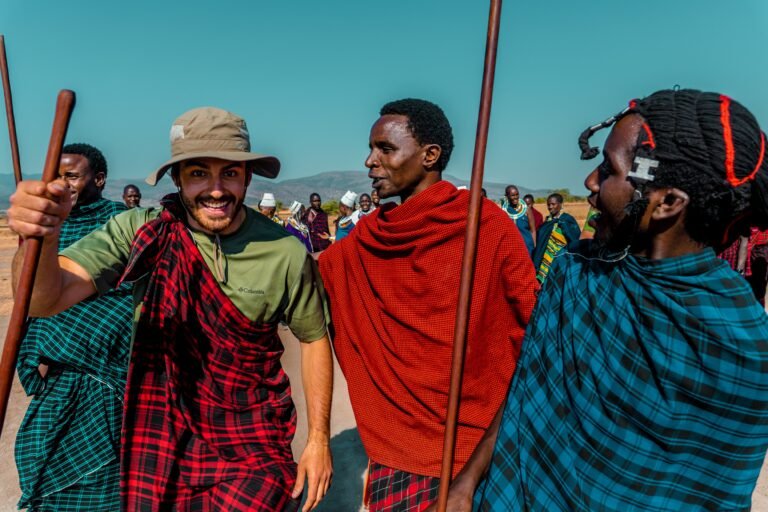
2 Days 1 Night Safari To Mikumi, Udzungwa & Maasai Village: 2026
Discover the highlights of Tanzania's southern circuit on a rapid 2-day, 1-night safari, combining wildlife viewing in Mikumi, unique landscapes in Udzungwa, and cultural immersion with the...
View package details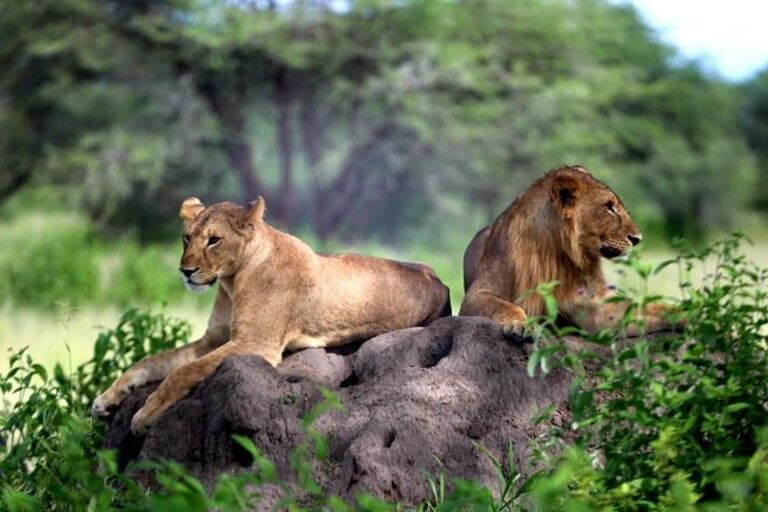
3 Day Joining Safari Group Departures From Moshi: 2026
Discover convenient 3-day group safari departures from Moshi, perfect for maximizing your Tanzania adventure. Explore wildlife-rich parks like Tarangire, Manyara, or the Serengeti on shared...
View package detailsNo related package matches those filters. Clear one or more filters to see the other topic-matched options.



