Combining a Tanzania safari with Rwanda gorilla trekking offers an unparalleled African adventure, blending iconic wildlife viewing in the Serengeti and Ngorongoro Crater with the deeply moving experience of encountering mountain gorillas in Rwanda’s Volcanoes National Park. This dual-destination trip, ideal for 2026-2027 travel, typically spans 10-14 days, starting with game drives in Tanzania and concluding with a trek for gorillas in Rwanda, often requiring flights between the two countries to maximize your time and experience.

Planning Your Tanzania Safari and Rwanda Gorilla Trekking Combination Trip
The dream of seeing the Great Migration in the Serengeti and then coming face-to-face with a family of mountain gorillas in Rwanda is a powerful one. It’s a journey that requires careful planning, especially when combining two distinct countries with different logistics, visa requirements, and travel seasons. At Climb 4 Africa, we specialize in crafting these complex, yet incredibly rewarding, itineraries. This guide is designed to walk you through every aspect of planning your Tanzania safari followed by Rwanda gorilla trekking for your 2026-2027 travels, ensuring a smooth and unforgettable experience.
When considering a Tanzania safari followed by Rwanda gorilla trekking, the first crucial decision is the duration. Most travelers find that a minimum of 10 days is needed to truly appreciate both experiences without feeling rushed. However, for a more relaxed pace and to include more of Tanzania’s diverse offerings, 12 to 14 days is often recommended. This allows for more game drives, perhaps a visit to a Maasai village, and ample time for the gorilla trek itself, which can be physically demanding.
The sequence of your trip is also important. Typically, visitors opt for a Tanzania safari first, followed by the gorilla trek in Rwanda. This is often due to flight routes and the desire to end the trip with the unique, more intimate primate experience. However, the reverse is also possible. Your choice might depend on flight availability and pricing for 2026-2027, or simply personal preference.
Logistically, the biggest consideration is the travel between Tanzania and Rwanda. The most common method is flying. You’ll likely fly from a Tanzanian hub like Kilimanjaro International Airport (JRO) or Arusha Airport (ARK) to Kigali International Airport (KGL) in Rwanda. This flight typically takes between 1.5 to 3 hours, depending on whether it’s direct or has a layover. We’ll explore the details of these transfers further, as they are a critical component of stitching your Tanzania safari followed by Rwanda gorilla trekking adventure together.
Key considerations for planning your 2026-2027 trip:
- Duration: Aim for at least 10-14 days for a balanced experience.
- Sequence: Tanzania safari first, then Rwanda gorilla trek is most common.
- Transportation: Flights are essential for travel between Tanzania and Rwanda.
- Visas: Check requirements for both Tanzania and Rwanda based on your nationality.
- Permits: Gorilla permits in Rwanda are limited and must be booked well in advance.
- Timing: Consider the best seasons for both safari viewing and gorilla trekking.
Understanding the Tanzania Safari Component
A Tanzania safari is world-renowned for its incredible wildlife density and iconic landscapes. When combining it with Rwanda, the focus often remains on the northern circuit, which includes the Serengeti National Park, Ngorongoro Conservation Area, and potentially Tarangire or Lake Manyara National Parks. These parks offer distinct ecosystems and wildlife viewing opportunities, making them a perfect prelude to your gorilla adventure.
Serengeti National Park: The Endless Plains
The Serengeti is the heart of a classic Tanzania safari. Its name, derived from the Maasai word ‘Siringet,’ meaning ‘endless plains,’ perfectly describes its vast, sweeping grasslands dotted with acacia trees and kopjes. It’s here that the Great Migration, a spectacular natural phenomenon involving millions of wildebeest, zebras, and gazelles, takes place annually. Depending on the time of year in 2026 or 2027, you could witness the dramatic river crossings or the calving season.
Wildlife highlights in the Serengeti:
- The Big Five: Lion, Leopard, Elephant, Buffalo, and Rhino (though rhinos are rare and elusive).
- Vast herds of wildebeest and zebra, especially during the Great Migration.
- Cheetahs, hyenas, giraffes, hippos, crocodiles, and countless bird species.
For a Tanzania safari followed by Rwanda gorilla trekking, spending at least 3-4 days in the Serengeti is highly recommended. This allows time to explore different regions of the park, increasing your chances of seeing diverse wildlife and potentially the migration, depending on its location in 2026-2027.
Ngorongoro Conservation Area: The Eighth Wonder
The Ngorongoro Crater, often referred to as the ‘Eighth Wonder of the World,’ is a UNESCO World Heritage Site and a truly unique ecosystem. This massive volcanic caldera, approximately 19 kilometers wide, is home to an exceptionally high concentration of wildlife, including a stable population of black rhinos. Descending into the crater floor offers a condensed safari experience, with the potential to see all of the Big Five in a single day.
Why Ngorongoro is essential:
- Remarkable density of predators, including lions, hyenas, and jackals.
- High chance of spotting black rhinos.
- Stunning scenery within the crater walls.
- A unique geological formation offering diverse habitats.
A full day dedicated to game drives within the Ngorongoro Crater is standard for any Tanzania safari followed by Rwanda gorilla trekking. Many itineraries include an overnight stay on the crater rim or nearby, offering spectacular views at sunrise and sunset.
Other Northern Circuit Parks (Optional but Recommended)
While Serengeti and Ngorongoro are the stars, adding other parks can enrich your Tanzania safari experience before heading to Rwanda.
- Tarangire National Park: Famous for its large elephant herds and iconic baobab trees, particularly impressive during the dry season (June-October).
- Lake Manyara National Park: Known for its tree-climbing lions, large troops of baboons, and diverse birdlife. It’s a smaller park, often visited as a half-day or full-day excursion.
Including these parks can add another 1-2 days to your Tanzania safari, making your overall trip closer to the 12-14 day mark, which is ideal for a combined Tanzania safari followed by Rwanda gorilla trekking itinerary.
Accommodation Styles on Your Tanzania Safari
The choice of accommodation significantly impacts the safari experience and budget. For a Tanzania safari followed by Rwanda gorilla trekking, options range from:
- Luxury Lodges: Offer high-end amenities, exquisite dining, and often stunning locations.
- Tented Camps: Provide a more in-depth bush experience with comfortable canvas tents, often with en-suite bathrooms and fine dining. These can be permanent or mobile, following the migration.
- Mid-Range Hotels/Lodges: Comfortable and well-equipped, offering a good balance of comfort and value.
- Budget Campsites: Basic facilities, often communal, for travelers seeking a more rustic and economical experience.
Your accommodation choices will influence the overall cost of your Tanzania safari followed by Rwanda gorilla trekking package for 2026-2027.
The Rwanda Gorilla Trekking Experience
Rwanda, known as the ‘Land of a Thousand Hills,’ offers one of the most accessible and well-managed gorilla trekking experiences in the world. Volcanoes National Park, in the northwest of the country, is home to a significant population of endangered mountain gorillas, living in family groups that have been habituated for tourism.
Volcanoes National Park: Home of the Gorillas
Located at the foot of the Virunga Mountains, Volcanoes National Park is a pristine rainforest sanctuary. The park is divided into sectors, and on the day of your trek, you will be assigned to a specific gorilla family. The trek itself can vary in difficulty, from relatively easy walks on well-maintained trails to strenuous hikes up steep, muddy slopes. The duration of the trek can range from 2 to 8 hours, depending on the gorilla family’s location on that particular day.
What to expect during your gorilla trek:
- Permit: Each trekker needs a permit, which costs $1,500 USD per person. These are strictly limited and must be booked months, if not a year, in advance, especially for peak seasons in 2026-2027.
- Group Size: Treks are limited to a maximum of 8 people per gorilla family.
- Tracking: You’ll be accompanied by experienced guides and trackers who will lead you through the forest.
- Encounter: Upon finding the gorillas, you’ll have one hour to observe and photograph them. This is a strictly regulated hour to minimize disturbance to the gorillas.
- Physicality: Be prepared for steep terrain, humidity, and potentially rain. Hiring a porter is highly recommended to help carry your backpack and provide assistance on the trails.
The Gorilla Permit: Your Golden Ticket
The Rwandan Development Board (RDB) manages gorilla permits. Due to the conservation efforts and the limited number of permits available, they are a significant investment. When planning your Tanzania safari followed by Rwanda gorilla trekking for 2026-2027, securing your gorilla permits should be one of your top priorities. Climb 4 Africa can assist you with this crucial booking.
Important notes on permits:
- Permits are non-refundable and non-transferable once purchased.
- They are issued on a first-come, first-served basis.
- We recommend booking at least 6-12 months in advance for your preferred dates in 2026 or 2027.
Other Primate Trekking in Rwanda
While gorillas are the main draw, Rwanda also offers incredible opportunities to see other primates:
- Chimpanzee Trekking in Nyungwe Forest National Park: A beautiful montane rainforest, Nyungwe is home to one of the largest populations of chimpanzees in East Africa, as well as 12 other primate species. This can be an excellent addition to your Rwanda experience if time allows, though it requires additional travel within Rwanda.
- Golden Monkey Trekking in Volcanoes National Park: These vibrant monkeys are also found in Volcanoes National Park and offer a different, yet equally engaging, primate viewing experience. The trek is generally less strenuous than gorilla trekking.
Adding chimpanzee trekking to your Tanzania safari followed by Rwanda gorilla trekking can extend your trip by 2-3 days but provides a richer primate experience.
Logistics: Connecting Tanzania and Rwanda
The transition between your Tanzania safari and Rwanda gorilla trek is a critical logistical step. This is where expert planning by a tour operator like Climb 4 Africa becomes invaluable. The most common method involves flying from Tanzania to Rwanda.
Flights Between Tanzania and Rwanda
You will typically fly from an airport in northern Tanzania, such as Kilimanjaro International Airport (JRO) or Arusha Airport (ARK), to Kigali International Airport (KGL) in Rwanda. Several airlines operate routes, often with a stopover in Nairobi (Kenya) or Addis Ababa (Ethiopia). Direct flights, while less common, do exist and are the most efficient option.
Typical flight path:
- End of Tanzania Safari: Depart from JRO or ARK.
- Transit: Fly to KGL, usually via Nairobi (NBO) or Addis Ababa (ADD).
- Arrival in Kigali: You will be met at the airport and transferred to your accommodation in Kigali or directly to Volcanoes National Park, depending on your itinerary and arrival time.
The flight duration can vary significantly, from around 1.5 hours for a direct flight to 5+ hours with layovers. It’s crucial to factor in travel time to and from airports, check-in times, and potential delays when structuring your itinerary for 2026-2027.
Visa Requirements
Ensure you have the necessary visas for both Tanzania and Rwanda. Requirements vary based on your nationality.
- Tanzania: Many nationalities can obtain a visa on arrival, but it’s advisable to check the latest regulations and consider applying online in advance for convenience.
- Rwanda: Rwanda offers a convenient East Africa Tourist Visa for citizens of many countries, which allows multiple entries into Rwanda, Uganda, and Kenya. Alternatively, you can get a single-entry visa. Check the Rwandan Directorate General of Immigration and Emigration website for the most current information.
Climb 4 Africa can provide guidance on visa applications for your 2026-2027 trip.
Ground Transportation
Once you land in Kigali, reliable ground transportation is essential. For your Tanzania safari followed by Rwanda gorilla trekking, this typically includes:
- Airport Transfers: Arranged transfers from Kigali Airport to your hotel or directly to Volcanoes National Park.
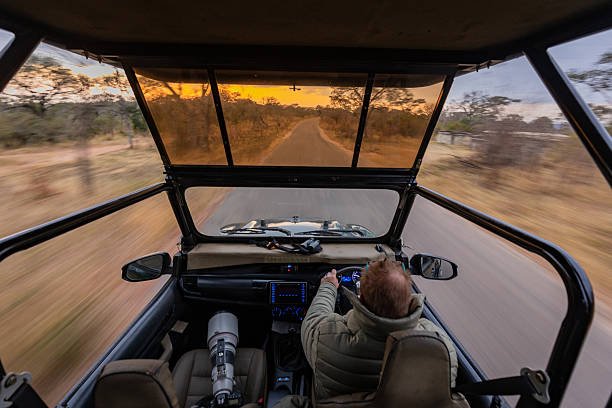
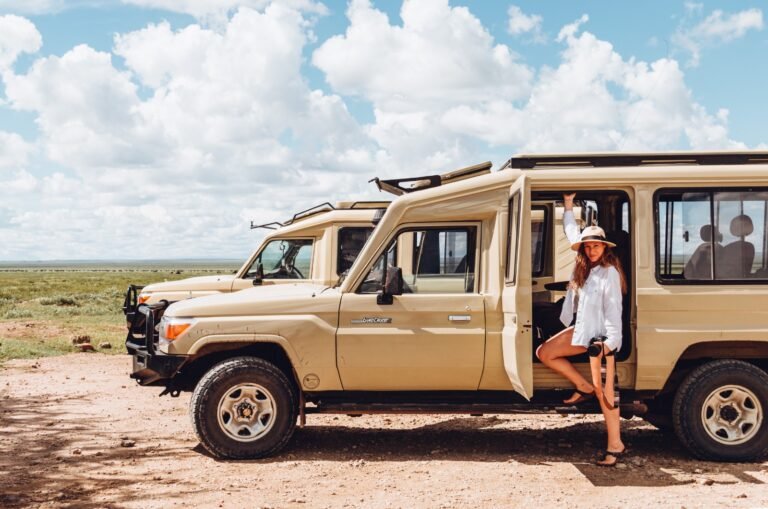
- Safari Vehicles in Tanzania: 4×4 safari vehicles (Land Cruisers or Land Rovers) with pop-up roofs for optimal game viewing.
- Trek Support in Rwanda: A private vehicle and driver will transport you to the park headquarters for your gorilla trek briefing and back to your lodge.
When to Travel: Best Seasons for Your Combined Trip
The ideal time for a Tanzania safari followed by Rwanda gorilla trekking depends on what you wish to see and experience. Both destinations have distinct dry and wet seasons, which affect wildlife movements and trekking conditions.
Tanzania Safari Seasons
- Dry Season (June to October): This is generally considered the peak season. Wildlife congregates around water sources, making game viewing excellent. The Great Migration river crossings in the Serengeti are most dramatic during July and August. Skies are clear, and temperatures are pleasant. This is also a prime time for gorilla trekking in Rwanda.
- Wet Season (November to May): The landscape becomes lush and green. This is the calving season for wildebeest in the southern Serengeti (December to February). Birdwatching is at its best, and there are fewer tourists, leading to potentially lower prices for safaris in 2026-2027. However, some roads can become impassable, and game viewing might be more challenging due to thicker vegetation.
Rwanda Gorilla Trekking Seasons
Gorilla trekking is possible year-round, but the dry seasons (June to September and December to February) are generally preferred for easier trekking conditions. Trails are less muddy and slippery during these months. However, even in the wet season, the gorillas remain accessible, and the mist-covered Virunga Mountains offer a dramatic backdrop. The reduced crowds during the shoulder seasons might appeal to some travelers.
The Best Time for a Combined Trip
For a Tanzania safari followed by Rwanda gorilla trekking, aiming for the dry seasons in both countries is often the most convenient approach. This means traveling between June and September offers the best of both worlds: dramatic migration action and river crossings in Tanzania, and less challenging trekking conditions in Rwanda. The period from December to February is also a good option, especially if you wish to witness the wildebeest calving season in Tanzania and have pleasant trekking weather in Rwanda.
When planning for 2026-2027, consider booking your preferred dates well in advance, especially if you are targeting peak safari or trekking seasons, as availability for both accommodations and gorilla permits can be limited.
Sample Itinerary: Tanzania Safari & Rwanda Gorilla Trek (12 Days)
This sample itinerary outlines a classic 12-day journey combining the best of Tanzania’s wildlife with Rwanda’s mountain gorillas. This is a template, and we can customize it entirely for your 2026-2027 adventure.
Day 1: Arrival in Arusha, Tanzania
Arrive at Kilimanjaro International Airport (JRO), where you’ll be met and transferred to your lodge in Arusha. Relax and prepare for your safari adventure.
Day 2: Tarangire National Park
After breakfast, drive to Tarangire National Park, known for its large elephant herds and baobab trees. Enjoy a full day of game drives.
Day 3: Ngorongoro Crater Descent
Drive to the Ngorongoro Conservation Area. Descend into the crater for an unforgettable game drive, searching for the Big Five and other wildlife.
Day 4: Serengeti National Park
After breakfast, head to the legendary Serengeti National Park. Begin your game drives en route to your lodge/camp, soaking in the vast plains.
Day 5-6: Serengeti Exploration
Spend two full days exploring the Serengeti. Depending on the season, you’ll focus on areas known for migration activity or predator sightings.
Day 7: Fly to Kigali, Rwanda
Enjoy a final morning game drive in the Serengeti, then transfer to an airstrip for your flight to Kilimanjaro International Airport (JRO). Connect with your onward flight to Kigali, Rwanda (KGL).
Day 8: Transfer to Volcanoes National Park
After arriving in Kigali, you’ll be met and transferred to your lodge near Volcanoes National Park. Depending on your arrival time, you might have time to visit the local craft markets or relax.
Day 9: Gorilla Trekking Day
An early start for your incredible mountain gorilla trek. After a briefing at the park headquarters, you’ll start your guided trek to find a gorilla family. You’ll have one hour to observe them.
Day 10: Golden Monkey Trekking & Cultural Visit
Opt for a trek to see the playful Golden Monkeys, or visit the Iby’Iwacu Cultural Village for an insight into Rwandan traditions. Alternatively, relax at your lodge.
Day 11: Transfer to Kigali
After breakfast, drive back to Kigali. Depending on your flight schedule, you can explore Kigali city, including the Kigali Genocide Memorial.
Day 12: Departure
Enjoy a final Rwandan breakfast before transferring to Kigali International Airport (KGL) for your departure flight.
This 12-day itinerary is a popular choice for a Tanzania safari followed by Rwanda gorilla trekking, offering a fantastic balance. For those with more time, adding another day in the Serengeti, or including Lake Manyara, or even a few days in Zanzibar after your safari, can be arranged. Similarly, if you wish to add chimpanzee trekking in Nyungwe, it would require an additional 2-3 days in Rwanda.
What’s Typically Included in a Combined Tour Package
When booking a comprehensive package for your Tanzania safari followed by Rwanda gorilla trekking, expect the following to be included:
Tanzania Safari Inclusions:
- Accommodation: Lodges or tented camps as per your chosen standard.
- Ground Transportation: Private 4×4 safari vehicle with an experienced English-speaking driver-guide.
- Park Fees: Entrance fees for Serengeti, Ngorongoro, and other parks visited.
- Meals: Typically full board (breakfast, lunch, dinner) during the safari portion.
- Activities: Game drives as per the itinerary.
- Crater Service Fee: For Ngorongoro Crater access.
- Bottled Water: Usually provided in the safari vehicle.
Rwanda Gorilla Trekking Inclusions:
- Accommodation: Lodge near Volcanoes National Park.
- Ground Transportation: Private vehicle and driver for transfers and trek logistics.
- Gorilla Permit: The crucial permit, booked in advance (cost often itemized separately or included).
- Park Fees: Volcanoes National Park entrance fees.
- Activities: Guided gorilla trek and other specified activities (e.g., Golden Monkey trek).
- Meals: Usually full board or half board at the lodge.
- Briefing Fees: At the park headquarters.
Common Exclusions:
- International flights to Tanzania and from Rwanda.
- Internal flights between Tanzania and Rwanda (often can be added).
- Visa fees.
- Travel insurance (mandatory).
- Gratuities for guides, drivers, and lodge staff.
- Personal expenses (drinks, laundry, souvenirs).
- Optional activities not listed in the itinerary.
- Tipping porters during the gorilla trek.
Understanding these inclusions and exclusions is vital when comparing quotes for your Tanzania safari followed by Rwanda gorilla trekking for 2026-2027. Always clarify what is covered before making a booking decision.
Cost Considerations for 2026-2027
The cost of a combined Tanzania safari followed by Rwanda gorilla trekking can vary significantly based on several factors. The biggest drivers of cost are the duration of your trip, the level of accommodation chosen, the season of travel, and the inclusion of internal flights.
Key Cost Components:
- Gorilla Permits: At $1,500 USD per person, these are a substantial fixed cost for the Rwanda portion.
- Park Fees: Daily park entrance fees in Tanzania can add up, especially for Serengeti and Ngorongoro.
- Accommodation: Luxury lodges and tented camps will significantly increase the overall price compared to mid-range or budget options.
- Vehicle and Guide: A private 4×4 safari vehicle and experienced guide in Tanzania represent a considerable portion of the safari cost.
- Internal Flights: The flight from Tanzania to Rwanda is a necessary expense.
- Tour Operator Fees: This covers planning, logistics, booking, and local support.
Budget Ranges (Estimates for 2026-2027):
For a 10-14 day combined trip:
- Mid-Range: Expect prices to start from approximately $5,500 – $7,500 USD per person, excluding international flights. This typically includes comfortable mid-range lodges, private 4×4 safari vehicle, and standard accommodation in Rwanda.
- Luxury: For high-end lodges, exclusive camps, and premium services, costs can range from $8,000 – $12,000+ USD per person, excluding international flights.
Please note: These are indicative prices for 2026-2027. Exact pricing depends heavily on the specific lodges chosen, the number of days, and the exact itinerary. For a precise quote tailored to your preferences, it is best to contact Climb 4 Africa directly.
Getting a Quote for Your Tanzania Safari & Rwanda Gorilla Trek
To receive a detailed, personalized quote for your 2026-2027 adventure, please provide us with the following information:
- Preferred travel dates or month(s).
- Number of travelers.
- Desired accommodation standard (e.g., mid-range, luxury).
- Any specific interests (e.g., Great Migration, birdwatching, specific parks).
- Preferred duration of the trip.
You can reach us via WhatsApp at +255 747 477 898 or email us at climb4africa@gmail.com. We are here to help you plan the perfect Tanzania safari followed by Rwanda gorilla trekking.
Making the Most of Your Experience
A Tanzania safari followed by Rwanda gorilla trekking is a trip of a lifetime. Here are some tips to enhance your journey:
Packing Essentials:
- Clothing: Neutral-colored, lightweight clothing for safari; long-sleeved shirts and trousers for evenings and mosquito protection; a warm fleece or jacket for cooler mornings/evenings; rain gear (especially during wet seasons).
- Footwear: Comfortable hiking boots for gorilla trekking (broken in!); sturdy walking shoes for safari.
- Health: Insect repellent (DEET recommended), sunscreen, hat, personal first-aid kit, any necessary prescription medications. Consult your doctor about malaria prophylaxis and other vaccinations well in advance of your 2026-2027 trip.
- Gear: Binoculars, camera with extra batteries and memory cards, headlamp or flashlight, reusable water bottle.
- Documents: Passport, visas, flight tickets, insurance details, vaccination certificates.
Physical Preparation:
Gorilla trekking requires a moderate level of fitness. While you don’t need to be an athlete, being able to walk for several hours over uneven terrain is important. Begin a fitness routine that includes walking and hiking in the months leading up to your 2026-2027 trip.
Respecting Wildlife and Culture:
- Safari: Maintain a safe distance from animals, never feed them, and always follow your guide’s instructions.
- Gorilla Trekking: Adhere strictly to the park rules – maintain silence when near gorillas, avoid direct eye contact with silverbacks, do not use flash photography, and do not touch the gorillas. Follow your guide’s lead.
- Cultural Etiquette: Be respectful when visiting local communities or villages. Ask permission before taking photos of people.
Why Choose Climb 4 Africa for Your Combined Adventure?
Planning a Tanzania safari followed by Rwanda gorilla trekking involves complex logistics, crucial permit bookings, and the need for reliable local expertise. Climb 4 Africa offers:
- Local Knowledge: Deep understanding of both Tanzania and Rwanda, ensuring smooth transitions and authentic experiences.
- Tailor-Made Itineraries: We customize every trip to your specific interests, budget, and travel style for 2026-2027.
- Expert Planning: We handle all the intricate details, from safari vehicles and lodges to securing your vital gorilla permits.
- Dedicated Support: You have direct access to our team for any questions or assistance throughout your planning and journey.
- Commitment to Conservation: We work with partners who prioritize responsible tourism and contribute to conservation efforts.
Your dream Tanzania safari followed by Rwanda gorilla trekking is within reach. Let us help you craft an unforgettable adventure. Contact us today to start planning your 2026-2027 expedition.
For personalized assistance with your Tanzania safari and Rwanda gorilla trekking plans, please don’t hesitate to reach out to Climb 4 Africa. You can contact us via WhatsApp at +255 747 477 898 or send an email to climb4africa@gmail.com. We look forward to helping you plan an extraordinary African journey.
Check Availability for Tanzania Safari Followed By Rwanda Gorilla Trekking: The Ultimate African
Ready to compare dates, prices, and the best option for your group? Send the package name and travel month so the team can reply with a clear quote, availability, and what is included.
Nov 2, – 1 Day Lake Manyara Group Joining Safari: Plan & Logistics 2026
A practical guide to the November 2, 2026, group-joining safari to Lake Manyara. Learn about the logistics, the benefits of shared transport, and how to book your spot with Climb 4 Africa.
View package details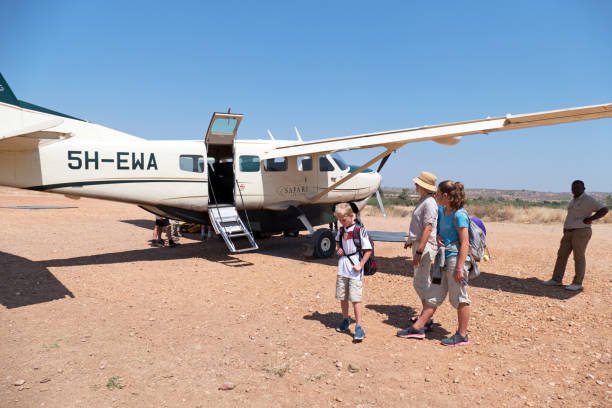
Zanzibar To Ruaha National Park Fly-In Safari: Prices & Booking Guide
A practical guide to planning a fly-in safari from Zanzibar to Ruaha National Park, covering flight logistics, itinerary choices, and how to book with Climb 4 Africa.
View package details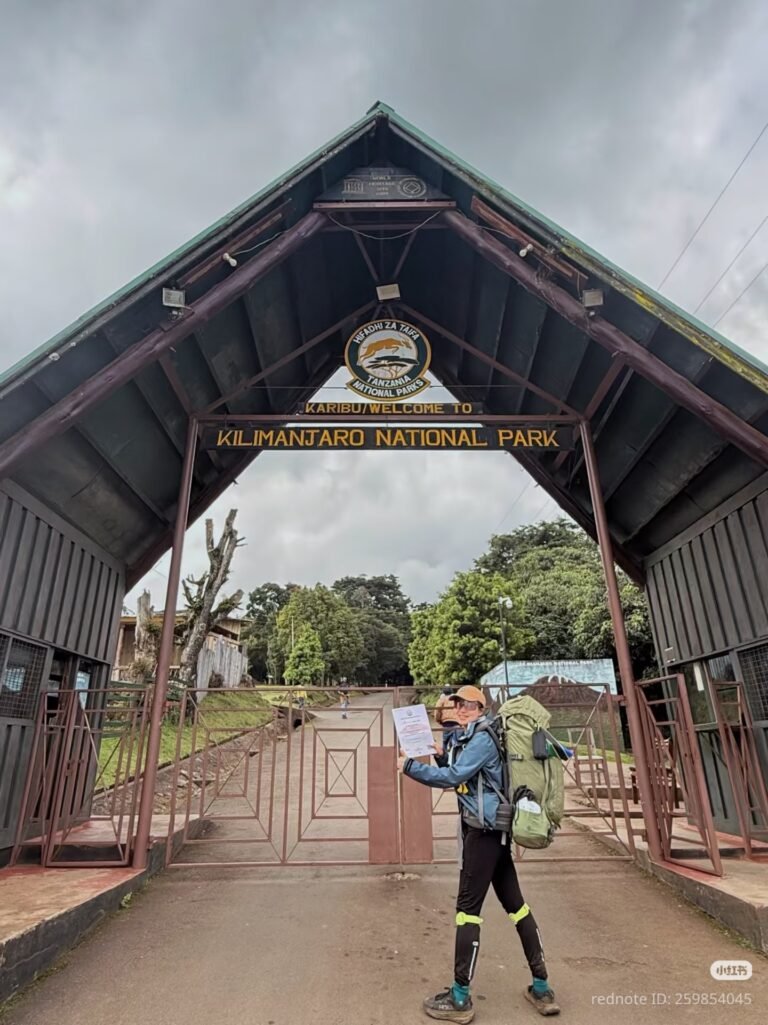
Kilimanjaro And Serengeti Safari Holiday : Your Ultimate Tanzania Adventure
Discover how to combine the challenge of climbing Kilimanjaro with the majesty of the Serengeti safari in 2027. Practical advice for planning your perfect Tanzanian journey.
View package detailsTanzania Kilimanjaro And Safari Holiday Packages 2027
An expert, long-form guide to combining Kilimanjaro treks with Tanzania safaris and Zanzibar experiences, with practical planning and booking guidance for 2027.
View package details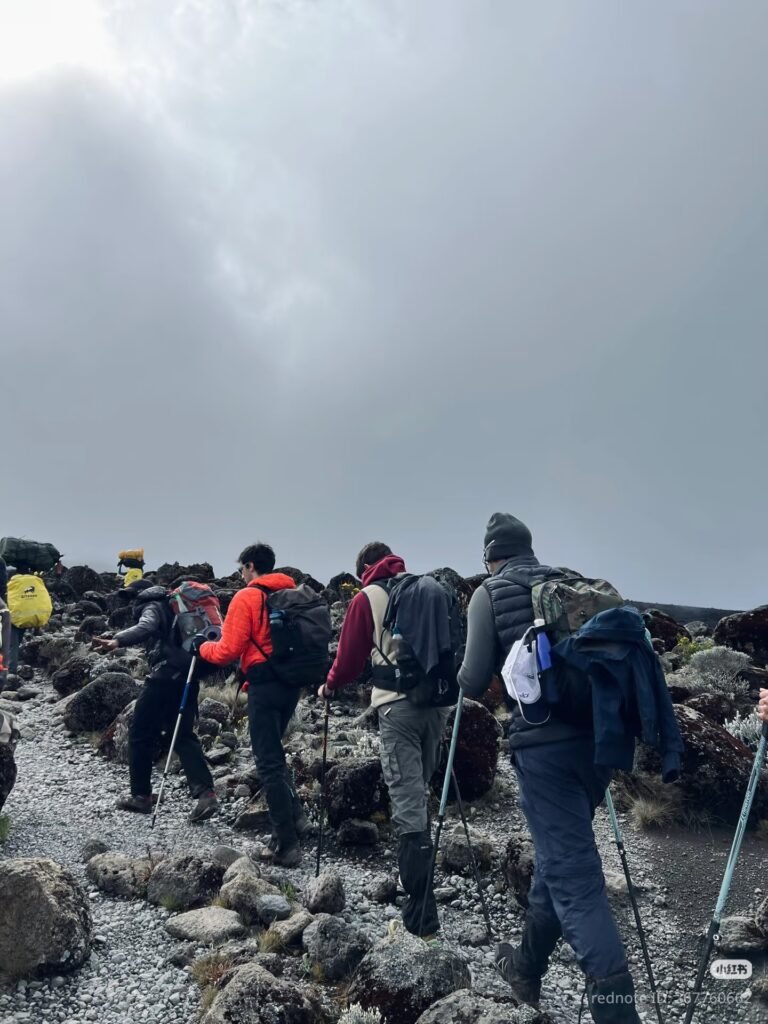
Kilimanjaro And Tanzania Safari Packages – Canadian Travel Guide 2027
- Kilimanjaro and Tanzania Safari Packages – Canadian Travel Guide is explained with current 2027 planning, price, itinerary and booking information.
View package details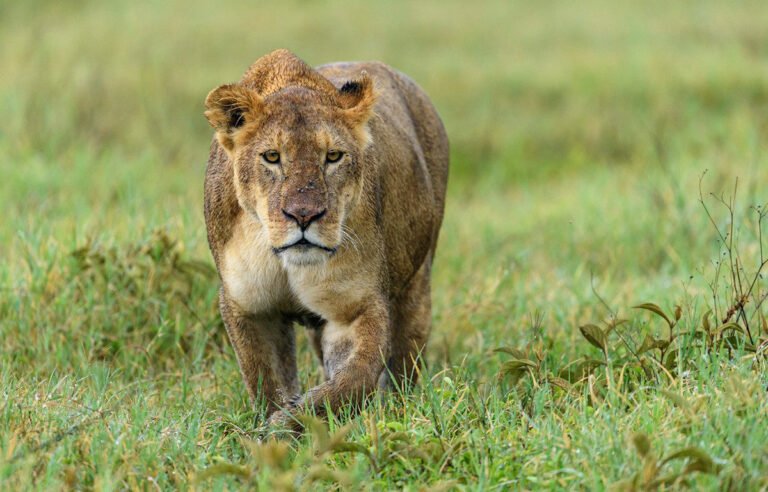
Dec 20, – 10 Day Complete Tanzania Group Joining Safari
Dec 20, 2026 – 10 Day Complete Tanzania Group Joining Safari.
View package details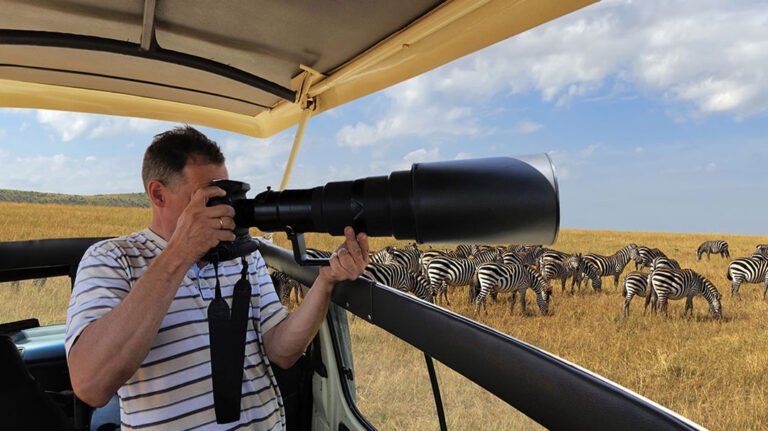
How Early Should I Book A Nov Or Dec Tanzania Group Safari?
How Early Should I Book a Nov or Dec Tanzania Group Safari?
View package details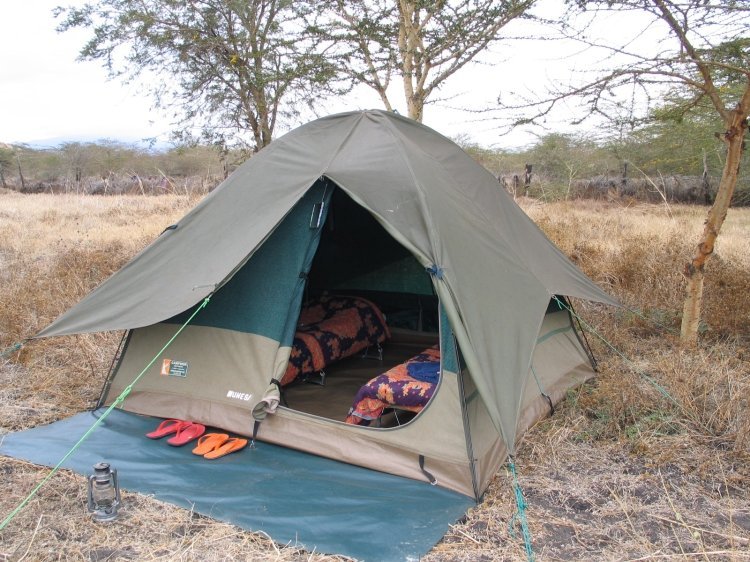
Can I Pay A Deposit To Reserve A Tanzania Group Safari?
Can I Pay a Deposit to Reserve a Tanzania Group Safari?
View package details
Dec 30, – 7 Day New Year Tanzania Group Joining Safari 2026
A complete guide to our 7-day group joining safari for the 2026/2027 New Year season, covering the Northern Circuit, wildlife expectations, and how to secure your spot.
View package details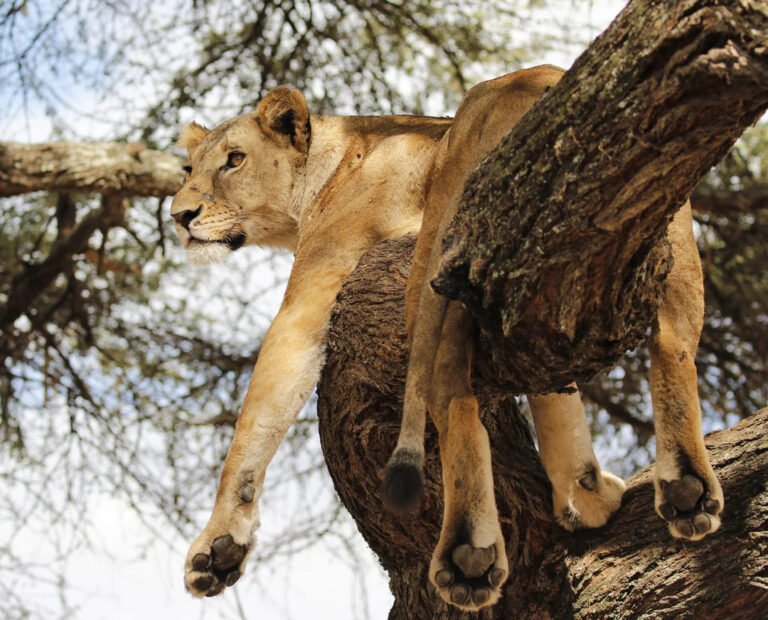
Dec 25, – 5 Day Christmas Tanzania Group Joining Safari 2026
Celebrate Christmas in the heart of the Tanzanian wilderness. Join our 5-day group safari departing December 25, 2026, and experience the iconic Northern Circuit.
View package detailsDec 18, – 9 Day Tanzania Wildlife And Cultural Group Safari 2026
A deep look at our 9-day wildlife and cultural group safari departing December 18, 2026. This trip balances classic Northern Circuit game viewing with genuine cultural engagement.
View package detailsDec 14, – 7 Day Complete Tanzania Northern Circuit Group Safari 2026
Planning for December 2026? Join our 7-day complete Tanzania Northern Circuit group safari. A deep look at the Serengeti, Ngorongoro, and Tarangire with expert, locally-led logistics.
View package detailsNo related package matches those filters. Clear one or more filters to see the other topic-matched options.