
Combining gorilla trekking in Rwanda’s lush Volcanoes National Park with a classic wildlife safari across Tanzania’s Serengeti and Ngorongoro Crater offers a truly spectacular African experience. This dual-destination trip allows you to witness humanity’s closest relatives in their natural habitat and then be awestruck by the sheer abundance of wildlife on the savannah, creating a balanced and profoundly memorable adventure ideal for planning in 2026 or 2027. The logistics involve flying between Kigali (Rwanda) and a Tanzanian hub like Kilimanjaro International Airport (JRO) or Arusha, with typical combined durations ranging from 10 to 14 days, depending on the depth of exploration desired in each country.
Planning Your Gorilla Trekking in Rwanda and Tanzania Safari Combination
An expedition that weaves together the intense, personal encounter with mountain gorillas in Rwanda and the vast, iconic wildlife spectacles of Tanzania is a dream trip for many. This combination offers two distinct, yet equally powerful, facets of the African wilderness. From the misty, mountainous rainforests of Rwanda to the sprawling, game-rich plains of the Serengeti, you’ll experience a remarkable diversity of landscapes and wildlife. Planning such a journey requires careful consideration of logistics, timing, and what each destination uniquely offers. For travelers looking at 2026 or 2027, starting the planning process early is key to securing permits and preferred accommodations.
The core of this adventure lies in two distinct experiences: the awe-inspiring, regulated trekking to see mountain gorillas in Rwanda, and the classic safari drives across Tanzania’s renowned national parks, particularly the Serengeti and the Ngorongoro Crater. These are not just holidays; they are journeys that connect you deeply with nature and conservation efforts. Understanding the nuances of each part of the trip will help you craft an itinerary that maximizes your time and enjoyment.
This guide is designed to provide a comprehensive overview, helping you understand the trade-offs, planning steps, and what to expect when combining gorilla trekking in Rwanda with a safari in Tanzania. We’ll break down the essential components, from visa requirements and best times to travel for 2026-2027, to typical itineraries and how to book your ultimate African adventure.
Gorilla Trekking in Rwanda: The Unforgettable Encounter
Rwanda, the “Land of a Thousand Hills,” is a global leader in mountain gorilla conservation. Volcanoes National Park, located in the Virunga Mountains, is the primary destination for gorilla trekking. The experience here is meticulously managed to ensure the safety and well-being of both the gorillas and visitors, making it one of the most sought-after wildlife encounters on the continent. For many, this is the absolute highlight of any East African trip, and pairing it with a Tanzania safari elevates the entire journey.
The Gorilla Permit: Your Key to the Encounter
The cornerstone of any gorilla trekking trip in Rwanda is the gorilla trekking permit. These permits are strictly limited to ensure conservation goals and are essential for you to be allowed to trek on a given day. As of recent years, the cost of a Rwandan gorilla permit has been set at $1,500 USD per person. This fee is non-negotiable and covers conservation efforts, park management, and community development. It is crucial to book these permits well in advance, especially if you are planning for peak seasons in 2026 or 2027, as they can sell out months ahead.
When you book a gorilla trekking tour with a reputable operator, they will typically handle the permit acquisition on your behalf. It’s important to confirm this inclusion. The permit grants you a one-hour viewing period with a habituated gorilla family, a truly profound and moving experience. Your permit also includes park entrance fees for the day and the services of your guide.
Volcanoes National Park: Habitat of the Gentle Giants
Volcanoes National Park is part of a larger transboundary conservation area that includes parks in Uganda and the Democratic Republic of Congo. However, Rwanda’s infrastructure, accessibility, and the quality of its gorilla trekking experience are often cited as superior. The park is home to several habituated gorilla families, each with its own unique dynamics and territory. These families are regularly monitored by researchers and rangers, ensuring their health and safety.
The park’s landscape is characterized by dense tropical rainforests, bamboo forests, and rolling volcanic slopes. The altitude can be significant, and the terrain can be steep and challenging, adding an adventurous element to the trek itself. You won’t just be observing gorillas; you’ll be trekking through a vibrant ecosystem teeming with other wildlife and diverse flora.
The Gorilla Trekking Experience: What to Expect
Your gorilla trekking day begins early. After a briefing at the park headquarters in Kinigi, where you’ll be assigned to a gorilla family based on availability and your physical fitness (though you can express preferences), you’ll be driven to the trailhead. From there, you’ll start your trek with a team of experienced guides and trackers. These guides are invaluable; they are intimately familiar with the park, can interpret gorilla behavior, and ensure your safety.
The trek duration can vary from 1 to 8 hours, depending on the gorilla family’s location on that particular day. They are wild animals, and their movements are unpredictable. The trails can be muddy and slippery, especially during the rainy season. You’ll be accompanied by park rangers armed for protection, though encounters with dangerous animals are rare due to the rangers’ expertise and the gorillas’ generally peaceful nature.
Upon locating your designated gorilla family, you’ll have one hour to observe them. This is a moment of pure wonder. You’ll witness mothers with their young, silverbacks asserting their dominance, and playful juveniles. The gorillas are habituated to human presence, meaning they tolerate you being nearby, but it is essential to follow your guide’s instructions precisely: maintain a safe distance, avoid direct eye contact with dominant males, and remain quiet.
Habituated Gorilla Families in Rwanda
Rwanda has several gorilla families habituated for tourism. Some of the well-known ones include:
- Sabyinyo: Known for its dominant silverback Guhonda.
- Amahoro: Meaning ‘peace’, this family is led by Silverback Ubumwe.
- Kwitonda: Named after a silverback who migrated from the DRC.
- Umubano: Formed by Charles, a former member of the Amahoro family.
- Agashya: Formerly known as Group 13, led by Silverback Nyakamwe.
- Hirwa: A relatively newer family that has grown significantly.
- Isabako: Led by Silverback isabako.
The choice of family is usually determined by availability and the trackers’ assessment of their location on the trekking day. Each family offers a unique viewing experience, and your guide will provide insights into their social structures and individual personalities.
Beyond Gorillas: Other Primate Treks and Activities
While mountain gorillas are the main draw, Volcanoes National Park offers more. Golden monkey trekking is another popular activity, offering a chance to see these beautiful, endangered primates. The trek is generally shorter and less strenuous than gorilla trekking. Additionally, guided nature walks, visits to the twin lakes of Ruhondo and Burera, and hikes to Dian Fossey’s tomb (though access may vary) are available, adding depth to your Rwandan experience.
Tanzania Safari Highlights: Serengeti & Ngorongoro
Following your profound gorilla encounter in Rwanda, Tanzania awaits with its legendary savannahs, teeming with iconic wildlife. This is where you’ll witness the drama of the Great Migration, marvel at vast herds, and spot the Big Five in their natural, expansive habitats. Tanzania boasts some of Africa’s most famous national parks, each offering a unique safari perspective.
The Serengeti National Park: The Endless Plains
The Serengeti is synonymous with African safaris. Its name, derived from the Maasai word ‘Siringet,’ means ‘endless plains,’ a fitting description for its vast, rolling grasslands that stretch as far as the eye can see. It is here that the annual Great Migration occurs, a impressive spectacle of millions of wildebeest, zebras, and gazelles moving in search of fresh pastures. Witnessing this movement, especially river crossings, is a highlight for many travelers planning safaris for 2026 or 2027.
The Serengeti is home to an incredible density and diversity of wildlife year-round. Beyond the migrating herds, you’ll find large populations of lions, cheetahs, leopards, elephants, giraffes, buffaloes, and countless other species. The park’s sheer size means that safari experiences can be tailored to focus on specific areas, such as the central Seronera region, known for its resident predators, or the northern Serengeti, famous for dramatic river crossings during migration season.
The Great Migration: A Natural Phenomenon
The Great Migration is a circular journey dictated by rainfall and the availability of grass. While the exact timing can vary slightly each year, typically:
- December to March: The herds are usually in the southern Serengeti and Ndutu area (Ngorongoro Conservation Area) for calving season.
- April to May: The herds begin moving north as the grass is depleted, often heading towards the western corridor.
- June to July: The migration typically reaches the Grumeti River in the western Serengeti, where large crocodiles can make for dramatic crossings.
- July to October: The herds are in the northern Serengeti, often crossing the Mara River into Kenya’s Maasai Mara.
- November: The herds begin their journey south again, returning to the southern plains.
Planning your Tanzania safari in 2026 or 2027 to coincide with a specific phase of the migration requires careful timing and knowledge of these patterns. While river crossings are spectacular, they are also unpredictable and can be dangerous, so observing them safely from a distance is paramount.
The Ngorongoro Crater: A Natural Amphitheater of Wildlife
The Ngorongoro Conservation Area (NCA) is a UNESCO World Heritage Site and home to the Ngorongoro Crater, a massive volcanic caldera teeming with wildlife. Often called “Africa’s Eden” or “the eighth wonder of the world,” the crater floor is a self-contained ecosystem supporting an astonishing density of animals. It’s particularly renowned for its high concentration of predators, including lions, hyenas, and jackals, and is one of the best places in Tanzania to see the endangered black rhino.
Unlike the Serengeti, the Ngorongoro Crater offers a concentrated safari experience. You descend into the crater for a full-day game drive, surrounded by the dramatic crater walls. The landscape is varied, with grasslands, swamps, and a soda lake, supporting a remarkable diversity of species within a relatively small area. The conservation area also encompasses traditional Maasai settlements, offering opportunities for cultural interaction.
Other Notable Tanzanian Safari Destinations
While the Serengeti and Ngorongoro Crater are the stars, Tanzania offers other incredible safari locations that could be incorporated into a longer itinerary, or considered as alternatives depending on traveler preferences for 2026-2027:
- Tarangire National Park: Famous for its large elephant herds and iconic baobab trees, especially prominent during the dry season.
- Lake Manyara National Park: Known for its tree-climbing lions, large troops of baboons, and diverse birdlife, set against a stunning lake backdrop.
- Ruaha National Park: Tanzania’s largest national park, offering a more remote and wild safari experience with significant predator populations.
- Selous Game Reserve (Nyerere National Park): A vast wilderness area offering boat safaris on the Rufiji River, walking safaris, and excellent game viewing.
For a combined Rwanda-Tanzania trip, focusing on the Serengeti and Ngorongoro Crater provides a classic and highly rewarding safari experience that complements the unique gorilla trek.
Combining the Two Destinations: Logistics & Itineraries
Successfully merging a Rwandan gorilla trek with a Tanzanian safari involves strategic planning, particularly regarding travel time and the order of destinations. The most practical approach is to fly between the two countries. Rwanda’s main international airport is Kigali International Airport (KGL), and Tanzania’s primary gateways for safaris are Kilimanjaro International Airport (JRO) or Arusha Airport (ARK).
Travel Flow: Rwanda First or Tanzania First?
There’s no single “correct” order, but each has its advantages:
Option 1: Rwanda First, then Tanzania
Pros: Start with the intense, focused experience of gorilla trekking, which can be emotionally profound. This can set a reflective tone before moving to the expansive, action-packed wildlife viewing of a Tanzania safari. It might also make sense logistically if you find better flight connections into Kigali.
Cons: You might need to adjust to the different pace and scale of a safari after the more intimate gorilla encounter.
Option 2: Tanzania First, then Rwanda
Pros: Begin with the classic safari, experiencing the thrill of spotting diverse wildlife across vast landscapes. This can build excitement for the unique, up-close encounter with gorillas. It might also align better with flight schedules, potentially arriving in JRO and then flying to Kigali.
Cons: After the vastness of the Serengeti, the dense forests of Volcanoes National Park might feel a bit confined, though the gorilla experience itself is unparalleled.
The choice often comes down to flight availability and personal preference for the order of experiences. Both are logistically feasible for 2026-2027 travel.
Typical Itinerary Structures (10-14 Days)
Here are two sample itinerary structures, assuming 10-14 days for the combined trip. These are flexible and can be customized.
Sample Itinerary 1: Rwanda Gorilla Trek (4 Days) + Tanzania Safari (6-10 Days)
Day 1-2: Arrive Kigali, Rwanda. Transfer to hotel. Optional city tour (Genocide Memorial, markets).
Day 3: Transfer to Volcanoes National Park. Briefing at Kinigi, gorilla trek, return to lodge.
Day 4: Golden Monkey Trek or Nature Walk. Transfer back to Kigali for evening flight to Kilimanjaro (JRO) or Arusha (ARK), Tanzania.
Day 5: Arusha/JRO to Tarangire NP. Start your Tanzania safari. Game drive.
Day 6: Tarangire to Serengeti NP. Full day game drive en route to central Serengeti.
Day 7-8: Serengeti National Park. Full days exploring different regions (e.g., Seronera Valley, Moru Kopjes).
Day 9: Serengeti to Ngorongoro Crater. Morning game drive in Serengeti, then drive to the Ngorongoro Conservation Area rim.
Day 10: Ngorongoro Crater Tour. Descend into the crater for a full day game drive. Overnight at the crater rim or Karatu.
Day 11: Karatu to Arusha/JRO. Optional visit to a Maasai village or cultural tour. Transfer to Arusha or JRO for departure.
This is a 10-day example. To extend, add more days in the Serengeti, visit Lake Manyara, or include other parks.
Sample Itinerary 2: Tanzania Safari (6-8 Days) + Rwanda Gorilla Trek (4 Days)
Day 1: Arrive Kilimanjaro (JRO) or Arusha (ARK). Transfer to Arusha.
Day 2-3: Serengeti National Park. Fly or drive to Serengeti. Game drives.
Day 4: Ngorongoro Crater. Drive to Ngorongoro, descend for game drive.
Day 5: Ngorongoro to Arusha/JRO. Optional visit to Tarangire or Lake Manyara en route. Overnight in Arusha.
Day 6: Fly from Arusha/JRO to Kigali, Rwanda. Transfer to hotel.
Day 7: Transfer to Volcanoes National Park. Gorilla trek, return to lodge near the park.
Day 8: Golden Monkey Trek or Lake Visit. Return to Kigali for departure.
This is an 8-day example. To extend, add more days in Tanzania or include other Rwandan activities like Akagera National Park or Nyungwe Forest.
Flight Logistics Between Rwanda and Tanzania
Direct flights between Kigali (KGL) and Kilimanjaro (JRO) are not always frequent or available. Often, you’ll need to connect via Nairobi (NBO) in Kenya. Airlines like RwandAir, Kenya Airways, and Ethiopian Airlines operate these routes. Booking these flights in advance is crucial, especially for 2026-2027 travel, to ensure smooth transitions and reasonable pricing. Your tour operator can assist with coordinating these flights as part of your package.
Alternatively, one could consider overland travel between Rwanda and Uganda, and then fly from Uganda to Tanzania, but this significantly increases travel time and complexity, making flying directly from Kigali to Tanzania the preferred method for this combined trip.
Choosing Your Safari Style: Rwanda & Tanzania
The style of your safari and trek significantly impacts the experience and cost. Both Rwanda and Tanzania offer varying levels of accommodation and service.
Rwanda: Gorilla Trekking Lodge Options
Accommodation near Volcanoes National Park ranges from comfortable mid-range lodges to luxurious high-end options. These lodges provide a base for your trekking days. The choice of lodge can significantly affect the overall experience and budget.
- Budget/Mid-Range: Clean, comfortable lodges offering essential amenities. Examples might include properties in Musanze town or slightly more rustic lodges closer to the park.
- Luxury: High-end lodges offering exceptional service, gourmet dining, stunning views, and often private amenities. These lodges provide a serene retreat after a day of trekking.
The cost of the gorilla permit is fixed, but accommodation and transport in Rwanda can vary. For 2026-2027, booking your preferred lodge type early is advisable, especially for luxury options.
Tanzania: Safari Accommodation Styles
Tanzania offers a wider spectrum of safari accommodation, from camping to ultra-luxury tented camps and lodges.
- Budget/Camping Safaris: These often involve staying in park-managed campsites or basic tented camps, with shared facilities. They are the most economical but offer a more rustic experience.
- Mid-Range Lodges & Tented Camps: Comfortable lodges and permanent tented camps offering private en-suite bathrooms, good food, and excellent locations within or near parks. This is a popular choice for many travelers.
- Luxury Lodges & Tented Camps: High-end properties offering exquisite comfort, fine dining, personalized service, and often exclusive locations. These can include fly-in safaris to remote areas.
- Private Safaris: Regardless of accommodation level, you can opt for a private safari, meaning your vehicle and guide are exclusively for your group, offering maximum flexibility. Shared safaris are also available, reducing costs but with less flexibility.
When combining Rwanda and Tanzania, consider how you want to balance luxury and budget. You might opt for a more luxurious stay in Rwanda and a mid-range safari in Tanzania, or vice versa. Climb 4 Africa specializes in tailoring these combinations to your specific preferences for 2026-2027.
Best Time to Travel for 2026-2027
Both Rwanda and Tanzania have distinct weather patterns that influence the best times to visit. However, their peak seasons offer favorable conditions for both gorilla trekking and safari, making a combined trip feasible year-round, with some months being preferable.
Rwanda: Gorilla Trekking Weather
Rwanda has a tropical climate, with two rainy seasons and two dry seasons.
- Dry Seasons (June to August & December to February): These are considered the best times for gorilla trekking. Trails are less muddy and slippery, making trekking easier. Visibility for photography can also be better. However, these are also peak tourist seasons, meaning higher demand for permits and lodges.
- Wet Seasons (March to May & September to November): These months see more rainfall, which can mean muddier trails and more challenging treks. However, the rainforest is incredibly lush and vibrant, and there are fewer tourists. The gorillas are less affected by the rain than you might think, and viewing is still excellent. Prices for accommodation might be slightly lower during these shoulder seasons.
Tanzania: Safari Weather and Migration Patterns
Tanzania’s weather is also seasonal, heavily influencing wildlife viewing, especially the Great Migration.
- Dry Season (June to October): This is the prime safari season. Wildlife tends to congregate around water sources, making them easier to spot. The vegetation is less dense, improving visibility. This is also the period for the most dramatic river crossings of the Great Migration in the northern Serengeti (July-October). This is a peak season for Tanzania safaris.
- Green Season (November to March): This period includes the short rains (November) and the long rains (March-May). The landscape becomes lush and beautiful, birdlife is abundant, and it’s calving season for the wildebeest in the southern Serengeti (December-March). It’s less crowded and generally more affordable, with excellent game viewing opportunities, particularly for predators and newborns.
- Shoulder Seasons (March-May & November): These periods offer a balance of decent weather, fewer crowds, and potentially better prices, though rain is more likely.
When to Combine for 2026-2027
For a combined trip, aiming for the drier months offers the most comfortable trekking and game viewing conditions. Therefore, June to August and December to February are excellent choices for 2026-2027. If you wish to witness the Great Migration river crossings, July to October is ideal, aligning well with Rwanda’s dry season.
However, traveling during the shoulder seasons (e.g., March, April, May, September, November) can still be very rewarding, offering a more intimate experience and potentially better value, provided you are prepared for occasional rain. The decision depends on your priorities: guaranteed dry weather vs. fewer crowds and potentially lower costs.
Visa Requirements and Health Considerations
Navigating visa and health requirements is a critical part of planning your international travel. For a combined trip to Rwanda and Tanzania, you’ll need to be aware of the regulations for each country.
Visa Information
- Rwanda: Most nationalities can obtain a tourist visa on arrival at Kigali International Airport, or can apply for an e-visa in advance. The visa typically costs around $50 USD. If you are a citizen of certain African countries, you may not need a visa. Always check the latest requirements with the Rwandan Directorate General of Immigration and Emigration or your tour operator.
- Tanzania: Tourist visas are required for most nationalities and can be obtained on arrival at Kilimanjaro International Airport (JRO) or other major entry points, or applied for online in advance. The visa fee is generally $50-100 USD depending on nationality and type. Similar to Rwanda, citizens of certain African countries may be exempt. It’s essential to check the official Tanzania immigration website for the most current information for your 2026-2027 trip.
Important Note: For travelers planning to visit multiple East African countries, consider the East African Tourist Visa if your itinerary involves more than just Rwanda and Tanzania (e.g., if you add Kenya or Uganda). This visa is valid for 90 days and covers all participating countries. However, for a direct Rwanda-Tanzania combination, obtaining separate visas is usually simpler and more cost-effective.
Health Recommendations
Consulting a travel health professional or your doctor at least 4-6 weeks before your departure is highly recommended for both Rwanda and Tanzania.
- Yellow Fever: Vaccination against Yellow Fever is mandatory for entry into both Rwanda and Tanzania, especially if you are arriving from or transiting through a country with a risk of Yellow Fever transmission. You will need to present your International Certificate of Vaccination (Yellow Card) at immigration.
- Malaria: Both countries are considered malaria-risk areas. Your doctor will likely recommend antimalarial medication. Taking precautions such as using insect repellent (with DEET), wearing long sleeves and trousers in the evenings, and sleeping under mosquito nets is also advised.
- Other Vaccinations: Routine vaccinations such as Hepatitis A, Typhoid, and Tetanus should be up-to-date. Depending on your travel history and health, your doctor might recommend other vaccinations.
- Traveler’s Diarrhea: Be cautious about what you eat and drink. Stick to bottled water, avoid ice unless you know it’s made from purified water, and be mindful of street food.
COVID-19: While entry requirements related to COVID-19 have largely been relaxed, it’s always wise to check the latest regulations from your airline and the destination countries’ immigration authorities closer to your travel dates for 2026-2027.
Packing Essentials for Both Experiences
Packing smart is crucial for a multi-destination trip like this, where you’ll experience different climates and activities. The key is versatility and layering.
Clothing
- Lightweight, breathable hiking trousers: Quick-drying materials are ideal for trekking. Avoid jeans.
- Long-sleeved shirts: For sun protection during the day and insect protection in the evenings. Neutral colors are best for safaris.
- T-shirts and casual tops: For layering and warmer days.
- Fleece jacket or warm sweater: Evenings and early mornings can be cool, especially at higher altitudes in Rwanda and on the crater rim in Tanzania.
- Waterproof and windproof jacket: Essential for unpredictable weather, especially in the rainforests of Rwanda and during potential rain showers on safari.
- Comfortable walking/hiking boots: Broken-in and waterproof boots are a must for gorilla trekking.
- Comfortable shoes: For relaxing at lodges/camps and around town.
- Socks: Moisture-wicking hiking socks for trekking.
- Hat: Wide-brimmed hat for sun protection on safari and during treks.
- Swimsuit: Many lodges and hotels have pools.
Gear & Accessories
- Backpack: A small daypack for your trekking essentials (water, snacks, camera, rain jacket).
- Water bottle: Reusable to minimize plastic waste.
- Binoculars: Crucial for spotting distant wildlife on safari.
- Camera and extra batteries/memory cards: You’ll take a lot of photos! Consider a zoom lens for safaris.
- Power adapter and power bank: For charging electronics.
- Insect repellent: With a high concentration of DEET.
- Sunscreen and sunglasses: High SPF sunscreen is essential.
- Personal first-aid kit: Include any personal medications, pain relievers, antiseptic wipes, bandages, and blister treatment.
- Hand sanitizer: Useful for keeping hands clean on the go.
- Headlamp or small flashlight: For navigating lodges/camps at night.
Important for Gorilla Trekking: Consider bringing sturdy gloves (gardening gloves work well) to protect your hands from thorny vegetation if you need to brace yourself. Gaiters can also be useful for keeping mud and debris out of your boots on wet trails.
Booking Your Combined Trip with Climb 4 Africa
Planning a complex trip like a combined Rwanda gorilla trek and Tanzania safari requires expertise and local knowledge. Climb 4 Africa specializes in creating smooth, unforgettable African adventures, drawing on years of experience in both destinations. We understand the intricacies of logistics, permit acquisition, and selecting the best accommodations to suit your preferences and budget for 2026-2027 travel.
Why Choose Climb 4 Africa?
As a local Tanzanian tour operator with deep roots and extensive networks, Climb 4 Africa offers:
- Expertise: We have firsthand knowledge of Rwanda’s gorilla trekking operations and Tanzania’s safari circuits.
- Customization: We craft tailor-made itineraries to match your interests, pace, and budget, whether you seek luxury lodges or comfortable mid-range options.
- Permit Handling: We manage the crucial booking of gorilla permits in Rwanda and park fees in Tanzania, ensuring you don’t miss out.
- Logistical Coordination: We handle all internal flights, transfers, and accommodation bookings for a stress-free experience.
- Local Support: You’ll have access to our dedicated team on the ground, ready to assist you throughout your journey.
- Competitive Pricing: We offer excellent value for money, leveraging our local partnerships.
Getting Started with Your 2026-2027 Booking
To begin planning your dream gorilla trekking in Rwanda followed by Tanzania safari adventure, we recommend the following steps:
- Define Your Travel Dates: Have a general idea of when you’d like to travel in 2026 or 2027.
- Determine Your Budget: Having a budget range helps us recommend suitable accommodation and safari styles.
- Consider Your Interests: Are you focused on specific wildlife, photography, cultural experiences, or a more relaxed pace?
- Contact Us: Reach out to our expert team. We’ll discuss your vision and start crafting a personalized itinerary.
We are committed to providing practical, local support to make your African adventure truly exceptional. Let us help you combine the profound encounter with Rwanda’s gorillas with the impressive wildlife spectacles of Tanzania. We look forward to helping you plan your unforgettable 2026-2027 journey.
For inquiries or to start planning your custom itinerary, please contact us:
WhatsApp: +255 747 477 898
Email: climb4africa@gmail.com
Website: climb-4-africa.com
Check Availability for Gorilla Trekking In Rwanda Followed By Tanzania Safari: The Ultimate African
Ready to compare dates, prices, and the best option for your group? Send the package name and travel month so the team can reply with a clear quote, availability, and what is included.
Tanzania Safari Tours & Packages /: Your Ultimate Wildlife Adventure 2026-2027
Discover the magic of Tanzania with expertly crafted safari tours and packages for 2026 and 2027. From the vast plains of the Serengeti to the depths of the Ngorongoro Crater, find your...
View package details
Kruger National Park Safari Packages: Your Ultimate Guide To Adventures
Discover tailored Kruger National Park safari packages for 2026-2027. This comprehensive guide covers everything from choosing the right lodge and activities to understanding costs and...
View package details
South Africa Safari Tours & Vacation Packages | Climb 4 2026-2027
Discover the ultimate South Africa safari experience with tailored tour and vacation packages for 2026-2027. From iconic Kruger National Park to exclusive private reserves, find detailed...
View package detailsBest Wildlife Photography Destinations For Safaris | Climb 4 Africa 2026-2027
Planning a safari for incredible wildlife photography in 2026 or 2027? Tanzania offers unparalleled opportunities. This guide details the top destinations, essential gear, timing, and how...
View package detailsWildlife And Nature Titles: Your Ultimate Guide To Tanzanias Best Experiences
This comprehensive guide explores the most sought-after wildlife and nature titles in Tanzania, from iconic safari destinations and Kilimanjaro treks to the tropical allure of Zanzibar...
View package details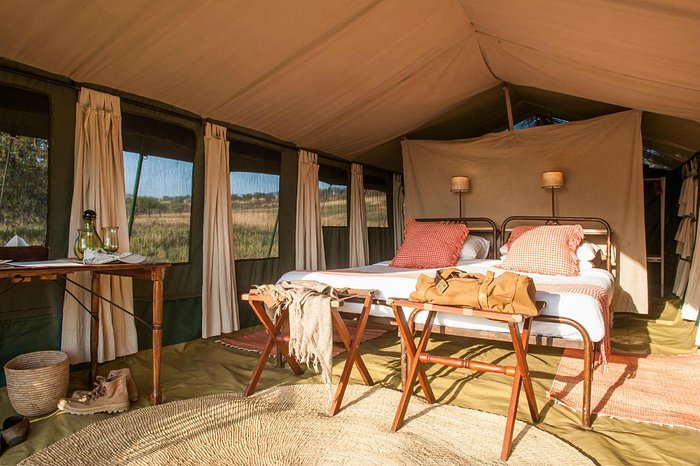
Affordable African Safari Packages: Your Guide To Budget-Friendly Tanzania
Discover how to plan and book affordable African safari packages for 2026-2027. This guide provides practical advice on choosing budget-friendly Tanzania tours, understanding costs, and...
View package details
Kenya And Tanzania Combined Safari Packages: Ultimate Guide 2026-2027
Discover the unparalleled adventure of combining Kenya and Tanzania for a comprehensive East African safari. This guide details everything you need to know for planning your 2026-2027...
View package details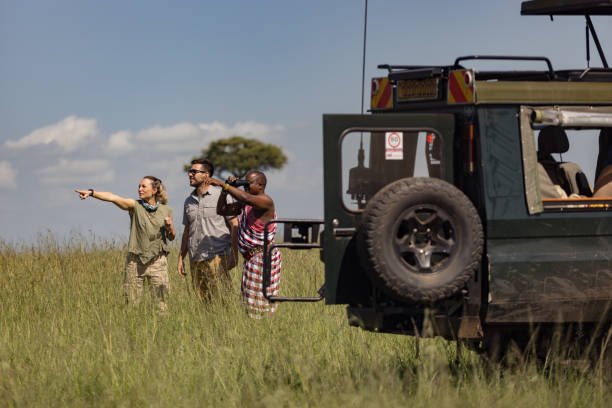
3-Day Serengeti And Ngorongoro Safari: Your Ultimate Tanzania Wildlife
start a concise yet unforgettable 3-day Serengeti and Ngorongoro safari, designed to maximize wildlife encounters in Tanzania's most celebrated parks. This compact adventure offers a taste...
View package details
Serengeti Safari And Zanzibar Beach Holiday: The Ultimate Tanzania
Combine the thrill of a Serengeti safari with the relaxation of a Zanzibar beach holiday. This guide covers everything you need to know for an unforgettable Tanzania adventure in 2026-2027...
View package detailsTanzania Safari And Zanzibar All-Inclusive Packages Guide
Combine the thrill of a Tanzanian wildlife safari with the serene beauty of Zanzibar on an all-inclusive package. This comprehensive guide covers everything you need to know for planning...
View package details
Are African Safari Prices Per Person Or Vehicle? Understanding Tanzania Costs
African safari costs can be confusing. This guide clarifies whether prices are quoted per person or per vehicle, detailing factors that influence your 2026-2027 safari budget in Tanzania.
View package details
Is Tanzania Or Kenya Better For Safari? A Detailed Comparison 2026-2027
Comparing Tanzania and Kenya for your next safari? This in-depth guide breaks down wildlife viewing, landscapes, costs, and optimal travel times to help you choose the perfect East African...
View package detailsNo related package matches those filters. Clear one or more filters to see the other topic-matched options.



