The 7 Days Kilimanjaro Lemosho Group Climb starting September 9, 2026, offers a well-balanced approach to summiting Kilimanjaro, combining good acclimatisation with a manageable timeframe. This specific group departure on the Lemosho route is designed for trekkers seeking a shared experience with experienced local guides and support staff, aiming for the summit via the popular Barafu Camp route. It’s a popular choice for those looking for a balance between scenic beauty, acclimatisation profile, and duration, with departures in 2026 and onward into 2027 offering structured planning windows.
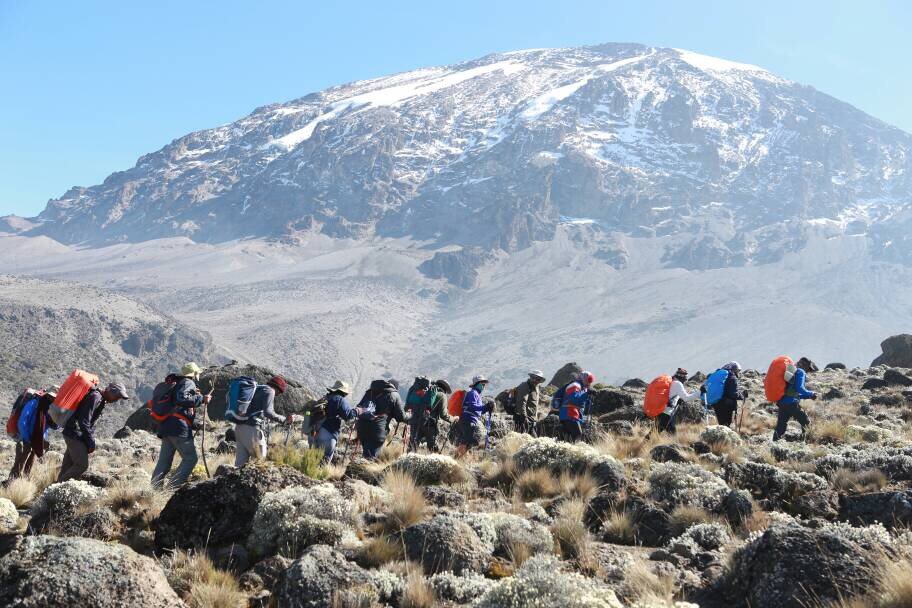
Understanding the 7-Day Lemosho Route for Your 2026 Climb
When planning a Kilimanjaro climb, the choice of route significantly impacts your experience, acclimatisation, and overall success rate. The Lemosho route is consistently ranked among the most scenic and successful paths to the summit. For a 7 Days Kilimanjaro Lemosho Group Climb starting 9 September 2026, you’re looking at a specific itinerary that balances immersion in nature with a focused ascent. The Lemosho route typically begins on the western side of Kilimanjaro, offering a gradual introduction to the mountain’s diverse ecological zones. Its longer approach allows for better acclimatisation compared to shorter routes like Marangu or Machame, which is crucial for reaching Uhuru Peak. The 7-day version is a popular compromise, providing a solid acclimatisation profile without extending the trip duration significantly, making it suitable for many trekkers looking ahead to 2026-2027 travel plans.
This particular departure date, 9 September 2026, falls within the dry season, a prime time for climbing Kilimanjaro. September generally offers clear skies and moderate temperatures, though conditions can change rapidly at higher altitudes. Choosing a group climb means sharing the experience with fellow adventurers, which can be motivating and cost-effective. Climb 4 Africa specialises in expertly guided group expeditions, ensuring you have experienced local guides, porters, and cooks who understand the mountain intimately. They focus on safety, sustainability, and providing an authentic Tanzanian experience, making them a trusted partner for your 7 Days Kilimanjaro Lemosho Group Climb starting 9 September 2026.
Why Choose the 7-Day Lemosho for Your 2026 Kilimanjaro Group Climb?
The Lemosho route stands out for several compelling reasons, especially when considering a 7 Days Kilimanjaro Lemosho Group Climb starting 9 September 2026. Firstly, its scenic beauty is unparalleled. You’ll traverse diverse landscapes, from lush rainforests teeming with wildlife at the start to the stark alpine desert and arctic summit zone. The western approach means you’ll often encounter fewer trekkers in the initial days, offering a more serene and natural experience before joining the main trails.
Secondly, the 7-day itinerary offers a good acclimatisation profile. While longer Lemosho variations (8 or 9 days) provide even better acclimatisation, the 7-day version is carefully structured to allow your body to adapt to the increasing altitude. It follows the standard Lemosho path for the initial days, then connects with the Machame route, utilising the critical final ascent strategy via Barafu Camp. This structure means you spend more time at moderate altitudes before the push for the summit, significantly increasing your chances of success compared to shorter, faster routes. For a group climb in 2026, this balance is key for ensuring a positive experience for all participants.
Thirdly, the 7-day Lemosho is a practical choice for many travellers. It requires a week off, plus travel time, making it achievable for those with limited vacation time but a strong desire to conquer Africa’s highest peak. The group departure format on 9 September 2026 is particularly advantageous. It means you’ll share the journey with like-minded individuals, potentially reducing costs through shared resources and providing a built-in support network on the mountain. Climb 4 Africa’s expertise ensures these group climbs are well-managed, with experienced guides who foster a supportive team environment.
The Benefits of a 9 September 2026 Group Departure
Opting for a group departure for your 7 Days Kilimanjaro Lemosho Group Climb starting 9 September 2026 brings a unique set of advantages. The most immediate benefit is often the cost-effectiveness. By pooling resources and sharing guide and porter teams, operators can offer these climbs at a more accessible price point compared to private expeditions. For travellers planning their adventures in 2026 or 2027, this can make a significant difference in budget planning.
Beyond the financial aspect, group climbs foster a sense of camaraderie. You’ll be trekking with a diverse group of people, all united by the common goal of reaching Uhuru Peak. This shared challenge often leads to strong bonds and a supportive atmosphere. Experienced guides from Climb 4 Africa are adept at managing group dynamics, ensuring everyone feels included, motivated, and cared for. They encourage mutual support among climbers, which is invaluable during the demanding summit night.
Furthermore, a fixed group departure date like 9 September 2026 provides a clear target for your training and preparation. Knowing your specific departure date allows you to structure your physical training regimen and gear acquisition effectively. It also simplifies logistics; Climb 4 Africa handles the coordination of the group’s logistics, from airport transfers to campsite arrangements, allowing you to focus on the climb itself. This structured approach is particularly beneficial for those new to multi-day trekking or Kilimanjaro.
Detailed 7-Day Lemosho Itinerary: 9 September 2026 Departure
The 7-day Lemosho route itinerary is a carefully crafted progression designed to maximise acclimatisation and scenic enjoyment. Here’s a typical day-by-day breakdown for a group departing on 9 September 2026:
Day 1: Lemosho Glades (2,100m/6,890ft) to Mti Mkubwa Camp (2,800m/9,186ft)
Your Kilimanjaro adventure begins with a scenic drive to the Lemosho Glades, near the Londorossi Gate. After completing park formalities, you’ll start trekking through the dense rainforest. The trail is relatively gentle, and wildlife sightings are common. Your first night is spent at Mti Mkubwa Camp, situated at the edge of the montane forest.
Day 2: Mti Mkubwa Camp (2,800m/9,186ft) to Shira 1 Camp (3,500m/11,483ft)
Today, you’ll ascend out of the forest into a moorland zone. The landscape opens up, offering spectacular views of the surrounding plains. You’ll cross a small plateau and eventually reach Shira 1 Camp, a campsite on the Shira Plateau. This camp provides an excellent vantage point and begins to expose you to higher altitudes.
Day 3: Shira 1 Camp (3,500m/11,483ft) to Barranco Camp (3,950m/12,960ft)
This day involves a significant trek across the Shira Plateau, heading eastwards. You’ll pass by Shira Cathedral and continue towards the Lava Tower (4,600m/15,092ft) before descending to Barranco Camp. This ‘climb high, sleep low’ strategy is crucial for acclimatisation. Barranco Camp is located at the base of the Great Barranco Wall, offering stunning scenery.
Day 4: Barranco Camp (3,950m/12,960ft) to Karanga Camp (4,000m/13,123ft)
The day starts with the exhilarating climb up the Great Barranco Wall. This is a steep but manageable scramble that offers incredible views. After cresting the wall, the path becomes more undulating as you traverse towards Karanga Valley and then ascend to Karanga Camp. This camp is situated in a unique, somewhat exposed location with dramatic views.
Day 5: Karanga Camp (4,000m/13,123ft) to Barafu Camp (4,600m/15,092ft)
Today is a shorter but steep ascent to Barafu Camp, the base camp for your summit attempt. The landscape becomes increasingly barren and rocky. You’ll reach Barafu Camp by midday, allowing ample time for rest and preparation for the summit push. Proper hydration and rest are critical today.
Day 6: Summit Day! Barafu Camp (4,600m/15,092ft) to Uhuru Peak (5,895m/19,341ft) and descent to Mweka Camp (3,100m/10,171ft)
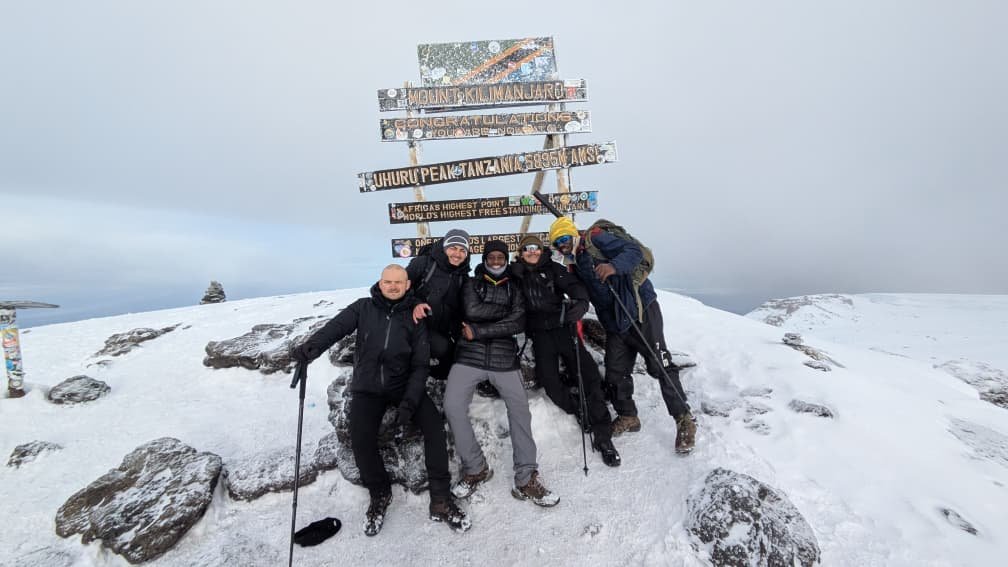
The summit attempt begins in the early hours of the morning (around midnight to 2 am). You’ll trek steeply up scree slopes towards Stella Point on the crater rim. From Stella Point, you’ll traverse to Uhuru Peak, the highest point in Africa. After celebrating your achievement, you’ll descend back to Barafu Camp for a short rest before continuing down to Mweka Camp. This is a long and demanding day.
Day 7: Mweka Camp (3,100m/10,171ft) to Mweka Gate (1,650m/5,413ft) and transfer to Arusha
After breakfast, you’ll descend through the montane forest to Mweka Gate. Upon reaching the gate, you’ll sign out and receive your summit certificates. Your Climb 4 Africa driver will be waiting to transfer you back to your hotel in Arusha. Congratulations on your successful 7 Days Kilimanjaro Lemosho Group Climb starting 9 September 2026!
Acclimatisation: The Key to Summit Success on Lemosho
Acclimatisation is the most critical factor for a successful Kilimanjaro summit attempt, and the Lemosho route, even in its 7-day iteration, is designed with this in mind. The principle of ‘pole pole’ (slowly, slowly) is paramount. Your body needs time to adjust to the decreasing oxygen levels as you gain altitude. The 7-day Lemosho route facilitates this through its gradual ascent profile and the inclusion of the ‘climb high, sleep low’ principle.
On Day 3, for instance, you ascend to Lava Tower (4,600m) before descending to sleep at Barranco Camp (3,950m). This strategy allows your body to experience higher altitudes during the day, stimulating red blood cell production, but then descend to lower altitudes for rest, reducing the risk of Acute Mountain Sickness (AMS). The Lemosho route’s path across the Shira Plateau and its connection with the Machame route’s descent path further aid acclimatisation before the final push from Barafu Camp.
For your 7 Days Kilimanjaro Lemosho Group Climb starting 9 September 2026, understanding and respecting acclimatisation is vital. Listen to your body and communicate any symptoms of AMS to your guides immediately. Symptoms can include headache, nausea, dizziness, and fatigue. Your guides are trained to assess these symptoms and make decisions regarding your safety, which may include descending. Proper hydration and a slow pace are your best allies. Planning your climb for 2026 or 2027 gives you ample time to prepare both physically and mentally for these altitude challenges.
Physical Preparation for Your 7-Day Lemosho Climb in 2026-2027
A successful 7 Days Kilimanjaro Lemosho Group Climb starting 9 September 2026 hinges significantly on your physical preparation. While Kilimanjaro is not technically demanding, the altitude and duration require a good level of cardiovascular fitness and endurance. Start your training at least 2-3 months before your departure date.
Cardiovascular Training: Engage in regular aerobic activities like hiking, running, cycling, or swimming. Aim for at least 3-4 sessions per week, gradually increasing the duration and intensity. Long hikes with significant elevation gain are particularly beneficial, as they simulate the trekking conditions on Kilimanjaro.
Strength Training: Focus on strengthening your legs, core, and back. Squats, lunges, step-ups, and core exercises will help you carry your daypack and navigate steep ascents and descents comfortably. A strong core also improves balance on uneven terrain.
Hiking Practice: This is non-negotiable. Hike as often as possible, ideally on trails with varied terrain and elevation changes. Try to replicate the conditions you might face, including carrying a backpack with essential items. If possible, do some overnight hikes to get used to sleeping in a tent and hiking the next day.
Altitude Simulation (Optional): If you live at a high altitude, this is an advantage. If not, there are altitude training centres available in some cities. However, consistent hiking is generally considered more effective for most individuals preparing for a 2026-2027 climb.
Mental Preparation: Kilimanjaro is as much a mental challenge as a physical one. Understand the demands of multi-day trekking at altitude. Visualise yourself succeeding, and prepare for moments of discomfort. The support of your group and guides will be crucial, but your own resilience will be tested.
Essential Gear for Your 7-Day Lemosho Expedition
Having the right gear is crucial for comfort, safety, and success on your 7 Days Kilimanjaro Lemosho Group Climb starting 9 September 2026. While your operator will provide tents, cooking equipment, and often mess tents, you are responsible for your personal clothing and equipment. Layering is the key principle for managing temperature changes.
Clothing:
- Base Layers: Moisture-wicking thermal tops and bottoms (merino wool or synthetic).
- Mid Layers: Fleece jackets or insulated vests for warmth.
- Outer Layer: Waterproof and windproof jacket and trousers (Gore-Tex or similar).
- Insulation Layer: A warm down or synthetic insulated jacket for cold evenings and summit night.
- Trekking Trousers: Comfortable, quick-drying hiking trousers (avoid jeans).
- Shorts: For warmer lower sections.
- Shirts: Moisture-wicking t-shirts and long-sleeved shirts.
Footwear:
- Hiking Boots: Broken-in, waterproof, mid-to-high ankle support boots.
- Camp Shoes: Comfortable trainers or sandals for evenings.
- Socks: Several pairs of wool or synthetic hiking socks.
- Gaiters: To keep scree and mud out of your boots.
Headwear & Handwear:
- Sun Hat: Wide-brimmed for sun protection.
- Warm Hat: Fleece or wool hat that covers your ears.
- Balaclava/Buff: For face protection against wind and cold.
- Gloves: Liner gloves and warm, waterproof outer gloves or mittens.
Accessories & Essentials:
- Backpack: A comfortable 30-40 litre daypack for essentials.
- Sleeping Bag: Rated to at least -10°C (0°F), preferably -20°C (-4°F).
- Duffel Bag: A large, waterproof duffel bag (80-100 litres) for porters to carry.
- Headlamp: With extra batteries.
- Water Bottles/Hydration Reservoir: At least 2-3 litres capacity.
- Water Purification: Tablets or a filter (though treated water is usually provided).
- Sunscreen: High SPF.
- Lip Balm: With SPF.
- Sunglasses: UV protection.
- Trekking Poles: Highly recommended for stability and reducing joint strain.
- Personal First-Aid Kit: Include blister treatment, pain relievers, and any personal medications.
- Toiletries: Biodegradable soap, toothbrush, toothpaste, wet wipes.
- Snacks: Energy bars, nuts, dried fruit.
- Camera and Power Bank.
- Passport and Visa copies.
Climb 4 Africa can provide a more detailed packing list upon booking your 9 September 2026 expedition. Consider renting bulky items like sleeping bags and down jackets if you don’t own them.
Navigating Group Dynamics on the Mountain
Joining a group departure for your 7 Days Kilimanjaro Lemosho Group Climb starting 9 September 2026 means becoming part of a temporary community. While the shared goal is powerful, managing group dynamics is essential for everyone’s enjoyment and safety. Climb 4 Africa’s guides are trained to foster a positive and supportive environment.
Communication is Key: Encourage open communication within the group and with your guides. If you are struggling, feeling unwell, or have a concern, speak up. Similarly, be attentive to the needs of others in the group. Your guides will facilitate team briefings each evening, which is a good time to share any thoughts or concerns.
Patience and Flexibility: Trekking at altitude is often slower than expected. Embrace the ‘pole pole’ philosophy. Understand that the pace will be dictated by the slowest member of the group, and be patient. Flexibility is also important; weather can change, and itineraries may need minor adjustments for safety reasons.
Respect and Support: Everyone on the mountain has different strengths and weaknesses. Offer encouragement to fellow trekkers. Celebrate small victories together, whether it’s reaching a campsite or overcoming a challenging section. Your guides will ensure that no one is left behind and that the group moves cohesively.
Shared Responsibility: While the guides and crew manage the logistics, a sense of shared responsibility for the group’s well-being can enhance the experience. Looking out for each other, sharing snacks, or offering a helping hand can make a big difference. This collaborative spirit is often a highlight of group climbs booked for 2026 or 2027.
Choosing the Right Operator for Your 2026 Lemosho Climb
Selecting a reputable tour operator is paramount for a safe and enjoyable 7 Days Kilimanjaro Lemosho Group Climb starting 9 September 2026. Climb 4 Africa stands out as an expert operator with deep roots in Tanzania, offering practical local support and a commitment to quality.
Local Expertise: As a Tanzanian-based company, Climb 4 Africa has unparalleled knowledge of Kilimanjaro, its routes, and the local culture. Their guides are not only highly trained in mountaineering and first aid but also possess extensive experience on the mountain, understanding its nuances and potential challenges. This local insight is invaluable for a successful climb.
Safety Standards: Safety is non-negotiable. Reputable operators like Climb 4 Africa adhere to strict safety protocols, including carrying sufficient oxygen, comprehensive medical kits, and having experienced guides trained to manage altitude sickness. They ensure their porters are well-equipped and treated fairly, which often translates to a more motivated and reliable support team.
Inclusions and Exclusions: Carefully review what is included in the package. Typically, a climb package includes park fees, rescue fees, camping equipment, meals on the mountain, guides, porters, and cooks. Transport to and from the mountain and accommodation before and after the climb are often extra. Climb 4 Africa provides clear details on their inclusions to avoid surprises. For your 9 September 2026 departure, confirm all details well in advance.
Sustainability and Ethics: Choose an operator committed to responsible tourism. This includes fair treatment of porters, waste management on the mountain, and supporting local communities. Climb 4 Africa prioritises ethical practices, ensuring your climb contributes positively to the region.
Reviews and Reputation: Look for reviews from previous climbers. While not the only factor, consistent positive feedback on safety, guide quality, and overall experience is a strong indicator of a reliable operator. Climb 4 Africa’s commitment to client satisfaction is evident in their ongoing efforts to provide exceptional experiences for climbs planned for 2026-2027.
Booking Your 9 September 2026 Lemosho Group Climb
Securing your spot on the 7 Days Kilimanjaro Lemosho Group Climb starting 9 September 2026 involves a straightforward booking process with Climb 4 Africa. Given that this is a specific group departure, it’s advisable to book well in advance, especially for travel in peak seasons like September. Planning for 2026 means you have a good window to prepare.
What to Expect When Booking:
- Confirmation of Availability: Contact Climb 4 Africa to confirm availability for the 9 September 2026 departure. They can provide details on the number of spots remaining and answer any initial questions.
- Quotation and Inclusions: You will receive a detailed quotation outlining all inclusions and exclusions for the 7-day Lemosho climb. This will cover park fees, rescue fees, guide and porter salaries, meals on the mountain, camping equipment, and transfers to/from Moshi/Arusha.
- Deposit and Payment Schedule: A deposit is typically required to secure your booking, with the balance due closer to your departure date, often 60-90 days prior. For 2026-2027 bookings, payment schedules are designed to be manageable.
- Pre-Departure Information: Once booked, you’ll receive comprehensive pre-departure information. This includes detailed packing lists, training recommendations, visa and vaccination advice, and information about your guides and crew.
- Travel Insurance: Ensure your travel insurance covers high-altitude trekking and emergency medical evacuation. This is a mandatory requirement for most operators.
Why Book with Climb 4 Africa: By booking your 7 Days Kilimanjaro Lemosho Group Climb starting 9 September 2026 with Climb 4 Africa, you benefit from their local expertise, commitment to safety, and ethical treatment of staff. They provide personalized support throughout your planning process and on the mountain itself. Their team is ready to assist you with any questions.
Contact Climb 4 Africa:
- WhatsApp: +255 747 477 898
- Email: climb4africa@gmail.com
Reach out today to secure your spot on this incredible adventure and start planning your 2026 Kilimanjaro climb.
Extending Your Adventure: Safaris and Zanzibar Post-Climb
Your journey to the Roof of Africa doesn’t have to end at Uhuru Peak. Many travellers choose to extend their Tanzanian adventure with a wildlife safari or a relaxing escape to the spice island of Zanzibar. Climb 4 Africa offers smooth packages that combine your 7 Days Kilimanjaro Lemosho Group Climb starting 9 September 2026 with these incredible experiences.
Tanzania Wildlife Safaris:
After descending Kilimanjaro, experience the world-renowned national parks of Northern Tanzania. Consider a 3-5 day safari to:
- Serengeti National Park: Famous for the Great Migration and vast plains teeming with predators and prey.
- Ngorongoro Conservation Area: A UNESCO World Heritage Site with a unique caldera ecosystem supporting dense wildlife populations.
- Tarangire National Park: Known for its large elephant herds and iconic baobab trees.
Climb 4 Africa can arrange tailor-made safaris that fit your interests and budget, ensuring you experience the best of Tanzania’s wildlife. You can find more information on their group safari departures here: Tanzania Safari Group Departures.
Zanzibar Holidays:
For a perfect contrast to the mountain’s rugged terrain, head to the idyllic beaches of Zanzibar. Relax on white-sand shores, explore the historic Stone Town, and enjoy world-class diving and snorkelling in the turquoise waters of the Indian Ocean.
Combining your Kilimanjaro climb in 2026 with a safari and/or Zanzibar offers a comprehensive Tanzanian experience. Climb 4 Africa’s expertise extends to crafting these multi-faceted itineraries, ensuring a smooth transition between your adventures.
Frequently Asked Questions About the Lemosho Route
Is the 7-day Lemosho route suitable for first-time Kilimanjaro climbers?
Yes, the 7-day Lemosho route is a popular choice for first-time climbers due to its good acclimatisation profile and scenic beauty. However, it still requires a good level of fitness and commitment. Proper preparation is essential.
What is the success rate for the 7-day Lemosho route?
Success rates vary depending on the operator, the individual climber’s preparation, and weather conditions. However, the 7-day Lemosho route generally has a higher success rate than shorter routes because it allows for better acclimatisation. For a group climb starting 9 September 2026, working with an experienced operator like Climb 4 Africa significantly boosts your chances.
What is the difference between the 7-day Lemosho and the Machame route?
The Lemosho route starts on the western side of Kilimanjaro and offers a more scenic and remote beginning, often with more wildlife sightings. The 7-day Lemosho route eventually merges with the Machame route, sharing the same descent path. The primary difference is the initial approach and overall scenic immersion. The 7-day Lemosho typically offers a slightly better acclimatisation profile than the 7-day Machame route due to its starting point and initial ascent pattern.
When is the best time to climb Kilimanjaro via the Lemosho route?
The best times to climb Kilimanjaro are during the dry seasons: January to March and June to October. September, your chosen month for the 9 September 2026 departure, falls within the second dry season and generally offers excellent weather conditions with clear skies and moderate temperatures.
What are the accommodation arrangements on the Lemosho route?
Accommodation on the Lemosho route is in tents. Operators like Climb 4 Africa provide high-quality, waterproof tents for trekkers, as well as spacious mess tents for dining and a kitchen tent for the crew. You will need to bring your own sleeping bag and mat.
How much should I tip the guides and porters?
Tipping is customary and greatly appreciated. Operators usually provide guidelines for tipping. A common recommendation is around $20-30 USD per day for the lead guide, $15-20 USD for assistant guides, and $10-15 USD per day for porters and cooks, per climber. These figures are approximate and can be confirmed with your operator when booking your 2026-2027 climb.
What kind of food is served on the Lemosho route?
Climb 4 Africa provides nutritious and delicious meals prepared by experienced cooks. Typically, meals include breakfast, lunch, and dinner, with snacks and hot drinks. Expect a variety of options, including porridge, eggs, fruits, soups, rice dishes, pasta, chicken, and sometimes local stews. Vegetarian and other dietary requirements can usually be accommodated with advance notice.
Do I need to arrange my own visa for Tanzania?
Yes, most nationalities require a visa for Tanzania. You can typically obtain a visa upon arrival at Kilimanjaro International Airport (JRO) or Julius Nyerere International Airport (DAR), or you can apply for one online in advance through the Tanzanian immigration website. It’s always best to check the latest visa requirements for your specific nationality well before your 9 September 2026 departure.
What is the altitude of Barafu Camp and Uhuru Peak?
Barafu Camp is situated at approximately 4,600 meters (15,092 feet), serving as the base camp for the summit push. Uhuru Peak, the summit of Kilimanjaro, is at 5,895 meters (19,341 feet).
Can I climb Kilimanjaro solo on a group departure?
Yes, you can book a solo spot on a group departure. You will have your own tent, and while you will be part of the group for trekking and meals, you will have privacy in your own sleeping quarters. Solo travellers often find the camaraderie of a group climb particularly beneficial.
What happens if I get sick or injured on the mountain?
Safety is the top priority. Reputable operators like Climb 4 Africa have stringent safety protocols. Guides are trained to recognise symptoms of altitude sickness and other medical issues. If necessary, they will administer first aid, provide medication, and arrange for evacuation. Comprehensive travel insurance covering high-altitude trekking and emergency evacuation is mandatory.
Embarking on a 7 Days Kilimanjaro Lemosho Group Climb starting 9 September 2026 is an extraordinary adventure that promises impressive vistas and a profound sense of accomplishment. The Lemosho route, with its excellent acclimatisation profile and stunning scenery, is a superb choice for reaching Uhuru Peak. By joining a group departure on 9 September 2026, you combine the benefits of shared experience and cost-effectiveness with the expertise of a dedicated local operator. Climb 4 Africa is committed to providing a safe, memorable, and ethically managed climb. Start planning your 2026-2027 Kilimanjaro expedition today and take the first step towards conquering Africa’s highest mountain.
Check Availability for 7 Days Kilimanjaro Lemosho Group Climb Starting 9 September 2026-2027
Ready to compare dates, prices, and the best option for your group? Send the package name and travel month so the team can reply with a clear quote, availability, and what is included.
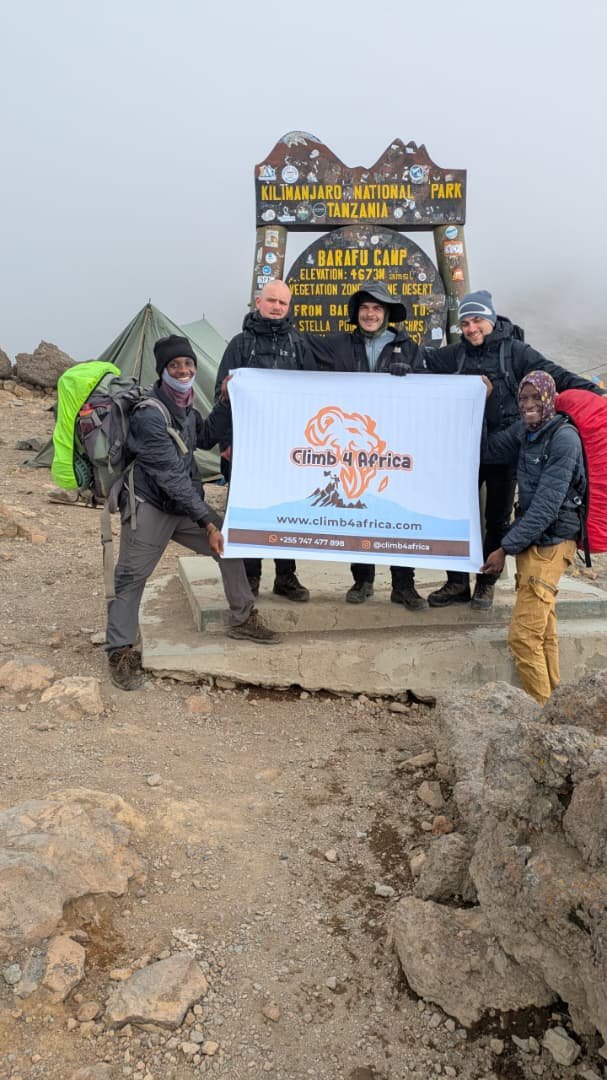
Kilimanjaro Climb : Guided Group Tours & Planning Guide 2026-2027
A deep look at planning your 2027 Kilimanjaro expedition. Learn why guided group tours are the preferred choice for safety, logistics, and shared camaraderie on the roof of Africa.
View package detailsKilimanjaro Climb August : Dates And Costs Planning Guide 2026-2027
Expert guide to planning a Kilimanjaro expedition in August 2027. We break down the logistics, cost factors, route choices, and seasonal weather patterns for your summit attempt.
View package details
Kilimanjaroo Climb After AFCON 2027
Mwongozo wa kina wa kupanda Kilimanjaro baada ya AFCON 2027: njia zinazofaa, ratiba inayoakisi acclimatization, na vidokezo vya kupanga pamoja na namna ya kuwasiliana na Climb 4 Africa kwa...
View package details


Kilimanjaroo Airport to AFCON Host City Transfer
Katika ukurasa huu wa kina, tunakuletea mwongozo wa kina juu ya jinsi ya kuhamisha kutoka Uwanja wa Kilimanjaro kwenda mjini litakalohudhuria AFCON 2027, pamoja na mapendekezo ya usafiri...
View package details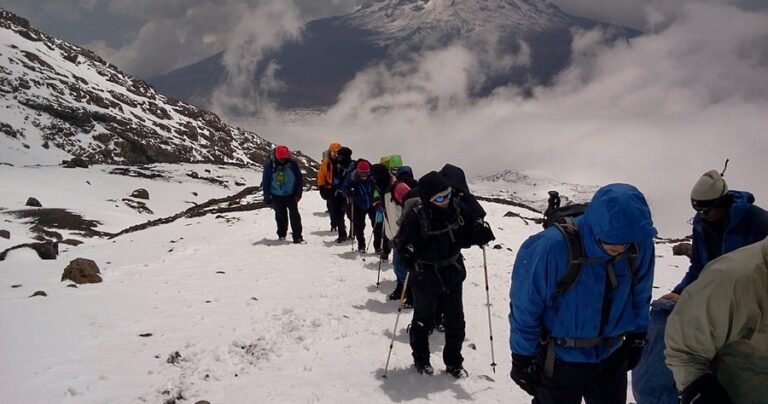
Mount Meru 4-Day Climb: The Complete Guide To Tanzania’s Hidden Peak 2026-2027
A deep look at the 4-day Mount Meru climb, covering the Momella route, altitude considerations, park logistics, and why this peak is the ultimate preparation for Kilimanjaro.
View package details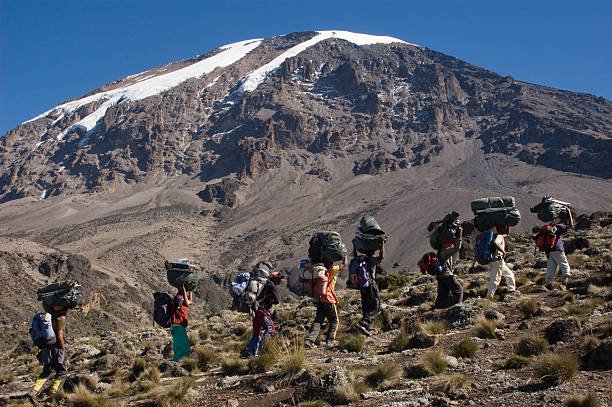
Mount Meru And Kilimanjaro Combo Trip : The Ultimate Acclimatization Strategy
Maximize your Tanzanian trekking success by combining Mount Meru and Kilimanjaro. Get expert planning advice for your 2027 expedition.
View package details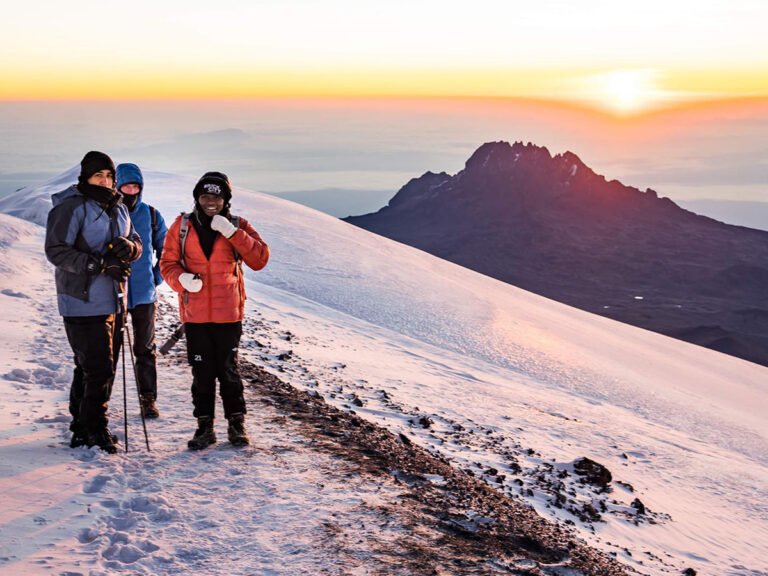
Kilimanjaro Machame Route 7 Days: A Practical Guide To Itinerary And Costs
A deep look at the 7-day Machame Route on Kilimanjaro. Understand the itinerary, why the extra day matters for your summit success, and how to plan your 2026-2027 expedition.
View package details
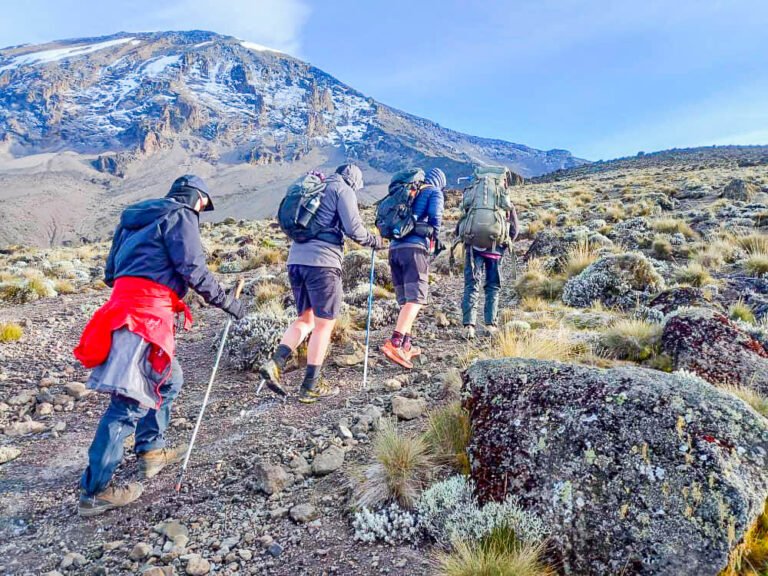
Climbing Kilimanjaro : Prices, Dates, And Routes 2026-2027
A comprehensive guide to planning your 2027 Kilimanjaro expedition, covering route choices, cost factors, and the essential logistics for a successful summit.
View package details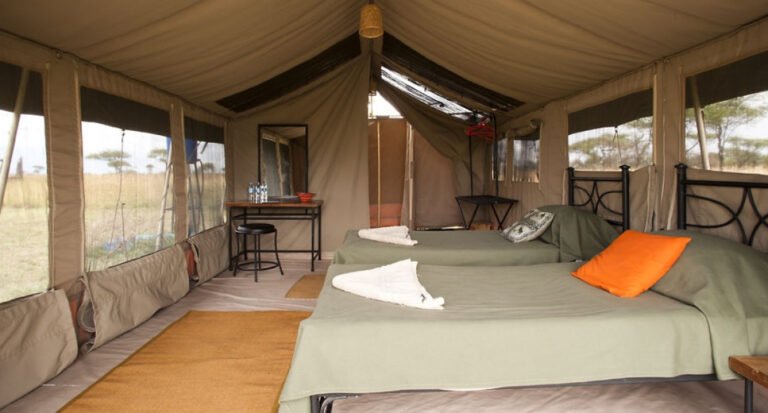
Afcon Kilimanjaro Ngorongoro And Zanzibar Holiday
AFCON 2027 Kilimanjaro Ngorongoro and Zanzibar Holiday.
View package detailsNo related package matches those filters. Clear one or more filters to see the other topic-matched options.