
The Northern Circuit route on Kilimanjaro is typically offered as an 8 or 9-day trek, with the 9-day option providing superior acclimatization and a more relaxed pace, significantly increasing summit success rates. Both versions traverse the entire mountain, offering unparalleled views and varied landscapes, but the extra day on the 9-day itinerary allows for a more gradual ascent and better adaptation to altitude, making it the preferred choice for many climbers aiming for a comfortable and successful summit experience in 2026 or 2027.
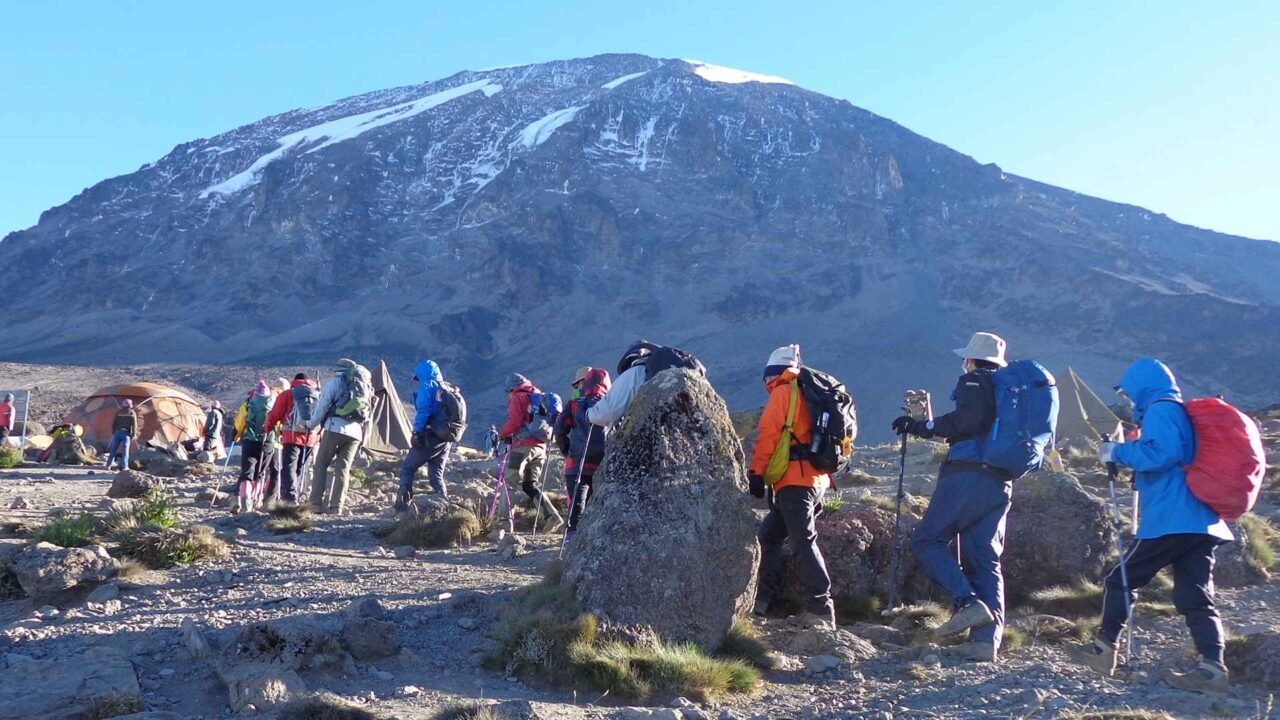
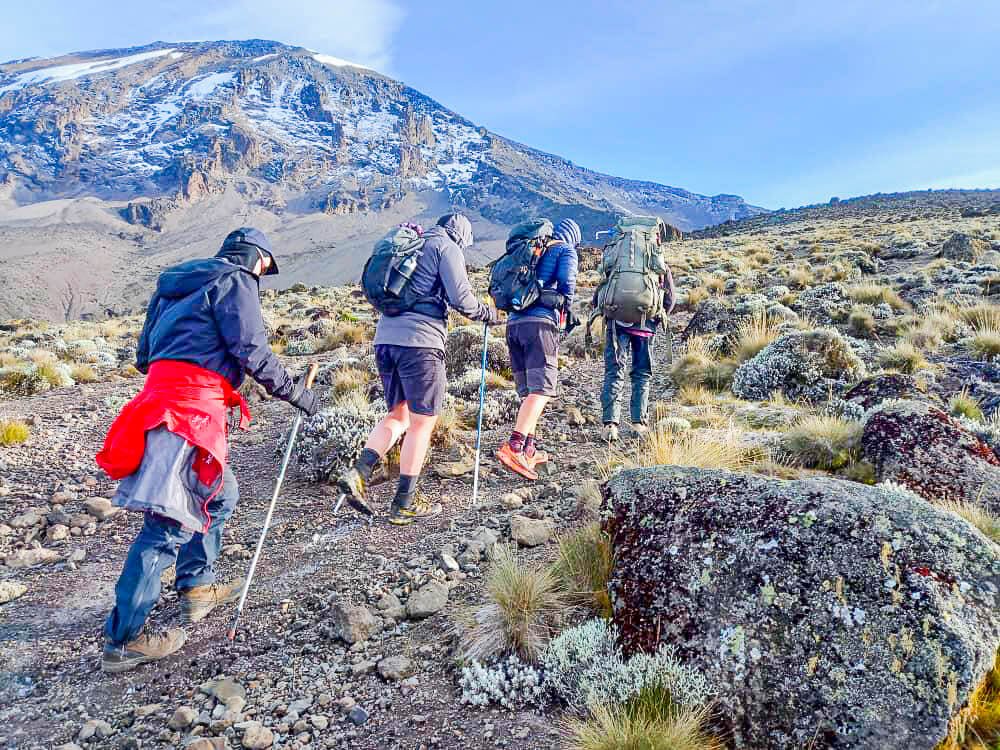
Understanding the Northern Circuit Kilimanjaro: 8 vs. 9 Days
The Northern Circuit Kilimanjaro is celebrated as the longest route, circumnavigating the mountain’s upper reaches before approaching the summit from the north. This extended journey naturally lends itself to a more leisurely pace, and the choice between an 8-day and a 9-day itinerary is primarily about acclimatization and overall experience. While both routes aim for Uhuru Peak, the subtle difference in duration has a profound impact on the climber’s journey. For those planning their expedition for 2026 or 2027, understanding this distinction is crucial for making an informed decision that aligns with their fitness, goals, and comfort level.
The Northern Circuit’s unique advantage lies in its continuous circling of the mountain, allowing trekkers to experience diverse ecosystems and spectacular, often less-crowded, vistas. It utilizes the Rongai route for ascent and then descends via the Mweka route, but its distinctive feature is the extended traverse on the northern slopes. This offers a more holistic view of Kilimanjaro’s grandeur. The decision between 8 and 9 days boils down to how much time you want to dedicate to high-altitude adaptation. More days on the mountain, especially at higher altitudes, directly translate to better physiological adjustment, a critical factor for reaching the summit safely and feeling strong during the climb.
Introduction to the Northern Circuit Kilimanjaro
The Northern Circuit is often hailed as the most scenic and rewarding route up Kilimanjaro. Its length, averaging 8 to 9 days, means it takes trekkers on a comprehensive journey around the mountain, offering a panoramic experience that other routes simply cannot match. Unlike routes that ascend directly up one side, the Northern Circuit circumnavigates the entire massif, providing continuous, impressive views of the surrounding plains, Kenya, and Mount Meru. This route is ideal for those who want to truly experience themselves in the Kilimanjaro environment and prioritize a slower, more deliberate ascent to maximize their chances of reaching the summit.
When considering a Kilimanjaro climb for 2026 or 2027, the Northern Circuit stands out for its lower crowds, particularly on the northern slopes, and its excellent acclimatization profile. It begins by approaching Kilimanjaro from the north, often using the Rongai route’s entry point, and then continues its circuit around the mountain’s upper reaches, eventually descending via the Mweka trail. This unique path ensures trekkers spend more time at higher altitudes, allowing their bodies to adapt gradually. The longer duration also means less daily mileage, reducing physical fatigue and increasing mental resilience. It’s a route that rewards patience and preparation with unparalleled beauty and a higher probability of summit success.
Northern Circuit Route Overview
The Northern Circuit is the longest of Kilimanjaro’s established trekking routes, typically taking between 8 and 9 days to complete. It is considered by many to be the most beautiful and rewarding path to the summit due to its comprehensive circumnavigation of the mountain. The route starts by approaching Kilimanjaro from the north, often sharing the initial stages with the Rongai route. After reaching the summit, it descends via the Mweka route, making it a point-to-point trek rather than a loop.
Its defining characteristic is the extensive traverse along the northern, eastern, and western sides of the mountain, offering unique perspectives of Kilimanjaro’s diverse ecosystems and the surrounding landscapes. This extended journey allows for excellent acclimatization. Unlike shorter routes that rush through altitude zones, the Northern Circuit spreads the ascent over a longer period, significantly improving the chances of reaching Uhuru Peak without succumbing to altitude sickness. The route is known for its lower traffic, especially on the northern approaches, providing a more serene and intimate trekking experience. For travelers planning their 2026 or 2027 expedition, this route offers a serious consideration for its balance of beauty, challenge, and success probability.
The route typically involves:
- Ascent: Starts from the north, often near the Kenyan border (e.g., near the Rongai route trailhead).
- Circumnavigation: Travels clockwise or counter-clockwise around the upper slopes, passing diverse vegetation zones and geological features.
- Summit Attempt: Climbs to Uhuru Peak from the northern side, often utilizing the Barafu Camp or a similar high camp as a staging point.
- Descent: Descends via the Mweka route on the southern side.
This comprehensive circuit means trekkers experience the mountain from all angles, witnessing its changing faces from alpine desert to arctic summit. The longer duration is not just about covering distance; it’s about maximizing time at altitude to allow the body to acclimatize effectively, a strategy crucial for any Kilimanjaro climb, especially in 2026-2027 when planning is key.
The 8-Day Northern Circuit: A Balanced Approach
The 8-day Northern Circuit itinerary is a popular choice for those who want to experience the full grandeur of this route but have a slightly tighter schedule. It still offers excellent acclimatization compared to shorter routes like Marangu or Machame (6 days), but it condenses the journey slightly. This itinerary involves seven nights on the mountain, with the summit attempt usually occurring on the morning of day 7, followed by descent and departure on day 8.
An 8-day Northern Circuit typically looks something like this:
Day 1: Lemosho Gate to Mti Mkubwa Camp
Day 2: Mti Mkubwa Camp to Shira 1 Camp
Day 3: Shira 1 Camp to Shira 2 Camp
Day 4: Shira 2 Camp to Lava Tower, then to Barranco Camp
Day 5: Barranco Camp to Karanga Camp
Day 6: Karanga Camp to Barafu Camp
Day 7: Barafu Camp to Summit (Uhuru Peak) and descend to Mweka Camp
Day 8: Mweka Camp to Mweka Gate, then transfer to hotel
While this itinerary is still considered to have good acclimatization due to its slow initial ascent and the inclusion of the ‘climb high, sleep low’ principle (e.g., Lava Tower day), the 9-day version offers an additional day for this crucial adaptation process. For many climbers, especially those coming from sea level or with less experience at high altitudes, the 8-day option might feel a bit more strenuous, particularly on summit night. However, for fit individuals with good acclimatization capacity, it provides a comprehensive and immensely satisfying Kilimanjaro experience. Planning for 2026 or 2027 with this option means you’re still choosing a route renowned for its scenery and success rates, just with a slightly more condensed timeframe.
The 9-Day Northern Circuit: Optimal Acclimatization
The 9-day Northern Circuit itinerary is widely regarded as the gold standard for this route, offering the best possible acclimatization profile. This version adds an extra day, usually inserted between Shira 2 Camp and Lava Tower, or between Karanga Camp and Barafu Camp, or sometimes by making the descent slightly longer and more gradual. This extra day allows for a more relaxed pace, more rest, and crucially, more time for the body to adjust to the thinning air as you gain altitude. The 9-day itinerary means eight nights on the mountain, significantly enhancing the comfort and safety of the trek.
A typical 9-day Northern Circuit itinerary might look like this:
Day 1: Lemosho Gate to Mti Mkubwa Camp
Day 2: Mti Mkubwa Camp to Shira 1 Camp
Day 3: Shira 1 Camp to Shira 2 Camp
Day 4: Shira 2 Camp to Moir Hut Camp (this extra day is often inserted here, allowing exploration of the northern slopes)
Day 5: Moir Hut Camp to Lava Tower, then to Barranco Camp
Day 6: Barranco Camp to Karanga Camp
Day 7: Karanga Camp to Barafu Camp
Day 8: Barafu Camp to Summit (Uhuru Peak) and descend to Kosovo Camp or Barafu Camp
Day 9: Kosovo Camp/Barafu Camp to Mweka Gate, then transfer to hotel
The extra day allows for more “climb high, sleep low” opportunities, which is a proven method for improving acclimatization. For example, an extra day at Moir Hut allows for further exploration of the northern circuit and acclimatization before heading higher. Alternatively, an extra day between Karanga and Barafu allows for a shorter trek between camps, reducing fatigue on the day before summit night. This makes the 9-day Northern Circuit Kilimanjaro a significantly more comfortable and safer option, particularly for first-time high-altitude trekkers or those aiming for peak performance on summit night. For anyone planning a climb in 2026 or 2027, investing in the extra day on this route is highly recommended for a better overall experience and a higher probability of success.
Key Differences: 8-Day vs. 9-Day Itinerary
The primary distinction between the 8-day and 9-day Northern Circuit Kilimanjaro itineraries lies in the pacing and acclimatization strategy. While both routes follow a similar path around the mountain, the 9-day version incorporates an additional day, which is strategically placed to enhance the body’s adaptation to high altitude. This difference, though seemingly minor, has a significant impact on the overall trekking experience and, crucially, on summit success rates.
Here’s a breakdown of the key differences:
Pacing and Daily Mileage:
The 9-day itinerary generally involves shorter daily treks and more rest time. This means less fatigue accumulation, which is vital for maintaining energy and morale throughout the climb. The 8-day itinerary has longer trekking days or covers more distance in fewer days, potentially leading to greater physical exertion.
Acclimatization:
This is the most critical difference. The extra day in the 9-day itinerary provides more time for your body to adjust to decreasing oxygen levels. This is often achieved through an additional acclimatization hike or by simply breaking down a longer trek into smaller, more manageable segments. The 8-day itinerary, while still offering good acclimatization compared to shorter routes, compresses this process.
Summit Night Experience:
With better acclimatization from the 9-day trek, climbers often feel stronger and more prepared for the demanding summit night. They are less likely to suffer severe altitude sickness symptoms, leading to a more enjoyable and potentially successful ascent. The 8-day climber might feel the altitude more acutely on summit night.
Scenery Enjoyment:
The slower pace of the 9-day route allows for more time to appreciate the impressive scenery, take photographs, and absorb the unique environment of Kilimanjaro. There’s less pressure to keep moving, enabling a more in-depth experience.
Cost:
The 9-day itinerary will generally be more expensive than the 8-day option. This is primarily due to the additional day of park fees, guide and porter wages, and food supplies. For 2026-2027 planning, budget considerations are important, but the added value of an extra day for acclimatization often outweighs the cost difference for many trekkers.
Overall Experience:
The 9-day Northern Circuit offers a more relaxed, comfortable, and statistically safer journey. The 8-day option is more challenging but still provides an excellent experience for those well-prepared and with good acclimatization capabilities.
When deciding for your 2026 or 2027 climb, weigh the benefits of enhanced acclimatization and a more relaxed pace against the slightly higher cost and time commitment of the 9-day itinerary.
Acclimatization Strategy and Success Rates
Acclimatization is the single most important factor for a successful Kilimanjaro climb. Altitude sickness (Acute Mountain Sickness – AMS) is caused by the body’s inability to adjust to lower oxygen levels at higher elevations. The Northern Circuit, due to its length and gradual ascent profile, is inherently one of the best routes for acclimatization. The choice between 8 and 9 days directly impacts how effectively this strategy is implemented.
The ‘Climb High, Sleep Low’ Principle: Both itineraries, to varying degrees, incorporate this crucial acclimatization technique. This involves ascending to a higher altitude during the day and then descending to a lower altitude camp to sleep. This process stimulates the body to produce more red blood cells, which helps carry oxygen more efficiently. The 9-day itinerary provides more opportunities and less rushed days for this to occur.
Duration at Altitude: The longer you spend at higher altitudes, the better your body can adapt. The 9-day Northern Circuit means spending more time above 3,000 meters, allowing for more gradual physiological changes. This extended exposure is vital for preparing for the extreme altitude of the summit (5,895m).
Impact on Summit Success Rates: Studies and trekking operator data consistently show that longer routes with better acclimatization profiles yield higher summit success rates. The 9-day Northern Circuit, with its optimal acclimatization, is often associated with success rates upwards of 90% for well-prepared trekkers. While the 8-day itinerary still has good success rates, they are generally lower than the 9-day version. For climbers planning their 2026 or 2027 expeditions, prioritizing acclimatization through the 9-day option is a strategic move to maximize their chances of reaching Uhuru Peak.
Understanding AMS Symptoms: It’s essential for all climbers to be aware of AMS symptoms, which can include headache, nausea, dizziness, fatigue, and loss of appetite. While the 9-day route minimizes the risk, it doesn’t eliminate it. Open communication with your guide is paramount. They are trained to monitor your condition and make decisions based on your well-being.
Personal Factors: While route choice is critical, individual physiology plays a role. Some people acclimatize faster than others. However, even for those who acclimatize quickly, the extended duration of the 9-day Northern Circuit offers a safety buffer and a more comfortable ascent. For 2026-2027 climbs, consider your personal experience with altitude when making this decision.
Scenery and Views on the Northern Circuit
The Northern Circuit is renowned for its unparalleled scenic beauty, offering a diverse and ever-changing panorama of landscapes. Its unique path around the mountain ensures that trekkers witness Kilimanjaro from virtually every angle, providing a comprehensive visual experience that sets it apart from other routes. This route is a photographer’s dream and a nature lover’s paradise, making the extra day or two for the 9-day itinerary well worth it for those who want to soak it all in.
From the moment you start on the northern slopes, the views are distinctive. The initial approach often offers sweeping vistas of the vast plains stretching towards Kenya, with Mount Meru often visible on the horizon. As the circuit progresses, you’ll traverse through:
- Rainforest: The lower slopes are covered in lush, dense rainforest, teeming with wildlife like monkeys and various bird species.
- Heath and Moorland: As you ascend, the vegetation changes to giant heathers, senecios, and lobelias, creating an otherworldly landscape.
- Alpine Desert: This zone is characterized by its stark, barren beauty, with rocks, scree, and sparse, hardy vegetation. The views from here are expansive, looking out over the clouds.
- Arctic Zone: The summit region is a world of ice and snow, with glaciers and the iconic crater of Kibo.
The Northern Circuit’s advantage is its extended time in the alpine desert and its unique perspective of the northern face of Kibo. Camps like Shira 2 and Moir Hut offer expansive views. The approach to the summit from the north is less direct than from Stella Point (via Marangu/Mweka), but it provides a different, often more dramatic, perspective of the crater rim and the glaciers. The descent via Mweka on the southern side offers a final appreciation of the mountain’s grandeur before returning to the more familiar rainforest.
For those planning a 2026 or 2027 climb, the Northern Circuit guarantees a visually stunning journey. The 9-day itinerary, in particular, allows ample time to pause, observe, and photograph the ever-changing scenery, from the first green slopes to the final icy summit. It’s a route that truly showcases the majestic scale and diverse beauty of Africa’s highest peak.
Terrain and Difficulty Considerations
Kilimanjaro is a challenging trek regardless of the route chosen, and the Northern Circuit is no exception. However, its length and gradual ascent profile make it one of the more manageable routes in terms of physical exertion on a day-to-day basis, especially when opting for the 9-day itinerary. The difficulty is primarily dictated by altitude, weather, and the cumulative effect of days of trekking.
Terrain: The terrain on the Northern Circuit is varied and demanding:
- Initial Stages: Well-trodden paths through rainforest and heathland.
- Higher Altitudes: The terrain becomes increasingly rocky and scree-covered as you move through the alpine desert. This can be unstable and require careful footing.
- Summit Night: The path to the summit from Barafu Camp (or a similar high camp) is steep and arduous, primarily on scree and loose rock, often covered by ice and snow, especially in the early morning hours. This is the most physically and mentally demanding section of the entire climb.
- Descent: The descent via the Mweka route is steep and can be hard on the knees, especially on loose scree.
Difficulty Factors:
- Altitude: This is the primary challenge. The higher you go, the less oxygen is available, making every step more strenuous. The 9-day Northern Circuit is designed to mitigate this with superior acclimatization, making it feel less difficult than a shorter route.
- Daily Mileage: While the Northern Circuit has longer overall trekking days, the daily mileage is often less than on some shorter, steeper routes. The 8-day itinerary will have longer days than the 9-day option.
- Weather: Kilimanjaro’s weather can change rapidly and drastically. Trekkers must be prepared for sun, rain, wind, and freezing temperatures, sometimes all in the same day.
- Physical Fitness: A good level of cardiovascular fitness is essential. This means regular aerobic exercise for several months leading up to your climb.
- Mental Fortitude: The sheer duration and the challenges of altitude and weather require significant mental toughness. The slower pace of the 9-day Northern Circuit can help maintain positive morale.
For 2026-2027 expeditions, it’s crucial to prepare physically and mentally. While the Northern Circuit, especially the 9-day version, is considered one of the “easier” routes due to its acclimatization profile, it is still a serious undertaking. Proper training, appropriate gear, and choosing the 9-day itinerary will significantly enhance your ability to manage the difficulty and enjoy the trek.
What to Pack for Your Northern Circuit Trek
Packing appropriately is paramount for comfort, safety, and success on the Northern Circuit Kilimanjaro. The mountain experiences a wide range of temperatures and weather conditions, from tropical heat at the base to sub-zero temperatures at the summit. Layering is key, and having the right gear can make a significant difference, especially on longer treks like the 8 or 9-day Northern Circuit. For your 2026-2027 climb, start gathering your gear well in advance.
Here’s a breakdown of essential items:
Clothing (Layering System is Crucial):
- Base Layers: Moisture-wicking thermal tops and bottoms (merino wool or synthetic).
- Mid Layers: Fleece jackets or lightweight insulated jackets for warmth.
- Outer Layer (Shell): Waterproof and windproof jacket and trousers.
- Insulation Layer: A warm down or synthetic insulated jacket for summit night and cold evenings.
- Trekking Trousers: Lightweight, quick-drying trousers (avoid jeans).
- Trekking Shirts: Short and long-sleeved moisture-wicking shirts.
- Headwear: Warm woolen hat, sun hat with a brim, balaclava or buff for face protection.
- Gloves: Warm waterproof gloves or mittens, and liner gloves.
- Socks: Several pairs of warm wool or synthetic hiking socks.
Footwear:
- Hiking Boots: Broken-in, waterproof, sturdy hiking boots with good ankle support.
- Camp Shoes: Comfortable shoes or sandals for wearing in camp.
Equipment:
- Backpack: A comfortable daypack (30-40 liters) for essentials.
- Duffel Bag: A large, waterproof duffel bag (80-100 liters) for your main gear, carried by porters.
- Sleeping Bag: A 4-season sleeping bag rated to at least -10°C (0°F).
- Sleeping Pad: For added comfort and insulation (often provided, but check with your operator).
- Trekking Poles: Highly recommended for stability and reducing strain on knees.
- Headlamp: With extra batteries.
- Water Bottles/Hydration Reservoir: At least 3 liters capacity.
- Water Purification: Tablets or a filter (though boiled water is usually provided).
Other Essentials:
- Sunscreen: High SPF.
- Lip Balm: With SPF.
- Sunglasses: UV protection.
- Personal First-Aid Kit: Including blister treatment, pain relievers, and any personal medications.
- Toiletries: Biodegradable soap, toothbrush, toothpaste, wet wipes.
- Insect Repellent: For lower altitudes.
- Camera: With extra batteries and memory cards.
- Snacks: High-energy snacks like nuts, dried fruit, energy bars.
- Passport, Visa, and Travel Documents.
- Cash: For tips and personal expenses.
When booking your 2026-2027 Northern Circuit trek, always confirm what gear is provided by your tour operator (e.g., tents, cooking equipment) and what you need to bring yourself. A detailed packing list will be provided by Climb 4 Africa upon booking.
Choosing Your Operator for 2026-2027
Selecting the right tour operator is arguably the most critical decision you’ll make when planning your Northern Circuit Kilimanjaro climb for 2026 or 2027. The quality of your experience, your safety, and your chances of summit success depend heavily on the expertise, equipment, and support provided by your trekking company. Climb 4 Africa specializes in Kilimanjaro expeditions and understands the nuances of routes like the Northern Circuit, ensuring a well-supported and memorable adventure.
When evaluating operators, consider the following:
Safety Record and Guide Qualifications:
Look for operators with a strong safety record and guides who are certified in Wilderness First Aid and have extensive experience on Kilimanjaro. Climb 4 Africa’s guides are highly trained and experienced, prioritizing climber safety above all else.
Acclimatization Strategy:
Ensure the operator offers the 8 or 9-day Northern Circuit itinerary and understands the importance of acclimatization. They should have a clear plan that follows the ‘climb high, sleep low’ principle and includes adequate rest days. For 2026-2027, many operators are now emphasizing the 9-day option for better results.
Equipment Quality:
High-quality tents, sleeping bags (rentable), and camping equipment are essential for comfort and protection against the elements. Check if the operator provides reliable, well-maintained gear.
Support Staff Ratios:
A good guide-to-climber ratio (e.g., 1:10 or better) and porter-to-climber ratio (e.g., 1:2 or 1:3) ensure adequate support and safety. Climb 4 Africa maintains excellent ratios to provide personalized attention.
Inclusions and Exclusions:
Understand exactly what is included in the price. This typically covers park fees, guide and porter salaries, food, tents, and sometimes transfers. Be aware of exclusions like personal gear, tips, and travel insurance.
Environmental Responsibility:
Choose an operator that practices responsible tourism, including proper waste management and ethical treatment of porters.
Local Expertise:
As a local Tanzanian company, Climb 4 Africa offers invaluable on-the-ground knowledge and support, ensuring a smooth and authentic experience. We work with experienced local guides and porters, fostering community engagement.
Reviews and Reputation:
Look for independent reviews on platforms like TripAdvisor, but also consider the operator’s overall reputation and transparency.
For your 2026-2027 Northern Circuit Kilimanjaro adventure, partner with a company that prioritizes your safety, success, and overall enjoyment. Climb 4 Africa is committed to providing exceptional service and expert guidance for your climb.
Booking Your Northern Circuit Kilimanjaro Climb
Planning your Northern Circuit Kilimanjaro climb for 2026 or 2027 is an exciting process, and booking with the right partner is key to a successful and memorable expedition. Climb 4 Africa aims to make this process as straightforward and transparent as possible, ensuring you have all the information needed to make an informed decision.
When to Book:
It’s advisable to book your Northern Circuit Kilimanjaro climb at least 6-12 months in advance, especially if you are targeting specific dates in the peak seasons (January-March and June-October) for 2026 or 2027. This allows ample time for preparation, training, and securing your preferred dates. Popular operators and specific itinerary days can fill up quickly.
The Booking Process:
- Inquiry: Reach out to Climb 4 Africa with your desired dates, preferred itinerary (8 or 9 days for the Northern Circuit), and any questions you may have.
- Quotation & Itinerary: We will provide a detailed quotation and itinerary tailored to your needs, outlining inclusions, exclusions, and pricing. For 2026-2027, we can discuss current park fee structures and logistical considerations.
- Confirmation & Deposit: Once you are happy with the proposal, a deposit is typically required to confirm your booking and secure your dates. This deposit helps cover initial operational costs.
- Pre-Departure Information: After booking, you will receive comprehensive pre-departure information, including detailed packing lists, training advice, visa guidance, and health recommendations.
- Final Payment: The remaining balance is usually due 4-8 weeks before your departure date.
- Visa and Travel Insurance: Ensure you have the necessary visa for Tanzania and comprehensive travel insurance that covers high-altitude trekking and emergency medical evacuation.
Why Choose Climb 4 Africa for Your 2026-2027 Climb?
As a local expert, Climb 4 Africa offers:
- Deep Local Knowledge: Understanding of Kilimanjaro’s routes, weather patterns, and logistical needs.
- Experienced Guides: Certified, professional guides committed to your safety and success.
- Quality Equipment: Reliable, high-quality camping gear.
- Ethical Operations: Fair treatment of porters and commitment to environmental sustainability.
- Personalized Support: Dedicated customer service from inquiry to post-climb.
To start planning your 8 or 9-day Northern Circuit Kilimanjaro adventure for 2026 or 2027, or to discuss tailor-made itineraries, please get in touch. We are here to answer all your questions and help you prepare for an unforgettable journey. You can reach us via Email: climb4africa@gmail.com or WhatsApp at WhatsApp +255 747 477 898.
Frequently Asked Questions
Q1: What is the main advantage of the 9-day Northern Circuit over the 8-day version for 2026-2027?
A: The primary advantage of the 9-day Northern Circuit is superior acclimatization. The extra day allows for a more gradual ascent, reducing the risk of altitude sickness and increasing the chances of a successful summit bid. It also offers a more relaxed pace and more time to enjoy the scenery.
Q2: Is the Northern Circuit more expensive than other Kilimanjaro routes?
A: Generally, yes. The Northern Circuit is the longest route, meaning more days on the mountain incur higher park fees, guide and porter wages, and food costs. The 9-day itinerary will be more expensive than the 8-day option. However, the increased success rate and enhanced experience often justify the cost for many climbers planning for 2026 or 2027.
Q3: Which is better for first-time Kilimanjaro climbers, the 8 or 9-day Northern Circuit?
A: For first-time climbers, the 9-day Northern Circuit is highly recommended. Its extended duration and focus on acclimatization provide a safer and more comfortable experience, making it more manageable for those new to high-altitude trekking. The 8-day option is suitable for those with prior high-altitude experience or who are exceptionally fit and have a proven track record of good acclimatization.
Q4: How does the Northern Circuit compare to the Machame route in terms of difficulty and scenery?
A: Both Machame and Northern Circuit are considered challenging but offer excellent acclimatization compared to shorter routes. Machame is typically a 6 or 7-day trek. The Northern Circuit is longer and circumnavigates the mountain more extensively, offering more varied and often more spectacular, less crowded views. The 9-day Northern Circuit provides better acclimatization than a standard 7-day Machame trek. Machame is popular and can be more crowded. The Northern Circuit’s difficulty is spread out over more days, making it potentially feel less intense day-to-day than a compressed Machame climb.
Q5: What is the best time of year to climb the Northern Circuit in 2026-2027?
A: The best times for climbing Kilimanjaro, including the Northern Circuit, are during the dry seasons: January to March and June to October. These periods offer the most stable weather and clearer skies. However, the Northern Circuit’s extended duration means you’re more exposed to varied weather, so preparation for all conditions is essential year-round.
Q6: How much should I tip my guides and porters on the Northern Circuit?
A: Tipping is customary and greatly appreciated. Recommended amounts for the Northern Circuit (8 or 9 days) are typically around $250-$350 per climber for the entire crew (guides, assistant guides, cook, porters), distributed according to roles. Your operator, like Climb 4 Africa, will provide specific guidelines on tipping amounts and distribution methods before your climb in 2026 or 2027.
Q7: Can I combine the Northern Circuit with a safari or Zanzibar trip in 2026-2027?
A: Absolutely. Many travelers combine their Kilimanjaro climb with a safari in Tanzania’s famous northern circuit parks (Serengeti, Ngorongoro Crater, Tarangire) or a relaxing holiday on the beaches of Zanzibar. Climb 4 Africa specializes in creating smooth itineraries that include both climbing and safari or beach extensions, offering comprehensive African travel experiences.
Q8: What are the visa requirements for Tanzania for a 2026-2027 climb?
A: Most nationalities require a visa for Tanzania. This can often be obtained online in advance or upon arrival at Kilimanjaro International Airport (JRO). It’s essential to check the latest requirements for your specific nationality well before your planned 2026-2027 expedition. Climb 4 Africa can provide guidance on this.
Q9: What kind of physical training is recommended for the 8 or 9-day Northern Circuit?
A: Focus on cardiovascular endurance and leg strength. Regular hiking (especially with a backpack), running, cycling, and stair climbing are beneficial. Aim for at least 3-4 training sessions per week for several months leading up to your climb. Practice hiking on varied terrain and inclines. The longer duration of the Northern Circuit means consistent training is key.
Q10: What happens if I get sick on the mountain?
A: Safety is the top priority. Your guides are trained to recognize symptoms of altitude sickness and other medical issues. They will assess your condition and make decisions, which may include administering medication, resting, descending to a lower altitude, or arranging for emergency evacuation. Comprehensive travel insurance covering high-altitude trekking and medical evacuation is mandatory for all climbers.
“,
“faq_schema”: [
{
“question”: “What is the main advantage of the 9-day Northern Circuit over the 8-day version for 2026-2027?”,
“answer”: “The primary advantage of the 9-day Northern Circuit is superior acclimatization. The extra day allows for a more gradual ascent, reducing the risk of altitude sickness and increasing the chances of a successful summit bid. It also offers a more relaxed pace and more time to enjoy the scenery.”
},
{
“question”: “Is the Northern Circuit more expensive than other Kilimanjaro routes?”,
“answer”: “Generally, yes. The Northern Circuit is the longest route, meaning more days on the mountain incur higher park fees, guide and porter wages, and food costs. The 9-day itinerary will be more expensive than the 8-day option. However, the increased success rate and enhanced experience often justify the cost for many climbers planning for 2026 or 2027.”
},
{
“question”: “Which is better for first-time Kilimanjaro climbers, the 8 or 9-day Northern Circuit?”,
“answer”: “For first-time climbers, the 9-day Northern Circuit is highly recommended. Its extended duration and focus on acclimatization provide a safer and more comfortable experience, making it more manageable for those new to high-altitude trekking. The 8-day option is suitable for those with prior high-altitude experience or who are exceptionally fit and have a proven track record of good acclimatization.”
},
{
“question”: “How does the Northern Circuit compare to the Machame route in terms of difficulty and scenery?”,
“answer”: “Both Machame and Northern Circuit are considered challenging but offer excellent acclimatization compared to shorter routes. Machame is typically a 6 or 7-day trek. The Northern Circuit is longer and circumnavigates the mountain more extensively, offering more varied and often more spectacular, less crowded views. The 9-day Northern Circuit provides better acclimatization than a standard 7-day Machame trek. Machame is popular and can be more crowded. The Northern Circuit’s difficulty is spread out over more days, making it potentially feel less intense day-to-day than a compressed Machame climb.”
},
{
“question”: “What is the best time of year to climb the Northern Circuit in 2026-2027?”,
“answer”: “The best times for climbing Kilimanjaro, including the Northern Circuit, are during the dry seasons: January to March and June to October. These periods offer the most stable weather and clearer skies. However, the Northern Circuit’s extended duration means you’re more exposed to varied weather, so preparation for all conditions is essential year-round.”
},
{
“question”: “How much should I tip my guides and porters on the Northern Circuit?”,
“answer”: “Tipping is customary and greatly appreciated. Recommended amounts for the Northern Circuit (8 or 9 days) are typically around $250-$350 per climber for the entire crew (guides, assistant guides, cook, porters), distributed according to roles. Your operator, like Climb 4 Africa, will provide specific guidelines on tipping amounts and distribution methods before your climb in 2026 or 2027.”
},
{
“question”: “Can I combine the Northern Circuit with a safari or Zanzibar trip in 2026-2027?”,
“answer”: “Absolutely. Many travelers combine their Kilimanjaro climb with a safari in Tanzania’s famous northern circuit parks (Serengeti, Ngorongoro Crater, Tarangire) or a relaxing holiday on the beaches of Zanzibar. Climb 4 Africa specializes in creating smooth itineraries that include both climbing and safari or beach extensions, offering comprehensive African travel experiences.”
},
{
“question”: “What are the visa requirements for Tanzania for a 2026-2027 climb?”,
“answer”: “Most nationalities require a visa for Tanzania. This can often be obtained online in advance or upon arrival at Kilimanjaro International Airport (JRO). It’s essential to check the latest requirements for your specific nationality well before your planned 2026-2027 expedition. Climb 4 Africa can provide guidance on this.”
},
{
“question”: “What kind of physical training is recommended for the 8 or 9-day Northern Circuit?”,
“answer”: “Focus on cardiovascular endurance and leg strength. Regular hiking (especially with a backpack), running, cycling, and stair climbing are beneficial. Aim for at least 3-4 training sessions per week for several months leading up to your climb. Practice hiking on varied terrain and inclines. The longer duration of the Northern Circuit means consistent training is key.”
},
{
“question”: “What happens if I get sick on the mountain?”,
“answer”: “Safety is the top priority. Your guides are trained to recognize symptoms of altitude sickness and other medical issues. They will assess your condition and make decisions, which may include administering medication, resting, descending to a lower altitude, or arranging for emergency evacuation. Comprehensive travel insurance covering high-altitude trekking and medical evacuation is mandatory for all climbers.”
}
]
}
“`
Check Availability for Northern Circuit Kilimanjaro: 8 O 9 Días 2026-2027
Ready to compare dates, prices, and the best option for your group? Send the package name and travel month so the team can reply with a clear quote, availability, and what is included.
What To Expect On Your First Kilimanjaro Trek: A Comprehensive Guide 2026-2027
Planning your first climb up Kilimanjaro? This comprehensive guide covers everything you need to know, from choosing a route and preparing your body to what daily life on the mountain is...
View package detailsWhy Is Climbing Kilimanjaro So Expensive? 2026-2027
Why Is Climbing Kilimanjaro So Expensive? is explained with current 2026-2027 planning, price, itinerary and booking information.
View package detailsKilimanjaro Climb Machame Route : Expert Guide For Your Trek 2026-2027
Discover the ultimate guide to climbing Mount Kilimanjaro via the Machame Route for your 2026 or 2027 adventure. This comprehensive resource covers everything from choosing an itinerary and...
View package detailsWhy Do People Travel From Around The World To Climb Kilimanjaro? 2026-2027
Why Do People Travel From Around the World to Climb Kilimanjaro? is explained with current 2026-2027 planning, price, itinerary and booking information.
View package detailsWhy Is Kilimanjaro One Of The World’s Most Famous Mountains? Your Planning
Kilimanjaro's fame stems from its status as the highest free-standing mountain, its accessibility to non-technical climbers, its iconic snow-capped summit, and its location in a biodiverse...
View package detailsWhy Do Thousands Of Travelers Visit Kilimanjaro Every Year? Your Expert Guide
Thousands of adventurers flock to Kilimanjaro each year, drawn by its status as Africa's highest peak and a bucket-list trekking challenge. This guide explores the compelling reasons behind...
View package detailsKilimanjaro Routes: Which Is Best For Your Climb? 2026-2027
Choosing the right Kilimanjaro route is crucial for a successful and enjoyable climb. This comprehensive guide compares the main routes, helping you select the best option for your...
View package details10 Mistakes To Avoid Before Climbing Kilimanjaro In 2026-2027
Planning a Kilimanjaro climb is exciting, but avoiding common mistakes is key to a successful and enjoyable experience. This guide details ten critical errors to sidestep, from choosing the...
View package details10 Things To Know Before Climbing Kilimanjaro 2026-2027
10 Things to Know Before Climbing Kilimanjaro is explained with current 2026-2027 planning, price, itinerary and booking information.
View package detailsWhat Nobody Tells You Before Climbing Kilimanjaro 2026-2027
What Nobody Tells You Before Climbing Kilimanjaro is explained with current 2026-2027 planning, price, itinerary and booking information.
View package details
Monte Meru Y Kilimanjaro: Trekking En Tanzania 2026-2027
Discover the ultimate trekking experience in Tanzania by combining Mount Meru and Mount Kilimanjaro. This comprehensive guide covers everything from route selection and preparation to...
View package details20 Natural Wonders In Africa You Need To See 2026-2027
Explore Africa's most spectacular natural wonders, from the majestic peaks of Kilimanjaro and the vast plains of the Serengeti to the unique landscapes of Namibia and the vibrant coral...
View package detailsNo related package matches those filters. Clear one or more filters to see the other topic-matched options.



