
For Kilimanjaro exact-date travellers aiming for 2026 or 2027, the key is to secure your preferred climb dates well in advance, especially for popular routes like Machame or Lemosho, as operator availability and optimal weather windows for a summit attempt are critical. Understanding which routes offer the best acclimatization for your chosen timeframe and identifying reputable local operators who can guarantee fixed departure dates or arrange private climbs on your specific dates are paramount for a successful expedition.
Understanding the ‘Exact-Date Traveller’ Mindset
The term ‘Kilimanjaro exact-date travellers’ describes a specific segment of adventurers who have pre-determined dates for their ascent. This isn’t about flexibility; it’s about fitting a challenging mountain climb into a precise window dictated by work schedules, personal commitments, family events, or simply a desire to experience Kilimanjaro during a particular season. For these individuals, spontaneity is less important than certainty. They need to know that when they commit to a climb, the dates are locked in, the logistics are handled, and the opportunity to stand on the roof of Africa on *their* chosen day is guaranteed. This often means they are willing to plan further ahead, potentially pay a premium for private departures, and meticulously research operators who can accommodate these fixed requirements. This guide is tailored for you – the traveller who knows when you want to climb Kilimanjaro in 2026 or 2027, and needs to know how to make that specific date a reality.
Why Fixed Dates Matter for Kilimanjaro Climbs
Choosing a Kilimanjaro climb based on exact dates is more than just a logistical preference; it directly impacts the success and enjoyment of your expedition. The mountain, while always present, has distinct seasons, and the availability of resources, from permits to guides, fluctuates. For the exact-date traveller, understanding these dynamics is crucial for a smooth and safe journey.
Weather Patterns and Summit Success
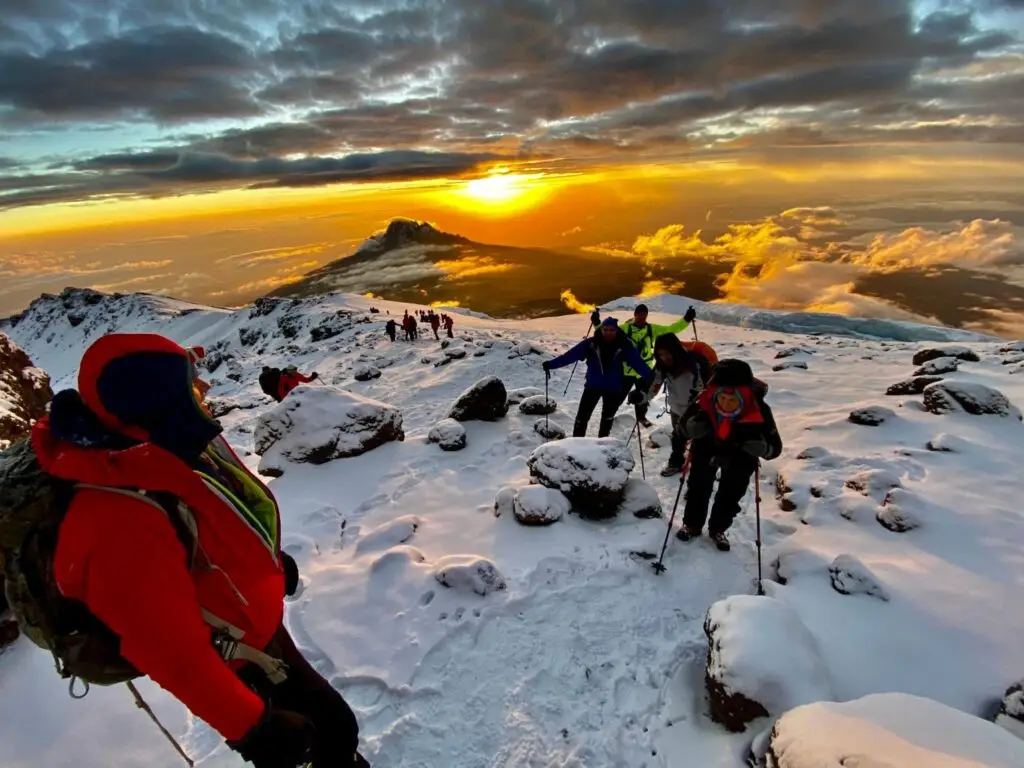
Kilimanjaro experiences two main dry seasons, which are considered the best times to climb: January to March and June to October. During these periods, visibility is generally good, and the risk of heavy rain or snow on the upper slopes is lower. The rainy seasons, April-May and November-December, see more precipitation, which can make trails muddy and slippery, increase the risk of hypothermia, and obscure summit views. For exact-date travellers, aligning their chosen dates with these favorable weather windows significantly increases the probability of a successful and pleasant summit bid. Climbing during the shoulder months (e.g., late May or early November) can offer fewer crowds but with a higher chance of encountering challenging weather. If your exact date falls within a rainy period, be prepared for tougher conditions and ensure your operator is equipped to handle them safely.
Operator Availability and Group Dynamics
Reputable Kilimanjaro operators, especially those with a strong local presence like Climb 4 Africa, often have their schedules booked months, if not over a year, in advance for peak seasons. This is particularly true for group departures. If you are an exact-date traveller, especially for a popular route during a prime month in 2026 or 2027, you’ll need to book early to secure a spot on a fixed departure. Alternatively, many operators offer private climbs, which provide the ultimate flexibility for exact-date travellers. This means you can choose virtually any date, and the operator will assemble a dedicated team of guides, porters, and cooks for your group. While more expensive than joining a pre-scheduled group, private climbs offer control over your itinerary and pace, which can be invaluable for those with strict date requirements.
Logistical Planning and Permits
Climbing Kilimanjaro requires park permits, which are issued by the Tanzania National Parks Authority (TANAPA). Operators manage the acquisition of these permits. For exact-date travellers, it’s essential to work with an operator who has a proven track record of securing permits promptly for their scheduled climbs. The number of permits available can be limited, especially for certain campsites on specific routes. An operator with established relationships and efficient systems ensures that your chosen dates are viable from a permit perspective. If you’re planning for 2026 or 2027, understanding the permit application timeline and any potential changes in regulations is part of the operator’s responsibility, and something you should confirm with them.
Best Kilimanjaro Routes for Specific Dates
When you have fixed dates for your Kilimanjaro climb, the choice of route becomes paramount, not just for scenery and challenge, but critically for acclimatization. A longer route generally offers better acclimatization, increasing your chances of reaching the summit safely. For exact-date travellers, selecting a route that aligns with your physical preparedness and desired summit success rate is a non-negotiable aspect of planning.
Machame Route: The Popular Choice
The Machame Route is a 6-7 day trek, known for its scenic beauty and excellent acclimatization profile, often referred to as the ‘Whiskey Route’. Its ‘climb high, sleep low’ approach is highly effective. For exact-date travellers, Machame is a popular choice because it has frequent scheduled departures throughout the year with many operators, making it easier to find a spot on or near your desired date, especially if you are flexible by a day or two. However, if you need an absolutely fixed date, booking a private Machame climb is a reliable option, though it requires more lead time and a higher cost than joining a group. Its popularity means that during peak seasons in 2026 and 2027, you’ll need to book very early.
Lemosho Route: Extended Acclimatization
The Lemosho Route is a longer option, typically 7-8 days, offering superior acclimatization and a more remote, wild trekking experience. It starts in the west and joins the Machame route. For travellers with slightly more time and a focus on success, Lemosho is an excellent choice. Its longer duration means a higher summit success rate. If you have exact dates and prioritize acclimatization, Lemosho is a strong contender. While it might have fewer fixed group departures compared to Machame, many operators offer it as a private climb option, providing the flexibility needed for exact-date travellers. Planning for 2026-2027, Lemosho is a good route to consider if your dates fall within the dry seasons.
Northern Circuit: The Longest and Most Scenic
The Northern Circuit is the longest route on Kilimanjaro, typically 9-10 days. It circumnavigates the mountain, offering incredible views and the best possible acclimatization, leading to the highest summit success rates. For the exact-date traveller who prioritizes safety, success, and a truly in-depth experience, this route is unparalleled. Its length means fewer people opt for it, leading to a more tranquil climb. While it may have fewer scheduled group departures, it is an ideal route for a private climb, offering absolute control over your itinerary for your specific dates in 2026 or 2027. If you have the time and the dates available, the Northern Circuit offers the most comfortable ascent.
Other Routes: Marangu and Rongai
The Marangu Route, often called the ‘Coca-Cola Route’, is the only one with hut accommodation and is typically a 5-6 day climb. It’s faster but has a lower success rate due to poorer acclimatization. While it has frequent departures, its shorter duration makes it less ideal for exact-date travellers prioritizing success unless they opt for the 6-day version and are very well-acclimatized. The Rongai Route is an alternative that approaches from the north, often recommended for its drier conditions, especially during the rainy season. It’s typically a 6-7 day trek. If your exact dates fall during a wetter period and you want a good chance of success, Rongai can be a solid option, and it’s often available as a private climb.
Choosing Your Kilimanjaro Operator for Fixed Dates
Selecting the right operator is paramount for any Kilimanjaro trek, but for exact-date travellers, it’s a decision that requires extra scrutiny. You need an operator who not only understands the mountain but also your specific need for certainty on your chosen dates. This means looking beyond just price and focusing on reliability, experience, and local knowledge.
Local Expertise vs. International Agents
Many international tour operators sell Kilimanjaro climbs, but often they subcontract the actual trek to local Tanzanian companies. While this can sometimes offer convenience, it can also lead to communication gaps, less control over quality, and potentially higher costs passed on to you. For exact-date travellers seeking guaranteed dates and reliable logistics, partnering directly with a reputable local operator like Climb 4 Africa is often the most effective approach. Local operators have deep roots in Kilimanjaro, a direct understanding of park regulations, established relationships with guides and porters, and can offer more competitive pricing while ensuring your specific date is prioritized. They are on the ground, managing the entire operation from permits to transport, making them ideal for accommodating exact-date requests.
What to Confirm with Operators
When you’ve identified potential operators for your 2026-2027 climb, here’s what to confirm, especially regarding your exact dates:
- Guaranteed Departures: Does the operator offer guaranteed departures on specific dates, or do they only run climbs when a minimum number of people sign up? For exact-date travellers, a guaranteed departure or a private climb option is essential.
- Private Climb Flexibility: If you need a specific date not covered by a group departure, can they arrange a private climb? What is the minimum group size and cost for this?
- Itinerary Customization: Can they adjust the itinerary slightly (e.g., start a day later or earlier) to fit your exact travel dates?
- Lead Time for Booking: How far in advance do you need to book to secure your exact date, especially for peak seasons in 2026 or 2027?
- Inclusions and Exclusions: What is precisely included? This covers park fees, guides, porters, food, accommodation (pre/post-climb), rescue fees, and any other critical elements. Clarity here prevents unexpected costs.
- Safety Protocols: What are their safety procedures, including emergency evacuation plans, oxygen supplies, and guide training (e.g., Wilderness First Responder)?
- Guide-to-Client Ratio: A good ratio ensures adequate support.
- Porter Welfare: Ethical treatment of porters is important. Ask about their weight limits and how they are treated.
Climb 4 Africa for Exact-Date Bookings
At Climb 4 Africa, we understand the unique needs of Kilimanjaro exact-date travellers. Our strength lies in our local expertise and direct operational control. We offer a range of fixed group departure dates for 2026 and 2027 on popular routes, but we also excel at arranging private climbs tailored to your specific calendar. If you have a date in mind, even if it’s outside our scheduled departures, we can almost certainly accommodate it with a private expedition. Our team works diligently to secure permits and logistics well in advance, ensuring that when you book with us for your specific dates, your climb is confirmed and meticulously planned. We pride ourselves on transparent inclusions, excellent safety standards, and ethical treatment of our mountain crew, all of which are crucial for a successful and memorable Kilimanjaro experience.
Booking Your Kilimanjaro Climb for 2026-2027
Securing your Kilimanjaro climb for specific dates in 2026 or 2027 involves a few key steps and considerations. It’s a process that requires clear communication with your chosen operator and a solid understanding of what you’re committing to.
Lead Time and Availability in 2026-2027
For Kilimanjaro exact-date travellers, planning ahead is non-negotiable. For popular months like January, February, July, August, September, and October, booking 6-12 months in advance is highly recommended, especially if you are targeting specific dates in 2026 or 2027. This lead time allows operators to secure permits, arrange staff, and manage logistics efficiently. If your desired dates fall outside peak season or you’re open to a private climb, you might be able to book with less notice, perhaps 3-4 months out, but it’s always safer to book earlier to avoid disappointment. If you have a very specific date in mind, contacting your operator as soon as possible is the best strategy.
Deposit and Payment Structures
Most operators, including Climb 4 Africa, require a deposit to confirm your booking and secure your chosen dates. This deposit typically ranges from 10% to 30% of the total climb cost. The remaining balance is usually due 30 to 60 days before your departure date. Ensure you understand the payment schedule and accepted payment methods. Be wary of operators demanding full payment upfront or requiring payment via methods that offer no buyer protection.
Important Payment Considerations:
- Deposit Purpose: The deposit covers initial operational costs, permit bookings, and secures your spot, signifying your commitment.
- Balance Due Date: Always note the deadline for the final payment. Missing this can lead to cancellation.
- Cancellation Policy: Familiarize yourself with the operator’s cancellation and refund policy. This is crucial for exact-date travellers who might face unforeseen circumstances.
- Payment Security: Use secure payment methods like bank transfers or credit cards (if offered) for added security.
Understanding Inclusions and Exclusions
Clarity on what your climb package includes and excludes is vital for exact-date travellers to avoid unexpected expenses. A comprehensive package typically includes:
- Park entry fees and climbing permits
- Qualified guides, assistant guides, cooks, and porters
- All meals on the mountain (breakfast, lunch, dinner)
- Accommodation in tents on the mountain
- Campsite fees
- Saliva testing for altitude sickness
- Oxygen cylinders for emergencies
- Portable toilet for your group
- Transfer from/to Kilimanjaro International Airport (JRO) and within Moshi/Arusha
- Pre- and post-climb accommodation in a hotel (often 1-2 nights)
Common exclusions often include:
- International flights to Kilimanjaro
- Visa fees
- Travel and rescue insurance (mandatory)
- Tips for guides and porters (a significant cost, budget for this)
- Personal climbing gear (you may rent some items)
- Lunches and dinners in town (before/after the climb, unless specified)
- Personal expenses (souvenirs, drinks, laundry)
- Vaccinations and personal medication
Always ask for a detailed list of inclusions and exclusions from your operator. For exact-date travellers, ensuring that all necessary components are covered in the quote helps prevent budget surprises during your 2026-2027 adventure.
Preparing for Your Kilimanjaro Climb
Your chosen date for Kilimanjaro is set. Now, the real preparation begins. For exact-date travellers, this phase is critical for maximizing your chances of success and ensuring a safe, enjoyable experience. Preparation falls into three main categories: physical fitness, gear, and health.
Physical Training Regimen
Kilimanjaro is a demanding trek, not a technical climb, but it requires significant cardiovascular fitness and leg strength. The key is sustained effort at altitude. Your training should focus on:
- Cardiovascular Endurance: Aim for at least 3-4 sessions per week, including long hikes (4-6 hours) with a weighted backpack, cycling, running, or swimming.
- Strength Training: Focus on leg muscles (squats, lunges, calf raises) and core strength.
- Hiking Practice: Hike on varied terrain, including hills and stairs, simulating ascent and descent. Practice hiking with your intended daypack.
- Altitude Simulation (if possible): If you live at high altitude, this is an advantage. If not, focus on building aerobic capacity.
- Consistency: Start training at least 3-6 months before your climb date in 2026 or 2027.
Remember, the goal isn’t to be a marathon runner, but to build the stamina to walk for 6-8 hours a day for multiple days, including a challenging summit night.
Gear and Equipment Essentials
Having the right gear is crucial for comfort and safety on Kilimanjaro. For exact-date travellers, this means having your gear ready well in advance of your departure. Key items include:
- Layering System: Base layers (moisture-wicking), mid-layers (fleece or down jacket), and an outer shell (waterproof and windproof jacket and trousers).
- Footwear: Well-broken-in, waterproof hiking boots and comfortable camp shoes.
- Headwear: Warm hat, sun hat, and a balaclava or neck gaiter.
- Handwear: Warm gloves and liner gloves.
- Sleeping Bag: A 4-season (-15°C to -20°C comfort rating) sleeping bag is essential.
- Backpack: A comfortable daypack (30-40 litres) and a waterproof duffel bag (80-100 litres) for porters.
- Trekking Poles: Highly recommended for stability and reducing strain on knees.
- Headlamp: With extra batteries.
- Sun Protection: High SPF sunscreen, sunglasses, lip balm.
Many operators, including Climb 4 Africa, can provide rental gear for items like sleeping bags, trekking poles, and warm jackets. Confirm what you need to buy and what you can rent.
Health and Altitude Sickness Prevention
Altitude sickness (Acute Mountain Sickness – AMS) is the most significant risk on Kilimanjaro. Prevention and awareness are key for all climbers, especially those with fixed dates who want to ensure they are fit to climb.
- Consult Your Doctor: Visit your doctor 4-6 weeks before your climb to discuss vaccinations, malaria prophylaxis (if necessary for lower altitudes), and altitude sickness.
- Diamox (Acetazolamide): Your doctor may prescribe Diamox, a medication that can help speed up acclimatization. Discuss its use and side effects.
- Hydration: Drink plenty of water throughout the climb (3-4 litres per day).
- Pace Yourself: ‘Pole pole’ (slowly, slowly) is the mantra. Ascend gradually and avoid overexertion.
- Listen to Your Body: Report any symptoms of AMS (headache, nausea, dizziness, fatigue) to your guide immediately.
- Ascend Slowly: Choose longer routes (7+ days) for better acclimatization.
- Avoid Alcohol and Smoking: These can exacerbate altitude sickness.
Your guides are trained to monitor for AMS and will make decisions based on your well-being. Trust their judgment.
Frequently Asked Questions for Exact-Date Travellers
Q1: How far in advance should I book if I have exact dates for Kilimanjaro in 2026 or 2027?
A1: For peak seasons (Jan-Feb, Jun-Oct), booking 6-12 months ahead is ideal. For off-peak or private climbs, 3-6 months might suffice, but earlier is always better to guarantee your specific date.
Q2: What if my exact date falls during the rainy season?
A2: Climbing during the rainy season (Apr-May, Nov-Dec) is possible but more challenging. Choose routes like Rongai that are drier, ensure you have excellent waterproof gear, and select an operator experienced in adverse conditions. Shorter, faster routes are less recommended during this time.
Q3: Can I change my climb date after booking?
A3: This depends entirely on the operator’s policy. Many require a fee or treat it as a cancellation and rebooking, potentially losing your initial deposit. It’s crucial to confirm the policy before booking if there’s any doubt about your exact dates.
Q4: What is the difference in cost between a group climb and a private climb for specific dates?
A4: Private climbs are generally more expensive per person than joining a scheduled group departure. This is because the costs (guide, porter, cook, park fees, vehicle hire) are spread across fewer people. However, they offer the ultimate flexibility for exact-date travellers.
Q5: Are there any specific Kilimanjaro routes that are better for fixed dates in 2026-2027?
A5: Longer routes like Lemosho (7-8 days) or the Northern Circuit (9-10 days) offer superior acclimatization, increasing success rates. For travellers with fixed dates, these routes provide a more comfortable and safer ascent compared to the shorter 5-6 day options.
Making Your Kilimanjaro Dream a Reality in 2026-2027
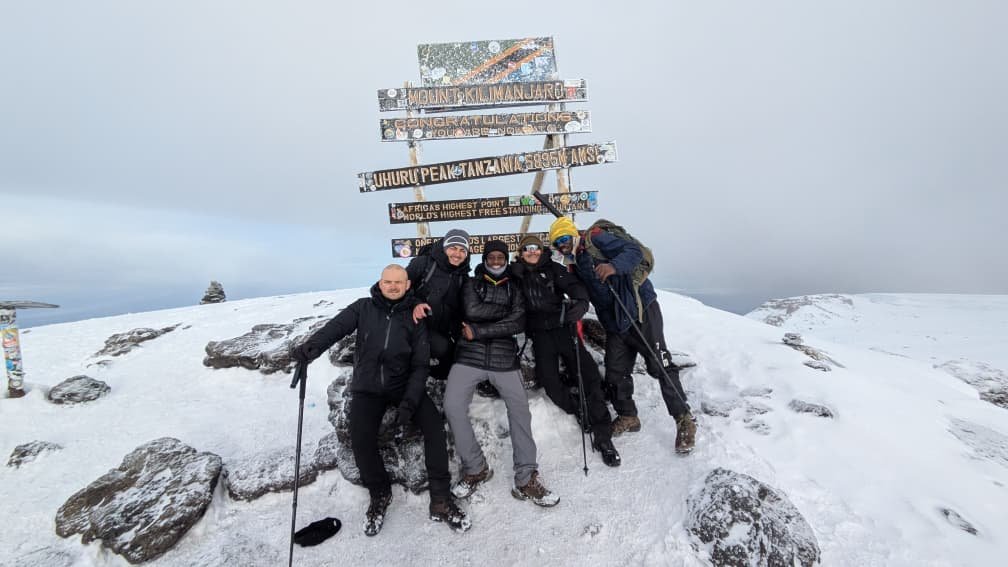
For Kilimanjaro exact-date travellers, the dream of standing on Uhuru Peak is tied to a specific moment in time. Whether you’re aiming for a particular anniversary, a milestone birthday, or simply a slot in your calendar that works perfectly for your 2026 or 2027 adventure, the key is meticulous planning and partnering with an operator who prioritizes your needs. The mountain demands respect, preparation, and the right logistical support. By understanding the routes, weather patterns, and operator capabilities, you can confidently book your climb for your chosen dates.
Climb 4 Africa specializes in turning these precise plans into successful expeditions. We offer both fixed group departures for those dates that align with our schedule and highly flexible private climb options for any date you require. Our local expertise ensures that your permits are secured, your guides are experienced, and your safety is paramount. We are dedicated to providing a transparent, ethical, and unforgettable climbing experience. To discuss your specific dates for a 2026 or 2027 Kilimanjaro climb, or to inquire about a tailor-made itinerary, please reach out to us. We’re here to help you conquer Africa’s highest peak on your terms.
Contact us to plan your exact-date Kilimanjaro climb:
- WhatsApp: +255 747 477 898
- Email: climb4africa@gmail.com
Check Availability for Kilimanjaro Exact-Date Travellers: Planning Your Climb For 2026-2027
Ready to compare dates, prices, and the best option for your group? Send the package name and travel month so the team can reply with a clear quote, availability, and what is included.
Family Kilimanjaro Climb August : Your Summer Holiday Adventure 2027
start an unforgettable Family Kilimanjaro Climb during August 2027. This guide covers the best routes, essential planning, and tips for a successful summer holiday ascent.
View package detailsKilimanjaro Climb August : Peak Season Dates And Availability Guide 2027
August marks the heart of Kilimanjaro's dry season, offering excellent climbing conditions. This guide details peak season dates, availability, and what to expect for a successful...
View package detailsFamily Kilimanjaro Climb July : Summer School Holiday Dates 2027
Planning a family adventure to the roof of Africa? Climbing Kilimanjaro during the July 2027 school holidays offers a unique opportunity for families to bond and achieve a shared goal. This...
View package details
Kilimanjaro Mid-July : Best Routes For Summer Climbers 2027
Embarking on a Kilimanjaro adventure in mid-July 2027 offers a unique window of opportunity for trekkers. This period falls within the drier, cooler season, generally providing stable...
View package detailsKilimanjaro May Private Climb: Flexible Low-Season Dates For Your Adventure
start a private Kilimanjaro climb in May 2027. This guide details the advantages of low-season dates, route options, and essential planning for your unique adventure.
View package details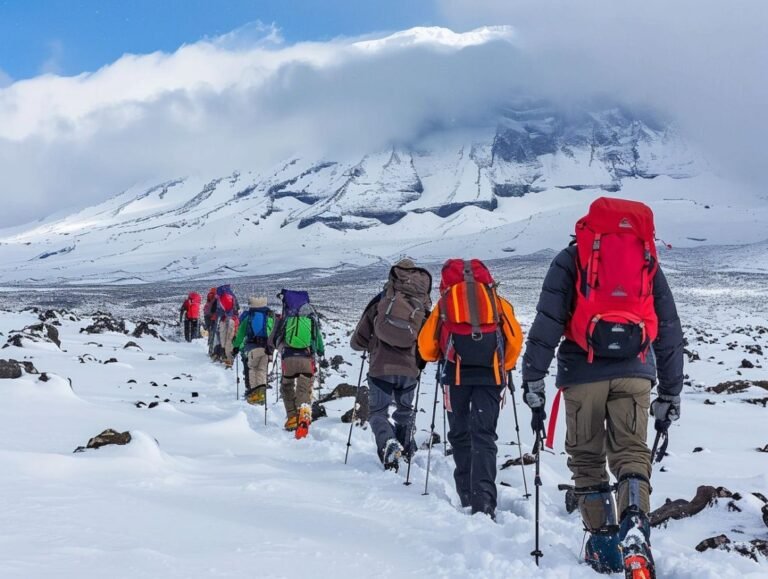
Private Kilimanjaro Climb April : Your Flexible Trekking Adventure 2027
start a personalized Kilimanjaro ascent in April 2027 with a private climb tailored for flexible travellers. Explore route options, understand the April weather, and learn how to book your...
View package details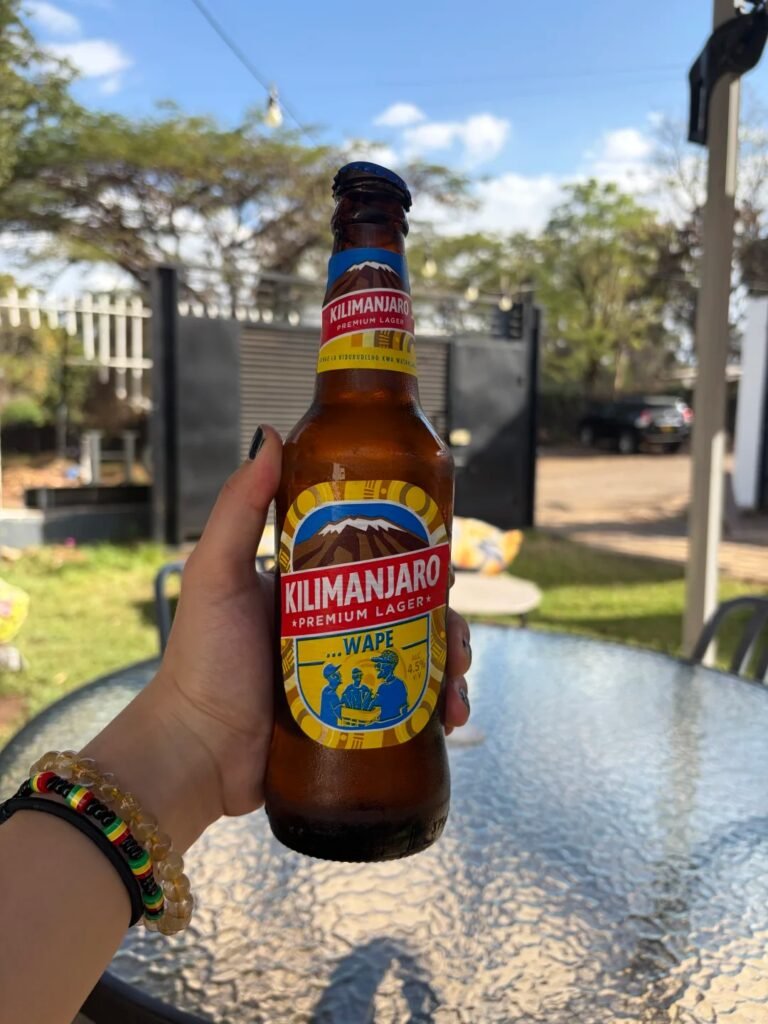
Kilimanjaro New Year Summit – December Departure Dates 2026-2027
Kilimanjaro New Year Summit 2027 – December 2026 Departure Dates is explained with current 2026-2027 planning, price, itinerary and booking information.
View package details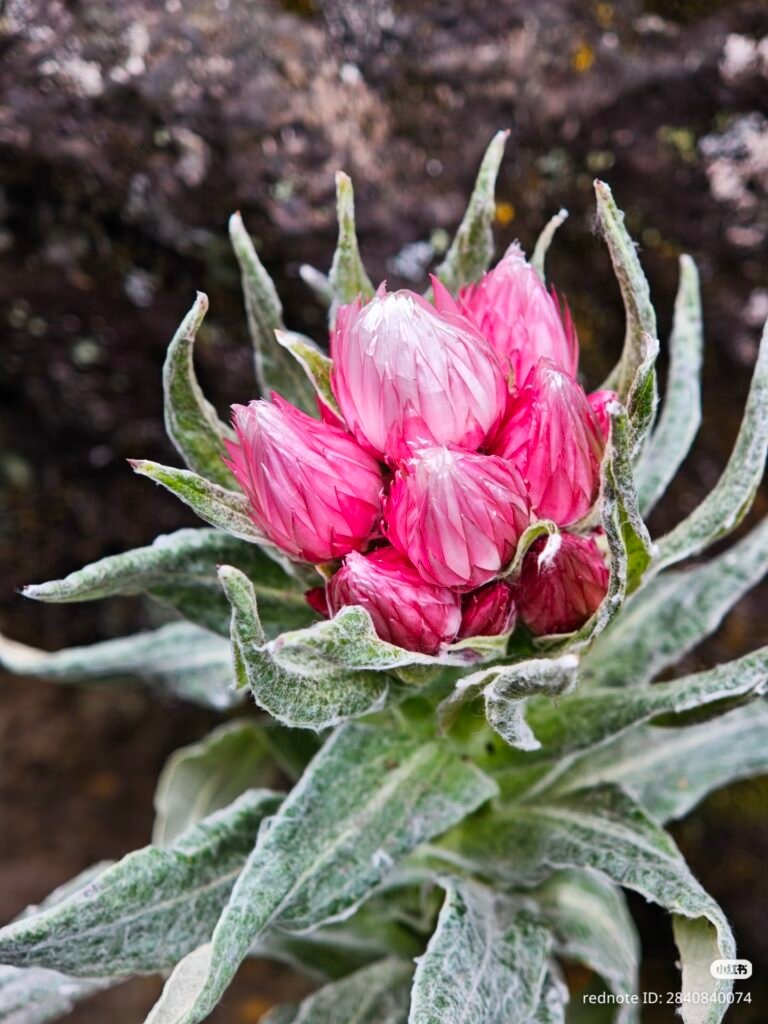
Christmas Day Summit Kilimanjaro – Which Date Should You Start? 2026-2027
Planning to summit Kilimanjaro on Christmas Day 2026? This guide helps you determine the ideal start date, considering trekking routes, weather patterns, and ensuring a memorable holiday...
View package details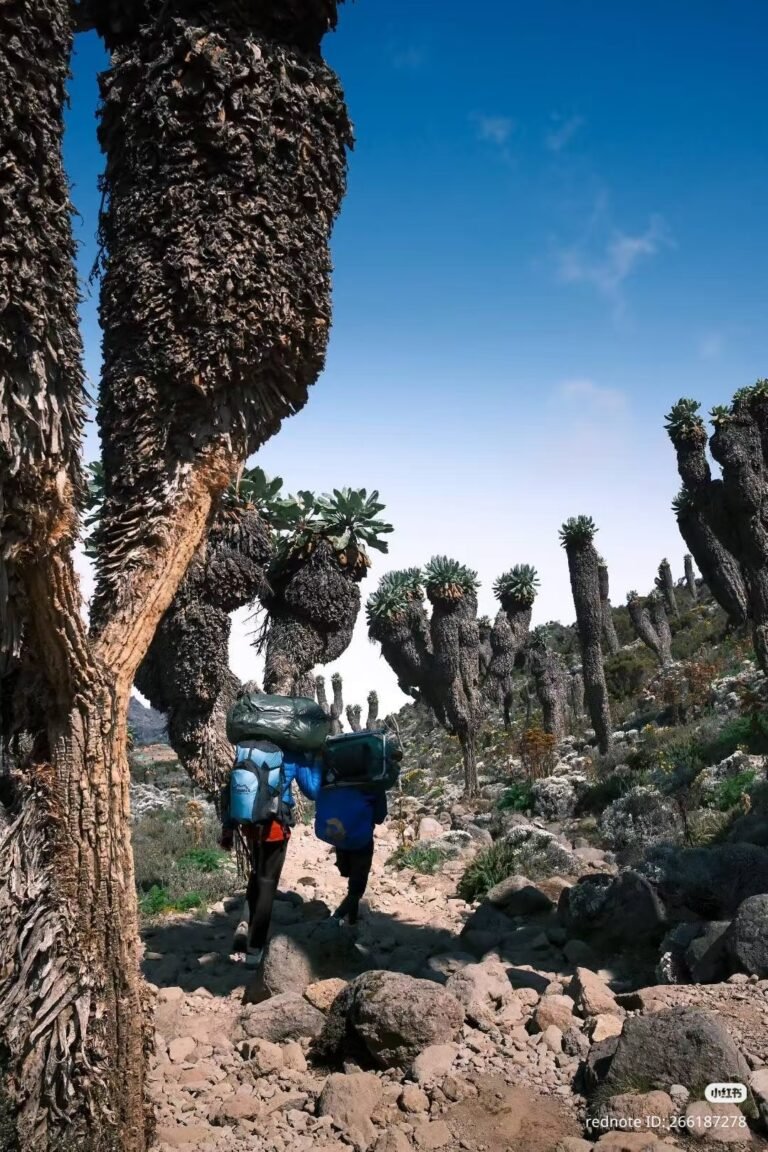
Kilimanjaro Christmas Week : Best Start Dates By Route 2026-2027
Planning a Kilimanjaro trek during the Christmas week of 2026 requires careful consideration of routes and start dates to maximize your chances of success and enjoyment. This guide helps...
View package details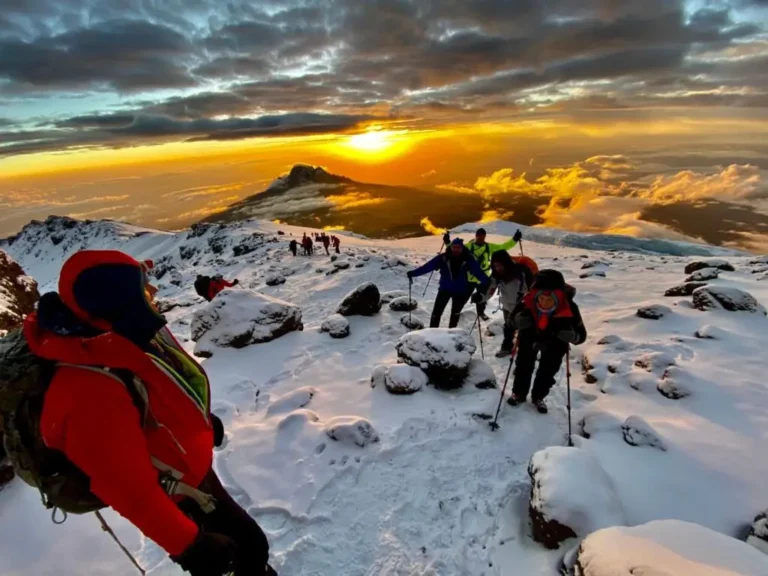
?? Kilimanjaro People Flexible On Route But Fixed On Travel Date 2026-2027
→ Kilimanjaro people flexible on route but fixed on travel date. is explained with current 2026-2027 planning, price, itinerary and booking information.
View package details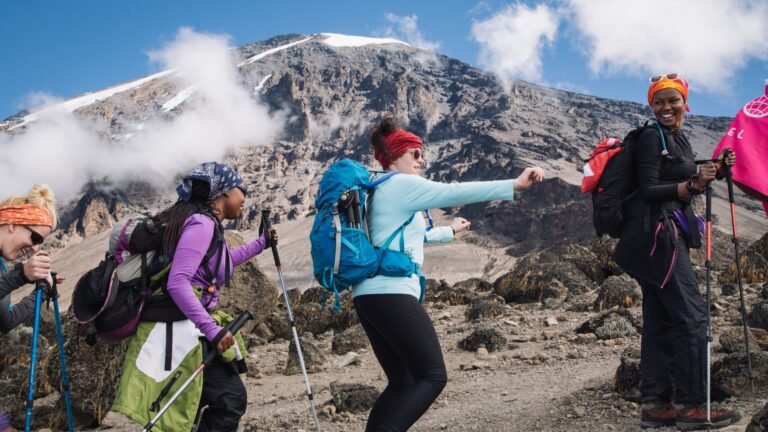
Last Minute Kilimanjaro August – Group Spaces And Availability 2027
Last Minute Kilimanjaro August 2027 – Group Spaces and Availability is explained with current 2027 planning, price, itinerary and booking information.
View package details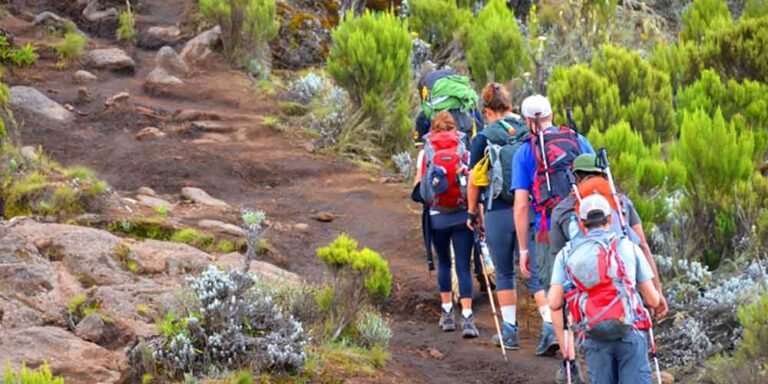
Northern Circuit – 10 July Dry-Season Expedition: Your Ultimate Kilimanjaro
Plan your Northern Circuit expedition for July 10, 2027. This dry-season adventure offers the most scenic and gradual ascent on Kilimanjaro, maximizing acclimatization and success rates.
View package detailsNo related package matches those filters. Clear one or more filters to see the other topic-matched options.



