
Opting for a Kilimanjaro shorter itinerary with group joining is a smart strategy for solo travelers or those on a budget, typically involving routes like the Marangu or Machame over 5-6 days, allowing you to share costs and climb with like-minded adventurers in 2026-2027. These expeditions focus on efficiency, providing a challenging yet achievable ascent with the camaraderie of a group, making the dream of summiting Africa’s highest peak more accessible.

<n
Understanding Shorter Kilimanjaro Routes
When people talk about a Kilimanjaro shorter itinerary, they are generally referring to treks that aim to reach Uhuru Peak in the fewest possible days. The most common durations for these efficient ascents are 5 or 6 days. It’s crucial to understand that while these itineraries are shorter, they significantly increase the physiological challenge. Kilimanjaro’s altitude is a formidable opponent, and the body needs time to acclimatize, a process that is naturally facilitated by longer routes. Shorter routes often sacrifice acclimatization days for speed, which can lead to a higher risk of altitude sickness and a lower success rate.
The primary reason for choosing a shorter itinerary is often financial. Shorter trips generally cost less, as you are paying for fewer days of guide, porter, and cook services, park fees, and accommodation. For many, especially those on a tighter budget or with limited vacation time, this makes the climb more feasible. However, it’s a trade-off between cost and comfort, and critically, between speed and success rate. For instance, a 5-day trek is significantly more demanding than a 7-day trek on the same route because it compresses the ascent profile, meaning steeper daily climbs and less time for the body to adapt to decreasing oxygen levels.
When considering a Kilimanjaro shorter itinerary group joining, you’re looking at expeditions that are specifically designed to be efficient. Tour operators often schedule group departures on these shorter routes to fill spots and lower the per-person cost. This means you’ll be joining a pre-existing group or a group that forms around your departure date. The key is to find a reputable operator who prioritizes safety even on these expedited climbs, ensuring adequate support staff and a focus on acclimatization strategies within the compressed timeframe.
It’s important to be realistic about what a shorter itinerary entails. It’s not a ‘walk in the park’ and requires a good level of physical fitness. The focus is on rapid ascent, which means pushing your limits. For travelers who have never experienced high altitude before, or who are concerned about altitude sickness, longer routes (7-9 days) are almost always recommended. However, for experienced trekkers with excellent fitness and a good understanding of altitude, a well-supported 5 or 6-day climb can be a rewarding challenge.
The Appeal of Group Joining for Kilimanjaro Climbs
The concept of group joining for Kilimanjaro treks is a cornerstone for making climbs more affordable and social. For solo travelers, it offers the immediate benefit of companionship. Trekking solo up Kilimanjaro can be a solitary experience, and joining a group means you have built-in hiking partners, shared meals, and a collective spirit to draw upon, especially during challenging moments on the mountain. This shared experience can significantly enhance the overall enjoyment of the journey.
Financially, group joining is a significant advantage. The operational costs of a Kilimanjaro climb – including guide fees, porter wages, cook salaries, park entrance fees, rescue fees, and food – are substantial. When these costs are spread across a group of, say, 8-12 people, the per-person price becomes considerably lower than if you were to book a private climb. This is particularly true for Kilimanjaro shorter itinerary group joining options, as the daily costs are already minimized by the fewer number of trekking days.
Tour operators like Climb 4 Africa actively promote group departures because they help ensure their expeditions are viable. It’s more efficient for them to manage one larger group than multiple small private groups. For travelers, this translates into more frequent departure dates and better pricing. You’ll often find schedules for group treks throughout the main climbing seasons of 2026 and 2027, providing ample opportunities to plan your adventure.
The social aspect cannot be overstated. You’ll meet people from diverse backgrounds, all with the shared goal of reaching the summit. These shared experiences forge bonds, and many trekkers form lasting friendships. The collective encouragement, shared stories around the campfire, and mutual support during the demanding summit night can turn a challenging trek into an unforgettable bonding experience. It transforms the climb from a personal challenge into a shared adventure.
When looking for group joining options, it’s important to understand what constitutes a ‘group’. Some operators may combine individuals into a group of up to 12 or even 15 trekkers. Others might have smaller, more intimate groups. The size of the group can influence the atmosphere and the level of personal attention you receive from guides. Ensure you clarify the maximum group size when inquiring about Kilimanjaro shorter itinerary group joining departures.
Popular Shorter Routes: Marangu vs. Machame
When discussing Kilimanjaro shorter itinerary group joining, two routes consistently emerge as the most popular choices: the Marangu Route and the Machame Route, typically offered in 5 or 6-day variations. While both aim for the summit, they offer distinct experiences in terms of scenery, accommodation, and acclimatization profile. Understanding these differences is key to selecting the route that best suits your preferences and physical capabilities.
The Marangu Route: “Coca-Cola” or Tourist Route
The Marangu Route is often called the “Coca-Cola” route because it’s the most accessible and straightforward, with a gentler ascent profile. It’s also the only route that offers dormitory-style accommodation in huts along the way, rather than camping. This makes it a popular choice for those who prefer more comfortable lodging or are concerned about the logistics of camping.
Duration: The standard Marangu itinerary is 5 days. There’s also a 6-day option. The 5-day version is particularly challenging due to its rapid ascent and lack of acclimatization days. Climbers ascend and descend along the same path, which means less diverse scenery compared to other routes. The 5-day Marangu climb is considered one of the most difficult routes for summit success rates because it rushes acclimatization.
Scenery: While it traverses diverse ecological zones, the ascent and descent on the same path limit the visual variety. The views from the crater rim and summit are, of course, spectacular, but the journey up is less scenic than, for example, the Machame route.
Accommodation: The unique selling point of Marangu is its permanent huts. These are basic but offer a welcome shelter from the elements and a more comfortable sleeping arrangement than tents. They are equipped with beds and mattresses, and there are communal dining areas and basic toilet facilities.
Acclimatization: This is where the 5-day Marangu route struggles. It climbs very quickly, reaching the Kibo huts at 4,700m on day 3 and the summit on day 4. This rapid ascent leaves little time for the body to adapt, leading to a higher incidence of altitude sickness and lower success rates. The 6-day Marangu option adds a crucial acclimatization day at Horombo Huts, significantly improving the chances of reaching the summit.
Group Joining Suitability: The 5-day Marangu is often chosen for its low cost and is a common option for Kilimanjaro shorter itinerary group joining departures. However, for those prioritizing success and comfort, the 6-day version is a better choice, and even then, longer routes are generally preferred for acclimatization.
The Machame Route: “Whiskey” or Popular Trek
The Machame Route, often nicknamed the “Whiskey” route, is arguably the most popular trek on Kilimanjaro. It’s known for its stunning scenery, diverse landscapes, and a more gradual ascent profile that offers better acclimatization than the 5-day Marangu. It is typically offered as a 6 or 7-day trek, but shorter 5-day versions exist, though they are highly discouraged by experienced guides.
Duration: The standard Machame itinerary is 6 or 7 days. A 5-day Machame itinerary is sometimes offered for Kilimanjaro shorter itinerary group joining, but this is a very aggressive schedule that bypasses essential acclimatization days. For a safe and successful climb, a 6-day Machame is the minimum recommended duration, with 7 days being ideal. The 6-day option is a popular compromise, balancing efficiency with a reasonable chance of success.
Scenery: Machame is renowned for its impressive views and diverse environments. You traverse rainforests, moorlands, alpine deserts, and arctic zones. The route offers panoramic vistas of the surrounding plains and clouds, with the unique experience of trekking around the southern and western sides of the mountain, including the Shira Plateau. The “climb high, sleep low” principle is well-applied on this route, aiding acclimatization.
Accommodation: Machame is a camping route. You’ll sleep in comfortable two-person tents, with separate tents for dining and toilet facilities. Porters carry all the camping gear, cooking equipment, and your personal luggage, ensuring you only need to carry a daypack.
Acclimatization: The 6-day Machame route offers a good acclimatization profile. It involves a gradual ascent, with the critical “climb high, sleep low” strategy, particularly on day 4 when you trek to Lava Tower (4,630m) before descending to sleep at Barranco Camp (3,950m). This is a key acclimatization maneuver. The 7-day option adds an extra day, further enhancing acclimatization and comfort.
Group Joining Suitability: The 6-day Machame route is a very popular choice for group departures. It offers a good balance of cost-effectiveness, stunning scenery, a higher success rate than the 5-day Marangu, and the camaraderie of a group. For many, it represents the best compromise for an efficient yet rewarding climb. If you’re looking at Kilimanjaro shorter itinerary group joining, the 6-day Machame is an excellent option to consider for 2026-2027.
Other Shorter Itinerary Considerations
While Marangu and Machame are the most common routes for shorter itineraries, other factors might influence your choice, especially when joining a group. Some operators might offer variations or alternative routes that can be condensed, though these are less standard for Kilimanjaro shorter itinerary group joining.
Lemosho and Shira Routes (Condensed): While typically 7-8 days, some operators might offer a condensed 6-day Lemosho or Shira itinerary. These routes are known for their scenic beauty and excellent acclimatization profile. However, condensing them to 6 days significantly compromises their inherent advantages, essentially turning them into a faster, steeper climb that negates much of the reason people choose them in the first place. They are generally not recommended in a condensed format, especially for group joining where the focus is often on cost efficiency.
Northern Circuit (Not Shorter): It’s important to note that routes like the Northern Circuit are specifically designed for longer durations (9-10 days) to maximize acclimatization and provide a more relaxed, scenic experience. They are not suitable for shorter itineraries.
Operator Variations: Different tour operators may have slightly different day counts or specific itineraries for their group treks. Always check the detailed daily itinerary provided by the operator to understand the trekking distances, elevation gains, and acclimatization strategy. A 5-day itinerary on one route might be structured differently from a 5-day itinerary on another, even with the same operator.
Summit Night Timing: Shorter itineraries often mean an earlier start and a more demanding summit night due to the compressed ascent. Guides will work to manage this, but it’s a factor to be aware of. The focus remains on reaching the summit safely, but the physical exertion will be high.
When comparing Kilimanjaro shorter itinerary group joining options, pay close attention to the exact route, the number of days, the daily schedule, and the operator’s safety protocols. A reputable operator will be transparent about the challenges of shorter routes and may even advise against them if they feel it compromises safety or success rates for a particular client.
Planning Your Group Joining Kilimanjaro Trek for 2026-2027
Planning a Kilimanjaro shorter itinerary group joining trek for 2026-2027 requires careful consideration of several factors. The earlier you start, the better your chances of securing a spot on your preferred departure date and route, especially if you have specific travel plans around your climb.
Departure Dates: Reputable operators, such as Climb 4 Africa, will publish their group departure dates well in advance, often for the entire year or even longer. For 2026 and 2027, you’ll find numerous group departures scheduled, particularly during the peak climbing seasons (January-March and June-October). Shorter itineraries are often scheduled more frequently to cater to demand. Check the operator’s website for the most current schedule.
Booking Window: While spontaneous trips are possible, it’s advisable to book your Kilimanjaro trek at least 3-6 months in advance, especially for popular group dates in 2026-2027. This allows time for training, obtaining necessary gear, and making travel arrangements. For peak season climbs or specific group departure dates, booking 9-12 months ahead might be necessary to secure your place.
Visa and Flights: Ensure you have your visa requirements sorted well in advance. For Tanzania, most nationalities can obtain a visa upon arrival, but checking current regulations and considering an e-visa application beforehand is wise. Book your international flights to Kilimanjaro International Airport (JRO) once your trek is confirmed. Group departures can sometimes offer flexibility if you need to adjust your arrival or departure dates slightly, but it’s best to coordinate with the tour operator.
Travel Insurance: Comprehensive travel insurance is non-negotiable. It must cover high-altitude trekking (up to 6,000m) and emergency medical evacuation. Ensure your policy details clearly state this coverage. Many standard travel insurance policies exclude high-altitude activities.
Vaccinations and Health: Consult your doctor or a travel clinic 4-6 weeks before your trip regarding recommended vaccinations (e.g., Yellow Fever, Hepatitis A, Typhoid) and malaria prophylaxis. While the higher altitudes of Kilimanjaro are malaria-free, you might be at risk in Moshi or Arusha before and after your trek.
Training and Fitness: Begin a consistent training program at least 2-3 months before your climb. Focus on cardiovascular fitness, strength training (especially for legs and core), and hiking with a weighted backpack. Shorter itineraries demand a higher level of fitness due to the compressed ascent.
Gear Checklist: Obtain a detailed gear list from your tour operator. This is crucial for any Kilimanjaro climb, but especially for shorter treks where you need to be self-sufficient and prepared for varying conditions. Don’t forget essential items like waterproof outer layers, warm layers, sturdy hiking boots, and a good sleeping bag.
By meticulously planning these aspects, you can ensure a smoother and more enjoyable experience for your Kilimanjaro shorter itinerary group joining adventure in 2026 or 2027.
What to Expect on a Group Kilimanjaro Climb
Joining a group for your Kilimanjaro shorter itinerary climb brings a unique dynamic. Understanding these aspects can help set your expectations and prepare you for the experience.
Daily Structure: Your days will typically follow a rhythm: wake up, have breakfast, hike for several hours, stop for lunch, hike more, arrive at camp/hut, have dinner, and sleep. The pace is generally dictated by the slowest member of the group, with guides ensuring no one is left behind. On shorter itineraries, the daily mileage and elevation gain can be substantial.
Pace and Acclimatization: Guides will encourage a slow and steady pace, often referred to as “pole pole” (slowly, slowly). This is paramount for acclimatization, even on shorter routes. While the route is shorter, the principle of slow ascent remains critical. You’ll be encouraged to drink plenty of water and eat well.
Social Interaction: Expect to spend a lot of time with your fellow trekkers. Mealtimes are communal, and evenings are often spent sharing stories around the mess tent or in the huts. This camaraderie is a significant part of the group experience. You’ll find a diverse mix of people united by a common goal.
Guide and Porter Support: You will be accompanied by a team of experienced guides, cooks, and porters. The guides are responsible for your safety, navigation, and acclimatization monitoring. Porters carry the bulk of the equipment, set up camp, and prepare meals. You’ll interact with them daily, and they are a vital part of your trek.
Meals: Meals provided on the mountain are surprisingly varied and nutritious, designed to provide energy. Expect breakfasts like porridge or eggs, lunches of sandwiches or pasta, and dinners such as soup, rice with stew, or chicken. While not gourmet, they are hearty and sufficient for the demands of trekking.
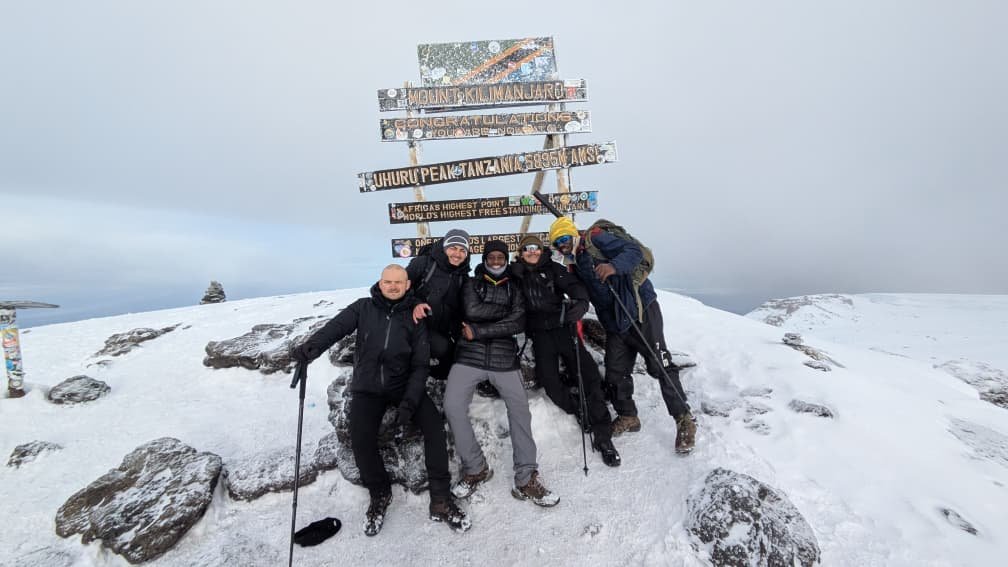
Summit Night: This is the most challenging part of the climb. Typically, you’ll start around midnight or 1 am, trekking in the dark with headlamps. The conditions can be extremely cold and windy. The pace is even slower, and the guides will be closely monitoring everyone for signs of altitude sickness. Reaching Stella Point and then Uhuru Peak is an emotional and physically demanding triumph.
Descending: The descent is often faster than the ascent, but still requires focus and careful footing, especially on scree slopes. You’ll usually descend to a lower camp on the same day you summit, or the following morning. The feeling of accomplishment upon reaching the base is immense.
Safety Protocols: Reputable operators have strict safety protocols. This includes carrying first-aid kits, oxygen cylinders, and emergency communication devices. Guides are trained in high-altitude medicine. If a climber becomes seriously ill, they will be assisted down the mountain. For Kilimanjaro shorter itinerary group joining treks, these protocols are just as critical as on longer climbs.
Cost Considerations for Group Kilimanjaro Treks
The primary driver for choosing a Kilimanjaro shorter itinerary group joining option is often cost. Understanding what influences the price and what’s typically included will help you budget effectively for your 2026-2027 adventure.
Typical Cost Range: For a 5-day or 6-day group trek on routes like Marangu or Machame, you can expect prices to range roughly from $1200 to $2000 USD per person. This is a broad estimate, and actual costs vary significantly based on the operator, the inclusions, and the specific route and duration. Shorter itineraries are generally at the lower end of the spectrum due to fewer trekking days.
What’s Usually Included:
- Park fees (entry, camping/hut, rescue)
- Qualified guides, cooks, and porters
- All meals on the mountain
- Accommodation in huts (Marangu) or tents (Machame)
- Salaries for the mountain crew
- Drinking water on the mountain
- Ground transport to and from the mountain
- Basic first-aid kit
What’s Usually Excluded:
- International flights to Kilimanjaro International Airport (JRO)
- Tanzanian visa fees
- Travel and medical insurance (mandatory)
- Tips for the guide, porters, and cook (a significant portion of the total cost for the crew)
- Personal trekking gear (boots, clothing, sleeping bag, etc.)
- Alcoholic beverages, soft drinks, and bottled water at the hotel
- Accommodation and meals in Moshi or Arusha before and after the trek
- Personal expenses (souvenirs, laundry)
- Optional hot shower services on some routes
Factors Affecting Price:
- Operator Reputation and Quality: Premium operators with higher safety standards, better crew welfare, and more experienced guides often charge more.
- Inclusions: Some operators might include items like airport transfers or a pre-trek briefing meal, which can slightly increase the price but add convenience.
- Route Duration: As discussed, shorter itineraries are cheaper than longer ones.
- Group Size: While group joining inherently lowers costs, the exact group size can sometimes influence per-person pricing if the operator has fixed costs for a certain number of crew members.
- Season: Prices might be slightly higher during peak seasons (June-October, January-March) due to higher demand.
Tipping: Tipping the mountain crew is a customary and expected part of the cost. The total amount can add several hundred dollars per climber. Reputable operators provide a tipping guide with suggested amounts for guides, assistant guides, cooks, and porters. This is a critical component of fair compensation for the crew.
When comparing prices for Kilimanjaro shorter itinerary group joining treks for 2026-2027, always look beyond the headline price and review the detailed inclusions and exclusions list. A slightly higher price might reflect better service, higher safety standards, and fairer treatment of the crew, which are invaluable when climbing Kilimanjaro.
Booking Your Kilimanjaro Group Trek
Securing your spot on a Kilimanjaro shorter itinerary group joining expedition is a straightforward process with the right operator. For those planning for 2026 or 2027, starting the booking process early is always recommended to ensure availability and to give yourself ample time for preparation.
Choosing an Operator: Select a tour operator that specializes in Kilimanjaro climbs and has a strong reputation for safety, crew welfare, and customer service. Look for companies that are transparent about their itineraries, inclusions, pricing, and safety protocols. Climb 4 Africa, for instance, is a local expert with deep knowledge of Kilimanjaro and Tanzanian travel.
Reviewing Departure Dates: Visit the operator’s website to find their schedule of group departure dates for 2026 and 2027. Many operators offer a variety of dates throughout the year, particularly on popular shorter routes like the 5-day Marangu or 6-day Machame. Some may also offer “guaranteed” departures on specific dates, meaning the trip will run regardless of how many people have booked, up to a certain minimum.
Making an Inquiry: Once you’ve identified a suitable departure date and itinerary, the next step is to inquire. You can often do this via an online form on their website, email, or by phone. When you contact Climb 4 Africa, for example, you can reach them via WhatsApp at +255 747 477 898 or email at climb4africa@gmail.com. Be prepared to ask any questions you have about the itinerary, difficulty, group size, inclusions, and preparation.
Confirmation and Deposit: After confirming your chosen trek and departure, you’ll typically be asked to pay a deposit to secure your place. This deposit amount varies but is usually between 10-30% of the total trek cost. The remaining balance will be due closer to your departure date, often 30-60 days prior.
Booking Forms and Waivers: You will likely need to complete booking forms with your personal details, passport information, and emergency contacts. You’ll also be required to sign a liability waiver and an assumption of risk form, acknowledging the inherent risks associated with high-altitude trekking.
Pre-Trek Communication: Once booked, the operator will provide you with detailed pre-trek information, including a comprehensive gear list, training advice, and information about what to expect on the mountain. They should also be available to answer any further questions you may have as your departure date approaches.
Considering a Private Group: If you have a group of friends or family who want to climb together but can’t match a scheduled group departure, many operators also facilitate private group bookings. This allows you to set your own dates, though it will likely be more expensive than joining an existing group. For Kilimanjaro shorter itinerary group joining, this is an option if you have 4 or more people.
Choosing Climb 4 Africa for your booking means you’re working with a local, experienced operator committed to providing a safe and memorable Kilimanjaro experience. They can guide you through the entire process, from selecting the best itinerary for your needs to ensuring you’re fully prepared for your climb.
Kilimanjaro Preparation for Shorter Treks
Preparing for a Kilimanjaro shorter itinerary group joining trek requires a focused approach, as these expeditions demand a higher level of physical readiness due to the compressed ascent. While the fundamental principles of preparation remain the same, the intensity and timeline might need to be adjusted.
Physical Fitness:
- Cardiovascular Endurance: This is paramount. Engage in regular aerobic activities like running, cycling, swimming, or brisk walking for at least 3-5 times a week. Aim for sessions of 45-60 minutes.
- Strength Training: Focus on leg strength (squats, lunges, calf raises) and core stability. These will help you carry your daypack, navigate uneven terrain, and endure long trekking days.
- Hiking Practice: This is the most critical element. Ideally, you should be doing regular hikes of increasing duration and elevation gain, preferably with a weighted backpack (5-10 kg). Aim for at least one long hike (4-6 hours) per week in the 2-3 months leading up to your climb. If you don’t have access to hills, find stairs or use a treadmill with an incline.
- Simulate Conditions: If possible, practice hiking in conditions similar to what you might encounter on Kilimanjaro, including cold weather and varied terrain.
Acclimatization Strategies (Mental Preparation):
- Understand that even on shorter routes, acclimatization is key. Listen to your body and communicate any symptoms of altitude sickness to your guides immediately.
- Mentally prepare for the challenges of rapid ascent. Recognize that you will be pushing your physical limits more than on a longer trek.
Gear Preparation:
- Essential Gear: Invest in good quality, broken-in hiking boots. Layers are crucial: base layers (thermal underwear), mid-layers (fleece or down jacket), and outer layers (waterproof and windproof jacket and trousers).
- Headwear and Handwear: A warm hat, gloves, and a balaclava are essential for summit night.
- Sleeping Bag: A four-season sleeping bag rated to at least -15°C (0°F) is recommended.
- Backpack: A comfortable daypack (30-40 liters) for essentials you need during the day, and a larger duffel bag (80-100 liters) for porters to carry.
- Other Essentials: Trekking poles, headlamp, sunglasses, sunscreen, lip balm, personal first-aid kit, water bottles or hydration reservoir, and high-energy snacks.
Nutrition and Hydration:
- Hydration: Aim to drink 3-5 liters of water per day, especially in the days leading up to and during the trek. Dehydration exacerbates altitude sickness.
- Nutrition: Eat a balanced diet in the weeks before your climb. Focus on carbohydrates for energy. On the mountain, eat as much as you can during meals, even if you don’t feel hungry. High-energy snacks are vital for sustained energy between meals.
Mental Preparation:
- Positive Mindset: Kilimanjaro is as much a mental challenge as a physical one. Maintain a positive attitude and focus on your goal.
- Patience: Understand that the pace will be slow (“pole pole”). Be patient with yourself and your fellow trekkers.
- Resilience: Be prepared for discomfort, cold, and fatigue. The summit night is particularly demanding.
For Kilimanjaro shorter itinerary group joining trips in 2026-2027, starting your preparation early is key. A strong physical foundation will allow you to better cope with the demands of a compressed ascent and increase your chances of a successful and enjoyable climb.
Common Misconceptions About Shorter Kilimanjaro Climbs
The allure of a Kilimanjaro shorter itinerary group joining trek is strong, often driven by perceived benefits like lower cost and less time commitment. However, this can lead to common misconceptions that might impact a climber’s preparation, expectations, and success rate. It’s vital to address these myths before booking for 2026 or 2027.
Misconception 1: Shorter itineraries are easier because they are shorter.
Reality: This is perhaps the most dangerous misconception. Shorter itineraries are generally harder and carry a higher risk of altitude sickness and lower summit success rates. They achieve their speed by compressing the ascent, meaning steeper daily climbs and less time for the body to acclimatize. Your body is being pushed harder and faster at altitude, which is physiologically more demanding.
Misconception 2: If I’m fit, I can do any shorter itinerary.
Reality: While excellent physical fitness is crucial for any Kilimanjaro climb, it doesn’t guarantee acclimatization. Altitude sickness is not solely dependent on fitness; it affects individuals differently, regardless of their athletic ability. Even highly fit individuals can suffer from altitude sickness if they ascend too quickly. Proper acclimatization is the most significant factor for success.
Misconception 3: The 5-day Marangu route is the cheapest and easiest way to the top.
Reality: The 5-day Marangu route is often one of the cheapest due to its basic accommodation and short duration. However, it is widely considered one of the least successful routes for reaching the summit due to its poor acclimatization profile. The “easiest” in terms of comfort (huts vs. tents) does not translate to easiest in terms of physiological challenge or success rate. The 6-day Marangu is a better option, and even then, routes like Machame offer better acclimatization for a slightly higher cost.
Misconception 4: Group joining means compromising on safety or quality.
Reality: This depends entirely on the operator. Reputable operators maintain high safety standards and crew welfare for both private and group treks. They employ experienced guides, carry necessary safety equipment, and follow established protocols. The main difference in group joining is sharing the cost and the experience with others. Always choose a trusted operator like Climb 4 Africa, who prioritizes safety for all their clients.
Misconception 5: I don’t need to train extensively for a 5 or 6-day climb.
Reality: The opposite is true. Because shorter itineraries are more demanding per day, extensive training is even more critical. You need to be exceptionally fit to cope with the rapid ascent and the physical exertion required.
Misconception 6: All operators offer the same experience on their shorter itineraries.
Reality: Itineraries, even for the same route and duration, can vary significantly between operators. The daily schedule, pacing, food quality, guide experience, and safety measures can differ greatly. Always scrutinize the detailed itinerary and operator credentials when choosing a Kilimanjaro shorter itinerary group joining package for 2026-2027.
Being aware of these common misconceptions will help you make informed decisions, choose the right itinerary and operator, and prepare adequately for your Kilimanjaro climb.
Why Choose Climb 4 Africa for Your Group Trek?
When planning a Kilimanjaro shorter itinerary group joining trek for 2026-2027, selecting the right tour operator is paramount. Climb 4 Africa stands out as an expert choice for several compelling reasons, rooted in their local knowledge, commitment to client experience, and dedication to safety and ethical trekking practices.
Local Expertise and Support: As a Tanzanian-based company, Climb 4 Africa possesses unparalleled local knowledge of Kilimanjaro and the surrounding region. This translates into smooth logistics, authentic cultural insights, and the ability to navigate any on-the-ground challenges with efficiency. Their team understands the mountain intimately, from optimal routes to weather patterns and crew management.
Focus on Safety: Safety is a non-negotiable priority. Climb 4 Africa employs highly experienced, certified guides who are trained in wilderness first aid and altitude sickness management. They adhere to strict safety protocols, ensuring that all necessary equipment, including oxygen and communication devices, is available. For shorter, more demanding itineraries, this robust safety framework is especially crucial.
Ethical Crew Welfare: Climb 4 Africa is committed to the fair treatment and ethical treatment of their mountain crew. They ensure porters and guides are well-paid, properly equipped, and provided with adequate food and accommodation. This not only supports the local community but also contributes to a motivated and professional trekking team, which directly benefits your climb experience.
Tailored Itineraries and Group Options: While they offer excellent standard Kilimanjaro shorter itinerary group joining departures, Climb 4 Africa also specializes in tailor-made experiences. They can help you find the perfect group trek or even customize a private trip if you have specific dates or requirements for 2026-2027. Their expertise ensures that even shorter itineraries are designed with acclimatization and success in mind, advising on the best route for your goals.
Excellent Value: Climb 4 Africa offers competitive pricing that reflects the quality of service, safety standards, and crew welfare they provide. You receive exceptional value for your investment, knowing that your trek is supporting responsible tourism practices.
Comprehensive Support: From the initial inquiry to post-trek arrangements, Climb 4 Africa provides dedicated support. Their team is readily available to answer questions, provide detailed preparation advice, and assist with any logistical needs. You can easily reach them via WhatsApp at +255 747 477 898 or email at climb4africa@gmail.com.
Proven Track Record: With years of experience leading successful climbs on Kilimanjaro, Climb 4 Africa has a proven track record of client satisfaction and safe summit achievements. Their understanding of the mountain and commitment to excellence make them an ideal partner for your Kilimanjaro adventure.
Choosing Climb 4 Africa means partnering with a company that genuinely cares about your Kilimanjaro dream, offering a blend of local expertise, unwavering safety, ethical practices, and personalized support that is hard to match, especially for those looking for efficient group treks.
“,
“faq_schema”: [
{
“question”: “What are the shortest common itineraries for climbing Kilimanjaro?”,
“answer”: “The shortest common itineraries for Kilimanjaro are typically 5 or 6 days. The 5-day Marangu Route is one of the quickest, while the 6-day Machame Route is a popular and slightly more acclimatized option. These shorter treks are often chosen for budget reasons or limited time, but they increase the physiological challenge and risk of altitude sickness due to rapid ascent.”
},
{
“question”: “Is a 5-day Kilimanjaro climb recommended for group joining?”,
“answer”: “A 5-day Kilimanjaro climb, especially on routes like Marangu, is generally not recommended by experienced operators due to its rapid ascent profile, which offers very little time for acclimatization. This leads to a significantly lower summit success rate and a higher risk of altitude sickness. While often chosen for its lower cost in group joining packages, a 6-day itinerary on routes like Machame offers a better balance of efficiency and safety for 2026-2027.”
},
{
“question”: “How much does a Kilimanjaro shorter itinerary group trek typically cost for 2026-2027?”,
“answer”: “For a 5 or 6-day Kilimanjaro group trek in 2026-2027, expect prices to range approximately from $1200 to $2000 USD per person. This cost usually includes park fees, mountain crew salaries, meals on the mountain, and basic accommodation. It typically excludes international flights, visas, travel insurance, and tips for the crew, which can add several hundred dollars.”
},
{
“question”: “What are the advantages of joining a group for a Kilimanjaro climb?”,
“answer”: “Joining a group for a Kilimanjaro climb offers several advantages, including significant cost savings by sharing operational expenses, built-in companionship for solo travelers, a social and motivational atmosphere, and more frequent departure dates. It makes the dream of climbing Kilimanjaro more accessible both financially and socially.”
},
{
“question”: “Which routes are best for shorter Kilimanjaro itineraries with group joining?”,
“answer”: “The most popular routes for shorter Kilimanjaro itineraries, especially for group joining, are the Marangu Route (typically 5-6 days) and the Machame Route (typically 6 days). The 6-day Machame Route is generally preferred for its better acclimatization profile and scenic beauty compared to the 5-day Marangu, which is known for its rapid ascent and lower success rates.”
}
]
}
“`
Check Availability for ?? Kilimanjaro Shorter Itinerary + Group Joining 2026-2027
Ready to compare dates, prices, and the best option for your group? Send the package name and travel month so the team can reply with a clear quote, availability, and what is included.
Lemosho Route – 16 January Group Joining Kilimanjaro Climb 2026-2027
This page details the Lemosho Route Kilimanjaro climb scheduled for January 16, 2027. It's an 8-day group joining departure, ideal for trekkers seeking a balance of scenic beauty, excellent...
View package details
?? Kilimanjaro Early December, Group Joining, Acclimatization 2026-2027
→ Kilimanjaro early December, group joining, acclimatization. is explained with current 2026-2027 planning, price, itinerary and booking information.
View package details
Last Minute Kilimanjaro August – Group Spaces And Availability 2027
Last Minute Kilimanjaro August 2027 – Group Spaces and Availability is explained with current 2027 planning, price, itinerary and booking information.
View package details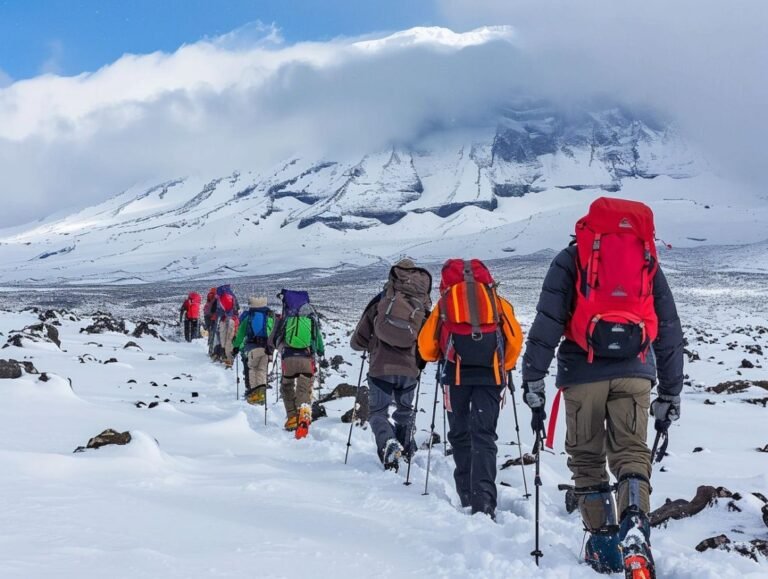
Kilimanjaro Climb July – Peak Dry-Season Group Departures 2027
Kilimanjaro Climb July 2027 – Peak Dry-Season Group Departures is explained with current 2027 planning, price, itinerary and booking information.
View package details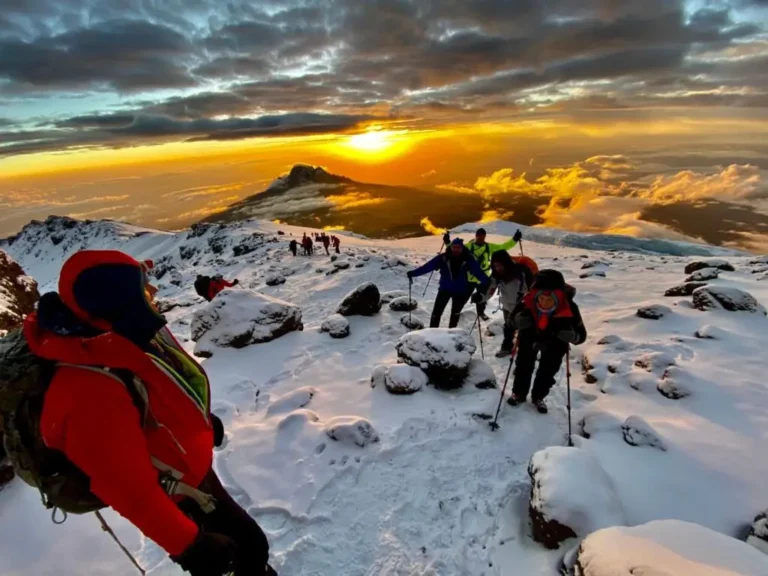
Marangu Route – 26 June Kilimanjaro Group Climb 2027
Marangu Route – 26 June 2027 Kilimanjaro Group Climb is explained with current 2027 planning, price, itinerary and booking information.
View package details7 Day Machame Route – 19 June Kilimanjaro Group Departure 2027
Planning to climb Kilimanjaro on the Machame Route in a group setting? This 7-day departure on June 19, 2027, offers a balanced approach to acclimatization and scenery. Learn what to...
View package detailsLemosho Route – 7 August Summer Group Climb: Your Kilimanjaro Adventure 2027
start a memorable Lemosho Route – 7 August 2027 Summer Group Climb up Mount Kilimanjaro. This guide covers the itinerary, acclimatization, and preparation for your ascent.
View package detailsSolo Traveller Kilimanjaro August – Join A Peak-Season Group 2027
Solo Traveller Kilimanjaro August 2027 – Join a Peak-Season Group is explained with current 2027 planning, price, itinerary and booking information.
View package detailsLemosho Route – 28 August Kilimanjaro Group Climb 2027
Lemosho Route – 28 August 2027 Kilimanjaro Group Climb is explained with current 2027 planning, price, itinerary and booking information.
View package detailsKilimanjaro 21 August – Late Group Departure 2027
Kilimanjaro 21 August 2027 – Late August Group Departure is explained with current 2027 planning, price, itinerary and booking information.
View package detailsLemosho Route – 12 August Kilimanjaro Group Climb With 4 Africa 2027
A detailed guide to the Lemosho Route Kilimanjaro climb for the 12 August 2027 group departure, covering itinerary, acclimatization, challenges, and what to expect with Climb 4 Africa.
View package details7 Day Machame Route – 3 August Group Departure For Kilimanjaro 2027
Secure your spot on the 7 Day Machame Route Kilimanjaro group trek departing on August 3, 2027. This popular route offers a fantastic balance of scenic beauty and acclimatization for a...
View package detailsNo related package matches those filters. Clear one or more filters to see the other topic-matched options.



