
Climbing Kilimanjaro in early December is an excellent choice, often coinciding with the start of the short rainy season, which usually brings clearer skies and fewer crowds than the peak dry seasons. Joining a group trek is a popular and cost-effective way to tackle the mountain, especially for solo travelers or those seeking camaraderie. Successful acclimatization is paramount, and choosing a longer route like Lemosho or Machame over 7 or 8 days significantly increases your chances of reaching Uhuru Peak. For 2026-2027, consider booking your group departure well in advance to secure your spot, as early December is a desirable time to climb.
Why Early December for Kilimanjaro?
Opting for an early December Kilimanjaro climb places you in a transitional period, offering a unique blend of favorable conditions that appeal to many trekkers. While not the absolute driest season, early December often marks the beginning of the short rains, which typically manifest as brief afternoon showers rather than persistent downpours. This can lead to surprisingly clear mornings and evenings, with a lush, green landscape. The key advantage for many is the reduced number of trekkers compared to the peak dry seasons of January-February and June-September. This means a more serene experience on the mountain, with less competition for campsites and a greater sense of solitude.
Weather Patterns in Early December
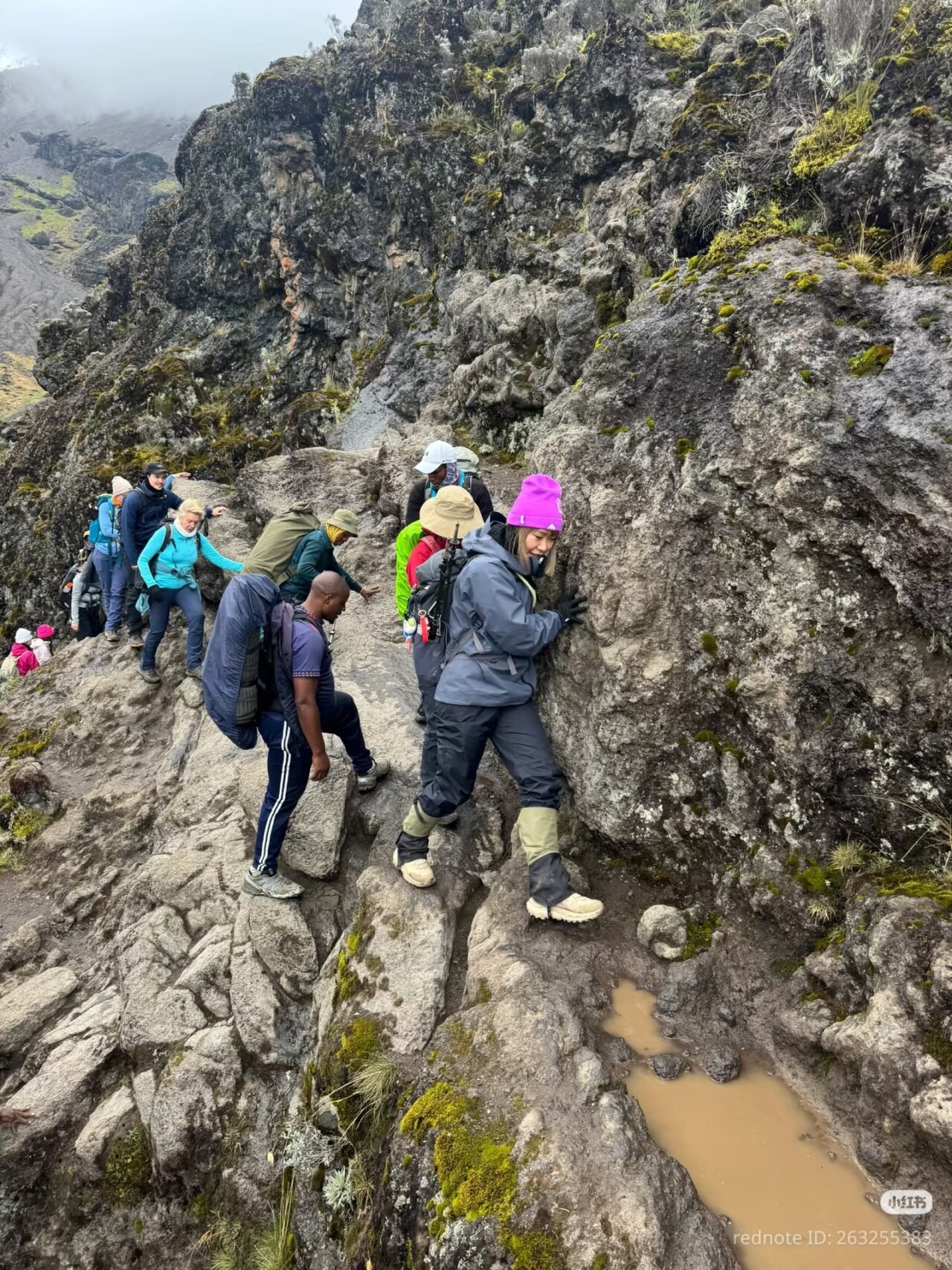
The weather on Kilimanjaro is dictated by altitude and season. In early December, you can expect a mix. The lower slopes might still be experiencing warmer temperatures, while the higher reaches will be cold, with potential for frost and even snow on the summit. The short rains, if they arrive, typically mean increased cloud cover, especially in the afternoons, and higher humidity. However, these showers are often short-lived, clearing the air and leaving behind stunning vistas. Mornings and nights tend to be clearer and colder. Temperatures can range significantly, from mild and pleasant in the rainforest zone to well below freezing on the alpine desert and arctic summit zone. Packing layers is absolutely essential to adapt to these fluctuating conditions.
Crowd Levels and Atmosphere
Compared to the peak seasons, early December generally sees fewer climbers. This translates to a more intimate experience on the trails. You’re less likely to feel like you’re part of a conga line, especially on popular routes. Campsites will be less crowded, allowing for a more peaceful atmosphere and better opportunities to connect with nature and your fellow trekkers. The holiday spirit might also start to permeate, especially as you approach mid-December, adding a festive element to the journey. This period offers a good balance: fewer crowds, potentially good weather, and a unique pre-holiday atmosphere.
Advantages of Group Joining Treks
For many, especially solo travelers or those on a budget, joining a group trek is the most sensible approach. It significantly reduces the per-person cost of the expedition, as fixed costs like park fees, permits, and guide salaries are shared among more people. Beyond the financial aspect, group treks offer invaluable social benefits. You’ll share the experience with like-minded individuals from around the world, fostering a sense of camaraderie and mutual support that can be incredibly motivating during challenging moments. The shared experience of reaching the summit together is a powerful bonding agent. Furthermore, group departures are often scheduled with specific dates in mind, making planning easier. For example, operators like Climb 4 Africa frequently have scheduled group departures throughout the year, including the early December window, simplifying the logistics of finding a suitable climb.
Choosing the Right Route for December and Group Treks
Selecting the right route is perhaps the most critical decision you’ll make when planning your Kilimanjaro climb, especially when considering group departures and the specific conditions of early December. The route dictates not only the scenery and difficulty but, crucially, the acclimatization profile. For group joining treks, operators typically offer a selection of the most popular routes, balancing accessibility with success rates.
Route Length and Acclimatization
The single most significant factor influencing your success on Kilimanjaro is acclimatization. This is the process by which your body adapts to the lower oxygen levels at higher altitudes. Longer routes, which spend more days ascending gradually, offer superior acclimatization profiles. This “climb high, sleep low” strategy is key. For early December, when weather can be variable, a route that allows for ample acclimatization is even more important. Shorter routes (like 5 or 6 days) are generally not recommended for most climbers due to their rapid ascent and lower success rates.
Popular Group Joining Routes
Several routes are commonly offered as group departures, each with its own characteristics. The best choice for early December depends on your priorities, fitness, and desire for acclimatization.
The Lemosho Route (7-8 Days)
Often considered one of the most scenic routes, Lemosho offers excellent acclimatization due to its longer duration. It starts on the western side of the mountain, offering a remote and beautiful initial ascent through pristine forests. It then merges with the Machame route. The 7-day option is quite good, but the 8-day Lemosho route is highly recommended for its superior acclimatization profile, significantly increasing summit success rates. This route is a favorite for group departures aiming for a balance of scenery, challenge, and success. For instance, Climb 4 Africa offers 8-day Lemosho group joining departures around December 5th, 2026-2027, providing a solid timeframe for acclimatization.
The Machame Route (7 Days)
Known as the “Whiskey Route” by guides, Machame is the most popular route and is frequently offered as a group joining option. It also starts on the western side and offers a challenging yet rewarding climb with good acclimatization, especially on its 7-day iteration. It has a higher success rate than shorter routes due to its gradual ascent and “climb high, sleep low” opportunities. The scenery is varied and spectacular. For those looking to climb in early December, a 7-day Machame group departure starting December 1st, 2026 is a fantastic option, providing a good balance of acclimatization and a challenging trek.
The Rongai Route (7 Days)
Rongai approaches Kilimanjaro from the north, near the Kenyan border. It’s generally considered a drier route, which can be an advantage in early December if the short rains are more pronounced. It offers a different perspective, starting in drier savannah landscapes before entering the forest zone. While it can be done in 6 days, the 7-day Rongai route is preferable for acclimatization. It’s a less crowded option compared to Machame and Lemosho, making it attractive for those seeking a slightly less busy trail. Finding specific early December group departures for Rongai might require more targeted searching, but operators often schedule them.
Marangu Route Considerations (5-6 Days)
The Marangu route, often called the “Coca-Cola Route,” is the oldest and most direct. It’s the only route where climbers sleep in huts rather than tents, which can be a draw for those seeking more comfort. However, it is also the fastest route, typically completed in 5 or 6 days. This rapid ascent means it has the lowest success rate due to poor acclimatization. While group departures are common for Marangu, it is generally not recommended for those prioritizing success and a comfortable acclimatization process. If you are considering Marangu in early December, opt for the 6-day itinerary at minimum, but be aware of the significantly lower summit success rates compared to Lemosho or Machame.
Trade-offs in Route Selection
When choosing a route for an early December group climb, consider these trade-offs:
- Scenery vs. Speed: Lemosho and Machame offer more diverse and dramatic scenery but are longer. Marangu is less scenic but quicker.
- Acclimatization vs. Cost: Longer routes (7-8 days) offer better acclimatization and higher success rates but are generally more expensive than shorter (5-6 day) routes.
- Crowds vs. Solitude: Machame is the busiest; Lemosho and Rongai tend to be less crowded. Marangu can also be busy due to its accessibility.
- Weather Exposure: Rongai’s northern approach might offer slightly better protection from early rains compared to the western routes, though this is not guaranteed.
For early December group joining, the 7-day Machame or 8-day Lemosho routes stand out as the best compromises, offering good acclimatization, scenic beauty, and readily available group departures. For example, a 7-day Machame group starting December 21st, 2026 could be an ideal holiday trek.
Acclimatization Strategies for December Climbs
Acclimatization is not just about choosing a longer route; it’s an active process that requires mindfulness and adherence to specific principles. This is crucial for any Kilimanjaro climb, but particularly important when dealing with the potential for variable weather in early December.
The “Pole Pole” Principle: Slow and Steady Wins the Race
The Swahili phrase “pole pole” means “slowly, slowly.” This is the mantra of Kilimanjaro climbers and guides. Ascending at a slow, steady pace is fundamental to allowing your body to adapt to the decreasing oxygen levels. Rushing the climb, even by a few hours, can lead to altitude sickness. Your guides will constantly remind you of this. Listen to your body, take frequent short breaks, and maintain a consistent, unhurried rhythm. This applies even more so on group treks where there might be a temptation to keep up with faster individuals.
Hydration and Nutrition at Altitude
Dehydration is a significant contributor to altitude sickness. Aim to drink at least 3-4 liters of fluid per day. This includes water, herbal teas, and electrolyte-rich drinks. Avoid alcohol and excessive caffeine, as they can contribute to dehydration. Eating well is also vital. Your body needs fuel to cope with the demands of climbing and the stress of altitude. Even if your appetite decreases at higher elevations, try to consume carbohydrate-rich foods, which are easier to digest and provide energy. Trekking snacks like nuts, dried fruit, and energy bars are excellent for sustained energy.
Recognizing and Managing Altitude Sickness
Altitude sickness (Acute Mountain Sickness or AMS) can affect anyone, regardless of fitness level. Symptoms include headache, nausea, dizziness, fatigue, and shortness of breath. Mild symptoms can often be managed by descending slightly, resting, and increasing fluid intake. However, if symptoms worsen or if more severe conditions like High Altitude Cerebral Edema (HACE) or High Altitude Pulmonary Edema (HAPE) are suspected, immediate descent is critical. Your guides are trained to recognize these symptoms and will make critical decisions for your safety. It’s important to communicate any discomfort you feel openly and honestly with your guide. Don’t try to “tough it out.” For group climbs, open communication ensures the well-being of the entire team.
The Crucial Importance of Longer Routes
As mentioned, longer routes like the 7-day Machame or 8-day Lemosho are specifically designed to facilitate better acclimatization. They incorporate more gradual ascents and often include days where you trek to a higher altitude and then descend to sleep at a lower camp. This “climb high, sleep low” strategy is the most effective way to help your body adjust. For example, on an 8-day Lemosho trek, you might reach Lava Tower (around 4,600m) and then descend to Barranco Camp (around 3,900m) to sleep. This significantly aids acclimatization compared to routes that ascend directly to higher camps without this descent. Given the potential for variable weather in early December, prioritizing a route that maximizes acclimatization is a wise investment in your summit success.
Logistics of Group Joining in Early December
Successfully joining a group trek in early December involves careful planning and understanding the typical logistics involved. This ensures you arrive prepared and ready for the adventure.
Finding and Booking a Group
The first step is to identify tour operators who offer Kilimanjaro group joining departures for early December. Websites like Climb 4 Africa list their December group dates and pricing, making it easier to find suitable options. When selecting a group, consider the following:
- Departure Dates: Ensure the dates align with your travel plans. Early December offers many options, from the first week onwards.
- Route Offered: As discussed, longer routes are preferable.
- Operator Reputation: Look for operators with a strong safety record, experienced guides, and positive reviews regarding crew welfare and ethical practices.
- Inclusions/Exclusions: Understand exactly what is covered in the package price.
Booking in advance is highly recommended, especially for popular dates or if you have specific route preferences. For 2026-2027 departures, booking at least 6-12 months ahead is advisable to secure your spot on desired group dates. For example, finding a 5 December 2026 Kilimanjaro group climb on the Lemosho route would require early booking.
Pre-Trek Preparation in Moshi
Most Kilimanjaro treks begin and end in Moshi, a town at the foothills of the mountain. Your tour operator will typically arrange your accommodation in Moshi for the night before the trek begins and the night after you descend. It’s common to have a pre-trek briefing with your guide and the support team the evening before you depart for the mountain. This briefing is crucial for reviewing the itinerary, discussing safety procedures, checking your gear, and answering any last-minute questions. It’s also an opportunity to meet your fellow trekkers and build team spirit. You’ll also have a chance to rent any necessary gear you haven’t brought yourself, such as sleeping bags or trekking poles, at your hotel or a designated shop.
What Your Group Climb Typically Includes
While specifics vary between operators, most Kilimanjaro group treks with reputable companies like Climb 4 Africa will include:
- Park entrance fees, camping fees, and rescue fees.
- All meals on the mountain (breakfast, lunch, dinner).
- Tents, sleeping mats, and cooking equipment.
- Experienced, licensed mountain guides, assistant guides, and porters.
- Porters to carry group equipment and your duffel bag (typically up to 15kg).
- Bottled drinking water (often purified or boiled).
- Ground transportation to and from the mountain gate.
- Accommodation in Moshi before and after the trek.
- A pre-trek briefing.
It’s essential to confirm these inclusions when comparing operators. Some may exclude items like tips for the crew, personal gear, or airport transfers.
What to Pack for December Conditions
Packing appropriately for early December is vital. You’ll experience a wide range of temperatures and weather conditions. Layering is key:
- Base Layers: Moisture-wicking thermal tops and bottoms.
- Mid Layers: Fleece jacket or down vest for insulation.
- Outer Layer: Waterproof and windproof jacket and trousers (Gore-Tex or similar).
- Insulation: A warm, insulated down jacket for summit night and cold evenings.
- Footwear: Broken-in, waterproof hiking boots are non-negotiable. Bring warm, wool socks.
- Headwear: Warm hat (beanie) and a sun hat with a brim. A balaclava or neck gaiter is essential for summit night.
- Gloves: Warm, waterproof gloves and thinner liner gloves.
- Sleeping Bag: A 4-season sleeping bag rated to at least -15°C (0°F) is recommended.
- Other Essentials: Headlamp with extra batteries, sunglasses, sunscreen, lip balm, reusable water bottles or hydration reservoir, personal first-aid kit, toiletries, and a comfortable duffel bag for porters.
Refer to your tour operator’s detailed packing list. For early December, ensure your waterproof gear is in good condition, and consider a slightly warmer sleeping bag due to potential cold nights.
Preparing for the Summit Push and Descent
The final push to the summit and the subsequent descent are the most demanding parts of the trek. Proper preparation and understanding what to expect are crucial for a safe and successful conclusion to your Kilimanjaro adventure.
The Summit Night Strategy
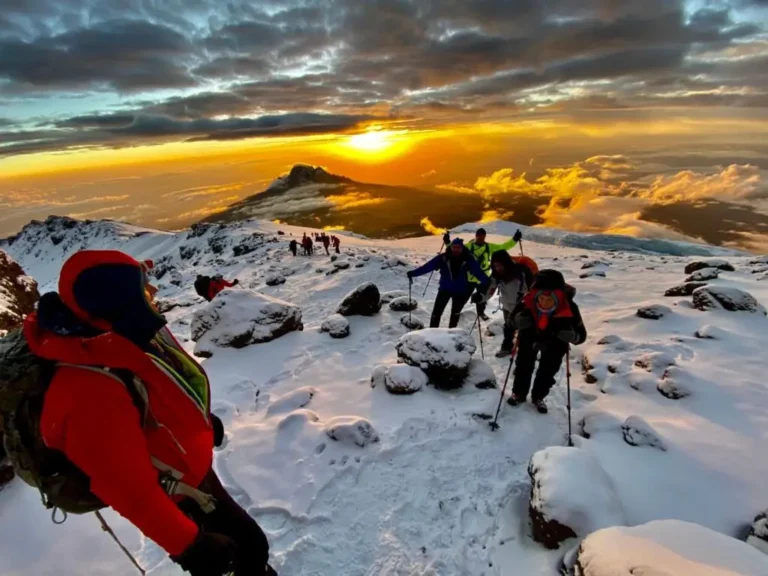
Summit night typically begins around midnight from the last camp (often Barafu Camp or Kibo Huts). It’s a physically and mentally grueling ascent in the dark, cold, and at high altitude. Your guides will wake you, provide a warm drink and a light snack, and ensure you have all necessary gear. The pace will be extremely slow (“pole pole”). The goal is to reach Stella Point on the crater rim by sunrise, and then continue the final push to Uhuru Peak (5,895m). Key strategies include:
- Rest and Sleep: Try to get as much sleep as possible in the hours before summit night.
- Warmth: Layer up significantly. The temperature can drop to -15°C to -20°C (5°F to -4°F) with wind chill.
- Hydration: Sip water frequently, even if you don’t feel thirsty.
- Pacing: Maintain the slow, steady pace. Focus on one step at a time.
- Mental Fortitude: It’s a mental battle as much as a physical one. Stay positive and focused.
Your guides will monitor you closely and make the final decision about whether it’s safe to continue to the summit, prioritizing your health and safety above all else.
Descent Considerations
The descent is often underestimated. While it’s physically easier on the lungs, it can be hard on the knees and joints. The scree slopes can be slippery, especially on routes like Machame. Your guides will assist you, but sturdy hiking boots with good ankle support are essential. Many climbers experience fatigue on the descent, so maintaining focus is important. The journey down from the crater rim to the base camp is long and can take 6-8 hours or more. The subsequent descent to the park gate on the final day is shorter but still requires energy and attention. Most groups celebrate their achievement with a hearty meal at the last camp before descending to the park gate.
Post-Trek Celebrations and Safaris
Upon successful completion of your climb, you’ll descend to the park gate, where you’ll be met by your driver and transferred back to your hotel in Moshi. This is a time for celebration, rest, and recounting your incredible journey. Many travelers extend their trip with a Tanzanian safari or a visit to Zanzibar. Combining a Kilimanjaro climb with a safari is a classic Tanzanian experience, offering a chance to see incredible wildlife in parks like the Serengeti and Ngorongoro Crater. For those looking to travel solo after their climb, operators like Climb 4 Africa can help you join a safari group, making it convenient and enjoyable.
Planning for 2026-2027 Group Climbs
To ensure a smooth and successful Kilimanjaro climb in early December of 2026 or 2027, proactive planning is key. The mountain is a popular destination, and securing your preferred departure date and route requires foresight.
Booking Windows and Availability
Early December is a desirable time to climb, often attracting individuals looking for a pre-holiday adventure or those who prefer fewer crowds than the peak dry seasons. Consequently, group departure spots can fill up quickly. For 2026 and 2027 departures, it’s advisable to book at least 6 to 12 months in advance. This lead time allows you to secure your place on a specific group date, such as a 5-day Marangu group departing on December 10th, or a longer, more recommended route. Last-minute availability is rare for popular group dates, though sometimes cancellations occur. Operators often publish their group departure calendars for the upcoming years well in advance, allowing you to plan accordingly.
Choosing a Reputable Operator
Your choice of tour operator significantly impacts your safety, comfort, and overall experience. When looking for a group joining trek for early December 2026-2027, prioritize operators who:
- Focus on Safety: Employ experienced, certified guides trained in wilderness first aid and altitude sickness management. Ensure they have robust emergency protocols.
- Prioritize Crew Welfare: Ethical treatment and fair wages for guides, porters, and cooks are paramount. Reputable operators often pay their staff well and provide adequate equipment and food.
- Offer Longer Routes: They should strongly recommend and offer 7 or 8-day itineraries for better acclimatization and success rates.
- Provide Clear Inclusions: Transparency in what is included in the price (park fees, meals, accommodation, crew support) is crucial.
- Have Good Communication: They should be responsive to your inquiries and provide comprehensive pre-departure information.
Climb 4 Africa, as a local Tanzanian operator, offers deep knowledge of Kilimanjaro and is committed to safety and ethical practices. For any questions regarding group departures in early December 2026-2027, or to discuss your specific needs for a climb, reaching out directly is the best approach. You can connect with their team via WhatsApp at +255 747 477 898 or send an email to climb4africa@gmail.com. They can help you find suitable group joining options and tailor your Kilimanjaro experience.
“,
“faq_schema”: []
}
“`
Check Availability for ?? Kilimanjaro Early December, Group Joining, Acclimatization 2026-2027
Ready to compare dates, prices, and the best option for your group? Send the package name and travel month so the team can reply with a clear quote, availability, and what is included.
Kilimanjaro 1 March – Early Group Trek 2027
Kilimanjaro 1 March 2027 – Early March Group Trek is explained with current 2027 planning, price, itinerary and booking information.
View package details
Marangu Route 28 December : Your New Year Kilimanjaro Group Trek 2026-2027
Plan your New Year's Eve ascent of Kilimanjaro by joining a Marangu Route group trek departing on December 28, 2026. This guide covers route specifics, what to expect, and essential...
View package details
Kilimanjaro 12 December – Weekend Group Climb Availability 2026-2027
Planning a Kilimanjaro trek for December 12, 2026? This guide focuses on a weekend group climb, detailing route options, essential preparation, and how to secure your spot for this specific...
View package details
7 Day Machame Route – 7 December Group Departure | Your Kilimanjaro Climb
Plan your Kilimanjaro ascent on the popular 7-day Machame Route with a group departure on December 7, 2026. This guide covers the trek's highlights, challenges, and what to expect when...
View package details
8 Day Lemosho Route – 5 December Kilimanjaro Group Climb 2026
Plan your 8-day Lemosho Route Kilimanjaro group climb for December 5, 2026. Discover why Lemosho is a top choice for success rates and scenery, with practical advice from Climb 4 Africa.
View package detailsKilimanjaro 5 June : Your Early Dry-Season Group Departure Adventure 2027
Planning a Kilimanjaro climb for June 2027? This departure on June 5th offers a prime opportunity to tackle Africa's highest peak at the beginning of the dry season. Discover why this...
View package details
Kilimanjaro 22 May : Your Late-Rainy-Season Group Trek 2027
Planning a Kilimanjaro trek for May 22, 2027? This late-rainy-season group departure offers a different perspective on Africa's highest peak, often with fewer crowds and lush landscapes...
View package details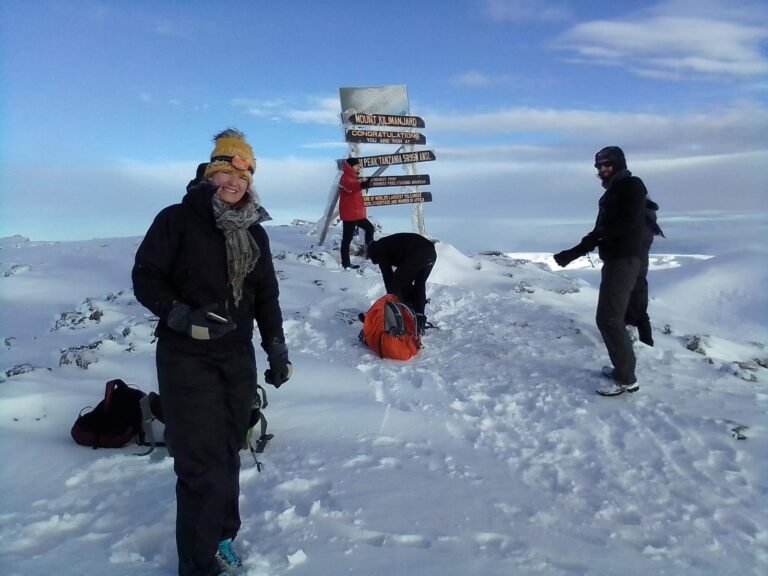
Kilimanjaro 8 May : Experience A Low-Crowd Group Trek 2027
Discover the unique advantages of joining a low-crowd group trek on Kilimanjaro on May 8, 2027. This departure offers a more intimate climbing experience, focusing on safety...
View package detailsKilimanjaro 17 April – Small Group Rainy-Season Adventure With Climb 4 Africa
start a unique Kilimanjaro climb on April 17, 2027, as part of a small group during the rainy season. This adventure offers a different perspective of the mountain, with fewer crowds and...
View package detailsKilimanjaro 3 April – Low-Season Group Departure 2027
Kilimanjaro 3 April 2027 – Low-Season Group Departure is explained with current 2027 planning, price, itinerary and booking information.
View package details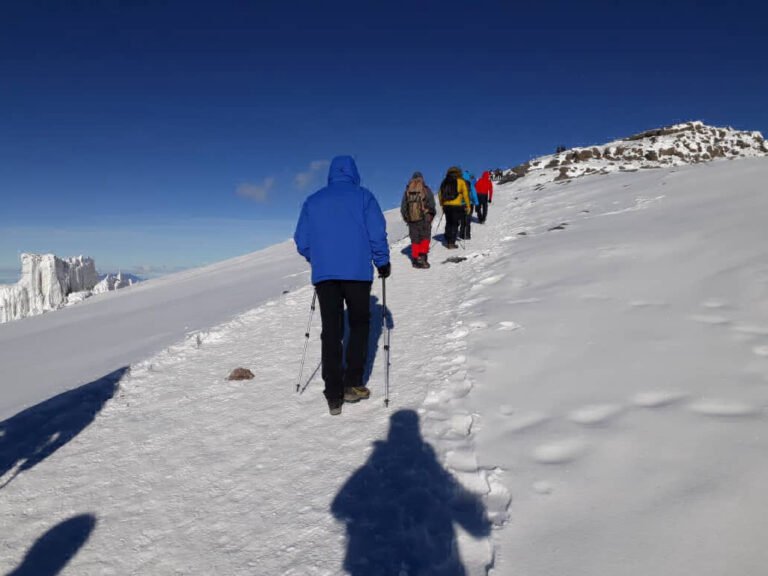
Lemosho Route – 16 January Group Joining Kilimanjaro Climb 2026-2027
This page details the Lemosho Route Kilimanjaro climb scheduled for January 16, 2027. It's an 8-day group joining departure, ideal for trekkers seeking a balance of scenic beauty, excellent...
View package details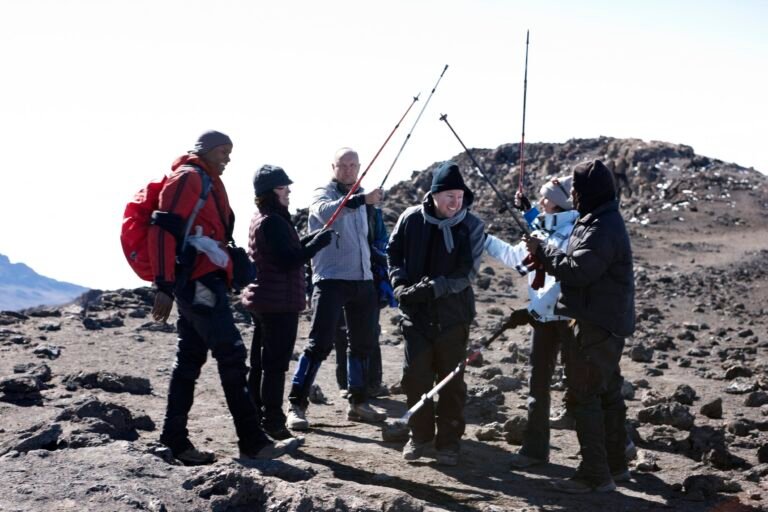
Kilimanjaro 26 November : Thanksgiving Week Group Trek 2026-2027
Plan your Kilimanjaro climb for the unique 26 November 2026 departure, coinciding with Thanksgiving week. This group trek offers a special opportunity to summit Africa's highest peak while...
View package detailsNo related package matches those filters. Clear one or more filters to see the other topic-matched options.



