
Combining a Kilimanjaro trek with a Tanzanian safari offers an unparalleled African adventure, allowing you to conquer Africa’s highest peak and then witness its iconic wildlife. For 2026-2027, planning this dual experience involves selecting the right Kilimanjaro route (like Machame or Lemosho for higher success rates) and then choosing a safari circuit (Serengeti, Ngorongoro Crater, Tarangire) based on your interests and available time, typically requiring 10-14 days for a balanced trip.
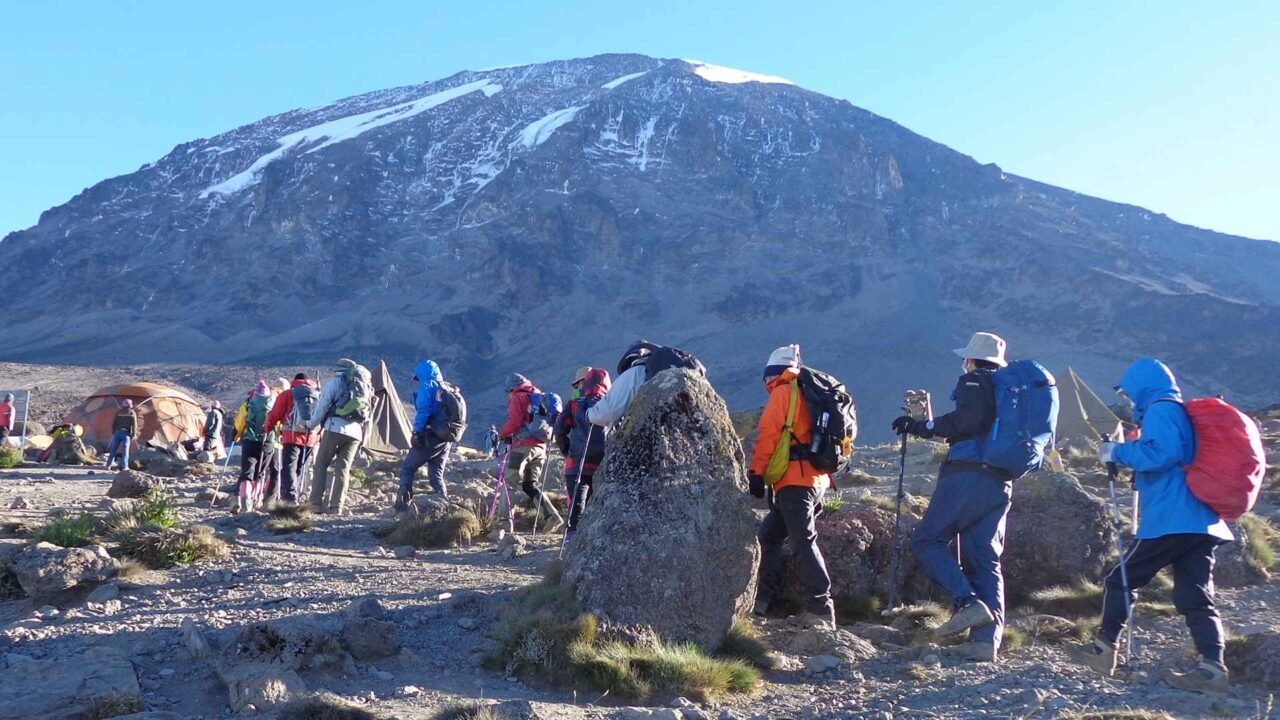
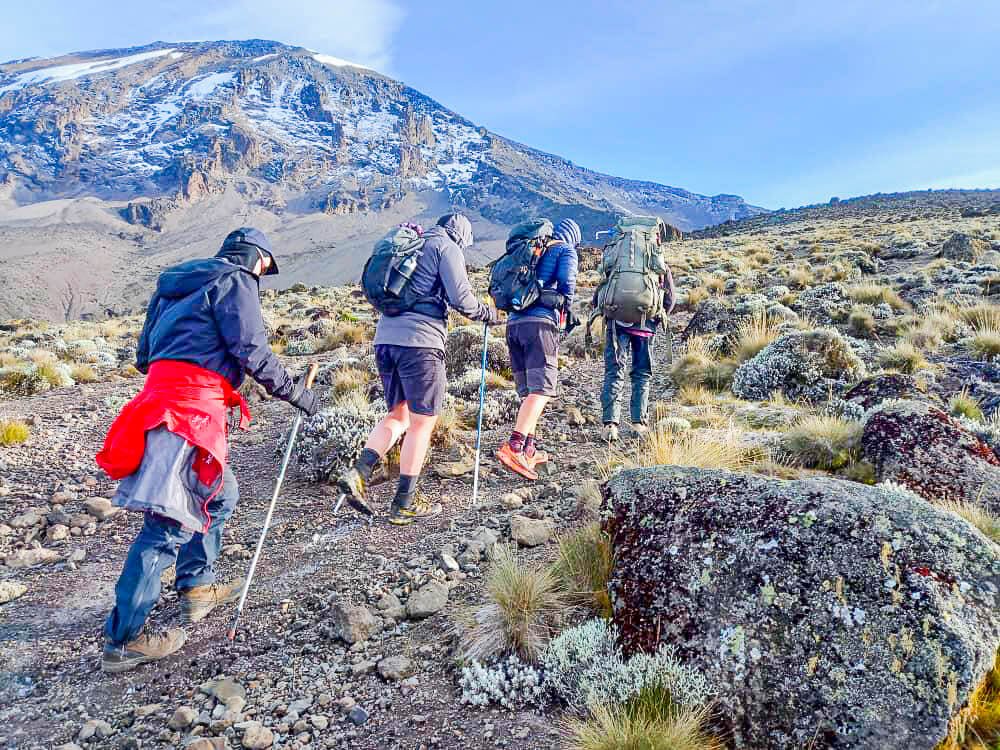
The allure of Tanzania is multifaceted, drawing travelers for two distinct yet complementary experiences: the majestic ascent of Mount Kilimanjaro and the thrilling exploration of its world-renowned wildlife parks. For many, the ultimate Tanzanian journey involves combining these two pillars of adventure. This guide focuses on how to effectively plan and execute a trip that encompasses both Kilimanjaro e Safari Tanzania, ensuring you make the most of your time and resources in 2026 and 2027.
Successfully merging a Kilimanjaro climb with a safari requires careful logistical planning. It’s not simply about booking two separate trips; it’s about creating a cohesive itinerary that flows logically, minimizes travel time, and maximizes your experience. This involves understanding the best times to visit for both activities, choosing suitable routes and safari parks, and ensuring you have adequate time for acclimatization and recovery.
Whether you’re dreaming of standing on the roof of Africa or watching the Great Migration unfold, this guide will walk you through the essential decisions, offering practical insights for your 2026-2027 adventure.
Understanding the Kilimanjaro e Safari Tanzania Combination
The concept of Kilimanjaro e Safari Tanzania is straightforward: experience the thrill of climbing Kilimanjaro, followed by the wonder of a wildlife safari in the same country. Tanzania is uniquely positioned to offer this combination due to the proximity of Kilimanjaro National Park to some of the continent’s most celebrated safari destinations, such as the Serengeti National Park, Ngorongoro Conservation Area, and Tarangire National Park. This geographical advantage makes it logistically feasible to undertake both adventures within a single trip, often starting or ending in Arusha, the gateway city for both.
Why combine them?
- Efficiency: Minimizes international travel and visa requirements by focusing on one country.
- Variety: Contrasts the physical challenge and impressive mountain scenery with the raw beauty and diverse wildlife of the savannah.
- Cultural Immersion: Both activities offer deep engagement with Tanzania’s natural heritage and local communities.
- Unforgettable Memories: Creates a well-rounded African experience that few other destinations can match.
When planning for 2026-2027, consider that booking a combined package through an experienced operator like Climb 4 Africa can streamline logistics, often securing better rates and ensuring smoother transitions between your trek and safari. This approach also guarantees that your mountain guides and safari drivers are coordinating effectively.
Choosing Your Kilimanjaro Trekking Experience
The success and enjoyment of your Kilimanjaro climb hinge significantly on choosing the right route. For a combined Kilimanjaro e Safari Tanzania trip, time is often a consideration, but prioritizing acclimatization is paramount for reaching the summit safely. Several routes are popular, each with its own characteristics:
Popular Kilimanjaro Routes for Safari Combinations
Machame Route: Often called the “Whiskey Route,” Machame is highly recommended for its scenic beauty and excellent acclimatization profile, leading to higher success rates. It typically takes 6 or 7 days. The 7-day option is strongly advised for better acclimatization, especially when immediately followed by a safari.
Lemosho Route: This route is considered one of the most beautiful and offers superb acclimatization, often considered superior to Machame. It’s longer, usually 7 or 8 days, which is ideal for minimizing altitude sickness. Its length makes it a fantastic choice for those who want to maximize their chances of summiting before heading out on safari.
Marangu Route: Known as the “Coca-Cola” or “Tourist” route, Marangu is the only route with hut accommodations. It’s often shorter (5 or 6 days), which can be tempting for time-constrained travelers, but its direct ascent profile offers poor acclimatization, leading to lower success rates. It’s generally not the preferred route for those prioritizing safety and success, especially when combining with other activities.
Other Routes: Rongai, Shira, and Northern Circuit offer different experiences but are generally longer or logistically more complex, potentially impacting the time available for a safari if you have a fixed schedule for 2026-2027.
Key Trekking Considerations for 2026-2027
- Duration: For a successful climb, aim for at least 7 days on the mountain. A 5-day climb is often rushed and significantly reduces summit success chances.
- Acclimatization: This is the single most important factor. Choose a route with a “climb high, sleep low” profile.
- Group Size: Decide between a private climb or joining a group departure. Private climbs offer flexibility, while group climbs can be more budget-friendly.
- Pace: “Pole pole” (slowly, slowly) is the mantra. Rushing increases the risk of altitude sickness.
- Guides and Crew: Ensure your operator uses experienced, certified guides and porters who are well-equipped and treated ethically.
When booking your 2026-2027 Kilimanjaro e Safari Tanzania package, discuss your acclimatization goals with your tour operator. For instance, Climb 4 Africa can help tailor itineraries, recommending the 7-day Machame or 8-day Lemosho routes for optimal climbing success before your safari adventure.
Designing Your Tanzanian Safari Experience
After the physical exertion of climbing Kilimanjaro, a Tanzanian safari offers a different kind of exhilaration. Tanzania is home to some of Africa’s most iconic wildlife destinations, offering diverse landscapes and exceptional game viewing opportunities.
The Northern Circuit: A Classic Safari Choice
The most popular safari circuit for those combining it with Kilimanjaro is the Northern Circuit, typically including:
- Serengeti National Park: Famous for the Great Migration, vast plains, and abundant predators. It’s a must-visit for any serious wildlife enthusiast.
- Ngorongoro Conservation Area & Crater: A UNESCO World Heritage Site, the Ngorongoro Crater is a collapsed volcano caldera teeming with wildlife, including the “Big Five” (lion, leopard, elephant, rhino, buffalo) in a relatively compact area. It’s an incredible place for a day trip or overnight stay.
- Tarangire National Park: Known for its large elephant herds, baobab trees, and diverse birdlife. It’s particularly spectacular during the dry season (June-October).
- Lake Manyara National Park: Famous for its tree-climbing lions, diverse birdlife, and proximity to Arusha.
- Arusha National Park: Closer to Kilimanjaro, offering opportunities to see colobus monkeys, buffalo, and diverse birdlife, with stunning views of Mount Meru.
Tailoring Your Safari Itinerary
The duration and focus of your safari depend on your interests and available time. Common safari lengths after a Kilimanjaro climb range from 3 to 7 days.
- 3-Day Safari: A taste of the Northern Circuit, often including Lake Manyara and the Ngorongoro Crater.
- 4-Day Safari: Adds Tarangire National Park to the above, offering more diverse landscapes and wildlife.
- 5-Day Safari: Includes Tarangire, Ngorongoro Crater, and a brief introduction to the Serengeti.
- 7-Day Safari: A more in-depth exploration, allowing significant time in the Serengeti, often timed to coincide with parts of the Great Migration, plus Tarangire and Ngorongoro.
For 2026-2027, consider the timing of the Great Migration if the Serengeti is a priority. The herds move in a predictable pattern, typically calving in the southern Serengeti (December-March), moving north and west towards the Mara River (June-September), and then crossing back south. Your safari operator can advise on the best timing.
Safari Accommodation Styles
Safari accommodation ranges from budget-friendly campsites to luxurious lodges and tented camps. Your choice will influence the overall cost and experience.
- Camping: Basic, but often offers the most authentic wildlife experience. You’ll sleep in tents at designated campsites within or near parks.
- Tented Camps: More comfortable than basic camping, with proper beds and en-suite facilities, offering a blend of comfort and wilderness.
- Lodges: Permanent structures with amenities similar to hotels, often with swimming pools and restaurants.
When planning your Kilimanjaro e Safari Tanzania package for 2026-2027, discuss your accommodation preferences and budget with Climb 4 Africa. They can suggest options that balance comfort, experience, and value.
Logistics and Planning for Kilimanjaro e Safari Tanzania
Successfully combining a Kilimanjaro trek and a safari requires meticulous planning, especially regarding timing, transfers, and packing.
Best Time to Travel for Kilimanjaro e Safari Tanzania
Tanzania has two main dry seasons, which are ideal for both climbing Kilimanjaro and going on safari:
- June to October: Generally considered the best time. The weather is dry and cool on Kilimanjaro, and wildlife is concentrated around water sources on safari. This is also a prime time for the Great Migration river crossings.
- January to February: Another dry season, often warmer. Kilimanjaro is clear, and it’s the calving season for wildebeest in the southern Serengeti.
The shoulder seasons (March-May, November-December) can offer fewer crowds and potentially lower prices, but they also bring a higher chance of rain, which can affect both trekking conditions and game viewing. For 2026-2027, booking during the main dry seasons will offer the most predictable weather.
Typical Itinerary Flow
A common itinerary flow for Kilimanjaro e Safari Tanzania is:
- Arrive at Kilimanjaro International Airport (JRO).
- Transfer to Arusha for a pre-trek briefing and overnight stay.
- Transfer to your chosen Kilimanjaro route starting point.
- Trek Kilimanjaro (6-8 days).
- Descend Kilimanjaro and transfer back to Arusha for rest and a post-trek debrief.
- Begin your safari (3-7 days).
- Conclude safari, return to Arusha or transfer to Zanzibar.
- Depart from JRO.
This flow ensures you are well-rested before the trek and have time to recover afterwards before embarking on the safari. For 2026-2027 bookings, it’s wise to book 6-12 months in advance, especially for peak season travel.
Transfers and Logistics
Smooth transfers are crucial. Your tour operator should arrange all necessary airport transfers and transfers between Kilimanjaro National Park and your safari starting points. This often involves private vehicles and experienced drivers who are knowledgeable about the local conditions.
Key points to confirm:
- Are airport transfers included?
- How will you be transferred from the mountain to your hotel in Arusha?
- Who provides the safari vehicle and driver-guide?
- Are park entry fees included in your safari package?
Climb 4 Africa specializes in smooth Kilimanjaro e Safari Tanzania packages, managing these transfers to ensure a stress-free experience for your 2026-2027 journey.
Packing for Both Adventures
Packing efficiently for both a mountain trek and a safari is essential. You’ll need different gear for each.
Kilimanjaro Gear:
- Layered clothing (base, mid, and outer layers)
- Waterproof and windproof jacket and trousers
- Insulated down jacket
- Warm hat and gloves
- Sun hat and sunglasses
- Sturdy hiking boots (broken-in)
- Thermal base layers
- Trekking trousers and shirts
- Headlamp with extra batteries
- Water bottles or hydration pack
- Sunscreen and lip balm
- Personal first-aid kit
- Duffel bag (for porters) and daypack
Safari Gear:
- Lightweight, neutral-colored clothing (khaki, beige, green)
- Long-sleeved shirts and trousers (for sun and insect protection)
- Comfortable walking shoes or sandals
- Binoculars
- Camera with extra batteries and memory cards
- Insect repellent
- Sunscreen
- A light jacket or fleece for cooler evenings
Important Note: You can often leave your excess luggage at your Arusha hotel while you are on Kilimanjaro. Your safari vehicle will also have space for luggage. When planning for 2026-2027, consult your tour operator for a detailed packing list.
Cost Considerations for Kilimanjaro e Safari Tanzania
The cost of a combined Kilimanjaro e Safari Tanzania trip can vary significantly based on route choice, duration, accommodation style, and the operator. For 2026-2027, expect prices to reflect current operational costs, inflation, and park fees.
Kilimanjaro Trekking Costs
Costs for Kilimanjaro treks are typically quoted per person and include:
- Park entrance fees
- Camping fees
- Crew (guide, assistant guides, porters, cook) salaries and provisions
- Food during the trek
- Tents and cooking equipment
- Temporary oxygen (if needed)
- Transfers to/from the mountain
Factors influencing cost:
- Route: Longer routes (Lemosho, Northern Circuit) are more expensive than shorter ones (Machame, Marangu).
- Duration: More days on the mountain mean higher park and crew fees.
- Operator: Local operators like Climb 4 Africa often offer better value than international ones, ensuring ethical treatment of staff.
A 7-day Machame or 8-day Lemosho climb might range from $2,200 to $3,500+ per person, depending on inclusions and operator quality. Prices for 2026-2027 are subject to change based on government fee updates.
Tanzania Safari Costs
Safari costs are usually calculated per person per day and include:
- Park entrance fees (per park, per day)
- Vehicle and driver-guide
- Fuel
- Accommodation (lodge, camp)
- Meals during the safari
Factors influencing cost:
- Duration: Longer safaris cost more.
- Parks visited: Some parks, like the Serengeti and Ngorongoro, have higher fees.
- Accommodation: Luxury lodges are significantly more expensive than campsites or mid-range tented camps.
- Vehicle type: Private 4×4 vehicles are standard for optimal viewing.
A typical 5-day Northern Circuit safari (Tarangire, Ngorongoro, Serengeti) can range from $1,500 to $4,000+ per person, depending heavily on accommodation choices. For 2026-2027, expect these prices to be at the higher end or slightly above due to inflation.
Total Package Costs (2026-2027)
A combined Kilimanjaro e Safari Tanzania trip (e.g., 7-day climb + 5-day safari) could range from $3,700 to $7,500+ per person. This estimate excludes international flights, visas, travel insurance, tips, and personal expenses.
Tips for Budgeting:
- Book in Advance: For 2026-2027, early booking can sometimes secure better rates, especially for flights and popular accommodations.
- Consider Group Departures: Joining a scheduled group trip for either the climb or safari can reduce costs.
- Choose Accommodation Wisely: Opting for mid-range tented camps or lodges can provide a great experience without the premium price of high-end lodges.
- Compare Operators: Get quotes from reputable operators. Look for transparency in pricing and ethical treatment of staff. Climb 4 Africa provides detailed quotes and is known for its value and quality.
Always clarify what is included and excluded in your quote. For precise pricing and tailored packages for 2026-2027, contact Climb 4 Africa directly.
Booking Your Kilimanjaro e Safari Tanzania Adventure
Booking a combined Kilimanjaro e Safari Tanzania trip is a significant investment and requires careful consideration of your tour operator. Choosing the right partner ensures a safe, memorable, and ethically managed experience.
Choosing a Reputable Tour Operator
When selecting an operator for your 2026-2027 adventure, look for:
- Experience: How long have they been operating? Do they specialize in Kilimanjaro and Tanzanian safaris?
- Safety Standards: Do they have emergency protocols, oxygen on all climbs, and trained guides?
- Ethical Treatment of Staff: Do they pay fair wages and provide proper equipment and support for their guides and porters? This is crucial for responsible tourism.
- Reviews and Reputation: Check independent review sites like TripAdvisor.
- Transparency: Are their prices clear, and are inclusions and exclusions well-defined?
Climb 4 Africa is a local Tanzanian company deeply committed to providing authentic, high-quality Kilimanjaro e Safari Tanzania experiences. They pride themselves on ethical operations, experienced guides, and excellent value.
What to Discuss When Booking
When you contact an operator like Climb 4 Africa for your 2026-2027 trip, be prepared to discuss:
- Your preferred dates: For climbing and safari.
- Your desired Kilimanjaro route and duration.
- Your safari interests: Which parks, what kind of wildlife, accommodation style.
- Your budget.
- Your fitness level and any medical concerns.
- Group size (private vs. group).
Example Booking Inquiry:
When reaching out to Climb 4 Africa for your 2026-2027 Kilimanjaro e Safari Tanzania trip, you might say:
“I am planning a trip for August 2027 and am interested in combining a 7-day Machame Route climb of Kilimanjaro with a 5-day safari covering the Serengeti and Ngorongoro Crater. I prefer mid-range tented camps for the safari. Could you please provide a quote and details on your safety protocols and ethical staff treatment?”
Finalizing Your 2026-2027 Trip
Once you have a quote and are ready to book:
- Review the contract carefully.
- Understand the payment schedule (deposits, final payments).
- Arrange travel insurance that covers high-altitude trekking and medical evacuation.
- Check visa requirements for Tanzania.
- Get necessary vaccinations and malaria prophylaxis as recommended by your doctor.
Booking your Kilimanjaro e Safari Tanzania adventure with an expert like Climb 4 Africa ensures all these details are managed, allowing you to focus on the excitement of your upcoming journey. For personalized assistance with your 2026-2027 plans, don’t hesitate to reach out. You can contact Climb 4 Africa via WhatsApp at +255 747 477 898 or email them at climb4africa@gmail.com.
Frequently Asked Questions (FAQs)
Here are answers to common questions regarding Kilimanjaro e Safari Tanzania trips for 2026-2027:
Q1: How much time do I need for a combined Kilimanjaro and safari trip?
A1: A comfortable combined trip typically requires at least 10-14 days. This includes 7-8 days for climbing Kilimanjaro (allowing for acclimatization) and 3-7 days for a safari, plus travel days to and from Tanzania.
Q2: Is it better to climb Kilimanjaro before or after the safari?
A2: Most travelers prefer to climb Kilimanjaro first. This allows you to recover and relax on safari after the physical challenge. Climbing first also means you start your trip with higher energy levels. However, some prefer to end their trip with the climb for a grand finale.
Q3: What is the best time of year for a Kilimanjaro e Safari Tanzania trip?
A3: The dry seasons, June to October and January to February, are ideal. These months offer the best weather for climbing and optimal wildlife viewing conditions for safaris. For 2026-2027, these periods remain the most recommended.
Q4: Can I combine Kilimanjaro with a Zanzibar holiday?
A4: Absolutely. Many travelers extend their Kilimanjaro e Safari Tanzania trip with a few days relaxing on the beaches of Zanzibar. This offers a perfect blend of adventure and relaxation. This would typically add 3-5 days to your itinerary.
Q5: What level of fitness is required for Kilimanjaro and safari?
A5: Kilimanjaro requires a good level of cardiovascular fitness and the ability to hike for long hours. While no technical climbing skills are needed, stamina is key. Safaris are less physically demanding, involving game drives in a vehicle, but require comfort in a vehicle for extended periods.
Q6: Are there any age restrictions for climbing Kilimanjaro or going on safari?
A6: Generally, there is no strict age limit, but it’s based on individual health and fitness. For Kilimanjaro, children under 10 are usually not permitted. For safaris, it’s more flexible, but very young children might find long drives challenging. Always consult with your doctor and tour operator.
Q7: What are the essential documents for a Kilimanjaro e Safari Tanzania trip in 2026-2027?
A7: You will need a valid passport (with at least six months’ validity beyond your stay), a Tanzanian visa (obtainable online or on arrival), proof of Yellow Fever vaccination (if arriving from an affected country), and comprehensive travel insurance documents.
Check Availability for Kilimanjaro E Safari Tanzania: Combining Trekking And Wildlife Adventures
Ready to compare dates, prices, and the best option for your group? Send the package name and travel month so the team can reply with a clear quote, availability, and what is included.
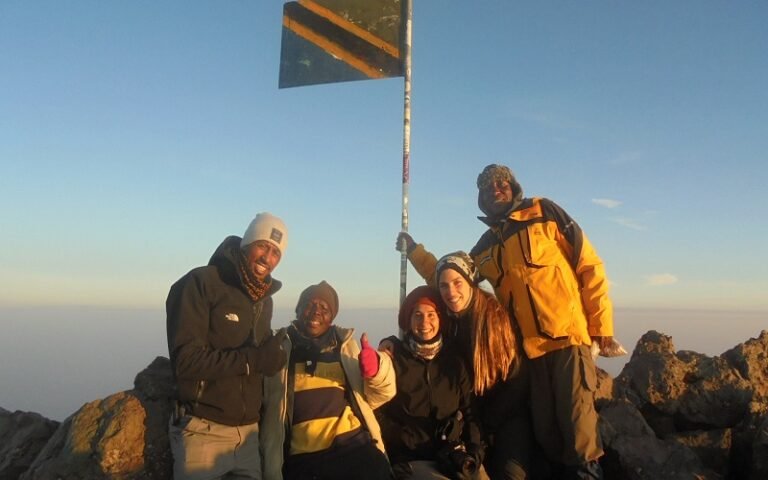
Monte Meru Y Safari En Tanzania: Guía Completa Para Tu Aventura Africana
Explora la combinación perfecta de trekking en Monte Meru y safaris inolvidables en Tanzania. Esta guía detallada te ayudará a planificar tu viaje de ensueño para 2026-2027, cubriendo...
View package details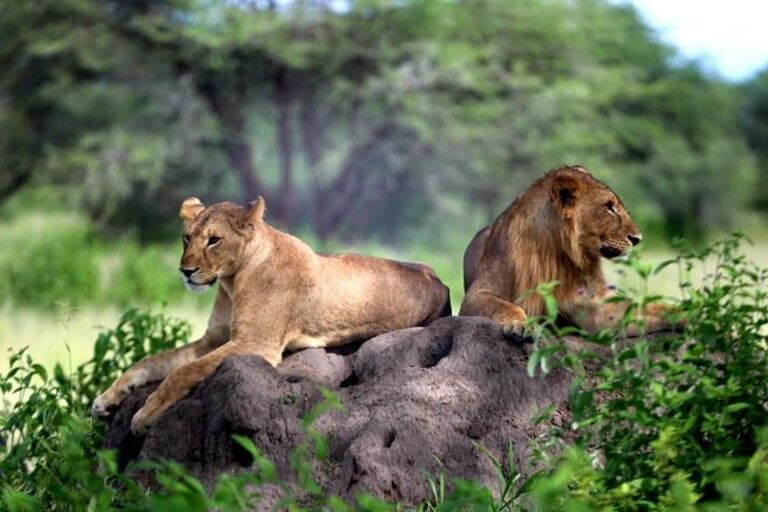
3 Day Joining Safari Group Departures From Moshi: 2026
Discover convenient 3-day group safari departures from Moshi, perfect for maximizing your Tanzania adventure. Explore wildlife-rich parks like Tarangire, Manyara, or the Serengeti on shared...
View package detailsWhat Nobody Tells You About Traveling To Tanzania Guide
Planning a trip to Tanzania for 2026 or 2027? This comprehensive guide reveals the unspoken truths about traveling to Tanzania, covering everything from safari nuances and Kilimanjaro...
View package details10 Things To Know Before Visiting Tanzania For An Unforgettable Adventure
Before you pack your bags for Tanzania, arm yourself with these 10 crucial pieces of knowledge. From understanding visa requirements and health precautions to mastering safari etiquette and...
View package detailsWhere Do Elephants Go During The Dry Season? Planning Your Tanzania Safari
During Tanzania's dry season, elephants migrate to areas with reliable water sources, often congregating in national parks and game reserves known for their permanent waterholes and rivers...
View package details15 Things Nobody Tells You Before Your First Safari In Tanzania 2026-2027
Planning your first Tanzanian safari? Beyond the stunning wildlife, there are practical, often unspoken, aspects of the experience that can significantly impact your trip. This guide...
View package details20 Natural Wonders In Africa You Need To See 2026-2027
Explore Africa's most spectacular natural wonders, from the majestic peaks of Kilimanjaro and the vast plains of the Serengeti to the unique landscapes of Namibia and the vibrant coral...
View package detailsThe Most Unusual Places To Visit In Tanzania: Beyond Usual Safari 2026-2027
Tanzania offers more than just iconic wildlife and towering peaks. This guide uncovers the most unusual places to visit, from ancient cave dwellings to vibrant cultural enclaves and unique...
View package detailsCheap Vs Luxury Safari: What’s The Real Difference In Tanzania? 2026-2027
Choosing between a budget and luxury safari in Tanzania can seem daunting. This guide breaks down the key differences in accommodation, transport, service, and overall experience to help...
View package detailsWhat Does A $2,000 Tanzania Safari Include? 2026-2027
What Does a $2,000 Tanzania Safari Include? is explained with current 2026-2027 planning, price, itinerary and booking information.
View package detailsCan You Do A Tanzania Safari On A Budget In ? Expert Guide 2026-2027
Planning a Tanzania safari doesn't have to break the bank. This comprehensive guide explores the realities of budget safaris in 2026-2027, detailing how to make smart choices for...
View package detailsWhat Makes Tanzania One Of Africa’s Most Famous Safari Destinations? 2026-2027
What Makes Tanzania One of Africa’s Most Famous Safari Destinations? is explained with current 2026-2027 planning, price, itinerary and booking information.
View package detailsNo related package matches those filters. Clear one or more filters to see the other topic-matched options.



