
Combining a Kilimanjaro climb with a Serengeti safari offers an unparalleled Tanzanian experience, typically spanning 10-14 days for the climb and 3-5 days for the safari, with routes like Machame or Lemosho for Kilimanjaro and the central, northern, or southern Serengeti for wildlife viewing. The best time for this integrated adventure in 2026-2027 generally aligns with the dry seasons, from June to October and December to February, though specific wildlife movements like the Great Migration in the Serengeti can influence optimal safari timing. Planning involves selecting a reputable operator like Climb 4 Africa for smooth logistics, understanding visa requirements, necessary vaccinations, and packing lists for both the mountain and the plains.

Understanding the Kilimanjaro and Serengeti Safari Combination
The allure of Tanzania often centers on two magnificent experiences: conquering the continent’s highest peak, Mount Kilimanjaro, and witnessing the impressive drama of the Serengeti’s wildlife. For many travelers, the dream isn’t just to do one, but to combine them into a single, comprehensive adventure. This synergy creates a journey that balances physical challenge with awe-inspiring natural beauty and wildlife encounters, offering a profound connection to Africa.
A Kilimanjaro and Serengeti safari is not merely two distinct trips stitched together; it’s a carefully orchestrated expedition that maximizes your time and immersion in Tanzania’s diverse landscapes and ecosystems. The typical flow involves ascending Kilimanjaro first, allowing for acclimatization and achievement, followed by a well-deserved safari to relax and observe the abundant wildlife. Alternatively, some prefer the safari first, to build anticipation for the mountain challenge.
When planning for 2026-2027, it’s crucial to understand that this combination requires meticulous logistical planning. Factors such as travel time between locations, optimal seasons for both activities, and the specific routes or parks chosen significantly impact the overall experience. For instance, the Machame Route on Kilimanjaro is popular for its scenic beauty and acclimatization profile, while the Serengeti’s central region (Seronera) offers year-round game viewing, and the northern Serengeti is essential for witnessing the Great Migration river crossings during July-October.
The appeal of this combined trip lies in its sheer diversity. You transition from the alpine desert and glacial zones of Kilimanjaro, enduring varying weather conditions and demanding physical exertion, to the vast savannahs of the Serengeti, where the rhythm of life is dictated by the movements of millions of wildebeest, zebras, and their predators. This contrast is what makes the Kilimanjaro and Serengeti safari a truly epic undertaking.
Why Combine Kilimanjaro and Serengeti?
The decision to combine these two iconic Tanzanian experiences is driven by a desire for a multifaceted adventure. It caters to travelers who seek both personal achievement and profound natural immersion.
- Achievement and Exploration: Summiting Kilimanjaro provides a sense of accomplishment, while exploring the Serengeti offers a chance to witness one of the planet’s greatest wildlife spectacles.
- Diverse Landscapes: From the snow-capped peak of Africa to the endless plains teeming with life, you experience an extraordinary range of environments within a single trip.
- Efficiency: By combining, you minimize travel time and logistical complexities compared to undertaking each trip separately, making the most of your time in Tanzania.
- Cultural Immersion: Both activities often involve interacting with local guides, porters, and communities, offering genuine cultural insights.
Crafting Your Kilimanjaro and Serengeti Safari Itinerary
The foundation of a successful Kilimanjaro and Serengeti safari lies in a well-structured itinerary. The duration and sequence can vary, but a common approach involves dedicating sufficient time to each component to ensure enjoyment and success, especially for the climb. For 2026-2027 travel, early booking is advisable, particularly for preferred dates and accommodation.
Typical Duration and Flow
A standard Kilimanjaro and Serengeti safari package often ranges from 10 to 18 days. This typically breaks down as follows:
- Kilimanjaro Climb: 6 to 9 days, depending on the chosen route. Longer routes offer better acclimatization and higher success rates.
- Travel to Safari Starting Point: 1 day, usually involving a flight or drive from Kilimanjaro International Airport (JRO) or Arusha to your safari gateway.
- Serengeti Safari: 3 to 5 days, exploring different areas of the park.
- Buffer/Travel Days: Additional days for arrival, departure, and transfers.
The sequence can be flexible. Many opt to climb Kilimanjaro first, then relax on safari. Others prefer to start with the safari to ease into the Tanzanian experience before tackling the mountain. The latter can be beneficial for mental preparation, though some find it harder to transition from relaxation to exertion.
Choosing Your Kilimanjaro Route
The choice of Kilimanjaro route is paramount for safety, acclimatization, and enjoyment. For a Kilimanjaro and Serengeti safari, routes that offer good acclimatization are highly recommended to maximize your chances of summiting.
- Machame Route (7 days): Often called the “Whiskey Route,” it’s scenic and offers excellent acclimatization, making it a popular choice for a combined trip. It involves significant ups and downs, which aids acclimatization.
- Lemosho Route (8 days): Considered one of the most scenic routes, it also provides excellent acclimatization, especially when done over 8 days. It starts in a remote wilderness area.
- Marangu Route (5 or 6 days): The “Coca-Cola” route, it’s the only one with hut accommodation. However, its shorter duration and steeper ascent profile generally lead to lower success rates, making it less ideal for a combined adventure where you want to ensure summit success.
- Other Routes (e.g., Rongai, Northern Circuit): Rongai offers a different approach, often drier. The Northern Circuit is the longest and most scenic, with the highest success rate due to its extended acclimatization, but also the most expensive and time-consuming.
For a Kilimanjaro and Serengeti safari in 2026-2027, we often recommend the 7-day Machame or 8-day Lemosho routes. These offer a balance of scenery, acclimatization, and manageable logistics, ensuring you’re in good shape for the subsequent safari.
Selecting Your Serengeti Safari Experience
The Serengeti National Park is vast, and different areas offer unique wildlife viewing opportunities depending on the time of year. For a Kilimanjaro and Serengeti safari, selecting the right region is key.
- Central Serengeti (Seronera Valley): Known for its resident wildlife and excellent predator sightings year-round. It’s a good option if your travel dates don’t align with the Great Migration.
- Northern Serengeti (Kogatende/Lamai): This is the prime location to witness the Great Migration river crossings (wildebeest and zebra moving north) from approximately July to October.
- Southern Serengeti (Ndutu Area): Ideal for witnessing the birthing season of the Great Migration (calving season) from December to March, when millions of animals congregate in the short-grass plains.
When planning your 2026-2027 Kilimanjaro and Serengeti safari, consider the timing of the Great Migration. If witnessing this event is a priority, align your safari portion accordingly. For example, a climb in July-August might be followed by a safari in the Northern Serengeti to catch the migration.
Best Time to Travel for Kilimanjaro and Serengeti Safari (2026-2027)
Tanzania enjoys two main dry seasons, which are generally considered the best times for both climbing Kilimanjaro and undertaking a Serengeti safari. However, there are nuances depending on your priorities.
Kilimanjaro Climbing Seasons
Kilimanjaro is climbable year-round, but conditions are significantly better during the dry seasons:
- June to October: This is the main dry season, characterized by clear skies, cooler temperatures, and less rainfall. It’s ideal for climbing and offers excellent visibility. This is also a peak season for safaris due to good game viewing.
- December to February: This is the shorter dry season. It’s warmer than the June-October period, with sunny days and clear nights. It’s a good time for both activities, though it can be busier around Christmas and New Year.
Avoid the rainy seasons (March-May and November) when trails can be muddy, visibility poor, and the experience less enjoyable.
Serengeti Safari Seasons
The Serengeti’s wildlife viewing is excellent year-round, but the timing of the Great Migration is a major draw:
- January to March: Calving season in the Southern Serengeti. Millions of wildebeest and zebras gather in the Ndutu area. Excellent for predator sightings.
- April to May: Long rains. Game viewing can be challenging, and many camps close or reduce operations.
- June to October: Dry season. The Great Migration moves north, with potential for river crossings in the Northern Serengeti (July-October). This is prime time for safaris and Kilimanjaro climbs.
- November: Short rains. Game viewing is still good, and the migration starts moving south.
Coordinating for Your 2026-2027 Trip
To combine Kilimanjaro and Serengeti effectively in 2026-2027, consider these combinations:
- June – October: Excellent for both. Climb Kilimanjaro during clear skies, then head to the Northern Serengeti for migration river crossings. This is a popular but potentially busier and more expensive period.
- December – February: Good for both. Climb Kilimanjaro in warmer dry weather, then visit the Southern Serengeti for the calving season.
- Shoulder Seasons (e.g., late May, early November): Can offer a good balance with fewer crowds and potentially lower prices, though weather is less predictable.
Always confirm specific migration patterns with your tour operator, as these can vary slightly year to year. For 2026-2027, booking well in advance (9-12 months) is highly recommended for peak season travel.
Practical Planning for Your Kilimanjaro and Serengeti Safari
A successful Kilimanjaro and Serengeti safari demands careful preparation. As a local expert, Climb 4 Africa emphasizes practical advice to ensure a smooth and memorable journey.
Visas and Vaccinations
- Visa: Most nationalities require a Tanzanian visa. This can often be obtained online in advance (e-visa) or upon arrival at Kilimanjaro International Airport (JRO). Check the latest requirements for your nationality.
- Vaccinations: Yellow Fever vaccination is mandatory if arriving from or transiting through a country with a risk of Yellow Fever. Consult your doctor or a travel clinic for recommended vaccinations such as Hepatitis A, Typhoid, and Tetanus. Malaria prophylaxis is also typically recommended for the safari portion.
Travel Insurance
Comprehensive travel insurance is non-negotiable. It must cover:
- High-altitude trekking: Specifically covering Kilimanjaro climbs up to 5,895 meters.
- Medical emergencies and evacuation: Including helicopter rescue, which is crucial for Kilimanjaro.
- Trip cancellation and interruption: Protecting your investment.
- Lost or delayed baggage.
Ensure your policy is valid for the entire duration of your trip and specifically covers high-altitude mountaineering.
Packing Essentials
Packing for a Kilimanjaro and Serengeti safari requires dual considerations.
Kilimanjaro Packing Highlights:
- Layering System: Base layers (thermals), mid-layers (fleece), and outer layers (waterproof/windproof jacket and pants).
- Footwear: Broken-in hiking boots, comfortable camp shoes.
- Accessories: Warm hat, gloves, sunglasses, high SPF sunscreen, lip balm, headlamp, reusable water bottles, trekking poles.
- Personal Items: Toiletries, personal medication, blister kit.
Note: Most gear can be rented in Moshi upon arrival.
Serengeti Safari Packing Highlights:
- Lightweight Clothing: Neutral-colored clothing (khaki, beige, green) is best. Avoid bright colors.
- Comfortable Shoes: For lodges and light walking.
- Sun Protection: Wide-brimmed hat, sunglasses, high SPF sunscreen.
- Insect Repellent.
- Camera and Binoculars: Essential for wildlife viewing.
- Light Jacket or Fleece: Evenings and early mornings can be cool.
For 2026-2027 trips, check detailed packing lists from your tour operator. Many items can be purchased or rented locally in Moshi before your climb.
Fitness and Acclimatization
Kilimanjaro: This is a demanding trek. Good cardiovascular fitness is essential. Focus on hiking, running, or cycling in the months leading up to your climb. Proper acclimatization on the mountain, achieved through longer routes and slow ascent, is the most critical factor for summit success.
Serengeti: No specific fitness is required for the safari itself, beyond the ability to get in and out of safari vehicles. The focus here is on enjoying the scenery and wildlife.
Budget Considerations for 2026-2027
The cost of a Kilimanjaro and Serengeti safari varies significantly based on the chosen Kilimanjaro route, safari duration, accommodation style (camping vs. lodge), group size (private vs. shared), and the operator’s inclusions. For 2026-2027, expect pricing to reflect these factors.
Key Cost Components:
- Kilimanjaro Climb: Includes park fees (a substantial portion), guide and porter wages, food, equipment, and transport. Longer routes are more expensive.
- Serengeti Safari: Includes park entry fees (per day, per person, per vehicle), accommodation (lodges or luxury tented camps), a private safari vehicle and driver-guide, and meals.
- Logistics: Flights between locations (if applicable), transfers.
- Operator Margin: This varies greatly. Choosing a local operator like Climb 4 Africa can offer better value and direct support.
General Price Ranges (Estimates for 2026-2027):
- Kilimanjaro (7-day Machame): Typically $1,800 – $3,500+ per person.
- Serengeti Safari (3-4 days): Typically $1,500 – $4,000+ per person, depending on accommodation and vehicle.
- Combined Package: A comprehensive 10-14 day Kilimanjaro and Serengeti safari package could range from $3,500 to $7,000+ per person, excluding flights to Tanzania, tips, and personal expenses.
Factors influencing 2026-2027 prices: Park fees are set by the government and are subject to change. Inflation and operational costs will also play a role. Always get a detailed quote that clearly outlines what is included and excluded.
Getting a Tailored Quote for 2026-2027
The best way to understand the cost for your specific Kilimanjaro and Serengeti safari in 2026-2027 is to contact an experienced operator. Climb 4 Africa can provide detailed, personalized quotes based on your desired dates, route, safari duration, and accommodation preferences. This ensures transparency and value.
Contact Climb 4 Africa:
Email: climb4africa@gmail.com
WhatsApp: +255 747 477 898
The Kilimanjaro Climb: Your Mountain Experience
Ascending Kilimanjaro is a journey through diverse ecological zones, a true test of endurance and mental fortitude. Understanding the mountain’s character is key to preparing for your combined adventure.
Ecological Zones of Kilimanjaro
As you climb, you’ll traverse distinct zones, each with its own unique flora, fauna, and climate:
- Cultivation Zone: From the base to about 1,800m. Lush farmland, coffee plantations, and forests.
- Rainforest Zone: From 1,800m to 2,800m. Dense, humid forest with abundant wildlife, including monkeys and birds.
- Heath/Moorland Zone: From 2,800m to 4,000m. Vegetation becomes sparser, with giant heathers, groundsels, and lobelias.
- Alpine Desert Zone: From 4,000m to 5,000m. Increasingly barren landscape with hardy mosses and lichens. Days are sunny, nights freezing.
- Arctic Zone: Above 5,000m to the summit (5,895m). Essentially a barren, icy landscape with minimal vegetation. Extreme cold and thin air.
The Summit Night
Summit night is the most challenging part of the climb. Typically starting around midnight from the last camp (e.g., Kibo Hut on most routes), you ascend through the arctic zone in darkness, aiming to reach Uhuru Peak (the summit) by sunrise. This involves a steep scree slope and a final rocky section. The altitude and cold make this an intense experience. Proper pacing, hydration, and mental strength are critical.
Success Rates and Acclimatization
Summit success rates on Kilimanjaro vary greatly by route and operator. Generally, longer routes with better acclimatization profiles (like Lemosho or Machame over 7-8 days) and reputable operators have higher success rates. Altitude sickness (Acute Mountain Sickness – AMS) is the primary reason for failed summits. “Pole pole” (slowly, slowly) is the mantra. Your guides are trained to monitor for AMS and make crucial decisions regarding your safety.
The Role of Guides and Porters
The Kilimanjaro climbing crew is the backbone of your expedition. Your guides are experienced mountaineers trained in first aid and AMS management. Porters carry the bulk of the equipment, tents, and food, making your trek manageable. A cook prepares your meals. Treating the crew with respect and providing adequate tips is essential and customary.
The Serengeti Safari: Your Wildlife Adventure
Following the physical exertion of Kilimanjaro, the Serengeti offers a dramatic shift to a world of incredible biodiversity and wildlife spectacle. It’s a photographer’s paradise and a naturalist’s dream.
The Great Migration
The annual migration of over 1.5 million wildebeest and zebras is one of the planet’s most phenomenal natural events. Its circular path across the Serengeti and Masai Mara ecosystems is dictated by the rains and the availability of fresh grazing.
- Calving Season (Jan-Mar): Southern Serengeti/Ndutu. Focus on newborns and predator action.
- Wildebeest move North (Apr-May): Moving towards central/western Serengeti.
- River Crossings (Jul-Oct): Northern Serengeti. Iconic scenes of wildebeest and zebras crossing the Mara River.
- Return South (Nov-Dec): Migration moves back towards the southern plains.
Timing your safari portion to coincide with a specific phase of the migration can be a highlight of your 2026-2027 trip.
Other Wildlife Highlights in the Serengeti
Beyond the migration, the Serengeti is home to the “Big Five” (lion, leopard, elephant, rhino, buffalo) and countless other species:
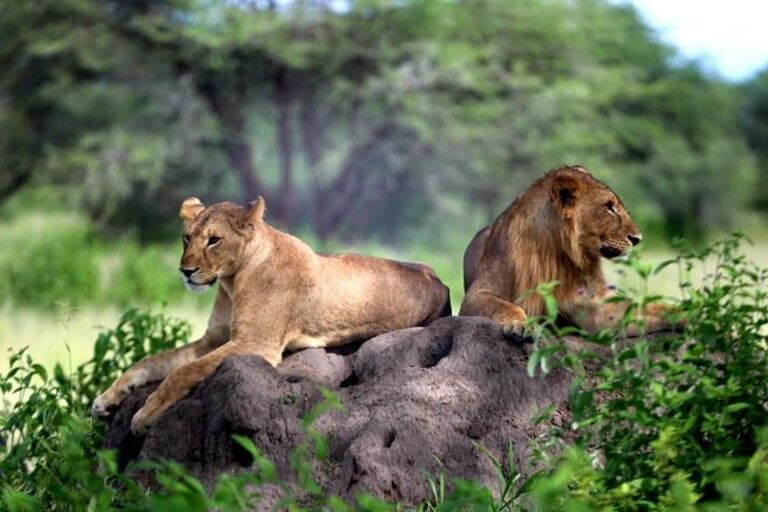
- Predators: Lions are abundant, often seen lounging in trees. Cheetahs are frequently spotted on the open plains. Leopards are more elusive, typically found in wooded areas or riverine habitats. Hyenas, wild dogs, and jackals are also present.
- Herbivores: Giraffes, hippos, various antelope species (gazelles, impalas, topi), zebras, and elephants are common sights.
- Birdlife: The Serengeti is a paradise for birdwatchers, with over 500 species recorded.
Safari Vehicles and Accommodation
For a comfortable and effective Kilimanjaro and Serengeti safari, the choice of safari vehicle and accommodation is important.
- Vehicles: Custom-built 4×4 safari vehicles (typically Land Cruisers or Land Rovers) with pop-up roofs for optimal game viewing and photography are standard. Private vehicles offer flexibility and a personalized experience.
- Accommodation: Options range from comfortable tented camps (permanent or mobile, following the migration) to luxurious lodges. Tented camps offer a more in-depth experience, allowing you to hear the sounds of the bush at night.
Climb 4 Africa works with carefully selected lodges and camps to ensure quality and authenticity for your 2026-2027 safari experience.
Booking Your Kilimanjaro and Serengeti Safari
Securing your Kilimanjaro and Serengeti safari requires choosing a reliable and experienced operator. This is where local expertise makes a significant difference.
Why Choose a Local Operator?
Local operators like Climb 4 Africa offer distinct advantages:
- Local Knowledge: Deep understanding of Kilimanjaro routes, park regulations, and Serengeti wildlife patterns.
- Cost-Effectiveness: Direct operations mean fewer overheads, often translating to better value without compromising quality.
- Responsiveness: Immediate support and problem-solving on the ground.
- Community Support: Ethical operators often invest in local communities and ensure fair treatment of guides and porters.
- Flexibility: Ability to tailor itineraries precisely to your needs.
What to Confirm Before Booking
Before committing to a booking for your 2026-2027 adventure, ensure you confirm:
- Inclusions: What is explicitly covered? (Park fees, meals, accommodation, guide fees, transfers, specific equipment).
- Exclusions: What is not covered? (Flights, visas, tips, personal insurance, drinks, optional activities).
- Operator Credentials: Are they registered? Do they have good reviews? (e.g., on TripAdvisor).
- Safety Protocols: Especially for Kilimanjaro climbs (emergency oxygen, evacuation procedures).
- Group Size and Composition: For both the climb and safari.
- Payment Terms: Deposit required, balance due date, cancellation policy.
Making Your 2026-2027 Booking with Climb 4 Africa
Ready to plan your dream Kilimanjaro and Serengeti safari for 2026 or 2027? Climb 4 Africa specializes in creating these integrated adventures, offering practical support and authentic experiences. We handle the complexities so you can focus on the journey.
To get started, we recommend you provide us with:
- Your preferred travel dates (or a range).
- The number of travelers.
- Your preferred Kilimanjaro route and duration.
- Your desired safari duration and specific interests (e.g., Great Migration focus).
- Your accommodation preferences (budget, mid-range, luxury).
This information will help us craft a personalized itinerary and quote tailored to your adventure goals.
Contact us today:
- Email: climb4africa@gmail.com
- WhatsApp: +255 747 477 898
Let us help you plan an unforgettable Kilimanjaro and Serengeti safari experience.
Frequently Asked Questions: Kilimanjaro and Serengeti Safari
What is the best combined itinerary for Kilimanjaro and Serengeti?
A common and effective itinerary involves a 7-day Machame or 8-day Lemosho route for Kilimanjaro, followed by a 3-4 day safari in the Serengeti. This typically totals around 10-14 days of core activity, plus travel days. The sequence can be climb-then-safari or vice-versa, depending on preference.
Is it possible to see the Great Migration and climb Kilimanjaro in the same trip?
Yes, it’s entirely possible. For instance, climbing Kilimanjaro in July or August and then doing your Serengeti safari in the Northern Serengeti during those months offers a high chance of witnessing the migration river crossings. Alternatively, climbing in December-February and visiting the Southern Serengeti for the calving season is another excellent option for 2026-2027 trips.
What is the cost difference between climbing Kilimanjaro only vs. a combined safari?
A combined Kilimanjaro and Serengeti safari will be significantly more expensive than a Kilimanjaro climb alone. The safari portion adds substantial costs due to park fees, private vehicles, guides, and accommodation. Expect a combined trip to cost roughly double, or more, than just the Kilimanjaro climb component.
When should I book my 2026-2027 Kilimanjaro and Serengeti safari?
For peak seasons (June-October and December-February), it is highly recommended to book at least 9-12 months in advance for 2026-2027. This secures your preferred dates, routes, and accommodations, especially for popular operators and group departures.
What level of fitness is required for both activities?
Kilimanjaro requires good cardiovascular fitness and stamina, as it is a strenuous high-altitude trek. The Serengeti safari requires no specific fitness beyond the ability to get in and out of a vehicle and walk short distances. The focus for the safari is relaxation and wildlife observation.
Conclusion: Your Epic Tanzanian Adventure Awaits
The Kilimanjaro and Serengeti safari is more than just a holiday; it’s a profound journey that engages both body and spirit. It offers the ultimate combination of personal challenge, unparalleled wildlife encounters, and immersion in the spectacular landscapes of Tanzania. Whether you are an avid trekker seeking the Roof of Africa or a wildlife enthusiast dreaming of the Serengeti’s plains, this integrated adventure delivers on all fronts.
Planning for 2026-2027 is already underway for many, and securing your spot with an experienced, local operator like Climb 4 Africa ensures that every detail is managed with expertise. From selecting the optimal Kilimanjaro route for acclimatization to timing your Serengeti safari with the Great Migration, our local knowledge is your greatest asset.
We invite you to reach out to us to begin crafting your personalized Kilimanjaro and Serengeti safari. Let us help you turn this incredible dream into a reality, providing practical support every step of the way.
Contact Climb 4 Africa:
Email: climb4africa@gmail.com
WhatsApp: +255 747 477 898
Check Availability for Kilimandscharo Und Serengeti Safari Guide
Ready to compare dates, prices, and the best option for your group? Send the package name and travel month so the team can reply with a clear quote, availability, and what is included.
3 Day Joining Safari Group Departures From Moshi: 2026
Discover convenient 3-day group safari departures from Moshi, perfect for maximizing your Tanzania adventure. Explore wildlife-rich parks like Tarangire, Manyara, or the Serengeti on shared...
View package detailsWhat Really Happens During The Great Migration? Your Expert Tanzania Safari
The Great Migration is a constant, dynamic cycle of life and death in Tanzania's Serengeti and Kenya's Maasai Mara. Understand the wildebeest, zebra, and predator movements, the best times...
View package detailsWhy Do Animals Gather In The Serengeti? Ultimate Guide 2026-2027
The Serengeti ecosystem is a global marvel, drawing millions of animals for survival. This guide explores the core reasons behind these gatherings, from vital water and grazing to the...
View package details10 Best Wildlife Destinations In The World For Unforgettable Safaris 2026-2027
Explore the planet's most incredible wildlife destinations, from the Serengeti to the Amazon. This comprehensive guide helps you choose and plan your next safari adventure, with practical...
View package detailsWhy Do Wildebeest Migrate Across Africa? Understanding The Great Migration
The great wildebeest migration is one of Africa's most spectacular wildlife events. This article explains the fundamental reasons behind this annual movement, focusing on the quest for...
View package details10 Places In Tanzania That Feel Like Another Planet 2026-2027
Discover Tanzania's most surreal and alien-like destinations. From the vast, mineral-rich plains of the Serengeti to the steaming vents of the Ol Doinyo Lengai volcano and the otherworldly...
View package detailsWhat Makes The Serengeti So Famous? 2026-2027
What Makes the Serengeti So Famous? is explained with current 2026-2027 planning, price, itinerary and booking information.
View package details20 Natural Wonders In Africa You Need To See 2026-2027
Explore Africa's most spectacular natural wonders, from the majestic peaks of Kilimanjaro and the vast plains of the Serengeti to the unique landscapes of Namibia and the vibrant coral...
View package detailsWhat Makes Tanzania So Special For Wildlife Lovers? An Expert Guide 2026-2027
Tanzania stands out for wildlife enthusiasts due to its staggering biodiversity, world-renowned national parks like the Serengeti and Ngorongoro Crater, and the unparalleled spectacle of...
View package detailsAfrica’s Best-Kept Travel Secrets Guide
Beyond the well-trodden paths of Kilimanjaro and the Serengeti, Tanzania holds a treasure trove of lesser-known yet equally spectacular travel experiences. This guide reveals Africa's...
View package details
2 Days 1 Night Safari To Mikumi, Udzungwa & Maasai Village: 2026
Discover the highlights of Tanzania's southern circuit on a rapid 2-day, 1-night safari, combining wildlife viewing in Mikumi, unique landscapes in Udzungwa, and cultural immersion with the...
View package details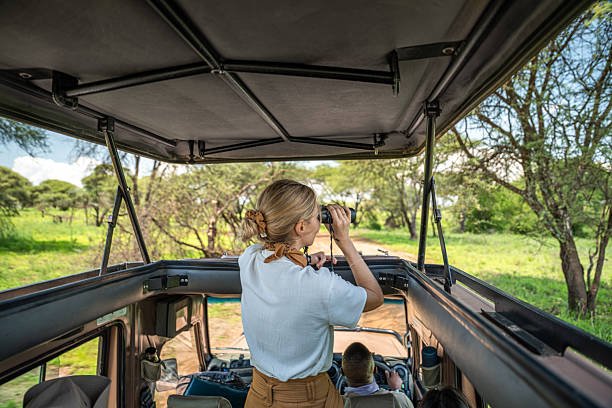
2 Day Group Joining Safari Departures From Moshi: Your Essential Guide
Explore 2-day group joining safaris departing from Moshi, Tanzania. This guide covers essential planning, itinerary options, what's included, and how to book your shared wildlife adventure...
View package detailsNo related package matches those filters. Clear one or more filters to see the other topic-matched options.



