
Songwe, Tanzania, offers a rich mix of hidden gems and authentic local tours that extend beyond the typical tourist trail, inviting travelers to experience genuine cultural immersion and discover unique natural landscapes. While not as widely publicized as major national parks, Songwe and its surrounding areas provide opportunities for exploring vibrant local markets, engaging with rural communities, visiting artisanal craft centers, and discovering off-the-beaten-path natural attractions like waterfalls and scenic viewpoints, often best accessed through locally guided experiences that support the community. For those planning a visit in 2026 or 2027, embracing these less-explored facets of Songwe promises a more profound connection to Tanzania’s heart.


Understanding Songwe: More Than Just a Gateway
Songwe, situated in the Mbeya Region of southwestern Tanzania, often serves as a vital transportation hub, particularly due to its airport. However, to relegate Songwe to a mere transit point is to miss out on a region brimming with authentic Tanzanian life, natural beauty, and cultural richness. Understanding Songwe requires looking beyond its logistical function and appreciating its role as a gateway to diverse landscapes, from the highlands that nurture coffee and tea plantations to the fertile plains and the proximity to Lake Rukwa. The local communities here maintain traditions and a way of life that offer a compelling glimpse into rural Tanzania, far removed from the more commercialized tourist centers. This is a place where interactions are genuine, and the pace of life allows for deeper engagement. For travelers in 2026-2027 seeking an unfiltered Tanzanian experience, Songwe presents a unique opportunity to connect with the country’s soul.
The Mbeya Region itself is characterized by its varied topography, including highlands, plateaus, and valleys, creating a mosaic of ecosystems and cultural practices. Songwe, as a focal point within this region, benefits from this diversity. It’s a place where agricultural life is prominent, with smallholder farms dotting the landscape, producing crops that are central to the local economy and diet. Engaging with these aspects, perhaps through a guided farm visit or by exploring the bustling local markets, offers a tangible connection to the daily lives of Songwe’s residents. The cultural landscape is shaped by various ethnic groups, each contributing to the rich social fabric. Understanding these influences helps in appreciating the nuances of local customs, music, dance, and traditional practices that might be encountered during a thoughtfully arranged local tour.
Unveiling Songwe’s Hidden Natural Wonders
While Songwe might not boast the iconic silhouettes of Kilimanjaro or the vast plains of the Serengeti, its surrounding environs hold a subtle yet interesting natural beauty waiting to be discovered. The area’s geological history and varied climate have sculpted a landscape that offers serene escapes and opportunities for gentle exploration. These are not attractions that dominate travel brochures, but rather quiet corners that reward the curious traveler with tranquility and a sense of discovery. Planning for 2026 or 2027 adventures can include time dedicated to these less-trodden natural sites, ensuring a more rounded and in-depth Tanzanian experience.
Waterfalls and Riverine Escapes
The highlands and hilly terrains around Songwe are often fed by seasonal rains, which in turn create numerous small waterfalls and streams that cascade through the landscape. While some might be modest, especially during the dry season, after the rains (typically March to May, and again in November), these water features come alive. A local guide can often lead you to lesser-known falls, perhaps a short hike away from main roads, offering a refreshing respite and picturesque scenery. These are ideal spots for a quiet picnic or simply to enjoy the sounds of nature. The rivers themselves, though not always navigable for extensive boating, provide vital water sources and support local agriculture, their banks often teeming with birdlife and offering glimpses into the daily routines of villagers who rely on them.
For instance, exploring the tributaries of the Songwe River or smaller streams that feed into larger water bodies like Lake Rukwa can reveal hidden pools perfect for a cooling dip or simply a moment of reflection. These are not manicured tourist attractions but natural settings that require a bit of effort to reach, making the reward all the more satisfying. The journey to these spots often involves walking through local farmland or bushland, providing incidental cultural insights along the way. When considering a trip for 2026-2027, inquire about the best times to witness these waterfalls at their fullest, typically during or just after the rainy seasons.
Scenic Viewpoints and Hiking Trails
The undulating terrain around Songwe presents numerous opportunities for panoramic views. Local guides can direct you to hills or ridges that offer sweeping vistas of the surrounding countryside, showcasing agricultural patterns, distant villages, and the broad sweep of the Tanzanian landscape. These viewpoints are often accessible via moderate hiking trails, suitable for those with a reasonable level of fitness. The trails themselves might pass through local communities or agricultural land, offering a layered experience of nature and human activity. Such hikes are best undertaken in the early morning or late afternoon to avoid the midday heat and to capture the best light for photography.
These hiking routes are generally not marked or maintained in the way of national park trails. Therefore, a knowledgeable local guide is essential not only for navigation but also for understanding the local flora, fauna, and the ecological significance of the areas you traverse. They can also ensure that your passage through private land is respectful and, where appropriate, arranged with community consent. For travelers looking to incorporate gentle physical activity and stunning natural vistas into their 2026-2027 itineraries, these scenic hikes around Songwe are a worthwhile pursuit.
Unique Geological Features
The southwestern region of Tanzania, including the area around Songwe, has a complex geological past. This can manifest in interesting formations, rock outcrops, and variations in soil types that influence the landscape and local vegetation. While not on the scale of volcanic craters or massive canyons, there are often areas with distinct rock formations or unique soil compositions that local communities have long understood and utilized, perhaps for traditional building materials or medicinal plants. Discovering these features often requires local knowledge, as they are unlikely to be signposted. A guided exploration could uncover areas with interesting mineral deposits, unusual rock strata, or even small caves, offering a glimpse into the earth’s processes.
These geological points of interest are often tied to the local environment and culture. For example, specific rock types might be associated with traditional stories or beliefs, or their properties might be used in local crafts. Understanding these connections adds a deeper dimension to the exploration. When planning for 2026-2027, consider how incorporating visits to such geological sites, with a knowledgeable local guide, can enrich your understanding of Songwe’s natural heritage.
Cultural Immersion and Local Life in Songwe
Songwe’s true magic lies in its authentic cultural experiences. Moving beyond the natural landscapes, engaging with the people and their way of life offers the most profound insights into this part of Tanzania. Local tours in Songwe are invaluable for facilitating these connections, providing context, and ensuring respectful interaction. The opportunities for cultural immersion here are plentiful, especially for those willing to step off the beaten path and embrace the unexpected. Planning for 2026-2027 travel with a focus on cultural exchange will undoubtedly lead to more memorable journeys.
Songwe Town Market: A Sensory Journey
The local market in Songwe town is the pulsating heart of the community. Held on specific days (confirm locally for exact schedules), it’s a vibrant spectacle of commerce, social interaction, and local life. Here, you’ll find everything from fresh produce – a bounty of fruits, vegetables, and grains grown in the surrounding fertile lands – to household goods, clothing, and livestock. The air is filled with the chatter of vendors, the calls of shoppers, and the aroma of local foods being prepared. This is not a curated tourist market; it is a place where locals genuinely shop, trade, and connect.
Visiting the market with a local guide is highly recommended. They can help you navigate the stalls, understand the transactions, and perhaps even introduce you to vendors. It’s an opportunity to sample local snacks, purchase unique produce, and observe the intricate social dynamics. For travelers in 2026-2027, experiencing a market day in Songwe offers an unparalleled sensory immersion into the region’s economy and daily rhythms. Be prepared for a lively, sometimes chaotic, but always authentic experience.
Village Walks and Community Visits
To truly understand Songwe, spending time in its surrounding villages is essential. Organized village walks, led by local guides, offer a respectful and informative way to explore rural life. These walks typically involve visiting homesteads, observing traditional farming techniques, understanding local housing, and learning about community structures. It’s an opportunity to witness firsthand the resilience and ingenuity of people living in a rural African setting. Such visits are most impactful when they are interactive and allow for genuine conversation, often facilitated by a guide who can translate and bridge cultural gaps.
When arranging a village visit for your 2026-2027 trip, ensure it’s conducted ethically. This means ensuring that the community benefits directly from your visit, perhaps through a small contribution to a community project or by purchasing locally made crafts. The focus should be on learning and respectful exchange, not on intrusive observation. A well-organized tour will emphasize cultural sensitivity and mutual respect, making the experience rewarding for both the visitor and the community.
Artisanal Crafts and Local Skills
The Songwe region, like many parts of Tanzania, is home to skilled artisans who practice traditional crafts. These might include pottery, weaving, wood carving, or basket making. While large-scale production for export might be limited, opportunities exist to visit local workshops or individual artisans in their homes. Witnessing these skills being honed, understanding the materials used, and the cultural significance of the crafts can be incredibly enriching. Purchasing items directly from the artisans ensures that your money supports their livelihoods and preserves these traditional skills.
For travelers planning ahead to 2026-2027, seeking out these artisanal experiences can add a unique dimension to your trip. A local guide can be instrumental in identifying and connecting you with these craftspeople. It’s often more rewarding to find these hidden talents through local networks rather than relying on generic craft shops. The authenticity of interacting directly with the maker and understanding the story behind the craft is a valuable part of the travel experience.
Culinary Adventures in Songwe
Tanzanian cuisine is diverse and flavorful, and Songwe offers a chance to sample regional specialties. Local food experiences can range from trying street food at the market to enjoying a home-cooked meal prepared by a local family. Staples often include ugali (a maize porridge), various stews (mchuzi) made with local vegetables, beans, or meats, and an abundance of fresh fruits. Coffee and tea are also significant crops in the wider Mbeya region, so sampling locally grown produce is a must.
A well-curated local tour can include culinary stops that highlight the authentic flavors of Songwe. This might involve visiting a local eatery known for its traditional dishes, participating in a cooking demonstration, or even visiting a farm to see how ingredients are grown. For your 2026-2027 travel plans, consider dedicating time to explore the local food scene. It’s a direct and delicious way to connect with the culture. Always inquire about ingredients and preparation methods to ensure they align with your dietary needs and preferences.
Planning Your Songwe Adventure: Practicalities and Local Tours
Embarking on a journey to explore the hidden gems and local tours in Songwe requires careful planning. Unlike well-trodden tourist paths, Songwe’s appeal lies in its authenticity, which means practical arrangements often need a more hands-on approach. Understanding the logistical nuances, the best times to visit, and how to secure reliable local guidance is key to a successful and enriching experience for your 2026-2027 travels.
Best Time to Visit Songwe
The climate in Songwe is generally pleasant, influenced by its altitude and proximity to varied geographical features. The region experiences distinct wet and dry seasons. The long rains typically occur from March to May, and a shorter rainy period can be seen in November. The dry season runs from June to October, offering sunny days and cooler evenings, particularly ideal for outdoor activities and market visits. December and February can also be good, often with warm temperatures and scattered showers.
For those planning their 2026-2027 trips, the dry season (June to October) is often preferred for ease of travel and outdoor exploration. However, the shoulder seasons (like November or late February/early March) can offer fewer crowds and lush landscapes, especially if your focus includes appreciating waterfalls or verdant scenery. The market days might also be more vibrant after periods of good rainfall have boosted agricultural yields. Consider what aspects of Songwe you wish to experience most when choosing your travel dates.
Getting to Songwe
Songwe is accessible primarily through its airport, Songwe International Airport (SWZ), which receives domestic flights, notably from Dar es Salaam and Kilimanjaro. This makes it a convenient entry point for those wishing to explore southwestern Tanzania. Alternatively, one can travel by road from major Tanzanian cities like Mbeya (which is relatively close) or Dar es Salaam. Road travel can be long but offers opportunities to see the changing landscapes of Tanzania. Bus services are available, though for comfort and flexibility, especially when planning to explore local sights, arranging private transport or a combination of flights and local transfers is advisable.
For travelers aiming for 2026-2027, booking flights in advance is recommended, especially during peak seasons. If arriving by road, ensure your vehicle is in good condition, or consider arranging transport with a reputable local operator. For those looking to combine Songwe with other regions, understanding the flight schedules or driving times is crucial for smooth itinerary planning.
Accommodation Options in Songwe
Accommodation in Songwe itself is more limited compared to major tourist hubs. You’ll find basic guesthouses and lodges catering to local travelers and business visitors. For those seeking more comfort or specific amenities, Mbeya town, a short drive away, offers a wider range of hotels, from mid-range to more comfortable options. However, staying in or very near Songwe town can provide a more authentic local experience and easier access to local tours and markets.
When planning your 2026-2027 trip, consider what kind of experience you desire. If immersion is key, a simpler, locally run guesthouse might be ideal. If comfort is paramount, basing yourself in Mbeya and arranging day trips to Songwe and its surroundings could be a better strategy. Some operators might also be able to arrange stays in community-run lodges or homestays, offering a deeper connection to the local culture. It’s worth discussing these options when you inquire about tours.
Finding Reliable Local Tours in Songwe
The key to unlocking Songwe’s hidden gems and authentic experiences lies in finding reliable local guides and tour operators. Since Songwe is not a traditional tourist hotspot, tour options are often more bespoke and community-based. Look for operators who have strong ties to the local community, employ local guides, and prioritize authentic cultural exchange. Recommendations from local contacts or through reputable Tanzanian travel agencies are invaluable.
When searching for tours for 2026-2027, ask specific questions: Who will be your guide? What is their local knowledge? How does the tour benefit the community? What is included and excluded? A good local tour should offer insights into daily life, culture, and the natural environment, going beyond superficial sightseeing. For instance, a tour focusing on Songwe’s hidden gems might involve a guided village walk, a visit to a local artisan, and a scenic viewpoint hike, all facilitated by a knowledgeable local.
Important Note for 2026-2027 Travel Planning: When booking local tours in Songwe, especially those focused on cultural immersion or visiting remote natural sites, it is crucial to confirm inclusions. This often means transportation, a knowledgeable local guide, and potentially entrance fees or community contributions. Clarify if meals or specific activities are part of the package. Building a relationship with a trusted operator like Climb 4 Africa can ensure these details are well-managed, providing peace of mind for your trip.
Customizing Your Songwe Itinerary
The beauty of exploring Songwe is the potential for customization. Whether you’re interested in agriculture, local crafts, birdwatching, or simply experiencing daily life, an itinerary can be tailored to your interests. Many local tours are flexible and can be adapted to suit your pace and preferences. Consider how much time you want to dedicate to Songwe within a larger Tanzanian trip. A single day might allow for a market visit and a short village walk, while several days could incorporate more in-depth cultural experiences, hikes to viewpoints, and explorations of surrounding natural areas.
For your 2026-2027 plans, think about combining Songwe with other destinations in southwestern Tanzania, such as venturing towards Lake Rukwa or exploring the highlands. A customized itinerary can weave these elements together seamlessly, ensuring you make the most of your time. Discussing your interests and desired pace with your tour provider is the first step to crafting a truly personalized Songwe adventure.
Songwe as a Base for Further Exploration
While Songwe itself offers compelling reasons to visit, its strategic location makes it an excellent starting point or stopover for exploring a wider array of attractions in southwestern Tanzania. The region is rich in both natural beauty and cultural heritage, and Songwe’s accessibility, particularly via its airport, can streamline journeys to these other destinations. Planning a 2026-2027 trip that uses Songwe as a hub can offer a diverse and rewarding Tanzanian experience.
Nearby National Parks and Reserves
The Mbeya Region and its surroundings are home to several national parks and wildlife reserves, though they may require dedicated travel time from Songwe. Ruaha National Park, one of Tanzania’s largest, is a significant draw for wildlife enthusiasts, known for its large elephant and lion populations, and its rugged, remote feel. While not a day trip from Songwe, it can be incorporated into a longer itinerary, potentially flying from Songwe to a more central point within or near Ruaha. Similarly, the vastness of the Katavi National Park, though more remote, offers an unparalleled wilderness experience for those seeking true off-the-beaten-path safaris. Lake Rukwa National Park, closer to Songwe, is a wetland ecosystem renowned for its birdlife and large herds of wildebeest and zebras, especially during certain seasons. Access and the best times to visit these parks can vary significantly, so detailed planning for 2026-2027 is crucial.
For a safari experience that combines the adventure of seeking out wildlife with the opportunity to visit cultural sites, these parks offer a fantastic contrast. Understanding the logistics of reaching them from Songwe – whether by road or domestic flight – is essential. A reputable tour operator can help arrange smooth transfers and tailor safari itineraries to include these magnificent natural areas, ensuring you get the most out of your exploration of the region.
Cultural Sites Beyond Songwe
Beyond Songwe town, the Mbeya Region and neighboring areas hold cultural significance. The highlands are known for their coffee and tea plantations, offering opportunities for farm tours and insights into the cultivation and processing of these globally popular beverages. Engaging with the communities that work these plantations can provide a different perspective on rural Tanzanian life compared to the more subsistence-focused farming in other areas. Further afield, historical sites or areas with unique ethnic group settlements might exist, though these often require deep local knowledge to access and appreciate.
Exploring these cultural sites beyond Songwe can offer a richer understanding of Tanzania’s diverse heritage. For travelers planning for 2026-2027, consider how these experiences can complement a visit to Songwe. For example, a trip could combine the vibrant local markets of Songwe with a visit to a coffee estate in the nearby highlands, offering a spectrum of cultural and economic activities. Researching specific ethnic groups or historical narratives relevant to the Mbeya Region can guide the planning of such excursions, ensuring a more focused and meaningful cultural journey.
Making the Most of Your Visit to Songwe
To ensure your exploration of Songwe’s hidden gems and local tours is both rewarding and responsible, consider a few key aspects of preparation and conduct. These practical tips will help you navigate your journey with confidence and respect, making your 2026-2027 adventure truly memorable.
Responsible Tourism in Songwe
When visiting Songwe and engaging with local communities, responsible tourism practices are paramount. This means being mindful of your impact on the environment and the local culture. Always seek permission before taking photographs of people, especially in villages or markets. Support the local economy by purchasing authentic crafts directly from artisans and eating at local eateries. Ensure that any tours you book contribute positively to the community, providing fair wages to guides and supporting local initiatives. Respect local customs and traditions; dress modestly when visiting villages or religious sites. By traveling responsibly, you help ensure that tourism benefits the people of Songwe and preserves its unique character for future visitors in 2026, 2027, and beyond.
Packing Essentials for Songwe
Given Songwe’s climate and the nature of local tours, packing thoughtfully is essential. Lightweight, breathable clothing is suitable for the day, while a warmer layer (fleece or jacket) is advisable for cooler evenings, especially during the dry season. Comfortable walking shoes are a must for exploring markets, villages, and hiking trails. Sun protection, including a hat, sunglasses, and high-SPF sunscreen, is crucial. Insect repellent, particularly for evenings, is also recommended. A basic first-aid kit, personal medications, and hand sanitizer are always good to have. For cultural interactions, carrying small denominations of Tanzanian Shillings (TZS) for purchases at markets or for tipping guides can be very useful. A reusable water bottle is environmentally friendly, and you can often refill it at lodges or with purified water provided by tour operators.
Safety and Health Considerations
While Songwe is generally a safe destination, standard travel precautions apply. It’s advisable to drink bottled or purified water to avoid waterborne illnesses. For health, consult your doctor or a travel clinic well in advance of your 2026-2027 trip regarding recommended vaccinations (such as Hepatitis A, Typhoid) and malaria prophylaxis, depending on the specific areas you plan to visit and the time of year. It’s also wise to have comprehensive travel insurance that covers medical emergencies and evacuation. When walking or hiking, stick to designated paths where possible and always use a local guide when venturing into less-traveled areas to avoid getting lost or encountering unexpected hazards. Be aware of your surroundings, especially in crowded places like markets, and keep valuables secure.
Booking Your Songwe Experience with Climb 4 Africa
To truly explore the hidden gems and local tours of Songwe, Tanzania, and ensure an authentic, well-organized, and responsible journey, partnering with an experienced local operator is highly recommended. Climb 4 Africa specializes in creating tailor-made African travel experiences, offering practical local support and deep knowledge of regions like Songwe. Whether you are planning for 2026, 2027, or beyond, their expertise can help you craft an itinerary that perfectly matches your interests, whether they lie in cultural immersion, natural exploration, or a combination of both.
By contacting Climb 4 Africa, you can discuss your specific desires for exploring Songwe. They can help arrange reliable local guides who know the area intimately, facilitating visits to vibrant markets, authentic village experiences, and discovering those less-obvious natural wonders. Their understanding of local logistics, accommodation, and community engagement ensures that your trip is not only enjoyable but also contributes positively to the region. To begin planning your unique Songwe adventure, reach out to Climb 4 Africa. You can connect with them via WhatsApp at +255 747 477 898 or send an email to climb4africa@gmail.com. Provide details about your interests, desired travel dates for 2026-2027, and any specific requests, and they will guide you through the process of creating an unforgettable Tanzanian experience.
Check Availability for Hidden Gems And Local Tours In Songwe, Tanzania: Your Authentic Exploration
Ready to compare dates, prices, and the best option for your group? Send the package name and travel month so the team can reply with a clear quote, availability, and what is included.
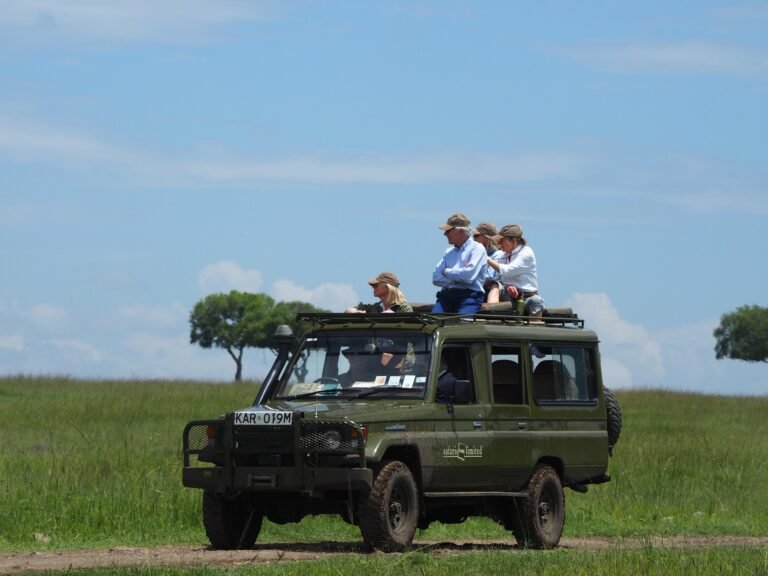
Discover Morogoros Hidden Gems: Authentic Local Tours In Tanzania 2026-2027
Morogoro, Tanzania, offers a wealth of off-the-beaten-path experiences. This guide uncovers its hidden gems and recommends authentic local tours, perfect for travelers seeking genuine…
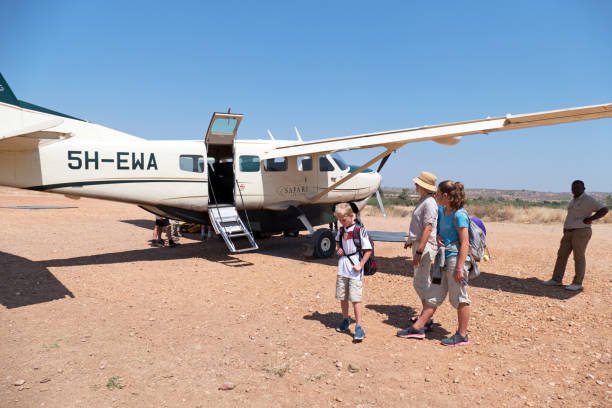
Hidden Gems And Local Tours In Mara, Tanzania 2026-2027
Hidden Gems and Local Tours in Mara, Tanzania is explained with current 2026-2027 planning, price, itinerary and booking information.
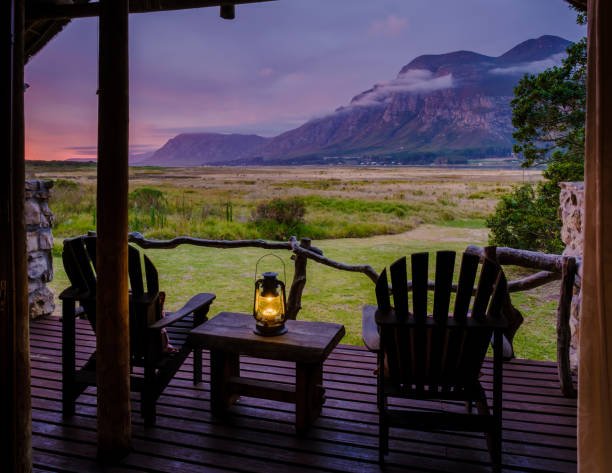
Hidden Gems And Local Tours In Kilimanjaro, Tanzania 2026-2027
Hidden Gems and Local Tours in Kilimanjaro, Tanzania is explained with current 2026-2027 planning, price, itinerary and booking information.
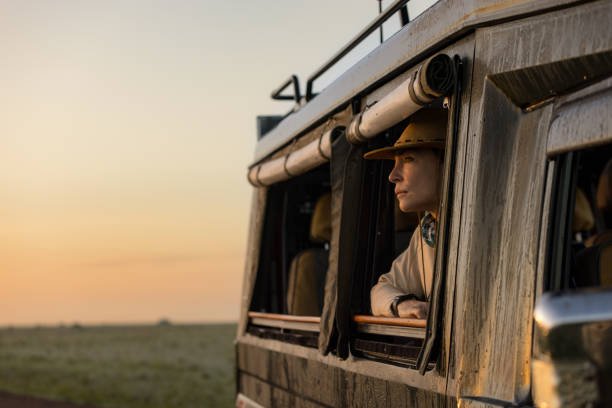
Discover Unguja Kusinis Hidden Gems: Authentic Local Tours In Tanzania
Uncover the authentic heart of Zanzibar in Unguja Kusini. This guide highlights off-the-beaten-path attractions and local tour experiences, perfect for travelers seeking genuine cultural…
Hidden Gems And Local Tours In Unguja Kaskazini, Tanzania 2026-2027
Hidden Gems and Local Tours in Unguja Kaskazini, Tanzania is explained with current 2026-2027 planning, price, itinerary and booking information.
Hidden Gems And Local Tours In Tanga, Tanzania: Your Coastal Adventure Guide
Uncover the lesser-known wonders of Tanga, Tanzania. This guide reveals unique cultural sites, tranquil beaches, and authentic local tours for an unforgettable coastal experience in…
Hidden Gems And Local Tours In Tabora, Tanzania: A Deep Dive For 2026-2027
Explore Tabora, Tanzania, beyond the usual tourist trails. This guide uncovers its rich history, unique culture, and lesser-known attractions, offering insights for independent travelers…
Hidden Gems And Local Tours In Singida, Tanzania Guide
Explore the less-traveled paths of Singida, Tanzania, uncovering its unique cultural heritage, natural beauty, and local community interactions through authentic tours.
Discover Simiyus Hidden Gems: Authentic Local Tours & Experiences In Tanzania
Uncover the best-kept secrets of Simiyu, Tanzania, through authentic local tours. This guide highlights unique cultural encounters, wildlife viewing opportunities, and stunning natural…
Hidden Gems And Local Tours In Shinyanga, Tanzania: An Experts Guide 2026-2027
Explore the lesser-known attractions and unique local experiences in Shinyanga, Tanzania. This guide reveals hidden gems and provides practical advice for planning unforgettable tours, with…
Hidden Gems And Local Tours In Ruvuma, Tanzania Guide
Ruvuma region in Tanzania offers a wealth of undiscovered treasures, from vibrant local cultures to pristine natural landscapes. This guide details how to experience these hidden gems…

Discover Rukwas Hidden Gems: Authentic Local Tours In Tanzania 2026-2027
Uncover the authentic charm of Rukwa, Tanzania, by venturing off the beaten path. This guide details hidden gems and local tour experiences, from unique wildlife encounters to cultural…
No related package matches those filters. Clear one or more filters to see the other topic-matched options.



