
Beyond the well-trodden paths to Kilimanjaro’s summit lie numerous hidden gems and authentic local tours in Tanzania that offer profound cultural immersion and natural beauty. These experiences, ranging from exploring local villages and coffee plantations to discovering lesser-known waterfalls and wildlife viewing spots near the mountain, provide a richer understanding of the region and its people. Engaging with these local tours, often facilitated by expert operators like Climb 4 Africa, allows travelers to connect with the authentic spirit of Kilimanjaro and its surroundings, creating a more memorable and meaningful journey for 2026 and 2027 adventures.
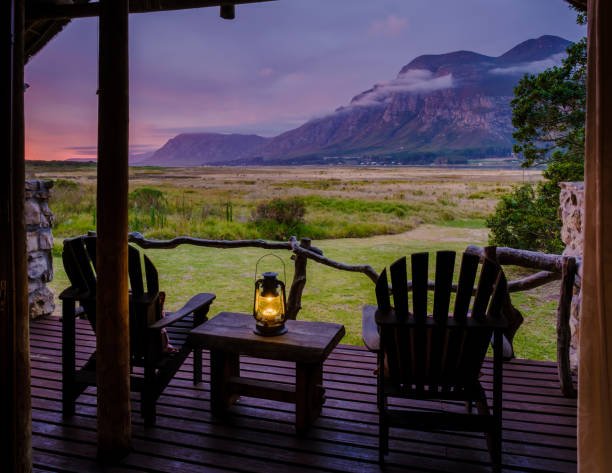

Introduction: Beyond the Peak – Unveiling Kilimanjaro’s Rich mix
Kilimanjaro. The name itself evokes images of snow-capped peaks, challenging ascents, and the ultimate triumph of reaching Africa’s highest point. For many, the primary focus is the summit, a bucket-list achievement that draws adventurers from across the globe. However, the magic of Kilimanjaro extends far beyond its Uhuru Peak. The mountain is cradled by a vibrant landscape teeming with diverse cultures, lush natural beauty, and unique local experiences that often go unnoticed by those solely focused on the climb. These hidden gems and local tours offer a more profound connection to Tanzania, revealing a side of the Kilimanjaro region that is rich, authentic, and deeply rewarding.
This comprehensive guide is designed for the traveler who seeks more than just a trek. It’s for those who want to understand the heart of Kilimanjaro, to engage with its people, explore its surrounding natural wonders, and savor its local flavors. We’ll navigate through the lesser-known attractions, highlight opportunities for genuine cultural exchange, and provide practical advice for integrating these enriching experiences into your 2026 or 2027 Kilimanjaro adventure. Whether you are an avid trekker looking to extend your stay or a traveler interested in the cultural and natural richness of Tanzania, this guide will help you discover the untold stories and hidden treasures that make the Kilimanjaro region truly special.
Understanding the nuances of local tours and appreciating the value of these “hidden gems” is key to unlocking a more complete Tanzanian experience. It’s about moving beyond the tourist trail and discovering the authentic pulse of life around this majestic mountain.
Understanding Local Tours and Hidden Gems
Before delving into specific recommendations, it’s crucial to define what we mean by “hidden gems” and “local tours” in the context of Kilimanjaro and its surroundings. These aren’t just off-the-beaten-path locations; they represent opportunities for authentic engagement and discovery.
What Constitutes a less crowded place?
A less crowded place, in this context, is a place, activity, or experience that is not widely advertised or heavily touristed, yet offers significant value, beauty, or cultural insight. These might be:
- Natural Wonders: Secluded waterfalls, unique geological formations, or quiet viewpoints offering spectacular panoramas of Kilimanjaro or the surrounding plains, often missed by standard itineraries.
- Cultural Sites: Small, locally-run museums, historical markers of significance to the Chagga people, or traditional homesteads that offer a glimpse into daily life away from organized village tours.
- Local Flavors: Authentic eateries frequented by locals, artisanal workshops, or community-run coffee processing units where visitors can observe and participate.
- Untouched Landscapes: Lesser-known hiking trails in the lower slopes of Kilimanjaro or nearby mountains like Mount Meru, offering different perspectives and biodiversity.
These gems often require a bit more effort to find and access, but the reward is an experience that feels more personal and less commercialized. They are the quiet corners, the unexpected discoveries, and the authentic moments that truly define a destination.
The Value of Local Tours
Local tours, by their nature, are designed to showcase these authentic aspects. They are typically led by individuals or small operators who have deep knowledge of the area and its culture. The value they bring includes:
- Authenticity: They connect you directly with local communities, traditions, and daily life, providing insights that larger, more commercial tours might miss.
- Economic Impact: By choosing local tours, you directly support local economies, empowering communities and ensuring that tourism benefits those who live there.
- Expertise: Local guides offer unparalleled knowledge of the terrain, history, flora, fauna, and cultural nuances, enriching your understanding and safety.
- Flexibility: Many local tours can be customized to your interests, allowing for spontaneous stops, deeper dives into specific topics, or adjustments based on your pace.
When planning for 2026 or 2027, prioritizing local tours ensures a more genuine and impactful travel experience.
Why Combine Trekking with Local Experiences?
While summiting Kilimanjaro is a monumental achievement, combining it with local tours and explorations offers a holistic understanding of the region:
- Deeper Cultural Appreciation: Understanding the Chagga people’s way of life, their history, and their relationship with the mountain provides context to your trek.
- Enhanced Understanding of the Environment: Exploring the diverse ecosystems around Kilimanjaro, from coffee farms to rainforests, deepens appreciation for the mountain’s ecological significance.
- More Meaningful Travel: Local interactions and discoveries create richer memories and a sense of connection that goes beyond physical accomplishment.
- Extended Adventure: These tours offer a perfect way to acclimatize before a climb, relax and reflect after a descent, or simply enjoy Tanzania’s beauty without the intensity of a summit bid.
By thoughtfully integrating these elements, your Kilimanjaro journey in 2026-2027 can transform from a singular achievement into a comprehensive cultural and natural exploration.
Exploring the Foothills and Surrounding Regions
The slopes of Kilimanjaro and the land immediately surrounding it are incredibly fertile and diverse, supporting unique ecosystems and human settlements. Venturing beyond the designated trekking routes reveals a wealth of natural beauty and wildlife.
Kilimanjaro National Park: Beyond the Trekking Routes
While the main trekking routes are the primary way most visitors experience Kilimanjaro National Park, the park’s lower slopes and surrounding buffer zones offer opportunities for exploration that don’t involve a multi-day climb. These areas are often overlooked but are vital parts of the mountain’s ecosystem.
- Shira Plateau: While accessible on some routes like Shira, it can also be explored as a day trip or a shorter excursion from certain entry points. Its unique moorland vegetation and ancient lava flows offer a stark, beautiful landscape.
- Mweka Wildlife College Area: Located on the southern slopes, this area is sometimes used for specific conservation projects and offers a different perspective on the mountain’s lower forests, with opportunities for birdwatching and understanding local conservation efforts.
- Forest Reserves: Areas managed as forest reserves on the mountain’s periphery are home to diverse flora and fauna, including colobus monkeys and various bird species. Guided walks here can be incredibly rewarding.
These excursions require special park permits and knowledgeable guides to ensure they are conducted responsibly and sustainably. Planning these for 2026 or 2027 should involve consulting with operators experienced in park regulations.
Waterfalls and Natural Wonders
The high rainfall on Kilimanjaro’s slopes feeds numerous rivers and streams, creating spectacular waterfalls that are often hidden within lush vegetation.
- Marangu Waterfalls (Kinukamori and Ndoro): Near the popular Marangu route starting point, these waterfalls are accessible via relatively easy day hikes. The trek takes you through coffee plantations and small Chagga villages, offering a beautiful blend of natural scenery and cultural insight. The cool mist and the sound of cascading water provide a refreshing escape.
- Materuni Waterfalls: Located near Moshi, this is perhaps the most well-known waterfall accessible as a day trip. The journey involves a hike through vibrant rainforest, culminating in a stunning 70-meter drop. The tour often includes a visit to a local coffee farm, where you can learn about the bean-to-cup process and even try your hand at grinding beans.
- Chekereni Waterfalls: A lesser-known gem, offering a more secluded experience. The hike can be more challenging, but the reward is a tranquil setting surrounded by dense forest, perfect for a quiet picnic or contemplation.
These natural sites provide excellent opportunities for photography, relaxation, and experiencing the raw beauty of the Kilimanjaro region outside of the intense trekking environment. They are ideal additions to pre- or post-climb itineraries for 2026-2027.
Wildlife Encounters Away from the Masses
While Kilimanjaro is not primarily a wildlife destination like the Serengeti or Maasai Mara, its diverse habitats support a surprising array of animals, especially on its lower slopes and in nearby conservancies.
- Colobus Monkeys and Blue Monkeys: These primates are common in the montane forests of Kilimanjaro. Guided walks, particularly in areas like the Marangu or Mweka forests, offer excellent chances to spot them leaping through the trees.
- Birdlife: The region is a haven for birdwatchers, with numerous endemic and migratory species. Guided birding tours can reveal троgons, turacos, hornbills, and various sunbirds.
- Nearby Conservancies: While not directly on Kilimanjaro, areas like West Kilimanjaro offer opportunities for game drives with Kilimanjaro as a dramatic backdrop. These are less crowded than the main national parks and can provide excellent sightings of giraffes, zebras, wildebeest, and various antelope species, alongside elephants and predators in certain seasons.
- Small Mammals: Keep an eye out for smaller creatures like mongooses, bushbucks, and various rodents during forest walks.
These wildlife encounters offer a gentler pace of exploration, complementing the physical challenge of the climb and providing a broader appreciation for Tanzania’s biodiversity.
Cultural Immersion and Community Engagement
The Chagga people are the predominant ethnic group living on the fertile slopes of Kilimanjaro. Their rich culture, history, and agricultural practices are deeply intertwined with the mountain. Engaging with local communities offers invaluable insights.
Visiting Local Villages and Markets
Experiencing daily life in a Chagga village provides an authentic glimpse into Tanzanian culture.
- Chagga Villages: Tours often include walks through villages like Marangu or Materuni, where you can see traditional housing, interact with residents, and learn about their social structures. This is an opportunity to understand their resilience, community spirit, and relationship with the land.
- Local Markets: Visiting a bustling local market, such as the weekly market in Moshi, is a sensory feast. Here, you can witness the vibrant trade of fresh produce, local crafts, clothing, and everyday goods. It’s a fantastic place to observe local interactions, practice basic Swahili greetings, and perhaps find unique souvenirs. These markets are a cornerstone of community life and offer a genuine cultural exchange.
Authentic village visits are best arranged through operators who have established respectful relationships with the communities, ensuring that interactions are beneficial for both visitors and residents.
Coffee and Banana Plantations
The volcanic soil on Kilimanjaro’s slopes is exceptionally fertile, making it ideal for agriculture, particularly coffee and bananas.
- Chagga Coffee Tours: Many tours focus on the traditional Chagga coffee-growing process. You’ll learn about planting, harvesting, drying, roasting, and grinding coffee beans, often culminating in tasting freshly brewed Kilimanjaro coffee. This hands-on experience highlights the importance of coffee farming to the local economy and culture. You can observe the entire process from bean to cup, understanding the labor and skill involved.
- Banana Cultivation: Bananas are a staple crop, grown in abundance alongside coffee. Tours may also cover banana farming, explaining the various uses of the plant, from its fruit to its leaves and stems, which are used for food, drink, and even building materials. Learning about the ‘shamba’ (farm) ecosystem provides insight into sustainable agricultural practices.
These agricultural tours offer a tangible connection to the land and the livelihoods of the people. They are often combined with waterfall visits, making for a well-rounded day trip.
Learning Traditional Crafts and Skills
Some local tours offer opportunities to engage with traditional crafts and skills, providing a deeper appreciation for Chagga heritage.
- Pottery and Weaving: In some communities, you can find artisans demonstrating or teaching traditional pottery-making techniques or weaving methods using local materials.
- Wood Carving: While more famously associated with other regions, wood carving is also a practiced art form, and observing local carvers at work or even trying your hand at simple designs can be a unique experience.
- Beekeeping: Honey production is common in the region. Learning about traditional beekeeping methods and the uses of honey and beeswax can be part of specialized cultural tours.
These interactive sessions are usually small-group activities and require advance arrangement, often through a local tour operator familiar with community-based tourism initiatives. They offer a chance for hands-on learning and creating a personal connection with local traditions.
Understanding Local Lifestyles
Beyond specific activities, simply observing and interacting respectfully within a local context offers profound learning.
- Daily Routines: Witnessing the rhythm of daily life – from early morning chores to evening gatherings – provides a realistic view of life in the Kilimanjaro region.
- Family Structures: Learning about Chagga family life, community support systems, and the roles of elders and youth offers insights into social dynamics.
- Education and Health: Visits to local schools or health centers (arranged respectfully and with prior permission) can highlight the challenges and successes of community development.
It’s important to approach these interactions with humility, curiosity, and respect. Asking questions, listening attentively, and being mindful of cultural differences are paramount. Local guides play a crucial role in facilitating these understandings and ensuring appropriate etiquette is observed, especially when planning for 2026-2027 travel.
Culinary Journeys Through Kilimanjaro
Tanzania’s cuisine is a delightful reflection of its diverse influences and abundant natural resources. The Kilimanjaro region, with its fertile lands, offers a unique culinary landscape.
Tanzanian Cuisine Highlights
When exploring local tours, don’t miss the opportunity to sample authentic Tanzanian dishes. Key elements include:
- Ugali: The staple carbohydrate, made from maize flour, is a dense porridge that forms the base of many meals.
- Nyama Choma: Grilled meat (often goat, beef, or chicken) is a popular delicacy, usually served with ugali and a side salad or kachumbari (a fresh tomato and onion relish).
- Pilau: A fragrant rice dish cooked with spices, meat, and sometimes vegetables.
- Mishkaki: Skewers of marinated and grilled meat, a popular street food.
- Local Vegetables: Abundant produce means dishes often feature spinach (mchicha), okra, beans, and various greens, cooked with onions, tomatoes, and spices.
- Fruits: Tropical fruits like mangoes, passion fruit, pineapples, and of course, bananas, are plentiful and delicious.
Experiencing these foods in local eateries or during community visits offers a genuine taste of Tanzania.
Local Food Tours and Cooking Classes
For a truly in-depth culinary experience, consider dedicated food tours or cooking classes.
- Moshi Food Tours: These tours typically guide you through local markets, street food stalls, and traditional restaurants in Moshi town. You’ll sample a variety of dishes, learn about local ingredients, and understand the cultural significance of food in Tanzania.
- Cooking Classes: Some local initiatives offer hands-on cooking classes where you can learn to prepare classic Tanzanian dishes like pilau or ugali. This is a fantastic way to gain practical skills and a deeper appreciation for the flavors of the region. Often, these classes are integrated into village visits or coffee tours.
These experiences are perfect for travelers looking to connect with the local culture through its food, adding a delicious dimension to their 2026-2027 trip.
Farm-to-Table Experiences
Given the agricultural richness of Kilimanjaro’s slopes, farm-to-table experiences are readily available.
- Farm Visits: Beyond coffee and banana plantations, some tours can arrange visits to farms growing a variety of vegetables and grains. You can learn about traditional farming methods, the challenges faced by farmers, and the importance of the land to their livelihoods.
- Community Dinners: Participating in a meal prepared using ingredients sourced directly from local farms or the community’s own shamba offers a true farm-to-table experience. This often takes place in a village setting, providing an intimate cultural exchange.
These experiences highlight sustainability and the direct connection between the land and the food on your plate, offering a grounded perspective on life in Tanzania.
Planning Your Kilimanjaro Hidden Gems Adventure
Integrating hidden gems and local tours into your Kilimanjaro itinerary requires thoughtful planning. Considerations for 2026-2027 travel involve timing, logistics, and choosing the right partners.
Best Time to Visit for Local Tours
While Kilimanjaro has distinct climbing seasons (dry seasons from January to March and June to October), local tours and cultural experiences can be enjoyed year-round. However, some factors might influence your choice:
- Rainy Seasons (April-May, November-December): While trekking can be challenging, these periods offer lush green landscapes. Local tours, especially those involving hikes to waterfalls or through plantations, can be particularly scenic. However, heavy rains might occasionally disrupt access to certain remote areas.
- Harvest Seasons: If you are interested in agricultural tours, timing your visit to coincide with coffee harvesting (typically July to September) or banana harvests can add an extra layer of engagement.
- Festivals and Local Events: While not always widely publicized, local festivals or community gatherings can offer unique cultural insights. It’s worth inquiring with local operators about any significant events during your planned travel dates for 2026 or 2027.
Generally, the peak climbing seasons also offer pleasant weather for day trips and cultural excursions around the mountain’s base.
Duration and Itinerary Considerations
How much time should you allocate?
- Pre- or Post-Climb Add-ons: A single day trip to a waterfall and coffee plantation, or a visit to a local market, can easily be integrated into the days immediately before or after your climb. This allows for acclimatization or relaxation.
- Extended Stays: For a deeper dive, consider adding 2-4 extra days to your itinerary. This could include overnight stays in local guesthouses, multi-day cultural immersion programs, or exploring more remote natural sites.
- Dedicated Cultural Trips: If your primary interest is culture and local life, you might plan a trip focused solely on these aspects, perhaps combined with a shorter, less demanding trek like Mount Meru or a visit to the Kilimanjaro viewpoints without summiting.
Careful itinerary planning ensures you balance your climbing goals with the desire for local exploration without feeling rushed.
Choosing the Right Tour Operator
This is perhaps the most critical step for accessing authentic hidden gems and local tours.
- Local Expertise: Opt for operators with a strong local presence and deep understanding of the Kilimanjaro region. They will have the best connections to genuine community experiences and off-the-beaten-path locations.
- Community-Based Tourism Focus: Look for operators who actively support and partner with local communities, ensuring that your tourism dollars have a positive impact. This often means they can arrange visits to places and people that are not accessible through standard channels.
- Reputation and Reviews: Research reviews, paying attention to feedback on the authenticity and quality of cultural or local tours offered, not just the Kilimanjaro climbs.
- Customization: A good operator will be willing to tailor tours to your specific interests, whether it’s birdwatching, photography, culinary exploration, or deeper cultural engagement.
For example, Climb 4 Africa specializes in Kilimanjaro climbs and Tanzanian travel, possessing the local knowledge to craft unique itineraries that incorporate these enriching local experiences for 2026-2027 travelers.
Logistics and Transportation
Accessing hidden gems often requires flexible transportation arrangements.
- Vehicle Hire: For day trips from Moshi or Arusha, private vehicle hire with a driver is the most common and convenient option. This allows for flexibility and comfort.
- Local Transport: For a truly local experience, you might consider using dala-dalas (local minibuses) for shorter distances within towns or to nearby villages, though this is more adventurous and less comfortable.
- Walking/Hiking: Many local tours involve walking or hiking through villages, plantations, and natural areas. Comfortable walking shoes are essential.
- Guide Services: A knowledgeable local guide is indispensable for navigating remote areas, understanding cultural contexts, and ensuring safety.
Ensure your chosen operator handles all necessary permits, entrance fees, and transportation logistics for any excursions within national parks or protected areas.
Packing Essentials for Local Explorations
While your trekking gear is crucial for the climb, some items are particularly useful for local tours:
- Lightweight, comfortable clothing: Breathable fabrics suitable for warm weather, with layers for cooler mornings or evenings. Modest attire (covering shoulders and knees) is recommended when visiting villages or religious sites.
- Comfortable walking shoes: Essential for village walks, plantation tours, and hikes to waterfalls.
- Sun protection: Sunscreen, a wide-brimmed hat, and sunglasses are vital, even on cloudy days.
- Insect repellent: Especially useful for evenings and areas near water.
- Camera: To capture the stunning landscapes and cultural moments. Always ask permission before taking close-up photos of people.
- Small backpack: For carrying water, snacks, a camera, and a light jacket during day trips.
- Reusable water bottle: To stay hydrated and minimize plastic waste.
- Basic first-aid kit: For minor cuts or ailments.
Being prepared ensures you can fully enjoy the diverse experiences Kilimanjaro’s surroundings offer.
Making the Most of Your Local Tours in 2026-2027
To truly benefit from the hidden gems and local tours around Kilimanjaro, adopt an open and respectful approach. The goal is to learn, connect, and contribute positively.
- Be Curious and Respectful: Engage with locals with genuine interest. Ask questions, listen actively, and be mindful of cultural norms. Understanding local customs, such as greetings and appropriate dress, goes a long way.
- Support Local Businesses: Whenever possible, purchase local crafts, coffee, or other products directly from artisans and farmers. This provides direct economic benefit to the communities you visit.
- Tread Lightly: Practice responsible tourism. Avoid single-use plastics, respect the natural environment by not littering, and stick to designated paths.
- Learn a Few Swahili Phrases: Simple greetings like “Jambo” (Hello), “Asante” (Thank you), and “Karibu” (Welcome) are always appreciated and can significantly enhance your interactions.
- Manage Expectations: Local tours might not always have the polished infrastructure of major tourist attractions. Embrace the authenticity and the occasional imperfections; they are part of the experience.
- Stay Flexible: Sometimes, the most memorable moments come from spontaneous opportunities. Be open to detours or unexpected encounters that your guide might suggest.
By approaching your explorations with these principles in mind for your 2026 or 2027 travels, you will undoubtedly enrich your journey and foster meaningful connections.
Booking Your Kilimanjaro Experience with Climb 4 Africa
Integrating authentic local tours and discovering Kilimanjaro’s hidden gems can significantly elevate your Tanzanian adventure. When planning your 2026 or 2027 trip, partnering with an experienced and locally-rooted tour operator is key to unlocking these unique experiences.
Climb 4 Africa is dedicated to providing comprehensive travel services, from challenging Kilimanjaro climbs to in-depth cultural excursions and wildlife safaris. Their expertise in the region means they can seamlessly blend your trekking aspirations with opportunities to explore the vibrant local life, stunning natural sites, and rich heritage surrounding the mountain.
To begin planning your personalized Kilimanjaro adventure, which includes uncovering these hidden gems and engaging in authentic local tours, we encourage you to reach out. Sharing your interests – whether it’s a specific cultural focus, a desire to visit certain waterfalls, or an interest in local agriculture – will help us craft an itinerary that perfectly matches your vision.
Contact Climb 4 Africa today to discuss your dream Kilimanjaro experience:
- WhatsApp: +255 747 477 898
- Email: climb4africa@gmail.com
Let us help you go beyond the summit and discover the true heart of Kilimanjaro, Tanzania. We look forward to assisting you in creating an unforgettable journey for 2026-2027.
“,
“faq_schema”: [
{
“question”: “What are the best hidden gems to visit near Kilimanjaro besides the summit trek?”,
“answer”: “Beyond the summit trek, hidden gems near Kilimanjaro include the Materuni Waterfalls and coffee plantation, Marangu’s waterfalls (Kinukamori and Ndoro), secluded viewpoints on the Shira Plateau, and vibrant local markets like the one in Moshi. Exploring Chagga villages and lesser-known forest trails also offers unique insights.”
},
{
“question”: “Can I combine a Kilimanjaro climb with local cultural tours?”,
“answer”: “Absolutely. It’s highly recommended to combine a Kilimanjaro climb with local cultural tours. You can add day trips to waterfalls, coffee plantations, or villages before or after your climb, or extend your stay for a more in-depth experience. This provides a well-rounded understanding of the region and its people.”
},
{
“question”: “What kind of local tours are available in the Kilimanjaro region?”,
“answer”: “Local tours in the Kilimanjaro region typically include cultural village visits, coffee and banana plantation tours, hikes to waterfalls, culinary experiences (food tours, cooking classes), visits to local markets, and guided walks in the mountain’s foothills focusing on flora, fauna, and local life. Some operators also offer excursions to nearby conservancies for wildlife viewing with Kilimanjaro as a backdrop.”
},
{
“question”: “When is the best time to visit Kilimanjaro for local tours and cultural experiences?”,
“answer”: “Local tours and cultural experiences can be enjoyed year-round. The dry climbing seasons (Jan-Mar, Jun-Oct) offer pleasant weather for day trips. However, the rainy seasons (Apr-May, Nov-Dec) present lush landscapes, and visiting during harvest seasons (like coffee) can offer specific agricultural insights. It’s always best to check with local operators for specific event timings.”
},
{
“question”: “How can I ensure my local tour experience is authentic and beneficial?”,
“answer”: “To ensure an authentic and beneficial local tour experience, choose an operator with strong local connections and a commitment to community-based tourism, like Climb 4 Africa. Be respectful, curious, and open to learning. Support local businesses by purchasing crafts or produce directly, and practice responsible tourism by minimizing your environmental impact.”
},
{
“question”: “What should I pack for local tours and cultural visits around Kilimanjaro?”,
“answer”: “For local tours, pack comfortable walking shoes, lightweight and modest clothing (covering shoulders and knees for villages), sun protection (hat, sunglasses, sunscreen), insect repellent, a camera, a small backpack for essentials, and a reusable water bottle. Always ask permission before photographing people.”
},
{
“question”: “How do I book local tours and less crowded place explorations in Kilimanjaro for 2026-2027?”,
“answer”: “Booking is best done through experienced local tour operators who specialize in Kilimanjaro and Tanzania. Contact Climb 4 Africa via WhatsApp (+255 747 477 898) or email (climb4africa@gmail.com) to discuss your interests. They can help craft a personalized itinerary that includes both your climb and authentic local experiences for your 2026-2027 travel dates.”
}
]
}
“`
Check Availability for Hidden Gems And Local Tours In Kilimanjaro, Tanzania 2026-2027
Ready to compare dates, prices, and the best option for your group? Send the package name and travel month so the team can reply with a clear quote, availability, and what is included.
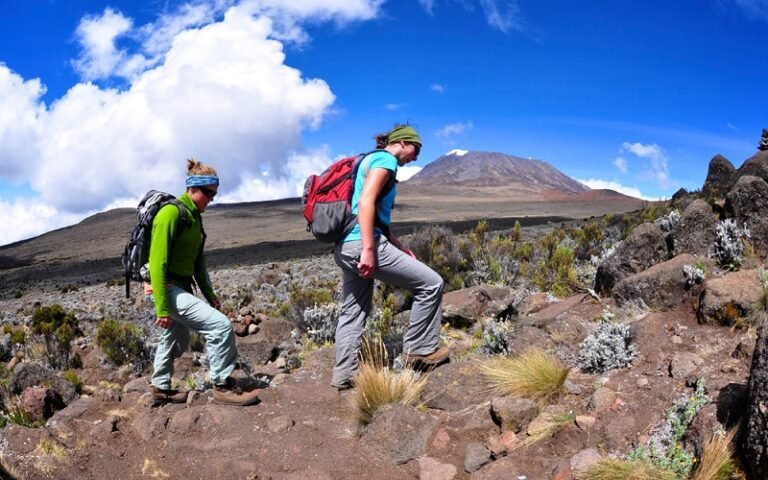
Kilimanjaro And Great Migration Safari July : Your Ultimate Tanzanian
Combining a Kilimanjaro climb with a Great Migration safari in July 2027 offers a spectacular Tanzanian adventure. This guide helps you plan your ideal itinerary, considering the best...
View package details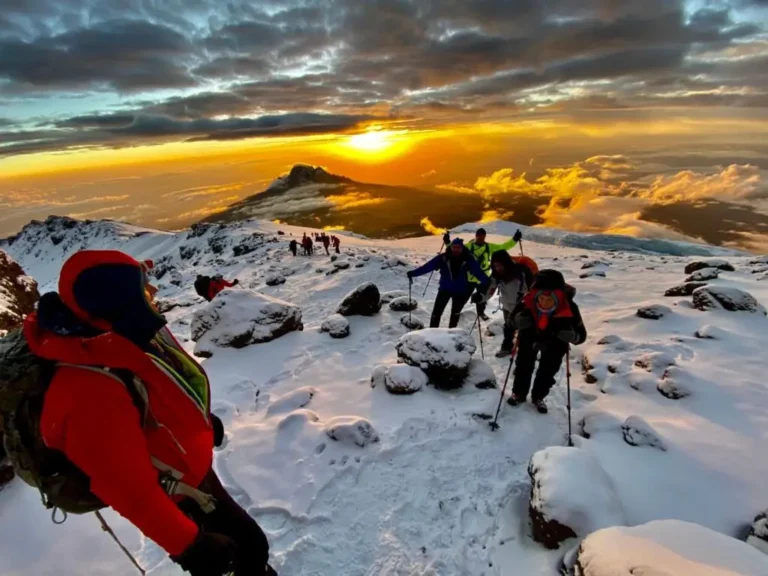
Kilimanjaro And Grumeti Migration Safari June : The Ultimate Tanzanian
Plan your unforgettable Kilimanjaro and Grumeti Migration safari for June 2027. This comprehensive guide details how to combine the challenge of summiting Africa's highest peak with the...
View package details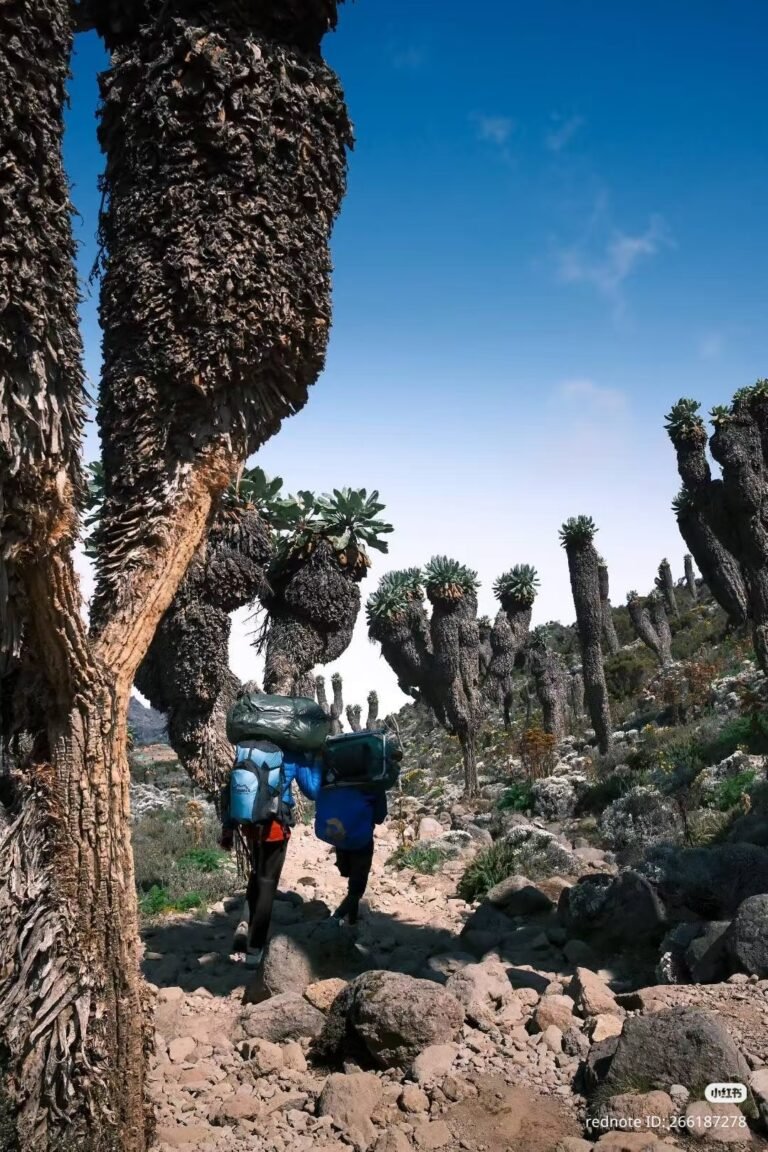
Kilimanjaro Christmas Climb And Tanzania Safari : Your Festive Adventure
Combine the magic of a Christmas ascent of Kilimanjaro with a thrilling Tanzania safari in 2026. Discover how to plan this dual adventure for a truly unique festive season.
View package details
Last Minute Kilimanjaro August – Group Spaces And Availability 2027
Last Minute Kilimanjaro August 2027 – Group Spaces and Availability is explained with current 2027 planning, price, itinerary and booking information.
View package details
Northern Circuit – 10 July Dry-Season Expedition: Your Ultimate Kilimanjaro
Plan your Northern Circuit expedition for July 10, 2027. This dry-season adventure offers the most scenic and gradual ascent on Kilimanjaro, maximizing acclimatization and success rates.
View package details
Kilimanjaro Climb July – Peak Dry-Season Group Departures 2027
Kilimanjaro Climb July 2027 – Peak Dry-Season Group Departures is explained with current 2027 planning, price, itinerary and booking information.
View package detailsMarangu Route – 26 June Kilimanjaro Group Climb 2027
Marangu Route – 26 June 2027 Kilimanjaro Group Climb is explained with current 2027 planning, price, itinerary and booking information.
View package details7 Day Machame Route – 19 June Kilimanjaro Group Departure 2027
Planning to climb Kilimanjaro on the Machame Route in a group setting? This 7-day departure on June 19, 2027, offers a balanced approach to acclimatization and scenery. Learn what to...
View package detailsKilimanjaro 1 May : Your Day Mountain Adventure Awaits 2027
start an unforgettable Kilimanjaro 1 May 2027 adventure. This guide details everything you need to know for a successful May Day climb, from route selection to essential preparation.
View package details8 Day Lemosho Route – 20 February Kilimanjaro Departure With Climb 4 Africa
This article details the 8-day Lemosho Route Kilimanjaro climb scheduled for February 20, 2027, focusing on planning, itinerary, and what makes this departure a unique opportunity with...
View package details
Kilimanjaro Climb February – Dry Season Groups And Availability 2027
Kilimanjaro Climb February 2027 – Dry Season Groups and Availability is explained with current 2027 planning, price, itinerary and booking information.
View package detailsLemosho Route – 7 August Summer Group Climb: Your Kilimanjaro Adventure 2027
start a memorable Lemosho Route – 7 August 2027 Summer Group Climb up Mount Kilimanjaro. This guide covers the itinerary, acclimatization, and preparation for your ascent.
View package detailsNo related package matches those filters. Clear one or more filters to see the other topic-matched options.



