
Traveling to Kilimanjaro, Tanzania, involves careful planning of your ascent route, timing your climb for optimal weather conditions between 2026 and 2027, securing necessary permits and visas, arranging flights to Kilimanjaro International Airport (JRO), and selecting a reputable tour operator for a safe and successful trek. The journey typically starts from Moshi or Arusha, with most expeditions lasting 5 to 9 days, depending on the chosen route and acclimatization pace.
Understanding Your Kilimanjaro Journey
Embarking on a journey to conquer Mount Kilimanjaro is a dream for many, a significant undertaking that promises unparalleled rewards and impressive vistas. Tanzania’s iconic peak, the highest free-standing mountain in the world and the highest in Africa, presents a unique challenge and an unforgettable experience. Traveling to Kilimanjaro is more than just a trek; it’s an expedition into diverse ecosystems, a test of personal endurance, and an immersion into the vibrant culture of Tanzania. For those planning a climb in the upcoming years, particularly 2026 and 2027, understanding the intricacies of this adventure is paramount to ensuring a safe, enjoyable, and successful summit bid. This comprehensive guide aims to demystify the process, offering practical insights and expert advice to help you navigate every step, from initial planning to the final descent.
The decision to travel to Kilimanjaro is often fueled by a desire for adventure, a personal challenge, or a deep appreciation for natural wonders. Kilimanjaro is not a technical climb, meaning it doesn’t require ropes, harnesses, or specialized mountaineering skills. However, its sheer altitude, reaching 5,895 meters (19,341 feet) at Uhuru Peak, makes it a formidable physical and mental challenge. Proper preparation, informed choices about routes and timing, and selecting the right support team are crucial. The journey begins long before you set foot on the mountain, with research, training, and logistical arrangements forming the bedrock of your expedition.
As a premier Kilimanjaro expert and Tanzania travel company, Climb 4 Africa understands the nuances of this extraordinary climb. We’ve guided countless adventurers to the Roof of Africa, and our expertise is rooted in local knowledge and a deep commitment to safety and client satisfaction. Whether you’re contemplating your first major trek or are an experienced mountaineer, this guide will equip you with the essential information needed to plan your travel to Kilimanjaro, Tanzania, with confidence for the 2026-2027 climbing seasons.
Choosing the Right Kilimanjaro Route for 2026-2027
Selecting the most suitable route is arguably the most critical decision when planning your travel to Kilimanjaro. Each of the seven main routes offers a distinct experience, varying in length, scenery, difficulty, acclimatization profile, and success rates. Your choice should align with your fitness level, available time, budget, and desired trekking experience. For 2026 and 2027 climbs, understanding these differences is key to maximizing your chances of reaching the summit while enjoying the journey.
Machame Route: The “Whiskey Route”
Often referred to as the “Whiskey Route” in contrast to the Marangu’s “Coca-Cola Route,” the Machame Route is one of the most popular choices due to its excellent acclimatization profile and scenic beauty. It’s a trekking-only route, meaning no camping is allowed, and accommodation is in tents. The route typically takes 6 or 7 days to complete.
- Pros: High success rates due to gradual ascent and good acclimatization, stunning varied scenery, challenging yet rewarding.
- Cons: Can be crowded, especially during peak season, requires camping.
A 7-day Machame itinerary is generally recommended over the 6-day option to allow for better acclimatization, significantly increasing your chances of reaching Uhuru Peak. The trek winds through diverse landscapes, from rainforest to moorland, alpine desert, and Arctic zones.
Lemosho Route: The Longest and Most Scenic
The Lemosho Route is celebrated for its exceptional beauty and remote feel, especially in its early stages through the Lemosho Glades. It’s considered one of the most picturesque routes. It’s a longer trek, typically taking 7 to 8 days, which allows for superior acclimatization and consequently higher success rates.
- Pros: Stunning panoramic views, excellent acclimatization, less crowded than Machame, high success rates.
- Cons: More expensive due to its length and remoteness, requires camping.
The Lemosho route converges with the Machame route after a few days, offering a fantastic blend of wilderness and established trails. The 8-day Lemosho itinerary is highly recommended for optimal acclimatization and enjoyment.
Marangu Route: The “Coca-Cola” Route
The Marangu Route is the oldest and most established route on Kilimanjaro. It’s also the only route that offers accommodation in dormitory-style huts, making it a popular choice for those who prefer not to camp. It’s often called the “Coca-Cola” route because it’s considered the easiest and most accessible.
- Pros: Accommodation in huts, often considered the easiest and cheapest option, two itineraries (5 or 6 days).
- Cons: Lower success rates due to rapid ascent and poor acclimatization, less scenic than other routes, can be very crowded.
While the 5-day Marangu itinerary is the quickest way up, it’s not recommended for first-time climbers due to the high risk of altitude sickness. The 6-day Marangu option offers slightly better acclimatization but still lags behind routes like Machame or Lemosho in terms of success rates.
Rongai Route: A Drier Option
The Rongai Route approaches Kilimanjaro from the north, near the Kenyan border. This makes it a drier option, particularly beneficial during the rainy seasons. It’s a less crowded route, offering a more remote trekking experience.
- Pros: Good for climbing during the rainy seasons, less crowded, offers a different perspective of the mountain.
- Cons: Scenery is less varied in the early stages compared to southern routes, requires camping.
Rongai is typically offered as a 6 or 7-day trek. The 7-day Rongai itinerary provides better acclimatization and a higher chance of summit success.
Northern Circuit: The Most Scenic and Highest Success Rate
The Northern Circuit is the longest and newest route on Kilimanjaro, circumnavigating the mountain’s northern slopes. Its length (typically 9 days) and gradual ascent provide the best acclimatization, leading to the highest success rates among all routes.
- Pros: Highest success rates, exceptional acclimatization, most scenic route with diverse views, less crowded.
- Cons: Most expensive due to its length, requires camping.
For those prioritizing success and a comprehensive scenic experience, the Northern Circuit is an outstanding choice for 2026-2027 climbs, offering the most relaxed pace and best acclimatization.
Shira Route: An Alternative to Lemosho
The Shira Route is similar to the Lemosho route but begins at a higher altitude, on the Shira Plateau. This means you start your trek at a higher elevation, potentially shortening the initial ascent through the rainforest but also presenting an immediate altitude challenge.
- Pros: Beautiful scenery, good acclimatization over its 7-8 day duration.
- Cons: Starts at a higher altitude which can be challenging for some, more expensive.
It’s often considered a variation of the Lemosho, offering a similar experience but with a higher starting point.
Umbwe Route: The Most Challenging
The Umbwe Route is the shortest and steepest route to the summit. It is considered the most challenging and is recommended only for experienced hikers with excellent physical fitness and prior high-altitude trekking experience. Acclimatization is rapid and often insufficient.
- Pros: Direct and challenging, fewer crowds.
- Cons: Very steep and direct, poor acclimatization, lowest success rates, not recommended for most climbers.
Due to its difficulty and low success rates, the Umbwe route is generally not recommended for travelers new to high-altitude trekking. A minimum of 7 days is needed, but even then, success is not guaranteed.
Route Comparison and Recommendations
When planning your travel to Kilimanjaro for 2026 or 2027, consider these general recommendations:
- For highest success rates and best acclimatization: Northern Circuit (9 days) or Lemosho (8 days).
- For a balance of scenery, acclimatization, and popularity: Machame (7 days).
- For a drier option, especially during rainy seasons: Rongai (7 days).
- For hut accommodation (less recommended for success): Marangu (6 days).
- For experienced trekkers seeking a challenge: Umbwe (7+ days) or a shorter Machame/Lemosho.
The duration of your chosen route is crucial. Longer routes (7-9 days) offer significantly better acclimatization and therefore higher summit success rates compared to shorter ones (5-6 days). For your 2026-2027 climb, prioritizing acclimatization is the single most important factor for success.
Best Time to Travel to Kilimanjaro in 2026-2027
Kilimanjaro can be climbed year-round, but certain periods offer significantly better weather conditions, making them ideal for your expedition. Understanding the mountain’s distinct seasons will help you choose the best time to travel to Kilimanjaro, Tanzania, for your 2026-2027 adventure.
Understanding Kilimanjaro’s Seasons
Kilimanjaro experiences two dry seasons and two rainy seasons, influenced by its equatorial location and high altitude:
- Dry Seasons: January-March and June-October
- Rainy Seasons: April-May (long rains) and November-December (short rains)
Peak Climbing Seasons
The peak climbing seasons are characterized by clear skies, moderate temperatures, and minimal rainfall. These are:
- January to March: Generally warm, dry, and clear. Snow is often present on the summit.
- June to October: Cooler but very dry and clear. This is another prime window for climbing.
These periods attract the most climbers, so routes can be busier. Booking well in advance for 2026 and 2027 is advisable if you plan to climb during these times.
Shoulder Seasons
The shoulder seasons offer a good compromise between weather and crowds:
- November: Short rains begin, but often only in the afternoons. Mornings can be clear.
- December: Usually a mix of good weather and some rain. Can be a good time with fewer crowds.
These months can be excellent for those seeking a balance, with potentially fewer people on the mountain.
Low Season and Considerations
The low season corresponds with the long rainy period:
- April and May: These months experience heavy rainfall, especially at lower altitudes. Muddy trails and obscured views are common.
While climbing is possible, it’s generally not recommended due to challenging conditions. However, it offers the fewest crowds and potentially lower prices, though safety and comfort can be compromised.
Planning for Specific Months in 2026-2027
When choosing your travel dates for Kilimanjaro in 2026-2027:
- January-March 2026/2027: Excellent visibility, good temperatures. Ideal for summiting.
- April-May 2026/2027: Long rains. Generally avoided unless seeking solitude and willing to face challenging conditions.
- June-October 2026/2027: Dry and cooler. Popular period, especially July-September.
- November-December 2026/2027: Short rains, can be unpredictable but often manageable. Fewer crowds than peak season.
For the best experience, aiming for the dry seasons (June-October and January-March) is usually the most prudent choice for your 2026-2027 Kilimanjaro expedition.
Planning Your Kilimanjaro Travel Logistics
Beyond choosing a route and timing, several logistical elements are crucial for a smooth trip to Kilimanjaro, Tanzania. These include your international travel, entry requirements, health preparations, and managing finances.
Flights to Kilimanjaro International Airport (JRO)
The primary gateway for travelers to Kilimanjaro is Kilimanjaro International Airport (JRO), also known as Kilimanjaro-Arusha Airport. It is conveniently located between the towns of Arusha and Moshi, the main staging areas for Kilimanjaro climbs.
- Major Airlines: Several international airlines fly into JRO, often with a stopover in a major hub like Amsterdam (KLM), Doha (Qatar Airways), or Istanbul (Turkish Airlines).
- Booking in Advance: Especially for 2026 and 2027 travel during peak seasons, booking your flights several months in advance is highly recommended to secure better fares and availability.
- Arrival Day: Most expeditions require you to arrive at least one day before your trek begins, allowing for a pre-climb briefing, gear check, and rest.
Visas and Entry Requirements
Tanzania requires most foreign nationals to obtain a visa for entry. Requirements can vary based on your nationality.
- Visa Application: You can typically apply for a Tanzanian visa online through the official Tanzanian immigration website or obtain one upon arrival at JRO. However, applying online in advance is often recommended to save time at the airport.
- Passport Validity: Ensure your passport is valid for at least six months beyond your intended stay and has at least two blank pages for stamps.
- Check Requirements: Always verify the latest visa and entry requirements for your specific nationality with the Tanzanian embassy or consulate in your country well before your planned travel in 2026 or 2027.
Travel Insurance for Kilimanjaro Climbs
Comprehensive travel insurance is not just recommended; it’s often a mandatory requirement from tour operators for Kilimanjaro climbs. Your insurance must cover:
- High Altitude Trekking: Ensure your policy explicitly covers trekking up to 6,000 meters (which covers Kilimanjaro’s summit).
- Emergency Medical Evacuation: This is crucial. If you suffer from altitude sickness or an injury, you may need to be evacuated by helicopter or specialized vehicle. This can be extremely expensive without adequate coverage.
- Trip Cancellation/Interruption: Covers unforeseen circumstances that might force you to cancel or cut short your trip.
Review policy details carefully. Some standard travel insurance policies do not cover high-altitude mountaineering. Companies like Climb 4 Africa often require proof of adequate insurance for all their clients undertaking a Kilimanjaro climb in 2026-2027.
Vaccinations and Health Precautions
Consult your doctor or a travel clinic 4-6 weeks before your trip regarding necessary vaccinations and health advice for Tanzania.
- Recommended Vaccinations: Typically include Hepatitis A, Typhoid, Tetanus, and potentially others like Hepatitis B, Rabies, and Polio depending on your travel history and activities.
- Yellow Fever: A Yellow Fever vaccination certificate may be required if you are arriving from or transiting through a country with a risk of Yellow Fever transmission.
- Malaria Prevention: Tanzania is a malaria-risk area. Discuss appropriate antimalarial medication with your doctor.
- Altitude Sickness: While not a vaccination, understanding and preparing for altitude sickness is a critical health precaution.
Currency and Money Matters
The official currency of Tanzania is the Tanzanian Shilling (TZS). However, US Dollars (USD) are widely accepted, especially for tourist services like tour packages and park fees. It’s advisable to carry both.
- Tour Operator Payments: Most tour operators, including Climb 4 Africa, will require a deposit and final payment in USD. Confirm their payment terms and accepted currencies for your 2026-2027 booking.
- On the Mountain: You’ll need USD for tipping your guides and porters (a significant part of their income), and local currency (TZS) for small purchases in towns or at local markets.
- ATMs and Credit Cards: ATMs are available in major towns like Arusha and Moshi, but can be unreliable. Credit cards are accepted in some hotels and larger shops, but often incur a surcharge. Carry sufficient cash for your needs.
Language and Communication
The official languages of Tanzania are Swahili and English. English is widely spoken in tourist areas, hotels, and by most guides and tour operators, making communication straightforward for English-speaking travelers.
- On the Mountain: Your guides and crew will speak English. Learning a few basic Swahili phrases like ‘Jambo’ (Hello) and ‘Asante’ (Thank you) is always appreciated by the local community.
- Connectivity: Mobile phone service is available in towns but is generally non-existent on the mountain. Consider purchasing a local SIM card if you need connectivity in Arusha/Moshi.
Preparing for Your Kilimanjaro Trek
Physical and mental preparation, along with proper gear, are fundamental to a successful and enjoyable Kilimanjaro climb. The demands of high altitude and strenuous trekking require diligent preparation well in advance of your travel to Kilimanjaro, Tanzania, for 2026 or 2027.
Physical Training and Fitness Levels
While Kilimanjaro is not a technical climb, it is a strenuous endurance event. The key is cardiovascular fitness and leg strength.
- Focus Areas: Engage in activities that build stamina and strengthen your legs and core. Hiking (especially with a backpack), running, cycling, swimming, and stair climbing are excellent.
- Training Intensity: Aim for at least 3-4 training sessions per week for several months leading up to your climb. Include at least one long hike (4-6 hours) per week, preferably with elevation gain and a loaded backpack.
- Simulate Conditions: If possible, train at altitude or in hilly terrain to get your body accustomed to inclines.
- Listen to Your Body: Avoid overtraining. Rest and recovery are as important as the training itself.
The most important factor for summit success is not extreme fitness, but good acclimatization, which is largely determined by the route and pace. However, a good base level of fitness will make the trek more comfortable and enjoyable.
Essential Kilimanjaro Packing List
Packing correctly is vital for comfort and safety on Kilimanjaro. Layers are key to managing temperature changes from the rainforest floor to the Arctic summit. Most operators provide a detailed packing list, but here are the essentials:
Clothing: Layers Are Key
- Base Layers: Moisture-wicking thermal tops and bottoms (merino wool or synthetic).
- Mid Layers: Fleece jacket or insulated jacket for warmth.
- Outer Layer (Shell): Waterproof and windproof jacket and trousers (Gore-Tex or similar).
- Insulation Layer: A warm down or synthetic insulated jacket for summit night and cold evenings.
- Trekking Shirts: Several moisture-wicking shirts (long and short-sleeved).
- Trekking Trousers: Comfortable, quick-drying hiking pants (convertible pants are useful).
- Warm Hat: Fleece or wool hat that covers your ears.
- Sun Hat: Wide-brimmed hat for sun protection.
- Gloves: Lightweight liner gloves and warm, waterproof outer gloves or mittens.
- Socks: Several pairs of warm, moisture-wicking hiking socks (wool or synthetic blend).
Footwear: Critical for Success
- Hiking Boots: Well-worn-in, waterproof, ankle-supporting hiking boots. This is the single most important item.
- Camp Shoes/Sandals: Lightweight shoes or sandals for relaxing at camp.
- Gaiters: To keep mud, stones, and snow out of your boots.
Gear and Equipment
- Backpack: A comfortable daypack (30-40 liters) for carrying essentials during the day’s trek.
- Duffel Bag: A large, waterproof duffel bag (80-100 liters) for your main gear, carried by porters.
- Sleeping Bag: A 4-season (-15°C to -20°C comfort rating) down or synthetic sleeping bag.
- Sleeping Pad: For added insulation and comfort (though many operators provide one).
- Trekking Poles: Highly recommended for reducing strain on knees, especially on descents.
- Headlamp: With extra batteries for navigating in the dark, especially for summit night.
- Water Bottles/Hydration Reservoir: At least 2-3 liters capacity. Insulated covers are useful in cold weather.
- Sunglasses: High-quality, UV-protective sunglasses.
- Camera and Power Bank: To capture memories and keep devices charged.
Personal Items and Toiletries
- Sunscreen: High SPF, broad-spectrum.
- Lip Balm: With SPF.
- Insect Repellent: Especially for lower elevations.
- Toiletries: Biodegradable soap, toothbrush, toothpaste, small towel, wet wipes.
- Hand Sanitizer: Essential for hygiene.
- Personal Medications: Any prescription medications you need.
Medical and First Aid
- Personal First-Aid Kit: Including blister treatment, pain relievers, antiseptic wipes, bandages, and any personal items.
- Diamox (Acetazolamide): Consult your doctor about using this medication for altitude sickness prevention.
- Water Purification Tablets/Filter: As a backup, though operators usually provide boiled or treated water.
Altitude Sickness: Prevention and Management
Altitude sickness (Acute Mountain Sickness – AMS) is the most common ailment on Kilimanjaro and the primary reason for summit failure. It’s caused by ascending too quickly and not allowing the body enough time to acclimatize to the lower oxygen levels at higher elevations.
- Symptoms: Headache, nausea, dizziness, fatigue, loss of appetite, and difficulty sleeping.
- Prevention: The best prevention is a slow ascent on a longer route (7-9 days) and proper hydration. Diamox can be prescribed by a doctor to aid acclimatization.
- Management: If symptoms arise, do not ascend further. Inform your guide immediately. Rest, hydrate, and if symptoms worsen, descent is the only cure. Your guide is trained to monitor you and make critical decisions regarding your health.
Understanding AMS and respecting your body’s signals is paramount for a safe climb to Kilimanjaro in 2026-2027.
Mental Preparation for the Summit Push
The mental aspect of climbing Kilimanjaro, especially the summit night, is as challenging as the physical. The final ascent is often undertaken in the dark, in extreme cold, and with significant fatigue.
- Positive Mindset: Maintain a positive attitude. Break the journey into smaller, manageable steps (e.g., “just get to the next switchback”).
- Trust Your Guide: Your guides are experienced professionals. Trust their judgment and follow their instructions implicitly.
- Focus on the Present: Don’t dwell on how far you have to go. Focus on putting one foot in front of the other.
- Teamwork: Encourage fellow climbers and accept encouragement. The shared experience can be a powerful motivator.
Mental fortitude, combined with physical preparation and proper acclimatization, is the key to successfully reaching Uhuru Peak.
Understanding Kilimanjaro Climbing Packages and Costs for 2026-2027
The cost of traveling to Kilimanjaro, Tanzania, can vary significantly depending on the tour operator, route chosen, duration of the trek, and the quality of services provided. Understanding what’s included in a package is crucial for budgeting and avoiding hidden costs.
What is Typically Included in a Kilimanjaro Package?
Reputable Kilimanjaro tour operators, such as Climb 4 Africa, typically include the following in their climbing packages:
- Park Fees: All Kilimanjaro National Park entrance fees, camping/hut fees, and rescue fees. These are a significant portion of the total cost.
- Guides and Crew: Experienced, licensed mountain guides, assistant guides, cooks, and porters.
- Accommodation: Camping equipment (tents, sleeping mats) or hut accommodation (on Marangu route).
- Meals: All meals during the trek (breakfast, lunch, dinner) prepared by your cook.
- Water: Boiled or treated drinking water on the mountain.
- Oxygen Systems: Portable oxygen may be carried for emergencies.
- Equipment: Mess tents for dining, tables, chairs, cooking equipment.
- Transfers: Round-trip transportation from Moshi/Arusha to the mountain gate and back.
- Briefing and Debriefing: Pre-climb briefing and post-climb debriefing.
What is Typically Excluded?
Common exclusions from Kilimanjaro climbing packages include:
- International Flights: Flights to and from Kilimanjaro International Airport (JRO).
- Visa Fees: Cost of your Tanzanian visa.
- Travel Insurance: Mandatory and must be arranged by the client.
- Personal Gear: Sleeping bag, hiking boots, clothing, trekking poles, etc.
- Tips for Guides and Porters: This is a significant expense and a crucial part of the crew’s income. Operators usually provide recommended tipping guidelines.
- Personal Expenses: Drinks (beyond water), snacks, souvenirs, laundry.
- Optional Activities: Pre- or post-climb tours, safaris, or hotel stays.
- Emergency Evacuation: While operators facilitate evacuation, the cost is usually covered by your travel insurance.
Factors Influencing Kilimanjaro Costs in 2026-2027
Several factors influence the price of a Kilimanjaro climb for 2026 and 2027:
- Route Duration: Longer routes are more expensive due to more days of park fees, crew wages, and food.
- Operator Type: Local operators often offer more competitive pricing than international ones, but it’s crucial to vet their quality and safety standards.
- Group Size: Private climbs are more expensive per person than joining a group.
- Inclusions: Packages with more inclusions (e.g., high-quality gear rental, pre- and post-climb accommodation) will naturally cost more.
- Season: Peak season climbs might incur slightly higher costs due to demand.
Budgeting for Your Kilimanjaro Trip
A realistic budget for a Kilimanjaro climb in 2026-2027 typically ranges from $1,800 to $4,500+ per person for a standard 7-day trek, depending heavily on the operator and inclusions. This generally covers the tour operator’s package price. Add to this:
- International Flights: $800 – $1,500+
- Visa: $50 – $100
- Travel Insurance: $100 – $300
- Tipping: $250 – $400 (for a 7-day climb)
- Personal Gear: Variable, depending on what you own vs. rent.
- Pre/Post Climb Accommodation & Activities: $50 – $200+ per day.
It’s essential to look for value, not just the lowest price. A cheap climb often compromises on safety, crew welfare, and the quality of equipment and guides.
Comparing Operator Pricing and Value
When comparing operators for your 2026-2027 Kilimanjaro travel:
- Look Beyond Price: A significantly cheaper price could mean underpaid staff, insufficient guides, lower quality food, or outdated safety equipment.
- Check Inclusions Carefully: Ensure all mandatory park fees, rescue fees, and crew wages are included.
- Read Reviews: Look for independent reviews on platforms like TripAdvisor.
- Ask About Crew Welfare: Reputable companies prioritize fair wages, proper gear, and adequate food for their porters and guides.
- Safety Standards: Inquire about their emergency protocols, equipment (like oxygen cylinders), and guide training.
Climb 4 Africa is committed to providing high-quality, safe, and responsible Kilimanjaro climbs, ensuring fair treatment for our local crew and offering excellent value for your investment in this life-changing adventure.
Safety and Responsible Travel on Kilimanjaro
Safety is paramount on Kilimanjaro. Responsible travel practices ensure the preservation of the mountain’s unique environment and support the local communities involved in tourism.
Importance of Experienced Guides and Crew
Your guides are your lifeline on Kilimanjaro. They are trained in first aid, high-altitude medicine, and mountain rescue.
- Expertise: Experienced guides can identify early signs of altitude sickness, manage your pace, and make critical decisions in emergencies.
- Crew Welfare: A well-paid and well-equipped crew (porters and cooks) is essential for your comfort and safety, and contributes to a positive trekking experience. Ensure your operator treats their staff ethically.
- Communication: Your guides will be your primary point of contact for any concerns, from a blister to symptoms of AMS.
Choosing an operator like Climb 4 Africa means partnering with a company that invests heavily in the training and well-being of its local guides and crew, ensuring a safer and more ethical climb for your 2026-2027 expedition.
Park Regulations and Environmental Stewardship
Kilimanjaro National Park is a UNESCO World Heritage site, and strict regulations are in place to protect its fragile ecosystems.
- Leave No Trace: Pack out everything you pack in, including all trash. Do not leave any waste on the mountain.
- Stay on Trails: Stick to designated paths to prevent erosion and protect vegetation.
- No Campfires: Campfires are strictly prohibited. All cooking is done using gas stoves.
- Waste Disposal: Human waste must be disposed of in designated toilets or buried properly.
- Respect Wildlife: Do not feed or disturb any animals you may encounter.
Adhering to these rules ensures the mountain remains pristine for future generations of climbers planning their travel to Kilimanjaro in 2026-2027 and beyond.
Emergency Procedures and Evacuation
Reputable operators have robust emergency protocols.
- Communication: Guides carry radios or satellite phones for emergencies.
- Rescue Teams: Kilimanjaro National Park has a dedicated rescue team. Your operator will liaise with them.
- Evacuation: In case of severe altitude sickness or injury, immediate descent is the primary treatment. Operators often use specialized evacuation services or stretchers carried by dedicated rescue porters.
- Oxygen: Portable oxygen cylinders are carried by most operators for emergency use.
Ensure your chosen operator can clearly explain their emergency procedures and has a reliable evacuation plan in place for your 2026-2027 climb.
Responsible Tourism Practices
Responsible tourism on Kilimanjaro extends beyond environmental protection:
- Support Local Communities: Choose operators that employ local guides and porters, pay fair wages, and contribute to local community projects.
- Cultural Respect: Be respectful of the local culture and traditions.
- Ethical Tipping: Tipping is customary and expected. Understand fair tipping practices.
Climb 4 Africa is deeply committed to responsible tourism, ensuring our operations benefit local communities and uphold the highest ethical standards for our crew and the environment.
Making Your Booking Decision for Kilimanjaro in 2026-2027
With all the planning details covered, the final step is making the informed decision to book your Kilimanjaro adventure. This involves choosing the right time to book and selecting a trustworthy operator.
When to Book Your Kilimanjaro Adventure
For peak climbing seasons in 2026 and 2027 (January-March and June-October), it is highly recommended to book your Kilimanjaro climb 6 to 12 months in advance. This ensures availability, especially if you are aiming for specific dates or joining a group departure. Shoulder seasons might offer more flexibility, but booking several months ahead is still prudent for securing your preferred operator and itinerary.
How to Choose a Reputable Kilimanjaro Operator
Selecting the right operator is crucial for a safe, enjoyable, and successful Kilimanjaro experience. Consider these factors:
- Experience and Reputation: Look for operators with a long history of successful climbs and positive independent reviews.
- Safety Standards: Prioritize operators with clear safety protocols, well-trained guides, and emergency preparedness.
- Crew Welfare: Ensure they treat their guides and porters ethically and pay fair wages. This directly impacts the morale and professionalism of the team supporting you.
- Inclusions and Transparency: A clear breakdown of what is included and excluded, with transparent pricing, is essential.
- Communication: A responsive and knowledgeable team that answers your questions thoroughly builds confidence.
Next Steps with Climb 4 Africa
When you are ready to take the next step in planning your travel to Kilimanjaro, Tanzania, for 2026 or 2027, Climb 4 Africa is here to help you create an unforgettable expedition. We offer expertly crafted itineraries, prioritize safety and crew welfare, and provide unparalleled local support.
To get started or to receive a personalized quote tailored to your preferences, please reach out to us. We can discuss your desired route, dates, and any specific requirements you may have. Our team is ready to guide you through every decision, ensuring your Kilimanjaro climb is everything you dream it to be.
Contact Climb 4 Africa:
WhatsApp: +255 747 477 898
Email: climb4africa@gmail.com
Let us help you plan your incredible journey to the Roof of Africa. We look forward to assisting you in making your 2026-2027 Kilimanjaro dream a reality.
Check Availability for How To Travel To Kilimanjaro, Tanzania: Your Expert Guide For 2026-2027
Ready to compare dates, prices, and the best option for your group? Send the package name and travel month so the team can reply with a clear quote, availability, and what is included.
Kilimanjaro And Great Migration Safari July : Your Ultimate Tanzanian
Combining a Kilimanjaro climb with a Great Migration safari in July 2027 offers a spectacular Tanzanian adventure. This guide helps you plan your ideal itinerary, considering the best...
View package details
Kilimanjaro And Grumeti Migration Safari June : The Ultimate Tanzanian
Plan your unforgettable Kilimanjaro and Grumeti Migration safari for June 2027. This comprehensive guide details how to combine the challenge of summiting Africa's highest peak with the...
View package details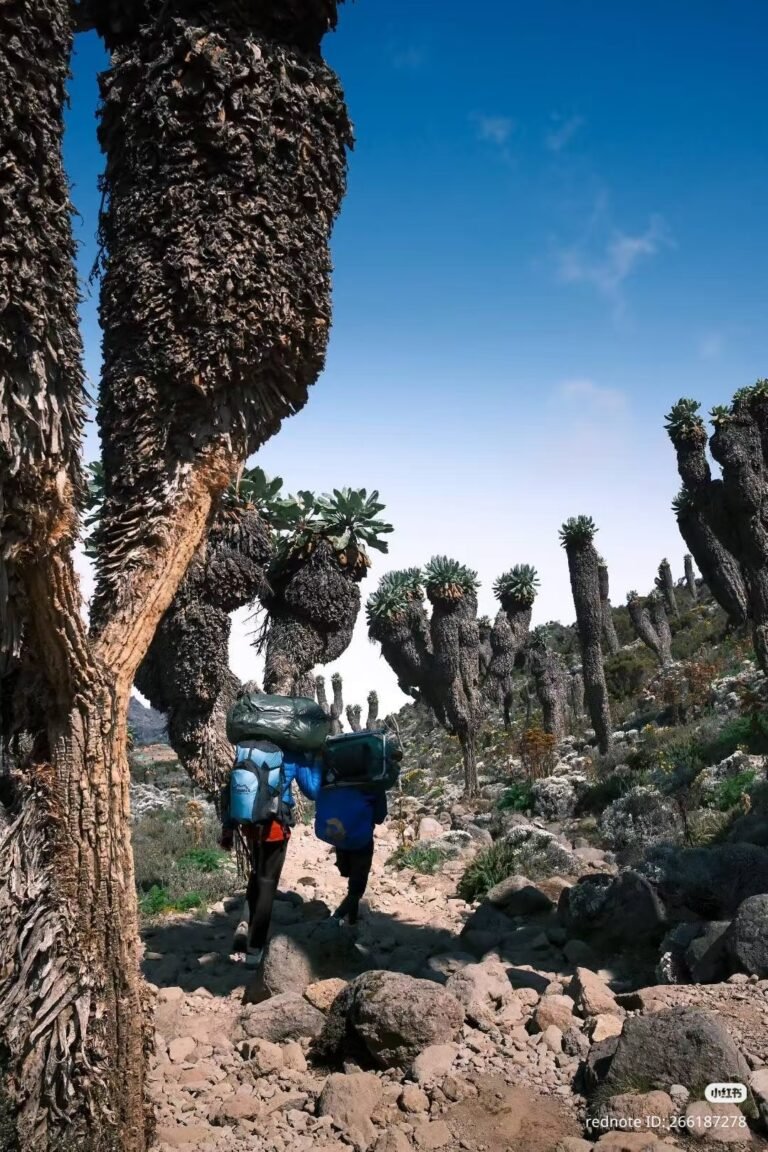
Kilimanjaro Christmas Climb And Tanzania Safari : Your Festive Adventure
Combine the magic of a Christmas ascent of Kilimanjaro with a thrilling Tanzania safari in 2026. Discover how to plan this dual adventure for a truly unique festive season.
View package details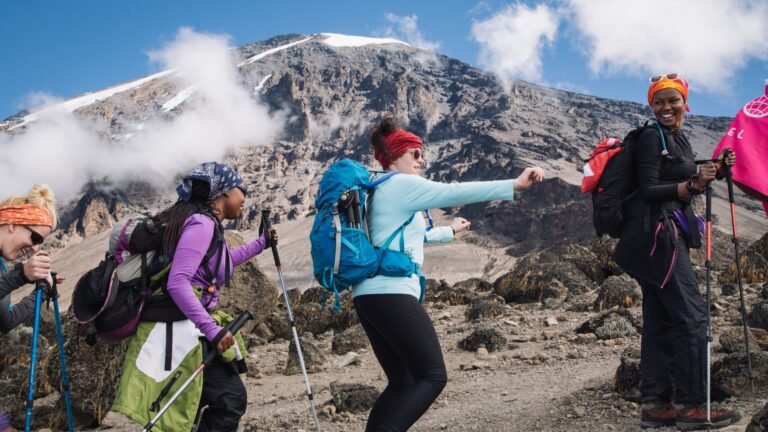
Last Minute Kilimanjaro August – Group Spaces And Availability 2027
Last Minute Kilimanjaro August 2027 – Group Spaces and Availability is explained with current 2027 planning, price, itinerary and booking information.
View package details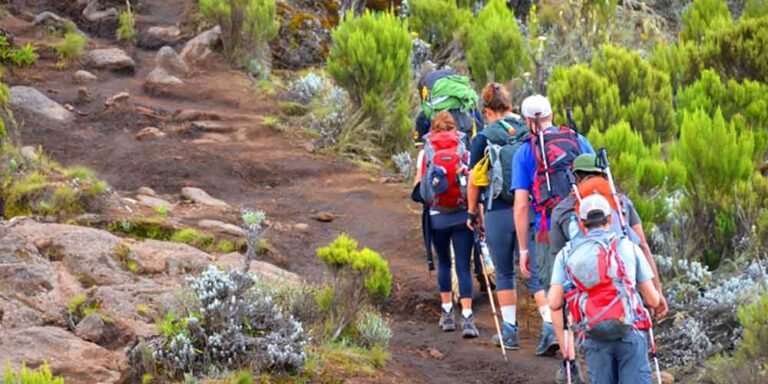
Northern Circuit – 10 July Dry-Season Expedition: Your Ultimate Kilimanjaro
Plan your Northern Circuit expedition for July 10, 2027. This dry-season adventure offers the most scenic and gradual ascent on Kilimanjaro, maximizing acclimatization and success rates.
View package details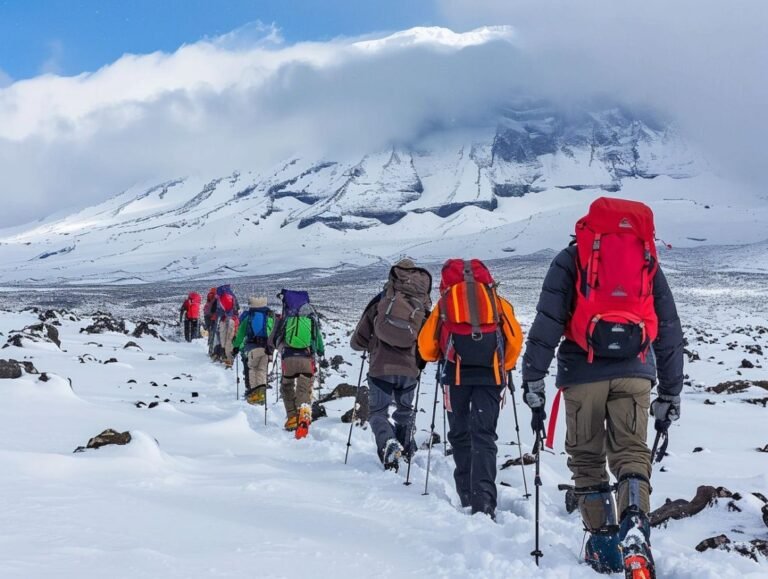
Kilimanjaro Climb July – Peak Dry-Season Group Departures 2027
Kilimanjaro Climb July 2027 – Peak Dry-Season Group Departures is explained with current 2027 planning, price, itinerary and booking information.
View package detailsMarangu Route – 26 June Kilimanjaro Group Climb 2027
Marangu Route – 26 June 2027 Kilimanjaro Group Climb is explained with current 2027 planning, price, itinerary and booking information.
View package details7 Day Machame Route – 19 June Kilimanjaro Group Departure 2027
Planning to climb Kilimanjaro on the Machame Route in a group setting? This 7-day departure on June 19, 2027, offers a balanced approach to acclimatization and scenery. Learn what to...
View package detailsKilimanjaro 1 May : Your Day Mountain Adventure Awaits 2027
start an unforgettable Kilimanjaro 1 May 2027 adventure. This guide details everything you need to know for a successful May Day climb, from route selection to essential preparation.
View package details8 Day Lemosho Route – 20 February Kilimanjaro Departure With Climb 4 Africa
This article details the 8-day Lemosho Route Kilimanjaro climb scheduled for February 20, 2027, focusing on planning, itinerary, and what makes this departure a unique opportunity with...
View package details
Kilimanjaro Climb February – Dry Season Groups And Availability 2027
Kilimanjaro Climb February 2027 – Dry Season Groups and Availability is explained with current 2027 planning, price, itinerary and booking information.
View package detailsLemosho Route – 7 August Summer Group Climb: Your Kilimanjaro Adventure 2027
start a memorable Lemosho Route – 7 August 2027 Summer Group Climb up Mount Kilimanjaro. This guide covers the itinerary, acclimatization, and preparation for your ascent.
View package detailsNo related package matches those filters. Clear one or more filters to see the other topic-matched options.



