
Mara, Tanzania, offers a wealth of hidden gems and authentic local tours that extend far beyond the typical safari experience. Travelers seeking unique encounters can discover lesser-known wildlife viewing spots, engage in genuine cultural exchanges with local communities, and explore landscapes away from the main tourist circuits. These experiences often provide deeper insights into the region’s natural beauty and vibrant heritage, ideal for those planning their 2026 or 2027 travels who wish to connect more intimately with Tanzania.
Beyond the Big Five: The Allure of Mara’s Hidden Gems
Mara Region in Tanzania, most famously known as a gateway to the unparalleled wildlife spectacles of the Serengeti National Park and the Maasai Mara National Reserve (across the border in Kenya), holds secrets far beyond its iconic plains. While the Great Migration and the “Big Five” are undeniable draws, a growing number of travelers are seeking deeper, more personal connections with this extraordinary part of Africa. This quest leads them to discover what we at Climb 4 Africa call the ‘hidden gems’ – those unique experiences, overlooked corners, and local interactions that transform a standard safari into a truly memorable journey. These aren’t just about seeing more animals; they’re about understanding the intricate ecosystem, respecting the vibrant cultures, and supporting the local communities that are the true custodians of this land.
For the traveler in 2026 or 2027 looking for an adventure that resonates, focusing on Mara’s hidden gems means looking past the well-trodden paths. It involves venturing into areas that might require a bit more planning or a different perspective, often facilitated by local expertise. This might mean exploring smaller conservancies adjacent to the main parks, engaging in activities like walking safaris or night drives that offer a different view of wildlife, or participating in cultural exchanges that provide genuine insight into the Maasai and other local peoples’ way of life. The beauty of these hidden gems lies in their authenticity and the profound sense of discovery they offer, making your trip to Mara, Tanzania, an unparalleled exploration.
### The Serengeti and Maasai Mara Ecosystem
While the Mara Region of Tanzania is often discussed in the context of its proximity to the Maasai Mara Reserve in Kenya, it’s crucial to understand that the Tanzanian side, particularly the northern Serengeti, is an integral and equally spectacular part of this vast ecosystem. The Serengeti itself is a UNESCO World Heritage Site and one of the most renowned wildlife sanctuaries on Earth. The Mara Region, in this context, encompasses the northernmost reaches of the Serengeti, including areas like the Lamai Wedge and Kogatende, which are critical for the Great Migration’s movements, especially during the river crossing seasons (typically July to October).
These northern Serengeti areas, accessible from Mara Region towns like Tarime or Musoma, offer a more exclusive safari experience compared to the central Serengeti. During the migration, vast herds of wildebeest and zebras congregate here, drawn by the grazing and the promise of crossing the Mara River. This creates incredible viewing opportunities for predators like lions, leopards, cheetahs, and hyenas. However, the ‘less crowded place’ aspect here is that beyond the peak migration months, these areas are significantly quieter, offering a more intimate wildlife viewing experience. You can still encounter resident wildlife populations, enjoy vast, untouched landscapes, and often find lodges and camps that provide a more secluded atmosphere. Understanding this connection between the Tanzanian Mara Region and the Serengeti ecosystem is key to appreciating the full scope of wildlife opportunities available.
### Local Communities and Cultural Riches
Beyond the wildlife, the Mara Region is home to a rich mix of cultures, predominantly the Maasai people, renowned for their pastoral traditions and distinctive attire. The Maasai have inhabited this land for centuries, developing a deep understanding of the environment and a unique social structure. While many tourists visit Maasai villages, the ‘less crowded place’ here is how to do it authentically and respectfully. It’s about moving beyond the staged ‘cultural shows’ and engaging in genuine interactions that benefit the community directly. This could involve visiting a *boma* (homestead) with a local guide who can facilitate respectful introductions, learning about their daily lives, their relationship with the land, and their traditions.
Other ethnic groups also reside in the wider Mara region, each contributing to the cultural mosaic. These communities often have distinct languages, customs, and artisanal skills. Exploring local markets, understanding traditional farming practices, or even learning a few words of the local dialect can offer profound insights. The true richness lies not just in observing, but in participating and learning, fostering mutual respect and understanding. For travelers in 2026-2027, prioritizing these authentic cultural engagements means seeking out tours that are designed in collaboration with the communities themselves, ensuring that tourism contributes positively to their well-being and cultural preservation.
### The Importance of Local Support
Navigating the hidden gems of Mara, Tanzania, is significantly enhanced by local support. Local tour operators and guides possess an unparalleled understanding of the region’s nuances – the best times to visit specific areas, the most ethical ways to interact with wildlife and communities, and the logistical challenges of reaching remote locations. They are the custodians of local knowledge, often knowing the migration patterns beyond the general timelines, identifying individual animals, and understanding the subtle signs of the bush that larger, more generalized operators might miss.
Choosing local partners like Climb 4 Africa means not only getting insider access to these hidden gems but also ensuring that your tourism expenditure directly benefits the local economy. This support can range from employing local guides and drivers to partnering with community-based tourism projects. For travelers in 2026-2027, prioritizing local support is a conscious decision to travel more responsibly and to gain a more authentic and enriching experience. It’s about building relationships with people who are passionate about sharing their home and whose livelihoods depend on its preservation. This local connection is the key to unlocking the true spirit of Mara.
Hidden Wildlife Encounters: Spotting the Unseen
While the iconic sightings of lions, elephants, and giraffes are what draw many to Mara, Tanzania, the region’s true magic often lies in the less obvious, more intimate wildlife encounters. These hidden gems offer a different perspective, revealing the intricate web of life that thrives beyond the popular game drive routes. For the discerning traveler in 2026 or 2027, seeking out these experiences can lead to unforgettable moments of discovery and a deeper appreciation for the biodiversity of this incredible landscape.
### River Crossings Beyond the Peak Season
The Great Migration’s river crossings of the Mara River are legendary, typically occurring between July and October. These dramatic events, where vast herds brave the powerful currents to reach fresh pastures, are a highlight for many. However, the ‘less crowded place’ aspect here is that the migration is a dynamic, prolonged phenomenon. While the peak crossings are spectacular, the herds are present in the northern Serengeti (Tanzania) and Maasai Mara (Kenya) for extended periods.
Visiting outside the absolute peak weeks, perhaps in late June or early July, or even into November, can still offer opportunities to witness smaller crossings or the herds gathering and moving along the riverbanks. These periods might be less crowded, offering a more serene viewing experience. Furthermore, the tributaries and smaller water sources within the Mara ecosystem are vital for wildlife year-round. Exploring these areas, often accessible via walking safaris or specialized drives, can reveal animals that are less accustomed to vehicles and provide excellent photographic opportunities. The key is understanding that the migration isn’t just a single event, but a continuous flow, and seeking out local guides who know the areas where smaller, less-publicized crossings or wildlife concentrations occur can find these hidden gems.
### Nocturnal Safaris and Night Game Drives
Most standard safari packages in Tanzania operate primarily during daylight hours. However, the Mara Region, particularly in private conservancies or areas where night drives are permitted, offers a chance to witness a completely different cast of characters. Night game drives are a fantastic way to discover the nocturnal world. As dusk settles, the plains come alive with creatures that are rarely seen during the day: genets, civets, serval cats, bush babies, porcupines, and a variety of nocturnal birds.
Predators like leopards and hyenas are often more active at night, and the thrill of spotting their eyes reflecting in the spotlight is a unique experience. These drives are typically conducted in open-sided 4×4 vehicles with a knowledgeable guide who uses a spotlight to scan the bush. It’s important to note that night drives are often restricted in national parks due to regulations. However, many private conservancies bordering the Serengeti or Maasai Mara allow them, offering a significant advantage for those seeking hidden gems. Planning a 2026-2027 safari that includes a few nights in a conservancy that permits night drives will open up an entirely new dimension of Mara’s wildlife.
### Birdwatching Hotspots in Mara
For the avid birder, Mara, Tanzania, is a paradise teeming with a staggering diversity of avian life. Beyond the general safari-goer’s awareness, dedicated birdwatching tours can uncover hundreds of species, from the majestic kori bustard and secretary bird to the vibrant lilac-breasted roller and a multitude of smaller, colorful species. The varied habitats within the Mara ecosystem – acacia woodlands, riverine forests, open grasslands, and wetlands – support a rich array of birdlife.
Areas around the Mara River and its tributaries are particularly good for water birds, while the woodlands host a different set of species. Local guides who are also keen birdwatchers can point out rare endemics, migratory birds (during the relevant seasons), and explain the behavior and ecological roles of different species. Many lodges offer early morning bird walks as part of their activities, or specialized birding excursions can be arranged. For those planning a trip in 2026-2027, incorporating dedicated birding days into your itinerary, perhaps focusing on specific habitats identified by local experts, will reveal a hidden world of feathered wonders.
### Walking Safaris for an Intimate View
Walking safaris offer an unparalleled sense of connection with the African wilderness. Stripped of the vehicle’s protection, you experience the sights, sounds, and smells of the bush in a way that’s impossible from a car. This is a profound way to appreciate the smaller details – the intricate patterns of insect life, the medicinal uses of plants, the tracks and signs left by animals, and the sheer vastness of the landscape.
Walking safaris are typically conducted in conservancies or designated areas where they are permitted and safe. They are led by highly trained, armed rangers and guides who possess extensive knowledge of tracking, animal behavior, and bushcraft. While you might not cover as much ground as in a vehicle, the encounters are often more intimate and educational. You can learn to identify different animal tracks, understand the ecosystem at ground level, and experience the thrill of moving through the wilderness on foot. For travelers in 2026-2027 seeking a truly in-depth experience, a walking safari in a conservancy near the Mara region is a must-do less crowded place. It’s crucial to choose operators who have a strong safety record and work closely with local ranger communities.
### Visiting Smaller Conservancies and Private Areas
While the Serengeti and Maasai Mara are world-famous, their popularity can lead to crowded viewing areas, especially during peak seasons. The ‘less crowded place’ approach involves exploring the numerous private conservancies and less-visited areas that surround these main parks. These conservancies, often established in partnership with local communities, offer exclusive access to pristine wilderness and a more intimate wildlife viewing experience.
By limiting the number of vehicles and offering off-road driving, night drives, and walking safaris, these areas provide a luxury experience that feels a world away from the main parks. Examples include areas in the north of the Serengeti or private concessions bordering the Maasai Mara. These conservancies often have lower densities of tourists, allowing for more relaxed and unhurried wildlife encounters. For travelers in 2026 or 2027 looking to escape the crowds and enjoy a more personalized safari, dedicating time to one of these conservancies is highly recommended. Researching operators who specialize in these exclusive areas is key to unlocking their full potential.
Authentic Cultural Experiences: Connecting with the People
Mara, Tanzania, is not just a wildlife haven; it’s a land rich in cultural heritage, primarily shaped by the Maasai people and other local communities. Moving beyond the typical safari narrative means engaging with the people who call this extraordinary region home. These authentic cultural experiences are the true hidden gems, offering profound insights into traditions, daily life, and the deep connection between people and their environment. For travelers in 2026-2027, seeking these connections offers a more meaningful and rewarding journey.
### Visiting Maasai Villages Responsibly
Maasai culture is vibrant and deeply rooted in pastoralism. While many tours offer visits to Maasai villages, the key to an authentic experience lies in how it’s managed. The best approach is to visit a village that is genuinely part of a community tourism initiative, where the visit is structured to be educational and mutually beneficial, rather than purely performative. This means understanding that the Maasai are not exhibits; they are people with a rich history and contemporary lives.
Responsible visits focus on interaction, learning, and respect. This might involve being invited into a *manyatta* (traditional dwelling), learning about their social structure, their traditional medicine, their cattle-rearing practices, and their beliefs. It’s also an opportunity to support them directly by purchasing authentic handicrafts. Crucially, avoid intrusive photography and always ask permission. Local guides who have established good relationships with Maasai communities can facilitate these visits in a way that honors both the visitors’ curiosity and the Maasai’s dignity. For travelers in 2026-2027, seeking out tour operators who prioritize ethical community engagement ensures a respectful and enriching cultural encounter.
### Cultural Tourism Projects and Initiatives
Beyond individual village visits, Mara, Tanzania, is home to various community-based tourism projects and initiatives that offer deeper engagement. These projects are often developed in partnership with local communities and conservation organizations, aiming to provide sustainable income streams while preserving cultural heritage and natural resources. Examples might include visiting a women’s craft cooperative, a local school supported by tourism, or a traditional beekeeping project.
These initiatives offer a more structured and often more impactful way to connect with the local culture. You can learn about traditional farming methods, witness the creation of intricate beadwork, or understand the challenges and triumphs of rural life. Such experiences provide a tangible link between your travel and the well-being of the community. For travelers in 2026-2027, actively seeking out and supporting these projects means contributing directly to the sustainability of the region and gaining a more nuanced understanding of its people. These are the true hidden gems of cultural tourism in Mara.
### Local Markets and Handicrafts
Exploring local markets is a vibrant way to experience the daily life and commerce of the Mara Region. These bustling hubs offer a glimpse into the local economy, showcasing fresh produce, traditional tools, livestock, and, of course, a wide array of handicrafts. Maasai beadwork, in particular, is renowned for its intricate designs and vibrant colors, with each pattern often carrying symbolic meaning.
Visiting a market, often held on specific days of the week, allows you to interact directly with artisans and vendors. It’s an opportunity to purchase unique souvenirs, engage in friendly bargaining (always done respectfully), and appreciate the craftsmanship that goes into these items. Beyond beadwork, you might find carved wooden items, leather goods, and traditional clothing. Supporting these local artisans directly through their market stalls ensures that your souvenir purchases contribute meaningfully to their livelihoods. For those planning a 2026-2027 trip, asking your guide to include a market visit can be a highlight, offering a sensory immersion into local life and a chance to find truly authentic mementos.
### Learning Traditional Skills
For the truly adventurous and culturally curious traveler in 2026-2027, opportunities to learn traditional skills offer a unique and profound connection to the local way of life. These hands-on experiences go beyond observation, allowing you to participate and gain practical knowledge. This could involve learning the basics of Maasai beadwork from skilled artisans, understanding how to prepare traditional meals using local ingredients, or even trying your hand at traditional archery or herding techniques under expert guidance.
These experiences are typically arranged through specialized cultural tourism operators or directly via community initiatives that are set up to share their knowledge. They require an open mind, a willingness to learn, and a respectful attitude. The rewards are immense: a deeper appreciation for the skills and traditions that have sustained communities for generations, and a unique set of memories and perhaps even new abilities. These are the kinds of hidden gems that leave a lasting impact, transforming a holiday into a genuinely enriching cultural exchange.
Local Tours and Specialty Guides: Navigating Mara Authentically
To truly uncover the hidden gems of Mara, Tanzania, and engage with its culture and wildlife authentically, the role of local tours and specialized guides is paramount. These individuals and operators are the keys to unlocking experiences that lie beyond the standard tourist trail, offering insights and access that are simply unavailable otherwise. For travelers planning their 2026 or 2027 adventure, understanding this aspect of planning is crucial for a rich and meaningful journey.
### The Role of Local Guides
Local guides are the heart and soul of an authentic Mara experience. They are not just drivers and trackers; they are storytellers, cultural ambassadors, and environmental educators. Their knowledge is often passed down through generations, combined with formal training and years of practical experience in the bush. A good local guide can:
- Spot Wildlife You’d Otherwise Miss: They understand animal behavior, track subtle signs, and know the best locations at different times of the day and year.
- Provide Invaluable Cultural Context: They can explain the traditions, customs, and social structures of the Maasai and other local peoples, facilitating respectful interactions.
- Navigate Logistical Challenges: They know the terrain, the road conditions, and how to manage the unexpected, ensuring a smoother journey.
- Enhance Safety: Their expertise in wildlife behavior and wilderness survival is critical, especially on walking safaris or night drives.
- Offer Personalized Experiences: They can tailor game drives and activities to your specific interests, whether it’s birdwatching, photography, or tracking a particular animal.
For a truly authentic experience in Mara, Tanzania, prioritize guides who are local to the region. Their passion for their home and their intimate knowledge are what elevate a trip from ordinary to extraordinary. When booking for 2026-2027, inquire specifically about the local guides who will be part of your safari.
### Specialized Tour Operators for Off-the-Beaten-Path
While many tour operators offer safaris in Mara, only a select few specialize in uncovering its hidden gems and providing truly authentic local tours. These operators often have deep roots in the region, strong relationships with local communities, and a commitment to sustainable and responsible tourism. They are the ones who can arrange unique experiences such as:
- Visits to remote Maasai communities that are not on the typical tourist circuit.
- Exclusive access to private conservancies offering walking safaris and night drives.
- Specialized birdwatching or photography expeditions.
- Cultural immersion programs that involve learning traditional skills.
- Custom itineraries designed around your specific interests and pace.
Climb 4 Africa, for instance, prides itself on offering tailor-made African travel experiences with practical local support. They work closely with local guides and communities to craft itineraries that go beyond the conventional. When planning your 2026 or 2027 safari, look for operators who emphasize customization, local partnerships, and a genuine commitment to showcasing the authentic Mara.
### Planning a Custom Mara Itinerary
Crafting a custom itinerary is the best way to ensure you experience the hidden gems of Mara, Tanzania, that align with your interests. A custom trip allows you to spend more time in areas that captivate you, focus on specific activities like walking safaris or cultural visits, and avoid the rush of a standard, pre-packaged tour. The process typically involves:
- Defining Your Interests: What do you most want to see and do? Wildlife, culture, photography, relaxation, adventure?
- Choosing Your Pace: Do you prefer a fast-paced trip covering many areas, or a slower, more in-depth experience in fewer locations?
- Selecting Accommodation: Do you want luxury lodges, tented camps, or perhaps community-run guesthouses?
- Determining Duration: How much time do you have? This will influence how much you can realistically explore.
- Working with an Expert: A reputable local tour operator can guide you through these decisions, suggesting areas and activities you might not have considered.
For example, a traveler interested in Maasai culture might spend more time in villages and community projects, while a keen birder would focus on specific habitats and engage specialized guides. Planning a custom itinerary for 2026 or 2027 ensures your trip to Mara is perfectly suited to you, maximizing your chances of discovering its unique treasures.
### Understanding Tour Inclusions and Exclusions
When booking local tours in Mara, Tanzania, clarity on what is included and excluded in your package is vital for managing expectations and budget. Authentic experiences often involve nuanced arrangements, and understanding these details prevents surprises.
Typically Included:
- Accommodation (lodges, camps)
- All meals (breakfast, lunch, dinner)
- Park or conservancy entrance fees
- Game drives in a 4×4 vehicle with a guide
- Water during game drives
- Transfers to and from designated points (e.g., airports)
Often Excluded (and important to confirm):
- International and domestic flights
- Visa fees
- Travel insurance (essential!)
- Gratuities for guides and lodge staff
- Alcoholic beverages and personal drinks
- Optional activities not listed in the itinerary (e.g., hot air balloon safaris, village visits if not pre-arranged)
- Personal expenses (souvenirs, laundry)
For hidden gems and local tours, pay special attention to whether community fees or direct contributions to local projects are included. When discussing your 2026-2027 trip with an operator like Climb 4 Africa, ask for a detailed breakdown of inclusions and exclusions. This transparency ensures you know exactly what to budget for and what to expect.
Logistics and Planning Your Mara Adventure
Successfully experiencing the hidden gems of Mara, Tanzania, requires careful logistical planning. While the allure of untouched landscapes and authentic culture is strong, practical considerations like timing, transportation, and accommodation play a significant role in shaping the journey. For travelers aiming for 2026 or 2027, understanding these elements is key to a smooth and rewarding adventure.
### Best Time to Visit Mara for Hidden Gems
While the Great Migration’s river crossings (July-October) are a peak season, they can also mean larger crowds. To discover Mara’s hidden gems, consider visiting during the shoulder seasons or even the ‘green season’.
- January – March (Green Season): This is a beautiful time with lush landscapes, fewer tourists, and excellent birdwatching opportunities. Wildlife is more dispersed, but resident game is plentiful, and predator-prey interactions are common. It’s ideal for photographers seeking dramatic skies and vibrant scenery.
- April – May (Long Rains): Generally the wettest period, many lodges close or offer lower rates. While game viewing can be challenging, the landscape is stunningly green, and you’ll have vast areas almost to yourself. This is for the adventurous traveler seeking solitude.
- June (Shoulder Season): The rains are usually ending, the landscape is still green, and the migration is beginning to move north. It offers a good balance of wildlife, fewer crowds than peak season, and pleasant weather.
- November – December (Green Season Transition): Following the main migration, short rains can occur, bringing fresh grass. This period offers good resident wildlife viewing and can be a quieter time before the Christmas rush.
For those seeking less-crowded experiences and a more intimate connection with the environment in 2026-2027, the green season and shoulder months often provide the best opportunities to uncover Mara’s true hidden gems.
### Getting to Mara and Transportation
Accessing the Mara Region of Tanzania typically involves a combination of flights and road travel. The most common entry point for international travelers is Kilimanjaro International Airport (JRO). From JRO, you have several options:
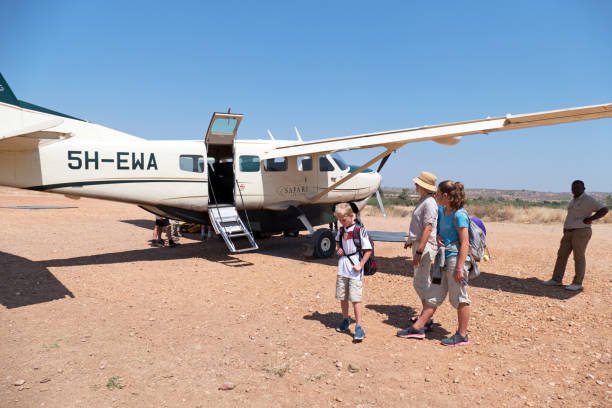
- Chartered or Scheduled Flights: The quickest and most convenient way to reach the Mara Region is by small aircraft. Flights operate from Arusha Airport (ARK) or sometimes directly from JRO to airstrips within or near the Serengeti National Park (e.g., Kogatende, Lamai) or to Musoma (a larger town on Lake Victoria, offering road access). These flights are essential for accessing remote camps and conservancies quickly.
- Road Travel: Driving from Arusha or other major towns to the Mara Region can be a long journey (6-10 hours or more), often on unpaved roads, especially as you get closer to the park boundaries or more remote areas. While scenic, it requires a sturdy 4×4 vehicle and an experienced driver-guide. This option is more suitable if you are combining a Mara visit with other overland destinations.
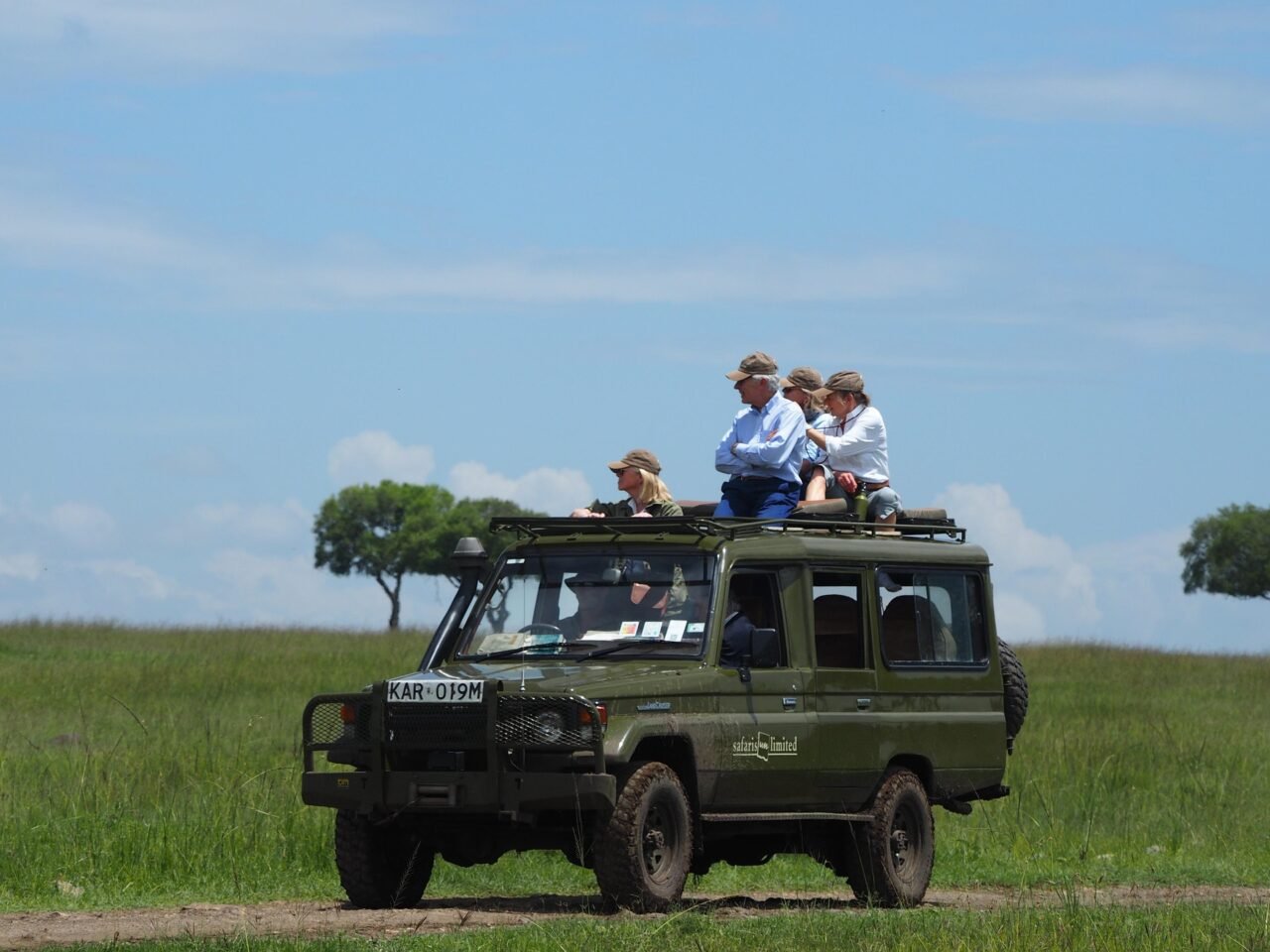
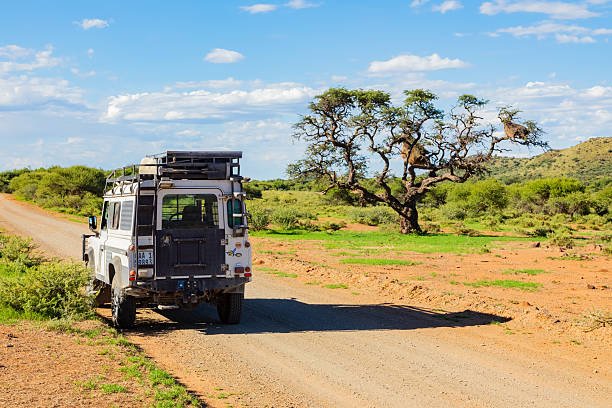
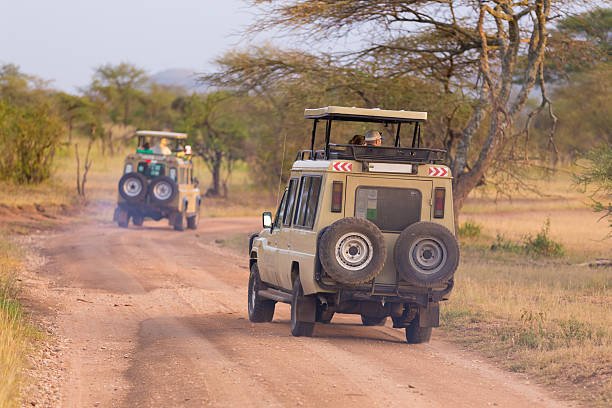
Once in the Mara Region, transportation for game drives is almost exclusively via 4×4 safari vehicles. For exploring hidden gems, ensuring your vehicle is well-maintained and your guide is experienced in navigating challenging terrain is crucial. For 2026-2027 travel, book your internal flights well in advance, as they are often the bottleneck for accessing exclusive camps.
### Accommodation Options Beyond Luxury Lodges
While Mara is known for its luxurious tented camps and lodges, exploring hidden gems often means considering a wider range of accommodation styles that offer a more authentic or intimate experience.
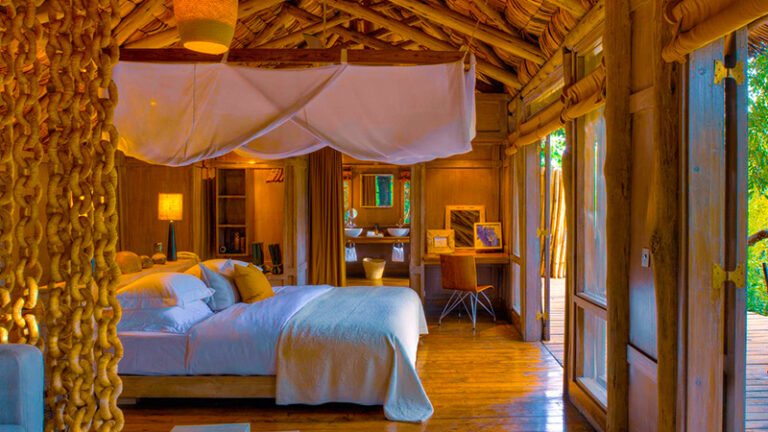
- Tented Camps: From basic, comfortable canvas tents to high-end safari suites, these offer a close-to-nature feel. Many camps in private conservancies are designed to be eco-friendly and blend seamlessly with the environment.
- Community-Run Guesthouses: In areas bordering the parks or in local villages, you might find small guesthouses or homestays that offer a genuine cultural immersion. These provide a simpler, more rustic experience but are invaluable for connecting with local life.
- Mobile Safari Camps: These camps move seasonally to follow the wildlife, particularly the Great Migration. They offer a more adventurous and dynamic way to experience the wilderness, often in remote locations with fewer facilities but unparalleled access to wildlife.
- Eco-Lodges: Many lodges now prioritize sustainability, using solar power, managing waste responsibly, and supporting local communities. These align well with the ethos of responsible tourism.
For 2026-2027 trips focusing on hidden gems, consider staying in a conservancy-based tented camp for exclusivity or a community-run option for deeper cultural insight. Discuss your preferences with your tour operator to find the perfect fit.
### Budgeting for Authentic Experiences
Budgeting for authentic experiences in Mara, Tanzania, requires a slightly different approach than a standard safari. While the core costs (flights, accommodation, park fees) remain, the ‘hidden gems’ often come with specific considerations:
- Conservancy Fees: Private conservancies typically charge higher daily fees than national parks, but these funds go directly towards conservation and community development, and they limit visitor numbers, ensuring exclusivity.
- Specialized Guides: Hiring guides with specific expertise (e.g., ornithologists, cultural experts) may incur additional costs but are invaluable for niche interests.
- Community Contributions: Direct donations or participation fees for community projects ensure your visit has a positive impact.
- Activities: Night drives, walking safaris, and cultural visits may be included in some packages but are often add-ons in others.
Generally, experiences that offer exclusivity and deeper engagement tend to be at the higher end of the safari budget spectrum. However, traveling in the green season (Jan-Mar) or shoulder months (June, Nov-Dec) can offer more competitive rates. For 2026-2027 planning, allocate a specific budget for ‘experiences’ beyond standard game drives. Operators like Climb 4 Africa can provide detailed quotes tailored to your desired level of authenticity and exclusivity.
### Responsible Tourism Practices in Mara
Responsible tourism is not just a buzzword; it’s essential for preserving the magic of Mara, Tanzania, for future generations and ensuring that local communities benefit from tourism. When seeking out hidden gems, it’s vital to align with operators and practices that prioritize sustainability:
- Choose Eco-Conscious Operators: Select companies that minimize their environmental footprint (e.g., waste management, renewable energy, water conservation) and actively support local communities.
- Respect Wildlife: Maintain a safe distance, never feed animals, avoid disturbing their natural behavior, and adhere to all park and conservancy rules.
- Support Local Communities: Purchase handicrafts directly from artisans, engage in respectful cultural exchanges, and choose accommodations and tours that employ local staff and partner with community projects.
- Minimize Waste: Carry reusable water bottles, avoid single-use plastics, and dispose of waste properly.
- Stay on Designated Paths: During walking safaris or when exploring villages, stick to marked trails to avoid damaging vegetation and disturbing sensitive areas.
For your 2026-2027 travels, making conscious choices about responsible tourism ensures that your adventure contributes positively to the conservation of Mara’s incredible natural and cultural heritage.
Booking Your Authentic Mara Experience
Embarking on a journey to discover the hidden gems and local tours in Mara, Tanzania, is an exciting prospect. To ensure your 2026 or 2027 adventure is as authentic and smooth as possible, partnering with a knowledgeable and reputable tour operator is key. Climb 4 Africa specializes in crafting personalized Tanzanian travel experiences, with a strong emphasis on local support and uncovering the unique aspects of regions like Mara.
When you’re ready to plan, consider what specific elements of Mara you wish to explore – perhaps it’s the elusive leopard in a quiet conservancy, a deeper understanding of Maasai traditions, or the thrill of a walking safari. The more details you can provide about your interests, desired pace, and accommodation preferences, the better we can tailor an itinerary for you. Don’t hesitate to reach out with your questions about specific regions, optimal timings for wildlife viewing outside the peak season, or the best ways to engage with local communities respectfully.
To begin crafting your bespoke Mara itinerary, contact Climb 4 Africa via WhatsApp at +255 747 477 898 or email us at climb4africa@gmail.com. We are dedicated to helping you uncover the true spirit of Mara, Tanzania, creating an unforgettable journey filled with authentic discoveries and responsible travel practices. Let’s plan your extraordinary 2026-2027 African adventure together.”,
“faq_schema”: [
{
“question”: “What are the main hidden gems in Mara, Tanzania, beyond the typical safari?”,
“answer”: “Beyond the well-known wildlife, Mara’s hidden gems include exploring smaller, less-visited conservancies for exclusive game viewing, experiencing night safaris and walking safaris for unique perspectives, discovering prime birdwatching spots, and engaging in authentic cultural exchanges with local Maasai communities through responsible village visits and community projects. These experiences offer a deeper connection to the region’s natural beauty and heritage.”
},
{
“question”: “When is the best time to visit Mara, Tanzania, to avoid crowds and find hidden gems?”,
“answer”: “To avoid peak crowds and discover hidden gems, consider visiting Mara during the shoulder seasons (June, November-December) or the green season (January-March). While the Great Migration river crossings (July-October) are spectacular, they attract more visitors. The green season offers lush landscapes, excellent birdwatching, and fewer tourists, providing a more intimate experience with wildlife and culture.”
},
{
“question”: “How can I ensure my cultural visits in Mara are authentic and respectful?”,
“answer”: “Authentic and respectful cultural visits in Mara involve choosing operators who work closely with local communities and prioritize ethical engagement. Opt for visits to community-run projects or villages that welcome tourists as partners, not just observers. Always ask for permission before taking photos, be genuinely interested in learning about traditions, and support the community by purchasing handicrafts directly from artisans. Local guides are invaluable in facilitating these respectful interactions.”
},
{
“question”: “What are the benefits of using local guides and tour operators in Mara?”,
“answer”: “Local guides and tour operators in Mara offer unparalleled knowledge of the region’s wildlife, culture, and logistics. They possess deep insights into animal behavior, migration patterns, and the best locations for sightings, often leading to unique encounters. They also facilitate respectful cultural interactions and navigate the complexities of off-the-beaten-path travel, ensuring a safer, more authentic, and enriching experience. For 2026-2027 planning, their expertise is crucial for uncovering hidden gems.”
},
{
“question”: “What costs should I expect for authentic local tours and experiences in Mara?”,
“answer”: “Authentic local tours and experiences in Mara may involve costs beyond standard park fees. These can include higher conservancy fees for private areas, specialized guide fees for activities like walking safaris or birdwatching, and contributions to community projects. While potentially more expensive than a basic safari, these costs directly support conservation and local livelihoods, offering greater exclusivity and impact. Traveling in the green season can sometimes offer better value.”
}
]
}
“`
Check Availability for Hidden Gems And Local Tours In Mara, Tanzania 2026-2027
Ready to compare dates, prices, and the best option for your group? Send the package name and travel month so the team can reply with a clear quote, availability, and what is included.
Hidden Gems And Local Tours In Kilimanjaro, Tanzania 2026-2027
Hidden Gems and Local Tours in Kilimanjaro, Tanzania is explained with current 2026-2027 planning, price, itinerary and booking information.
Discover Unguja Kusinis Hidden Gems: Authentic Local Tours In Tanzania
Uncover the authentic heart of Zanzibar in Unguja Kusini. This guide highlights off-the-beaten-path attractions and local tour experiences, perfect for travelers seeking genuine cultural…
Hidden Gems And Local Tours In Unguja Kaskazini, Tanzania 2026-2027
Hidden Gems and Local Tours in Unguja Kaskazini, Tanzania is explained with current 2026-2027 planning, price, itinerary and booking information.
Hidden Gems And Local Tours In Tanga, Tanzania: Your Coastal Adventure Guide
Uncover the lesser-known wonders of Tanga, Tanzania. This guide reveals unique cultural sites, tranquil beaches, and authentic local tours for an unforgettable coastal experience in…
Hidden Gems And Local Tours In Tabora, Tanzania: A Deep Dive For 2026-2027
Explore Tabora, Tanzania, beyond the usual tourist trails. This guide uncovers its rich history, unique culture, and lesser-known attractions, offering insights for independent travelers…
Hidden Gems And Local Tours In Singida, Tanzania Guide
Explore the less-traveled paths of Singida, Tanzania, uncovering its unique cultural heritage, natural beauty, and local community interactions through authentic tours.
Discover Simiyus Hidden Gems: Authentic Local Tours & Experiences In Tanzania
Uncover the best-kept secrets of Simiyu, Tanzania, through authentic local tours. This guide highlights unique cultural encounters, wildlife viewing opportunities, and stunning natural…
Hidden Gems And Local Tours In Shinyanga, Tanzania: An Experts Guide 2026-2027
Explore the lesser-known attractions and unique local experiences in Shinyanga, Tanzania. This guide reveals hidden gems and provides practical advice for planning unforgettable tours, with…
Hidden Gems And Local Tours In Ruvuma, Tanzania Guide
Ruvuma region in Tanzania offers a wealth of undiscovered treasures, from vibrant local cultures to pristine natural landscapes. This guide details how to experience these hidden gems…

Discover Rukwas Hidden Gems: Authentic Local Tours In Tanzania 2026-2027
Uncover the authentic charm of Rukwa, Tanzania, by venturing off the beaten path. This guide details hidden gems and local tour experiences, from unique wildlife encounters to cultural…
Best Songea Tours: Exploring Southern Tanzanias Hidden Gems In 2026-2027
Songea, the capital of the Ruvuma region in southern Tanzania, offers a less-traveled but profoundly rewarding experience. This guide details the best tours and activities for exploring its…
No related package matches those filters. Clear one or more filters to see the other topic-matched options.



