
Ruvuma, Tanzania, is a region brimming with hidden gems and authentic local tours, offering travelers a chance to explore unique cultural encounters, untouched natural landscapes, and off-the-beaten-path adventures away from the typical tourist circuits. For those planning trips in 2026 and 2027, embracing Ruvuma means seeking out experiences like the traditional Mtwara-Lindi coastlines, the rich history of Songea, and the diverse wildlife in its less-visited parks, all best accessed through locally guided expeditions that highlight the area’s genuine spirit.
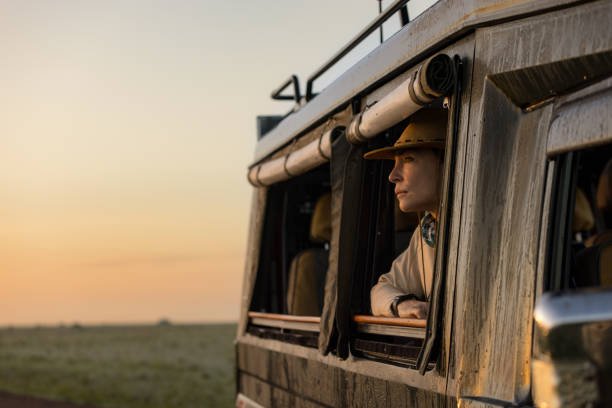
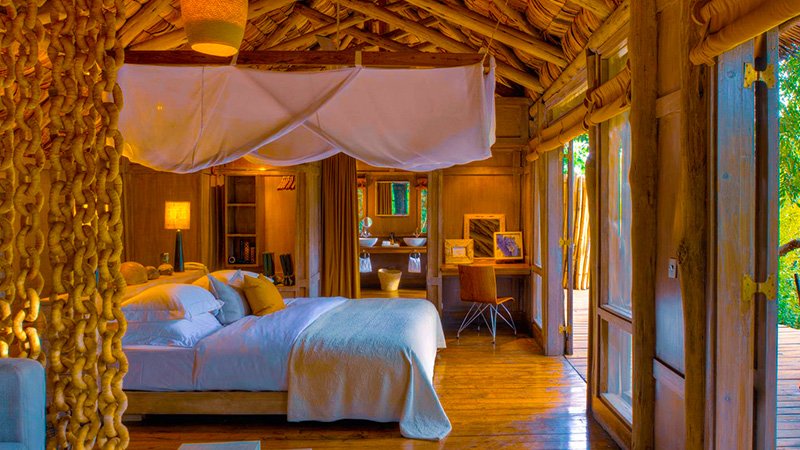
Why Ruvuma? Beyond the Tourist Trail
When most travelers think of Tanzania, their minds immediately go to Mount Kilimanjaro, the Serengeti, or the spice island of Zanzibar. These iconic destinations are undeniably spectacular, and for good reason. However, Tanzania is a vast country, and its southern reaches, particularly the Ruvuma region, offer a different kind of magic—one that is less polished, more raw, and deeply authentic. If you’re seeking an escape from the well-trodden paths and a genuine connection with local life and untamed nature, Ruvuma presents an unparalleled opportunity. This region, bordering Mozambique, is often overlooked, making its discoveries all the more rewarding for those who venture here.
For travelers in 2026 and 2027, the allure of Ruvuma lies in its untouched landscapes and the rich cultural heritage of its people, including the Makua, Yao, and Ngoni ethnic groups. Unlike the northern safari circuits, Ruvuma offers a chance to witness daily life unfold without the constant presence of large tourist groups. This means more meaningful interactions, a deeper understanding of the local environment, and the discovery of landscapes that have remained largely unchanged for generations. It’s an invitation to experience Tanzania at its most genuine, offering a profound contrast to the more commercialized tourist hubs.
The decision to explore Ruvuma is one for the curious traveler, the one who values experience over convenience, and connection over conformity. It’s about trading the predictability of popular destinations for the thrilling possibility of the unknown. This region is a testament to Tanzania’s incredible diversity, showcasing a side of the country that many visitors miss entirely. By choosing Ruvuma, you’re not just visiting a place; you’re stepping into a living history, a vibrant present, and a landscape that beckons exploration.
Unveiling Ruvuma’s Natural Wonders
Ruvuma’s natural beauty is understated yet profound. While it may not boast the world-famous plains of the Serengeti, it offers a diverse array of ecosystems, from winding rivers and lush forests to dramatic gorges. These are places where nature still reigns supreme, providing a tranquil and often solitary experience for those who seek it. Exploring these natural wonders is best done with local guides who understand the terrain, the seasons, and the subtle nuances of the environment. For 2026-2027 travel, prioritizing these less-visited natural areas means experiencing them in their most pristine state.
The Majestic Ruhuhu River and its Tributaries
The Ruhuhu River is the lifeblood of much of Ruvuma, carving its way through the landscape and supporting a variety of flora and fauna. While not a major tourist attraction in the conventional sense, its banks offer opportunities for exploration, birdwatching, and understanding the vital role water plays in this region. Local communities often rely on the river for fishing and transport, providing a glimpse into traditional livelihoods. A guided excursion along its course can reveal secluded spots, tranquil waters, and the vibrant birdlife that thrives in its riparian zones. Imagine a gentle boat trip at dawn, watching the mist rise from the water as local fishermen prepare their nets – this is the kind of authentic experience Ruvuma offers.
For those interested in geology and natural history, the river’s course also reveals fascinating rock formations and the erosion patterns that have shaped the land over millennia. Local guides can point out unique geological features that might otherwise go unnoticed, adding an educational layer to the natural beauty.
Ndembera Forest Reserve: A Biodiverse Sanctuary
Located in the northern part of the Ruvuma region, Ndembera Forest Reserve is a significant area of Miombo woodland and evergreen forest. It’s a critical habitat for various bird species, primates, and other wildlife, though it’s not a typical big-game safari destination. Instead, Ndembera offers an intimate encounter with Tanzania’s diverse plant life and smaller creatures. Guided walks through the reserve can be incredibly rewarding, revealing medicinal plants, intricate insect life, and the sounds of a thriving ecosystem.
This is a place for the nature enthusiast who appreciates the smaller details. Trekking through Ndembera allows for a peaceful immersion in a natural environment that is far from crowded. Local rangers or guides can share knowledge about the forest’s ecology, conservation efforts, and the traditional uses of its resources. Planning a visit for 2026 or 2027 to Ndembera means experiencing a vital, yet often overlooked, natural reserve.
Matandu River Gorge: Dramatic Landscapes
Further south, the Matandu River has carved out dramatic gorges, creating striking geological formations. These areas offer impressive views and opportunities for hiking and exploration, though they require careful navigation and are best suited for adventurous travelers. The sheer scale and raw beauty of these gorges are a testament to the power of natural erosion. Local guides are essential here, not only for safety but also to point out points of interest and understand the local lore associated with these dramatic landscapes.
Visiting these gorges provides a sense of awe and discovery. The challenging terrain might deter casual visitors, leaving these spots as pristine as they are impressive. For those looking for a sense of true wilderness and dramatic scenery, the Matandu River gorges are a compelling reason to explore Ruvuma.
Coastal Charm: Mikindani and Mchinga (Southern Ruvuma Borderlands)
While Ruvuma is primarily known for its inland features, its southern borderlands, particularly areas near Mikindani and Mchinga (though technically in Mtwara region, they share strong cultural and geographical ties with southern Ruvuma and are often explored in conjunction), offer a glimpse of coastal beauty and historical significance. These areas feature pristine, uncrowded beaches, mangrove forests, and historical remnants of trading posts. The turquoise waters and relaxed pace of life here provide a stark contrast to the inland regions.
Local fishing communities offer insights into traditional maritime life. Exploring these coastal areas can involve boat trips to nearby islands, snorkeling in clear waters, or simply enjoying the tranquility of undeveloped shorelines. For travelers combining inland Ruvuma with a coastal experience, these areas provide a refreshing conclusion to their journey, especially when planning for 2026 or 2027.
in-depth Cultural Experiences in Ruvuma
Ruvuma’s cultural mix is as rich and varied as its landscapes. The region is home to several prominent ethnic groups, each with distinct traditions, languages, and histories. Engaging with these cultures through local tours offers a profound understanding of Tanzania beyond its wildlife and natural beauty. For travelers in 2026-2027, seeking out these authentic cultural interactions will be a defining part of their Ruvuma experience.
Songea Town: History and Local Life
Songea, the regional capital, serves as a hub for understanding Ruvuma’s history and contemporary life. The town is named after Chief Songea Mbwindi, a leader of the Maji Maji Rebellion against German colonial rule. Visiting the Maji Maji Rebellion Museum offers a poignant look into this significant historical event and the region’s struggle for independence. Beyond the museum, Songea’s markets, streets, and local eateries provide a vibrant snapshot of daily life.
Exploring Songea with a local guide is highly recommended. They can navigate the bustling markets, introduce you to local delicacies, and explain the historical context of the town. You can witness traditional crafts being made, observe local commerce, and perhaps even visit a local community project. This is where the pulse of Ruvuma can be felt most strongly.
Exploring Makua and Yao Traditions
The Makua and Yao people are among the dominant ethnic groups in Ruvuma. Their traditions, music, dance, and social structures are deeply rooted in the region’s history. Local tours can arrange visits to villages where you can learn about their way of life, from agricultural practices to traditional storytelling and ceremonies. These interactions are not staged performances but genuine opportunities to connect with people and understand their heritage.
Learning about the Yao’s historical role as traders and their migration patterns, or the Makua’s intricate social customs, adds a rich layer to any Ruvuma visit. It’s important to approach these visits with respect and openness, allowing the local communities to share their culture on their own terms. For 2026-2027 travelers, seeking out these authentic village experiences will be key to a memorable trip.
Local Markets and Handicrafts
The markets in Ruvuma, especially in Songea and other district centers, are sensory explosions. They are where locals gather to buy and sell everything from fresh produce and spices to textiles and household goods. Visiting a market is an excellent way to observe local life, interact with vendors, and perhaps find unique souvenirs. Look for locally made handicrafts, such as carved wooden items, woven baskets, and traditional clothing.
When purchasing handicrafts, it’s always good practice to engage with the artisans directly if possible. This ensures that your money benefits the creators and provides a more personal connection to the item. A local guide can help you navigate the markets, understand the value of goods, and facilitate respectful interactions.
Community-Based Tourism Initiatives
Across Tanzania, community-based tourism (CBT) has emerged as a powerful way for visitors to directly support local communities and gain authentic experiences. While Ruvuma is less developed in this regard than some other regions, there are emerging opportunities. These initiatives might include homestays, guided village walks, participation in local activities like farming or cooking, or cultural performances arranged by the community itself.
Seeking out CBT projects in Ruvuma, perhaps through specialized local operators or by inquiring in Songea, can lead to deeply rewarding and impactful travel. These experiences are often more intimate and provide direct economic benefits to the people hosting you. For travelers planning for 2026-2027 who wish to travel responsibly and ethically, supporting CBT in Ruvuma is a highly recommended approach.
Crafting Your Ruvuma Itinerary: Practical Planning for 2026-2027
Planning a trip to a less-visited region like Ruvuma requires a different approach than booking a package to a well-established tourist destination. Flexibility, patience, and a willingness to embrace the unexpected are key. For travelers looking ahead to 2026 and 2027, understanding the practicalities of travel in Ruvuma will be crucial for a smooth and enjoyable experience.
Best Time to Visit Ruvuma
Ruvuma experiences a tropical climate with distinct wet and dry seasons. The best time to visit for comfortable travel and clearer skies is generally during the dry season, which typically runs from **June to October**. During these months, roads are more accessible, and outdoor activities are more pleasant.
The shoulder months, such as **May and November**, can also be good, offering fewer crowds and lush landscapes, though occasional rain showers are possible. The rainy season, from roughly **December to April**, can bring heavy downpours, making travel more challenging, especially on unpaved roads. However, this is also when the landscape is at its greenest, and birdwatching can be exceptional.
When planning for 2026-2027, consider that weather patterns can vary. It’s always advisable to check local conditions closer to your travel dates. For wildlife viewing, the dry season is often preferred as animals congregate around water sources, but Ruvuma’s wildlife viewing is not its primary draw; its cultural and natural landscapes are.
Getting to Ruvuma
Reaching Ruvuma typically involves flying into Dar es Salaam or Mbeya, and then taking a domestic flight or a long-distance bus to Songea, the regional capital. The most common gateway is **Dar es Salaam International Airport (DAR)**. From Dar es Salaam, you can:
* Fly to Songea Airport (SGG): This is the fastest but often the most expensive option. Airlines like Precision Air or Air Tanzania operate flights, though schedules can be infrequent and subject to change. Booking well in advance for 2026-2027 is recommended.
* Take a Bus to Songea: Several bus companies operate services from Dar es Salaam to Songea. This is a more economical option but involves a long journey, often 12-18 hours, on roads that can be in varying conditions. This is a true test of patience and an immersion into local travel.
If arriving from the west or south, Mbeya is another potential entry point, from which bus services to Songea are also available, though also lengthy.
Within Ruvuma, travel between towns and to remote areas is primarily by road, often using 4×4 vehicles, especially if venturing off the main routes. This is where local tour operators with reliable vehicles and experienced drivers become indispensable.
Accommodation Options: From Local Stays to Comfortable Lodges
Accommodation in Ruvuma is more limited and less developed than in major tourist hubs. However, options do exist, catering to different preferences and budgets:
* Hotels and Guesthouses in Songea: Songea offers a range of basic to mid-range hotels and guesthouses. These provide essential amenities and are comfortable bases for exploring the town and surrounding areas. Don’t expect luxury, but rather functional and clean accommodations.
* Local Homestays: For a truly in-depth cultural experience, arranging homestays in villages can be an option, particularly through community-based tourism initiatives. This requires careful planning and coordination, often facilitated by a local tour operator. It’s an opportunity to live alongside local families and gain firsthand insight into their lives.
* Basic Lodges/Camps: In some of the more remote natural areas, very basic lodges or campsites might be available, often managed by local authorities or small private ventures. These are typically rustic and geared towards adventurers.
When planning for 2026-2027, it’s crucial to book accommodations in advance, especially if you’re traveling during peak dry season or if you’re interested in homestays, as availability can be limited. Discuss your preferences with your tour operator to find the best fit.
Navigating Ruvuma: Local Transport and Guides
Independent travel in Ruvuma can be challenging due to the condition of roads and the lack of readily available public transport to remote areas. Hiring a reliable vehicle with a knowledgeable local driver is highly recommended for exploring beyond Songea.
Local Guides are invaluable in Ruvuma. They possess intimate knowledge of the region’s geography, culture, history, and natural environment. They can navigate difficult terrain, communicate with local communities, ensure your safety, and bring the landscape to life with their stories and insights. For cultural tours, village visits, or explorations of natural reserves, a local guide transforms the experience from a simple visit to a profound journey.
When booking a tour for 2026-2027, ensure that the operator provides experienced local guides who are fluent in English (or your preferred language) and have a deep understanding of Ruvuma. This is non-negotiable for unlocking the true essence of the region.
Choosing the Right Local Tour Operator in Ruvuma
Given the unique nature of Ruvuma, selecting the right local tour operator is paramount to a successful and enriching trip. Unlike more developed tourist destinations, relying on operators with genuine local connections and in-depth knowledge of Ruvuma is crucial. For 2026-2027, make this choice a priority.
The Value of Local Expertise
Local tour operators based in or with extensive operations in Ruvuma bring unparalleled advantages:
* Deep Cultural Understanding: They have established relationships with local communities, ensuring respectful and authentic interactions. They understand cultural nuances and can act as vital cultural bridges.
* Access to Hidden Gems: They know the places that aren’t in guidebooks – the secluded waterfalls, the viewpoints known only to locals, the villages with unique traditions.
* Logistical Mastery: They understand the challenges of Ruvuma’s infrastructure, including road conditions, seasonal access, and local transport, enabling them to plan realistic and efficient itineraries.
* Safety and Support: In remote areas, having a trusted local operator provides a crucial safety net and immediate support should any issues arise.
* Economic Contribution: Choosing a local operator means your travel spending directly benefits the local economy, supporting jobs and community development.
What to Look for in a Ruvuma Tour Provider
When evaluating potential operators for your Ruvuma adventure in 2026-2027, consider these factors:
* Specialization in Ruvuma: Do they focus on or have significant experience in Ruvuma, or is it just one of many regions they cover? Operators with a strong Ruvuma portfolio are more likely to offer genuine insights.
* Local Guides: Do they employ and train local guides from Ruvuma? The quality of your guide will significantly impact your experience.
* Itinerary Flexibility: Can they customize itineraries to your interests? Ruvuma is a place for personalized exploration, not one-size-fits-all packages.
* Community Engagement: Do they have a demonstrable commitment to responsible tourism and supporting local communities?
* Reviews and Reputation: While Ruvuma might have fewer online reviews than major destinations, look for feedback on their reliability, guide quality, and overall experience.
* Communication: How responsive and clear are they in their communication? This is a good indicator of their professionalism.
For instance, operators like **Climb 4 Africa** have a strong foundation in Tanzania and a growing understanding of regions beyond Kilimanjaro and the northern circuit. Their expertise in tailor-made African travel experiences, combined with practical local support, makes them a strong candidate for crafting bespoke Ruvuma tours for 2026-2027. They can be reached via WhatsApp +255 747 477 898 or Email climb4africa@gmail.com to discuss customized itineraries.
Booking Your Ruvuma Adventure: Key Considerations for 2026-2027
When you’re ready to book, have a clear idea of what you want from your Ruvuma experience. Discuss your interests (e.g., culture, nature, history, photography), your preferred travel style (e.g., active, relaxed, in-depth), and your budget. Be prepared for the fact that Ruvuma might not offer the same level of luxury or polished infrastructure as other destinations, and that is part of its charm.
Key booking points for 2026-2027:
* Clarify Inclusions: What exactly is covered in the tour price? This typically includes guides, transport, accommodation, and some meals. Understand what is excluded (e.g., personal expenses, tips, some meals, park fees if applicable).
* Payment Schedule: Understand the deposit and final payment terms. For bespoke trips, especially to less common destinations, operators may have specific payment requirements.
* Cancellation Policy: Familiarize yourself with the cancellation policy, as unforeseen circumstances can always arise.
* Visa and Health Requirements: Ensure you have the necessary visas for Tanzania and check with your doctor about recommended vaccinations and malaria precautions for the Ruvuma region.
Booking well in advance, especially for specialized tours in less-traveled areas, is advisable for 2026-2027 to secure availability, particularly for unique accommodation or specific guides.
Beyond Ruvuma: Connecting to Other Tanzanian Treasures
While Ruvuma offers a unique immersion into authentic Tanzania, it can also serve as a gateway or a complementary part of a broader Tanzanian adventure. For travelers planning extensive trips in 2026 or 2027, consider how Ruvuma can fit into a larger itinerary.
* Southern Tanzania Circuit: Ruvuma can be combined with other southern regions like Mbeya (for the Southern Highlands) or the coastal areas of Mtwara. This creates a comprehensive exploration of Tanzania’s less-visited southern territories.
* Post-Safari/Trek Relaxation: After an exhilarating safari in Selous Game Reserve (now Nyerere National Park) or a challenging climb of Kilimanjaro, a trip to Ruvuma can offer a peaceful, culturally rich contrast. Imagine a week of cultural immersion after a thrilling safari.
* Gateway to Mozambique: Due to its proximity, Ruvuma can also be a starting or ending point for those venturing into neighboring Mozambique, offering a different perspective on Southern African cultures and landscapes.
When planning such combined trips for 2026-2027, working with an experienced operator like Climb 4 Africa, which specializes in tailor-made Tanzanian experiences, is essential. They can seamlessly integrate Ruvuma into a larger itinerary, managing the logistics across different regions and ensuring a cohesive travel experience.
Responsible Travel in Ruvuma
Traveling to Ruvuma offers a chance to engage with a region that is still developing its tourism infrastructure. This presents a significant opportunity for responsible travel, ensuring that your visit has a positive impact.
* Support Local Economies: Prioritize booking with local tour operators, staying in locally owned accommodations, and purchasing handicrafts directly from artisans. For 2026-2027, making conscious choices can make a tangible difference.
* Respect Local Culture: Always ask for permission before taking photographs of people. Dress modestly, especially when visiting villages or religious sites. Be mindful of local customs and traditions.
* Minimize Environmental Impact: Stick to designated paths when hiking, avoid single-use plastics where possible, and properly dispose of any waste. The natural beauty of Ruvuma is fragile.
* Engage Respectfully: Approach interactions with local communities with genuine curiosity and respect. Learn a few Swahili phrases; it goes a long way. Be an observer and a learner, not just a tourist.
By adopting a responsible travel mindset, your journey through Ruvuma in 2026-2027 can be not only personally enriching but also contribute positively to the region and its people.
Frequently Asked Questions About Ruvuma Exploration
Is Ruvuma a safe region to visit?
Ruvuma is generally considered safe for tourists, particularly when traveling with reputable local guides and tour operators. Like any region, it’s wise to be aware of your surroundings, especially in larger towns. For 2026-2027 travel, standard travel precautions apply. It is always advisable to stay informed about current local conditions and follow the advice of your tour provider.
What kind of wildlife can I expect to see in Ruvuma?
While Ruvuma is not a primary big-game safari destination, it does host diverse wildlife. You might encounter various antelope species, primates in forest reserves like Ndembera, abundant birdlife, and smaller mammals. The focus in Ruvuma is more on its natural landscapes and cultural interactions rather than large predator sightings.
How much does a trip to Ruvuma typically cost?
The cost of a trip to Ruvuma can vary significantly based on your itinerary, accommodation choices, and the level of service provided by your tour operator. As it’s a less developed tourist area, prices might not be as standardized as in popular destinations. For bespoke tours in 2026-2027, expect costs to be quoted on a per-person or per-group basis, factoring in transport, guiding, and accommodation. It’s best to get a detailed quote from operators like Climb 4 Africa. Generally, expect costs to be competitive for a unique, off-the-beaten-path experience.
Do I need a visa for Tanzania?
Yes, most foreign nationals require a visa to enter Tanzania. You can often obtain a visa on arrival at major entry points, or you can apply for one in advance through the Tanzanian embassy or consulate in your country, or online via the e-visa portal. Check the latest requirements for your nationality well before your planned 2026-2027 trip.
What should I pack for a trip to Ruvuma?
Pack light, breathable clothing suitable for warm weather. Include long-sleeved shirts and trousers for sun and insect protection, a hat, sunglasses, comfortable walking shoes, and a light jacket for cooler evenings. Don’t forget insect repellent, sunscreen, a basic first-aid kit, and any personal medications. A camera and binoculars are highly recommended for nature and cultural observations.
Is Swahili the only language spoken in Ruvuma?
Swahili is the national language and is widely spoken. However, various local languages are also prevalent, including Makua and Yao. In tourist-interacting areas and with guides, English is usually understood and spoken, especially by those working with tour operators.
For those yearning for an authentic Tanzanian experience beyond the familiar, Ruvuma beckons. Its hidden gems, rich culture, and untouched natural beauty offer a profound journey for the intrepid traveler. If you’re planning an adventure for 2026 or 2027 and wish to explore the heart of Ruvuma with expert local support, consider reaching out to Climb 4 Africa. Their expertise in crafting tailor-made African travel experiences means they can help you design an unforgettable itinerary that truly captures the essence of this remarkable region. Connect with them via WhatsApp +255 747 477 898 or Email climb4africa@gmail.com to start planning your unique Ruvuma exploration.
Check Availability for Hidden Gems And Local Tours In Ruvuma, Tanzania Guide
Ready to compare dates, prices, and the best option for your group? Send the package name and travel month so the team can reply with a clear quote, availability, and what is included.

Discover Rukwas Hidden Gems: Authentic Local Tours In Tanzania 2026-2027
Uncover the authentic charm of Rukwa, Tanzania, by venturing off the beaten path. This guide details hidden gems and local tour experiences, from unique wildlife encounters to cultural…

Discover Pwanis Hidden Gems & Authentic Local Tours In Tanzania 2026-2027
Uncover the lesser-known wonders and authentic local experiences in Pwani, Tanzania. This guide highlights unique destinations and tours for travelers seeking genuine cultural immersion and…
Pemba Kusini: Discover Hidden Gems And Authentic Local Tours In Tanzania
Uncover the untold stories and untouched beauty of Pemba Kusini, Tanzania, with this in-depth guide to its hidden gems and authentic local tours. From pristine beaches to vibrant culture…
Hidden Gems And Local Tours In Pemba Kaskazini, Tanzania: Your Ultimate
find the secrets of Pemba Kaskazini, Tanzania. This guide reveals its most secluded beaches, unique cultural experiences, and unforgettable local tours, perfect for travelers seeking…

Discover Njombe, Tanzania: Hidden Gems And Authentic Local Tours For 2026-2027
Uncover the lesser-known treasures of Njombe, Tanzania, with a focus on authentic local tours and unique experiences. This guide explores the natural beauty, cultural richness, and…

Hidden Gems And Local Tours In Mwanza, Tanzania Guide
Uncover the soul of Mwanza, Tanzania, through its lesser-known attractions and genuine local tours. This guide reveals secret spots and unique cultural encounters for an unforgettable…
Hidden Gems And Local Tours In Mtwara, Tanzania: Your Ultimate Guide 2026-2027
Uncover the secrets of Mtwara, Tanzania, with this comprehensive guide to its hidden gems and local tours. From untouched coastlines to vibrant cultural experiences, plan your unforgettable…
Hidden Gems And Local Tours In Mjini Magharibi, Tanzania 2026-2027
Hidden Gems and Local Tours in Mjini Magharibi, Tanzania is explained with current 2026-2027 planning, price, itinerary and booking information.
Hidden Gems And Local Tours In Mbeya, Tanzania: Your Expert Guide 2026-2027
Explore the lesser-known wonders of Mbeya, Tanzania, with this in-depth guide to its hidden gems and authentic local tours. From stunning landscapes to cultural encounters, plan your…

Hidden Gems And Local Tours In Manyara, Tanzania: Beyond The Obvious Safari
Explore Lake Manyara National Park's lesser-known treasures and discover authentic local tours. This guide helps you plan an unforgettable Tanzania safari, revealing experiences beyond the…
Hidden Gems And Local Tours In Lindi, Tanzania: An Expert Guide For 2026-2027
Explore the lesser-known wonders and authentic experiences awaiting you in Lindi, Tanzania. This guide reveals hidden gems and local tour possibilities for adventurous travelers planning…
No related package matches those filters. Clear one or more filters to see the other topic-matched options.



