
Traveling to Ruvuma, Tanzania, involves understanding its remote location in the country’s southern region, which primarily means focusing on overland travel or domestic flights to nearby hubs like Mbeya or Songea, followed by local transport. Planning for 2026-2027 requires considering the best time to visit, typically during the dry seasons from June to October and December to February, and arranging logistics well in advance due to limited infrastructure. While Ruvuma offers a glimpse into authentic Tanzanian life away from major tourist trails, it demands a flexible and adventurous spirit for exploration, from its landscapes to its cultural encounters.

Understanding Ruvuma: A Southern Gem
Ruvuma Region, situated in the southeastern corner of Tanzania, offers a distinctly different travel experience compared to the more frequented northern tourist circuits. It’s a region characterized by its vast, sparsely populated landscapes, significant agricultural activity, and a rich mix of local cultures, including the Makua, Yao, and Ngindo peoples. Unlike Kilimanjaro or the Serengeti, Ruvuma doesn’t boast world-famous landmarks that draw international crowds. Instead, its appeal lies in its authenticity, its raw natural beauty, and the opportunity to engage with a side of Tanzania that remains largely untouched by mass tourism. The Ruvuma River itself forms a significant portion of Tanzania’s southern border with Mozambique, lending the region its name and a unique geographical character. For the traveler seeking genuine cultural immersion, pristine natural environments, and a true escape from the ordinary, Ruvuma presents a compelling, albeit challenging, destination. Planning a trip here requires a deeper level of preparation, a willingness to embrace the unexpected, and an appreciation for the journey as much as the destination itself. The prospect of exploring Ruvuma in 2026 or 2027 beckons those who crave an off-the-beaten-path adventure in East Africa.
Getting to Ruvuma: Navigating to Tanzania’s South
Reaching Ruvuma is part of the adventure, given its geographical position. Unlike the well-trodden paths to Northern Tanzania’s safari circuit, the journey here is less direct and requires more planning. The primary gateways are through domestic flights or long-distance overland travel. Understanding these options is crucial for setting realistic expectations and preparing for the transit. The most common entry points for international travelers will likely be Kilimanjaro International Airport (JRO) or Julius Nyerere International Airport (DAR) in Dar es Salaam, from which connections to the Ruvuma region are made.
By Air: Flights to Nearby Hubs
Direct flights to Ruvuma Region are not available for international carriers. The most practical approach is to fly into one of Tanzania’s main international airports and then take a domestic flight to a regional airport that serves Ruvuma. The primary airport serving the Ruvuma Region is **Songea Airport (Sua)**. Other nearby airports that might be considered, depending on your specific destination within Ruvuma or adjacent areas, include Mbeya Airport (Mbeya) or even Kilwa Masoko Airport (KIW) for coastal access before heading inland.
* From Dar es Salaam (DAR): Air Tanzania, the national carrier, operates flights from Dar es Salaam to Songea. These flights are typically scheduled a few times a week. The flight duration is approximately 1.5 to 2 hours. It’s essential to check the latest schedules and book tickets well in advance, especially for travel in 2026 or 2027, as availability can be limited and routes can change.
* From Kilimanjaro (JRO): While there are no direct flights from JRO to Songea, you would first need to take a domestic flight from JRO to Dar es Salaam and then connect to Songea. This adds significant travel time and complexity.
Booking domestic flights in Tanzania can sometimes be challenging. It’s advisable to use a local tour operator or a reputable travel agent familiar with Tanzanian domestic air travel to secure your seats. Prices for domestic flights can vary significantly based on demand, season, and how far in advance you book. Expect costs to range from $150 to $300 USD per person for a one-way ticket, depending on the route and airline.
By Road: Overland Adventures
For the truly adventurous, traveling by road offers a more in-depth experience of Tanzania’s diverse landscapes. However, it is a considerably longer and more demanding option. The road infrastructure in Tanzania can be challenging, particularly in more remote regions like Ruvuma.
From Dar es Salaam
Dar es Salaam is the most common starting point for overland travel to Ruvuma. The journey to Songea, the regional capital, is roughly 700-800 kilometers and can take anywhere from 12 to 20 hours of driving, depending on road conditions and stops. Buses are the most common form of public transport for this route. Several bus companies operate daily services, offering a glimpse into local life. These buses are often crowded, can be uncomfortable for long journeys, and stops are infrequent. The condition of the roads, especially the latter half of the journey, can be poor, particularly during the rainy season.
* Bus Travel: This is the most budget-friendly option. Tickets are relatively inexpensive, costing around $20 to $40 USD per person. However, comfort is minimal, and journeys can be unpredictable.
* Private Vehicle/Safari Vehicle: Hiring a 4×4 vehicle with a driver offers significantly more comfort, flexibility, and safety. This is the preferred method for travelers who want to explore more remote areas or combine their trip with other destinations. The cost for hiring a 4×4 and driver can range from $150 to $250 USD per day, depending on the vehicle type, duration, and inclusions. This is a viable option if you are planning a multi-day safari or exploration within Ruvuma, making it a good choice for 2026-2027 travel.
From Zanzibar
If you are coming from Zanzibar, you will first need to take a ferry or a short flight back to Dar es Salaam. From Dar es Salaam, you can then proceed with either a domestic flight to Songea or start the overland journey as described above.
From Kenya or Uganda
Traveling to Ruvuma from Kenya or Uganda is a multi-day overland journey. You would typically travel south through Tanzania, likely passing through Arusha and then heading towards Dar es Salaam, before continuing south to Ruvuma. This is a route for very adventurous travelers with ample time, often undertaken as part of a longer East African overland expedition. Such a journey would require careful planning regarding border crossings, vehicle logistics, and overnight stops in various towns across Tanzania.
Local Transport within Ruvuma
Once you arrive in the Ruvuma Region, particularly in towns like Songea, local transport options are limited. For travel between towns or to more remote villages, you will likely rely on:
* Dala-dalas: These are local minibusses, the most common and affordable way to get around for short distances within towns or between nearby villages. They are often crowded and follow fixed routes.
* Taxis/Private Hire: For more comfort and direct travel, you can hire taxis or local drivers. Negotiate the fare beforehand.
* **Motorbike Taxis (Bodaboda):** Available in most towns for quick, short trips.
* 4×4 Vehicles: For exploring more rugged terrain, national parks, or remote areas, hiring a 4×4 with a driver is essential. This is where a specialized tour operator like Climb 4 Africa can be invaluable in arranging reliable transport for your 2026-2027 Ruvuma exploration.
Due to the distances and road conditions, travel within Ruvuma can be slow and time-consuming. Factor this into your itinerary when planning your trip.
When to Visit Ruvuma: Seasons and Considerations for 2026-2027
Understanding Ruvuma’s climate is crucial for planning a comfortable and enjoyable trip. The region experiences distinct wet and dry seasons, typical of much of East Africa, but with local variations that can affect travel accessibility and the landscape’s appearance. For travelers looking to visit in 2026 or 2027, timing your trip strategically can make a significant difference.
The Dry Season (June – October)
This period is generally considered the best time to visit Ruvuma for outdoor activities and wildlife viewing, if any parks are accessible. The weather is characterized by clear skies, lower humidity, and pleasant temperatures, especially during the day. Nights can be cooler, particularly in July and August. Roads are generally in better condition during the dry season, making overland travel more reliable. This is an ideal window for exploring the region’s natural beauty and engaging in cultural activities without the disruption of heavy rains. However, it is also a popular time for domestic travel, so booking accommodations and transport in advance is recommended.
The Short Rains (November)
November often sees the onset of short rains, sometimes referred to as the ‘Vuli’ rains. These are typically intermittent showers rather than continuous downpours. While they can make the landscape greener, they can also lead to some localized disruptions in travel, particularly on unpaved roads. For travelers in 2026-2027, this month can offer fewer crowds and potentially lower prices, but requires flexibility and preparedness for occasional rain.
The Long Rains (March – May)
This is the period of the most significant rainfall in Ruvuma. The landscape becomes lush and vibrant, but travel can be severely impacted. Many unpaved roads can become impassable, making access to remote areas difficult or impossible. This is generally the least recommended time for visiting Ruvuma unless you are specifically interested in the dramatic green scenery and do not mind potential travel disruptions. Flight schedules might also be affected by weather conditions. For those planning far ahead for 2026 or 2027, this period is best avoided for a comprehensive exploration.
The Warm Dry Season (December – February)
This period offers a mix of pleasant weather and increased warmth. It’s a dry period, making it good for travel, though temperatures can be higher than in the June-October dry season. It’s also a festive time with Christmas and New Year holidays. The roads are generally good. This is another excellent window for visiting Ruvuma, offering warm days perfect for exploring. However, like the other dry season, it can see higher domestic tourist numbers.
Summary for 2026-2027 Planning:
* Best for overall comfort and accessibility: June to October.
* Good for warm weather and fewer crowds (relatively): December to February.
* Requires flexibility and rain gear: November.
* Least recommended for extensive travel: March to May.
Always check local weather forecasts closer to your travel dates, as patterns can shift year to year.
What to Do and See in Ruvuma: Beyond the Beaten Path
Ruvuma Region is not a typical tourist hotspot, which is precisely its allure for many travelers. Its attractions are more subtle, revolving around natural beauty, authentic cultural interactions, and a sense of discovery. Unlike the well-marketed safaris of the north, Ruvuma offers a different kind of engagement with Tanzania.
National Parks and Wildlife Reserves
Ruvuma is home to **Mikumi National Park**, although its primary entrance and core areas are technically in the Morogoro Region, it’s a significant park often accessed by those traveling through southern Tanzania. More relevant to Ruvuma itself is the **Selous Game Reserve (now Nyerere National Park)**, which borders the region to the north. While the main tourist hubs of Nyerere National Park are further north, parts of the vast reserve extend into or are accessible from the Ruvuma region. However, access to these areas can be challenging and requires specialized arrangements.
* **Nyerere National Park (formerly Selous):** This UNESCO World Heritage Site is one of the largest game reserves in Africa, known for its diverse wildlife, including elephants, lions, hippos, crocodiles, and a variety of bird species. Boat safaris on the Rufiji River are a highlight. Accessing the southern or less-visited parts from Ruvuma might offer a more exclusive experience, but requires expert local knowledge and robust 4×4 vehicles. Planning for 2026-2027 safaris here would need careful logistical support.
It’s crucial to understand that wildlife viewing in Ruvuma’s immediate vicinity might not match the density or accessibility of the northern parks. However, the sheer scale of the landscapes and the potential for uncrowded encounters are significant draws.
Cultural Encounters and Local Life
This is where Ruvuma truly shines. The region is a mosaic of ethnic groups, including the Makua, Yao, and Ngindo. Engaging with local communities offers a profound insight into traditional ways of life, agriculture, and social structures.
* **Village Visits:** Arranging visits to local villages can be incredibly rewarding. This should always be done respectfully and ideally through a local guide or operator who can facilitate introductions and ensure appropriate etiquette is followed. Witnessing daily life, understanding local crafts, and perhaps sharing a meal (if arranged respectfully) provides an authentic experience.
* **Local Markets:** Visiting bustling local markets in towns like Songea offers a sensory overload and a chance to see the region’s produce, crafts, and daily commerce. It’s a great place to interact with people and experience the local rhythm.
* **Traditional Practices:** Depending on the time of year and specific communities, you might have opportunities to learn about traditional farming methods, local brewing, or community ceremonies. Such experiences are best facilitated by local guides who understand the cultural nuances.
Historical Sites and Heritage
Ruvuma has a history influenced by trade routes, colonial periods, and liberation struggles.
* **Songea Town:** As the regional capital, Songea has historical significance. It was a center for the Maji Maji Rebellion against German colonial rule in the early 20th century. Visiting local historical markers or museums (if available and accessible) can provide context.
* **The Ruvuma River:** The river itself has historical importance as a boundary and a route for trade and migration. Exploring its banks, where accessible, can offer a sense of its historical significance.
Natural Landscapes and Outdoor Activities
Beyond wildlife, Ruvuma’s geography offers opportunities for exploration.
* **The Ruvuma River Basin:** The landscape is characterized by fertile plains, rolling hills, and the vast river system. Trekking or walking in designated areas (with a guide for safety) can reveal beautiful scenery and unique flora.
* **Waterfalls and Rivers:** The region has several smaller rivers and potential waterfalls, especially during and after the rainy seasons, though these are not major tourist attractions and require local knowledge to find and access safely.
* **Birdwatching:** While not a primary birdwatching destination like some other regions, the diverse habitats within Ruvuma support a variety of birdlife, particularly in areas near the river and any wetlands.
When planning for 2026-2027, it’s important to note that infrastructure for tourism is minimal. Activities will often be informal, requiring flexibility and a spirit of adventure. Relying on local expertise, such as that offered by experienced operators, is key to unlocking the authentic experiences Ruvuma has to offer.
Accommodation in Ruvuma: From Basic to Comfortable
Accommodation options in Ruvuma Region are significantly different from what you might find in popular tourist hubs like Arusha or Zanzibar. The focus here is on functionality and providing a place to rest, rather than luxury amenities. Travelers planning for 2026-2027 should adjust their expectations accordingly.
* **Guesthouses and Lodges:** In the main towns like Songea, you’ll find a range of guesthouses and small lodges. These can vary from basic, clean rooms with shared bathrooms to slightly more comfortable en-suite facilities. They cater primarily to local travelers, business visitors, and those on overland journeys. Expect simple furnishings and essential amenities. Prices are generally affordable, ranging from $30 to $80 USD per night for a double room.
* **Hotels:** Songea has a few hotels that offer a slightly higher standard of comfort, potentially including air conditioning, private bathrooms, and on-site restaurants. These are the most upscale options available within the region. Expect prices to be in the range of $70 to $150 USD per night.
* **Homestays:** In more remote villages, the possibility of arranging homestays might exist, especially if you are traveling with a local guide or through a community tourism initiative. This offers the most authentic cultural immersion but comes with very basic facilities and requires a high degree of cultural sensitivity and adaptability.
* **Camping:** For adventurous travelers who have their own equipment or are on a dedicated overland expedition, camping might be an option in designated areas or with prior permission. However, organized campsites with facilities are rare.
When booking accommodation, especially outside of Songea, it’s often best to work through a local contact or tour operator. They will have the most up-to-date information on availability and quality. For specific expeditions into more remote parts of Ruvuma, mobile camping arrangements might be necessary, which would need to be expertly coordinated.
Essential Planning for Your Ruvuma Adventure
Traveling to Ruvuma requires diligent planning to ensure a smooth and enjoyable experience. Due to its remote nature and less-developed tourism infrastructure, meticulous preparation is key, especially when looking at travel dates in 2026 or 2027.
Visa Requirements
Most foreign nationals require a visa to enter Tanzania. You can obtain a visa upon arrival at major entry points (like Dar es Salaam or Kilimanjaro International Airport), apply online through the Tanzanian Immigration website (e-visa), or get one from a Tanzanian embassy or consulate in your home country. The cost and processing time vary. It’s advisable to check the latest visa regulations well before your trip.
Health and Safety Precautions
* **Vaccinations:** Consult your doctor or a travel clinic at least 4-6 weeks before your departure for recommended vaccinations (e.g., Yellow Fever, Hepatitis A, Typhoid) and malaria prophylaxis. Ruvuma Region is a malaria-endemic area.
* **Malaria Prevention:** Use insect repellent containing DEET, wear long sleeves and trousers, especially during dawn and dusk, and sleep under a mosquito net.
* **Water and Food Safety:** Drink only bottled or purified water. Be cautious with street food and ensure all meals are well-cooked.
* **Travel Insurance:** Comprehensive travel insurance that covers medical emergencies, evacuation, and trip cancellations is highly recommended.
* **General Safety:** Tanzania is generally safe for tourists, but it’s always wise to be aware of your surroundings, avoid displaying valuable items, and not walk alone in unfamiliar areas after dark. In Ruvuma, especially in rural areas, it’s best to travel with a local guide.
Currency and Budgeting
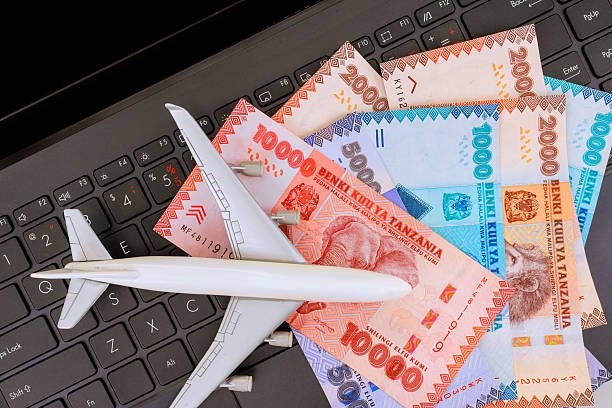
The local currency is the Tanzanian Shilling (TZS). Major foreign currencies, particularly USD, are often accepted in tourist establishments and for larger transactions, but it’s always best to have Shillings for smaller purchases and local transport. ATMs are available in larger towns like Songea, but can be unreliable. It’s advisable to carry sufficient cash (USD is widely preferred for exchange and sometimes directly accepted) and use credit cards sparingly.
Budgeting for Ruvuma depends heavily on your travel style. Overland travel by public bus is cheapest, while hiring private 4×4 vehicles and staying in the few better hotels will increase costs significantly. For a trip in 2026-2027, factor in:
* Transport: This will likely be a significant portion of your budget due to distances and the need for specialized vehicles.
* Accommodation: Varies from basic guesthouses to hotels.
* Food: Local eateries offer affordable meals; restaurants in hotels are more expensive.
* Activities: Entrance fees for parks (if applicable), guides, and community visit contributions.
A rough estimate for a mid-range trip, excluding international flights but including internal transport, accommodation, food, and activities, could range from $150 to $300 USD per person per day, with private transport significantly increasing this. Budget travelers might aim for $75-$100 per day if utilizing public transport and basic lodging.
Packing Essentials
Given the varied terrain and climate, packing smart is crucial:
* **Clothing:** Lightweight, breathable clothing in neutral colors. Long sleeves and trousers for sun and insect protection. A fleece or warm jacket for cooler evenings, especially during the dry season (June-October).
* **Footwear:** Comfortable walking shoes or hiking boots, plus sandals or flip-flops for relaxing.
* **Sun Protection:** Sunscreen, hat, and sunglasses.
* **Insect Repellent:** High-DEET content.
* **First-Aid Kit:** Including personal medications.
* **Water Purification:** Tablets or a filter bottle.
* **Electronics:** Power adapter, power bank, and camera.
* **Documents:** Passport, visa, vaccination certificates, travel insurance details.
* **Cash:** Sufficient USD for emergencies and smaller purchases.
Communication and Connectivity
Mobile phone coverage is available in major towns like Songea, but can be spotty in rural areas. Purchasing a local SIM card (e.g., Vodacom, Tigo, Airtel) upon arrival in Dar es Salaam or another major city is usually the most cost-effective way to stay connected. Wi-Fi is available in some hotels, but it’s often slow and unreliable. Be prepared for limited internet access, especially outside of the main centers.
Responsible Tourism in Ruvuma
When visiting Ruvuma, embracing responsible tourism practices is paramount:
* **Respect Local Culture:** Dress modestly, especially when visiting villages. Ask for permission before taking photos of people. Learn a few basic Swahili phrases.
* **Support Local Economy:** Purchase locally made crafts and souvenirs. Eat at local restaurants. Hire local guides.
* **Environmental Conservation:** Minimize your environmental impact. Avoid single-use plastics, do not litter, and respect wildlife viewing regulations if you visit any protected areas.
* **Community Engagement:** Ensure any community visits are arranged through ethical channels that benefit the community directly and respectfully.
Why Choose Climb 4 Africa for Your Ruvuma Journey?
While Climb 4 Africa is renowned for Kilimanjaro climbs and Northern Tanzania safaris, their expertise extends to crafting unique travel experiences across Tanzania, including less-visited regions like Ruvuma. Planning a trip to such a remote area requires deep local knowledge, logistical prowess, and a commitment to authentic, responsible travel – qualities that Climb 4 Africa embodies.
* **Local Expertise:** With extensive experience operating in Tanzania, Climb 4 Africa understands the intricacies of navigating the country, including its southern regions. They can arrange reliable transport, select appropriate accommodations, and connect you with trusted local guides who can facilitate genuine cultural interactions.
* **Tailor-Made Itineraries:** Ruvuma is not a destination with off-the-shelf packages. Climb 4 Africa specializes in creating bespoke itineraries that match your interests, budget, and travel style, whether you seek cultural immersion, natural exploration, or a combination.
* **Logistical Support:** From arranging domestic flights and 4×4 vehicles to securing permits and ensuring your safety, Climb 4 Africa handles the complex logistics, allowing you to focus on the experience. This is particularly vital for destinations like Ruvuma where infrastructure is basic.
* **Responsible Travel:** Climb 4 Africa is committed to sustainable and responsible tourism, ensuring that your visit benefits local communities and minimizes environmental impact. They work with local partners who share these values.
If you are considering a journey to Ruvuma for 2026-2027, reaching out to Climb 4 Africa is an excellent first step. They can provide personalized advice, detailed quotes, and a smooth planning process to make your adventure a reality. Connect with them via **WhatsApp at +255 747 477 898** or **email at climb4africa@gmail.com** to discuss your plans.
Frequently Asked Questions About Ruvuma Travel
Is Ruvuma safe for tourists?
Generally, Ruvuma is safe for tourists who take standard precautions. Like any remote region, it’s advisable to travel with a local guide, especially when venturing outside of main towns like Songea. Awareness of your surroundings and respecting local customs are key. Tanzania as a whole is considered safe for tourism, and Ruvuma is no exception, though its remoteness requires more careful planning.
What is the main town in Ruvuma Region?
The main administrative and commercial center of Ruvuma Region is **Songea**. It serves as the primary hub for transport, accommodation, and services within the region.
Can I visit Ruvuma without a guide?
While it’s technically possible to travel between major towns like Dar es Salaam and Songea independently using public transport, exploring the wider Ruvuma Region, its natural attractions, and its cultural sites is highly recommended with a local guide. A guide provides invaluable insights, ensures safety, facilitates communication, and helps arrange access to authentic experiences that would otherwise be inaccessible to foreign visitors.
What kind of wildlife can I expect to see in Ruvuma?
While Ruvuma is not a primary safari destination like the Serengeti or Masai Mara, its proximity to Nyerere National Park means there is wildlife. You can expect to see elephants, hippos, crocodiles, various antelope species, and abundant birdlife. However, wildlife viewing will likely be less concentrated and require more effort and specialized safaris, especially if you explore the less-visited parts of the region or its adjacent protected areas. The focus in Ruvuma is often more on cultural and natural landscapes than dense wildlife populations.
How can I exchange money in Ruvuma?
Foreign currency exchange is best done in larger cities like Dar es Salaam or at Kilimanjaro International Airport before you travel to Ruvuma. In Songea, you may find forex bureaus, but options might be limited. ATMs are available in Songea, but it’s wise to carry a good amount of US Dollars in smaller denominations for flexibility and to use for accommodation or private transport arrangements. Always ensure your USD bills are newer (post-2009) and in good condition, as older or damaged notes may not be accepted.
Is it possible to visit Ruvuma in 2026 or 2027?
Absolutely. Planning for 2026-2027 is ideal for Ruvuma. Its remote nature means that it’s less affected by sudden over-tourism. By planning ahead, you can secure the best transport and accommodation options. Working with an experienced operator like Climb 4 Africa will be crucial for ensuring a successful and memorable trip to this unique Tanzanian region during those years. They can advise on the best timing, logistics, and what to expect for your Ruvuma adventure.
Check Availability for How To Travel To Ruvuma, Tanzania: Your Expert Guide For 2026-2027
Ready to compare dates, prices, and the best option for your group? Send the package name and travel month so the team can reply with a clear quote, availability, and what is included.



