
Lindi, Tanzania, offers a treasure trove of hidden gems and authentic local tours beyond the usual tourist trails, focusing on its rich history, unique coastal culture, and natural beauty. Travelers can explore ancient ruins like Kilwa Kisiwani and Songo Mnara, discover vibrant local markets, engage with fishing communities, and experience the Rufiji River Delta’s unique ecosystem. Planning a visit for 2026-2027 involves understanding the best times to travel, arranging local transport, and engaging with specialized operators for tailored experiences, such as those offered by Climb 4 Africa, to uncover the true essence of this coastal region.


Understanding Lindi, Tanzania: Beyond the Obvious
Lindi, a region and its capital city on Tanzania’s southeastern coast, often flies under the radar for international travelers. While Dar es Salaam buzzes with urban life and the northern safari circuit draws global attention, Lindi offers a more authentic, less commercialized glimpse into Tanzanian life. Its allure lies in its deep historical roots, vibrant Swahili coastal culture, and proximity to significant natural and archaeological sites that remain relatively untouched by mass tourism. For travelers in 2026-2027 seeking genuine experiences and a connection to local life, Lindi presents a compelling alternative.
The region’s economy has historically been tied to agriculture, fishing, and trade, a legacy evident in its bustling port and the rhythm of daily life. Unlike more developed tourist hubs, Lindi encourages a slower pace, inviting visitors to observe, engage, and absorb the local atmosphere. This means embracing the unexpected, navigating with a sense of curiosity, and being open to spontaneous interactions. The lack of extensive tourist infrastructure is, paradoxically, part of its charm, pushing visitors to rely on local knowledge and build more meaningful connections. Understanding this context is key to appreciating the true value of Lindi’s hidden gems and the local tours that can be crafted here.
In recent years, there’s been a growing interest in exploring Tanzania’s southern circuit, not just for wildlife but for cultural and historical depth. Lindi is at the forefront of this shift. The infrastructure is gradually improving, making it more accessible for those willing to venture off the beaten path. For 2026-2027, expect a continued rise in interest from independent travelers and those looking for unique, off-the-beaten-path destinations. This is where the expertise of local tour operators becomes invaluable, helping to bridge the gap between the traveler’s expectations and the realities of exploring a less-traveled region.
The people of Lindi, predominantly from the Makua and Swahili ethnic groups, are known for their hospitality. While Swahili is the national language, local dialects are spoken, and English proficiency can vary. This adds another layer to the experience; learning a few basic Swahili phrases can go a long way in fostering positive interactions. The focus here is on experiences that are grounded in reality: understanding local livelihoods, appreciating historical narratives, and witnessing natural phenomena that are integral to the region’s identity. It’s about discovering places and traditions that have shaped Lindi over centuries, many of which are not found in typical guidebooks.
For the discerning traveler planning for 2026 or 2027, Lindi represents an opportunity to step back in time, connect with a resilient and welcoming culture, and explore landscapes that hold both historical significance and ecological importance. It’s a destination that rewards patience, curiosity, and a desire for authentic discovery, far from the crowds.
Historical Wonders of Lindi and its Environs
Lindi’s history is a rich mix woven from trade routes, ancient civilizations, and colonial encounters. The region is a custodian of some of Tanzania’s most significant historical sites, many of which are UNESCO World Heritage properties. These locations offer a profound connection to the past, revealing the complex interactions that shaped the Swahili coast and its trade networks over millennia. For those fascinated by history, Lindi is an essential detour.
### Kilwa Kisiwani and Songo Mnara: UNESCO World Heritage Sites
Perhaps the most renowned historical treasures in the Lindi region are the island ruins of Kilwa Kisiwani and Songo Mnara. These sites were once vital centers of trade and power along the Swahili coast, flourishing from the 9th to the 16th centuries. Kilwa Kisiwani, in particular, was a major trading port, controlling gold and ivory from the interior and connecting East Africa with Arabia, India, and even China. The ruins whisper tales of immense wealth, sophisticated architecture, and a cosmopolitan society.
Exploring Kilwa Kisiwani, you’ll find the impressive Great Mosque, the Husuni Kubwa palace (once one of the largest Swahili structures), and the intricate maze of houses and tombs. The island’s history is also marked by periods of Omani and Portuguese influence. Songo Mnara, a smaller island nearby, also boasts significant ruins, including a mosque, houses, and a unique circular fort. Both sites are a testament to the advanced Swahili civilization that thrived here long before European colonization.
Accessing these islands typically involves a boat trip from Kilwa Masoko, the modern town on the mainland. For 2026-2027 visits, it’s advisable to arrange this through local guides or tour operators who can manage boat logistics and ensure you have sufficient time to explore. The archaeological significance is immense, and these sites offer a powerful counter-narrative to the often-Eurocentric view of African history. Walking among these ancient stones, one can almost feel the echoes of merchants, sultans, and sailors who once walked these shores. It’s an experience that requires imagination and a willingness to appreciate the grandeur of a bygone era.
### The Ancient Fortress of Liwale
Further inland from the coast, the ruins of the Liwale fortress offer a different perspective on Lindi’s historical landscape. Dating back to the 18th century, this fortress was a key defensive structure and administrative center, particularly during periods of Omani rule and subsequent local conflicts. It played a role in controlling inland trade routes and maintaining authority in the region.
Unlike the coastal ruins, Liwale is less visited and requires a more determined effort to reach. The journey itself can be an adventure, often involving overland travel through rural landscapes. The site, though less intact than Kilwa, provides a glimpse into the military and political strategies of the era. It’s a place that speaks of resilience and strategic importance in a time of shifting powers. For travelers in 2026-2027 looking for truly off-the-beaten-path historical exploration, Liwale offers a unique opportunity.
### Colonial Architecture and Legacy in Lindi Town
Lindi town itself bears the marks of its colonial past, particularly from German and British rule. While some structures have fallen into disrepair, others still stand, offering a visual reminder of this era. The old administrative buildings, former residences, and the layout of the town center hint at the colonial planning and development that took place.
Exploring Lindi town can involve walking tours that highlight these historical buildings, such as the old post office, government offices, and some of the more substantial houses built during the early 20th century. The waterfront area, with its remnants of colonial-era jetties and warehouses, also tells a story of trade and connection to the wider world. Understanding this architectural legacy helps contextualize the region’s development and its place within Tanzania’s broader history. For those interested in urban history and the tangible remnants of colonial influence, Lindi town offers a fascinating study.
Exploring Lindi’s Coastal Life and Communities
Beyond its ancient ruins, Lindi’s true spirit resides in its vibrant coastal communities and their enduring traditions. The Swahili culture here is deeply intertwined with the sea, influencing daily life, livelihoods, and artistic expression. Engaging with these communities offers a profound cultural immersion that is often missing in more developed tourist destinations.
### Fishing Villages and Traditional Boat Building
Along Lindi’s extensive coastline and the estuaries of its rivers, traditional fishing villages are the heart of local life. Witnessing the daily rhythm of these communities – the early morning departures of dhows, the return of fishermen with their catch, and the lively auctions at the shore – is an incredibly authentic experience. Villages like Kipini or those around the Rufiji Delta offer a chance to see traditional fishing methods, often passed down through generations.
Here, you can also observe the ancient craft of dhow building. These iconic wooden sailing vessels, essential for coastal trade and fishing for centuries, are still constructed using traditional techniques. Watching skilled artisans shape timber and assemble these boats without modern machinery is a testament to enduring craftsmanship. Local tours can be arranged to visit these villages, interact respectfully with residents, and learn about their way of life. For 2026-2027 travel, arranging such visits through local guides ensures a respectful and enriching encounter, perhaps even including a short dhow trip if conditions permit.
### Local Markets and Culinary Adventures
The pulse of Lindi can be felt in its bustling local markets. The main market in Lindi town is a riot of color, sound, and aroma, offering a sensory feast. Here, you’ll find an abundance of fresh produce, local spices, seafood, and everyday goods. It’s the perfect place to observe daily commerce, interact with vendors, and sample local snacks.
Culinary exploration is a significant part of experiencing Lindi. The local cuisine is heavily influenced by Swahili and coastal traditions, featuring fresh seafood, coconut milk, rice, and a variety of spices. Dishes like pilau (spiced rice), samaki wa kupaka (fish in coconut sauce), and various grilled seafood preparations are common. Exploring local eateries, from small roadside stalls to more established restaurants, offers a delicious journey into regional flavors. For the adventurous eater, trying street food under the guidance of a local can be a highlight of any 2026-2027 Lindi itinerary. Consider arranging a cooking demonstration or a guided market tour focusing on local ingredients to deepen this culinary insight.
### The Art of Makonde Carving
The Makonde people, who have a significant presence in the Lindi region, are renowned worldwide for their intricate wood carvings. These artworks, often depicting abstract human figures, spiritual themes, or scenes of daily life, are a vital part of Makonde cultural heritage. The skill and artistry involved are remarkable, transforming simple pieces of ebony or other hardwoods into complex, expressive sculptures.
While many Makonde carvers are found in neighboring Mozambique, there is a strong tradition and presence in Lindi, Tanzania. Visiting local workshops or art centers allows travelers to see these pieces being created, understand the symbolism behind them, and purchase authentic artworks directly from the artists. This not only supports local artisans but also provides a unique souvenir that carries the essence of the region’s artistic talent. For those planning a trip in 2026-2027, seeking out authentic Makonde art is a rewarding cultural pursuit that connects you with the region’s creative soul.
Natural Landscapes and Wildlife Experiences
Lindi’s appeal extends to its diverse natural environments, from mighty river deltas to coastal ecosystems and access to the vast southern wilderness. While not as famous for wildlife as the northern parks, the Lindi region offers unique ecological encounters and opportunities for exploration.
### The Majestic Rufiji River Delta
The Rufiji River, one of Tanzania’s largest, empties into the Indian Ocean near Lindi, creating the expansive and ecologically rich Rufiji River Delta. This vast network of channels, mangrove forests, and floodplains is a haven for diverse wildlife and a critical ecosystem. The delta is renowned for its large populations of hippos and crocodiles, as well as a wide array of birdlife, including various waders, kingfishers, and migratory species.
Boat safaris through the delta are a primary way to experience its wonders. Navigating the waterways offers close encounters with wildlife and stunning views of the unique mangrove environment. The sheer scale of the delta is impressive, and its importance as a nursery ground for marine life and a vital habitat for terrestrial animals is significant. For travelers in 2026-2027 interested in unique riverine and coastal ecosystems, the Rufiji Delta is a must-visit. Local guides are essential for navigating the complex waterways safely and for spotting the best wildlife viewing opportunities.
### Selous Game Reserve: Southern Sector Access
While the northern parts of the Selous Game Reserve (now Nyerere National Park) are more commonly visited, Lindi provides a gateway to the less-explored southern sectors. This vast wilderness area is a UNESCO World Heritage site, famous for its large elephant, buffalo, lion, leopard, and wild dog populations. The southern sectors offer a more remote and exclusive safari experience.
Accessing these areas from Lindi can involve overland travel or small charter flights. The experience here is often more about walking safaris and boat safaris on the Rufiji River, offering a different perspective than traditional game drives. The sheer wildness and lack of crowds in these southern areas make it an ideal choice for travelers seeking an unadulterated wilderness experience in 2026-2027. Partnering with an experienced operator like Climb 4 Africa is crucial for planning logistics and ensuring safety in these remote parts of the reserve.
### Coastal Biodiversity and Mangrove Ecosystems
Lindi’s coastline is characterized by stretches of sandy beaches, rocky outcrops, and extensive mangrove forests. These mangrove ecosystems are vital nurseries for fish and crustaceans, protect the coast from erosion, and support a unique array of plant and animal life, including specialized bird species and marine invertebrates.
Exploring these coastal areas, perhaps through guided walks or kayaking trips (where available and feasible), offers a chance to appreciate the intricate balance of this environment. Understanding the ecological importance of mangroves and the threats they face from human activity provides a deeper appreciation for conservation efforts. Local communities often have a direct relationship with these coastal resources, and learning about their sustainable practices can be enlightening. For nature enthusiasts planning for 2026-2027, appreciating Lindi’s coastal biodiversity is an integral part of understanding the region’s natural heritage.
Planning Your less crowded place Tour in Lindi for 2026-2027
Successfully uncovering Lindi’s hidden gems requires careful planning, especially when aiming for an authentic and smooth travel experience in 2026-2027. The region’s developing tourism infrastructure means that flexibility, realistic expectations, and local knowledge are key.
### Best Time to Visit Lindi: Seasonal Considerations
Lindi experiences a tropical climate with distinct wet and dry seasons. The best time to visit for pleasant weather and easier travel is typically during the dry season, from **June to October**. During these months, rainfall is minimal, roads are generally in better condition, and outdoor activities are more comfortable.
The shoulder seasons, **March to May** (long rains) and **November to February** (short rains), can see significant rainfall, which might impact road conditions and limit some outdoor excursions. However, these periods can also offer lush landscapes and fewer visitors, potentially providing a more intimate experience for those unfazed by occasional downpours. For wildlife viewing, the dry season often concentrates animals around water sources, making them more visible, especially in areas like the southern Selous.
When planning for 2026-2027, consider that peak tourist seasons in Tanzania generally align with the dry months. However, Lindi’s less-touristed nature means it remains relatively quiet year-round. If your focus is on cultural immersion and historical sites, the shoulder seasons might be appealing, provided you are prepared for potential rain. Always check weather forecasts closer to your travel dates.
### Transportation and Getting Around Lindi
Getting to Lindi is usually via domestic flights from Dar es Salaam to Lindi Airport (LDI). There are also overland options, though these can be long and arduous. Once in Lindi, getting around requires local transport.
Within Lindi town, walking is feasible for central areas. For longer distances or trips to nearby attractions, local taxis, motorcycle taxis (boda-bodas), or hired vehicles are necessary. For excursions to more remote sites like Kilwa or into the Rufiji Delta, arranging transport with a tour operator is highly recommended. This often involves 4×4 vehicles for rougher terrain and boats for river and sea travel.
For 2026-2027 travel, consider the state of the roads. While main routes are often maintained, unpaved roads can become challenging, especially during the rainy season. Hiring a reliable vehicle with a knowledgeable driver is often the most practical and safest option for exploring the wider Lindi region. This is where the support of a local operator like Climb 4 Africa becomes invaluable, as they have established relationships with trusted drivers and vehicle providers.
### Accommodation Options: Local and Unique
Accommodation in Lindi is more limited and less standardized than in major tourist hubs. You’ll find a range of options, from basic guesthouses and lodges to a few mid-range hotels in Lindi town. For a truly local experience, consider staying in smaller, family-run establishments or exploring options in towns like Kilwa Masoko.
While luxury resorts are not characteristic of Lindi, some lodges in the surrounding natural areas, particularly those near the Rufiji Delta or southern Selous, offer more comfortable and unique stays. These often blend into the environment and provide a more in-depth experience. When planning for 2026-2027, research is key. Many of the more unique or authentic stays might not be widely advertised online and are best discovered through local contacts or specialized tour operators.
It’s important to book accommodation in advance, especially if traveling during a slightly busier period or if you’re seeking specific types of lodging. Don’t expect the same amenities or service levels as you might find in international hotels; embrace the local character of the accommodations.
### Crafting an Itinerary with Local Guides
The success of exploring Lindi’s hidden gems hinges on local knowledge. Engaging qualified local guides is not just about navigation; it’s about unlocking the stories, cultural nuances, and best-kept secrets of the region. Local guides can arrange visits to fishing villages, introduce you to artisans, provide historical context for ruins, and help navigate local markets.
When planning your itinerary for 2026-2027, think about your interests. Are you drawn to history, culture, nature, or a blend of all? A good local guide or tour operator can help tailor an itinerary that matches your preferences. This might involve custom-designed day trips from Lindi town, multi-day excursions to Kilwa and the Rufiji Delta, or even combining Lindi with southern Selous. The ability to adapt and go with the flow is also beneficial, as local conditions can sometimes necessitate itinerary changes.
For truly off-the-beaten-path experiences, consider booking guided tours that focus on specific aspects, such as birdwatching in the delta, exploring traditional crafts, or visiting lesser-known historical sites. The more specific your request, the better a local operator can craft a unique adventure for you.
Booking Your Lindi Adventure with Climb 4 Africa
When venturing into a region like Lindi, where authentic experiences are paramount and local knowledge is essential, partnering with a reputable and experienced tour operator significantly enhances your journey. Climb 4 Africa specializes in creating tailor-made African travel experiences, including those that explore the cultural and historical richness of Tanzania’s less-explored coastal areas.
For your 2026-2027 Lindi adventure, Climb 4 Africa can help design custom itineraries that go beyond the surface. Whether you’re interested in exploring the UNESCO World Heritage sites of Kilwa Kisiwani and Songo Mnara, understanding the traditions of coastal fishing communities, discovering the art of Makonde carving, or venturing into the Rufiji River Delta and the southern sectors of the Selous Game Reserve, their expertise is invaluable.
They understand the logistical challenges of traveling in this region and have established local networks to ensure smooth operations. This includes arranging reliable transportation, knowledgeable local guides, and suitable accommodation that aligns with your preferences. Their practical local support means you can focus on enjoying the unique discoveries Lindi has to offer, confident that the details are being managed by professionals.
To begin planning your bespoke Lindi tour, it’s recommended to reach out directly. Share your interests, desired travel dates for 2026 or 2027, your budget considerations, and any specific activities or sites you wish to include. This information will help Climb 4 Africa craft an itinerary that perfectly matches your vision for an unforgettable exploration of Lindi’s hidden gems and local culture. You can connect with them via WhatsApp at +255 747 477 898 or by sending an email to climb4africa@gmail.com. Their team is ready to help you craft an authentic Tanzanian coastal experience.
By choosing to work with Climb 4 Africa, you’re not just booking a trip; you’re securing an opportunity for deep cultural immersion and exploration, guided by experts who are passionate about showcasing the best of Tanzania, including its interesting coastal treasures.
Key Considerations for Lindi Travelers (2026-2027)
- Authenticity over Amenities: Lindi offers genuine cultural experiences, not luxury resorts. Embrace local charm.
- Local Guides are Crucial: For historical sites, cultural interactions, and navigating natural areas, local expertise is indispensable.
- Logistics: Travel can be slow and roads challenging, especially in the wet season. Factor in extra time and opt for reliable transport.
- Respectful Engagement: When visiting communities or markets, always be respectful of local customs and ask permission before taking photos.
- Connectivity: Mobile network coverage can be spotty outside of Lindi town.
- Health Precautions: Consult your doctor for necessary vaccinations and malaria precautions before traveling to Tanzania.
Sample Lindi Hidden Gems Itinerary Snippet (5 Days)
This is a sample to illustrate possibilities for 2026-2027. Actual itineraries will be customized.
- Day 1: Arrival in Lindi & Town Exploration
Arrive at Lindi Airport, transfer to your lodge. Afternoon guided walk through Lindi town, focusing on colonial architecture and the waterfront. Evening exploration of a local market for dinner. - Day 2: Kilwa Kisiwani & Songo Mnara Excursion
Full-day trip to the UNESCO World Heritage sites. Travel to Kilwa Masoko, then by boat to Kilwa Kisiwani and Songo Mnara. Explore the ancient ruins with a local guide, learning about the Swahili coast’s history. Return to Lindi in the late afternoon. - Day 3: Rufiji River Delta Immersion
Travel towards the Rufiji River Delta. start a boat safari through mangrove channels, looking for hippos, crocodiles, and abundant birdlife. Visit a local fishing village to understand their way of life and potentially see traditional boat building. Overnight near the delta or return to Lindi. - Day 4: Makonde Art & Rural Exploration
Journey inland to explore areas known for Makonde carving. Visit artisan workshops, learn about the carving process, and support local artists. Experience the rural landscape and perhaps visit a smaller historical site like Liwale (requires significant travel time and planning). - Day 5: Coastal Exploration & Departure
Morning visit to a local beach or a different coastal community. Enjoy a final local seafood meal. Transfer to Lindi Airport for your departure flight.
Why Choose Local Expertise for Lindi?
Lindi’s unique character and its status as a ‘less crowded place’ mean that standard tour packages often don’t capture its essence. Local tour operators possess invaluable on-the-ground knowledge:
- Access: They know how to arrange transport to remote sites and secure necessary permits.
- Cultural Sensitivity: They facilitate respectful interactions with local communities.
- Authenticity: They can guide you to truly local experiences, from markets to artisan workshops, that are often missed by generalist tours.
- Safety & Comfort: They manage logistics to ensure your trip is as smooth and safe as possible, especially concerning road conditions and river travel.
- Support Local Economy: Booking with local operators ensures that your travel spending directly benefits the communities you visit.
For planning your 2026-2027 trip, consider how this local insight can transform your Lindi experience from a standard visit to a profound discovery.
Check Availability for Hidden Gems And Local Tours In Lindi, Tanzania: An Expert Guide For…
Ready to compare dates, prices, and the best option for your group? Send the package name and travel month so the team can reply with a clear quote, availability, and what is included.

Hidden Gems And Local Tours In Kigoma, Tanzania: A Travelers Deep Dive
Uncover the lesser-known wonders and authentic experiences around Kigoma, Tanzania. This guide details unique local tours, cultural encounters, and natural marvels beyond the typical…

Hidden Gems And Local Tours In Katavi, Tanzania 2026-2027
Hidden Gems and Local Tours in Katavi, Tanzania is explained with current 2026-2027 planning, price, itinerary and booking information.

Hidden Gems And Local Tours In Kagera, Tanzania: An Unforgettable Adventure
Explore the lesser-known wonders of Kagera, Tanzania, from pristine lakeshores to vibrant cultural experiences. Discover unique local tours and plan your off-the-beaten-path adventure.

Hidden Gems And Local Tours In Iringa, Tanzania: Your Essential Guide
Uncover the lesser-known treasures of Iringa, Tanzania, with this comprehensive guide to its hidden gems and authentic local tours. From historical sites to natural wonders and cultural…

Hidden Gems And Local Tours In Geita, Tanzania Guide
Explore the lesser-known attractions and authentic local experiences in Geita, Tanzania. This guide provides practical insights for travelers seeking unique adventures off the beaten path…
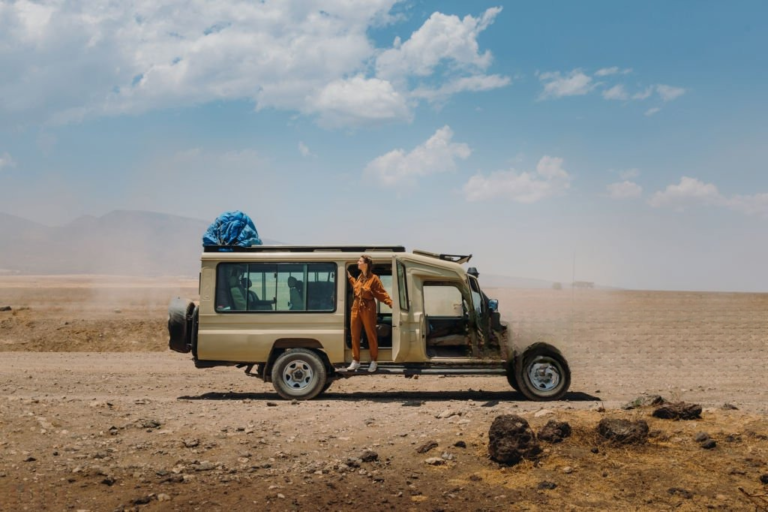
Hidden Gems And Local Tours In Dodoma, Tanzania Guide
Explore the less-traveled paths of Dodoma, Tanzania's capital, with insights into its hidden gems and authentic local tours. From unique cultural landmarks to bustling markets and…
Discover Dar Es Salaams Hidden Gems & Authentic Local Tours () 2026-2027
Uncover the soul of Dar es Salaam with our guide to its hidden gems and authentic local tours. Move beyond the tourist trail to experience the true pulse of Tanzania's coastal capital.

Hidden Gems And Local Tours In Arusha, Tanzania 2026-2027
Hidden Gems and Local Tours in Arusha, Tanzania is explained with current 2026-2027 planning, price, itinerary and booking information.
No related package matches those filters. Clear one or more filters to see the other topic-matched options.



