
Katavi National Park offers an unparalleled experience for travelers seeking an off-the-beaten-path safari in Tanzania, revealing its hidden gems through authentic local tours that focus on raw wilderness and exceptional wildlife viewing, particularly during the dry season from June to October. While not offering conventional “tours” in the mass-market sense, access to Katavi’s unique attractions is typically facilitated by specialized safari operators who arrange game drives, walking safaris, and cultural interactions with local communities, providing a deep connection to this remote park. Planning for a visit in 2026 or 2027 involves understanding the park’s distinct seasons, logistical challenges, and the type of intimate wildlife encounters it provides, making it ideal for discerning adventurers.
Katavi National Park: An Untamed Wilderness Beckons
Tanzania’s safari circuit is world-renowned, drawing millions to witness the Great Migration in the Serengeti or the vast elephant herds of Tarangire. Yet, for the traveler yearning for true wilderness, a place where the wild still reigns supreme and human footprints are few, Katavi National Park stands apart. Located in the western reaches of Tanzania, Katavi is a vast, remote expanse of miombo woodland, acacia savannas, and seasonal floodplains that transforms dramatically between the wet and dry seasons. It’s a park that demands a little more effort to reach, but rewards visitors with an authentic, unadulterated African safari experience, rich in wildlife and devoid of crowds. This is not a park for the casual tourist; it’s a destination for the dedicated explorer, the wildlife enthusiast, and anyone who dreams of vast, untouched landscapes teeming with life. Here, the rhythm of nature dictates the pace, and the encounters are as raw and real as they come. For those planning a safari in 2026 or 2027, Katavi presents an opportunity to step back in time and witness a Tanzania that few visitors ever experience.
Why Katavi Remains Tanzania’s Best-Kept Safari Secret
The allure of Katavi National Park lies precisely in its remoteness and the challenges associated with reaching it. Unlike the more accessible northern circuit parks, Katavi requires a significant journey, typically involving a flight or a long drive. This logistical hurdle acts as a natural filter, deterring mass tourism and preserving the park’s pristine character. What this means for the visitor is an intimate encounter with wildlife and landscapes that feel profoundly wild and untouched. You won’t find vast lodges, busy airstrips, or multiple vehicles at a single sighting. Instead, you’ll experience the quiet grandeur of the African bush, where the sounds of nature are paramount and wildlife sightings feel like personal discoveries. The park is particularly famous for its massive concentrations of hippos and crocodiles during the dry season, as well as large herds of elephants and buffaloes. Its predator population, including lions, leopards, and cheetahs, is also robust, though often more elusive due to the thick vegetation. The sheer scale of the park, combined with its wildness, makes it a true less crowded place for those willing to venture beyond the typical safari routes. For 2026-2027, Katavi continues to offer this exclusive, profound connection to nature, a stark contrast to more commercialized destinations.
Navigating Katavi Logistics: Planning Your 2026-2027 Expedition
A safari to Katavi requires meticulous planning, especially when considering travel in the upcoming years of 2026 and 2027. Its remoteness means that logistics are paramount to a successful and enjoyable trip. Understanding how to get there, when to go, and where to stay are the foundational elements of any Katavi adventure.
Getting to Katavi: The Journey In
Reaching Katavi is an adventure in itself. The most common and recommended method for international travelers is to fly. Daily scheduled light aircraft flights operate from Arusha or Dar es Salaam to the park’s airstrip, typically located near the Mlele Gate or Mpala Game Reserve area. These flights, while more expensive than ground transport, significantly reduce travel time and offer spectacular aerial views of the Tanzanian landscape. The flight duration is usually around 1.5 to 2 hours. Alternatively, it is possible to drive to Katavi from towns like Mbeya or Kigoma, but this is a very long and arduous journey, often taking two full days of travel over rough roads, and is generally not recommended for most tourists. Self-driving is possible but requires a robust 4×4 vehicle and a good understanding of road conditions, which can deteriorate rapidly, especially during the rainy season. For most visitors planning a 2026 or 2027 safari, flying is the most practical and time-efficient option, often arranged as part of a package by safari operators.
Best Time to Visit Katavi: Seasonal Highlights
Katavi’s landscape and wildlife viewing potential are dictated by its distinct wet and dry seasons, making timing crucial for your 2026-2027 visit. The park is generally accessible year-round, but the experience varies dramatically.
- Dry Season (June to October): This is widely considered the prime time to visit Katavi. As water sources dwindle, wildlife congregates around the remaining rivers and waterholes, leading to spectacular concentrations of animals. The Katuma River, Lake Katavi, and Lake Iugusi become focal points for hippos, crocodiles, elephants, and buffaloes. Predator sightings also tend to increase as animals are more concentrated and easier to spot in the sparser vegetation. The weather is typically sunny and pleasant, with cooler mornings and evenings. This is also the peak season for tourist numbers, though “peak” in Katavi is relative and still means far fewer people than in the Serengeti.
- Shoulder Seasons (May and November): These months mark the transitions between wet and dry. May can see the end of the rains, with lush green landscapes and fewer crowds. November often brings the first rains, starting to transform the dry earth. Wildlife is still relatively easy to spot as they adapt to changing conditions.
- Wet Season (December to April): During the rainy season, the park is at its most beautiful, with vibrant green landscapes. However, many roads can become impassable, and game viewing can be more challenging as animals disperse into the woodlands. Some camps may close during the height of the rains. Birdlife is exceptional during this period, with migratory birds present, and the landscape is stunningly verdant. While less popular for traditional game viewing, it offers a photographer’s paradise for those who don’t mind the logistical challenges. For 2026-2027, those seeking photographic opportunities might consider the early wet season, while prime wildlife viewing remains firmly in the dry months.
When booking your 2026 or 2027 safari, discuss these seasonal differences with your tour operator to align your visit with your wildlife viewing priorities.
Accommodation Options in Katavi
Accommodation in Katavi is limited and designed to complement the park’s wild and remote character. You won’t find large, sprawling resorts here. Instead, options typically include:
- Luxury Tented Camps: These offer a comfortable and in-depth safari experience. Expect spacious canvas tents with en-suite bathrooms, comfortable beds, and often verandas with stunning views. Camps are strategically located to provide excellent access to wildlife viewing areas. Examples include high-end lodges that provide a blend of comfort and remoteness.
- Mid-Range Camps: Offering a good balance of comfort and value, these camps provide essential amenities for a memorable stay. They are typically well-run and offer excellent service, focusing on the safari experience.
- Seasonal Camps: Some camps operate only during the dry season when access is best and wildlife is most concentrated.
It’s important to note that availability can be limited, especially during the peak dry season. Booking well in advance for 2026 and 2027 is highly recommended. For example, booking 9-12 months ahead is advisable for peak season travel. When considering your options for Katavi, remember that the remoteness means that the lodge or camp you choose will be your primary base for exploring this magnificent park.
Discovering Katavi’s True Hidden Gems
Katavi is a park of immense ecological significance and impressive natural beauty, dotted with specific locations and wildlife spectacles that truly define its character as a less crowded place. These are the places and phenomena that make a safari here so profoundly different.
The Katuma River and Its Floodplains: Lifeblood of the Park
The Katuma River is the park’s most vital artery, particularly during the dry season. As the water recedes, the riverbanks and surrounding floodplains become magnets for wildlife. Vast numbers of hippos congregate in the shrinking pools, creating some of the most intense hippo gatherings found anywhere in Africa. These “hippo cities” are a spectacle of grunting, jostling, and territorial disputes. Similarly, crocodiles bask in large numbers along the riverbanks, preying on passing animals. The floodplains also attract large herds of buffalo and elephants, especially in the mornings and evenings. The open grasslands of the floodplains offer excellent opportunities for spotting predators like lions, which often hunt buffalo and other large herbivores found here. Exploring the Katuma River area is a quintessential Katavi experience, offering a raw glimpse into the struggle for survival and the incredible wildlife densities that can occur in this park.
Lake Katavi and Lake Iugusi: Avian Havens and Hippo Havens
These two shallow lakes, along with the Katuma River, form the core of Katavi’s aquatic ecosystems. During the dry season, they shrink dramatically, concentrating hippos and crocodiles into astonishing numbers. Lake Iugusi, in particular, is renowned for its hippo population. The surrounding areas of these lakes also attract a wealth of birdlife, including various waders, storks, and water birds, making them significant ornithological hotspots within the park. For bird enthusiasts, visiting these lakes during the drier months of 2026 or 2027 will offer a rewarding experience. The stark beauty of the lake shores, dotted with ancient tamarind trees, adds to the visual appeal, providing a dramatic backdrop to the abundant wildlife.
The Legendary Katavi Elephants: Giants of the Plains
Katavi is home to some of the largest elephants in Tanzania. These magnificent creatures roam the park’s diverse habitats, from the woodlands to the floodplains. During the dry season, large herds can be seen moving between watering holes or seeking shade under the iconic acacia trees. Their sheer size and the relatively undisturbed nature of their environment mean that encounters are often intimate and awe-inspiring. Unlike in more crowded parks, you might find yourself alone with a herd of these gentle giants, observing their social interactions and quiet majesty. The vastness of Katavi allows these elephants to maintain their natural behaviors, offering a truly authentic wildlife viewing experience. Seeing a large bull elephant, with tusks that speak of years of survival, against the backdrop of the African savanna is a powerful image that stays with you long after your safari.
The Crocodiles of Katavi: Ancient Predators in Abundance
Katavi is famous for its formidable Nile crocodile population. The Katuma River and the lakes, especially during the dry season, are teeming with these ancient reptiles. It’s not uncommon to see dozens, if not hundreds, of crocodiles basking on the muddy banks, often piled upon each other. Their presence is a constant reminder of the primal forces at play in this ecosystem. Game drives along the riverbanks offer incredible opportunities to observe their behavior, from their watchful stillness to sudden lunges for prey. The sheer density of crocodiles here is a unique spectacle, highlighting Katavi’s status as a truly wild and untamed environment.
Predator Encounters: Lions, Leopards, and Hyenas
While Katavi is perhaps best known for its herbivores and reptiles, its predator populations are thriving. Lions are particularly notable; Katavi is famed for its resident prides, which often exhibit unique behaviors, sometimes seen in much larger numbers than in other parks. They frequently hunt buffalo on the floodplains, and witnessing such a hunt is a dramatic and unforgettable safari moment. Leopards are present but are typically more elusive, preferring the denser woodlands. However, patient observation, especially during early morning or late afternoon drives, can yield sightings. Spotted hyenas are also common, their eerie calls often heard at night, and they are formidable hunters and scavengers. For those visiting in 2026 or 2027, understanding the predator-prey dynamics in Katavi, especially during the dry season when sightings are generally more reliable, is key to appreciating the park’s ecological richness.
Rare and Elusive Species
Beyond the more commonly seen wildlife, Katavi is a sanctuary for several rarer and more elusive species. These include:
- Wild Dogs (African Painted Wolves): While sightings are not guaranteed, Katavi is one of the parks where these endangered predators can be found. Their presence is a significant indicator of a healthy ecosystem.
- Cheetahs: Though less common than lions or leopards, cheetahs do inhabit the open plains of Katavi, particularly in areas with good visibility.
- Roan and Sable Antelope: These elegant antelopes are more likely to be found in the miombo woodlands, adding to the diversity of species you might encounter.
- Baboons and Vervet Monkeys: These primates are common and often seen in troops, providing lively interactions.
The chance to spot these rarer animals adds another layer of excitement to a Katavi safari, reinforcing its status as a true wilderness destination. For dedicated wildlife photographers or enthusiasts planning their 2026-2027 trip, these elusive species represent the ultimate prize.
Authentic Local Tours and Experiences in Katavi
The concept of “local tours” in Katavi differs from the packaged excursions found elsewhere. Here, authenticity means engaging deeply with the environment and culture through expertly guided activities that respect the park’s wild nature. These are not typically pre-packaged “tours” but rather core safari activities designed for intimate engagement.
Guided Game Drives: The Core of Your Katavi Safari
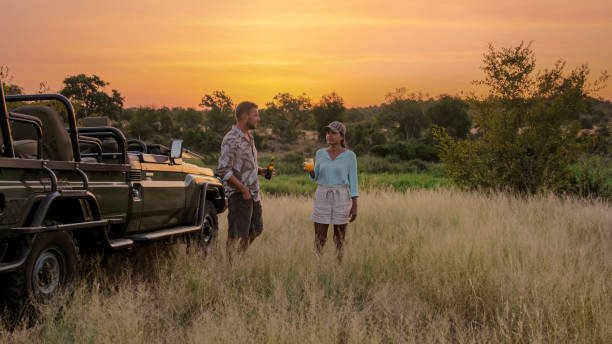
Game drives are the primary way to explore Katavi National Park. These are conducted in specialized 4×4 safari vehicles, driven by experienced local guides who possess an intimate knowledge of the park’s terrain, wildlife habits, and the best locations for sightings. Drives typically start early in the morning and continue into the late afternoon. The advantage of a local guide is their understanding of Katavi’s unique ecosystem, enabling them to lead you to areas where you might encounter the park’s famed concentrations of hippos, crocodiles, elephants, and its elusive predators. The limited number of vehicles in the park ensures that these drives are often solitary experiences, allowing for unhurried observation and photography. For your 2026-2027 safari, discuss with your operator the ideal timing and duration for game drives to maximize your chances of seeing specific wildlife.
Walking Safaris: An Intimate Wilderness Connection
For a truly in-depth experience, walking safaris are a must in Katavi, where permitted. Accompanied by an armed ranger and a knowledgeable guide, these excursions allow you to connect with the bush on foot, experiencing its sights, sounds, and smells in a way that is impossible from a vehicle. You’ll learn about tracking animals, identify different plant species, and gain a deeper appreciation for the smaller details of the ecosystem. Walking safaris are often offered by the more remote camps and are an excellent way to explore areas that vehicles cannot access. They provide a profound sense of being a part of the wilderness rather than just an observer. Given the park’s wild nature, walking safaris are best suited for adventurous travelers who are comfortable with a higher level of engagement with their surroundings. Check with your chosen lodge or tour operator for availability and suitability when planning your 2026-2027 trip.
Cultural Excursions and Local Interactions
While Katavi National Park itself is focused on wildlife, its proximity to local communities offers opportunities for respectful cultural interactions. These are typically arranged through your safari operator and offer a glimpse into the lives of the people who inhabit the region surrounding the park. Visits might include local villages, schools, or community projects. These excursions are designed to be educational and mutually beneficial, providing insights into traditional ways of life, local crafts, and the challenges and rewards of living alongside abundant wildlife. For travelers interested in understanding the human element of Tanzania’s conservation efforts, these cultural encounters add significant depth to a Katavi safari. When booking for 2026 or 2027, inquire about the possibility of including such visits, ensuring they are conducted ethically and with genuine community benefit.
Photographic Safaris: Capturing Katavi’s Essence
Katavi’s raw beauty, dramatic landscapes, and abundant wildlife make it a dream destination for photographers. The low tourist density means that photographers have ample opportunity to capture stunning images without the distraction of other vehicles. The dramatic light of early morning and late afternoon, coupled with the sheer scale of the wildlife concentrations, provides endless photographic possibilities. Specialized photographic safaris can be arranged, often with guides trained in wildlife photography, ensuring you have the best vantage points and opportunities. Whether you’re capturing the intense stare of a crocodile, the imposing presence of an elephant herd, or the subtle beauty of the miombo woodlands, Katavi offers a unique canvas. For photographers planning their 2026-2027 adventures, the dry season’s concentrated wildlife and dramatic skies are particularly appealing.
Planning Your Katavi Safari with Climb 4 Africa
Embarking on a safari to a remote destination like Katavi National Park requires expertise and local knowledge. Climb 4 Africa specializes in crafting unique Tanzanian travel experiences, including those to less-visited parks. We understand the intricacies of planning a trip to Katavi, from logistics to the best times to visit, ensuring your 2026-2027 adventure is smooth and unforgettable.
Why Choose Climb 4 Africa for Katavi?
Climb 4 Africa is dedicated to providing authentic and personalized safari experiences. For Katavi, this means:
- Expert Local Knowledge: We have a deep understanding of Katavi’s ecosystem, wildlife patterns, and the best operators on the ground.
- Tailor-Made Itineraries: We don’t offer one-size-fits-all packages. We work with you to design an itinerary that matches your interests, budget, and desired pace, whether you are seeking intense wildlife photography or a more relaxed exploration.
- Logistical Mastery: We handle all the complex logistics, including flight bookings, transfers, and accommodation arrangements, ensuring a smooth journey to and from this remote park.
- Focus on Authenticity: We partner with lodges and guides who share our commitment to conservation and authentic safari experiences, ensuring your visit is both rewarding and responsible.
- Support for 2026-2027 Travel: We are already planning and booking safaris for the 2026 and 2027 seasons, understanding the booking windows required for such specialized destinations.
Our goal is to make your journey to Katavi as accessible and enjoyable as possible, allowing you to focus on the incredible wildlife and landscapes.
Crafting Your 2026-2027 Katavi Itinerary
A typical Katavi safari itinerary, especially for 2026 or 2027, often involves:
- Duration: A minimum of 3-4 nights is recommended to truly appreciate the park, though longer stays (5-7 nights) allow for deeper exploration and a more relaxed pace.
- Arrival: Usually via a scheduled flight from Arusha or Dar es Salaam to the Katavi airstrip.
- Activities: Daily game drives, potentially including walking safaris or cultural visits depending on your chosen camp and interests.
- Departure: A flight back to a major hub like Arusha or Dar es Salaam.
When you contact us, please share your interests: are you focused on predators, birdlife, photography, or a general wildlife experience? What is your preferred travel style and budget for 2026-2027? This information helps us create the perfect itinerary. For instance, a photographer might prefer longer game drives during optimal light, while a family might appreciate a camp with a more relaxed atmosphere.
What to Expect When Booking
Booking a Katavi safari with Climb 4 Africa is a collaborative process:
- Initial Consultation: We’ll discuss your safari dreams, including your interest in Katavi, your travel dates for 2026 or 2027, your budget, and any specific wildlife or activity interests.
- Proposal: Based on our conversation, we’ll craft a detailed itinerary, including recommended lodges, activities, and estimated costs. We’ll explain the inclusions and exclusions clearly.
- Refinement: We welcome your feedback and will adjust the itinerary until it’s perfect for you.
- Confirmation & Deposit: Once you’re happy, a deposit will secure your bookings. We typically require 20-30% deposit for safaris.
- Pre-Trip Information: Closer to your departure, we’ll provide comprehensive information about packing, health, visa requirements, and what to expect on the ground.
- Final Payment: The balance is usually due 60-90 days before your departure.
We are committed to providing clear communication and expert advice throughout the booking process. For any inquiries or to start planning your unique Katavi safari for 2026 or 2027, feel free to reach out. You can contact us via WhatsApp at +255 747 477 898 or email us at climb4africa@gmail.com.
Comparing Katavi with Other Tanzanian Parks
Katavi offers a distinct safari experience compared to its more famous Tanzanian counterparts like the Serengeti, Ngorongoro Crater, or Tarangire. Understanding these differences is key to choosing the right park for your 2026-2027 adventure.
- Serengeti National Park: Famous for the Great Migration, vast open plains, and high concentrations of predators. It’s more developed with numerous lodges and camps. Katavi offers a wilder, more intimate experience with fewer crowds and different landscape dynamics.
- Ngorongoro Crater: A unique caldera offering exceptional densities of wildlife, including the Big Five, in a compact area. It’s a stunning natural wonder but can feel very crowded with tourist vehicles. Katavi provides a much more expansive, less crowded, and wilder sense of exploration.
- Tarangire National Park: Known for its large elephant herds and baobab trees, especially during the dry season. It’s more accessible than Katavi. While Tarangire is fantastic, Katavi offers a deeper sense of remoteness and a unique focus on hippo and crocodile congregations.
- Selous Game Reserve (Nyerere National Park): Located in southern Tanzania, it’s one of Africa’s largest reserves, offering boat safaris and a more diverse range of activities. Katavi’s landscape is different, with a stronger emphasis on terrestrial wildlife viewing and the specific spectacle of its riverine ecosystems.
Katavi is best suited for travelers seeking an off-the-beaten-track experience, prioritizing solitude and raw wilderness over guaranteed Big Five sightings at every turn. If you’ve already experienced the northern circuit and crave something more profound and less commercial for your 2026-2027 travels, Katavi is an exceptional choice.
Essential Packing for Katavi
Packing for a Katavi safari, especially given its remote location and potential for varied weather, requires careful consideration. Aim for comfort, practicality, and layers.
- Clothing: Neutral-colored clothing (khaki, beige, olive green) is best for game drives to avoid startling wildlife. Pack light, breathable fabrics. Include long-sleeved shirts and trousers for sun and insect protection. A warm fleece or jacket is essential for cool mornings and evenings, particularly during the dry season (June-October).
- Footwear: Comfortable walking shoes or hiking boots are necessary for walking safaris. For game drives, comfortable trainers or sandals are fine.
- Sun Protection: A wide-brimmed hat, sunglasses, and high SPF sunscreen are crucial.
- Insect Repellent: A strong insect repellent, especially one containing DEET, is recommended.
- Camera Gear: Bring extra batteries, memory cards, and a good zoom lens. A camera bag to protect your equipment from dust is also advisable.
- Binoculars: Essential for spotting distant wildlife.
- Personal Items: A small backpack for day trips, a reusable water bottle, any personal medications, and a basic first-aid kit.
- Documents: Passport, visa (if required), flight details, and any booking confirmations. Keep copies separate from the originals.
Remember that luggage restrictions apply to light aircraft flights, so soft-sided bags are usually preferred. Always check with your tour operator for specific recommendations for your 2026-2027 safari.
Sustainability and Responsible Tourism in Katavi
Visiting a remote and ecologically sensitive park like Katavi comes with a responsibility to practice sustainable tourism. For travelers planning their safaris in 2026 and 2027, choosing operators and lodges committed to conservation is paramount.
- Support Local Communities: Opt for lodges that employ local staff and contribute to community development projects. Cultural visits should be conducted respectfully, ensuring direct benefits to the community.
- Minimize Environmental Impact: Stay on designated tracks during game drives, do not litter, and conserve water and energy at your lodge. Respect wildlife by maintaining a safe distance and never feeding animals.
- Choose Eco-Conscious Operators: Partner with safari companies like Climb 4 Africa that prioritize conservation, work with reputable lodges, and adhere to ethical wildlife viewing practices.
- Respect Park Rules: Adhere to all park regulations regarding campfires, noise levels, and the removal of any natural items.
By making conscious choices, travelers can ensure that their safari contributes positively to the preservation of Katavi’s unique wilderness for future generations, including those planning for 2026 and beyond. Our commitment at Climb 4 Africa is to facilitate these responsible travel practices, ensuring your adventure supports the very wilderness you come to admire.
”
}
“`
Check Availability for Hidden Gems And Local Tours In Katavi, Tanzania 2026-2027
Ready to compare dates, prices, and the best option for your group? Send the package name and travel month so the team can reply with a clear quote, availability, and what is included.
Kilimanjaro And Great Migration Safari July : Your Ultimate Tanzanian
Combining a Kilimanjaro climb with a Great Migration safari in July 2027 offers a spectacular Tanzanian adventure. This guide helps you plan your ideal itinerary, considering the best...
View package details
Kilimanjaro And Grumeti Migration Safari June : The Ultimate Tanzanian
Plan your unforgettable Kilimanjaro and Grumeti Migration safari for June 2027. This comprehensive guide details how to combine the challenge of summiting Africa's highest peak with the...
View package details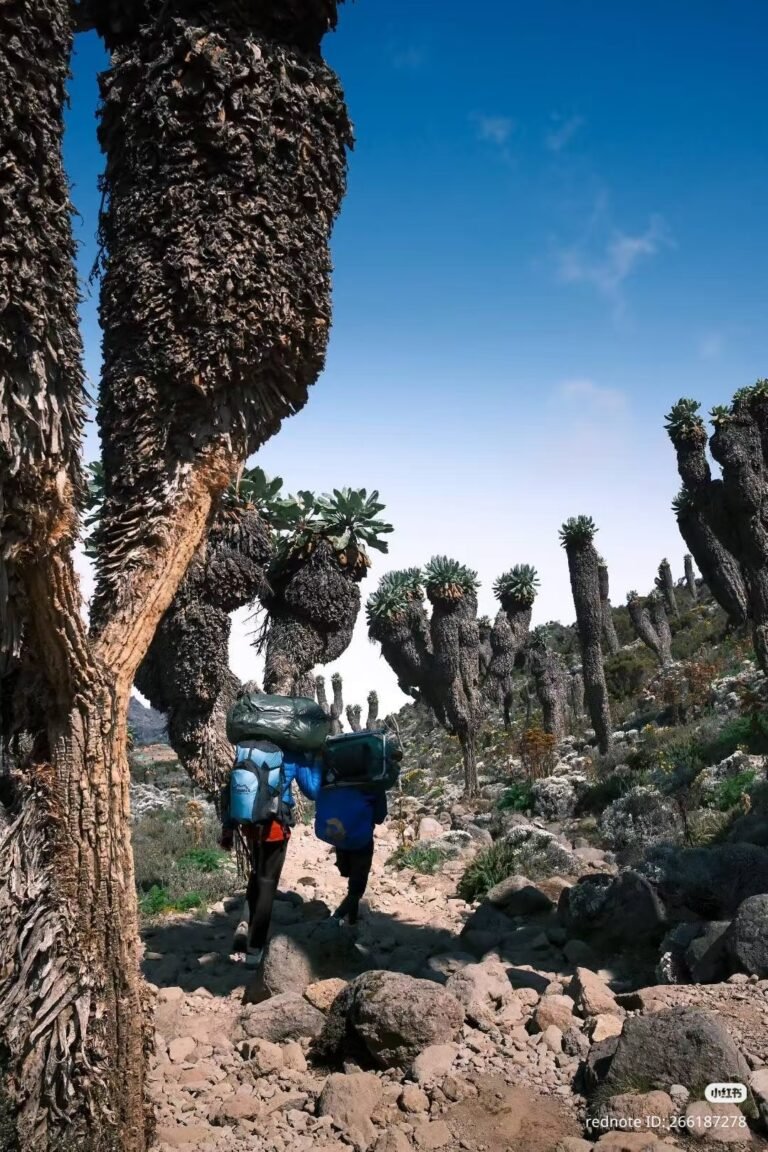
Kilimanjaro Christmas Climb And Tanzania Safari : Your Festive Adventure
Combine the magic of a Christmas ascent of Kilimanjaro with a thrilling Tanzania safari in 2026. Discover how to plan this dual adventure for a truly unique festive season.
View package detailsKilimanjaro And Mara River Crossing Safari August : Peak Season Adventure 2027
Combining the ultimate challenge of climbing Mount Kilimanjaro with the awe-inspiring spectacle of the Great Migration river crossing in the Maasai Mara offers an unparalleled African...
View package details
Kilimanjaro And Great Migration Safari August : Your Peak Season Adventure
Plan your ultimate Tanzanian adventure in August 2027, combining a Kilimanjaro climb with the spectacle of the Great Migration. This guide details the best timings, routes, and safari...
View package detailsKilimanjaro And Mara River Crossing Safari July 2027
Kilimanjaro and Mara River Crossing Safari July 2027 is explained with current 2027 planning, price, itinerary and booking information.
View package details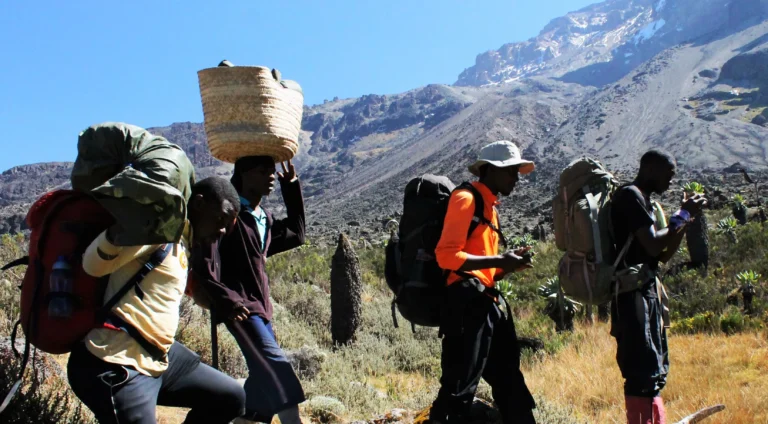
Best Kilimanjaro And Serengeti Calving Season Safari March 2027
Discover the magic of a March 2027 Kilimanjaro and Serengeti calving season safari. This guide explores the unique advantages and considerations for experiencing Tanzania's wildlife...
View package details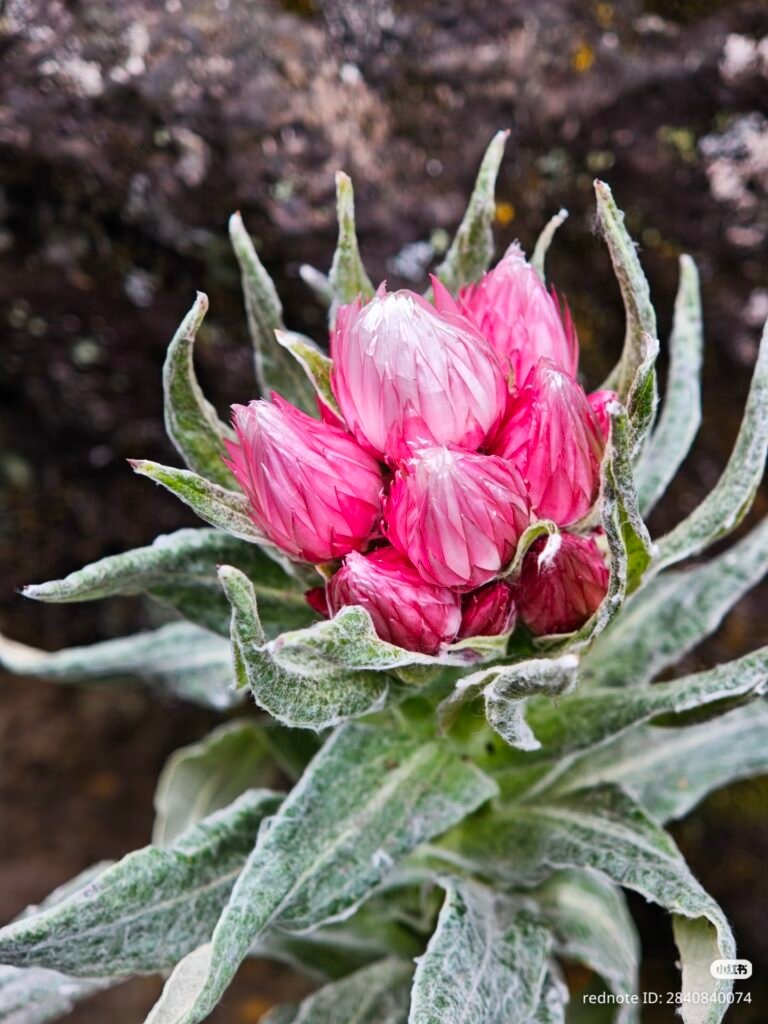
Kilimanjaro And Serengeti Calving Safari February : The Ultimate Planning
Combine the majesty of Mount Kilimanjaro with the impressive spectacle of the Serengeti's calving season in February 2027. This guide details how to plan this dual adventure, focusing on...
View package details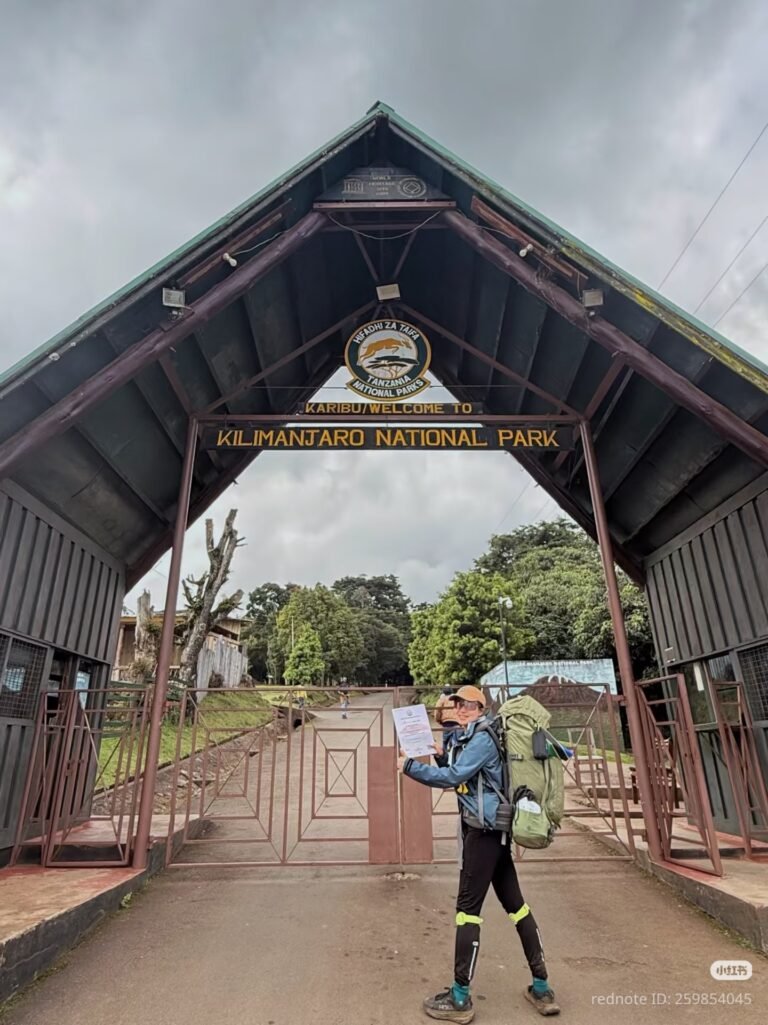
Kilimanjaro And Serengeti Calving Safari January 2026-2027
Kilimanjaro and Serengeti Calving Safari January 2027 is explained with current 2026-2027 planning, price, itinerary and booking information.
View package detailsNo related package matches those filters. Clear one or more filters to see the other topic-matched options.



